
The Importance of Supervision: Active Vigilance in Fall Prevention

Welcome to BabyCareHub, your ultimate guide to navigating the incredible journey of parenthood! Are you ready to embark on this adventure with confidence? We understand the overwhelming feeling of responsibility that comes with caring for a newborn, and we're here to help.
This website is packed with expert advice and practical tips to support you every step of the way. Learn how to prioritize your little one's safety with our essential guide on Baby fall prevention tips, a crucial element of ensuring your baby's healthy development. Discover the secrets to confident parenting and explore the wealth of information waiting for you within.
- Understanding the Risks of Baby Falls: Essential Prevention Strategies
- Baby Fall Prevention Tips: Constant Supervision is Key
- Responding to a Fall: Immediate Actions and Prevention Measures
- Utilizing Baby Safety Products: Supplements to Supervision
- Community Support and Resources: Sharing Experiences and Finding Help
- Frequently Asked Questions
- Final Reflection: A Legacy of Safety: Protecting Our Little Ones from Falls
- Unlock Your Child's Safe Playtime: Proactive Steps for Fall Prevention
Understanding the Risks of Baby Falls: Essential Prevention Strategies
Falls are a leading cause of injury in infants and toddlers. For first-time parents, the sheer vulnerability of a newborn or young baby can be overwhelming, leading to anxieties about unexpected accidents. This article focuses on baby fall prevention tips, providing a comprehensive guide to understanding the risks and implementing effective safety measures in your home. We will explore common scenarios where falls occur, discuss the developmental stages that increase vulnerability, and offer a practical room-by-room checklist to help you assess and mitigate potential hazards.
Protecting your little one from falls requires consistent vigilance and proactive safety planning – an investment that offers invaluable peace of mind and contributes significantly to your baby's overall well-being. Remember, even seemingly minor falls can result in serious injuries, so proactive prevention is key. Let's delve into the specifics to ensure your baby's safety.
Common Baby Fall Scenarios: High Chairs, Changing Tables, and Beds
Falls from elevated surfaces like high chairs, changing tables, and beds are surprisingly common. These seemingly innocuous situations can quickly turn dangerous. High chairs, for example, often become a source of falls when babies reach for toys or attempt to climb out.
Similarly, changing tables present a significant risk, especially if a parent momentarily turns their attention away. Even beds, seemingly secure, can be perilous if a baby rolls or wriggles to the edge. The consequences of falls from these heights can range from minor bumps and bruises to severe head injuries, fractures, and internal bleeding.
Implementing safety measures like using straps correctly in high chairs, keeping a hand on your baby at all times during diaper changes, and using safety rails on beds are crucial steps in fall prevention. Remember, a moment of distraction can have serious repercussions. Always practice active supervision and never leave your baby unattended on any elevated surface, no matter how briefly.
Developmental Milestones and Fall Risks: Crawling, Pulling Up, and Walking
As babies develop, their increased mobility significantly impacts their fall risk. The ability to crawl opens up a whole new world of exploration, but also introduces the risk of falls from stairs, down inclines, or off furniture. Pulling up to standing positions marks another significant milestone, often leading to falls as babies struggle to maintain balance. This stage requires careful attention to securing furniture and ensuring that there are no easily accessible climbing points. Once your baby begins walking, the risk of falls increases exponentially.
At this point, childproofing becomes even more critical, with particular attention to securing electrical cords, clearing away obstacles, and installing safety gates on stairs. Understanding these developmental milestones and their associated risks allows you to proactively adjust your safety strategies to match your baby's evolving capabilities. The key is to anticipate their next move and prepare your environment accordingly. 👶
Assessing Your Home for Potential Fall Hazards: A Room-by-Room Checklist
A thorough assessment of your home is crucial for effective baby fall prevention. This should be a systematic process, ideally conducted room by room. Here's a starting point for your checklist:
| Room | Potential Hazards | Prevention Strategies |
|---|---|---|
| Living Room | Coffee tables, low furniture, fireplaces, cords | Secure furniture to walls, use corner guards, cover outlets, tuck away cords |
| Kitchen | Counters, cabinets, drawers, appliances | Use cabinet locks, keep dangerous items out of reach, install safety latches |
| Bedroom | Beds, changing tables, dressers | Use safety rails on beds, never leave baby unattended on changing table or bed |
| Bathroom | Tub, toilet, sink | Use non-slip mats, keep bathroom doors closed, install toilet locks |
| Stairs | Staircase itself | Install safety gates at the top and bottom of the stairs |
This checklist provides a starting point. Regularly reassess your home as your baby grows and develops new abilities. Remember, proactive vigilance is your best defense against falls. Regularly reviewing and updating your safety measures is just as important as initial implementation. The goal is to create a safe and nurturing environment where your baby can explore and grow without unnecessary risks.
Baby Fall Prevention Tips: Constant Supervision is Key
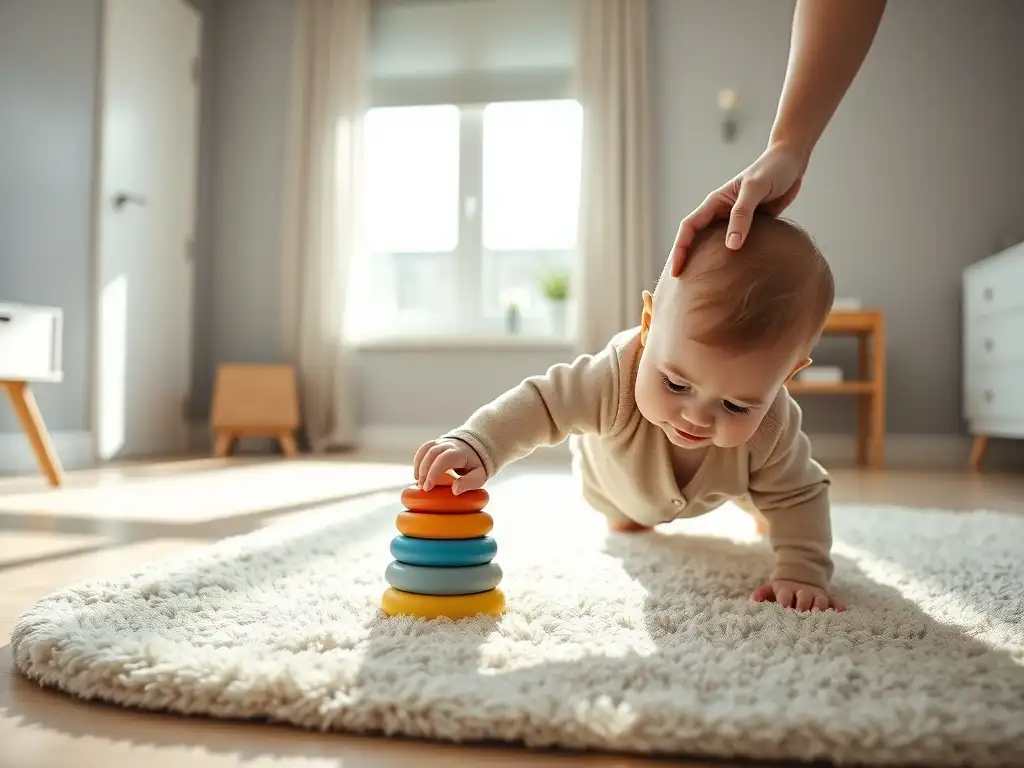
Preventing falls is paramount in ensuring your baby's safety. While baby-proofing is a crucial step, it's not a foolproof solution. Active supervision remains the cornerstone of effective baby fall prevention tips. A baby's natural curiosity and developing motor skills mean they're constantly exploring their environment, often in unpredictable ways. Even with carefully implemented safety measures, a moment's lapse in attention can lead to a potentially serious accident. This section explores the vital role of constant supervision and offers practical strategies to maintain vigilance.
The Power of Active Supervision: Why "Babyproofing" Isn't Enough
Baby-proofing your home is undeniably important. Installing safety gates, covering electrical outlets, and securing furniture are all essential steps in creating a safer environment for your little one. However, these measures are only supplementary to active supervision. Think of baby-proofing as a safety net—it minimizes the risk, but it doesn't eliminate it. A curious baby can still find ways to reach precarious situations, even in a supposedly "baby-proofed" home. For example, a child might pull a tablecloth, causing items on the table to fall, or climb onto a seemingly secure piece of furniture.
Active supervision means being constantly aware of your baby's whereabouts and activities. It's about more than just being in the same room; it's about engaging with your baby and anticipating potential hazards. This requires consistent presence and focused attention. Data from the [Source of statistics on baby falls pending] highlights the significant number of falls occurring despite parents' best efforts at baby-proofing. This underscores the critical role of active vigilance. The key is proactive engagement rather than passive observation.
Creating a Safe Space: Baby-Proofing Your Home Effectively
Even with constant supervision, a well-baby-proofed home significantly reduces the likelihood of falls. This involves a multi-pronged approach:
- Furniture anchoring: Secure tall furniture, such as bookcases and dressers, to the walls to prevent tipping.
- Window safety: Install window guards or safety latches to prevent falls from open windows.
- Stair gates: Use sturdy stair gates at the top and bottom of staircases, ensuring they are securely fitted.
- Electrical outlet covers: Protect your baby from electrical hazards by covering all exposed outlets.
- Corner guards: Protect your baby from sharp corners on furniture by using corner guards.
- Floor safety: Ensure floors are clear of clutter and potential tripping hazards. Consider using soft flooring in areas where your baby spends a lot of time.
Remember to regularly check your baby-proofing measures to ensure they remain effective as your baby grows and develops new abilities. A proactive approach to baby-proofing, combined with constant supervision, creates a significantly safer environment for your child. This layered approach is crucial for minimizing the risk of falls.
Strategies for Safe Supervision: Practical Tips for Busy Parents
Maintaining constant supervision can be challenging, especially for busy parents. However, implementing effective strategies can help:
- Designated play areas: Create specific, safe play areas for your baby, limiting access to other parts of the house.
- Babywearing: Consider using a baby carrier or sling, keeping your baby close and secure while you perform tasks.
- Taking breaks: If you're feeling overwhelmed, take short breaks to avoid fatigue, which can impair your alertness. Ask for help from family or friends.
- Rotating supervision: If there are multiple caregivers, create a system of rotating supervision to ensure consistent vigilance.
- Creating a routine: Establishing a predictable routine can help you anticipate your baby's needs and potential hazards. For example, knowing when your baby usually becomes mobile can help you prepare and supervise more closely during that time.
Remember, even a few seconds of distraction can be enough for a baby to fall. Prioritizing active supervision is not just a recommendation; it’s a crucial component of effective baby fall prevention tips. By combining diligent baby-proofing with constant, focused attention, you significantly reduce your baby's risk of falls and create a safe and nurturing environment. 👶
Responding to a Fall: Immediate Actions and Prevention Measures
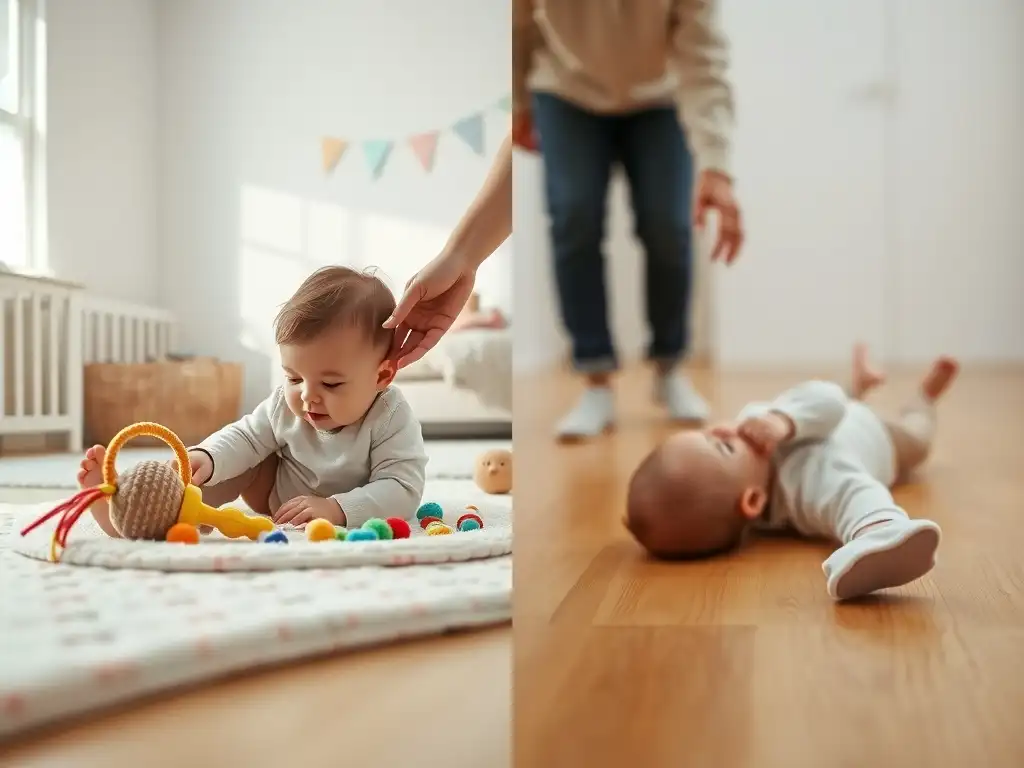
A baby's fall, even from a seemingly short distance, can be frightening. Quick, calm action is crucial. This section focuses on immediate responses and preventative measures following a fall, contributing to effective baby fall prevention tips.
Assessing the Injury After a Fall: When to Seek Medical Attention
Following a fall, carefully assess your baby. Look for obvious signs of injury such as:
- Head injuries: Bleeding, swelling, unusual drowsiness, vomiting, changes in pupil size, or persistent crying. Even a seemingly minor bump to the head warrants close observation for at least 24 hours.
- Bone fractures: Deformity, swelling, pain, or inability to move a limb. A fractured bone will require immediate medical attention.
- Internal injuries: Difficulty breathing, pale skin, persistent vomiting, or unusual lethargy. These symptoms suggest potential internal bleeding or damage and require urgent medical care.
Remember, some injuries might not be immediately apparent. Seek immediate medical attention if your baby:
- Shows any signs listed above.
- Is unusually fussy or lethargic for longer than usual.
- Is exhibiting changes in behavior or feeding patterns.
- Has a fall from a significant height (e.g., more than three feet).
- Loses consciousness, even briefly.
Don't hesitate to err on the side of caution. It's always better to get a professional assessment than to risk overlooking a serious injury. Early intervention can significantly improve the outcome for your baby. This proactive approach is a key element of effective baby fall prevention tips.
Preventing Future Falls: Learning from Past Incidents
Analyzing the circumstances surrounding a fall is crucial for preventing future incidents. Ask yourself:
- Where did the fall occur? Was it near a changing table, bed, or stairs? Identifying high-risk areas helps you implement targeted safety measures.
- What were you doing at the time? Were you distracted? Recognizing potential distractions (phone calls, household chores) can help you establish safer routines.
- What could have been done differently? Could a safety gate have been used? Were soft surfaces available to cushion a fall? Learning from past mistakes is paramount in improving your baby's safety.
Implementing changes based on the analysis is vital. For example, if the fall happened near a changing table, consider using a safety strap and never leaving your baby unattended. If it was near stairs, ensure that a sturdy gate is securely fitted. These practical steps contribute significantly to comprehensive baby fall prevention tips. Remember, proactive planning is the best way to ensure your baby's safety.
First Aid for Minor Baby Injuries: Basic First Aid for Common Baby Injuries
While immediate medical attention is necessary for serious injuries, minor bumps and bruises often require basic first aid.
- Minor bumps and bruises: Apply a cool compress to reduce swelling and pain. Comfort your baby and monitor for any worsening symptoms.
- Small cuts and scrapes: Clean the wound gently with mild soap and water. Apply an antiseptic cream and cover with a clean bandage.
- Nosebleeds: Have your baby sit upright, gently pinch the nostrils for 10-15 minutes, and apply a cool compress to the bridge of the nose.
Remember, this is basic first aid for minor injuries. If the injury is severe or doesn't improve, seek medical advice immediately. Keeping a well-stocked first aid kit readily accessible is a vital part of your baby fall prevention tips strategy. Knowing what to do in case of a minor injury can help you respond calmly and effectively, reducing your baby's distress. Always prioritize your baby's safety and well-being.
Utilizing Baby Safety Products: Supplements to Supervision

Even with constant supervision, accidents can happen. Supplementing your vigilant watch with appropriate baby safety products significantly reduces the risk of falls and injuries. These products are not a replacement for active supervision, but rather a crucial safety net. Remember, consistent monitoring remains the cornerstone of effective "baby fall prevention tips".
Choosing the Right Baby Gates: Types and Safety Features
Baby gates are essential for preventing falls down stairs and keeping babies confined to safe areas. However, not all gates are created equal. Choosing the right gate is critical for your baby's safety.
Several types of baby gates exist, each with its own advantages and disadvantages:
- Pressure-mounted gates: These are easy to install and remove, requiring no drilling. However, they rely on pressure against the doorframe or wall, and may not be suitable for all surfaces or openings. Always check the manufacturer's instructions and ensure a secure fit. A loose gate is a hazard.
- Hardware-mounted gates: These gates are more secure than pressure-mounted gates because they are screwed into the doorframe or wall. They offer a more robust barrier, particularly important for active toddlers. Installation requires drilling, but provides superior protection against accidental opening.
- Retractible gates: These gates retract into a casing when not in use, making them convenient for doorways where space is limited. They are usually pressure-mounted and should be checked regularly for secure placement.
- Decorative gates: These gates are designed to blend in with your home's decor. While aesthetically pleasing, they should still meet the same safety standards as other gates. Ensure they have a secure locking mechanism and are appropriately sized for the opening.
Safety Features to Prioritize:
- Secure locking mechanism: The gate should have a strong, childproof locking mechanism that is difficult for a baby or toddler to open. Test it frequently to ensure its effectiveness.
- Wide base and sturdy construction: A wide base and sturdy construction provide added stability, preventing the gate from tipping over.
- Appropriate height: The gate should be tall enough to prevent a child from climbing over it. Consider your child's height and climbing abilities when making your selection.
- Clear instructions: Always follow the manufacturer's installation instructions carefully. Improper installation can compromise the gate's safety.
Safe High Chairs and Changing Tables: Features to Look For
High chairs and changing tables are essential baby furniture items, but they also present a fall risk if not used safely. Choosing models with specific safety features can significantly reduce this risk.
High Chairs:
- Stable base: Look for a high chair with a wide, stable base that prevents tipping. Avoid models with narrow bases or wheels.
- Five-point harness: A five-point harness securely restrains your baby, preventing them from slipping or falling out. Always ensure the harness is properly adjusted and fastened.
- Tray restraint: The tray should have a secure locking mechanism to prevent it from detaching unexpectedly.
- Footrest: A footrest provides support and stability for your baby, making them more comfortable and less likely to squirm.
Changing Tables:
- Stable construction: The changing table should be sturdy and firmly attached to the wall, if possible. Avoid wobbly or unstable models.
- Raised edges: Raised edges help prevent your baby from rolling off the changing surface.
- Safety straps: Always use the safety straps to secure your baby to the changing table. Never leave your baby unattended on a changing table, even for a moment.
Other Baby Safety Products for Fall Prevention: Recommended Baby Safety Products
Beyond gates and high chairs, several other products enhance baby fall prevention. These include:
- Corner guards: These soft, padded covers protect babies from sharp corners on furniture, reducing the risk of bumps and injuries during falls.
- Window guards: These prevent falls from open windows, a significant hazard, especially in upper-floor apartments. Choose strong, securely-installed guards that meet safety standards.
- Furniture straps: These straps anchor furniture to walls, preventing it from tipping over if a baby climbs or pulls on it. This is especially crucial for heavy items like bookshelves and dressers.
- Play yard: A play yard provides a secure, contained space for babies to play, reducing the risk of falls. Always use it according to the manufacturer's instructions.
Remember, these safety products are valuable tools, but consistent, active supervision remains the most effective method for preventing falls and ensuring your baby's safety. Prioritize vigilance and use safety products as a supplementary layer of protection. These "baby fall prevention tips" will help create a safer environment for your little one.
Community Support and Resources: Sharing Experiences and Finding Help
Preventing falls in babies requires a multifaceted approach, and community support plays a crucial role. Sharing experiences and learning from others can significantly enhance your ability to create a safe environment for your little one. This section focuses on leveraging the power of community to bolster your baby fall prevention strategies. Remember, you're not alone in this journey.
Connecting with Other Parents: Sharing Tips and Support
The exchange of information and support among parents is invaluable. Online forums, parenting groups, and even neighborhood playdates provide platforms for sharing practical tips and learning from others' experiences. These interactions can offer insights into unexpected hazards, creative solutions, and emotional support during challenging moments.
For example, a parent might share their ingenious method of securing a bookshelf to prevent tipping, or another might describe a near-miss incident that highlighted a previously unnoticed danger. These shared experiences offer a wealth of knowledge that goes beyond standard safety guidelines. The collective wisdom of parents who have navigated similar challenges can be incredibly reassuring and empowering.
Participating in these communities fosters a sense of camaraderie and helps parents feel less isolated in their efforts to keep their babies safe. Remember to always critically evaluate the advice received and prioritize information from reputable sources. The emotional support offered within these communities is also invaluable, helping to reduce stress and anxiety associated with baby safety.
Consider joining online forums dedicated to baby safety, or search for local parenting groups in your area. Many communities offer regular meetings where parents can connect, share experiences, and receive support. The power of collective knowledge and mutual encouragement cannot be underestimated in your quest for baby fall prevention. 👶
Local Resources for Baby Safety: Finding Local Support and Resources
Beyond online communities, exploring local resources dedicated to baby safety can provide crucial support and guidance. These resources often offer personalized advice, hands-on demonstrations, and access to specialized equipment.
Many hospitals and health clinics offer safety checks for homes, providing expert assessments of potential hazards and personalized recommendations for improvements. These professionals can identify potential fall risks that might be overlooked by parents. They can also offer practical advice on babyproofing techniques and demonstrate safe practices for handling infants.
Furthermore, local child safety organizations often provide workshops and educational materials focused on baby fall prevention. These resources can enhance your understanding of the various aspects of babyproofing and offer strategies for dealing with specific challenges, such as securing furniture or preventing falls down stairs. Attending these workshops can be a valuable investment in your child's safety. Remember to check with your local health department or community centers for information on available resources.
A proactive approach to seeking local support will significantly enhance your ability to create a secure and loving environment for your baby. This proactive approach is crucial for ensuring your baby's safety and well-being. Always prioritize credible resources and actively seek out guidance to minimize the risk of falls.
Frequently Asked Questions
What is the biggest risk factor for babies falling?
The biggest risk factor is a lack of constant supervision. Babies are inherently curious and mobile, and even a moment's inattention can lead to a fall. Never leave your baby unattended on any raised surface.
At what age are babies most at risk of falling?
Babies are most at risk from the moment they can roll over (typically around 4-6 months) until they can confidently crawl and pull themselves up. This is because they gain mobility before they have the coordination to prevent falls.
What are some practical steps I can take to prevent my baby from falling?
Baby-proof your home by securing furniture, covering electrical outlets, and using safety gates. Place your baby on soft surfaces when playing on the floor, and always use approved car seats and strollers.
My baby is crawling; what are some specific precautions?
Keep hazardous items out of reach, block stairs with gates, and ensure that all windows are securely locked. Always supervise your crawling baby closely, and consider using a playpen for contained playtime.
What should I do if my baby does fall?
First, remain calm and assess your baby for injuries. Look for bruises, swelling, or bleeding. If you are concerned, seek immediate medical attention. Even minor falls can sometimes result in serious injuries.
Final Reflection: A Legacy of Safety: Protecting Our Little Ones from Falls
The staggering number of infant falls each year underscores the critical need for proactive, vigilant supervision. These aren't just statistics; they represent real children, real families facing the heartbreak and potential lifelong consequences of preventable injuries. Every fall is a reminder of the immense responsibility we bear in safeguarding our most vulnerable.
The impact of consistent, attentive supervision extends far beyond immediate safety; it shapes a child's sense of security and trust. It fosters a strong parent-child bond built on unwavering protection and care. As a parent myself, I understand the constant vigilance required, the sleepless nights, and the ever-present worry. The most important thing a father can do for his children is to love their mother.
– Theodore Hesburgh. While this quote speaks to a broader familial context, the sentiment of unwavering care and protection directly applies to the vigilant supervision necessary to prevent infant falls. This dedication to safety isn't just about preventing injury; it's about cultivating a nurturing environment where children can thrive.
You hold the power to make a difference. Take a moment to assess your home environment, identify potential hazards, and commit to consistent, mindful supervision. Remember, even a brief lapse in attention can have devastating consequences. Let's work together to create a safer world for our children, one watchful moment at a time. By prioritizing safety and embracing the responsibility of active vigilance, we can build a future where preventable infant falls become a distant memory.
Unlock Your Child's Safe Playtime: Proactive Steps for Fall Prevention
Thank you for learning about the crucial role of supervision in preventing childhood falls. We hope this information helps you protect your child. Now, let's put this knowledge into practice!
Here's what you can do:
- Childproof your home: Carefully assess your home from your child's viewpoint, identifying and removing or securing potential fall hazards. This is the most important step in creating a safer environment.
- Share this information: Help create safer communities for all children by sharing these fall prevention tips with friends and family.
- Join our online community: Connect with other parents, exchange experiences and advice, and discover more strategies for keeping children safe. Let's build a supportive network together!
What small step will you take today to make your home even safer for your child?