
Creating a Calm Environment: How Ambiance Affects Bonding

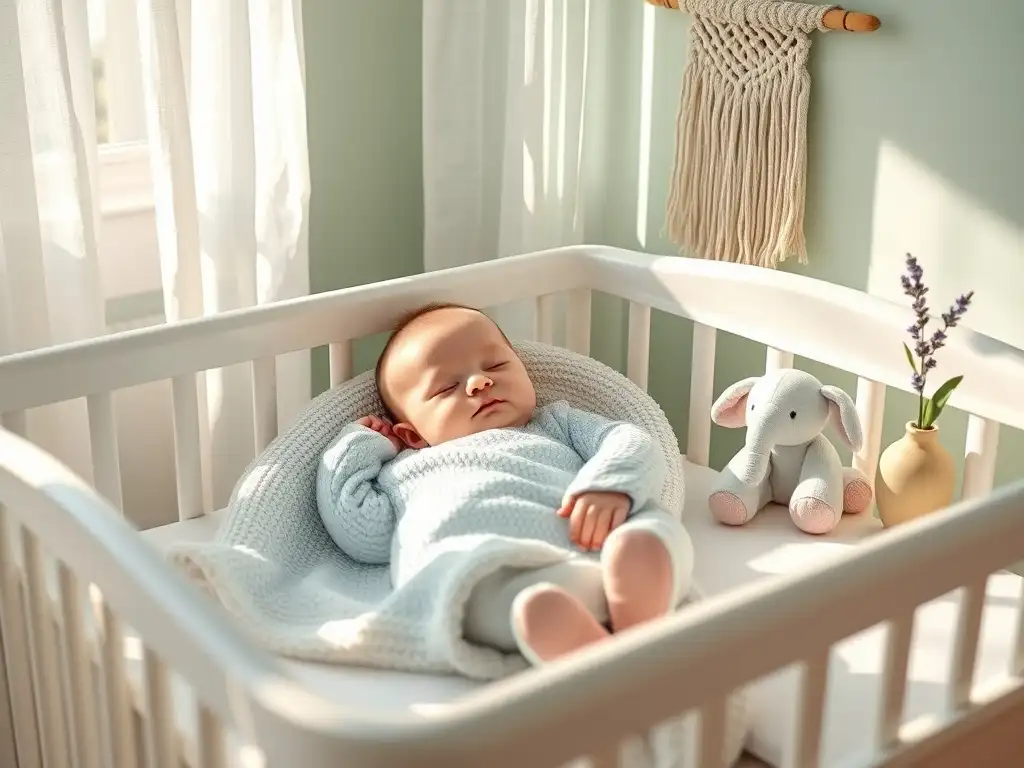
Welcome to BabyCareHub, your ultimate guide to navigating the incredible journey of parenthood! Are you ready to unlock the secrets to a happier, healthier baby? We believe that creating the right ambiance is key to fostering a strong bond with your little one. Discover how a calm baby room ambiance can significantly impact your baby's development and your connection. Dive into our "Newborn Basics" section to learn more and begin creating a nurturing environment for your precious child.
- Understanding the Importance of a Calm Baby Room Ambiance for Bonding
- Designing a Calming Nursery for Enhanced Bonding
- Incorporating Sounds and Scents to Foster a Tranquil Atmosphere
- Creating a Safe and Comfortable Space for Bonding
- Practical Tips for Maintaining a Peaceful Baby Room Ambiance
- Assessing the Effectiveness of Your Calm Baby Room Ambiance
- Long-Term Benefits of a Calm Nursery for Baby Development and Parent-Child Bonding
-
Frequently Asked Questions
- How does room ambiance affect baby-parent bonding?
- What are some key elements of a calm baby room ambiance?
- What kind of lighting is best for a baby's room to promote bonding?
- How can I incorporate calming sounds into my baby's room for better bonding?
- What role does scent play in creating a calm baby room ambiance for better bonding?
- Final Reflection: Cultivating Connection Through Calm
- Unwind & Connect: Nurture Your Bond Through a Calming Atmosphere
Understanding the Importance of a Calm Baby Room Ambiance for Bonding
Creating a peaceful and calming environment for your newborn is crucial for fostering a strong and secure parent-child bond. The ambiance of your baby's room significantly impacts their development and your ability to connect with them on a deeper level. From the moment they enter the world, babies are highly sensitive to their surroundings, and a carefully curated atmosphere can contribute to their overall well-being and emotional security, leading to stronger bonding experiences.
This article will explore how specific elements of a baby's room contribute to a calming atmosphere and how this, in turn, enhances the crucial bonding process during those precious early months. We'll delve into the impact of sensory stimulation and how a soothing atmosphere promotes secure attachment in infants, providing practical tips to create the perfect haven for both you and your little one. The goal is to help you understand the profound connection between a calm baby room ambiance and the development of a strong, loving bond with your newborn.
This is especially important for first-time parents navigating the often overwhelming experience of caring for a new baby. A well-designed space can significantly reduce stress and promote those precious moments of connection.
The Impact of Sensory Stimulation on Newborn Development and Attachment
Newborns are incredibly sensitive to sensory input – sights, sounds, smells, textures, and tastes. Over-stimulation can lead to stress and irritability, hindering the bonding process. Conversely, a carefully managed sensory environment can promote relaxation and contentment, fostering a secure attachment. Consider these points:
- Visual Stimulation: Avoid overly bright lights or busy patterns in the nursery. Opt for soft, muted colors and simple, calming designs. A mobile with slow-moving elements can be a positive addition, but ensure it's not overly stimulating. Too much visual input can be overwhelming for a newborn, preventing them from relaxing and making it harder for parents to connect.
- Auditory Stimulation: Minimize loud noises. A consistently quiet environment is ideal. Consider using white noise machines or calming nature sounds to mask disruptive noises and create a sense of tranquility. The gentle, consistent sounds can be very soothing and help your baby sleep better, freeing up more time for bonding during their waking hours.
- Tactile Stimulation: Soft, comfortable bedding and clothing are essential. Ensure the fabrics are gentle against their delicate skin. Skin-to-skin contact is vital for bonding, providing warmth and security. This physical closeness regulates the baby's heart rate and temperature, creating a sense of safety and promoting the release of oxytocin, the "love hormone."
- Olfactory Stimulation: Use calming, natural scents such as lavender or chamomile (always check for allergies first!). Avoid strong perfumes or air fresheners which can be irritating to a baby's sensitive respiratory system. A clean and fresh-smelling room contributes to a peaceful and relaxing atmosphere.
How a Soothing Atmosphere Promotes Secure Attachment in Infants
A calm and predictable environment is vital for a baby's sense of security. This security is the foundation for secure attachment, a crucial element in a healthy parent-child relationship. A secure attachment allows the baby to feel safe and confident to explore their world, knowing they have a reliable caregiver to return to for comfort and support. Here's how a soothing atmosphere contributes:
- Reduced Stress Hormones: A calming environment reduces the levels of stress hormones (cortisol) in both the baby and the parent. Lower stress levels allow for more relaxed interactions and enhance the bonding experience. Reducing stress for both parent and child is paramount for a positive and loving relationship.
- Enhanced Responsiveness: When a baby feels safe and calm, they are more likely to be responsive to their parent's cues and readily engage in nurturing interactions. This reciprocal exchange of affection strengthens the bond between parent and child.
- Improved Sleep: A peaceful nursery promotes better sleep for the baby, contributing to their overall well-being and making them more receptive to bonding opportunities during waking hours. Adequate sleep is essential for both physical and emotional development. A well-rested baby is a happy baby, and a happy baby makes for stronger bonding.
- Increased Oxytocin Levels: The calming environment promotes the release of oxytocin, a hormone that plays a crucial role in bonding and attachment. Skin-to-skin contact, gentle rocking, and quiet time together further enhance oxytocin release, strengthening the parent-child bond. This hormone is vital for fostering a loving and secure relationship.
Designing a Calming Nursery for Enhanced Bonding
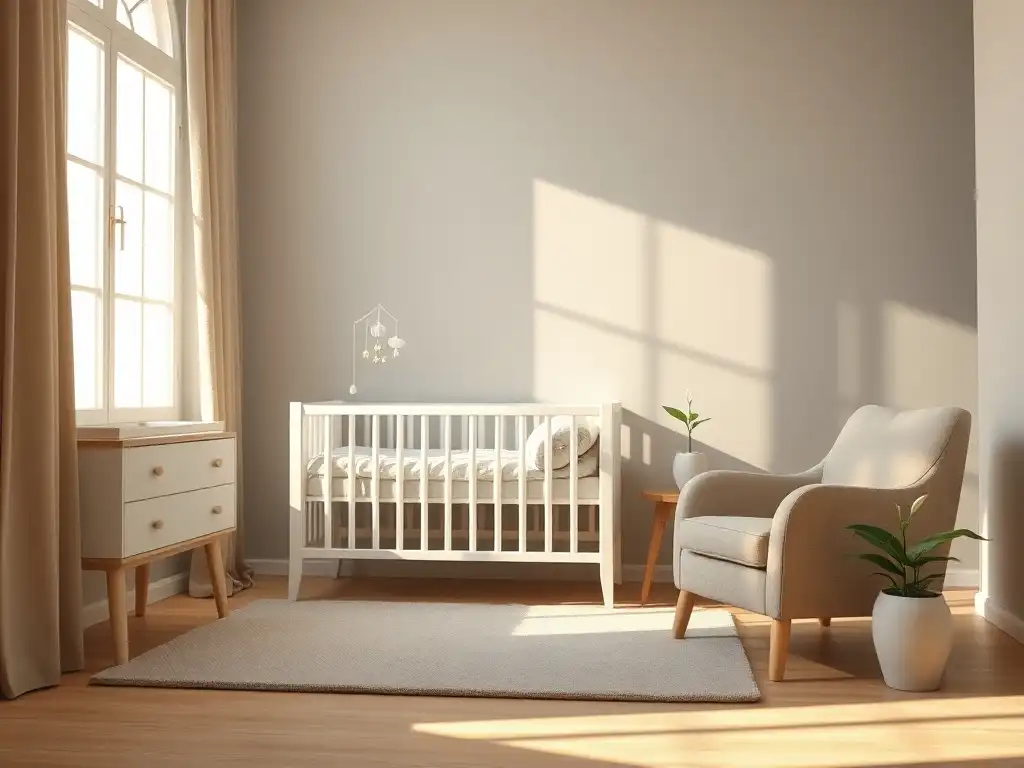
Creating a calm and nurturing environment for your newborn is crucial for fostering a strong parent-child bond. The ambiance of your baby's room significantly impacts their mood, sleep patterns, and overall well-being, directly influencing the quality of your interactions and the development of your bond. This section delves into practical strategies for designing a peaceful nursery that promotes relaxation and strengthens the connection between you and your little one.
We'll explore the impact of color, lighting, texture, and other sensory elements on your baby's development and your bonding experience. Remember, a thoughtfully designed nursery isn't just a pretty space; it's an investment in your family's emotional well-being and a cornerstone for building a strong, loving relationship with your child. Optimizing your baby's room ambiance for calm contributes significantly to a positive and secure bonding experience.
Choosing the Right Colors for a Peaceful Baby Room: Color Psychology for Newborns
Color psychology plays a significant role in creating a serene atmosphere for your baby. While vibrant colors might seem appealing, softer hues are generally recommended for a nursery designed to promote relaxation and sleep. Think calming pastels such as:
- Soft blues: Often associated with tranquility and security.
- Lavender: Known for its calming and soothing properties.
- Pale greens: Evokes a sense of nature and peacefulness.
- Creamy yellows: Promote feelings of warmth and happiness, without being overly stimulating.
Avoid overly bright or bold colors, as these can be overstimulating for newborns. Research suggests that certain colors can influence mood and behavior. For example, studies have shown that exposure to blue can have a calming effect, while red can be more stimulating. Therefore, choosing a color palette carefully is a key aspect of creating a calm baby room ambiance conducive to bonding. Consider using a combination of these calming colors to create a balanced and harmonious space. A soft blue wall with cream-colored furniture and lavender accents, for instance, could create a truly tranquil haven.
Optimizing Lighting for a Relaxing Nursery Environment: Natural Light vs. Artificial Light
Lighting is another critical element in establishing a calming nursery environment. Natural light is beneficial during the day, providing vitamin D and contributing to a sense of wellbeing. However, excessive sunlight can be overstimulating. It's crucial to balance natural light with the use of soft, diffused artificial light, especially during nighttime feedings and diaper changes.
Here's a breakdown of lighting considerations:
| Lighting Type | Advantages | Disadvantages |
|---|---|---|
| Natural Light | Vitamin D, promotes a sense of wellbeing | Can be harsh and overstimulating; inconsistent |
| Soft White LED Bulbs | Energy-efficient, long-lasting, adjustable brightness | Can be harsh if too bright; consider dimmer switches |
| Warm-toned Bulbs | Create a cozy and relaxing atmosphere | May not be as bright as other options |
| Nightlights | Provide gentle illumination for nighttime checks | Can be distracting if too bright |
Employ dimmers on your overhead lights to control the intensity and create a soothing atmosphere. Nightlights with a low, soft glow are ideal for nighttime checks without disturbing your baby's sleep. Remember, a dimly lit room promotes melatonin production, essential for healthy sleep cycles, further enhancing the bonding experience through peaceful, restful nights.
The Role of Texture and Soft Furnishings in Creating a Cozy Baby Space
The tactile experience of a baby's environment significantly contributes to their sense of comfort and security. Soft textures, such as plush blankets, cuddly toys, and soft rugs, create a cozy and inviting atmosphere. These soft furnishings not only offer physical comfort but also contribute to a sense of security and warmth, promoting a calm and relaxed environment ideal for bonding.
Consider using natural materials like cotton and wool for bedding and soft toys, as these are gentle on your baby's delicate skin and contribute to a more natural and peaceful setting. The addition of textured elements like a knitted throw blanket or a soft, plush rug can add visual interest without being overly stimulating. This careful consideration of texture promotes a calm baby room ambiance, enhancing the bonding experience through sensory comfort.
Remember to always prioritize safety and choose materials that are hypoallergenic and breathable to minimize the risk of allergies or suffocation. 😴
Incorporating Sounds and Scents to Foster a Tranquil Atmosphere
Creating a calm baby room ambiance is crucial for bonding and promoting your newborn's well-being. While visual elements play a significant role, the auditory and olfactory experiences significantly impact a baby's emotional state and contribute to a secure and peaceful environment. This section delves into how carefully curated sounds and scents can enhance your baby's sense of calm and strengthen your bond. Remember, a peaceful atmosphere is a cornerstone of successful parent-child bonding, particularly in those crucial early months. Careful consideration of these sensory details can significantly impact your newborn's development and your ability to connect with them.
Soothing Soundscapes for Babies: White Noise, Nature Sounds, and Lullabies
The soundscape of your baby's room can dramatically affect their sleep and overall mood. Harsh noises can be jarring and disruptive, while gentle sounds can have a calming and soothing effect. White noise machines are incredibly popular for their ability to mask sudden, startling noises. The consistent, low hum of white noise helps to create a stable auditory environment, reducing the impact of external disruptions.
Beyond white noise, nature sounds like gentle rain or flowing water can be equally effective. These sounds evoke a sense of peace and tranquility, mimicking the sounds your baby heard in the womb. Many commercially available apps and devices offer a wide variety of nature sounds specifically designed for babies.
Lullabies, sung softly by a parent or played from a recording, are another powerful tool for calming and bonding. The rhythmic nature of lullabies and the gentle tone of a parent's voice have a deeply soothing effect on infants. The act of singing a lullaby also provides a valuable opportunity for skin-to-skin contact and one-on-one interaction, further strengthening the parent-child bond. Remember to choose lullabies with slow tempos and calming melodies.
The Use of Aromatherapy (Essential Oils) in a Baby's Room: Safety and Benefits
Aromatherapy, using essential oils to influence mood and well-being, is a growing trend, but it's crucial to approach it cautiously when it comes to babies. While some scents might have a calming effect, it's paramount to prioritize safety. Never apply essential oils directly to your baby's skin. The concentration of oils can be too strong and potentially harmful.
Instead, consider using a diffuser in another room and letting the scent subtly drift into the nursery. Lavender is often cited for its calming properties, but even then, use extreme caution. Start with a very low concentration and observe your baby's reaction carefully. If you notice any signs of irritation, such as skin redness or breathing difficulties, discontinue use immediately and consult your pediatrician.
The benefits must always be carefully weighed against the potential risks. Remember, a scent-free environment is always the safest option for a newborn. More research is needed to fully understand the long-term effects of aromatherapy on infants.
Avoiding Over-Stimulation: Managing Noise and Light Levels in the Nursery
Over-stimulation can negatively impact a baby's ability to relax and sleep, hindering the process of bonding. A consistently over-stimulated baby might exhibit fussiness, irritability, and difficulty settling down. Managing noise and light levels is key to creating a calm and conducive environment.
Minimizing harsh or sudden noises is crucial. Keep the volume of televisions, radios, and other electronic devices low, or turn them off entirely when your baby is in the room. Similarly, limit exposure to bright lights, especially during nighttime sleep. A dimly lit room or a nightlight with a soft, warm glow is more conducive to sleep and relaxation. Consider using blackout curtains to minimize the effects of sunlight during the day.
Creating a predictable routine, with consistent sleep and wake times, can significantly reduce overstimulation. A regular, calming bedtime routine can help signal to your baby that it's time to wind down. This predictability provides security and comfort, fostering a sense of calm and promoting better sleep. Remember, a calm and predictable environment is essential for both the baby's well-being and the parent's ability to bond effectively.
Creating a Safe and Comfortable Space for Bonding
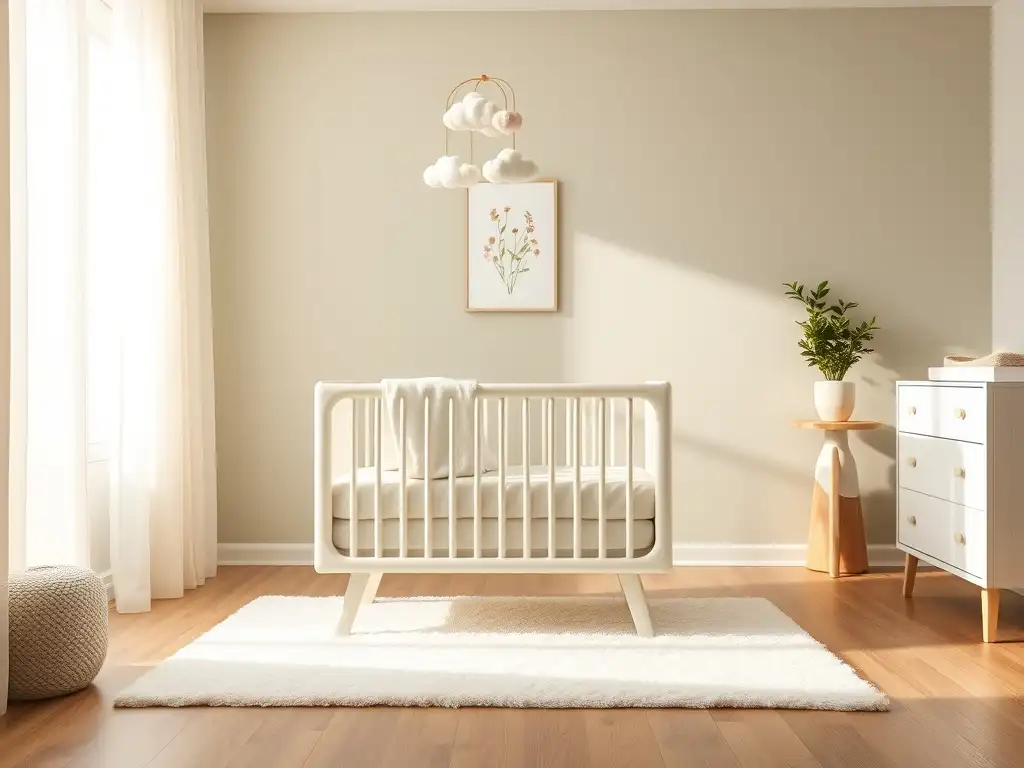
Creating a calm baby room ambiance is crucial for fostering strong bonding between parent and child. A safe, comfortable, and well-organized nursery significantly contributes to a relaxed atmosphere, allowing for more meaningful interactions and promoting a sense of security for your little one. This section focuses on practical steps to achieve this ideal environment, enhancing the overall bonding experience. Remember, a calm environment isn't just about aesthetics; it's about prioritizing your baby's safety and well-being. This contributes directly to a more positive and fulfilling bonding experience.
Baby Room Temperature and Air Quality: Maintaining a Comfortable Environment
Maintaining the right temperature and air quality in your baby's room is paramount for their comfort and health, directly impacting your bonding time. A baby who is too hot or too cold, or breathing in poor air quality, will be fussy and less receptive to interaction.
The ideal room temperature for a baby is between 68°F and 72°F (20°C and 22°C). Use a reliable thermometer to monitor the temperature regularly, especially during different seasons. Avoid placing the crib near direct sources of heat like radiators or fireplaces. Similarly, avoid drafts from open windows or doors. A gentle, consistent temperature is key.
Air quality is equally important. Consider using an air purifier, especially if you live in an area with high levels of pollution or if you have pets. Regularly airing out the room by opening windows (when safe and weather permitting) helps to circulate fresh air and remove any stale odors. Avoid using strong air fresheners or scented candles, as these can irritate your baby's sensitive respiratory system. A clean and well-ventilated room contributes significantly to a calm and healthy atmosphere, facilitating better bonding opportunities. Remember, a happy, healthy baby is a baby more readily available for bonding.
Choosing Safe and Comfortable Baby Bedding: Cribs, Mattresses, and Linens
The choice of baby bedding significantly impacts both sleep quality and safety, impacting your ability to bond effectively. A safe sleep environment allows your baby to rest comfortably, leaving them more content and receptive to your attention. A fussy, uncomfortable baby makes bonding more challenging.
Cribs: Ensure your crib meets current safety standards. The slats should be spaced no more than 2 3/8 inches apart to prevent your baby from getting their head or limbs stuck. The mattress should fit snugly, with no gaps between the mattress and the crib sides. Avoid using drop-side cribs, as these pose a significant safety risk.
Mattresses: Opt for a firm, flat mattress that is specifically designed for cribs. Avoid soft mattresses or those with excessive padding, as these increase the risk of Sudden Infant Death Syndrome (SIDS). The mattress should fit snugly within the crib frame.
Linens: Choose breathable fabrics like cotton for sheets and blankets. Avoid using loose blankets, pillows, bumpers, or stuffed animals in the crib, as these can pose a suffocation hazard. A fitted sheet is sufficient; avoid using extra blankets or loose bedding. Keep the crib simple and safe to maximize bonding time with a content baby.
Organizing the Nursery for Easy Access and a Calm Atmosphere
A well-organized nursery promotes a sense of calm and allows for easy access to everything you need during those precious bonding moments. A cluttered or chaotic space can be stressful and disruptive, hindering the ability to connect with your baby.
Consider these organizational strategies:
- Diapering Station: Keep diapers, wipes, diaper rash cream, and other essentials within easy reach. A well-stocked and easily accessible diapering station minimizes interruptions during bonding time.
- Feeding Station: Have bottles, formula (if using), burp cloths, and bibs readily available. This streamlines feeding time, allowing for more focused interaction with your baby.
- Clothing Storage: Organize baby's clothes by size and type for easy access. This reduces the stress of finding the right outfit during diaper changes or dressing your baby for outings.
- Toy Storage: Keep toys organized and easily accessible for playtime. Rotate toys regularly to keep your baby engaged and stimulated. A calm environment makes engaging with these toys much easier.
- Declutter Regularly: Regularly declutter the nursery to maintain a calm and organized space. This contributes to a peaceful atmosphere conducive to bonding.
Remember, a calm baby room ambiance is not just about aesthetics; it's about creating a safe, comfortable, and organized space that supports your bonding journey with your newborn. By prioritizing these aspects, you’ll create an environment where you can fully enjoy those precious moments with your baby. 👶💕
Practical Tips for Maintaining a Peaceful Baby Room Ambiance
Creating a calm baby room ambiance is crucial for fostering strong parent-baby bonding. A peaceful environment reduces stress for both parent and child, encouraging more relaxed and loving interactions. This section offers practical, actionable steps you can take to cultivate this essential atmosphere. Remember, the goal is to create a space that promotes tranquility and facilitates a positive connection between you and your little one. This is key to achieving a successful "calm baby room ambiance bonding" experience.
Daily Routine for Maintaining a Calm Nursery Environment
Establishing a consistent daily routine is paramount for maintaining a peaceful nursery. Predictability helps babies feel secure and reduces anxiety, leading to calmer behavior and better sleep. Think of it as creating a rhythmic backdrop to your baby's day, a calming melody that soothes and reassures.
Here's a sample routine you can adapt to suit your family's needs:
- Morning: Gentle wake-up, natural light if possible, followed by a soothing diaper change and feeding.
- Mid-morning: Tummy time, quiet playtime, or a short walk in a carrier.
- Afternoon: Naptime in a dark, quiet room. Use white noise or calming music if needed.
- Evening: Bath time (if applicable), followed by a calming feeding and bedtime routine.
- Night: Consistent bedtime and sleep environment.
Consistency is key. Sticking to a similar schedule each day helps your baby anticipate what's coming next, reducing stress and promoting a sense of security. This predictability contributes significantly to a calm baby room ambiance and strengthens the bonding process. Remember to be flexible; some days will inevitably be more chaotic than others.
Simple Techniques for Calming a Fussy Baby Through Sensory Adjustments
A fussy baby can disrupt even the most carefully crafted peaceful environment. However, simple sensory adjustments can often work wonders in calming your little one. These techniques leverage the power of the senses to soothe and comfort, promoting a sense of calm and security. This is especially important for achieving a successful "calm baby room ambiance bonding" experience.
- Sound: White noise machines, gentle classical music, or nature sounds can mask distracting noises and create a calming auditory environment. Experiment to find what your baby responds to best. Some babies are soothed by the rhythmic whoosh of a fan, while others prefer the gentle sounds of rain.
- Light: Soft, indirect lighting is preferable to harsh overhead lights. Consider using dimmable lamps or nightlights to create a soothing atmosphere, especially during nighttime feedings. Avoiding overly bright lights, particularly before bedtime, promotes better sleep and reduces overstimulation.
- Smell: Lavender, chamomile, or other calming essential oils (used carefully and diluted appropriately, always checking for allergies first) can create a relaxing aroma. However, always prioritize safety and consult with your pediatrician before using essential oils around your baby.
- Touch: Gentle swaddling, rocking, or skin-to-skin contact can provide comfort and security. The physical closeness fosters a sense of safety and promotes bonding.
Remember to observe your baby's cues. What works for one baby might not work for another. Experiment with different sensory adjustments to discover what best soothes your little one and contributes to a positive bonding experience within your "calm baby room ambiance."
Creating a Dedicated Bonding Space Within the Nursery
Designating a specific area within the nursery solely for bonding activities can significantly enhance the quality of your interactions. This dedicated space should be comfortable, calming, and free from distractions. Creating this focused space helps establish a positive association between the room and the special time you spend together. This is a crucial aspect of achieving a successful "calm baby room ambiance bonding".
Consider these elements when creating your bonding space:
- Comfort: A comfortable armchair or rocking chair is essential. Ensure adequate lighting, temperature control, and easy access to necessities such as blankets and burp cloths.
- Minimizing Distractions: Keep the area clutter-free and minimize visual stimulation. A simple, calming color palette is recommended.
- Sensory Elements: Incorporate sensory elements that promote relaxation, such as soft blankets, a calming mobile, or a small collection of textured toys.
- Purposeful Design: The space should be clearly defined and visually appealing. A small rug or a dedicated corner can help demarcate the area.
This dedicated bonding space within your calm nursery will become a haven for nurturing and connection, facilitating deeper bonding between you and your baby and enhancing the overall "calm baby room ambiance bonding" experience. The goal is to create a space where you both feel safe, relaxed, and connected.
Assessing the Effectiveness of Your Calm Baby Room Ambiance
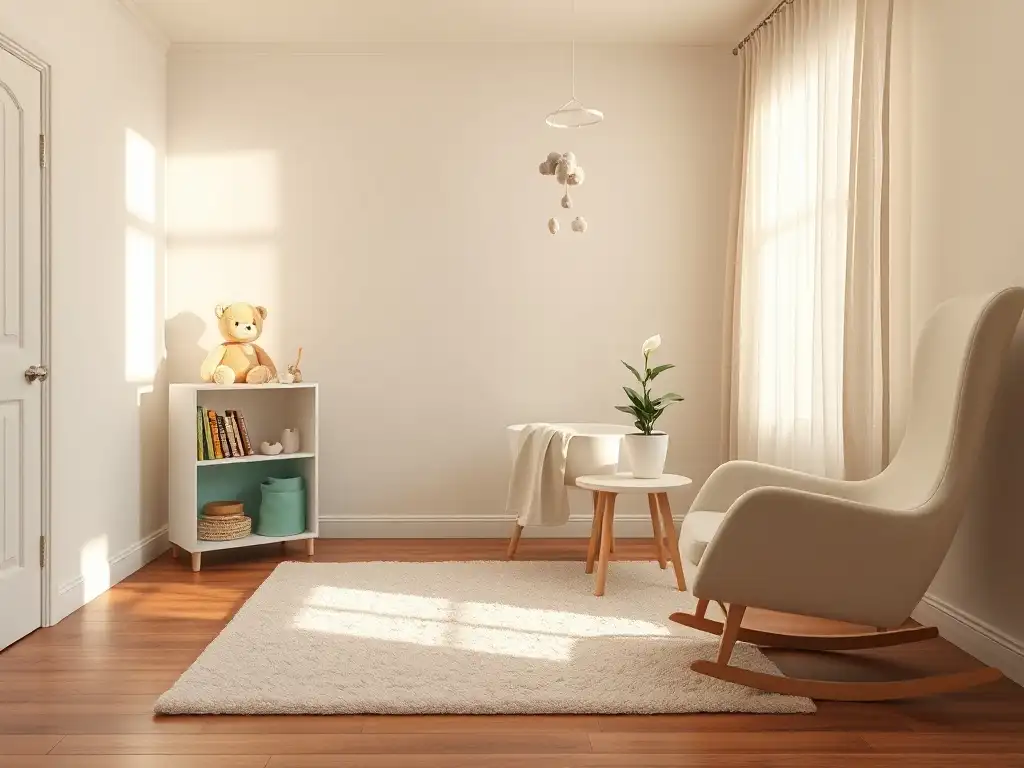
Creating a calm and soothing baby room ambiance is crucial for fostering bonding, but how do you know if your efforts are truly effective? Simply making the room look aesthetically pleasing isn't enough; you need to observe your baby's reactions and adjust accordingly. A truly effective calm baby room ambiance leads to observable positive changes in your baby's behavior and your interaction with them.
This section will guide you through assessing the effectiveness of your efforts, focusing on practical steps and observable indicators. Remember, creating a peaceful environment is an iterative process; continuous monitoring and adjustment are key to success.
Observing Your Baby's Responses to the Environment
Observing your baby's behavior is the most reliable way to gauge the effectiveness of your calm baby room ambiance. Look for subtle cues that indicate comfort and contentment. Does your baby readily relax and settle in the room? Do they sleep soundly and for longer stretches? Are they generally more content and less fussy when in their nursery?
Pay close attention to their physical cues. A relaxed baby might display soft, slow movements, a calm facial expression, and even a gentle sigh. Conversely, signs of discomfort might include increased fussiness, rapid breathing, tightly clenched fists, or arching their back. Keep a baby journal or log to record these observations over time. This will help you identify patterns and track progress. For example, you could note:
| Date | Time | Observation | Notes |
|---|---|---|---|
| 2024-10-27 | 10:00 AM | Baby settled quickly, slept for 2 hours. | Room temperature 70°F, soft music playing. |
| 2024-10-27 | 4:00 PM | Baby fussy, difficult to settle. | Room slightly warmer, lights brighter. |
| 2024-10-28 | 8:00 AM | Baby relaxed and playful in the nursery. | Soft lighting, quiet environment. |
Remember, every baby is different. What works for one might not work for another. The key is to be attentive to your baby's individual needs and preferences. Don't be discouraged if it takes time to find the perfect balance.
Adjusting the Ambiance Based on Your Baby's Cues
Once you've observed your baby's responses, it's time to adjust the ambiance accordingly. If your baby seems distressed or overstimulated, try dimming the lights, playing softer music, or reducing visual clutter. If they seem under-stimulated, consider introducing some gentle movement or engaging textures, but always keep it calming and within their tolerance.
For example, if you notice your baby is easily startled by sudden noises, prioritize a quieter environment. You might need to dampen sounds from outside the room or use white noise machines to create a consistent, calming soundscape. If bright light seems to upset them, consider using softer, warmer lighting options, perhaps a nightlight or dimmer switch. Experiment with different elements to find the perfect balance of stimulation and calm for your baby. Remember, small changes can make a big difference.
Long-Term Benefits of a Calm Nursery for Baby Development and Parent-Child Bonding
Creating a calm and nurturing nursery is not just about short-term comfort; it offers significant long-term benefits for your baby's development and your relationship. A consistently peaceful environment contributes to a sense of security and well-being, fostering healthy emotional and cognitive development. This translates into better sleep patterns, reduced stress levels, and improved overall well-being for your baby.
Furthermore, a calm atmosphere facilitates better parent-child bonding, strengthening the emotional connection between you and your little one. The positive effects extend beyond infancy, setting the stage for a more secure and confident child as they grow. Studies show that a positive early environment can have a lasting impact on a child's development, influencing aspects such as emotional regulation, social skills, and cognitive abilities.
Creating a calm baby room ambiance is an investment in your baby's future well-being and your relationship with them. The nurturing and peaceful environment contributes to a positive feedback loop, creating a happier and healthier family unit.
Frequently Asked Questions
How does room ambiance affect baby-parent bonding?
A calm and soothing environment promotes relaxation for both parent and baby, fostering a stronger bond during crucial interaction times like feeding and cuddling. A stress-free atmosphere facilitates better communication and connection.
What are some key elements of a calm baby room ambiance?
Soft lighting, gentle music, and a neutral color palette contribute to a peaceful atmosphere. Consider comfortable temperature and minimizing visual clutter. Pleasant scents (like lavender) can also be beneficial.
What kind of lighting is best for a baby's room to promote bonding?
Avoid harsh overhead lights. Opt for soft, warm lighting such as a dimmable lamp or nightlight. This creates a relaxing and comforting atmosphere, ideal for nighttime feedings and cuddling.
How can I incorporate calming sounds into my baby's room for better bonding?
Use a white noise machine or play gentle instrumental music at a low volume. These sounds can mask distracting noises, creating a more peaceful environment conducive to bonding. Nature sounds are also a good option.
What role does scent play in creating a calm baby room ambiance for better bonding?
Subtle, pleasant scents like lavender can have a calming effect on both baby and parent. However, avoid strong or artificial fragrances which could be irritating. Always prioritize safety and ensure any scents used are baby-safe.
Final Reflection: Cultivating Connection Through Calm
Creating a peaceful environment isn't just about aesthetics; it's about fostering deeper connections, particularly in the crucial early years of a child's life. The impact of a calm baby room ambiance extends far beyond a visually pleasing space; it directly influences the quality of bonding between parent and child, shaping emotional development and laying the foundation for a secure attachment. This isn't a fleeting trend; it's a fundamental truth about human interaction and well-being.
The subtle symphony of a calm environment—soft lighting, soothing sounds, and comforting textures—resonates deeply, influencing not only the baby's emotional state but also the parent's ability to connect and respond effectively. The most important thing a father can do for his children is to love their mother.
This quote, while traditionally focused on the parental relationship, speaks to the broader principle: a calm, loving environment nurtures all relationships within it, starting with the parent-child bond. The ripple effect of this calm extends to the entire family dynamic, creating a haven of peace and understanding.
Consider the power you hold to shape this environment. You are the architect of your child's sanctuary, the curator of their earliest experiences. Take a moment to reflect on your own home environment. What adjustments can you make to cultivate a space that fosters calm, connection, and ultimately, a stronger bond with your little one? Embrace the opportunity to create a haven of peace, not just for your child, but for your entire family. The investment in a calm ambiance is an investment in a lifetime of loving connections.
Unwind & Connect: Nurture Your Bond Through a Calming Atmosphere
Thank you for exploring the impact of atmosphere on bonding! We hope you've gained valuable insights into creating a peaceful environment for you and your child. Now, let's put that knowledge into practice.
- Create a calming sanctuary: Consider soft lighting, soothing sounds, and comfortable textures. Experiment to discover what works best for your family. This is your opportunity to design a truly special space.
- Share your relaxation techniques: Inspire other parents by sharing your favorite calming strategies on our community forum!
- Practice mindful breathing together: Even five minutes can significantly strengthen your connection.
Ready to transform your home into a haven of peace and connection? What small step will you take today to nurture your bond?