
Babyproofing Your Pool Area: Essential Safety Measures for Parents

Welcome to BabyCareHub, your ultimate guide to navigating the incredible journey of parenthood! Are you ready to create a safe and nurturing environment for your little one? Then you've come to the right place. We understand the anxieties that come with caring for a newborn, and we're here to help. This section focuses on essential safety measures, starting with our crucial Baby Pool Safety Checklist. Discover how to babyproof your pool area and ensure your child's well-being. Dive in and explore the wealth of information waiting for you!
-
Baby Pool Safety Checklist: A Step-by-Step Guide to Securing Your Backyard Oasis
- Assessing Your Pool Area: Identifying Potential Hazards for Toddlers
- Installing a Pool Fence: Choosing the Right Height and Material for Maximum Baby Safety
- Pool Gate Safety: Ensuring Self-Closing and Self-Latching Mechanisms for Secure Access
- Pool Cover Safety: Selecting and Using Appropriate Pool Covers to Prevent Drowning
- Emergency Preparedness: Having a First Aid Kit and Knowing CPR for Pool Accidents
-
Beyond the Fence: Additional Baby Pool Safety Measures
- Supervision: The Importance of Constant Adult Vigilance Around Water
- Water Toys and Floaties: Selecting Safe and Age-Appropriate Floating Devices
- Teaching Water Safety Skills: Early Introduction to Water Awareness for Toddlers
- Maintaining Pool Chemicals: Keeping Chlorine Levels Balanced and Safe for Babies
- Creating a Safe Pool Environment for Your Baby: A Comprehensive Approach
- Baby Pool Safety Checklist: Review and Ongoing Maintenance
- Frequently Asked Questions
- Final Reflection: A Legacy of Safety: Protecting Our Little Ones
- Dive into a Safer Summer: Secure Your Pool Area Today!
Baby Pool Safety Checklist: A Step-by-Step Guide to Securing Your Backyard Oasis
Becoming a parent is a joyous journey filled with countless moments of wonder and discovery. However, with the arrival of your little one also comes the significant responsibility of ensuring their safety. This is especially crucial when it comes to potentially hazardous areas in and around your home, such as your swimming pool. This comprehensive guide provides a detailed baby pool safety checklist, equipping you with the knowledge and steps necessary to transform your backyard oasis into a safe haven for your precious child.
We'll explore essential safety measures, focusing on identifying hazards, installing appropriate fencing, and ensuring secure gate mechanisms. Following this checklist will significantly reduce the risk of accidents and allow you to enjoy the summer months with peace of mind, knowing your child is protected. Let's dive in and learn how to create a truly baby-safe pool environment.
Assessing Your Pool Area: Identifying Potential Hazards for Toddlers
Before implementing any safety measures, a thorough assessment of your pool area is paramount. This involves identifying all potential hazards that could endanger your toddler. Think like a toddler – what might attract their attention, and what could potentially lead to an accident?
Consider these key areas:
- Pool Access Points: Are there any gaps or weaknesses in existing fences or barriers? Are there any easily climbable objects near the pool, such as furniture, planters, or low-hanging tree branches?
- Surrounding Environment: Examine the area around the pool for potential hazards. Are there any unsecured chemicals, sharp objects, or slippery surfaces? Consider the presence of toys or other items that could tempt a toddler to approach the pool.
- Water Depth: Even shallow water can pose a serious risk to young children. Ensure you understand the varying depths within your pool and any potential hazards related to uneven surfaces or underwater obstacles.
- Ground Cover: Is the ground around the pool slippery? Consider the type of surface material and its potential for causing falls.
- Visibility: Is the pool clearly visible from all areas of your house and yard? Poor visibility can contribute to accidents.
Remember, a proactive approach is key. Regularly inspect your pool area for any changes or potential hazards that may have emerged since your last check. Even small details can make a big difference in ensuring your child's safety. A well-lit pool area at night is also crucial for visibility.
Installing a Pool Fence: Choosing the Right Height and Material for Maximum Baby Safety
A properly installed pool fence is arguably the most crucial safety measure you can take. The fence should meet stringent safety standards, acting as an impenetrable barrier between your child and the pool.
Here are some essential considerations when choosing and installing a pool fence:
- Height: The fence should be at least 4 feet (1.2 meters) tall, and ideally higher. This height prevents even the most determined toddler from climbing over it.
- Material: Strong, durable materials such as aluminum or vinyl are ideal. Avoid materials that are easily damaged or climbed.
- Self-Closing and Self-Latching Gates: The gate should always close and latch automatically, ensuring it doesn't remain open and accessible to your child. The latch should be high enough that a child cannot reach it.
- Spacing: The spacing between the fence slats or panels should be narrow enough to prevent a child from squeezing through. The maximum gap should be no more than 4 inches (10 centimeters).
- Regular Inspections: Regularly inspect the fence for any damage, loose boards, or compromised areas. Address any issues promptly.
Installing a pool fence is a significant investment in your child's safety, offering a robust and reliable barrier against accidental pool entry. Remember to consult with a professional installer to ensure the fence complies with all local regulations and safety standards. A well-constructed fence provides significant peace of mind.
Pool Gate Safety: Ensuring Self-Closing and Self-Latching Mechanisms for Secure Access
While a secure fence is essential, the gate is often the weakest point in pool safety. Therefore, choosing and installing a self-closing and self-latching gate is crucial. This prevents accidental access to the pool area.
Here's what to look for:
- Self-Closing Mechanism: The gate should close automatically after each use, preventing accidental openings. This feature is critical for preventing children from accessing the pool unsupervised.
- Self-Latching Mechanism: The gate should have a self-latching mechanism that automatically locks when closed. The latch should be placed high enough to be out of a child's reach.
- Gate Type: Consider the type of gate best suited to your pool's design and surroundings. There are various types available, each with its own unique features and benefits.
- Regular Maintenance: Regularly inspect and maintain the gate's self-closing and self-latching mechanisms to ensure they are functioning correctly. Promptly address any issues to maintain optimal safety.
A properly functioning self-closing and self-latching gate is the final crucial element in safeguarding your pool area. It complements the fence, creating a truly secure barrier that minimizes the risk of accidents. Regular checks and maintenance are key to maintaining this crucial layer of protection. 👶🏊♀️🔒
Pool Cover Safety: Selecting and Using Appropriate Pool Covers to Prevent Drowning
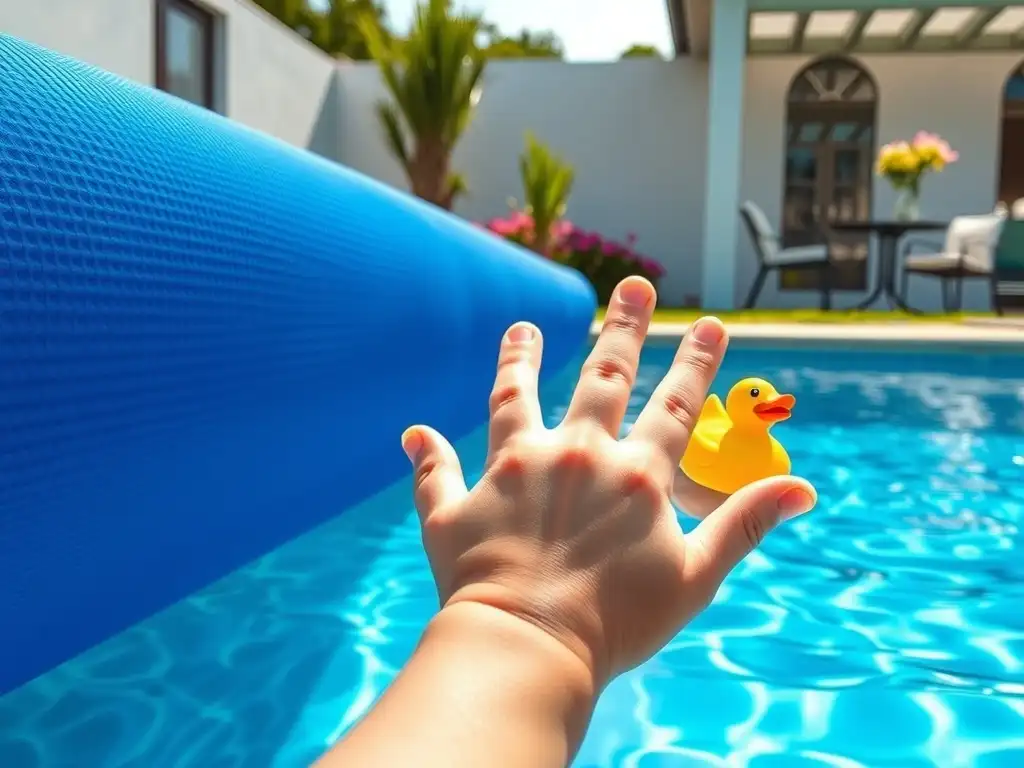
Safeguarding your pool area begins with choosing the right pool cover. Several types exist, each offering varying levels of protection. Safety covers, unlike mesh covers, are designed to hold a significant amount of weight, preventing accidental falls and drowning. These covers typically utilize straps and anchors to secure them firmly to the pool deck, creating a barrier strong enough to support a child's weight. Mesh covers, while offering some debris protection, are not suitable as a primary safety measure and should never be relied upon as a substitute for constant supervision.
When selecting a safety cover, ensure it meets or exceeds relevant safety standards. Check for certifications and independent testing reports that verify its strength and ability to withstand pressure. Proper installation is crucial; improperly installed covers can be ineffective and even dangerous. Professional installation is often recommended to guarantee a secure fit and to minimize the risk of accidents.
Regular inspection is also essential. Check the cover for tears, rips, or loose straps at least once a week, particularly after inclement weather. Remember, a damaged cover compromises its safety features, making it vital to replace or repair it promptly. Consider the cover's material durability; some materials are more resistant to wear and tear than others.
A robust cover will provide longer-lasting protection for your child. Finally, ensure everyone in your household understands the proper use and limitations of the pool cover. It's not a foolproof solution and should never replace active supervision.
Emergency Preparedness: Having a First Aid Kit and Knowing CPR for Pool Accidents
Accidents can happen, even with the most diligent safety measures in place. Therefore, preparedness is key to mitigating the consequences of a pool-related incident. Maintaining a well-stocked first-aid kit specifically designed for water-related emergencies is paramount. This kit should include items such as sterile bandages of various sizes, antiseptic wipes, antibiotic ointment, pain relievers appropriate for children, tweezers, scissors, and a thermometer.
Beyond basic first aid supplies, include items specifically for treating potential water-related injuries, such as eye wash solution. Remember to regularly check the expiration dates on all items and replenish as needed. A waterproof container can help protect the kit from the elements.
Furthermore, knowing CPR (Cardiopulmonary Resuscitation) is an invaluable skill for any parent with access to a pool. A child who experiences a near-drowning incident may require immediate CPR to survive. Consider taking a certified CPR course specifically designed for infants and children. Many community organizations, hospitals, and even online platforms offer these courses. Regular refresher courses are recommended to maintain proficiency. Knowing how to perform CPR correctly can be the difference between life and death in a critical situation. Post the emergency contact numbers – including poison control, your pediatrician, and local emergency services – near the pool area in a clearly visible location. Practice your emergency response plan with other adults in the household so everyone knows what to do in case of an accident. Quick and coordinated action is vital in minimizing the potential for lasting harm. Remember, preparation and knowledge are your best defenses against unforeseen events.
Beyond the Fence: Additional Baby Pool Safety Measures
Even with a securely installed fence, comprehensive baby pool safety requires a multi-layered approach. A fence is a crucial first step, but it's not a guarantee of complete protection. Think of it as the first line of defense in your baby pool safety checklist; additional measures are essential to minimize risks. This section details those crucial supplementary safety protocols that go beyond simply fencing the area. Neglecting these additional steps significantly increases the chance of accidents. A proactive and layered approach is key to ensuring your little one's safety around water.
Supervision: The Importance of Constant Adult Vigilance Around Water
Drowning is silent and swift. Never, ever leave a baby or toddler unsupervised near a pool, even for a moment. This is perhaps the most critical aspect of any baby pool safety checklist. Even shallow water can pose a significant threat. A child can drown in as little as two inches of water. Designate a responsible adult as the "water watcher" at all times.
This person should be solely focused on the children in the pool area, free from distractions like cell phones or conversations. Rotate "water watcher" duties if multiple adults are present to avoid fatigue and maintain constant, attentive supervision. Consider using a waterproof wristband or timer to ensure that supervision doesn't lapse. Remember, a moment's inattention can have devastating consequences. The statistics are stark: drowning is a leading cause of death for young children, and vigilant supervision is the most effective preventative measure.
Water Toys and Floaties: Selecting Safe and Age-Appropriate Floating Devices
While water toys and floaties can add to the fun, they are not safety devices. Never rely on a floatie or inflatable toy to keep your baby safe. These items can easily deflate, tip over, or be inadvertently discarded. Always choose water toys appropriate for your child's age and developmental stage. Check for any potential choking hazards, sharp edges, or small parts that could detach.
Opt for toys made from durable, non-toxic materials. Regularly inspect toys for any signs of wear and tear and replace damaged items immediately. Remember, a baby pool safety checklist should always prioritize safety over entertainment. Prioritize supervision even when using toys, as they can create a false sense of security.
Teaching Water Safety Skills: Early Introduction to Water Awareness for Toddlers
Introducing water safety skills early is a valuable investment in your child's future. While a comprehensive swimming program is best left for later, initiating water awareness at a young age is crucial. Start by getting your toddler comfortable in and around water. This can involve supervised splashing in a shallow bath or a pool with a responsible adult present. Teach them basic water safety rules, such as never going near the water without an adult.
Consider enrolling your child in age-appropriate swimming lessons as they get older. These lessons not only teach swimming skills but also instill essential water safety habits. Early water awareness education is a proactive step in the baby pool safety checklist, equipping your child with the knowledge and skills to stay safe around water throughout their life. Remember, consistent reinforcement of these safety rules is key.
This detailed baby pool safety checklist provides a comprehensive approach to securing your pool area and safeguarding your child. Remember, proactive measures and constant vigilance are paramount.
Maintaining Pool Chemicals: Keeping Chlorine Levels Balanced and Safe for Babies
Maintaining proper chlorine levels is crucial for a safe swimming environment, especially for babies. Improperly balanced pool chemicals can lead to skin irritation, eye problems, and even more serious health issues. Regular testing and adjustment are essential. You should aim for a chlorine level between 1 and 3 parts per million (ppm), although always refer to your pool's specific instructions and local regulations. Levels too low leave your pool vulnerable to bacteria and algae growth, while levels that are too high can be harsh on delicate baby skin.
It's vital to use a reliable testing kit to monitor your chlorine levels. Test strips are readily available and provide a quick, easy way to check. However, for more accurate readings, consider a digital testing kit which offers greater precision. Remember to test the water regularly, ideally daily, especially during periods of heavy pool use or hot weather. Adjust chlorine levels as needed, following the instructions on your pool chemicals carefully. Never mix different pool chemicals together, as this can create dangerous fumes and reactions.
Beyond chlorine, maintaining the proper balance of other chemicals like pH is equally critical. The pH level should ideally be between 7.2 and 7.8. An unbalanced pH can affect the effectiveness of chlorine and increase the risk of skin irritation. Use your testing kit to check the pH level and adjust it accordingly using pH increasers or decreasers.
Remember to always add chemicals slowly and carefully, following the manufacturer's instructions meticulously. After adding any chemicals, it's essential to allow the pool to circulate for several hours before allowing anyone to swim, ensuring proper mixing and distribution of the chemicals. This is especially important when dealing with babies and young children whose skin is particularly sensitive. Regular maintenance of your pool's chemical balance not only ensures a safe environment for your baby but also prolongs the lifespan of your pool equipment.
Creating a Safe Pool Environment for Your Baby: A Comprehensive Approach
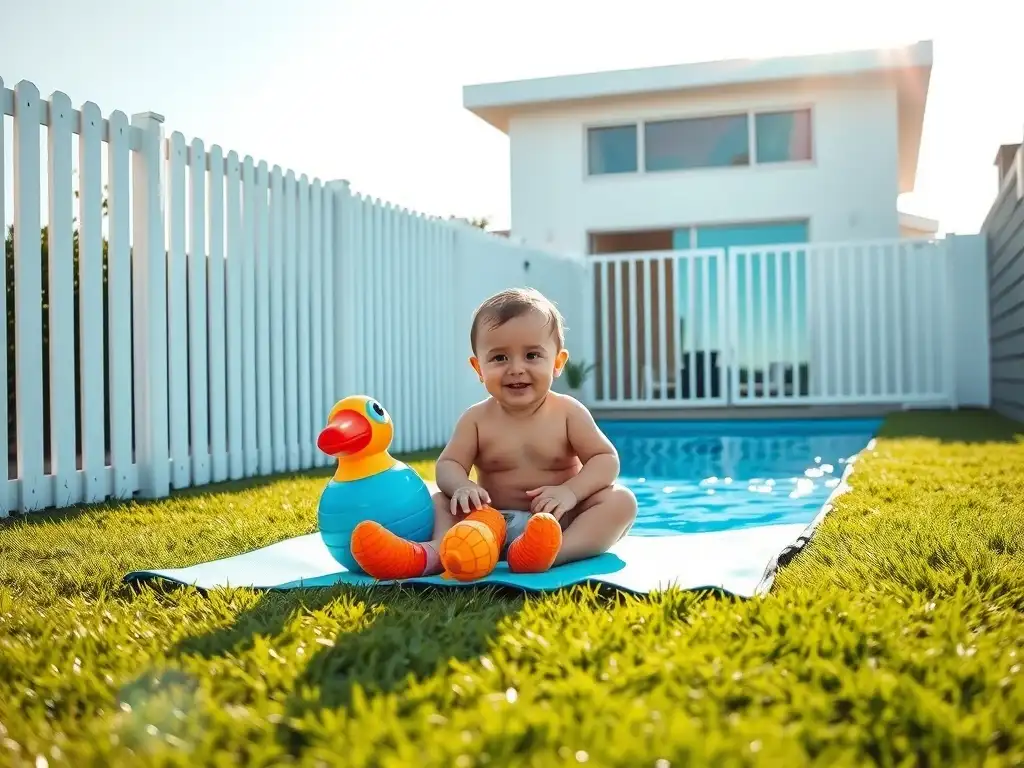
This section focuses on establishing a secure pool area for your baby, minimizing risks, and promoting a safe environment for your little one to thrive. We will delve into practical steps and essential considerations that go beyond simply installing a fence. Remember, consistent vigilance and proactive measures are key to ensuring your baby's safety around water. This information complements your existing understanding of general babyproofing and provides a specialized checklist for pool safety.
Regular Inspections: Daily Checks of Pool Fencing, Gates, and Equipment
Maintaining a safe pool environment isn't a one-time task; it requires consistent vigilance. Daily inspections are crucial to identify and address potential hazards before they lead to accidents. Think of this as your daily baby pool safety checklist. Here's what to look for:
- Pool Fencing: Check for any damage to the fence, including loose boards, gaps, or broken latches. Ensure the fence is at least 4 feet high and completely surrounds the pool area, preventing unsupervised access. Look for any signs of deterioration, such as rust or rotting wood, which could compromise its structural integrity. A single compromised section can be a significant risk.
- Gates: Gates are a critical component of pool safety. Verify that the self-closing and self-latching mechanisms are functioning correctly. Test the latch multiple times daily to ensure it securely closes each time. Replace any faulty latches immediately. Ensure that the gate opens outwards, away from the pool, to prevent accidental access.
- Pool Equipment: Inspect pool pumps, filters, and other equipment for any exposed wires, sharp edges, or potential hazards. Make sure all equipment is securely covered or placed out of reach of your baby. Regular cleaning of the pool deck is also essential to remove any slippery substances or debris that could cause falls. Consider using non-slip mats around the pool area.
- Pool Cover: If you use a pool cover, check for tears or holes that could allow your baby access to the water. Ensure that the cover is properly secured and that there are no loose straps or cords that could pose a strangulation risk. Never rely solely on a pool cover for safety; it should be viewed as a supplementary safety measure, not a primary one.
Remember, even minor issues identified in your daily checks can escalate into significant safety concerns if neglected. Proactive maintenance is paramount to ensure your baby's safety around your pool. A proactive approach is the cornerstone of effective baby pool safety.
Educating Family and Guests: Sharing Safety Guidelines with Everyone
Implementing safety measures is only half the battle. Educating everyone who has access to your pool area is equally crucial. Clear communication and shared responsibility are essential to preventing accidents. Consider these strategies:
- Create a visual aid: A simple, visually appealing poster outlining pool safety rules can serve as a constant reminder. Include pictures and clear, concise instructions. This is especially helpful for children and non-native speakers. Consider using bright colors and simple language.
- Establish clear rules: Clearly communicate pool rules to all family members and guests, emphasizing the importance of adult supervision at all times. No child should ever be left unattended near the pool, regardless of age or swimming ability. This should be a non-negotiable rule.
- Designated adult supervision: Assign a specific adult to supervise children around the pool area at all times. This designated supervisor should be aware of the potential hazards and be trained in basic water safety and CPR. This person should never be distracted or engaged in other activities while supervising.
- Emergency preparedness: Ensure that everyone knows the location of emergency equipment, including first-aid supplies and a phone. Practice emergency procedures, such as calling for help and performing CPR. This preparedness can be the difference between a minor incident and a serious tragedy.
- Regular reminders: Don't assume that everyone remembers the safety rules. Regularly remind family members and guests of the importance of pool safety. A brief, friendly reminder can go a long way in reinforcing safe practices. Make it a habit to reiterate these rules before and during any time spent near the pool.
By consistently implementing these strategies, you create a layered approach to pool safety that significantly reduces the risk of accidents. This commitment to safety will create a more enjoyable and secure environment for your entire family. Remember, proactive safety measures are an investment in your baby's well-being.
Baby Pool Safety Checklist: Review and Ongoing Maintenance
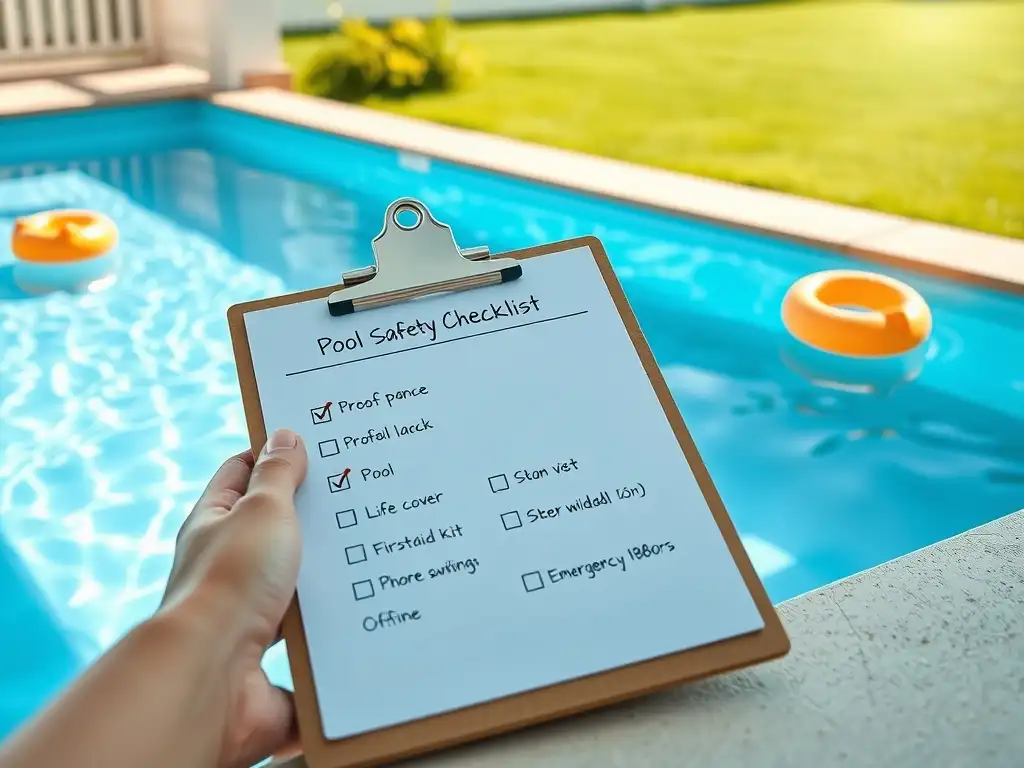
This section provides a detailed checklist for ensuring your pool area remains a safe haven for your baby, emphasizing regular review and proactive maintenance. A proactive approach to baby pool safety is paramount; it's not a one-time task but an ongoing commitment. This checklist will help you create a layered safety net, minimizing risks and maximizing your baby's protection. Remember, even small details can make a significant difference in preventing accidents. Consistent vigilance is key to achieving optimal baby pool safety.
Annual Pool Safety Inspections: Professional Check-Ups for Optimal Protection
Annual professional inspections are a crucial element of a comprehensive baby pool safety plan. These inspections go beyond a simple visual check; they involve a thorough assessment of all pool components, including:
- Pool fencing: Inspecting for gaps, damaged sections, and proper gate latch functionality. A professional can identify weaknesses you might overlook. They'll check fence height complies with local safety regulations, ensuring it's sufficiently tall to deter a curious toddler.
- Pool alarms: Testing the functionality of both door and perimeter alarms to ensure they trigger reliably. Professional testing confirms the alarm's sensitivity and responsiveness. Knowing your alarms are functioning correctly provides peace of mind.
- Pool covers: Checking the condition of safety covers, looking for tears, holes, or weakened areas. A professional can assess the cover's overall integrity and suggest replacement if necessary. A damaged cover is a significant safety hazard.
- Pool equipment: Inspecting pumps, filters, and other equipment for potential hazards like exposed wiring or sharp edges. Hidden dangers can be easily missed during routine checks, hence the importance of a professional review. This also includes checking the proper functioning of any automatic pool covers.
- Drainage: Assessing the drainage system around the pool to prevent water accumulation, which can create slippery surfaces. Proper drainage is crucial for preventing falls and accidents. A professional can identify potential drainage issues before they become serious hazards.
Professional inspections provide a documented record of your pool's safety status, offering peace of mind and potentially assisting with insurance claims should an incident occur. The cost of a professional inspection is far outweighed by the potential cost of a preventable accident. Consider it an investment in your child's safety. Remember to request a detailed report outlining any necessary repairs or improvements.
Updating Safety Measures: Adapting your approach as your baby grows and develops.
Your baby pool safety strategy isn't static; it needs to evolve as your child grows and develops. What’s sufficient for a non-mobile infant is inadequate for a crawling or walking toddler. This requires a dynamic approach to safety:
- Crawling Stage: Once your baby starts crawling, you must be even more vigilant. Reinforce existing safety measures and consider additional layers of protection, such as using pool gates with self-closing and self-latching mechanisms, and ensuring all potential access points are secured. Regularly check for any gaps or weaknesses in the fencing.
- Walking Stage: The walking stage presents entirely new challenges. Your pool safety checklist should now include even more frequent inspections, stricter supervision, and perhaps additional safety features like pool alarms with improved sensitivity. Consider using pool floats or other water safety devices for young children under strict adult supervision.
- Swimming Lessons: As your child grows older, enrolling them in formal swimming lessons is a critical step. Swimming lessons are not a substitute for constant supervision but a valuable addition to your overall safety plan. The earlier you start, the better.
- Ongoing Education: Continue to educate yourself about the latest pool safety recommendations and technologies. Stay informed about new safety products and techniques to ensure your pool area remains as safe as possible for your growing child. Regularly review and update your pool safety checklist to reflect your child's developmental stage.
Remember, proactive measures are far more effective than reactive ones. By regularly reviewing and updating your baby pool safety checklist and incorporating professional inspections, you create a safer environment for your child and enjoy peace of mind. Prioritizing your child's safety is the most important aspect of pool ownership. This ongoing commitment ensures your pool area remains a safe and enjoyable space for your family.
Frequently Asked Questions
What is the most important step in babyproofing my pool area?
The most important step is installing a fence that completely surrounds the pool, with a self-closing, self-latching gate that is out of a child's reach. This creates a physical barrier preventing unsupervised access.
My child is a strong swimmer; do I still need a fence?
Yes, absolutely! Even strong swimmers can drown unexpectedly, and a fence provides a vital layer of protection against accidental falls. Never rely solely on a child's swimming ability.
What other safety measures should I take besides fencing?
Consider adding layers of protection, such as pool alarms, door alarms leading to the pool area, and removing all climbing aids such as furniture near the fence. Regularly check the fence for any damage or weaknesses.
At what age should I start teaching my child about pool safety?
You can start teaching basic water safety from a very young age, even before your child can swim. Teach them about the dangers of water, and always supervise them closely near any body of water.
What should I do if my child falls into the pool?
Immediately call for emergency help (911 or your local equivalent). If you are able to safely reach your child, remove them from the water and begin CPR if necessary. Time is critical in these situations.
Final Reflection: A Legacy of Safety: Protecting Our Little Ones
The relentless pursuit of child safety, particularly around water, remains a critical and ongoing conversation. A single moment of inattention can have devastating consequences, highlighting the urgent need for proactive measures like those detailed in this checklist. The statistics surrounding childhood drowning are sobering, underscoring the importance of vigilance and preparedness.
The impact of pool safety awareness extends far beyond individual families; it shapes our collective understanding of responsibility and community care. We are all stakeholders in the well-being of children, and fostering a culture of safety requires constant vigilance and education. The best way to predict the future is to create it,
and by proactively implementing these safety measures, we are actively shaping a future where preventable tragedies are minimized.
Consider the steps outlined in this checklist not merely as a list of tasks, but as a testament to your love and commitment to your child's well-being. Take a moment to review each point, ensuring your pool area is truly a safe haven, not a potential hazard. Remember, peace of mind is priceless, and the proactive steps you take today will create a legacy of safety for generations to come. Let's work together to build a world where every child can enjoy the joy of water play without the fear of the unknown.
Dive into a Safer Summer: Secure Your Pool Area Today!
Thank you for learning about essential pool safety measures for children. We hope this article has helped you create a more secure environment for your family. Now, let's put that knowledge into practice!
- Install a professionally built pool fence: This is the most effective way to prevent accidents. Contact a reputable fencing company for a quote.
- Share this article with other parents—spreading awareness is crucial for keeping children safe.
- Enroll in a pool safety course: Learn advanced techniques and refresh your water safety knowledge.
Ready to take the next step in protecting your children? What other safety measures are you implementing this summer to create a truly secure pool area for your family?