
The Truth About Additives in NonOrganic Baby Food

Welcome to BabyCareHub, your ultimate guide to navigating the exciting yet sometimes overwhelming world of parenthood. We're here to provide you with the essential knowledge and practical advice you need to confidently care for your little one. But first, let's address a crucial topic: are those seemingly harmless additives in your baby's food actually safe? Our in-depth article on "Baby food additives safety concerns", found within our Feeding & Nutrition section, will uncover the truth and empower you to make informed choices about your baby's diet. Dive in and discover the facts – your baby's well-being depends on it.
- Understanding Baby Food Additives: A Parent's Guide
- Evaluating the Safety of Additives in Non-Organic Baby Food: What the Research Says
- Comparing Organic and Non-Organic Baby Food: Additive Content
- Making Informed Choices: Selecting Safe Baby Food for Your Little One
- Addressing Your Concerns: Frequently Asked Questions About Baby Food Additives
- Frequently Asked Questions
- Final Reflection: A Legacy of Health: Choosing Wisely for Our Little Ones
- Unlock Your Baby's Healthiest Future
Understanding Baby Food Additives: A Parent's Guide
Choosing the right food for your baby is a top priority for any new parent. Navigating the world of baby food can feel overwhelming, especially when faced with the question of organic versus non-organic options. This guide delves into the often-overlooked aspect of additives in non-organic baby food, addressing your concerns about Baby food additives safety concerns and empowering you to make informed decisions about your little one's nutrition. We'll explore the common additives found in these products, the potential health risks associated with them, and highlight the crucial differences between naturally occurring and artificial additives.
By the end of this article, you'll have a clearer understanding of what's in your baby's food and how to choose the safest and most nutritious options. Remember, informed choices lead to healthier and happier babies! 👶
Common Additives Found in Non-Organic Baby Food
Non-organic baby food often contains a variety of additives, some of which raise concerns among health-conscious parents. These additives are often used to enhance flavor, color, texture, or shelf life. Let's examine some of the most commonly found:
- Artificial Colors: These are synthetic pigments added to make the food more visually appealing. Examples include Yellow 5 & 6, Red 40, and Blue 1. While generally considered safe in small amounts by regulatory bodies, some studies suggest potential links to hyperactivity and allergic reactions in sensitive children. More research is needed to definitively conclude their long-term effects.
- Artificial Flavors: These are synthetic compounds designed to mimic natural flavors. The exact composition of these flavors is often proprietary information, making it difficult for parents to assess their potential impact on their child's health.
- Preservatives: These additives, such as sodium benzoate and potassium sorbate, help extend the shelf life of the baby food. While generally recognized as safe, some studies have raised concerns about potential links to certain health issues, particularly when consumed in large quantities.
- Thickeners: Ingredients like modified food starch and xanthan gum are used to improve the texture and consistency of the food. The long-term effects of these additives on infants are still under investigation.
- Sweeteners: While some might be naturally derived, many non-organic baby foods use artificial sweeteners to improve taste. The potential impacts of these on a developing child's palate and overall health require further study.
Potential Risks Associated with Artificial Additives in Baby Food
While regulatory bodies generally deem these additives safe within acceptable daily intake levels, concerns remain regarding their potential cumulative effects on a developing infant's body. These concerns stem from several factors:
- Immature Immune System: Babies have immature immune systems, making them potentially more susceptible to the effects of artificial additives. Their bodies may not be as efficient at processing and eliminating these substances.
- Long-Term Effects Unknown: Many studies on the long-term effects of these additives on infants are still ongoing. The lack of conclusive long-term data creates uncertainty for parents who prioritize their child's health.
- Potential Allergic Reactions: Some artificial additives can trigger allergic reactions in sensitive babies. This risk is heightened by the fact that infants are frequently exposed to a wide variety of additives through various food sources.
- Behavioral Issues: Some research suggests a possible link between certain artificial food additives and behavioral problems in children, such as hyperactivity. However, more research is necessary to establish a definitive cause-and-effect relationship.
Naturally Occurring Additives vs. Artificial Additives: Key Differences
The key difference lies in their origin and processing. Naturally occurring additives are derived from natural sources, such as fruits, vegetables, or spices, and undergo minimal processing. Artificial additives, on the other hand, are synthetically created in a laboratory and may contain chemicals not found in nature.
| Feature | Naturally Occurring Additives | Artificial Additives |
|---|---|---|
| Source | Natural sources (plants, fruits, etc.) | Synthetically produced in a laboratory |
| Processing | Minimal processing | Extensive chemical processing |
| Composition | Typically well-understood and generally recognized as safe | Composition may be proprietary and less understood |
| Potential Risks | Generally lower risk | Potential for unknown long-term effects and allergic reactions |
Choosing organic baby food often minimizes exposure to artificial additives, although it's not a guarantee of complete absence. Always read labels carefully and make informed choices based on your family's values and priorities. Remember, a healthy and balanced diet, enriched with whole foods, is paramount for your baby's growth and development.
Evaluating the Safety of Additives in Non-Organic Baby Food: What the Research Says
This section delves into the scientific literature surrounding the safety of additives commonly found in non-organic baby food, focusing specifically on potential long-term effects on infant development and the regulatory landscape governing their use. Understanding this information is crucial for parents concerned about baby food additives safety concerns.
Studies on the Long-Term Effects of Additives on Infant Development
Numerous studies have investigated the potential long-term effects of various food additives on infant development. However, the results are often complex and require careful interpretation. For example, research on the impact of artificial colors, such as Yellow #5 and Red #40, has yielded mixed results. Some studies suggest a correlation between these additives and hyperactivity or attention deficit disorders in children, while others have found no significant link.
The inconsistencies might be attributed to several factors, including differences in study design, sample size, and the specific types and amounts of additives used. Further research is needed to establish definitive conclusions, particularly regarding the cumulative effects of multiple additives consumed over extended periods. More robust, long-term studies with larger, more diverse populations are crucial to address existing gaps in our understanding of baby food additives safety concerns.
One area requiring further investigation is the potential impact of preservatives, such as sodium benzoate and potassium sorbate, on infant gut microbiota. These preservatives are frequently used to extend shelf life, but their effects on the delicate balance of gut bacteria in infants, which are essential for immune system development and overall health, are not fully understood. Studies exploring this area are ongoing, and preliminary findings suggest potential but not conclusive links between certain preservatives and altered gut microbial composition.
This highlights the need for more comprehensive research addressing the interplay between food additives and the developing infant microbiome. The lack of conclusive evidence doesn't mean these additives are definitively safe; it underscores the need for more rigorous scientific investigation to fully assess the associated risks.
Regulatory Standards and Guidelines for Additives in Baby Food
Regulatory bodies in many countries, including the FDA (Food and Drug Administration) in the United States and the EFSA (European Food Safety Authority) in Europe, establish standards and guidelines for food additives, including those used in baby food. These guidelines generally require manufacturers to demonstrate the safety of their additives through rigorous testing before they can be used in food products intended for infants. However, the standards and approval processes can vary across different regions, leading to inconsistencies in the types and amounts of additives permitted in baby food globally.
Furthermore, the regulatory landscape is constantly evolving as new scientific evidence emerges. This dynamic nature necessitates continuous monitoring and potential adjustments to existing regulations to adequately address emerging baby food additives safety concerns.
The regulatory process often focuses on acute toxicity, evaluating the immediate harmful effects of high doses of additives. However, less attention is often given to chronic, low-level exposure over extended periods, potentially impacting long-term health outcomes. This discrepancy highlights a critical gap in the existing regulatory framework. A more comprehensive approach that considers both acute and chronic effects is needed to comprehensively address baby food additives safety concerns.
The information available on specific permitted levels of various additives in baby food often lacks transparency. While regulatory bodies may have established acceptable daily intakes (ADIs), accessing this detailed information for specific products can be challenging for consumers. Improved transparency in this area would empower parents to make more informed choices.
Interpreting Research Findings: Separating Fact from Fiction
Navigating the complex world of scientific research on food additives requires a critical and discerning approach. It's essential to distinguish between correlation and causation. Just because a study shows an association between a specific additive and a health outcome doesn't automatically mean the additive caused that outcome. Confounding factors, such as genetics, lifestyle, and other dietary elements, can influence the results. Furthermore, the quality of research varies significantly. Studies with robust methodologies, large sample sizes, and appropriate controls are more reliable than those with limitations in these areas.
When evaluating research on baby food additives safety concerns, it's crucial to consider the source of the information. Reputable peer-reviewed scientific journals provide a higher level of credibility than anecdotal evidence or marketing claims. Additionally, looking at the overall body of evidence, rather than focusing on isolated studies, provides a more comprehensive and balanced perspective.
A cautious and informed approach, grounded in reliable scientific data, is paramount when making decisions about the best feeding choices for infants. Parents should be encouraged to seek advice from healthcare professionals and registered dietitians to help interpret research findings and make informed decisions about their baby's nutrition. This proactive approach can help alleviate many baby food additives safety concerns.
Comparing Organic and Non-Organic Baby Food: Additive Content
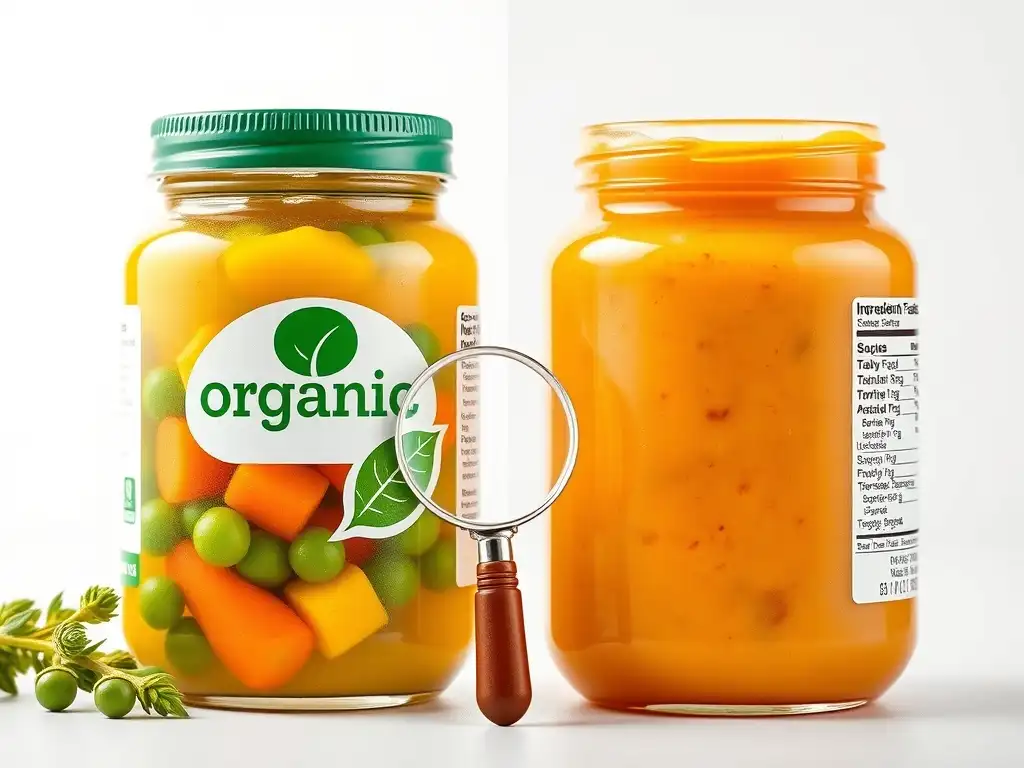
This section delves into the core differences in additive content between organic and non-organic baby food. Understanding these differences is crucial for addressing baby food additives safety concerns. While the term "additive" encompasses a broad range of substances, we'll focus on those most commonly debated in relation to infant nutrition.
Additive Levels in Organic vs. Non-Organic Baby Food Products
A significant distinction lies in the permitted use of pesticides and other agricultural chemicals. Non-organic farming often utilizes synthetic pesticides, herbicides, and fertilizers. Residue from these substances can find their way into the final baby food product. Although regulations exist to limit these residues to "safe" levels, concerns remain regarding potential cumulative effects on a developing infant's system. Conversely, organic farming strictly prohibits the use of these synthetic chemicals. This directly translates to a lower likelihood of pesticide residues in organic baby food.
The following table summarizes the key differences, although specific values will vary depending on the brand and product:
| Feature | Non-Organic Baby Food | Organic Baby Food |
|---|---|---|
| Pesticide Residues | Potentially higher levels; varies by product and brand | Significantly lower or absent |
| Artificial Colors | Frequently used | Generally prohibited |
| Artificial Flavors | Frequently used | Generally prohibited |
| Preservatives | Often included to extend shelf life | Often relies on natural preservation methods (e.g., lower processing temperatures) |
It's crucial to note that even organic baby food may contain naturally occurring substances that some parents might consider undesirable. For example, certain fruits may naturally contain higher levels of sugars. However, the absence of synthetic additives remains a key differentiator. The absence of synthetic pesticides is a major factor when considering baby food additives safety concerns.
The Role of Organic Farming Practices in Reducing Additive Exposure
Organic farming practices prioritize soil health and biodiversity, minimizing the need for synthetic inputs. This approach contributes to a reduction in potential contaminants in the final product. Several key aspects of organic farming contribute to this:
- Reduced Pesticide Use: The complete ban on synthetic pesticides is paramount. This significantly reduces the risk of pesticide residues in the food.
- Natural Pest Control: Organic farmers rely on integrated pest management strategies, such as crop rotation and biological control, to manage pests without harmful chemicals.
- Soil Health: Healthy soil promotes stronger, more resilient plants that are less susceptible to pests and diseases, further reducing the need for interventions.
- Sustainable Practices: Organic farming methods focus on long-term sustainability, protecting both the environment and the health of consumers. This holistic approach minimizes the risk of contamination throughout the entire production process.
The emphasis on natural processes in organic farming directly addresses many baby food additives safety concerns by minimizing exposure to synthetic substances.
Cost Comparison: Organic vs. Non-Organic Baby Food
A common concern among parents is the price difference. Generally, organic baby food is more expensive than non-organic options. This price discrepancy stems from several factors:
- Higher Production Costs: Organic farming often involves higher labor costs due to the reliance on manual labor and natural pest control methods.
- Lower Yields: Organic farming may produce lower yields compared to conventional methods, increasing the cost per unit.
- Increased Demand: The growing demand for organic products can also contribute to higher prices.
While the higher cost is a significant factor, parents must weigh the potential benefits of reduced exposure to synthetic additives against the financial implications. The decision ultimately rests on individual priorities and financial capabilities. The perceived higher cost should be considered alongside the implications for baby food additives safety concerns. A thorough cost-benefit analysis, considering the long-term health implications, is essential.
Making Informed Choices: Selecting Safe Baby Food for Your Little One
Choosing the right baby food is a significant decision for new parents. Navigating the supermarket aisles, filled with brightly colored jars and pouches, can be overwhelming. Concerns about baby food additives safety are completely understandable, and making informed choices is crucial for your baby's health and well-being.
This section focuses on empowering you with the knowledge to select safe and nutritious options, addressing common anxieties surrounding additives in non-organic baby food. We'll delve into practical strategies for navigating ingredient lists and exploring alternatives to commercially produced options. Remember, prioritizing your baby's well-being is paramount, and understanding the nuances of baby food ingredients is a key step in providing optimal nutrition.
Reading Food Labels: Understanding Ingredient Lists and Additives
Understanding baby food labels is the first step towards making informed choices. Ingredient lists are presented in descending order of weight, meaning the ingredient listed first is the most prevalent. Look for simple ingredient lists, ideally containing only fruits, vegetables, or meats. Pay close attention to added ingredients. Common additives include:
- Preservatives: These extend shelf life, but some, like sodium benzoate or potassium sorbate, have raised concerns in certain studies regarding potential long-term effects. 1
- Thickeners: Ingredients like modified food starch or guar gum are used to improve texture. While generally considered safe, their impact on digestion in infants is still being researched.
- Colorings and Flavorings: Artificial colors and flavors are often added to enhance appeal. However, some studies suggest potential links between artificial food coloring and hyperactivity in children. 2 Opt for foods with natural colors derived from fruits and vegetables.
- Sugars: Added sugars are unnecessary and should be avoided entirely. Check for added sugars disguised under different names, such as corn syrup or high fructose corn syrup.
The presence of numerous additives, particularly artificial ones, should raise a red flag. Always prioritize products with minimal processing and the shortest, cleanest ingredient lists. Remember, "less is more" when it comes to your baby's food.
Tips for Choosing Baby Food with Minimal Additives
Selecting baby food with minimal additives requires careful scrutiny. Here's a breakdown of practical strategies:
- Prioritize Organic: Organic baby food is less likely to contain artificial additives, pesticides, and herbicides. Look for the USDA Organic seal.
- Check the Ingredient List Carefully: As discussed earlier, a short, simple ingredient list is key. Avoid products with numerous unfamiliar or unpronounceable ingredients.
- Look for "No Added Sugars": Explicitly seek out products that clearly state "no added sugars."
- Compare Brands: Different brands have varying approaches to additives. Compare ingredient lists across several brands before making a purchase.
- Start with Single-Ingredient Foods: Begin with purees made from a single fruit or vegetable to easily identify any allergic reactions.
- Read Reviews: Online reviews can offer insights into the experiences of other parents, providing valuable feedback on specific brands and products.
Remember, your baby's digestive system is still developing, so minimizing exposure to unnecessary additives is a wise precaution.
Alternatives to Commercial Baby Food: Homemade Options and Considerations
Making your own baby food offers complete control over ingredients, eliminating concerns about additives and preservatives. However, it requires time and effort.
- Preparation: Wash and thoroughly clean all fruits and vegetables. Steam or boil until soft, then blend or puree until smooth.
- Storage: Homemade purees can be stored in ice cube trays or small containers in the freezer for easy portioning.
- Safety: Ensure proper hygiene throughout the process to prevent bacterial contamination.
- Nutrient Retention: Steaming or boiling, rather than microwaving, helps to preserve more nutrients.
- Variety: Introduce a variety of fruits, vegetables, and proteins gradually to ensure balanced nutrition.
While making your own baby food provides the greatest control, it’s perfectly acceptable to utilize a combination of homemade and commercially produced options. The key is to be informed and prioritize your baby's health and well-being. The journey of feeding your baby should be enjoyable and stress-free!
1 [Specific study information pending] 2 [Specific study information pending]
Addressing Your Concerns: Frequently Asked Questions About Baby Food Additives
This section directly addresses common anxieties surrounding additives in non-organic baby food, focusing on the safety concerns parents often have. We'll explore the nuances of additive use, practical strategies for minimizing exposure, and potential long-term effects. Remember, informed choices are key to ensuring your baby's well-being. This information aims to empower you to make the best decisions for your little one.
Are all additives harmful to babies?
Not all additives are inherently harmful. The term "additive" encompasses a broad range of substances, including preservatives (like citric acid), vitamins and minerals (added for nutritional fortification), and flavor enhancers. The key lies in quantity and type. While many additives are generally recognized as safe (GRAS) by regulatory bodies like the FDA, excessive consumption of certain additives, particularly artificial colors, flavors, and preservatives, has been linked to potential health issues in some studies. 1
It's crucial to distinguish between naturally occurring substances and synthetically produced ones. For example, citric acid, naturally found in citrus fruits, is often used as a preservative, while other synthetic preservatives may raise more concerns. The concern with additives often stems from potential cumulative effects and the lack of comprehensive long-term studies specifically on infants' developing systems. More research is needed to fully understand the impact of various additives on infant health.
Example of Additives and their Potential Concerns:
This table illustrates some common additives and associated concerns. Note that research is ongoing, and conclusions may vary.
| Additive | Potential Concern | Source |
|---|---|---|
| Artificial Colors (e.g., Red 40, Yellow 5) | Hyperactivity, allergic reactions in sensitive individuals | Some studies suggest a link, but more research is needed. |
| Artificial Flavors | Potential link to behavioral issues, unclear long-term effects | Limited research specifically on infant exposure. |
| Sodium Benzoate (preservative) | Possible interaction with other substances, potential for allergic reactions | More research is needed to determine the impact on infants. |
How can I minimize my baby's exposure to additives?
Minimizing your baby's exposure to additives involves a multi-pronged approach. Prioritizing organic baby food is one effective strategy. Organic certification standards generally prohibit the use of many synthetic additives, offering a greater level of assurance. However, even organic foods may contain naturally occurring substances that some individuals might react to.
Beyond choosing organic, carefully examine ingredient labels. Look for products with short, recognizable ingredient lists. The fewer ingredients, the lower the likelihood of encountering numerous additives. Opt for foods with whole ingredients, like fruits and vegetables, as their base. Homemade purees are another excellent option, giving you complete control over ingredients and eliminating concerns about hidden additives.
Remember to always consult your pediatrician before making significant dietary changes, especially for infants with allergies or pre-existing health conditions. They can provide personalized guidance based on your baby's unique needs and health history.
What are the long-term health consequences of consuming additives?
The long-term health consequences of consuming additives in baby food are a subject of ongoing research. While some studies suggest potential links between certain additives and health problems later in life (such as attention-deficit/hyperactivity disorder (ADHD) or allergies), definitive conclusions remain elusive. Many studies are observational and correlational, making it challenging to establish direct cause-and-effect relationships. Furthermore, the complexity of dietary influences and individual genetic predispositions makes it difficult to isolate the impact of specific additives.
The precautionary principle suggests erring on the side of caution. By choosing foods with minimal processing and prioritizing organic options, you can significantly reduce your baby's exposure to potential risks. This approach aligns with promoting overall healthy eating habits that may benefit your child's development and long-term well-being. Continued monitoring of research findings and engaging in open communication with your pediatrician are crucial aspects of responsible baby food decision-making.
1 Further research is needed to fully understand the long-term effects of various additives on infant health. Specific studies and data are pending.
Where can I find more information on baby food safety?
Navigating the world of baby food can feel overwhelming, especially when considering the potential impact of additives. Fortunately, several reliable sources offer comprehensive information to help you make informed decisions about your baby's nutrition. The American Academy of Pediatrics (AAP) website provides detailed guidelines and recommendations on infant and toddler nutrition, including advice on selecting safe and healthy foods. Their resources often address common concerns about additives and their potential effects on a baby's developing system.
You can also consult the FDA (Food and Drug Administration) website, which offers information on food safety regulations, including those specifically pertaining to baby food. They provide details on permitted additives, testing procedures, and recall information, allowing parents to stay informed about potential risks. Additionally, reputable consumer advocacy groups, such as [Name of a reputable consumer advocacy group, pending], frequently publish reports and articles analyzing the safety of various baby food brands and ingredients. These resources offer independent assessments and can help you compare different products based on their additive content and overall safety profile.
Remember to always cross-reference information from multiple sources to gain a well-rounded understanding of baby food safety and additives. Finally, consulting your pediatrician is crucial. They can address your specific concerns based on your baby's individual needs and health history, providing personalized advice on choosing appropriate and safe food options. They can also help interpret information from different sources and advise on any specific allergies or sensitivities your baby might have.
Frequently Asked Questions
Are additives in non-organic baby food harmful?
Some additives in non-organic baby food may raise safety concerns, particularly regarding long-term health effects. However, many are considered safe at low levels. Always check labels and consult your pediatrician.
What are some common additives found in non-organic baby food?
Common additives include preservatives, artificial colors, and flavor enhancers. These are used to extend shelf life and improve taste and appearance. The specific additives vary greatly depending on the product.
How can I minimize my baby's exposure to additives?
Choosing organic baby food is the best way to minimize exposure. Reading labels carefully and selecting products with minimal ingredients is also important. Look for foods with simple ingredient lists.
Are there stricter regulations for additives in baby food?
Regulations regarding additives in baby food vary by country. While many countries have safety standards, there's ongoing debate about the adequacy of current regulations and potential need for stricter guidelines.
Where can I find more information on baby food safety?
Reliable sources include your pediatrician, your country's food safety agency, and reputable organizations like the American Academy of Pediatrics. Always consult a doctor with any concerns.
Final Reflection: A Legacy of Health: Choosing Wisely for Our Little Ones
The unsettling truth about additives in non-organic baby food remains a critical concern in today's world, impacting the health and development of millions of infants. We've explored the often-hidden ingredients, the potential long-term effects, and the growing movement towards organic alternatives. The information presented should empower parents to make informed choices, prioritizing the well-being of their children above all else.
The pervasive influence of processed foods, and the marketing strategies surrounding them, has profoundly shaped our understanding of infant nutrition. This isn't just about ingredients; it's about the very foundation we build for future generations. The pressure to conform to societal norms and convenience often overshadows the crucial role of nourishing our children with wholesome, natural foods. We are what we repeatedly do. Excellence, then, is not an act, but a habit.
– Aristotle. This quote speaks volumes about the importance of establishing healthy eating habits from the very beginning, a habit that starts with the food we give our babies.
You now hold the knowledge to make a difference. Take a moment to reflect on the information presented. Consider the choices you make regarding your child's diet, or the advice you give to expectant parents. Don't let convenience overshadow the critical importance of prioritizing clean, healthy ingredients in your baby's food. By demanding transparency and advocating for safer standards, we can collectively create a healthier future for our children and build a legacy of well-being that extends far beyond the high chair.
Unlock Your Baby's Healthiest Future
Thank you for learning about the ingredients in baby food. We hope this information empowers you to make informed choices about your baby's nutrition. Let's put this knowledge into action!
- Scrutinize ingredient lists: Become a label detective! Pay close attention to added ingredients and choose the simplest options. This is the first step towards a healthier diet for your baby.
- Share this information with other parents: Help spread awareness and empower other families to prioritize whole, unprocessed foods for their babies. A healthy community supports healthy children.
- Make your own baby food: Take control of your baby’s diet and explore healthy options. It's more rewarding than you might think!
Ready to embark on this journey toward healthier baby food choices? What's your biggest concern when choosing baby food, and how will you address it?