
BabyCareHub's Guide to Bedtime Routine and Ferber Method: A Detailed Look


Welcome to BabyCareHub, your ultimate guide to navigating the exciting yet challenging world of parenthood! Are you ready to unlock the secrets to a peaceful night's sleep for both you and your little one? Then dive into our detailed exploration of the Ferber method baby bedtime routine, a proven strategy featured in our Sleep Training & Routines section. Discover practical, step-by-step instructions and expert advice to help you establish healthy sleep habits from the very beginning. Let us help you build a strong foundation for your baby's well-being and your family's happiness. Ready to learn more?
-
Establishing a Consistent Baby Bedtime Routine: The Foundation for Success
- Creating a Relaxing Pre-Sleep Environment for Your Baby
- Choosing the Right Bedtime Routine for Your Baby's Age and Needs
- Sample Bedtime Routine Schedules for Different Age Groups (Newborn, 3 Months, 6 Months, 9 Months, 12 Months)
- Incorporating Calming Activities into Your Baby's Bedtime Routine (Bath, Massage, Story Time, Songs)
- Understanding the Ferber Method for Baby Sleep Training
-
Implementing the Ferber Method: A Step-by-Step Guide
- Step 1: Establishing a Consistent Bedtime Routine Using the Ferber Method
- Step 2: Putting Your Baby to Bed Drowsy But Awake
- Step 3: Implementing the Check-in Intervals (gradually increasing intervals)
- Step 4: Handling Night Wakings Using the Ferber Method
- Step 5: Consistency is Key: Maintaining the Routine and Addressing Setbacks
- Step 6: Knowing When to Adjust Your Approach and Seek Professional Help
- Troubleshooting Common Challenges with the Ferber Method
- Maintaining a Successful Bedtime Routine and Gradual Weaning from the Ferber Method
- Ferber Method vs. Other Baby Sleep Training Methods: A Comparison
- Resources and Further Support for Implementing the Ferber Method
- Frequently Asked Questions
- Final Reflection: Nurturing Sleep, Nurturing Bonds
- Unlock Your Baby's Peaceful Sleep: Start Tonight!
Establishing a Consistent Baby Bedtime Routine: The Foundation for Success
Successfully navigating the world of baby sleep often hinges on establishing a consistent and effective bedtime routine. This isn't just about getting your baby to sleep; it's about fostering healthy sleep habits that benefit both your little one and you. A predictable routine signals to your baby that it's time to wind down, promoting relaxation and reducing nighttime awakenings.
This guide will explore the importance of consistent bedtime routines, focusing specifically on how to implement the Ferber method effectively within a well-structured schedule. We'll delve into creating a relaxing pre-sleep environment, choosing the right routine for your baby's age, and providing sample schedules to guide you. Learning to establish this foundation is crucial for long-term sleep success and will significantly improve the quality of life for both parent and child.
The benefits extend beyond simply getting more sleep; a well-established routine contributes to a happier, healthier baby. This article will equip you with the knowledge and tools to create a sleep sanctuary for your little one, paving the way for peaceful nights and happy days.
Creating a Relaxing Pre-Sleep Environment for Your Baby
Creating a calming bedtime environment is paramount for successful sleep training, especially when using methods like the Ferber method. Think of it as preparing the stage for a peaceful performance! This involves carefully considering several key factors:
- Dimming the Lights: Gradually reducing the light intensity about an hour before bedtime signals to your baby that it's time to slow down. Avoid bright screens during this period.
- Temperature Control: A slightly cool room (around 68-72°F or 20-22°C) is ideal for sleep. Overheating can disrupt sleep.
- White Noise: Gentle white noise, such as a fan or white noise machine, can mask distracting sounds and create a soothing atmosphere.
- Comfortable Bedding: Ensure your baby is comfortable and secure in their crib or bassinet. Use breathable bedding and avoid loose blankets or pillows.
- Soothing Sounds: Soft music or lullabies can be helpful for some babies. Experiment to find what works best for your little one. Consider nature sounds or calming instrumental music.
Remember, consistency is key. Maintain this relaxing environment every night to reinforce the association between this environment and sleep. The goal is to create a predictable and soothing pre-sleep experience that helps your baby relax and prepare for sleep. This consistent calming atmosphere will significantly boost the effectiveness of any sleep training method you choose.
Choosing the Right Bedtime Routine for Your Baby's Age and Needs
The ideal bedtime routine will vary depending on your baby's age and developmental stage. Newborns have different sleep needs and patterns compared to older babies. A routine that works wonders for a six-month-old might be completely ineffective for a three-month-old. It's crucial to tailor the routine to your baby's individual cues and needs. Consider their temperament, sleep patterns, and any developmental milestones they've recently reached.
For example, a baby who's just started crawling might need more time for physical activity during the day, and subsequently, a slightly shorter bedtime routine. Observe your baby closely and adjust the routine as needed. Flexibility is important; what works today might need adjusting tomorrow. Don't be afraid to experiment and find what best suits your baby's unique personality and sleep patterns. This personalized approach will maximize the effectiveness of your bedtime routine and the Ferber method.
Sample Bedtime Routine Schedules for Different Age Groups (Newborn, 3 Months, 6 Months, 9 Months, 12 Months)
Creating a structured bedtime routine is essential for a successful sleep training journey. Below are some sample schedules, but remember to adapt them based on your baby's individual needs and preferences. These are just starting points; fine-tuning is expected and encouraged!
| Age Group | Sample Bedtime Routine | Notes |
|---|---|---|
| Newborn (0-3 months) | 7:00 PM: Bath time 7:30 PM: Feed, burp, and swaddle 7:45 PM: Place in crib drowsy but awake 8:00 PM: Sleep |
Shorter routines are best for newborns. Focus on consistency and responding to hunger cues. |
| 3 Months | 7:00 PM: Bath time 7:30 PM: Massage, quiet playtime 7:45 PM: Feed, burp 8:00 PM: Book, lullaby 8:15 PM: Crib |
Introduce a calming book or lullaby. |
| 6 Months | 6:30 PM: Dinner 7:00 PM: Bath time 7:30 PM: Book, quiet playtime 7:45 PM: Feed, burp 8:00 PM: Crib |
Adjust dinner time based on your baby's schedule. |
| 9 Months | 6:30 PM: Dinner 7:00 PM: Bath time 7:30 PM: Book, song 7:45 PM: Quiet playtime 8:00 PM: Crib |
Continue to adjust based on your baby's evolving needs. Consider incorporating a stuffed animal or lovey. |
| 12 Months | 6:00 PM: Dinner 6:30 PM: Bath time 7:00 PM: Book, song 7:15 PM: Quiet playtime 7:30 PM: Crib |
Older babies often require earlier bedtimes. Maintain consistency and adjust as your baby grows and their needs change. |
Remember, these are just examples. The key is to create a routine that works for your baby and your family. Don't be afraid to experiment and adjust until you find the perfect fit! 😴 Implementing a consistent routine is the first crucial step towards successful sleep training using the Ferber method or any other method you choose.
Incorporating Calming Activities into Your Baby's Bedtime Routine (Bath, Massage, Story Time, Songs)
Establishing a consistent and calming bedtime routine is crucial for successful sleep training, especially when employing methods like the Ferber method. A predictable sequence of relaxing activities signals to your baby that it's time to wind down and prepare for sleep. This section explores several calming activities you can incorporate into your baby's bedtime routine.
The warm water of a bath can be incredibly soothing for babies, washing away the day's activities and leaving them feeling clean and relaxed. Aim for a bath around 30-45 minutes before bedtime to allow ample time for the calming effects to take hold. Keep the water temperature comfortably warm, not hot, and use gentle, fragrance-free baby wash. Avoid overstimulating bath toys; a simple rubber duck or two is sufficient. After the bath, gently pat your baby dry, avoiding harsh rubbing.
Following the bath, a gentle baby massage can further promote relaxation. Using a baby-safe lotion or oil, massage your baby's arms, legs, and back with slow, gentle strokes. This physical touch fosters bonding and releases endorphins, which have natural calming effects. Pay attention to your baby's cues; if they seem to dislike the massage, stop immediately. Remember to keep the room warm and comfortable during the massage.
Story time is another excellent way to transition your baby into a sleepy state. Choose books with calming pictures and repetitive phrases. The gentle rhythm of your voice and the visual stimulation of the pictures can help your baby relax and prepare for sleep. Keep the story time short, around 5-10 minutes, to avoid overstimulation. A soft, dim light is ideal for creating a peaceful atmosphere.
Finally, singing lullabies or playing soft, calming music can be incredibly effective in inducing sleep. The rhythmic and repetitive nature of songs and music can soothe your baby and help them drift off to sleep. Familiar songs and melodies are particularly effective, as they create a sense of security and comfort. Experiment with different types of music to find what works best for your baby. You can also hum or softly sing your own lullabies.
Remember to keep the volume low and the environment quiet. A consistent bedtime routine incorporating these calming activities will pave the way for a smoother transition into sleep and improve your baby's overall sleep quality, making the Ferber method more effective and less stressful for both you and your baby. Remember, consistency is key! 😴
Understanding the Ferber Method for Baby Sleep Training
This section delves into the specifics of the Ferber method, a popular sleep training technique for babies. We'll examine its core principles, practical application, and considerations for successful implementation. Remember, consistency and patience are key to any sleep training method, including the Ferber method. Always consult your pediatrician before starting any sleep training program.
What is the Ferber Method? A Comprehensive Explanation
The Ferber method, also known as graduated extinction, is a structured approach to helping your baby learn to self-soothe and fall asleep independently. It involves establishing a consistent bedtime routine and then gradually increasing the intervals between checking on your crying baby. The core principle is to teach your baby that they can fall back asleep on their own, reducing nighttime wakings and fostering independence.
Unlike methods that involve immediate responses to crying, the Ferber method advocates for a planned and progressive response. The intervals between checks typically start short (e.g., 3 minutes) and gradually increase (e.g., 5, 7, 10 minutes), allowing the baby time to self-soothe before parental intervention. This systematic approach aims to minimize parental intervention while maximizing the baby's learning experience. The process requires patience and consistency, as the baby may initially cry more intensely before adjusting to the new routine. But remember, the goal is to teach self-soothing, not to let the baby cry inconsolably.
The Ferber method isn't a "cry-it-out" method in the strictest sense. While crying is involved, the structured approach and gradual increase in intervals distinguish it from methods that allow prolonged periods of unchecked crying. The method focuses on providing comfort and reassurance at increasing intervals, helping the baby understand that they are safe and secure, even when alone.
Benefits and Potential Drawbacks of the Ferber Method
The Ferber method, like any sleep training technique, offers potential benefits and drawbacks. Let's explore both sides to provide a balanced perspective.
Potential Benefits:
- Improved sleep for both baby and parents: The ultimate goal is to establish a consistent sleep pattern, resulting in longer stretches of sleep for both the baby and caregivers. This improved sleep quality can significantly enhance everyone’s well-being.
- Increased independence: The method teaches babies to self-soothe and fall asleep independently, a crucial developmental milestone. This self-reliance can extend beyond sleep, positively impacting other aspects of development.
- Predictable sleep schedule: A consistent bedtime routine and the structured approach of the Ferber method contribute to a more predictable sleep schedule for the baby, leading to better overall sleep hygiene.
Potential Drawbacks:
- Initial period of increased crying: The initial phase of the Ferber method might involve more crying than other methods. This can be emotionally challenging for parents.
- Requires consistency and commitment: The method's success depends heavily on parental consistency and commitment. Inconsistent application might prolong the process and reduce its effectiveness.
- May not suit all babies: The Ferber method may not be appropriate for all babies, particularly those with underlying medical conditions or developmental delays. Consult your pediatrician before starting.
| Benefit | Drawback |
|---|---|
| Improved sleep for all | Initial increased crying |
| Increased baby independence | Requires consistent commitment |
| Predictable sleep schedule | May not suit all babies |
Is the Ferber Method Right for Your Baby? Assessing Your Baby's Readiness
Determining if the Ferber method is suitable for your baby requires careful consideration of several factors. It's crucial to assess your baby's developmental stage, temperament, and overall health before embarking on this sleep training journey.
Several key indicators can help determine readiness:
- Age: Most experts suggest waiting until your baby is at least 4 months old before starting sleep training. Younger infants may not have the developmental capacity to self-soothe effectively.
- Consistent bedtime routine: A well-established bedtime routine is essential. This provides a sense of predictability and security, making the transition to independent sleep easier.
- Physical health: Ensure your baby is healthy and free from any medical conditions that might interfere with sleep. Consult your pediatrician to rule out any underlying issues.
- Developmental milestones: Consider your baby's developmental progress. Are they showing signs of being ready to self-soothe? Do they seem to be able to calm themselves down independently for short periods?
Remember, there's no one-size-fits-all answer. What works for one baby might not work for another. Observe your baby's cues, consult your pediatrician, and consider your family's circumstances before making a decision. The Ferber method, while effective for many, is just one of several approaches to sleep training. Choosing the right method requires careful consideration and a thoughtful approach.
Preparing for the Ferber Method: Setting Expectations and Gathering Supplies
Implementing the Ferber method requires careful preparation. It's crucial to understand that this isn't a quick fix; it's a process that demands patience, consistency, and a realistic outlook. Many parents find success, but it's also important to acknowledge that it might not work for every baby, and some may require adjustments or alternative approaches. Setting realistic expectations from the outset can significantly reduce stress and increase the likelihood of a positive outcome. Remember, your baby's temperament and individual needs play a significant role in the effectiveness of the method.
One common misconception is that the Ferber method is about letting your baby "cry it out" without any intervention. This is inaccurate. The Ferber method involves graduated extinction, meaning you'll check on your baby at increasing intervals, offering comfort without picking them up. This provides reassurance and gradually teaches self-soothing. Don't expect immediate results; it typically takes several nights, sometimes even weeks, before you see a significant improvement in your baby's sleep patterns. Be prepared for some emotional nights, both for you and your baby.
Before you begin, gather your essential supplies. This includes a comfortable, safe sleep space for your baby—a crib or bassinet with a firm mattress and fitted sheet. Ensure the room is dark, quiet, and at a comfortable temperature. A white noise machine can help block out distracting sounds. You'll also need a timer to track your check-in intervals.
Finally, and perhaps most importantly, prepare yourself emotionally. Have a support system in place – a partner, family member, or friend – who can offer emotional support during challenging moments. Remember, consistency and patience are key to success with the Ferber method. The initial nights may be challenging, but the long-term benefits of establishing healthy sleep habits are well worth the effort. Consider creating a soothing bedtime routine to signal sleep readiness and to aid in the transition to this new sleep training method.
Implementing the Ferber Method: A Step-by-Step Guide

This section details the practical application of the Ferber method, a popular sleep training technique for babies. Remember, consistency and patience are key to success. The Ferber method isn't a quick fix, but rather a structured approach to help your baby learn to self-soothe and sleep independently. Always consult your pediatrician before starting any sleep training method.
Step 1: Establishing a Consistent Bedtime Routine Using the Ferber Method
Before even beginning the Ferber method itself, a predictable and calming bedtime routine is crucial. This routine signals to your baby that it's time to wind down and prepare for sleep. Consistency is paramount; aim for the same routine each night, within a similar timeframe. This predictability helps regulate your baby's internal clock.
A sample routine might look like this:
- 7:00 PM: Bath time (or a warm washcloth cleaning)
- 7:30 PM: Pajamas and a quiet book 📚
- 7:45 PM: Nursing or bottle feeding
- 8:00 PM: Bedtime song and cuddles 🤗
- 8:15 PM: Baby placed in crib drowsy but awake.
The length and components of your routine can be adjusted to fit your baby's needs and preferences. The key is to keep it consistent. Avoid stimulating activities like loud games or screen time right before bed. Instead, focus on calming and relaxing elements.
Step 2: Putting Your Baby to Bed Drowsy But Awake
A cornerstone of the Ferber method is placing your baby in their crib while they are still drowsy but awake. This teaches them to self-soothe and fall asleep independently. If your baby falls asleep while you're performing the bedtime routine, gently rouse them slightly before placing them in their crib. They should be awake enough to understand where they are but not so alert that they're fully energized. This might take some practice and fine-tuning.
It's important to distinguish between drowsy and fully awake. A drowsy baby might have slightly closed eyes, but they are still responsive to their surroundings. A fully awake baby will be alert, playful, and engaged. Aim for that sweet spot in between.
Step 3: Implementing the Check-in Intervals (gradually increasing intervals)
Once your baby is in the crib, the Ferber method involves a structured system of check-in intervals. This is where you'll provide comfort and reassurance without picking your baby up. The intervals gradually increase in length, teaching your baby that they can soothe themselves and eventually fall asleep without your immediate intervention.
Here's a typical schedule, but remember to adjust based on your baby's age and temperament:
| Night | Interval 1 (minutes) | Interval 2 (minutes) | Interval 3 (minutes) | Interval 4 (minutes) | Interval 5 (minutes) |
|---|---|---|---|---|---|
| Night 1 | 5 | 10 | 15 | 20 | 25 |
| Night 2 | 5 | 10 | 15 | 20 | 25 |
| Night 3 | 7 | 12 | 17 | 22 | 27 |
| Night 4 | 10 | 15 | 20 | 25 | 30 |
| Night 5 Onwards | 10 | 15 | 20 | 25 | 30 |
During each check-in, offer brief comfort—a pat on the back, a soothing word, or a quick cuddle. Then, leave the room immediately. The goal is to gradually increase the time between your check-ins, teaching your baby to self-soothe and fall asleep independently. Some babies might settle quickly, others might take longer. Be patient and consistent. Remember, the Ferber method requires patience and consistency. Don't give up! The initial nights might be challenging, but with persistence, you'll see positive results. This process fosters independence and provides a healthier sleep pattern for both you and your baby. 😴
Step 4: Handling Night Wakings Using the Ferber Method
Once your bedtime routine is established and you've begun the Ferber method, you'll likely encounter night wakings. This is perfectly normal. The goal isn't to prevent all wakings, but to teach your baby to self-soothe and fall back asleep independently. When your baby wakes during the night, resist the urge to immediately rush in. Instead, follow the Ferber method's check-in intervals. This typically starts with a 3-minute wait, then a 5-minute wait, and so on, increasing the interval by 2-5 minutes each time.
During your check-ins, offer brief, comforting reassurance. A gentle pat on the back, a soft "shhh," or a whispered, "It's okay, go back to sleep," is usually sufficient. Avoid picking your baby up or engaging in extended interaction, as this can reinforce the behavior you're trying to extinguish.
The key is to provide just enough reassurance to calm your baby without interfering with their ability to learn to self-soothe. Remember, the goal is for your baby to eventually fall back asleep independently, without needing your constant intervention. Consistent application of these check-in intervals is crucial for the success of the Ferber method.
It’s important to remain calm and patient throughout the process; your baby will pick up on your emotions. Some nights might be more challenging than others; however, consistency will yield better results over time. Keep a detailed journal of your baby's sleep patterns to track progress and identify any potential issues.
Step 5: Consistency is Key: Maintaining the Routine and Addressing Setbacks
Maintaining consistency is paramount to the success of the Ferber method and any bedtime routine. Inconsistent application will only confuse your baby and prolong the sleep training process. This means sticking to the established bedtime routine and check-in intervals as closely as possible, even on weekends or when traveling. Minor deviations might be unavoidable, but significant changes can disrupt your baby's sleep patterns and undo the progress you've made.
Setbacks are inevitable. There might be nights when your baby cries for longer than usual, or when the method seems to be ineffective. These periods of regression are common and don't necessarily indicate failure. Often, a temporary increase in crying is a sign that your baby is testing boundaries, not a sign that the method isn't working. During these setbacks, maintain your calm and continue to follow the established routine and check-in intervals.
Consistent application, even during challenging phases, is key to long-term success. Remember to stay positive and reinforce the routine; your baby will eventually learn to associate the routine with sleep. Consider reviewing the previous steps to ensure you are following the method accurately. If you find yourself struggling with consistency, seek support from your partner or a trusted family member.
Step 6: Knowing When to Adjust Your Approach and Seek Professional Help
While the Ferber method is effective for many families, it's not a one-size-fits-all solution. If you've consistently followed the method for several weeks and haven't seen any improvement, or if your baby shows signs of distress beyond typical crying, it might be time to reassess your approach. Consider whether the check-in intervals are appropriate for your baby's age and temperament. Perhaps a slight adjustment, such as shorter or longer intervals, could be beneficial. Also, review the overall bedtime routine to ensure it is soothing and conducive to sleep.
It's crucial to recognize when professional help is needed. If your baby's crying is excessive, inconsolable, or accompanied by other concerning symptoms, consult your pediatrician or a certified sleep consultant. They can assess your baby's sleep patterns, rule out any underlying medical conditions, and offer personalized guidance.
Remember, seeking professional help is not a sign of failure, but rather a proactive step towards ensuring your baby's well-being and your family's overall sleep health. Don't hesitate to reach out for support if you're feeling overwhelmed or unsure about how to proceed. Prioritizing your baby's health and your family's well-being is always the most important consideration.
Troubleshooting Common Challenges with the Ferber Method
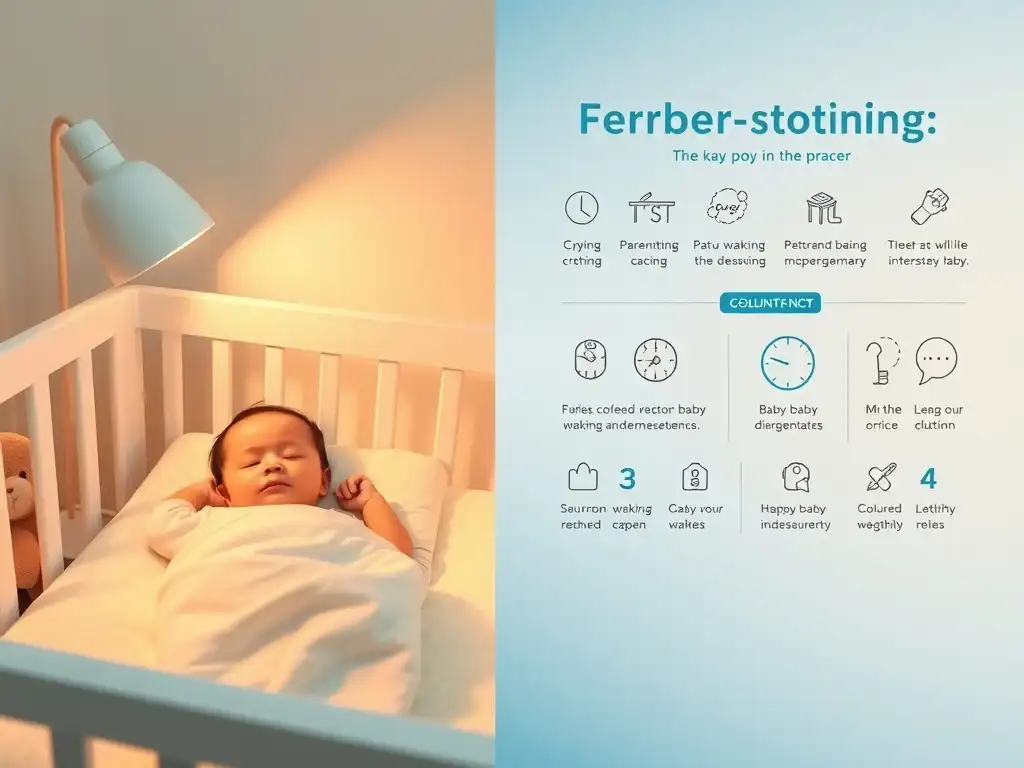
Implementing the Ferber method, while effective for many, isn't a magic bullet. Parents often encounter challenges. Understanding these hurdles and having strategies to address them is crucial for successful sleep training. This section focuses on common problems and provides practical solutions to help you navigate them. Remember, consistency and patience are key elements in the Ferber method's success, and a little flexibility can go a long way. The goal is to teach your baby to self-soothe and fall asleep independently, not to eliminate crying entirely.
Dealing with Excessive Crying During the Ferber Method
Excessive crying is a common concern among parents using the Ferber method. While some crying is expected, prolonged or inconsolable crying can be distressing. Several factors can contribute to this:
- Hunger: Ensure your baby is adequately fed before starting the bedtime routine. A hungry baby will likely cry more intensely. Consider a late-evening feeding if necessary, but maintain consistency in the timing to avoid creating new sleep associations.
- Discomfort: Rule out any physical discomfort. Is your baby experiencing diaper rash, gas, or teething pain? Addressing these issues can significantly reduce crying.
- Incorrect Implementation: Strictly following the Ferber method's guidelines is essential. Inconsistency in the check-in intervals or prematurely comforting your baby can prolong the crying. Review the method's steps carefully to ensure accurate implementation.
- Underlying Medical Condition: In some cases, excessive crying might indicate an underlying medical condition. If you're concerned, consult your pediatrician to rule out any health problems.
Strategies to Manage Excessive Crying:
- Re-evaluate the routine: Carefully review your bedtime routine and ensure it's calming and consistent. Avoid stimulating activities right before bedtime.
- Adjust check-in intervals: If crying is prolonged, consider slightly shortening the check-in intervals initially, but gradually increase them back to the recommended time as your baby shows progress. This provides reassurance without hindering the learning process.
- Maintain consistency: The Ferber method requires consistency. Sticking to the plan, even during challenging nights, is critical for your baby's understanding and eventual success.
Addressing Regression in Sleep After Implementing the Ferber Method
Sleep regressions are common, even after successfully implementing the Ferber method. These periods of disrupted sleep often occur due to developmental leaps, illness, or changes in routine. It's important to distinguish between a true regression and a temporary setback.
Signs of a Sleep Regression:
- Sudden increase in nighttime wakings: After a period of consistent sleep, your baby might start waking more frequently at night.
- Difficulty falling asleep: Your baby might struggle to fall asleep, even with the established bedtime routine.
- Changes in daytime sleep: Daytime naps might become shorter or more difficult to achieve.
Responding to a Sleep Regression:
- Maintain consistency: While tempting to revert to old habits, maintain the core principles of the Ferber method. Continue with the established bedtime routine and check-in intervals.
- Address underlying causes: Consider any potential triggers, such as illness, teething, or a developmental leap. Addressing these underlying causes can often alleviate the regression.
- Offer reassurance: Provide extra reassurance and comfort during the regression, but avoid reverting to old sleep associations. A gentle pat on the back or a quiet shushing might help.
- Seek professional guidance: If the regression persists for an extended period, consider seeking advice from your pediatrician or a sleep consultant. They can provide tailored guidance based on your baby's specific needs.
Adapting the Ferber Method to Different Baby Personalities and Sleep Styles
Babies, like adults, have unique personalities and sleep styles. The Ferber method, while structured, allows for some adaptation to suit individual needs. Rigid adherence without considering your baby's temperament can lead to frustration for both you and your baby.
Adapting to Different Personalities:
- Highly sensitive babies: These babies might require more gentle and reassuring approaches. Shorten check-in intervals initially and offer extra comfort during these interactions.
- Strong-willed babies: These babies might require more consistent and firm adherence to the method's guidelines. Avoid wavering or giving in to excessive crying unless a genuine need (hunger, discomfort) is identified.
- Babies with anxiety: For babies prone to anxiety, a gradual introduction to the method might be more effective. Start with shorter periods of independent sleep and gradually increase the duration.
Adapting to Different Sleep Styles:
- Babies who nap frequently: Adjust the Ferber method to accommodate frequent naps. Ensure consistent nap times and durations to help regulate their sleep-wake cycle.
- Babies who resist bedtime: Establish a clear and consistent bedtime routine that signals the end of the day. Avoid stimulating activities before bed.
- Babies with irregular sleep patterns: A consistent bedtime routine and a structured sleep environment can help regulate irregular sleep patterns. Be patient and consistent in your approach.
Remember, the Ferber method is a guideline, not a rigid rulebook. Observe your baby's cues, adapt the approach as needed, and prioritize a calm and supportive environment. Patience and consistency are crucial for success. Always consult your pediatrician if you have any concerns about your baby's sleep or overall well-being.
When to Consider Alternatives to the Ferber Method
The Ferber method, while effective for many families, isn't a one-size-fits-all solution. Some babies simply don't respond well to its structured approach, and recognizing this is crucial for both the baby's well-being and the parents' sanity. Several factors can indicate that it's time to explore alternative sleep training methods. For instance, if your baby exhibits excessive crying that seems to escalate rather than decrease over several nights, it might be a sign that the Ferber method is causing undue stress.
Remember, the goal is to teach your baby to self-soothe, not to induce prolonged distress. Persistent inconsolable crying, lasting significantly longer than the recommended check-in intervals, should be a major warning sign. Similarly, if you notice physical signs of distress, such as rapid heart rate or excessive sweating, it's vital to reassess your approach.
Furthermore, the Ferber method may not be suitable for all babies. Premature infants, babies with medical conditions affecting their sleep, or those with known sensitivities might require a gentler, more individualized approach. Infants with reflux or other digestive issues could find the extended periods of crying particularly challenging and even exacerbate their condition. It’s also important to consider your baby's temperament.
Some babies are naturally more sensitive and reactive than others; forcing them into a rigid schedule might backfire, leading to increased anxiety and resistance. Observe your baby carefully. If the Ferber method is causing increased anxiety or negatively impacting their overall mood, it's essential to prioritize their emotional well-being and explore alternative methods. Remember, there's no shame in realizing that a particular sleep training method isn't the right fit for your family.
Many other effective techniques exist, and finding the right one is key to establishing healthy sleep habits for your little one. Consulting a pediatrician or a certified sleep consultant can provide personalized guidance and help determine the most appropriate strategy for your baby's unique needs. Prioritizing your baby's emotional and physical health should always take precedence over adhering strictly to any particular sleep training method.
Maintaining a Successful Bedtime Routine and Gradual Weaning from the Ferber Method
The Ferber method, while effective for many, isn't a lifelong solution. Successfully implementing and then weaning your baby from the Ferber method requires a thoughtful, gradual approach. The key is to maintain consistency and build upon the positive sleep habits established during the initial stages of sleep training. Remember, the goal isn't just to get your baby to sleep, but to foster independent sleep skills that will serve them well for years to come. This transition should feel less like a sudden shift and more like a gentle evolution of your bedtime routine.
Transitioning from the Ferber Method to Independent Sleep
Once your baby consistently falls asleep independently using the Ferber method, you can begin to gradually reduce the intervention time. Instead of following the prescribed check-in intervals, start extending the time between checks. For example, if you were previously checking in every 5 minutes, try increasing it to 7, then 10, and so on. This gradual lengthening of intervals allows your baby to develop self-soothing skills at a comfortable pace. Observe your baby's cues; if they consistently need more intervention, adjust the timeline accordingly.
Avoid abruptly stopping the check-ins entirely, as this could lead to regression. The process should be gradual and guided by your baby's individual needs. Remember to maintain the core elements of your established bedtime routine—a consistent schedule, calming activities, and a dark, quiet sleep environment. This consistency is crucial for reinforcing positive sleep associations.
Long-Term Strategies for Maintaining Healthy Sleep Habits
Maintaining healthy sleep habits beyond the Ferber method requires a long-term commitment to consistency. Think of it as building a strong foundation for your baby's sleep architecture. This includes maintaining a regular bedtime and wake-up time, even on weekends, to regulate their circadian rhythm. Continue to establish a predictable, calming bedtime routine that signals to your baby it’s time to sleep. This routine might include a warm bath, a story, and quiet playtime.
A consistent, predictable environment is key; keep the room dark, quiet, and cool. Also, be mindful of your baby's daytime sleep schedule. Sufficient daytime sleep can prevent overtiredness, which can often lead to nighttime sleep difficulties. Monitoring your baby's sleep patterns and adjusting the schedule as needed is important for long-term success. Consider keeping a sleep diary to track patterns and identify potential areas for adjustment.
Signs Your Baby is Ready to Move Beyond the Ferber Method
Recognizing when your baby is ready to transition away from the Ferber method is crucial for a smooth process. Several indicators suggest your little one is ready for more independence: Consistent independent sleep for several weeks, minimal crying during bedtime or nighttime wakings, and a predictable sleep pattern. If your baby consistently falls asleep within 15-20 minutes of being put down, and only requires minimal comforting, they're likely ready.
However, if you notice frequent nighttime wakings, extended periods of crying, or a significant disruption in their sleep pattern, it might be too early to transition fully. Each baby develops at their own pace; there's no one-size-fits-all answer. Trust your intuition and observe your baby's cues.
Patience and flexibility are key during this phase. Remember, regressions can occur, and it’s perfectly acceptable to revert to shorter check-in intervals temporarily if needed, before resuming the gradual weaning process. The goal is to support your baby’s development of self-soothing skills gently and effectively.
Ferber Method vs. Other Baby Sleep Training Methods: A Comparison
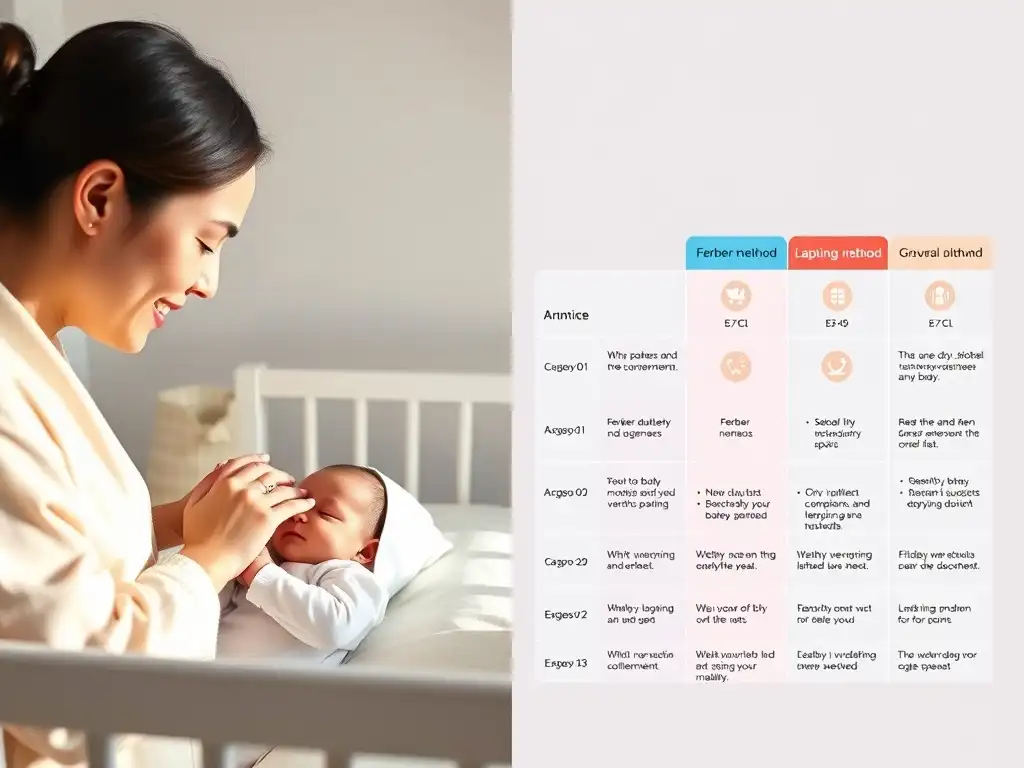
The Ferber method is just one approach to sleep training, and understanding its nuances relative to other popular methods is crucial for parents seeking the best fit for their baby and family. While all methods aim to establish independent sleep habits, they differ significantly in their philosophies and techniques. This section offers a comparison of the Ferber method against several popular alternatives. Choosing the right method is a deeply personal decision, influenced by your baby's temperament, your parenting style, and your family's overall values.
Ferber Method vs. Cry-It-Out Method: Key Differences and Similarities
Both the Ferber method and the cry-it-out (CIO) method aim for independent sleep, but they differ substantially in their approach to crying. The CIO method involves letting the baby cry for extended periods without intervention, while the Ferber method advocates for a structured, graduated extinction approach.
The Ferber method incorporates checked-in intervals. This means parents check on the baby at progressively longer intervals (e.g., 5 minutes, 10 minutes, 15 minutes, etc. ), offering comfort without picking the baby up. This provides reassurance and teaches the baby to self-soothe. In contrast, the CIO method involves no intervention, allowing the baby to cry until they fall asleep, potentially for much longer periods.
| Feature | Ferber Method | Cry-It-Out Method |
|---|---|---|
| Intervention | Graduated, checked-in intervals | No intervention |
| Crying duration | Shorter, controlled periods of crying | Potentially longer periods of uninterrupted crying |
| Parental role | Active, supportive, providing reassurance | Passive, allowing the baby to self-regulate |
| Emotional impact | Generally less stressful for both parent and baby | Potentially more stressful for both parent and baby |
While both methods can be effective, the Ferber method is often considered gentler due to the parental involvement and shorter crying periods. However, the "gentleness" is subjective and depends on individual baby's and parent's sensitivities. Choosing between these methods requires careful consideration of your family's comfort levels and your baby's temperament.
Ferber Method vs. Pick-Up-Put-Down Method: A Comparative Analysis
The Pick-Up-Put-Down (PUPP) method differs significantly from the Ferber method in its approach to soothing. PUPP involves picking up the baby whenever they cry, soothing them, and putting them back down drowsy but awake. This cycle repeats until the baby falls asleep.
The Ferber method, on the other hand, emphasizes gradually increasing the time between interventions. PUPP focuses on immediate responses to crying, whereas Ferber involves a planned, increasing delay before intervention.
The main difference lies in the frequency and timing of parental intervention. PUPP provides more frequent, shorter interventions, while Ferber uses fewer, longer intervals between checks. The success of either method depends on consistency and adherence to the chosen strategy. Some babies respond better to the frequent reassurance of PUPP, while others may benefit from the more structured approach of the Ferber method. The key is finding the method that best suits your baby's needs and your parenting style.
Ferber Method vs. Gentle Sleep Training Methods: Finding the Right Fit for Your Family
Gentle sleep training methods encompass a range of approaches that prioritize minimizing crying and maximizing parental involvement. These methods often focus on creating a positive sleep association through routines, comforting techniques, and gradual changes to sleep habits. Examples include the "baby whispering" method or other methods that emphasize positive reinforcement and responsive parenting.
The Ferber method, while often described as “gentle” compared to CIO, might still involve periods of crying, albeit shorter and structured. Gentle sleep training methods, on the other hand, aim for a crying-free or nearly crying-free approach. The choice between these depends on your comfort level with crying and your baby's response to different soothing techniques.
Ultimately, the "best" method is the one that works best for your family. Consider your baby's temperament, your parenting style, and your family's values when making your decision. Remember that consistency is key, regardless of the method chosen. If one method isn't working, don't hesitate to try a different approach or seek guidance from a sleep consultant. A successful bedtime routine is a journey, not a race! 😴
Resources and Further Support for Implementing the Ferber Method
Successfully implementing the Ferber method requires patience, consistency, and a deep understanding of your baby's cues. While this guide provides a solid foundation, accessing additional resources can significantly enhance your journey. This section outlines valuable supplementary materials and professional support options to help you navigate the process effectively. Remember, every baby is unique, and what works for one might not work for another. Adaptability and a willingness to adjust your approach are key to success with the Ferber method baby bedtime routine.
Recommended Books and Articles on Baby Sleep Training and the Ferber Method
Numerous books and articles delve into the intricacies of baby sleep training, offering diverse perspectives and practical advice. While Dr. Richard Ferber's original work remains a cornerstone, exploring other resources can broaden your understanding and provide alternative strategies. Consider seeking out materials that address specific challenges you anticipate, such as dealing with night wakings or adjusting the Ferber method for multiples.
Look for books and articles that emphasize a gentle, responsive approach, aligning with the core principles of the Ferber method, while acknowledging individual variations in baby sleep patterns. A good resource will emphasize the importance of creating a safe and nurturing sleep environment, avoiding harsh methods, and prioritizing the parent-child bond.
Here's a sample of the types of information you might find helpful:
- Detailed explanations of the Ferber method's steps: Some resources break down each step of the method with greater detail, offering modifications and tips for various scenarios.
- Troubleshooting common problems: Many publications address common challenges parents face during sleep training, such as inconsistent crying, regression, or difficulty adjusting the check-in intervals.
- Age-appropriate modifications: You'll find valuable insights on adapting the Ferber method to your baby's age and developmental stage, ensuring a developmentally appropriate approach.
- Comparisons with other sleep training methods: Some resources provide a comparative analysis of different sleep training methods, allowing you to make an informed choice based on your family's values and preferences.
- Emphasis on creating a positive sleep environment: Look for resources that highlight the importance of creating a calming and conducive bedtime routine to set the stage for successful sleep.
Remember to critically evaluate the information you find, ensuring it aligns with current pediatric sleep recommendations and promotes a positive and supportive parenting experience. Prioritize resources that emphasize a gentle and respectful approach, putting your baby's well-being at the forefront.
Finding a Certified Sleep Consultant for Personalized Guidance (optional)
For some parents, seeking professional guidance from a certified sleep consultant can prove invaluable. A sleep consultant can provide personalized support tailored to your baby's unique needs and your family's circumstances. They can offer a customized sleep plan, address specific challenges, and provide ongoing support throughout the process. A good sleep consultant will work collaboratively with you, respecting your parenting style and values, and helping you develop a sustainable sleep solution for your family.
Consider seeking professional guidance if you:
- Are experiencing significant challenges implementing the Ferber method.
- Have concerns about your baby's sleep patterns or development.
- Desire a personalized sleep plan tailored to your family's needs.
- Need ongoing support and guidance throughout the sleep training process.
- Are dealing with complex sleep issues, such as medical conditions affecting sleep.
Choosing a certified sleep consultant ensures you're working with a professional who possesses the necessary expertise and experience. Always verify their credentials and ensure they employ evidence-based methods that align with current pediatric recommendations. Remember that a sleep consultant's role is to support you, the parent, in creating a healthy and sustainable sleep routine for your baby. The ultimate goal is to empower you to confidently navigate your baby's sleep journey. 😴
Frequently Asked Questions
What is the Ferber Method?
The Ferber Method is a sleep training technique that involves gradually increasing the intervals between checking on your baby after they cry themselves to sleep. It emphasizes consistent and predictable bedtime routines to help your baby learn to self-soothe. The goal is to help your baby fall asleep independently.
How long does the Ferber Method take?
The duration varies greatly depending on your baby's age and temperament. Some babies may learn to self-soothe within a few nights, while others may take a couple of weeks. Consistency is key to success.
Is the Ferber Method safe for my baby?
When implemented correctly, the Ferber Method is considered safe. However, it's crucial to monitor your baby and to discontinue if you have concerns. Always consult your pediatrician before starting any sleep training method.
What are the key elements of a bedtime routine using the Ferber Method?
A consistent bedtime routine is essential. This typically involves a warm bath, story time, lullaby, and a quiet, dark room. Establishing a predictable sequence helps signal to your baby that it's time for sleep.
What if my baby cries inconsolably during the Ferber Method?
While some crying is expected, prolonged or excessive crying is a sign that you should reassess. Consult your pediatrician or a sleep consultant if you are worried about your baby's well-being or if the method isn't working effectively.
Final Reflection: Nurturing Sleep, Nurturing Bonds
The quest for a peaceful bedtime routine is a universal parental experience, and the Ferber method, while controversial, remains a significant part of that conversation. Successfully navigating this crucial stage of infant development requires patience, understanding, and a willingness to adapt – qualities that extend far beyond the bedtime hour. The impact of establishing healthy sleep habits ripples throughout the family dynamic, impacting not only the child's well-being but also the parents' ability to function effectively.
The Ferber method, and indeed the broader discussion surrounding infant sleep training, highlights the complex interplay between scientific understanding and parental intuition. It forces us to confront our own anxieties and beliefs about parenting, often challenging deeply held cultural norms. The most important thing a father can do for his children is to love their mother.
– Theodore Hesburgh. While not directly about sleep training, this quote speaks to the importance of creating a supportive and loving environment, which is crucial for successful implementation of any sleep training method, and for the overall well-being of the child and family. The ongoing debate surrounding these methods underscores the need for continued research and open dialogue, ensuring that parents have access to evidence-based information and support.
You, the parent, hold the key to unlocking a peaceful night's sleep for your little one and for yourselves. Consider the principles discussed in this guide – consistency, patience, and a deep understanding of your child's individual needs – and adapt them to your unique family dynamic. Don't be afraid to experiment, to adjust your approach, and to seek support when needed. Remember, the journey to a successful bedtime routine is a marathon, not a sprint, and the reward – a well-rested family – is worth the effort.
Unlock Your Baby's Peaceful Sleep: Start Tonight!
Thank you for learning about creating a better bedtime routine. We hope you gained valuable insights to help your little one (and you!) sleep soundly. Now it's time to put that knowledge into action.
- Start with one small change tonight. This could be a calming bath, a new bedtime story, or simply establishing a more consistent bedtime. Small steps can lead to significant improvements!
- Share your experience with other parents in our community forum. What worked best for you? What challenges did you encounter? Your insights can be invaluable to others.
- Keep a sleep diary for the next week. Tracking your baby's sleep patterns can reveal hidden clues and patterns to help you further refine your approach.
Ready to create the sleep sanctuary your family deserves? What small change will you make tonight to improve your baby's sleep?