
Feeding Your Baby: How Much Food is Enough?


Welcome to BabyCareHub, your ultimate guide to navigating the incredible journey of parenthood! Are you a first-time parent feeling overwhelmed by the complexities of newborn care? We understand. That's why we've created this comprehensive resource, packed with practical advice and expert insights. Discover the answers you need, starting with our essential Baby feeding amount chart – a vital tool to ensure your little one is thriving. Dive in and unlock the secrets to confident and joyful parenting!
- Understanding Baby Feeding: A Guide for First-Time Parents
- Baby Feeding Amount Chart: A Practical Guide
- Types of Baby Food and Serving Suggestions
- Signs Your Baby is Getting Enough Food
- When to Consult a Healthcare Professional
- Creating a Healthy and Enjoyable Mealtime Experience
- Frequently Asked Questions
- Final Reflection: The Enduring Hunger for Balanced Baby Nutrition
- Unlock Your Baby's Nutritional Potential!
Understanding Baby Feeding: A Guide for First-Time Parents
Navigating the world of baby feeding can feel overwhelming for first-time parents. This comprehensive guide aims to demystify the process, providing clear, evidence-based information to help you understand how much food your baby needs at different stages of development. We'll explore developmental milestones, hunger cues, and the transition from breast milk or formula to solid foods, offering practical advice and a helpful framework for determining appropriate feeding amounts.
This information is crucial for ensuring your baby receives adequate nutrition while avoiding overfeeding or underfeeding, both of which can have significant consequences for their health and development. Remember, this is a guide, and individual babies have varying needs; always consult your pediatrician for personalized advice. This article will help you understand the typical amounts, but individual variations are expected and should be addressed with your healthcare provider.
We'll also address how to interpret your baby's cues and smoothly transition into solid foods. Finding the right balance is key, and this guide will equip you with the knowledge to confidently approach this important aspect of parenthood. This guide will help you utilize a Baby feeding amount chart effectively.
Developmental Stages and Food Intake
A baby's nutritional needs change dramatically as they grow and develop. The amount of food they need is directly related to their age, weight, and activity level. During the first few months, breast milk or formula provides all the necessary nutrients. However, as your baby grows, they'll require additional calories and nutrients, leading to the introduction of solid foods.
The following table provides a general guideline for food intake based on developmental stages. Remember, these are averages, and individual babies may vary. Always consult your pediatrician for personalized recommendations.
| Age Range | Feeding Type | Approximate Amount | Notes |
|---|---|---|---|
| 0-3 Months | Breast milk/Formula | On demand, typically 6-8 times per day | Adjust based on baby's weight gain and wet diaper count. |
| 4-6 Months | Breast milk/Formula | On demand, potentially starting solids | Introduce single-ingredient purees, starting with small amounts. |
| 7-9 Months | Breast milk/Formula & Solids | 2-3 meals of solids per day, plus breast milk/formula | Increase portion sizes of solids as baby's appetite grows. |
| 10-12 Months | Breast milk/Formula & Solids | 3 meals of solids per day, breast milk/formula as needed | Continue to increase portion sizes and variety of foods. |
It's crucial to monitor your baby's growth and development closely. Regular checkups with your pediatrician will help ensure they're receiving adequate nutrition. Weight gain, wet diapers, and overall activity levels are important indicators of sufficient intake.
Baby's Hunger Cues: Recognizing the Signs
Learning to interpret your baby's hunger cues is essential to avoid both underfeeding and overfeeding. Babies communicate their needs in various ways, and it's important to pay close attention to these signals.
Some common hunger cues include:
- Increased fussiness and irritability
- Bringing hands to mouth
- Rooting (turning their head and opening their mouth)
- Sucking on fingers or hands
- Crying (often a late sign of hunger)
Conversely, signs of fullness can include:
- Turning away from the bottle or breast
- Pushing away the food
- Losing interest in feeding
- Falling asleep during feeding
Responding to early hunger cues helps prevent your baby from becoming overly hungry and distressed. This also helps establish healthy eating habits from an early age.
Introducing Solids: Timing and Transitioning from Breast Milk/Formula
Introducing solid foods is a significant milestone in your baby's development. The American Academy of Pediatrics generally recommends starting around 6 months of age, but this can vary based on individual development and readiness. Signs of readiness include the ability to sit upright with support, good head control, and showing an interest in food.
The transition should be gradual. Start with small portions of single-ingredient purees, such as sweet potato or avocado. Introduce new foods one at a time, waiting a few days to observe for any allergic reactions. As your baby gets older, you can gradually increase the variety and texture of foods, eventually introducing finger foods.
Remember, breast milk or formula should remain the primary source of nutrition for the first year, with solids supplementing their intake. The goal is to provide a balanced and nutritious diet that supports your baby's growth and development. Always consult with your pediatrician for personalized guidance on introducing solids and monitoring your baby's progress. This will allow you to effectively utilize a baby feeding amount chart.
Baby Feeding Amount Chart: A Practical Guide
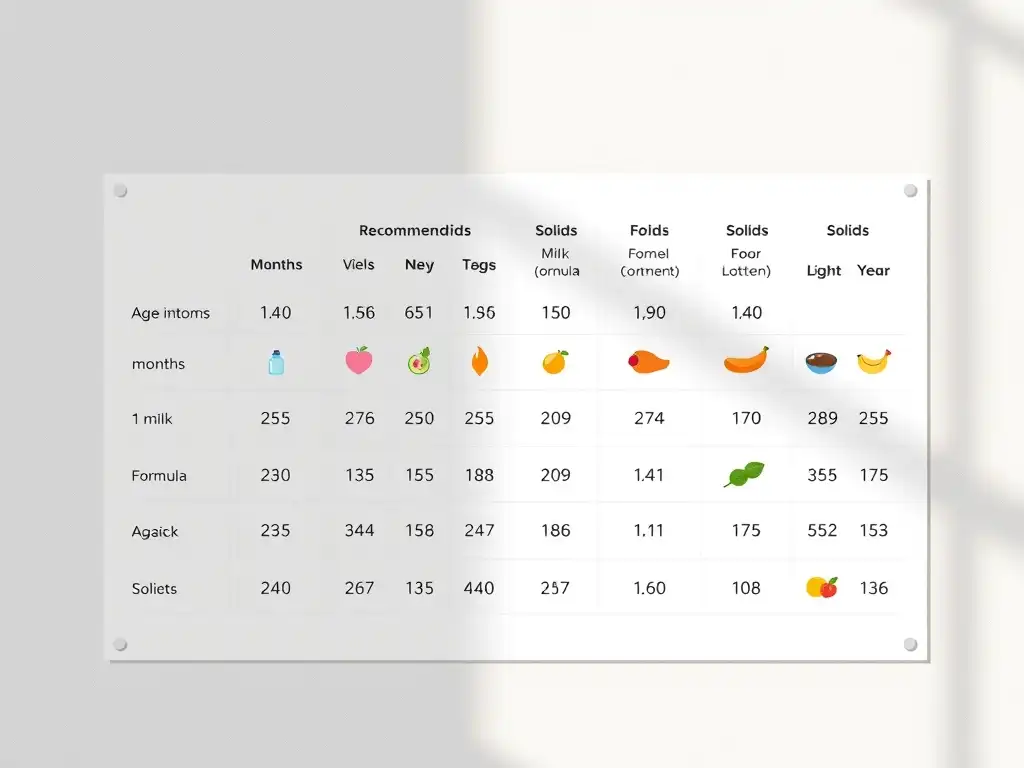
This section provides a practical guide to determining appropriate food portions for your baby, addressing common questions and concerns parents have about baby feeding amounts. Remember, these are guidelines, and your baby's individual needs may vary. Always consult your pediatrician if you have any concerns about your baby's growth or feeding habits. This information is intended to supplement, not replace, professional medical advice. We aim to help you understand baby feeding amounts and create a healthy eating routine for your little one. Using a baby feeding amount chart as a starting point can be very helpful.
Age-Appropriate Portion Sizes: 6 Months to 1 Year
Introducing solids at six months is a significant milestone! At this stage, your baby is likely starting with purees and gradually moving towards more textured foods. The amount of food your baby consumes will vary greatly depending on their appetite and developmental stage. Think of this phase as an exploration of tastes and textures rather than focusing solely on the quantity.
Here's a general guideline for portion sizes during this period:
| Age (Months) | Approximate Portion Size (per meal) | Food Type Examples | Notes |
|---|---|---|---|
| 6-7 | 1-2 tablespoons | Pureed fruits, vegetables, single-grain cereals | Start with small amounts and observe for any allergic reactions. |
| 8-9 | 2-4 tablespoons | Mashed fruits and vegetables, soft cooked pasta, well-cooked meats | Increase portion size gradually as your baby's appetite grows. |
| 10-12 | 4-6 tablespoons | Finger foods (soft cooked veggies, small pieces of fruit), more varied textures | Encourage self-feeding and exploration of different tastes and textures. |
Remember, these are estimates. Some babies may eat more, while others may eat less. Focus on offering a variety of nutritious foods and let your baby guide you. Observe their cues – if they seem full, stop offering food. If they seem hungry, offer more. A good indicator is their overall growth and development, monitored by regular checkups with your pediatrician. This is crucial for establishing healthy eating habits early on. Pay close attention to your baby's cues and adjust accordingly. The key is to create a positive and enjoyable feeding experience.
Baby Food Amount Chart: 1 Year to 2 Years
By the time your baby reaches one year old, they'll likely be eating a wider variety of foods, including family meals (appropriately modified for safety and texture). At this age, you can start transitioning away from purees and focus more on chopped or mashed foods. Their appetite will continue to fluctuate, influenced by growth spurts and activity levels.
While a precise baby feeding amount chart becomes less relevant, aiming for 3 balanced meals and 1-2 healthy snacks per day is a good guideline. Portion sizes should generally increase, but always prioritize nutrient-dense options.
- Breakfast: Oatmeal with fruit, scrambled eggs, whole-wheat toast
- Lunch: Chicken nuggets (homemade! ), mashed sweet potatoes, steamed broccoli
- Dinner: Pasta with tomato sauce and lean ground beef, peas, carrots
- Snacks: Yogurt, cheese cubes, fruit slices, whole-grain crackers
It's crucial to ensure your toddler is getting a balanced diet rich in vitamins and minerals. Continue to offer a variety of foods from all food groups. Don't be discouraged if your child occasionally refuses certain foods; persistence is key. Remember, picky eating is common at this age.
The focus should shift from quantity to quality of food. Prioritize whole, unprocessed foods and limit sugary drinks and processed snacks.
Factors Influencing Food Intake: Growth Spurts, Activity Levels, and Individual Needs
Several factors influence how much your baby eats. Understanding these factors helps you interpret your baby's appetite and avoid unnecessary worry.
- Growth Spurts: Babies experience periods of rapid growth, during which they may eat significantly more than usual. These spurts are normal and temporary.
- Activity Levels: Active babies tend to have larger appetites than less active babies.
- Individual Needs: Just like adults, babies have individual differences in metabolism and appetite. Some babies are naturally bigger eaters than others.
- Illness: When a baby is sick, their appetite may decrease. This is normal and usually resolves once they recover.
Remember, a baby feeding amount chart offers only a general guideline. Always prioritize your baby's individual cues, growth trajectory, and overall well-being. If you have any concerns about your baby's eating habits or growth, consult your pediatrician. They can provide personalized guidance based on your baby's specific needs and development. Regular check-ups are essential to monitor growth and address any concerns. 👶
Types of Baby Food and Serving Suggestions
This section provides a detailed guide to different types of baby food, focusing on safe preparation and serving suggestions appropriate for various developmental stages. Understanding these stages is crucial for parents navigating the exciting journey of introducing solids to their little ones. Remember, always consult your pediatrician before starting any new foods. This information is for guidance only and should not replace professional medical advice. A well-rounded approach to baby feeding ensures optimal nutrition and healthy growth.
Purees: Making and Serving Safe Purees
Purees form the cornerstone of early baby food introduction. They offer a smooth, easily digestible texture ideal for newborns transitioning from solely breast milk or formula. However, safe preparation is paramount.
Here’s a step-by-step guide to making safe and nutritious purees:
- Select Fresh, High-Quality Ingredients: Opt for organic fruits and vegetables whenever possible to minimize pesticide exposure. Avoid honey until after the baby's first birthday due to the risk of botulism.
- Thorough Cleaning and Preparation: Wash all produce meticulously, removing any peels or seeds that could pose a choking hazard. Steam or boil ingredients until soft.
- Blending to the Right Consistency: Use a blender or food processor to achieve a smooth, lump-free puree. The consistency should be thin enough to easily flow but not watery. Adjust with breast milk or formula if needed.
- Storage and Safety: Store purees in airtight containers in the refrigerator for up to three days or freeze for longer storage (up to three months). Always thaw purees in the refrigerator overnight and discard any leftovers after a single serving.
Example Puree Recipe (Sweet Potato):
- 1 medium sweet potato, peeled and cubed
- 2 tablespoons breast milk or formula (optional)
Steam the sweet potato until soft. Blend until smooth, adding breast milk or formula to adjust consistency.
Serving Suggestions:
- Start with small portions (1-2 teaspoons) and gradually increase as your baby gets used to solids.
- Offer purees using a spoon, allowing your baby to explore the flavors and textures.
- Introduce single-ingredient purees first to monitor for any allergic reactions. Keep a feeding diary to track introduced foods and any reactions.
- Observe your baby's cues; if they seem full or disinterested, stop feeding.
Finger Foods: Introducing Self-Feeding and Textures
As your baby develops their fine motor skills, introducing finger foods becomes crucial for their independence and exploring a wider range of textures. This transition helps develop their hand-eye coordination and prepares them for family meals.
Suitable Finger Foods:
- Soft-cooked vegetables (carrots, broccoli, green beans) cut into small, manageable sticks.
- Well-cooked pasta (small shapes like macaroni).
- Ripe, soft fruits (avocado, banana, mango) cut into small pieces.
- Cheese cubes (avoid hard cheeses initially).
- Puffs (check ingredients for allergens and added sugars)
Safety Precautions:
- Always supervise your baby while they are eating finger foods.
- Cut food into small, manageable pieces to minimize choking hazards.
- Avoid round, hard foods that could easily lodge in the throat.
- Introduce one new food at a time to monitor for any allergic reactions.
Introducing Textures:
Gradually introduce different textures, starting with soft, easily mashed foods and progressing to firmer, chunkier pieces. This helps your baby develop their chewing and swallowing skills. Remember, every baby develops at their own pace, so be patient and follow their cues.
Family Meals: Adapting Recipes for Baby's Palate
As your baby grows, incorporating them into family meals becomes easier and more enjoyable. Adapting recipes to suit their developmental stage and dietary needs is key. This fosters healthy eating habits and promotes family bonding.
Adapting Recipes:
- Soften the Texture: Finely chop or mash ingredients to make them easier for your baby to manage. Avoid hard-to-chew foods like raw vegetables or tough meats.
- Minimize Seasoning: Avoid using excessive salt, sugar, or spices. Your baby's palate is still developing, and strong flavors can be overwhelming.
- Focus on Nutrient Density: Choose recipes rich in essential vitamins and minerals. Lean proteins, whole grains, and colorful fruits and vegetables are excellent options.
- Portion Control: Offer small portions appropriate for your baby's age and appetite.
Example Family Meal Adaptation (Chicken and Vegetable Stew):
A standard chicken and vegetable stew can easily be adapted. Simply finely chop the vegetables and shred the chicken. Remove any bones or hard pieces before serving. You can also blend a portion of the stew to create a smoother consistency for younger babies.
Always ensure the food is cooled down to a safe temperature before serving. Remember to consult a pediatrician or registered dietitian for personalized dietary advice for your baby. This ensures the optimal balance of nutrition tailored to your child's unique needs and developmental milestones. Tracking your baby's food intake using a simple 👶 baby feeding amount chart can be immensely helpful.
Signs Your Baby is Getting Enough Food

This section focuses on how to determine if your baby is receiving adequate nutrition. While a baby feeding amount chart can be a helpful guideline, observing your baby's cues is crucial. Remember, every baby is unique, and their feeding needs will vary. Don't solely rely on charts; instead, use them as a general reference point and pay close attention to your little one's individual signals. We'll explore several key indicators below.
Weight Gain and Growth Monitoring
Regular monitoring of your baby's weight and growth is paramount. Your pediatrician will track this during well-baby visits, plotting your baby's progress on standardized growth charts. These charts compare your baby's weight and length to those of other babies of the same age and sex. Consistent weight gain, falling within the healthy percentile range on these charts, is a strong indicator that your baby is receiving sufficient nutrition.
Remember, sudden drops or plateaus in weight gain can signal a problem. Don't hesitate to contact your pediatrician if you notice any concerning trends. They can help determine if your baby's feeding amount needs adjustment or if there are underlying medical reasons for slower growth. Keeping a detailed record of your baby's weight at home, using a baby scale, can also be beneficial in identifying potential issues early. This information will be invaluable during your appointments with your healthcare provider. This consistent monitoring helps you and your doctor create a baby feeding plan that best suits your child.
Energy Levels and Overall Health
A well-nourished baby is typically alert, active, and has a good disposition. Look for signs of contentment and engagement with their surroundings. A lethargic, irritable, or constantly fussy baby might not be getting enough to eat. Of course, babies will have periods of fussiness, but persistent irritability could point to nutritional deficiencies.
Beyond mood, observe your baby's overall health. Healthy skin, clear eyes, and a strong immune system are all indicative of proper nutrition. Frequent illnesses could be linked to nutritional deficiencies, so it's important to discuss any concerns with your pediatrician. They can help assess if your baby's diet needs adjustments or if there are other health factors to consider. Remember, a happy, healthy baby is usually a well-fed baby. Pay attention to these subtle clues; they often speak volumes about your baby’s nutritional intake.
Consistent Bowel Movements
The frequency and consistency of your baby's bowel movements can also provide clues about their nutritional intake. Breastfed babies may have several bowel movements a day, while formula-fed babies might have one or two. The consistency should be soft and pasty; hard or infrequent stools can indicate insufficient hydration or nutritional issues. However, the number of bowel movements can vary greatly, depending on the type of feeding.
Pay attention to both the frequency and consistency of your baby's stools. Changes in bowel habits could be a sign of a problem, so don't hesitate to consult your pediatrician if you notice anything unusual. They can help assess whether your baby's feeding amount needs adjustment or if there are other underlying issues.
Keep a record of your baby's bowel movements—both the number and consistency—to help you and your healthcare provider monitor your baby's digestive health and overall well-being. This detail, combined with weight monitoring and energy level observations, provides a comprehensive picture of your baby's nutritional status. Remember, a healthy digestive system is crucial for nutrient absorption.
When to Consult a Healthcare Professional
This section addresses crucial situations where seeking professional medical advice regarding your baby's feeding is paramount. Ignoring potential problems can have significant consequences for your baby's health and development. Remember, this information is for guidance only and does not replace the advice of a pediatrician or healthcare professional. Always consult your doctor with any concerns.
Concerns Regarding Food Intake and Weight
Monitoring your baby's weight and food intake is essential, especially during the crucial first year. Significant deviations from expected growth patterns can indicate underlying health issues. A baby feeding amount chart, while helpful as a general guideline, shouldn't be the sole basis for determining your baby's nutritional needs. Individual variations exist.
For example, a consistently low weight gain despite seemingly adequate food intake might signal a problem with absorption or an underlying medical condition. Conversely, rapid weight gain, especially coupled with excessive feeding, could suggest overfeeding or other health concerns.
It's vital to pay close attention to the following indicators:
- Significant weight loss: Any noticeable decrease in weight requires immediate medical attention.
- Failure to thrive: This term refers to a baby's inability to gain weight or grow at the expected rate. It's a serious issue requiring prompt professional evaluation.
- Consistent vomiting or regurgitation: While some spitting up is normal, excessive or forceful vomiting warrants a doctor's visit.
- Changes in bowel movements: Significant changes in frequency, consistency, or color of your baby's stools should be reported to your healthcare provider. This could indicate digestive issues or other problems.
- Dehydration: Signs include dry mouth, sunken eyes, decreased urination, and lethargy. Dehydration is a serious condition requiring immediate medical attention.
Here's a simplified table summarizing key concerns:
| Concern | Description | Action |
|---|---|---|
| Significant Weight Loss | Noticeable decrease in weight | Consult your pediatrician immediately. |
| Failure to Thrive | Inability to gain weight or grow at the expected rate | Urgent medical evaluation needed. |
| Excessive Vomiting/Regurgitation | More than usual spitting up, forceful vomiting | Seek medical advice. |
| Changes in Bowel Movements | Alterations in frequency, consistency, or color of stools | Report to your healthcare provider. |
| Dehydration | Dry mouth, sunken eyes, decreased urination, lethargy | Immediate medical attention is required. |
Remember, consistent monitoring and open communication with your pediatrician are crucial for ensuring your baby's optimal health and development. Don't hesitate to seek professional guidance if you have any doubts or concerns. Early intervention is key.
Addressing Picky Eating Habits
Picky eating is a common phase many babies go through, often starting around six months of age. While frustrating for parents, it usually resolves itself over time. However, persistent and extreme pickiness can sometimes signal underlying issues. A balanced and varied diet is crucial for your baby's growth and development.
Several factors can contribute to picky eating:
- Developmental stage: Babies explore their senses through taste and texture. A preference for certain foods is normal during this stage.
- Sensory sensitivities: Some babies are more sensitive to tastes, textures, and smells than others.
- Control and autonomy: Picky eating can be a way for babies to assert their independence.
- Fatigue or illness: When unwell or tired, babies may eat less.
While a baby feeding amount chart can serve as a guide, remember to focus on offering a variety of nutritious foods. Don't force your baby to eat. Instead, try these strategies:
- Offer a variety of healthy options: Introduce different fruits, vegetables, and proteins repeatedly.
- Make mealtimes enjoyable: A relaxed and positive atmosphere can encourage better eating habits.
- Be patient and persistent: It can take multiple exposures to a new food before a baby accepts it.
- Avoid power struggles: Forcing your baby to eat can create negative associations with mealtimes.
- Consult a dietitian or pediatrician: If pickiness is severe or persistent, seek professional guidance. They can help you create a balanced meal plan and address any underlying concerns.
Remember, a healthy approach emphasizes offering nutritious options and creating positive mealtime experiences, not forcing your baby to consume a specific amount. Your pediatrician can help assess whether your baby's eating habits fall within the normal range or require further attention. Trust your instincts and seek professional advice when needed.
Creating a Healthy and Enjoyable Mealtime Experience
Creating a positive and enjoyable mealtime experience is crucial for your baby's healthy development and their relationship with food. It's not just about the quantity of food, but also the quality of the experience. A relaxed and happy atmosphere can significantly impact your baby's appetite and overall enjoyment of eating.
Making Mealtimes Fun and Engaging
Mealtimes shouldn't be a battleground! Here are some tips to make feeding time fun and engaging for your little one:
- Introduce bright colors and textures: Babies are naturally drawn to vibrant colors and interesting textures. Use colorful bowls and plates, and experiment with different food textures to stimulate their senses. Think of purees with finely chopped vegetables for visual appeal and varied textures.
- Incorporate playful elements: Use fun utensils like tiny spoons or forks designed for babies. You can also sing songs or make silly faces while feeding your baby to keep them entertained. A playful approach can transform a potentially stressful situation into a joyful experience. Consider using a high chair that is comfortable and adjustable.
- Let them explore: As your baby gets older and starts exploring finger foods, allow them to self-feed, even if it gets a little messy. This encourages independence and develops their fine motor skills. Embrace the mess; it's all part of the learning process!
- Positive reinforcement: Praise and encouragement go a long way. Celebrate their successes, even small ones, such as trying a new food or eating a few bites. Avoid pressure or punishment; focus on positive reinforcement to create a positive association with mealtimes.
Remember, consistency is key. Establish a regular feeding routine to help your baby develop healthy eating habits.
Addressing Food Allergies and Sensitivities
Introducing new foods to your baby requires caution, especially regarding potential allergies and sensitivities. While it's important to offer a variety of foods, it's equally crucial to monitor your baby's reactions closely.
- Introduce one new food at a time: This allows you to identify any potential allergic reactions more easily. Wait 2-3 days before introducing another new food. Keep a detailed food diary noting any reactions, such as rashes, vomiting, or diarrhea.
- Common allergens: Be mindful of common allergens like milk, eggs, peanuts, tree nuts, soy, wheat, fish, and shellfish. Consult your pediatrician for personalized advice on introducing these potentially allergenic foods. They can provide guidance based on your baby's individual risk factors and family history.
- Signs of allergies: Be vigilant for signs of allergic reactions, which can range from mild (rash, hives) to severe (anaphylaxis). If you suspect an allergic reaction, seek immediate medical attention.
- Early detection is key: Early identification of food allergies allows for timely intervention and management, potentially preventing more severe reactions later in life.
Avoiding Choking Hazards
Food safety is paramount, especially when feeding your baby. Choking is a serious risk, so it's crucial to take precautions to prevent it.
- Age-appropriate foods: Always choose foods appropriate for your baby's developmental stage. Start with purees and gradually introduce soft, easily mashed foods. Avoid hard, round, or sticky foods that could pose a choking hazard.
- Cut food into small, manageable pieces: Ensure that all foods are cut into small, bite-sized pieces that are easy for your baby to manage. For finger foods, opt for soft, cooked vegetables and fruits cut into sticks or small pieces.
- Supervise your baby closely during mealtimes: Never leave your baby unattended while they are eating. Constant supervision is essential to prevent choking incidents. Be attentive and ready to intervene if necessary.
- Proper chewing techniques: As your baby develops, encourage proper chewing techniques. This helps to break down food into smaller, safer pieces. Be patient and supportive during this learning process.
A well-prepared and carefully monitored feeding experience will contribute significantly to your baby's healthy growth and development. Remember to consult your pediatrician for personalized guidance and address any concerns you may have.
Frequently Asked Questions
How much should my baby eat at each feeding?
The amount your baby eats varies greatly depending on their age and weight. There's no one-size-fits-all answer, but a baby feeding amount chart (available online or from your pediatrician) can be helpful. Always follow your pediatrician's advice.
What are the signs my baby is hungry?
Babies exhibit various hunger cues, including rooting, sucking on their hands, fussiness, and crying. Early signs are often subtle. Don't wait until your baby is screaming before offering a feeding.
How often should I feed my baby?
Newborns typically feed every 2-3 hours, while older babies may go longer between feedings. Observe your baby's cues; demand feeding is generally recommended, meaning you feed your baby when they show signs of hunger.
What are the signs my baby is full?
Your baby might pull away from the breast or bottle, turn their head away, become drowsy, or lose interest in feeding. Respect these cues to avoid overfeeding.
My baby seems hungry all the time, is this normal?
Some babies are naturally high-need feeders. If you're concerned about your baby's feeding habits, consult your pediatrician to rule out any underlying issues. They can help determine if your baby is getting enough to eat.
Final Reflection: The Enduring Hunger for Balanced Baby Nutrition
The quest for the perfect baby feeding amount remains a universal parental concern, a constant dance between ensuring sufficient nourishment and avoiding overfeeding. This seemingly simple question—how much food is enough?—unravels into a complex tapestry of developmental stages, individual needs, and parental anxieties. The information presented in this article, while aiming to provide a helpful guide, ultimately underscores the importance of personalized approaches to infant nutrition.
The journey of feeding a baby is a deeply personal one, fraught with both immense joy and considerable uncertainty. The cultural landscape surrounding infant feeding is constantly evolving, influenced by shifting medical advice, societal pressures, and individual family traditions. The most important thing is that the baby is thriving, not just meeting a number on a chart.
This quote encapsulates the heart of the matter: while guidelines and charts offer valuable frameworks, they should never replace attentive observation and a responsive approach to your baby's unique cues. The pressure to conform to specific feeding schedules can overshadow the crucial connection between parent and child, a bond built on trust and mutual understanding.
You, the parent, are your baby's most important advocate. Take the information presented here as a starting point, not a rigid prescription. Observe your baby's hunger cues, trust your instincts, and don't hesitate to seek guidance from your pediatrician or other trusted healthcare professionals. Remember, the goal isn't just to fill a stomach, but to nurture a healthy, happy, and thriving child. Embrace the journey, celebrate the milestones, and cherish the precious moments of connection that define this incredible stage of life.
Unlock Your Baby's Nutritional Potential!
Thank you for learning more about feeding your baby! We hope this article has empowered you to approach mealtimes with confidence. Now let's put your new knowledge into action!
- Create a personalized meal plan: Use the provided guidelines to develop a feeding schedule that suits your baby's unique needs and appetite. Experiment with nutritious foods to discover their favorites.
- Share your experiences: Join our BabyCareHub community forum to connect with other parents. Let's build a supportive network where we can exchange tips and advice.
- Track your baby's progress: Keep a simple food diary to record your baby's intake and any reactions. This valuable record will be helpful for future reference and doctor's visits, providing a clear overview of their nutritional development.
What delicious and nutritious meal will you prepare for your little one today?