
Sibling Teamwork: How to Get Your Kids to Work Together

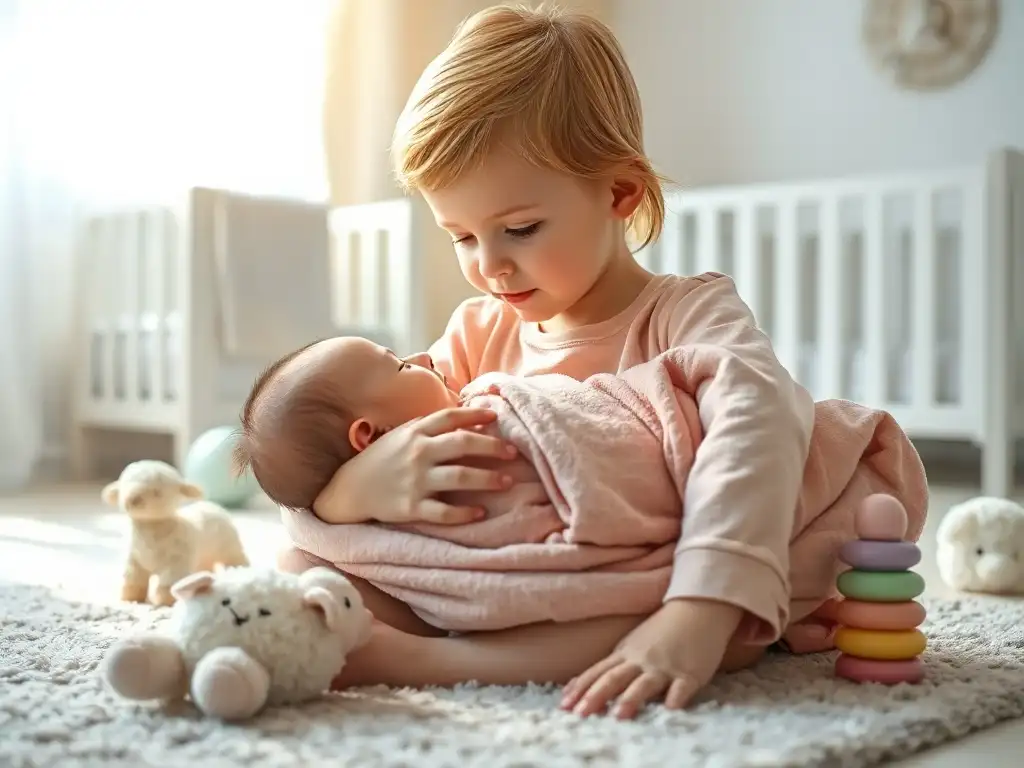
Welcome to BabyCareHub, your ultimate guide to navigating the incredible journey of parenthood! Are you a first-time parent feeling overwhelmed, or perhaps expecting a new addition to your family and wondering how to integrate your older children into the newborn routine? Discover how to transform potential sibling rivalry into teamwork with our insightful article on "Older Sibling Help Newborn Care," exploring practical strategies to foster cooperation and create a loving family dynamic from day one. Let's unlock the secrets to a smoother, more joyful experience for everyone!
- Preparing Older Siblings for Newborn Care Responsibilities
- Involving Older Siblings in Newborn Care: Practical Strategies
- Building Teamwork and Cooperation Between Siblings
- Maintaining a Balanced Approach: Sibling Time vs. Newborn Care
- Long-Term Benefits of Sibling Teamwork in Newborn Care
-
Frequently Asked Questions
- How can I involve my older child in newborn care without overwhelming them?
- What if my older child is jealous of the new baby?
- My older child is only two years old. What kind of help can they realistically offer?
- How do I prevent my older child from accidentally hurting the newborn?
- What if my older child refuses to help with the newborn?
- Final Reflection: Cultivating Collaboration: The Power of Sibling Bonds
- Unlock Your Kids' Collaborative Power!
Preparing Older Siblings for Newborn Care Responsibilities
Welcoming a new baby into the family is an exciting but potentially challenging time, especially for older siblings. While the focus naturally shifts to the newborn, it's crucial to remember the emotional and developmental needs of your existing children. A well-planned sibling introduction can transform potential sibling rivalry into a beautiful bond of teamwork and shared responsibility. This article provides a practical guide on how to effectively involve older siblings in newborn care, fostering a sense of belonging and shared responsibility while avoiding overwhelming them.
We'll explore age-appropriate tasks, strategies for creating a positive experience, and the importance of setting realistic expectations, all while keeping in mind the keyword: "Older sibling help newborn care." Successfully navigating this transition can create lasting positive memories and strengthen family bonds for years to come. Let's dive in!
Introducing the Concept of Helping with the Newborn
Introducing the idea of older siblings helping with the newborn should begin well before the baby arrives. Start by using positive language, emphasizing the excitement and joy of welcoming a new family member. Avoid phrases that might create feelings of displacement or resentment, such as "You'll have to share your parents now." Instead, focus on the positive aspects of having a sibling, like having a built-in playmate or a special bond.
Explain in age-appropriate terms what caring for a newborn entails. Use simple language and relatable examples. For younger children, you might use picture books or dolls to illustrate the process. For older children, you can involve them in discussions about the baby's needs and the roles different family members play.
- For toddlers (ages 1-3): Focus on simple actions like gently petting the baby or bringing a toy.
- For preschoolers (ages 3-5): Introduce concepts like helping to fetch diapers or softly singing lullabies.
- For school-aged children (ages 6-12): Explain more complex tasks, such as helping with diaper changes (under supervision) or getting the baby's bottles ready.
Remember to emphasize the importance of gentle handling and supervision, always ensuring the safety of both the baby and the older sibling. This early preparation sets the stage for smoother collaboration once the baby arrives. Involving them in choosing baby items, like blankets or toys, can also help build excitement and a sense of anticipation.
Age-Appropriate Tasks for Older Siblings Assisting with Newborn Care
Assigning age-appropriate tasks is crucial for a successful sibling partnership. It's important to avoid overwhelming older siblings with responsibilities that are beyond their capabilities or age. This can lead to frustration and resentment, undermining the positive impact you're aiming for.
Here’s a breakdown of potential tasks based on age:
| Age Group | Suitable Tasks | Supervision Needed |
|---|---|---|
| Toddlers (1-3 years) | Fetching soft toys, assisting with bringing diapers (under close supervision) | High |
| Preschoolers (3-5) | Helping to put away baby clothes, fetching blankets, singing lullabies | Moderate |
| School-aged (6-12) | Helping with diaper changes (under close supervision), preparing bottles, reading stories | Moderate to Low |
| Teenagers (13+) | Assisting with feeding (under supervision), changing diapers, playing with the baby | Low |
Remember to always emphasize safety and provide clear instructions. Start with simple tasks and gradually introduce more complex ones as the older sibling demonstrates competence and responsibility. Positive reinforcement and praise are essential throughout this process. Celebrate their achievements and contributions to show your appreciation for their help.
Creating a Positive and Rewarding Experience for Older Siblings
The key to successful sibling teamwork lies in creating a positive and rewarding experience for the older siblings. This involves acknowledging their efforts, celebrating their contributions, and ensuring that they still receive plenty of individual attention.
Here are some strategies to achieve this:
- Allocate special one-on-one time: Schedule dedicated time with each older sibling, ensuring they feel loved and valued despite the new arrival.
- Give small gifts or rewards: Acknowledge their help with small gestures of appreciation, such as a special treat or a small toy.
- Involve them in family activities: Include older siblings in family activities, such as outings or games, to maintain a sense of family unity.
- Create a special "big sibling" role: Give the older child a special title or responsibility related to the baby, such as "baby's best friend" or "official baby's toy organizer".
- Use positive reinforcement: Praise and reward their efforts consistently. Focus on their positive contributions and avoid dwelling on mistakes.
Remember, patience and understanding are key. It takes time and effort to build a positive sibling relationship. By making a conscious effort to involve older siblings in newborn care and creating a supportive and rewarding environment, you can foster a strong bond between your children and create lasting positive memories for your entire family. 🎉
Involving Older Siblings in Newborn Care: Practical Strategies
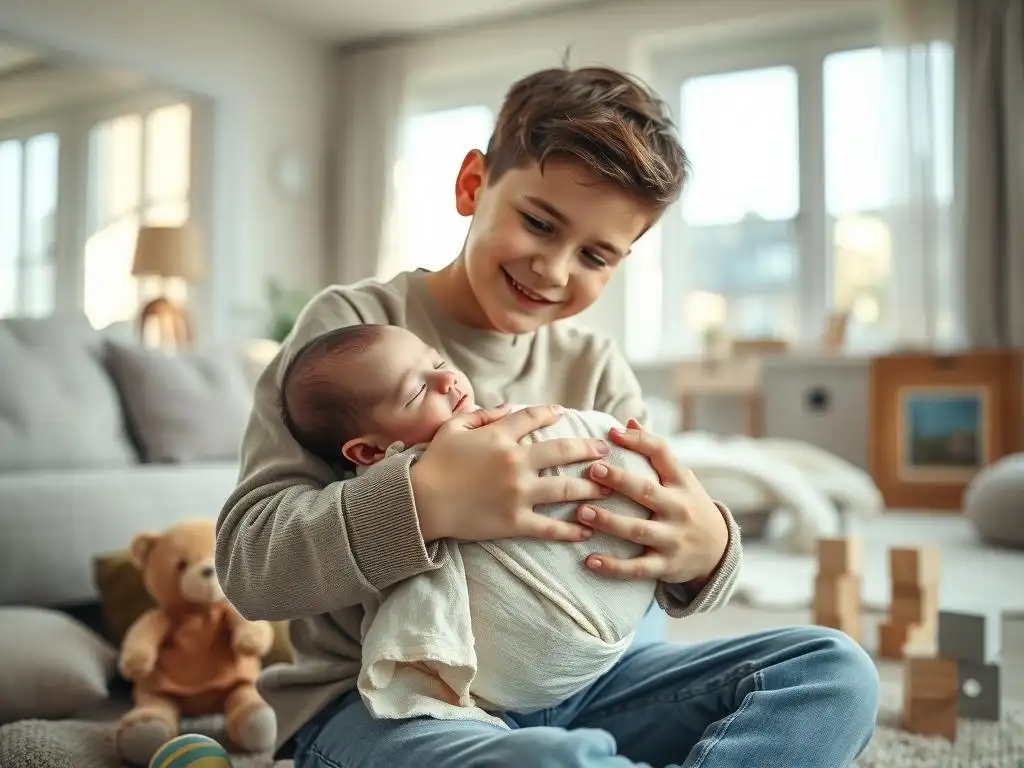
Successfully integrating a newborn into a family with an older sibling requires careful planning and execution. The key is to foster a sense of teamwork and shared responsibility, turning the experience into a positive one for everyone involved. This involves strategically assigning age-appropriate tasks, creating shared routines, and celebrating successes. Remember, the goal is not to burden the older child but to empower them and build their confidence.
This approach not only eases the transition for the new baby but also strengthens the sibling bond, promoting a supportive and loving family dynamic. Successfully implementing these strategies can significantly reduce parental stress and create a more harmonious household. The benefits extend beyond the immediate postpartum period, shaping the sibling relationship for years to come.
Simple Tasks Older Siblings Can Safely Handle: Diaper Changes, Outfit Selection
Even young children can contribute meaningfully to newborn care. Start with simple tasks that are both safe and manageable. For instance, a three-year-old might be able to fetch diapers from the changing table or select an outfit for the baby, under close supervision, of course. This allows them to feel involved without overwhelming them or compromising the baby's safety.
A well-structured approach is crucial. Begin by demonstrating each task clearly and patiently, emphasizing the importance of gentleness. Use positive reinforcement—praise and encouragement—to build their confidence and enthusiasm. A reward chart, featuring stickers or small prizes, can also be a motivating tool. Remember to adjust the complexity of the tasks based on the child's age and abilities. A five-year-old might be able to help with more involved tasks, such as preparing the changing mat or gathering wipes. Always prioritize safety; never leave a young child unsupervised with a baby.
Supervised Activities: Reading to the Baby, Singing Lullabies
Older siblings can participate in nurturing activities that promote bonding and development for both children. Reading to the baby, singing lullabies, or gently stroking the baby's head are all excellent ways to involve older siblings in a positive and meaningful way. These activities not only foster a sense of responsibility but also help the older child understand the baby's needs and develop empathy.
These supervised activities are not just about assisting with the baby's care; they also contribute to the older child's social-emotional development. Reading aloud, for example, enhances their language skills and fosters a love for books. Singing lullabies cultivates musicality and provides a calming experience for both the baby and the older sibling. Remember to create a calm and comforting environment for these interactions. The older sibling should feel comfortable and safe, fostering a positive association with caring for the newborn. Regularly engaging in these activities will create a strong bond between siblings.
Establishing shared routines is key to fostering a sense of togetherness and minimizing sibling rivalry. Designate specific times for activities that both children can enjoy together, such as story time, bath time, or playtime. This helps the older sibling feel included and less likely to resent the attention given to the newborn. Incorporating the older sibling into these routines not only reduces feelings of neglect but also allows for valuable bonding experiences.
For example, incorporating the older child into the baby's bath time can be a fun and engaging experience. They could help wash the baby's toys or assist in drying the baby (under close supervision). Similarly, dedicated playtime, where both children participate in age-appropriate activities, helps foster a sense of camaraderie and shared enjoyment. Story time before bed, with the older sibling reading or telling a story, promotes bonding and creates a calming bedtime routine.
The key is to ensure that the older child feels valued and involved in the family's daily rhythm, promoting a sense of belonging and shared experience. This shared routine helps reinforce positive sibling interactions and a sense of family unity. Remember to adjust the activities to the age and capabilities of both children.
Building Teamwork and Cooperation Between Siblings
This section focuses on practical strategies to foster collaboration between siblings, specifically in the context of welcoming a newborn. Successfully navigating this transition requires proactive measures to build a positive and supportive sibling dynamic, maximizing the potential for older siblings to contribute positively to newborn care while minimizing potential conflict. The key is to create a supportive environment where cooperation is valued and rewarded.
This isn't about forcing older children into childcare roles, but about creating opportunities for them to participate in age-appropriate ways, building their sense of responsibility and contributing to the family unit. This approach also helps alleviate feelings of displacement or jealousy that often accompany the arrival of a new baby.
Positive Reinforcement and Rewards for Helping with the Newborn
Positive reinforcement is paramount in encouraging older siblings to help with newborn care. Instead of focusing on chores, frame tasks as opportunities for bonding and contribution. For example, instead of saying "Clean up the baby's toys," try "Let's make the baby's play area nice and tidy together!" This subtle shift in language fosters a sense of teamwork.
Reward systems can be highly effective, but should be tailored to the child's age and personality. Tangible rewards, such as small toys or extra screen time (within reasonable limits! ), can be motivating, but non-tangible rewards, such as extra story time or a special outing, can be equally effective. Consider a reward chart visually tracking their contributions. Remember to be specific in your praise: "Thank you for so gently holding the baby's bottle – you did a wonderful job!" is more impactful than a generic "Good job! ".
It's crucial to avoid over-reliance on rewards. The ultimate goal is to cultivate intrinsic motivation, where helping the baby becomes a natural part of their sibling dynamic. Gradually reduce the frequency and intensity of rewards as the child's participation becomes more consistent and self-motivated.
Addressing Sibling Rivalry and Jealousy
Sibling rivalry is common, especially after the arrival of a new baby. The older child may feel displaced, neglected, or resentful of the attention the newborn receives. Proactive measures are crucial to mitigate these feelings. Before the baby arrives, involve the older sibling in preparations, such as choosing baby clothes or decorating the nursery. This creates a sense of inclusion and ownership.
After the baby's arrival, dedicate special one-on-one time with the older sibling daily. This uninterrupted attention reassures them of their importance and value within the family. These dedicated moments should be free from distractions and focused entirely on the older child's interests. Simple activities like reading together, playing a game, or even just chatting can make a big difference.
It’s important to acknowledge the older sibling's feelings. If they express jealousy or anger, validate their emotions instead of dismissing them. Phrases like, "It sounds like you're feeling a little left out," show empathy and create space for open communication. This approach fosters a safe environment where they feel comfortable expressing their emotions.
Encouraging Empathy and Understanding Between Siblings
Empathy is crucial for positive sibling relationships. Help your older child understand the baby's needs and limitations. Explain that babies cry because they are hungry, tired, or need a diaper change. This understanding helps them see the baby not as a competitor for attention but as a vulnerable being requiring care.
Involve the older sibling in age-appropriate caregiving tasks. This could include helping to choose outfits, fetching diapers, or singing lullabies. These activities foster a sense of responsibility and connection with the baby. Even seemingly small tasks build a sense of participation and belonging.
Reading books about siblings and babies can also help. These books often depict scenarios where older siblings help younger ones, modeling positive behaviors and promoting understanding. Storytelling can be a powerful tool in fostering empathy and emotional intelligence in young children. The goal is to cultivate a sense of shared responsibility and mutual support within the family.
Maintaining a Balanced Approach: Sibling Time vs. Newborn Care
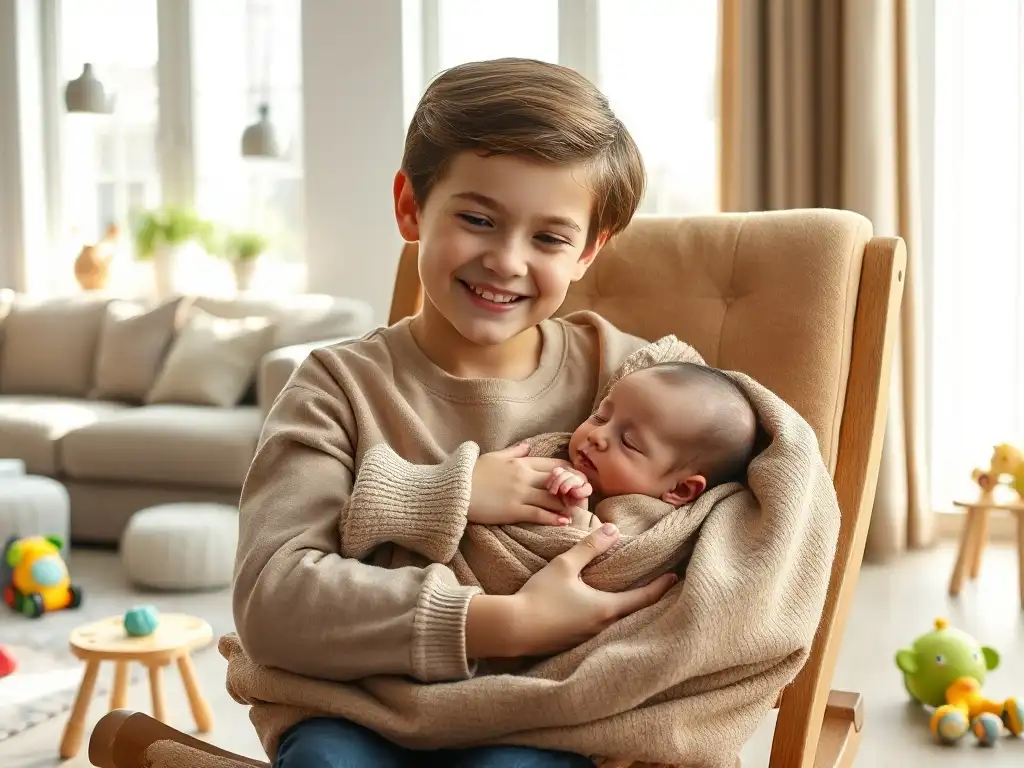
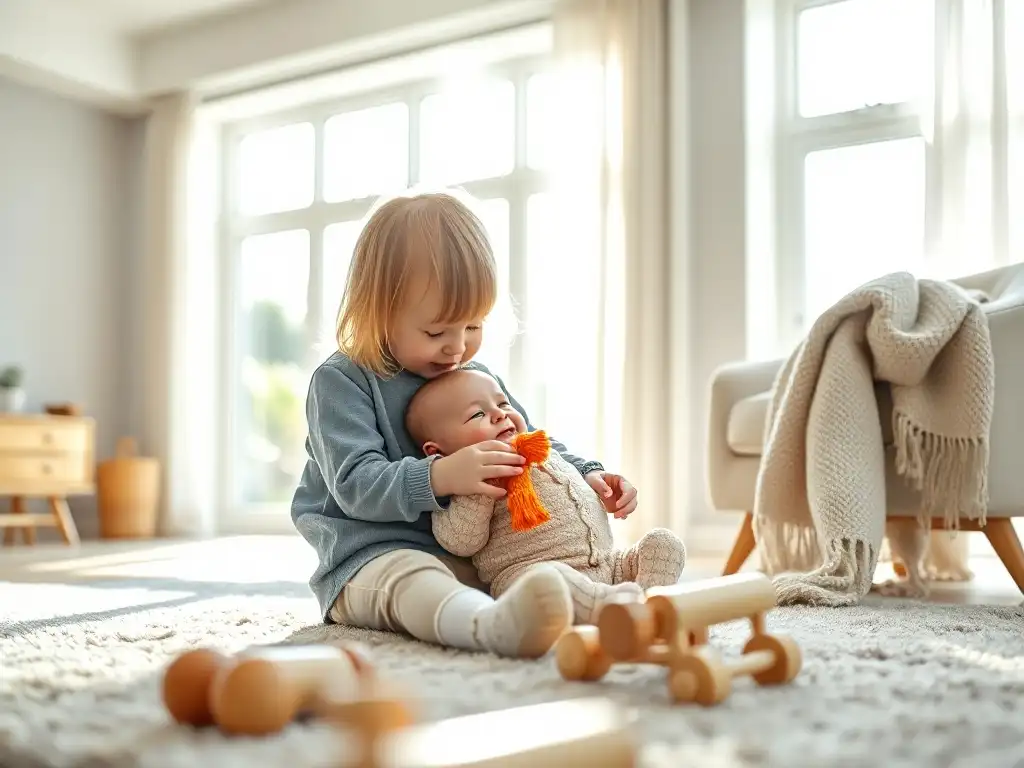
The arrival of a newborn significantly alters family dynamics, often demanding a substantial shift in parental attention. Successfully integrating a new baby while maintaining a strong bond with older siblings requires a delicate balance. The key lies in proactively managing time and ensuring each child feels valued and loved. Neglecting the needs of older children can lead to resentment, jealousy, and behavioral issues, ultimately impacting the entire family's well-being.
Conversely, overburdening older siblings with newborn care can also be detrimental, causing stress and resentment. Therefore, a strategic approach is vital to fostering a harmonious family environment. This involves creating a schedule that accommodates both the needs of the newborn and the existing children, while also implementing strategies to minimize sibling rivalry and maximize positive interactions. Remember, the goal is to build a supportive sibling relationship where cooperation and mutual respect thrive.
Scheduling Dedicated Time for Each Child
Creating a structured schedule is crucial for managing the demands of a newborn and maintaining individual time with each child. This isn't about creating rigid routines, but establishing consistent blocks of time dedicated solely to specific children. For example, older siblings might enjoy a dedicated "special time" each day, perhaps an hour before bedtime for reading, playing games, or engaging in other activities they cherish. This dedicated time should be sacrosanct – a time free from newborn interruptions and fully focused on the older child's needs and interests.
This demonstrates that the arrival of the baby doesn't diminish their importance within the family. Consider using a visual schedule, especially with younger older siblings, to help them understand the structure of the day and what to expect. The schedule could include pictures representing activities like "Mommy & [Older Sibling's Name] Time," "Baby's Naptime," and "Family Time."
This dedicated time isn't just about quantity; it's about quality. Engage fully in the activity with your older child, giving them your undivided attention. This creates a sense of security and strengthens your bond, mitigating feelings of neglect. Data suggests that children who receive consistent, quality one-on-one time with parents exhibit higher self-esteem and improved social skills. [Specific data on positive effects of dedicated parent-child time pending]
Ensuring Each Child Feels Loved and Attended To
Beyond scheduled time, small gestures can go a long way in demonstrating love and attention to each child. These small acts of affection and acknowledgment can significantly impact a child's emotional well-being, especially during periods of significant family change. For example, a simple "I love you" whispered before bedtime, a special hug, or helping with a task they enjoy can reinforce your love and appreciation. Actively involving the older sibling in age-appropriate tasks related to the baby, like choosing a book to read aloud, can foster a sense of belonging and responsibility.
It’s also important to acknowledge the older sibling’s feelings. They might express anger, jealousy, or sadness about the new baby. It’s crucial to validate these emotions rather than dismissing them. Allow them to express their feelings without judgment, demonstrating empathy and understanding. This approach helps them process their emotions and feel secure in their place within the family. Regular verbal affirmations of love and appreciation for each child are also vital, underscoring their individual worth and importance.
Avoiding Overburdening Older Siblings with Newborn Responsibilities
While involving older siblings in age-appropriate tasks related to the newborn can foster a sense of responsibility and connection, it's crucial to avoid overburdening them. Assigning tasks should be done cautiously, ensuring that the responsibilities are manageable and aligned with their developmental stage. Forcing a child to take on too much responsibility can lead to resentment, stress, and feelings of being undervalued. Remember that their primary role is to be a sibling, not a miniature caregiver.
Instead of assigning tasks like changing diapers or feeding, focus on age-appropriate activities such as helping to gather supplies, choosing outfits, or singing lullabies. These smaller tasks provide a sense of participation without placing undue pressure or responsibility on the older child. Always praise and appreciate their efforts, highlighting their contribution to the family.
Open communication is also key; regularly check in with your older child to assess whether the tasks are manageable and if they are feeling overwhelmed. Adjust the responsibilities accordingly, ensuring a balance between involvement and their own needs. Remember, "older sibling help newborn care" should be about fostering connection, not creating additional burdens.
Long-Term Benefits of Sibling Teamwork in Newborn Care
Successfully integrating older siblings into newborn care offers a wealth of long-term benefits that extend far beyond the immediate postpartum period. Encouraging participation, even in small ways, cultivates crucial life skills and strengthens family dynamics. This isn't about burdening older children, but about creating a collaborative and supportive family unit where everyone feels valued and involved in welcoming the new arrival. The positive impact on the older child's development and their relationship with their sibling is undeniable.
Strengthening Sibling Bonds and Fostering Cooperation
Involving older siblings in age-appropriate tasks related to newborn care can significantly strengthen sibling bonds. Studies show that children who participate in caring for younger siblings often develop a stronger sense of responsibility and empathy. For example, helping with tasks like fetching diapers or gently holding the baby (under supervision, of course) fosters a sense of connection and shared responsibility. This early involvement cultivates cooperation and reduces the potential for sibling rivalry later in life.
The shared experience of caring for the newborn creates a unique bond, building positive memories and reducing feelings of jealousy or displacement. We've observed that families who actively involve older children report significantly fewer instances of sibling conflict in the long run. The key is to make it a positive experience, emphasizing the joy of shared responsibility rather than assigning chores as a burden.
Teaching Older Siblings Responsibility and Empathy
Participating in newborn care provides invaluable opportunities for older siblings to learn about responsibility and empathy. Simple tasks, such as fetching blankets or helping with diaper changes (again, under close supervision), teach the importance of dependability and following instructions. These seemingly small contributions instill a sense of accomplishment and pride. Moreover, observing and interacting with the newborn cultivates empathy and understanding.
Older siblings begin to recognize the baby's needs and learn to respond with care and compassion. This nurturing experience helps develop their social-emotional skills, building their confidence and self-esteem. The lessons learned extend beyond the immediate family context, shaping their future interactions with others and fostering a greater sense of social responsibility. This translates into improved behavior, increased prosocial behavior, and enhanced emotional intelligence.
Creating a Supportive Family Environment for the Newborn
Integrating older siblings into the newborn's care helps create a more supportive and loving family environment for the new baby. The presence of older siblings, even if their involvement is limited, provides a sense of familiarity and comfort for the newborn. Their playful interactions (always under adult supervision) can stimulate the baby's development and provide opportunities for early social interaction. This collaborative approach fosters a sense of family unity and shared responsibility, creating a welcoming atmosphere for the new member.
This positive family dynamic reduces stress for parents and creates a nurturing environment for the baby's development, promoting healthy attachment and emotional well-being. By involving everyone in the process, you establish a strong foundation for a close-knit and loving family unit. The family becomes a team, working together to support the new baby and each other. This collective effort strengthens family bonds and creates lasting positive memories.
Frequently Asked Questions
How can I involve my older child in newborn care without overwhelming them?
Start with small, age-appropriate tasks like fetching diapers or reading books to the baby. Gradually introduce more responsibilities as your older child shows interest and competence. Positive reinforcement is key!
What if my older child is jealous of the new baby?
Jealousy is normal. Spend individual time with your older child, emphasizing that your love for them hasn't changed. Involve them in special activities just for the two of you.
My older child is only two years old. What kind of help can they realistically offer?
Even toddlers can participate! They can help by bringing toys to the baby, handing you items, or helping with simple tasks like putting away clothes. Focus on praise and making it fun.
How do I prevent my older child from accidentally hurting the newborn?
Constant supervision is crucial, especially in the early weeks. Teach your older child gentle handling techniques and the importance of asking for help before interacting with the baby. Create safe spaces for the baby.
What if my older child refuses to help with the newborn?
Try to understand the reasons behind their refusal. It could be jealousy, feeling overwhelmed, or simply not understanding their role. Patience and positive encouragement are key, and consider offering rewards or incentives.
Final Reflection: Cultivating Collaboration: The Power of Sibling Bonds
The ability of siblings to support each other, especially in the context of a new baby's arrival, is not merely a convenience; it's a powerful foundation for lifelong family unity and emotional well-being. The strategies outlined in this article—from age-appropriate chore assignments to fostering empathy and communication—are crucial not only for managing the practical demands of a growing family but also for building strong sibling relationships that will endure.
The shift in family dynamics brought about by a new baby is profound, impacting every member, particularly older siblings who may experience a complex mix of emotions. The transition can be challenging, but by actively cultivating collaboration and understanding, we can transform potential conflict into opportunities for growth and connection. The best way to make children good is to make them happy.
- Oscar Wilde. This quote highlights the importance of creating a positive and supportive environment where siblings can thrive, even amidst the adjustments of a new family member. The happiness fostered through collaboration will ultimately contribute to a stronger family unit.
Now, consider your own family dynamics. How can you apply these principles to nurture a spirit of teamwork and mutual support among your children? Perhaps it's about creating a dedicated "sibling time" routine, or finding creative ways to involve older children in the care of their younger siblings, ensuring they feel valued and empowered. Embrace the opportunity to build a legacy of sibling love and cooperation—a legacy that will enrich your family for generations to come.
Unlock Your Kids' Collaborative Power!
Thank you for learning about fostering teamwork between your children! You've gained valuable insights into creating a more harmonious home environment. Now, let's put that knowledge into practice.
- Implement one new teamwork strategy this week: Choose the tip that resonated most with you and try it out. Even small changes can make a significant difference!
- Share your experiences: Tell us in the comments below how it went! Your successes and challenges can inspire other parents.
- Create a family mission board: A visual reminder of shared goals and responsibilities can help maintain focus and motivate your children.
Ready to see the amazing things your children can achieve together? What small step will you take today to strengthen sibling bonds?