
Feeding Schedules on the Road: Adapting to Travel with a Newborn


Welcome to BabyCareHub, your ultimate guide to navigating the incredible journey of parenthood! Are you preparing for your first family vacation with your little one? Then our comprehensive guide on Travel Feeding Newborn Schedule is a must-read. We'll unravel the secrets to maintaining a healthy feeding routine even while on the go, ensuring both you and your baby enjoy a smooth and stress-free trip. Discover practical tips and expert advice to make travel with your newborn a breeze – let's get started!
- Planning Your Travel Feeding Schedule for Baby: Preparation is Key
- On-the-Go Feeding Strategies for Breastfeeding Mothers
- Formula Feeding on the Go: Tips and Tricks
- Adapting to Different Time Zones: Adjusting Your Newborn's Feeding Schedule
- Troubleshooting Common Travel Feeding Challenges
- Maintaining Hygiene and Safety During Travel Feeding
- Post-Trip Reintegration of Feeding Schedule
-
Frequently Asked Questions
- How can I maintain a feeding schedule while traveling with a newborn?
- What are some tips for feeding my newborn during long car rides?
- What should I do if my newborn refuses to feed while traveling?
- How do I safely prepare and store formula while traveling?
- What are some essential items to pack for feeding my newborn on a trip?
- Final Reflection: Navigating the Rhythms of Travel with a Newborn
- Unlock Smooth Travel with Your Little One!
Planning Your Travel Feeding Schedule for Baby: Preparation is Key
Traveling with a newborn can feel daunting, especially when it comes to maintaining their feeding schedule. Successfully navigating feeding on the go requires careful planning and a flexible approach. This guide will equip you with the knowledge and strategies to ensure your little one remains well-nourished and content throughout your journey.
We'll explore how to assess your baby's current feeding habits, pack efficiently for travel, and create a flexible feeding schedule that adapts to the unexpected challenges of travel. Remember, a well-prepared parent is a relaxed parent, leading to a more enjoyable experience for both you and your baby. This article focuses on practical tips and strategies to help you manage "Travel feeding newborn schedule" effectively, making your trip smoother and less stressful.
Assessing Your Newborn's Feeding Pattern Before Travel
Before embarking on your trip, meticulously track your newborn's feeding patterns for at least a week leading up to your departure. Note down the following:
- Feeding Frequency: How often does your baby feed? Is it every 2 hours, 3 hours, or more frequently?
- Feeding Duration: How long does each feeding typically last?
- Feeding Volume: If formula-feeding, note the amount of formula consumed per feeding. If breastfeeding, note the duration of each feeding session.
- Signs of Hunger: Become acutely aware of your baby's hunger cues, such as rooting, sucking on hands, fussiness, or increased activity. This will help you anticipate their needs while traveling.
Understanding your baby's typical feeding routine provides a baseline for creating a travel feeding schedule. This allows for more accurate estimations of feeding times and quantities while on the move. Keep a copy of this detailed feeding log readily accessible during your trip. This is crucial for remembering the nuances of your baby's individual feeding needs. Remember that even slight deviations from the norm are normal, especially during travel.
Packing Essentials: Bottles, Formula, Breast Pump Supplies, and More
Packing for a trip with a newborn requires careful consideration. For feeding, you'll need a comprehensive kit. Consider the following checklist:
| Item | Quantity (Example) | Notes |
|---|---|---|
| Bottles | 4-6 | Sterilize before travel and bring extra nipples. |
| Formula (if applicable) | Sufficient supply + extra | Choose a travel-friendly size and consider pre-portioned formula packets. |
| Breast pump (if applicable) | 1 | Ensure you have enough batteries or a car adapter. |
| Cooler bag | 1 | With ice packs to keep formula and breast milk cool. |
| Bottle brush | 1 | For cleaning bottles on the go. |
| Bibs | 2-3 | To protect clothing during feeding. |
| Burp cloths | Several | To handle inevitable spills. |
| Water bottles | 2 | For both you and the baby (if not breastfeeding). |
Remember to pack enough supplies for the entire duration of your trip, plus a little extra to account for unexpected delays or disruptions. Pre-portioning formula into individual bottles or using pre-measured formula packets can significantly simplify feeding on the go. Consider using a portable sterilizer for convenient cleaning.
Creating a Flexible Travel Feeding Schedule: Embracing Adaptability
While a consistent routine is ideal, rigidity is the enemy of successful travel with a newborn. Your carefully planned schedule is a guideline, not a rigid rule. Babies are adaptable, and with a bit of patience, they'll adjust to the changes in routine that come with travel.
Expect some disruptions to your baby's normal feeding schedule. Changes in environment, altitude, and time zones can impact their appetite and sleep patterns. Be prepared to adjust feeding times based on your baby's cues. If they seem hungry earlier or later than usual, feed them. It's always better to err on the side of caution and feed your baby when they are hungry.
Don't be afraid to embrace the unexpected. Travel inevitably involves disruptions. Be flexible, patient, and trust your instincts. Your baby will adapt, and you will too. Remember that your primary goal is to keep your baby fed and happy, even if it means deviating from the perfect plan. This flexibility is key to a successful and enjoyable travel experience with your newborn. 👶✈️
On-the-Go Feeding Strategies for Breastfeeding Mothers

Breastfeeding while traveling with a newborn can seem daunting, but with careful planning and preparation, it's entirely manageable. The key is to adapt your established routine to the demands of travel, focusing on flexibility and minimizing disruption. Remember, your baby's cues remain the most important guide, even on the road. Successful travel feeding for breastfeeding mothers hinges on prioritizing comfort and minimizing stress for both you and your baby.
Maintaining a Breastfeeding Routine While Traveling
Maintaining a consistent breastfeeding schedule while traveling requires proactive measures. Before your trip, familiarize yourself with the nursing facilities available at your destination—airports often have designated nursing areas, and many hotels offer cribs and private spaces. Packing appropriately is crucial. A nursing cover provides privacy and can be a lifesaver in unexpected situations. Consider bringing a comfortable nursing pillow for support, especially during long journeys.
Prioritize hydration. Dehydration can significantly impact milk supply, so drink plenty of water throughout your travels. Pack healthy snacks for yourself to maintain your energy levels. Remember, a well-nourished mother is a better provider. While a rigid schedule might be challenging on the road, aim for regular feeding sessions, responding to your baby's hunger cues. Don't be afraid to nurse more frequently if your baby seems unsettled; travel can be stressful for them too. Consider using a portable breast pump if you need to express milk, allowing you to stockpile milk for certain situations or to relieve engorgement.
A sample schedule might look like this, but remember flexibility is key:
| Time | Activity | Notes |
|---|---|---|
| 7:00 AM | Nursing session | Respond to baby's cues; adjust based on baby's feeding pattern. |
| 9:00 AM | Travel activities (e.g., car ride, flight) | Offer comfort and frequent skin-to-skin contact. |
| 11:00 AM | Nursing session | Find a private space if possible; use a nursing cover for discretion. |
| 1:00 PM | Lunch break (for both mother and baby) | Ensure you're well-hydrated and nourished. |
| 3:00 PM | Nursing session | Adjust the schedule based on baby's hunger cues and travel interruptions. |
| 6:00 PM | Nursing session | Wind down for the night. |
Remember, this is just a sample; your baby's cues are paramount. Keep a journal to track your baby's feeding patterns during travel to recognize potential changes.
Finding Private Spaces for Nursing During Travel
Discreet breastfeeding is often a concern for mothers traveling with newborns. Fortunately, many public spaces are increasingly accommodating to nursing mothers. However, proactive planning is essential. Before your journey, research nursing-friendly locations along your route, including airports, rest stops, and your hotel. Many airports have designated nursing rooms or family restrooms equipped with comfortable seating and privacy. Hotels often provide cribs and can assist in finding a quiet spot.
When in doubt, don't hesitate to politely ask for assistance. Most people are understanding and willing to help. A nursing cover can provide additional privacy in less-than-ideal situations. Remember, you have the right to breastfeed in public, but prioritizing comfort and discretion can make the experience more pleasant for you and those around you. Consider carrying a small, lightweight blanket for added privacy in a pinch. Planning ahead and being prepared for various scenarios will enhance your travel experience and make breastfeeding on the go much smoother.
Travel can be stressful, and stress can impact milk supply. While occasional stress is unlikely to cause significant problems, prolonged or intense stress can affect milk production. Prioritizing self-care during your journey is crucial for maintaining your milk supply and your overall well-being. This includes getting enough rest whenever possible, even if it's in short bursts. Prioritize healthy eating and hydration. Find ways to manage stress effectively, such as practicing relaxation techniques like deep breathing or meditation. Remember that even short periods of relaxation can significantly reduce stress levels.
Consider packing calming items, such as essential oils or a favorite book, to help you unwind during downtime. If you feel overwhelmed, reach out to your support network—a phone call to a loved one can make a significant difference. Remember that it's okay to ask for help.
If you experience significant changes in your milk supply or notice your baby is feeding less frequently or seems unsatisfied, consult your pediatrician or lactation consultant. They can provide personalized advice and address any concerns. Maintaining a positive mindset and prioritizing your well-being are key to a successful breastfeeding journey, even while traveling.
Formula Feeding on the Go: Tips and Tricks
Traveling with a formula-fed newborn requires careful planning and preparation to ensure your little one receives consistent and safe nutrition. Maintaining a regular feeding schedule while on the road can be challenging, but with the right strategies, you can minimize disruptions and keep your baby happy and healthy. This section focuses on practical advice for managing formula feeding during travel, addressing key concerns and offering solutions for various travel scenarios. Mastering these techniques will significantly reduce stress and enhance your overall travel experience with your newborn.
Preparing Formula for Travel: Pre-mixed Bottles vs. Powder
Choosing between pre-mixed formula bottles and powdered formula is a crucial decision impacting your travel feeding strategy. Each method presents advantages and disadvantages that should be carefully weighed based on your trip's specifics.
Pre-mixed bottles offer unparalleled convenience. Simply pack the required number of bottles in a cooler bag with ice packs, ensuring they remain at the correct temperature. This eliminates the need for water and mixing on the go, saving valuable time and effort, especially in situations with limited access to clean water. However, pre-mixed bottles are bulky, limiting the number you can carry, and may be more expensive than powdered formula.
Powdered formula, on the other hand, is significantly more compact and cost-effective. It requires water and a bottle, but this allows for flexibility and reduces waste. You can prepare bottles as needed, adapting to your baby's feeding schedule. However, accessing clean and safe water is paramount. This method is less convenient and requires more preparation time.
| Method | Advantages | Disadvantages | Suitability |
|---|---|---|---|
| Pre-mixed Bottles | Convenient, ready-to-feed, minimizes mess | Bulky, expensive, limited quantity | Short trips, limited access to clean water |
| Powdered Formula | Compact, cost-effective, adaptable | Requires clean water, more preparation time | Longer trips, reliable access to clean water |
Consider your trip's duration and access to clean water when making your decision. For shorter trips or situations with limited access to clean water, pre-mixed bottles are preferable. Longer trips with reliable access to clean water generally favor powdered formula for its space-saving and cost-saving benefits.
Storing Formula Safely During Travel: Temperature and Hygiene
Maintaining the correct temperature and hygiene is paramount when storing formula during travel, especially in warmer climates. Improper storage can lead to bacterial growth, posing a serious health risk to your baby.
To ensure safety, always use an insulated cooler bag with ample ice packs to keep pre-mixed bottles or prepared formula below 4°C (40°F). Replace ice packs as needed to maintain a consistently cool temperature. For powdered formula, keep it in a cool, dry place, away from direct sunlight. Always use freshly boiled and cooled water to prepare formula.
Never leave prepared formula at room temperature for more than two hours. Discard any unused formula after each feeding. Thoroughly wash and sterilize bottles and nipples before each use, using appropriate travel-sized sterilizing solutions or wipes if necessary. Maintaining meticulous hygiene practices will significantly reduce the risk of contamination and ensure your baby's safety. Remember, the safety of your baby's formula is of utmost importance.
Dealing with Formula Changes During Travel: Avoiding Digestive Upsets
Introducing new formula brands or types during travel can sometimes lead to digestive upsets in your baby, such as gas, colic, or diarrhea. To minimize the risk, it's best to avoid changing your baby's formula while traveling unless absolutely necessary. If a change is unavoidable, do so gradually, introducing the new formula over several days before your trip to allow your baby's digestive system to adapt.
If your baby experiences digestive discomfort, consult a pediatrician or healthcare professional immediately. They can provide guidance on managing any symptoms and ensuring your baby's well-being. Keep a close eye on your baby for any signs of discomfort and be prepared to adjust your feeding plan accordingly. Prioritizing your baby's comfort and health should always be your top priority, especially when traveling.
Adapting to Different Time Zones: Adjusting Your Newborn's Feeding Schedule
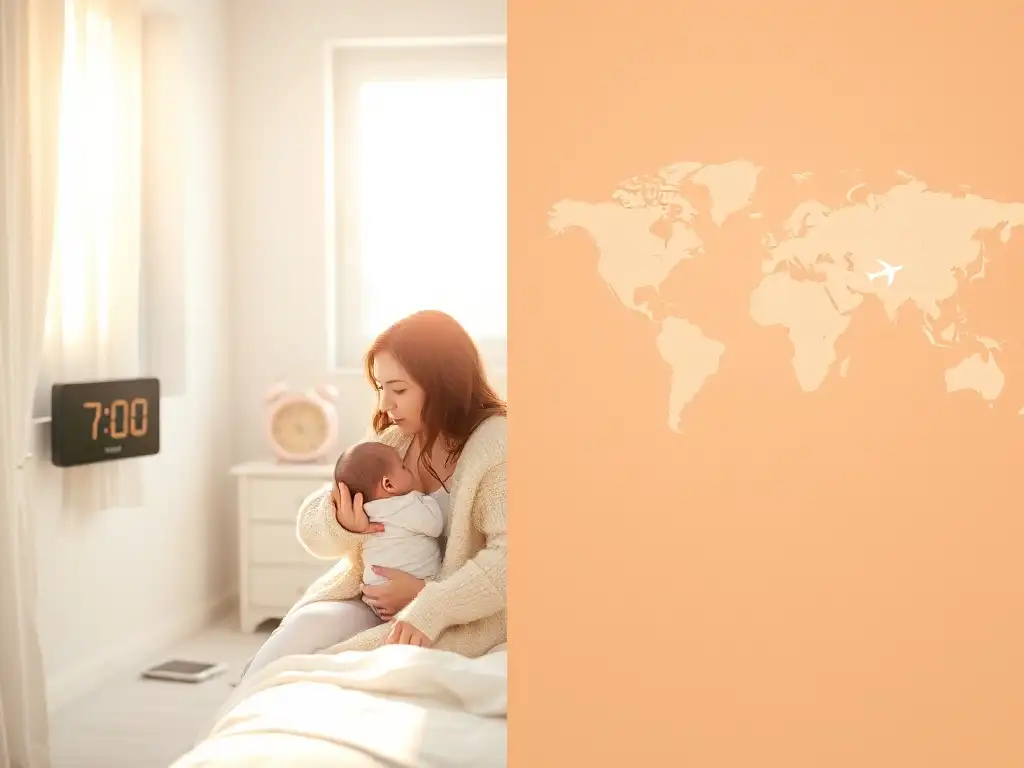
Traveling with a newborn can be challenging, and adapting their feeding schedule to different time zones adds another layer of complexity. Successfully navigating this requires understanding your baby's cues, remaining flexible, and employing strategies to minimize disruption. This section focuses on practical approaches to help you maintain a healthy feeding routine while traveling across time zones. The key is to prioritize your baby's needs while gently guiding them towards a new schedule. Remember, consistency is key, but flexibility is crucial when dealing with the unpredictable nature of infant feeding and travel.
Understanding Jet Lag and Its Impact on Baby's Feeding
Jet lag affects adults and babies alike, disrupting their internal body clocks (circadian rhythms). For newborns, this disruption can manifest as altered feeding patterns. They might be fussier, sleepier, or less interested in feeding than usual. The severity of jet lag depends on the number of time zones crossed. A longer flight equates to a more significant time zone shift and potentially a more pronounced impact on your baby's feeding schedule.
For example, a transatlantic flight might cause your usually predictable eater to become unexpectedly irritable and refuse feeds. This isn't necessarily a sign of illness, but rather a response to their disoriented internal clock. Observe your baby closely for other symptoms of jet lag beyond feeding irregularities, such as unusual sleep patterns or increased fussiness. Remember, patience and understanding are paramount during this adjustment period.
Gradual Time Zone Adjustment Strategies for Feeding
Instead of abruptly shifting your baby's feeding schedule upon arrival, a gradual adjustment is often more effective. Start adjusting your baby's schedule before your trip. If you're traveling east, start waking your baby slightly earlier each day leading up to your departure. If traveling west, start waking them a little later.
This pre-emptive approach helps to gently shift their circadian rhythm in anticipation of the time change. On the day of travel, try to maintain as much of their usual routine as possible, even on the plane. Feeding your baby on their usual schedule, as much as possible, can help mitigate the effects of jet lag. Once you arrive at your destination, continue the gradual adjustment.
Gradually shift feeding times by 15-30 minutes each day until you've reached the new time zone. Remember to be attentive to your baby's cues – if they're hungry before the scheduled time, feed them! This approach allows for a smoother transition and reduces the likelihood of significant disruption to their feeding. This flexible approach respects your baby's innate hunger signals while guiding them to a new feeding schedule.
Maintaining Consistency and Routine Despite Time Zone Changes
Even with a gradual adjustment, maintaining some consistency is vital. Familiar routines provide comfort and security, especially during travel. Try to maintain familiar feeding positions and environments, using a similar feeding setup to what you use at home. This familiarity can help ease your baby's transition.
If you're breastfeeding, continue to do so on demand, paying close attention to your baby's feeding cues. If bottle-feeding, stick to your usual routine as much as possible, adjusting feeding times gradually as described previously. Keep a feeding diary to track your baby's feeding times and amounts. This can be invaluable in identifying patterns and making necessary adjustments.
The diary will also be a useful record for your pediatrician or other healthcare professionals should you need to consult them. Remember, consistency in other aspects of your baby's routine, such as sleep and playtime, can also contribute to a more successful adaptation to the new time zone. Prioritizing a calm and predictable environment will help minimize stress for both you and your baby during this adjustment period. This consistency, combined with a flexible approach to feeding times, will make traveling with your newborn easier and less stressful.
Troubleshooting Common Travel Feeding Challenges
Traveling with a newborn can disrupt even the most well-established feeding routines. Unexpected delays, changes in environment, and the general stress of travel can all contribute to feeding difficulties. Successfully navigating these challenges requires preparedness, flexibility, and a calm approach. This section focuses on practical solutions to common travel feeding problems, ensuring a smoother journey for both parent and baby. The key is to maintain a sense of normalcy amidst the chaos and to anticipate potential issues before they arise. Remember, a well-rested and fed baby makes for a much happier trip!
Dealing with Fussy Feeding During Travel
Fussy feeding is a common complaint among parents traveling with newborns. Changes in routine, unfamiliar smells, and the sounds and vibrations of transportation can all upset a baby's delicate digestive system and appetite. Here's how to address this:
- Maintain a consistent feeding environment: Even on the road, try to create a familiar and calming feeding space. A quiet corner, a nursing cover for privacy, or a familiar blanket can help. Dimming the lights can also be soothing.
- Offer comfort and reassurance: Skin-to-skin contact can work wonders. Holding your baby close, speaking softly, and gently rocking can help soothe them and encourage feeding.
- Adjust feeding times: Be flexible with your feeding schedule. If your baby seems unusually fussy, try offering smaller, more frequent feeds. Don’t force the issue; a relaxed approach is crucial.
- Introduce familiar objects: A favorite toy or pacifier can provide comfort and distraction, making feeding less stressful.
- Consider travel-friendly feeding aids: If bottle-feeding, consider using anti-colic bottles to minimize air intake. If breastfeeding, ensure a comfortable and supportive nursing position, particularly in confined spaces.
Managing Oversupply or Undersupply of Milk During Travel
Travel can impact milk production in breastfeeding mothers. Stress, changes in diet, and dehydration can lead to either an oversupply or an undersupply of breast milk.
- Oversupply: If you experience engorgement, regularly express milk to relieve pressure. This prevents discomfort and maintains milk supply regulation. Consider using breast pads to absorb any leakage.
- Undersupply: Stay well-hydrated, eat nutritious foods, and prioritize rest whenever possible. Skin-to-skin contact can stimulate milk production. If concerns persist, consult a lactation consultant. Remember, stress significantly impacts milk supply; managing stress levels is vital.
- Monitoring: Keep a close eye on your baby's weight and wet diapers to gauge their intake. If you notice a significant decrease in either, consult a healthcare professional. This is especially important during or after travel. Consistent monitoring is key to early detection of issues.
Changes in diet, water, and environment can upset a baby’s delicate digestive system, leading to issues like gas, colic, or diarrhea.
- Dietary Changes: Avoid introducing new foods during travel, especially if your baby is prone to digestive upset. Stick to familiar foods to minimize the risk of allergic reactions or digestive distress.
- Hydration: Ensure your baby stays well-hydrated, especially in hot climates. Offer frequent breastfeeding or formula feeds. For older babies, provide age-appropriate fluids.
- Gas and Colic: Gentle massage, bicycle kicks, and warm baths can help relieve gas. If colic persists, talk to your pediatrician. Travel-related stress can exacerbate existing colic.
- Diarrhea: If your baby develops diarrhea, consult a doctor immediately. Dehydration can be a serious concern, especially in infants. Monitor diaper changes closely and report any concerning symptoms promptly. The earlier intervention, the better. Proper hydration is crucial.
Remember, patience and understanding are key when managing feeding challenges during travel. Prioritize your baby’s needs and don't hesitate to seek professional advice if you have any concerns. A proactive approach to potential problems ensures a more enjoyable and less stressful travel experience for everyone.
Maintaining Hygiene and Safety During Travel Feeding
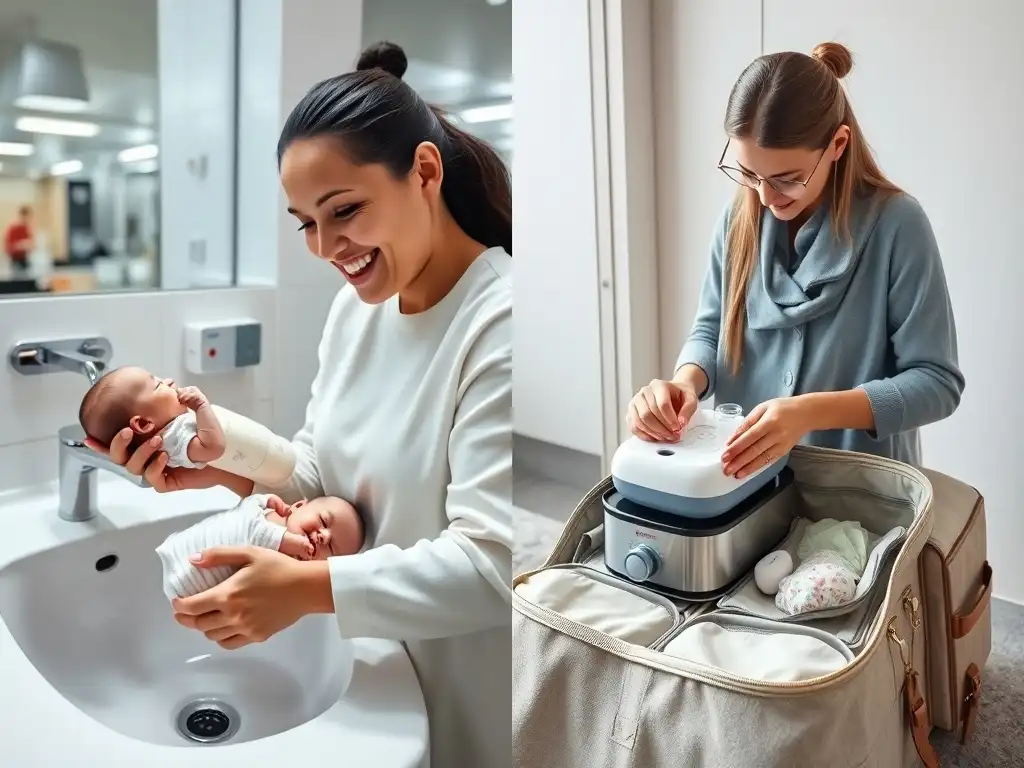
Traveling with a newborn requires meticulous attention to hygiene, especially concerning feeding. Maintaining a clean and safe feeding environment is crucial for preventing illness and ensuring your baby's well-being. This section provides practical tips for navigating the challenges of hygiene while on the move with your little one. Remember, even small lapses in hygiene can have significant consequences for a newborn's delicate immune system. Prioritizing safety during travel feeding is paramount.
Sterilizing Bottles and Equipment on the Go
Sterilizing bottles and feeding equipment is essential, even when traveling. While a dedicated sterilizer might not be practical for all trips, there are several alternatives. Boiling is a reliable method: bring a portable kettle or use a hotel room's kettle to boil water for at least 5 minutes, ensuring all parts of the bottles and teats are fully submerged. Alternatively, you can use microwave steam sterilizer bags, which are compact and convenient. These bags require only water and microwave access for effective sterilization.
For longer trips, consider packing disposable, pre-sterilized bottles and feeding equipment. This is particularly useful in areas where access to clean water is limited. Always remember to thoroughly wash your hands before handling any feeding equipment, using hand sanitizer if soap and water are unavailable. Remember that proper sterilization is crucial for preventing infections like E. coli and Salmonella, which can be particularly dangerous for newborns.
Proper sterilization techniques help mitigate the risks associated with travel feeding. To further reduce the risk, consider using a travel-sized bottle brush for thorough cleaning before sterilization. Prioritize the cleanliness of your baby's feeding equipment as a top priority during your travels.
Safe Water Sources for Formula Preparation
Safe water is crucial for formula preparation. Never use tap water directly from unfamiliar sources unless you are absolutely certain it's safe for consumption. Bottled water is the safest option; choose reputable brands and check the expiration date. If using bottled water, ensure the container is sealed and undamaged before opening.
If you are unsure about the water quality, consider using water purification tablets or a portable water filter. These can be purchased from most pharmacies or outdoor gear stores. Using purified water for your baby's formula minimizes the risks of gastrointestinal issues and other waterborne illnesses. Remember, your baby's digestive system is still developing, making them extra vulnerable to contamination.
The selection of water is crucial to successful travel feeding. Always err on the side of caution and choose the cleanest, purest water source available. Pre-packaged, sterile water pouches designed for baby formula are a great option, eliminating the need to carry and sterilize bottles of water separately. Remember to always check the expiration date of the water.
Preventing Foodborne Illness During Travel Feeding
Foodborne illnesses pose a significant threat to newborns during travel. Maintaining optimal hygiene practices is key to prevention. Wash your hands meticulously with soap and water before preparing any food or handling your baby's feeding equipment. If soap and water are unavailable, use a hand sanitizer containing at least 60% alcohol.
Avoid feeding your baby any food that appears spoiled or has been left at room temperature for extended periods. Keep refrigerated foods cold using a portable cooler with ice packs. Pay close attention to the expiration dates of all food items, discarding anything past its "best by" date. Remember that even small amounts of contaminated food can cause severe illness in a newborn.
A detailed understanding of safe food handling practices is essential. This includes keeping raw and cooked foods separate and avoiding cross-contamination. Thoroughly wash any fruits and vegetables before preparing them for your baby. If you are unsure about the safety of a particular food item, err on the side of caution and avoid it. Remember, preventing foodborne illness is far easier than treating it. Consider packing familiar, easy-to-clean foods for your baby which will minimize the risk of contamination during travel. Remember, a healthy and happy trip starts with prioritizing your baby's safety.
Post-Trip Reintegration of Feeding Schedule
After a trip, whether a short weekend getaway or a longer vacation, reintegrating your baby's feeding schedule back to its usual rhythm requires patience and a gentle approach. The goal isn't to abruptly revert to the pre-travel routine, but rather to make a smooth transition that minimizes stress for both you and your little one. Remember, consistency is key, but flexibility is crucial, especially after a change in environment and routine. This process, often referred to as travel feeding newborn schedule readjustment, is crucial for maintaining your baby's well-being.
Gradually Returning to a Regular Feeding Routine
The key to successful reintegration is gradualism. Avoid making drastic changes overnight. If you've been more flexible with feeding times during your travels, start by slowly shifting back towards your usual schedule. For instance, if your baby typically feeds every three hours, begin by aiming for a 3.5-hour window, then slowly decrease it to three hours over a few days. Observe your baby's cues; hunger is usually expressed through fussiness, rooting, and hand-to-mouth movements. Don't force feedings; always prioritize your baby's needs and hunger signals.
Consider using visual aids, like a feeding chart, to track feeding times and amounts. This can help you monitor progress and identify any lingering disruptions. This travel feeding newborn schedule tracking is especially helpful if you've been juggling multiple caregivers during your trip. A consistent visual record can help everyone stay on the same page and ensure your baby receives adequate nourishment.
Addressing Any Disruptions to Baby's Feeding Patterns
Travel can sometimes disrupt a baby's feeding patterns. Changes in environment, time zones, and routines can affect appetite and sleep cycles. Some babies may exhibit increased fussiness or decreased interest in feeding. Others might become more demanding, seeking frequent feedings. It's important to remain calm and patient during this adjustment period.
Here's a breakdown of common issues and how to address them:
- Reduced Appetite: If your baby seems less interested in feeding, try offering smaller, more frequent feeds. A change in temperature or environment could also impact appetite. Ensure your baby is comfortable and not overheated or too cold.
- Increased Fussiness: Increased fussiness could be due to jet lag, a change in routine, or simply being overwhelmed. Offer comfort through cuddling, swaddling, or soothing sounds. Rule out other causes like gas or discomfort.
- Changes in Stool Consistency: A shift in your baby's diet during travel might slightly alter their stool consistency. Monitor for any significant changes and consult your pediatrician if you have concerns. This is a common occurrence related to travel feeding newborn schedule adjustments.
Seeking Professional Advice if Needed
While most babies adapt easily, some may experience more significant disruptions to their feeding patterns after travel. If your baby's feeding habits remain significantly altered after several days of trying to re-establish a routine, or if you notice any other concerning symptoms such as persistent vomiting, diarrhea, or significant weight loss, it's crucial to seek professional advice from your pediatrician or healthcare provider. They can help identify any underlying issues and offer tailored guidance to help your baby get back on track.
Don't hesitate to reach out for support; your pediatrician is a valuable resource for navigating the complexities of infant feeding and well-being, especially after a travel experience impacting your travel feeding newborn schedule. Early intervention can prevent potential problems and ensure your baby's continued health and development.
Frequently Asked Questions
How can I maintain a feeding schedule while traveling with a newborn?
Maintaining a consistent routine is key. Try to stick to your baby's usual feeding times as much as possible, even if it means adjusting your travel plans slightly. Pack extra supplies to handle any unexpected delays.
What are some tips for feeding my newborn during long car rides?
Frequent, shorter feeds are easier to manage than trying to complete a whole feeding during a bumpy ride. Consider using a portable bottle warmer or pre-warming bottles. Safety first: always ensure the car seat is properly secured.
What should I do if my newborn refuses to feed while traveling?
Don't panic! New environments can be stressful for babies. Try to create a calm and comforting atmosphere. Offer the bottle or breast frequently, and be patient. If it continues, consult your pediatrician.
How do I safely prepare and store formula while traveling?
Always use clean, sterilized bottles and equipment. Prepare formula in advance and store it properly in a cooler with ice packs. Follow safe handling guidelines for formula to prevent contamination.
What are some essential items to pack for feeding my newborn on a trip?
Pack enough formula or breast milk, bottles, a bottle warmer (or hot water container), burp cloths, bibs, and sanitizing wipes. Don't forget a cooler bag with ice packs for storing breast milk or formula.
The unpredictable nature of travel, amplified tenfold by the delicate needs of a newborn, underscores the crucial importance of adaptable feeding schedules. Successfully navigating this challenge requires not just planning, but a deep understanding of your baby's cues and a willingness to embrace flexibility. The journey, though demanding, is ultimately a testament to the incredible bond between parent and child.
The experience of adapting a feeding schedule on the road profoundly impacted my understanding of motherhood. It forced me to relinquish control, to trust my instincts, and to find joy in the unexpected moments. The best laid plans of mice and men often go awry,
and this certainly held true for our travel plans. However, the chaos yielded precious moments of connection, a deeper appreciation for the present, and a newfound resilience in the face of adversity.
Now, as you reflect on your own travel plans with your little one, remember this: the perfect schedule is an illusion. Embrace the chaos, trust your intuition, and prioritize the connection above all else. Your journey, with all its bumps and detours, will shape not only your travel style but also your understanding of parenthood. Let the rhythm of your baby guide you, and cherish the unique memories created along the way.
Unlock Smooth Travel with Your Little One!
Thank you for learning about adapting feeding schedules while traveling with your newborn! We hope you found our tips and advice helpful in preparing for a smoother journey. Now, let's put that knowledge into practice!
- Prioritize a flexible feeding routine: Don't stress about sticking rigidly to a schedule; focus on your baby's cues and adjust as needed. This is key to a relaxed travel experience for both you and your baby.
- Pack smart: Ensure you have enough supplies—formula, bottles, breast pump, and diapers—and organize your diaper bag in advance for quick access. This will save you precious time during stressful moments.
- Share your travel feeding experiences: Join the conversation in the comments below—your experience can help other parents navigate this journey!
What's your top tip for making mealtimes manageable while traveling with a baby? Let's build a supportive community to help each other out!