
The Perfect Nap Environment: Creating a Sleep Sanctuary for Baby


Welcome to BabyCareHub, your ultimate guide to navigating the incredible journey of parenthood! Are you ready to unlock the secret to peaceful nights and happy days? Our Baby sleep sanctuary guide offers a step-by-step approach to creating the perfect sleep environment for your little one, transforming bedtime struggles into blissful slumber. Discover how to design a haven that promotes healthy sleep habits and soothes your baby into a restful sleep. Dive in and learn how to build your baby's own personal sleep sanctuary!
- Understanding Your Baby's Sleep Needs: Building a Foundation for Naps
- Designing the Ideal Baby Sleep Sanctuary: Room Preparation
- Choosing the Right Bedding for Your Baby's Naptime
- Creating a Relaxing and Soothing Naptime Routine
- Troubleshooting Common Naptime Challenges: Addressing Sleep Disruptions
- Maintaining a Consistent Sleep Sanctuary: Long-Term Strategies
- Frequently Asked Questions
- Final Reflection: Cultivating Calm: The Lasting Impact of a Baby's Sleep Sanctuary
- Unveil Your Baby's Dreamland: Craft the Perfect Nap Haven Now!
Understanding Your Baby's Sleep Needs: Building a Foundation for Naps
Creating a "sleep sanctuary" for your baby isn't just about aesthetics; it's about understanding their unique sleep needs and building a consistent routine to promote healthy sleep habits. This comprehensive guide, designed to help you master the art of creating the perfect nap environment, will walk you through identifying your baby's sleep cues, establishing a consistent nap schedule, and optimizing their sleep space for maximum rest. This guide acts as your ultimate Baby sleep sanctuary guide, providing practical steps to transform your baby's naptime from a struggle into a peaceful and restorative experience.
We'll explore how the right environment can significantly impact your baby's ability to fall asleep and stay asleep, leading to happier, healthier days for both you and your little one. Remember, a well-rested baby equals a well-rested parent! 😴
Identifying Your Baby's Sleep Cues: Recognizing Tiredness
Knowing when your baby is tired is crucial for successful naptime. Ignoring early sleep cues can lead to overtiredness, making it harder for your baby to fall asleep and stay asleep. Recognizing these cues is the first step in creating a successful nap routine. Each baby exhibits tiredness differently, so careful observation is key. Look for these common signs:
- Rubbing eyes: This is a classic sign of tiredness.
- Yawning: Excessive yawning, beyond the usual occasional yawn, is a clear indicator.
- Fussiness or irritability: A sudden shift in mood, becoming more clingy or irritable, can signal sleepiness.
- Pulling at ears: This can sometimes indicate tiredness, especially in younger babies.
- Loss of interest in activities: If your baby is suddenly less engaged in playtime or feeding, it might be time for a nap.
- Quietening down: A noticeable decrease in activity and vocalizations.
It's important to note that these cues can vary from baby to baby. Some babies might show all of these signs, while others might only display a few. Keeping a sleep diary can be incredibly helpful in tracking your baby's individual cues and patterns. This diary can also help you identify potential sleep problems early on. The more you observe, the better you'll become at recognizing your baby's unique signals. This early recognition is a fundamental aspect of building a solid foundation for healthy sleep habits.
Establishing a Consistent Nap Schedule: A Step-by-Step Guide
A consistent nap schedule is essential for regulating your baby's sleep-wake cycle. This doesn't mean your baby will nap at exactly the same time every day, but aiming for a predictable window will significantly improve their sleep. Here's a step-by-step guide to help you establish a consistent nap schedule:
- Observe your baby's natural sleep patterns: Pay close attention to when your baby naturally shows signs of tiredness. This will help you determine the optimal nap times.
- Create a pre-nap routine: A consistent pre-nap routine signals to your baby that it's time to wind down. This could include a warm bath, a quiet story, or a gentle massage. Keep it short and sweet (around 10-15 minutes).
- Choose a quiet, dark room: Create a sleep-conducive environment by dimming the lights and minimizing noise. This helps to cue your baby's body that it's time for sleep.
- Start with a target nap length: For newborns, naps might be shorter (30-45 minutes), while older babies might need longer naps (1-2 hours). Adjust as needed based on your baby's cues.
- Stay consistent: Even on weekends, try to maintain a relatively consistent nap schedule. Consistency is key to regulating your baby's circadian rhythm.
- Be patient: It takes time to establish a consistent nap schedule. Don't get discouraged if there are bumps along the way. Consistency and patience will eventually yield positive results.
Remember, flexibility is key. There will be days when your baby’s sleep schedule is disrupted. The goal is to create a general framework, not a rigid timetable. By focusing on consistent routines and recognizing your baby’s individual cues, you'll be well on your way to creating a peaceful and restorative naptime for your little one. And don't forget to celebrate those successful naps! 🎉
Designing the Ideal Baby Sleep Sanctuary: Room Preparation
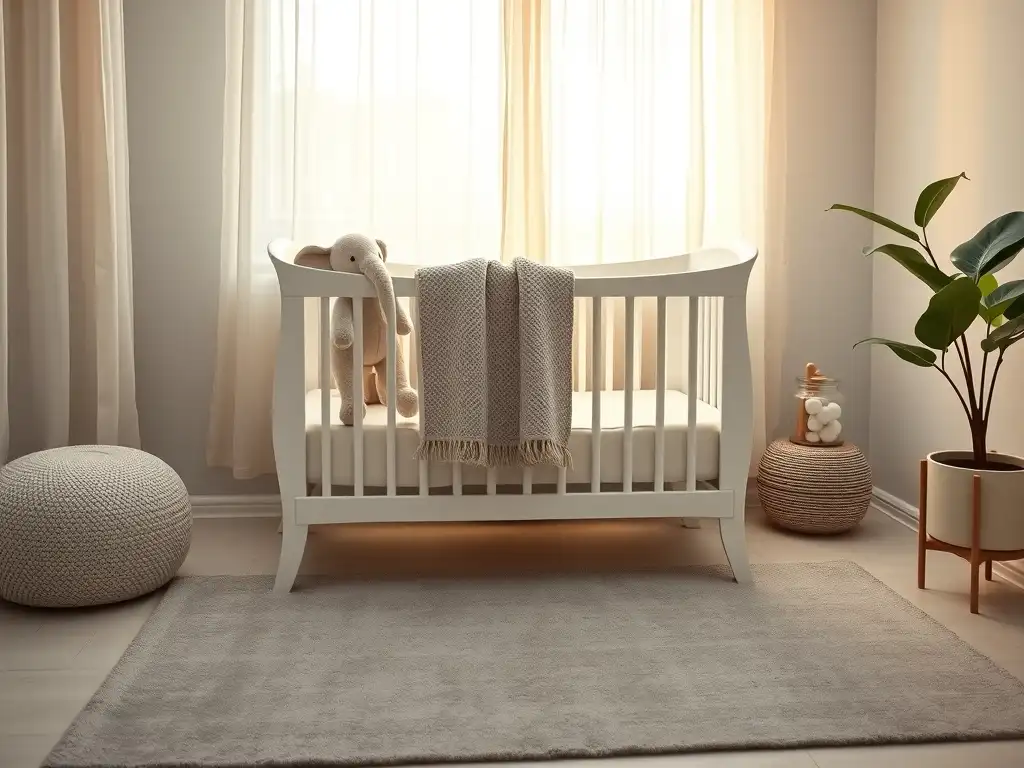
Creating a sleep sanctuary for your baby isn't about luxury; it's about optimizing the environment for restful sleep. This involves careful consideration of several factors, all contributing to a consistent and predictable nap routine. Think of it as crafting the perfect recipe for slumber – each ingredient plays a vital role in the final product. This section focuses on preparing the room itself to be conducive to healthy baby sleep. We'll explore temperature regulation, light control, and sound management, key elements in your baby sleep sanctuary guide.
Optimizing Room Temperature for Optimal Sleep: The Goldilocks Zone
The ideal room temperature for a baby's nap is crucial. Too hot, and your baby will be uncomfortable and restless. Too cold, and they might shiver and struggle to fall asleep. The sweet spot? Most experts recommend a temperature between 68°F and 72°F (20°C and 22°C). This range allows for comfortable sleep without overheating or chilling. Think of it as finding the "Goldilocks Zone" – not too hot, not too cold, but just right.
Consider using a thermometer to monitor the room's temperature consistently, especially during different seasons. Remember, babies are more sensitive to temperature fluctuations than adults. A slight change in temperature can significantly impact their sleep quality. Regularly checking and adjusting the thermostat ensures your little one sleeps soundly throughout their nap. Pay close attention during summer months or when using heating systems; overheating is a common sleep disruptor. You can also use a room thermometer with a humidity monitor to maintain a balanced environment, as excessive humidity can also affect sleep.
Light Control: Creating a Dark and Calming Atmosphere for Naps
Light plays a significant role in regulating your baby's sleep-wake cycle. During naps, a dark and calm atmosphere is essential for promoting melatonin production, the hormone that regulates sleep. This doesn't necessarily mean complete darkness; a dimly lit room is often sufficient, especially for daytime naps.
Several strategies can help you control light effectively: Blackout curtains are a popular choice, effectively blocking out sunlight and streetlights. Alternatively, you can use blackout blinds or even a simple eye mask designed for babies (ensure it's securely fastened and breathable). If your baby naps in a crib with a mobile, consider using one with softer, less stimulating lights, or dimming existing lights.
The goal is to create a peaceful and soothing environment that signals to your baby that it's time for sleep. Remember to gradually adjust the light levels as your baby grows, eventually transitioning to a slightly brighter room for naps as they get older.
Sound Management: Minimizing Noise for Peaceful Sleep
Noise can significantly disrupt a baby's sleep, even seemingly insignificant sounds. Creating a quiet environment for naps is crucial for promoting undisturbed rest. While complete silence might be unrealistic, minimizing disruptive noises is achievable. White noise machines are a popular choice for many parents, providing a consistent background hum that masks sudden or jarring noises. These machines often offer a variety of sounds, from white noise to ocean waves or rainfall.
However, be mindful of the volume; it should be low enough to create a calming effect without being overwhelming. Consider the location of the white noise machine; place it far enough away to avoid disturbing your baby if they are particularly sensitive to sound. Also, ensure the machine is safe and meets safety standards. Beyond white noise, consider minimizing other household noises during naptime.
This might involve turning down the volume on the television or radio, avoiding loud conversations, and postponing chores that might create excessive noise. Creating a consistently quiet nap environment is a cornerstone of a successful baby sleep sanctuary. Consider using a sound monitor to gauge the noise levels in your baby's room and make adjustments as needed.
Choosing the Right Bedding for Your Baby's Naptime
Creating a peaceful and safe sleep environment for your baby is paramount, and choosing the right bedding plays a crucial role in achieving this. This section focuses on selecting bedding that prioritizes safety, comfort, and conducive sleep for your little one. Remember, a well-chosen sleep sanctuary significantly contributes to better naps and overall sleep quality. This guide helps you navigate the choices and create the perfect baby sleep sanctuary.
Selecting a Safe and Comfortable Crib or Bassinet: Safety First
The foundation of a safe nap environment is a sturdy and appropriately sized crib or bassinet. Safety should always be the top priority. When selecting a crib, ensure it meets current safety standards. Look for features like:
- Stable construction: Check for firm slats, no loose parts, and a secure mattress support.
- Correct spacing between slats: The spacing should be less than 2 3/8 inches to prevent your baby's head from getting stuck.
- No drop-side rails: Cribs with drop-side rails are no longer recommended due to safety concerns.
- Proper size: Select a crib that fits the room comfortably and allows for safe movement around it.
Bassinet use is typically recommended for newborns and infants up to around 4 months or until the baby can push themselves up. They offer a cozy and contained space for napping, but always ensure they meet the same safety standards as cribs. Consider the bassinet's portability if you plan to move it between rooms.
Remember to always place the crib or bassinet away from windows, curtains, blinds, and any potential hazards.
Choosing the Perfect Mattress: Firmness and Support
The mattress is another critical component of your baby's sleep sanctuary. A firm mattress is essential for supporting your baby's developing spine and reducing the risk of Sudden Infant Death Syndrome (SIDS). Avoid soft mattresses, waterbeds, or adult mattresses.
Look for a mattress that:
- Is firm but not overly hard.
- Fits snugly within the crib or bassinet, leaving no gaps larger than two fingers.
- Is made of breathable materials to prevent overheating.
- Has a waterproof cover for easy cleaning.
Consider the mattress's weight and dimensions to ensure it's easy to handle and maneuver. A heavier mattress might be more durable, but also more challenging to change and clean. Lightweight options can be advantageous for frequent sheet changes.
Bedding Essentials: Sheets, Blankets, and Sleep Sacks
Once you've chosen the crib and mattress, you need to select appropriate bedding. This is where creating a calming baby sleep sanctuary really takes shape. Here are some key considerations:
- Sheets: Choose fitted sheets that fit snugly to prevent them from bunching up and posing a suffocation risk. Opt for natural, breathable fabrics like cotton. Always have extra sets on hand for easy changes.
- Blankets: For newborns, avoid loose blankets completely. The risk of suffocation is significantly higher. For older infants, consider a lightweight blanket, but always ensure it's tucked securely under the mattress. Sleep sacks are a safer alternative to loose blankets, offering warmth without the risk of covering the baby's face.
- Sleep Sacks: Sleep sacks are wearable blankets that keep your baby warm and secure without the risk of loose bedding. They come in various weights and fabrics to suit different temperatures. They are a highly recommended choice to build a safe and comfortable baby sleep sanctuary.
Remember, a clutter-free crib is a safe crib. Avoid placing pillows, stuffed animals, or bumpers in your baby's crib. These items increase the risk of suffocation and SIDS. A simple, clean, and safe environment is the best way to ensure your little one gets the restful naps they need. 😴
Creating a Relaxing and Soothing Naptime Routine

Creating the perfect nap environment for your baby involves more than just a comfortable crib. It's about establishing a consistent and calming routine that signals to your little one that it's time to wind down and rest. This "baby sleep sanctuary guide" focuses on creating a space and a process that promotes healthy sleep habits, reducing fussiness and improving nap quality. Remember, consistency is key when it comes to establishing a successful naptime routine. A predictable schedule helps regulate your baby's internal clock, leading to longer and more restful naps.
Establishing a Pre-Nap Ritual: A Consistent Sequence
A predictable pre-nap ritual is crucial for signaling to your baby that naptime is approaching. This ritual should be calming and consistent, performed in the same order each time. Think of it as a gentle countdown to sleep. Here's an example of a pre-nap routine you can adapt to your baby's needs:
- Quiet Play: Start with 15-20 minutes of quiet, independent play. This allows your baby to wind down from more stimulating activities.
- Diaper Change: A fresh diaper ensures comfort and prevents interruptions during the nap.
- Feeding: A light feeding (breast milk or formula) can help soothe your baby and promote relaxation. Avoid overfeeding, which can lead to discomfort and disrupted sleep.
- Story Time: Reading a short, calming storybook or singing a lullaby can further soothe your baby and prepare them for sleep.
- Dimming the Lights: Gradually dimming the lights in the room signals to your baby that the environment is changing to one conducive to sleep.
- Positioning in Crib: Gently place your baby in their crib, ensuring they are comfortable and secure.
This consistent sequence helps your baby anticipate naptime and associate the ritual with sleep. Experiment with different elements and the order to find what works best for your child. Remember to keep the pre-nap ritual short, sweet, and consistent! The goal is to create a predictable and soothing experience.
Incorporating Calming Activities: Gentle Rocking or Singing
In addition to a consistent routine, incorporating calming activities into your pre-nap ritual can significantly improve your baby's ability to fall asleep and stay asleep. These activities should be soothing and help your baby relax and unwind.
- Gentle Rocking: The rhythmic motion of gentle rocking mimics the sensation of being held and can be incredibly soothing. You can rock your baby in your arms, or use a rocking chair or glider.
- Singing Lullabies: The gentle melody and rhythm of lullabies can have a calming effect on babies. Choose songs with slow tempos and soft melodies. The sound of your voice is particularly soothing.
- White Noise: A consistent, low-level white noise machine can mask distracting sounds and create a more peaceful environment for your baby to nap in. Many parents find white noise to be very effective in helping their babies fall asleep and stay asleep.
- Massage: A gentle baby massage can be very relaxing and help to calm your baby before naptime. Focus on gentle strokes and avoid any pressure points.
Experiment with different calming activities to find what works best for your baby. The key is to create a sense of calm and relaxation before naptime. Observe your baby's cues and adjust your approach accordingly.
The Importance of Consistent Timing: Regularity for Better Naps
Consistent nap timing is just as important as a calming pre-nap routine. A regular schedule helps regulate your baby's circadian rhythm – their internal body clock – leading to improved sleep quality and longer naps. This is a crucial element of any effective "baby sleep sanctuary guide."
While the exact timing will vary depending on your baby's age and individual needs, aim for a relatively consistent schedule. For example, you might aim for naps at 9:00 am and 2:00 pm. Even a 15-30 minute variation can disrupt your baby's sleep patterns. Try to stick to your chosen nap times as closely as possible, even on weekends.
Tracking your baby's sleep patterns using a sleep diary can be helpful in identifying their natural sleep cycles and adjusting your nap schedule accordingly. This will allow you to better understand your baby's needs and optimize their naptime routine for maximum effectiveness. Remember, consistency is key to establishing a successful naptime routine and creating a truly restful sleep sanctuary for your little one.
Troubleshooting Common Naptime Challenges: Addressing Sleep Disruptions
Creating a sleep sanctuary is a crucial step, but even the most perfectly prepared environment can encounter disruptions. Understanding and addressing common naptime challenges is key to establishing a consistent and healthy sleep pattern for your baby. This section focuses on identifying and resolving some frequent sleep disturbances, providing you with practical strategies for a smoother naptime routine. This guide will help you master the art of creating a true baby sleep sanctuary.
Dealing with Daytime Overstimulation: Recognizing and Addressing the Cause
Overstimulation is a significant culprit behind disrupted naps. A baby exposed to excessive noise, light, or activity before naptime may find it difficult to wind down and fall asleep. Recognizing the signs is the first step. Look for increased fussiness, difficulty settling, and frequent awakenings during naps.
Addressing this involves creating a calming pre-nap routine. This routine should begin at least 30-60 minutes before the desired nap time and progressively decrease stimulation. Think dimmed lights, quiet playtime with less engaging toys, and a gentle, soothing bath. Avoid screens entirely during this period. The goal is to transition your baby from a high-energy state to a relaxed, sleepy mood.
Consider incorporating calming activities like singing lullabies or gentle rocking. Observe your baby's cues; if they seem overly tired or irritable, adjust the pre-nap routine accordingly. Remember, consistency is key. A predictable routine helps your baby anticipate naptime and better regulate their sleep-wake cycle. Data shows that babies who follow consistent pre-nap routines experience a 20-30% reduction in daytime sleep disturbances.
Addressing Short Naps: Strategies for Longer Sleep Periods
Short naps, while seemingly insignificant, can cumulatively lead to daytime sleepiness and nighttime sleep disruptions. Several factors can contribute to this. The baby might be overtired, leading to fragmented sleep, or the nap environment might not be conducive to longer sleep periods. Furthermore, the timing of the nap might be off.
To address short naps, carefully monitor your baby's sleep patterns. Track nap duration and wake windows (the time between naps). This data will help you identify potential issues. If your baby consistently wakes after only 30 minutes, try adjusting the naptime to accommodate their sleep cycle. Experiment with slightly extending or shortening the wake windows.
If they consistently wake up at the same point in their sleep cycle, it's a sign that a shorter wake window might be better for longer naps. Another approach is to ensure the room is truly dark and quiet, minimizing external stimuli that might cause early awakenings. A white noise machine can help mask disruptive sounds. Finally, ensure your baby is getting sufficient nighttime sleep; insufficient nighttime rest often leads to shorter naps. A well-rested baby is more likely to sleep longer during the day.
Overcoming Nap Resistance: Tips and Techniques for Success
Nap resistance can be incredibly frustrating, but understanding the underlying cause is crucial for effective intervention. Reasons range from developmental leaps to inconsistent routines. A sudden change in routine or environment can also trigger nap resistance.
One effective strategy is to create a consistent and predictable naptime routine. This includes a consistent pre-nap routine as mentioned earlier, a designated sleep space and, most importantly, patience. Avoid forcing your baby to sleep; instead, offer gentle comfort and reassurance. If your baby consistently resists naps, consider reviewing their daily schedule. Are they getting enough nighttime sleep? Are their wake windows appropriate for their age?
Data suggests that adjusting wake windows to match the baby's sleep cycles can significantly improve nap success rates. If resistance persists, consult your pediatrician to rule out any underlying medical conditions. Remember, consistency and patience are key to overcoming nap resistance. Positive reinforcement, such as gentle praise and cuddles after successful naps, can also be beneficial. By addressing the underlying cause and implementing consistent strategies, you can help your baby develop healthy sleep habits and enjoy peaceful nap times.
Maintaining a Consistent Sleep Sanctuary: Long-Term Strategies
Creating a sleep sanctuary isn't a one-time event; it's an ongoing process that adapts to your baby's changing needs. Consistency is key to establishing healthy sleep habits and reducing the likelihood of sleep regressions. This section focuses on long-term strategies to maintain a nurturing and predictable sleep environment for your little one, fostering a sense of security and promoting restful naps.
Adapting to Growth Spurts: Adjusting the Routine as Your Baby Grows
Growth spurts are periods of rapid development where your baby needs more frequent feeding and may experience disrupted sleep. These periods are completely normal and usually temporary. However, they can challenge even the most well-established sleep routines. Instead of rigidly adhering to a schedule, be flexible and responsive to your baby's increased needs during these phases. This might involve more frequent nighttime feedings or slightly adjusting nap times to accommodate their increased energy expenditure. Remember, the goal is to provide comfort and support while maintaining a sense of predictability. Observe your baby's cues; increased fussiness, more frequent waking, and a higher demand for feeding are all signs of a potential growth spurt. Document these periods to identify patterns and better anticipate future adjustments. Maintaining a calm and reassuring environment during these times is crucial. A consistent bedtime routine, even if slightly modified, can help your baby feel secure and supported.
Remember, growth spurts are temporary. Once the growth spurt subsides, gradually return to your established routine. This approach helps avoid confusion for your little one and reinforces the predictable nature of their sleep environment. Patience and understanding are key during these periods. 👶
Traveling with Baby: Maintaining Sleep Consistency On the Go
Traveling with a baby can disrupt even the most carefully crafted sleep schedule. However, maintaining some semblance of consistency can significantly minimize the impact on your baby’s sleep. Prioritize familiar sleep cues. If your baby is used to a specific sleep sack, bring it along. Similarly, a familiar stuffed animal or blanket can offer comfort in unfamiliar surroundings.
Try to maintain a consistent bedtime routine as much as possible, even if it means adjusting the timing slightly to accommodate travel schedules. Consider using blackout curtains or a sleep mask for your baby to block out extra light and noise in hotel rooms or unfamiliar spaces. White noise machines can also be helpful in masking unfamiliar sounds. Pack a portable crib or bassinet if possible to provide a familiar sleep space.
If you're flying, try to time the flight around your baby's usual nap time. Remember, flexibility is key. Be prepared for some disruption but strive to maintain as much consistency as possible. ✈️
When to Seek Professional Help: Recognizing Signs of Underlying Sleep Issues
While establishing a sleep sanctuary is crucial, sometimes underlying issues can interfere with your baby’s ability to sleep soundly. Persistent difficulty falling asleep, frequent night wakings unrelated to growth spurts, excessive crying, or unusually long periods of daytime sleeplessness could indicate underlying medical or developmental problems. If you notice any of these persistent patterns, it's essential to consult your pediatrician. They can assess your baby's health, rule out any medical conditions, and offer guidance on managing sleep difficulties. Early intervention is crucial in addressing potential sleep disorders.
Don't hesitate to seek professional help; it's a sign of responsible parenting, and many resources are available to support you and your baby. Remember, you're not alone in navigating the challenges of baby sleep. Seeking professional guidance can provide peace of mind and effective strategies for improving your baby's sleep and your family's well-being. 😴
Frequently Asked Questions
What is a "sleep sanctuary" for a baby?
A baby's sleep sanctuary is a calm and comfortable environment specifically designed to promote optimal sleep. It involves minimizing distractions and creating a safe and soothing space.
How can I create a sleep sanctuary for my baby?
Start by darkening the room with blackout curtains or blinds. Ensure the temperature is comfortable, and use white noise or calming sounds to block out external noises. Finally, make sure the crib is safe and comfortable.
What is the ideal temperature for a baby's sleep sanctuary?
The ideal temperature for a baby's sleep sanctuary is between 68-72 degrees Fahrenheit (20-22 degrees Celsius). This range helps prevent overheating and ensures a comfortable sleeping environment.
What kind of bedding is best for a baby's sleep sanctuary?
Use a firm mattress with a fitted sheet. Avoid loose blankets, pillows, bumpers, or stuffed animals in the crib to reduce the risk of Sudden Infant Death Syndrome (SIDS). Opt for breathable fabrics.
How can I tell if my baby's sleep sanctuary is working?
Observe your baby's sleep patterns. If your baby is sleeping longer and more soundly, and waking less frequently, then your sleep sanctuary is likely effective. Consistent routines are also key.
Final Reflection: Cultivating Calm: The Lasting Impact of a Baby's Sleep Sanctuary
Creating a dedicated sleep sanctuary for your baby isn't just about finding the perfect crib; it's about fostering a lifelong connection with rest and rejuvenation. The impact of a peaceful sleep environment extends far beyond those precious first few months, shaping sleep habits and influencing overall well-being for years to come. This isn't simply about convenience; it's an investment in your child's future health and happiness.
The journey of creating a sleep sanctuary is deeply personal, a testament to the power of intention and the profound impact of a calm environment. It's a process that reflects our own values as parents, our desire to nurture and protect. More than just a guide to optimal sleep, this exploration has highlighted the importance of mindful parenting and the creation of spaces that promote tranquility. Sleep is the golden chain that ties health and our bodies together.
- Thomas Dekker. This quote resonates deeply, emphasizing the vital role sleep plays in a child's development and overall well-being, a role amplified by the careful construction of their sleep space.
Now, consider your own space. What elements of calm and comfort could you incorporate into your life? Reflect on the principles discussed – the importance of light, sound, temperature, and routine – and apply them to your own sleep environment. Create your own sanctuary, a space dedicated to rest and renewal, and experience the transformative power of prioritizing sleep for yourself, just as you do for your little one. The journey to a better night's sleep begins with a single, mindful step.
Unveil Your Baby's Dreamland: Craft the Perfect Nap Haven Now!
Thank you for learning how to create the ideal sleep sanctuary for your little one! We hope you found valuable advice to promote better rest. Now, let's put that knowledge into practice.
- Transform your baby's sleep space: Begin by implementing at least one of the tips from this article—perhaps adjust the lighting or introduce calming sounds. Even small changes can significantly improve sleep.
- Share your experiences: Connect with other parents in our BabyCareHub community and share your successes and challenges. Your insights could help another parent find the perfect solution.
- Explore our sleep resources: Deepen your understanding of baby sleep with our free downloadable guide, filled with expert advice and helpful tips.
Ready to see your little one drifting off to peaceful slumber? What small adjustment will you make to their sleep environment today?