
The Power of Cold: How Frozen Teething Toys Can Ease Your Baby's Pain

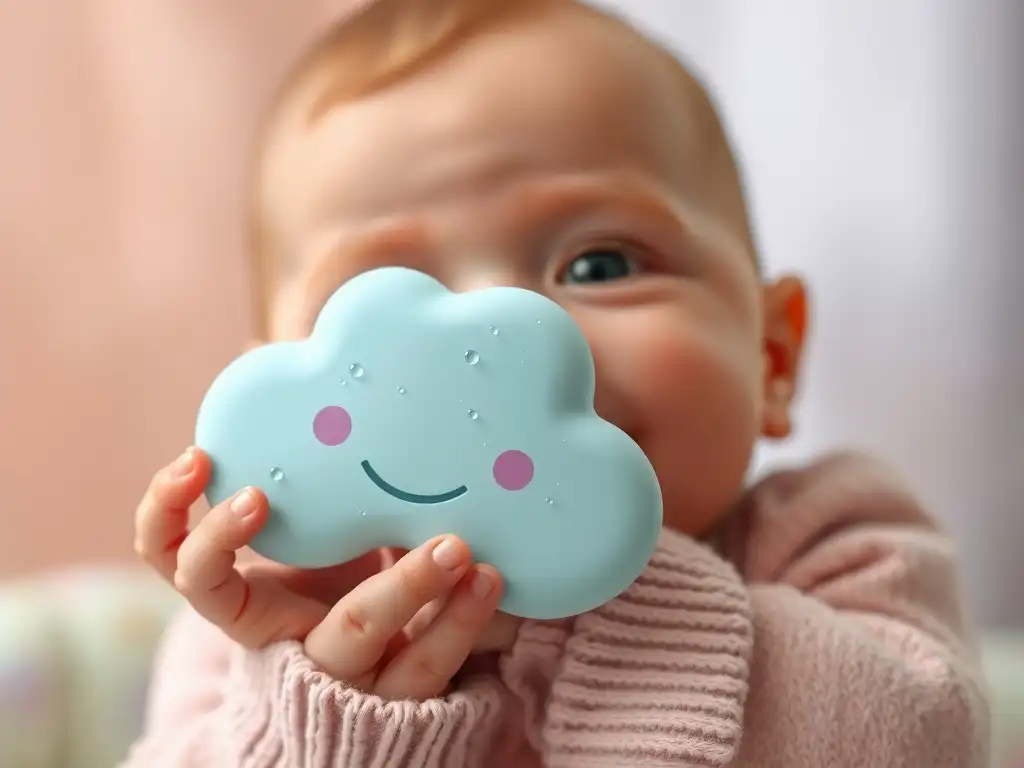
Welcome to BabyCareHub, your ultimate guide to navigating the incredible journey of parenthood! Are you facing the challenge of a teething baby? Discover the amazing power of cold and how a simple frozen teething toy can provide soothing relief for your little one's discomfort. Learn effective techniques and explore the science behind this age-old remedy in our comprehensive guide on "Frozen Teething Toy Baby Pain" – your path to calmer nights and happier days starts here.
- Understanding Baby Teething Pain and Discomfort
- Choosing the Right Frozen Teething Toy for Your Baby
- How to Safely Freeze and Use a Teething Toy
- Maximizing the Soothing Effects of Frozen Teething Toys
- Beyond the Freezer: Additional Tips for Teething Relief
- Frozen Teething Toys vs. Other Teething Solutions: A Comparison
- Frequently Asked Questions
- Final Reflection: The Enduring Chill of Comfort
- Unlock Your Baby's Comfort: Soothe Those Teething Troubles Now!
Understanding Baby Teething Pain and Discomfort
Teething, that milestone in a baby's development, often comes with a wave of discomfort and pain for your little one. As first-time parents, navigating this phase can feel overwhelming, but understanding the process and having effective soothing strategies at your disposal can make a world of difference. This article delves into the power of cold therapy, specifically using frozen teething toys, as a safe and effective method for easing your baby's teething pain. We'll explore the science behind why cold works so well and provide you with practical tips to maximize its benefits.
Navigating the world of teething is challenging, but with the right knowledge and tools, you can help your baby through this phase comfortably and confidently. Remember, every baby is different, and what works for one might not work for another; this guide provides a starting point for finding what soothes your precious little one best. 👶
Recognizing Teething Symptoms in Infants
The teething process varies greatly from baby to baby, with some experiencing minimal discomfort while others exhibit more pronounced symptoms. Recognizing the telltale signs of teething is the first step in providing effective relief. Common symptoms include:
- Increased drooling: Excessive drool is often one of the earliest signs, sometimes leading to a rash around the mouth.
- Gum swelling and redness: The gums may appear swollen and inflamed around the area where the tooth is about to erupt.
- Fussiness and irritability: Teething babies are often more irritable and fussy than usual, especially during periods of discomfort.
- Chewing and biting: Your baby might exhibit an increased urge to chew on anything they can get their hands on – fingers, toys, even your clothes!
- Mild fever: A slightly elevated temperature (usually below 100.4°F or 38°C) can sometimes accompany teething. However, a high fever warrants a call to your pediatrician.
- Difficulty sleeping: Discomfort can disrupt your baby's sleep patterns, leading to shorter naps and restless nights.
- Diarrhea or loose stools: In some cases, teething can be associated with temporary changes in bowel movements.
It's crucial to remember that these symptoms can overlap with other illnesses. If your baby exhibits a high fever, persistent diarrhea, or other concerning symptoms, consult your pediatrician immediately. Proper diagnosis is key to ensuring your baby receives appropriate care.
The Role of Cold in Reducing Teething Pain
The application of cold has long been recognized as an effective method for managing pain and inflammation. When applied to the gums, cold temperatures have several beneficial effects:
- Numbs the gums: Cold constricts blood vessels, reducing blood flow to the area and creating a numbing effect, temporarily lessening the pain sensation.
- Reduces inflammation: Inflammation is a major contributor to teething discomfort. Cold helps to reduce swelling and redness, alleviating pressure on the gums.
- Soothes irritated gums: The cooling sensation provides a soothing effect, calming your baby and offering a sense of relief.
While various cold remedies exist, many parents find that using a cold, wet washcloth offers a simple and effective solution. However, for sustained relief and a more engaging experience for your baby, frozen teething toys are an excellent option.
Why Frozen Teething Toys are Effective
Frozen teething toys offer a superior solution to simple cold compresses due to their:
- Targeted relief: The shape and size of teething toys allow for direct application of cold to the affected gums, providing more focused relief.
- Extended cooling: Unlike a washcloth that quickly warms up, frozen teething toys maintain a consistently cool temperature for a longer duration, providing prolonged pain relief.
- Sensory stimulation: The varied textures and shapes of teething toys engage your baby's senses, offering a distraction from the discomfort and promoting self-soothing.
- Safety: Many teething toys are made from safe, non-toxic materials specifically designed for babies, ensuring your little one's safety.
Choosing a high-quality, BPA-free teething toy is essential. Always supervise your baby when using a teething toy to prevent choking hazards. The combination of cold therapy and tactile stimulation provided by a frozen teething toy offers a powerful and effective way to ease your baby's teething pain, making it a valuable tool in your parenting arsenal. Remember to always consult your pediatrician if you have any concerns about your baby's teething or overall health.
Choosing the Right Frozen Teething Toy for Your Baby
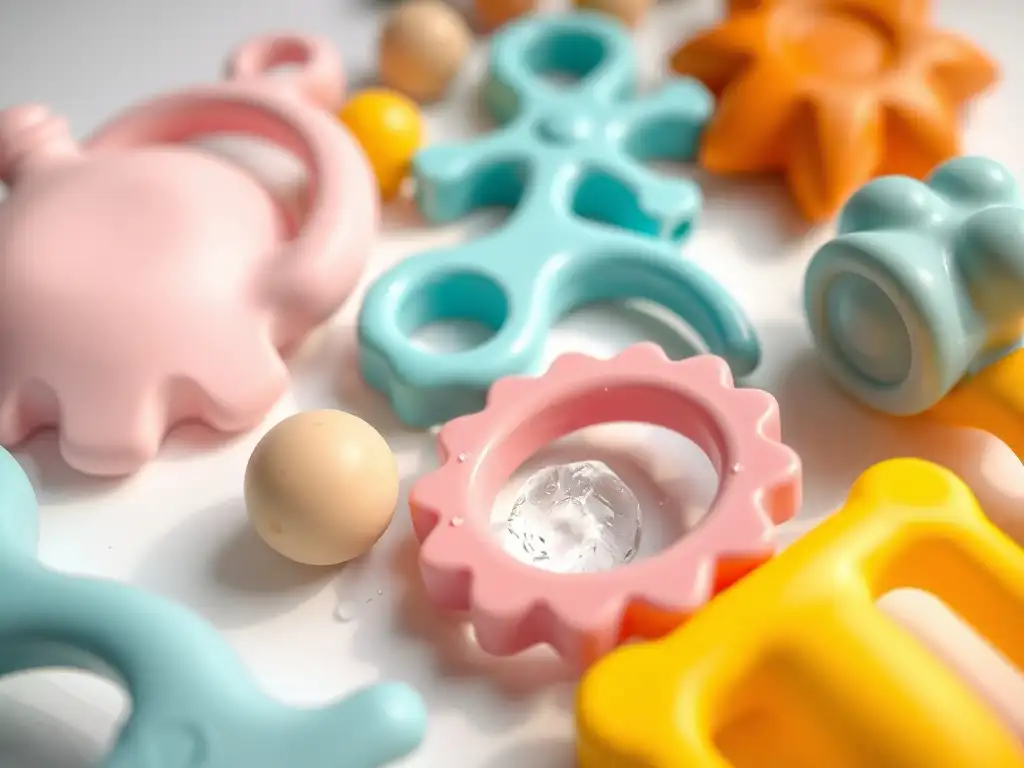
This section focuses on selecting the ideal frozen teething toy to effectively soothe your baby's teething pain. Choosing the right toy isn't just about finding something cold; it's about ensuring safety, comfort, and effectiveness. The right frozen teething toy can significantly reduce your baby's discomfort and make the teething process much more manageable. Remember, a happy baby means happy parents!
Types of Teething Toys Suitable for Freezing
Many teething toys are designed specifically for freezing. The best options are usually made of materials that are both safe and durable enough to withstand repeated freezing and thawing. Let's explore some popular choices:
- Rubber Teethers: These are often made of natural rubber or silicone, both of which are generally safe and flexible. Their softness makes them gentle on your baby's gums. Look for those explicitly labeled as freezer-safe.
- Silicone Teethers: Silicone is another excellent choice. It's non-porous, easy to clean, and readily available in various shapes and textures. It’s also often BPA-free, a crucial factor for baby safety.
- Mesh Teethers: These bags can be filled with fruits or vegetables (like frozen peas or blueberries – always supervise your baby closely! ), offering a different textural and cooling sensation. However, always ensure the mesh is fine enough to prevent small pieces from breaking off.
- Water-Filled Teethers: These toys are often shaped to help babies grasp them easily. The water inside freezes, providing a soothing, cold sensation. Again, ensure the material is freezer-safe and non-toxic.
Some teething toys are explicitly not suitable for freezing. Avoid plastic toys unless they are explicitly marked as freezer-safe, as some plastics can crack or leach chemicals when frozen. Always check the manufacturer's instructions before freezing any teething toy. Remember, safety is paramount when choosing a teething toy for your little one.
Material Safety: Choosing Non-Toxic Teethers
The safety of the materials used in your baby's teething toys is of utmost importance. You want to ensure that the materials are non-toxic and won't leach harmful chemicals when frozen or exposed to saliva. Here's what to look for:
- BPA-Free: Bisphenol A (BPA) is a chemical found in some plastics that is linked to health concerns. Always choose BPA-free teething toys. This information is usually clearly stated on the product packaging.
- Phthalate-Free: Phthalates are also chemicals used in some plastics and can pose risks to your baby's health. Look for toys that are explicitly labeled as phthalate-free.
- Natural Rubber or Silicone: These materials are generally considered safer alternatives to plastics. However, always double-check the manufacturer's information to confirm that they are free of harmful additives.
| Material | Advantages | Disadvantages | Safety Considerations |
|---|---|---|---|
| Natural Rubber | Soft, gentle on gums, durable | Can be more expensive, may require more care | Check for certifications indicating non-toxicity |
| Silicone | Durable, easy to clean, BPA-free (usually) | Can be slightly less soft than rubber | Ensure it's 100% food-grade silicone |
| Mesh (with food) | Customizable, provides varied textures | Requires careful cleaning and supervision | Only use safe, appropriately sized food items |
Prioritizing non-toxic materials is crucial for your baby's health and well-being. Always read labels carefully and choose reputable brands known for their commitment to safety.
Size and Shape Considerations for Baby's Grip
The size and shape of the teething toy are crucial for your baby's comfort and safety. A poorly designed toy can be difficult for your baby to grasp, leading to frustration and potentially even choking hazards. Consider these factors:
- Size: The toy should be large enough that your baby cannot easily swallow it whole, but small enough for them to comfortably hold and manipulate. Avoid anything that could easily fit entirely in their mouth.
- Shape: Choose a toy with various textures and surfaces to stimulate your baby's gums. Different shapes and textures can also help your baby to explore and develop their fine motor skills. Consider options with ridges, bumps, or different sized surfaces.
- Easy Grip: The toy should be easy for your baby to grasp and hold onto. Look for toys with handles, knobs, or other features that make them easy to grip. Consider the size and shape of your baby's hands when making your selection. Avoid anything overly smooth or slippery.
Choosing a teething toy that's the right size and shape for your baby is key to ensuring that it's both effective and safe. Remember, a comfortable and easy-to-grip toy will make the teething experience far more pleasant for your little one. Observe your baby's interactions with the toy and adjust as needed. Always supervise your baby during teething time. 👶
How to Safely Freeze and Use a Teething Toy
This section details the process of safely freezing and using a teething toy to alleviate your baby's teething pain. Remember, always prioritize safety when introducing new items to your baby. The goal is to provide soothing relief, not to cause harm. Improper freezing or usage can lead to discomfort or even injury. This guide will help you navigate this process effectively and confidently. Using a frozen teething toy is a popular method to help manage your baby's teething discomfort, addressing the keyword "Frozen teething toy baby pain" directly.
Preparing the Teething Toy for Freezing
Before placing your teething toy in the freezer, ensure it's thoroughly cleaned. This is crucial for hygiene and preventing the introduction of bacteria into your baby's mouth. Wash the teething toy with warm, soapy water, then rinse thoroughly. You can also sterilize it by boiling it for a few minutes, or using a steam sterilizer, following the manufacturer's instructions. Allow the teething toy to air dry completely before freezing.
A damp toy will freeze unevenly and potentially crack, creating a choking hazard. Never use a teething toy that is damaged or broken. Remember, a clean and dry toy is essential for a safe and effective teething experience. This step is key to minimizing the risk of bacterial contamination and ensuring the long-term usability of the teething toy.
Safe Freezing Techniques and Timeframes
Several methods exist for safely freezing a teething toy. The most straightforward is placing the clean, dry toy directly into a freezer-safe bag, ensuring it's sealed tightly to prevent freezer burn and maintain hygiene. Alternatively, you can place the toy in a small, airtight container before freezing. Avoid wrapping the toy in plastic wrap directly, as this may tear during freezing and create a choking hazard.
The optimal freezing time depends on the size and material of the teething toy. Generally, 2-4 hours is sufficient for most teething toys to reach a comfortably cold temperature. Avoid leaving the toy in the freezer for extended periods, as this can make it excessively hard and potentially uncomfortable for your baby. Overly frozen teething toys can also increase the risk of the toy cracking, again presenting a potential choking hazard.
Always check the toy's temperature before giving it to your baby. It should feel cold but not excessively hard or icy. This process helps to alleviate teething pain effectively and safely.
Monitoring Your Baby While Using a Frozen Teether
Constant supervision is paramount when your baby is using a frozen teething toy. Never leave your baby unattended while they are chewing on the teether. Always check the toy regularly for any signs of damage or wear and tear. Discard the toy immediately if you notice any cracks, breaks, or significant deterioration. This is crucial to prevent choking hazards and ensure the safety of your little one. Observe your baby's reaction to the cold.
If they seem uncomfortable or distressed, remove the teether immediately. Remember, the goal is to provide soothing relief, not to cause discomfort. Regularly inspect the toy for any signs of damage. This is paramount to ensuring the safety and well-being of your child. Always prioritize your baby's comfort and safety. 👶
Remember to always follow the manufacturer's instructions for cleaning and care of your specific teething toy. Addressing "Frozen teething toy baby pain" requires careful attention to detail and a commitment to safety.
Maximizing the Soothing Effects of Frozen Teething Toys
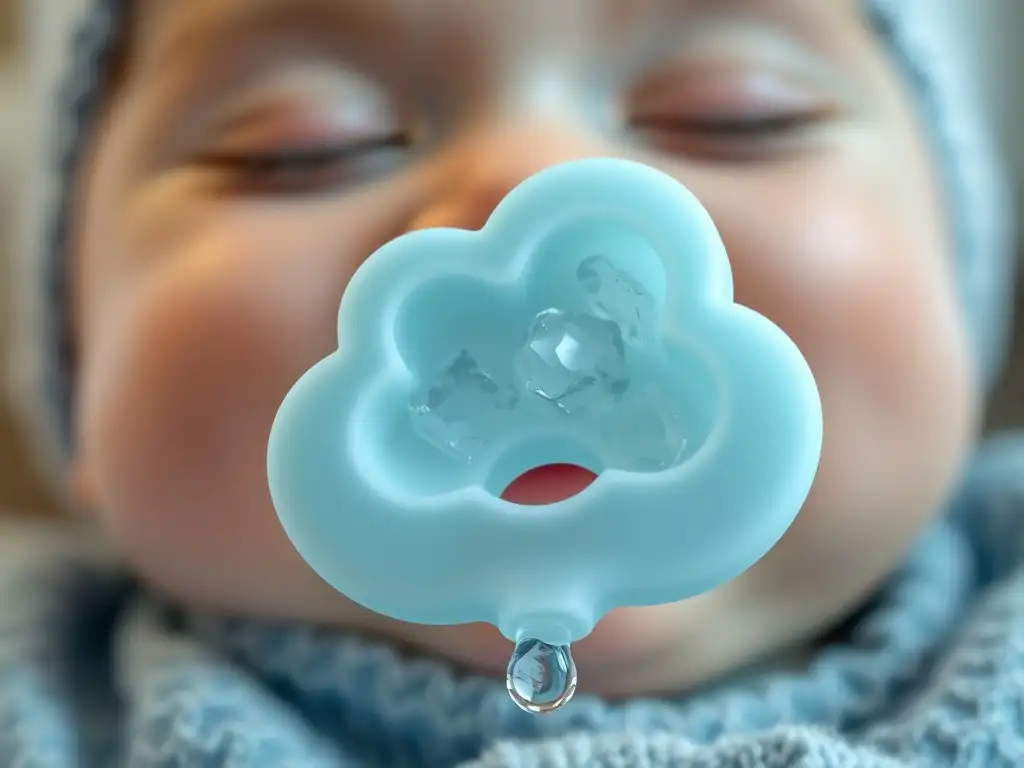
Frozen teething toys offer a safe and effective way to alleviate your baby's teething pain. However, maximizing their effectiveness requires understanding how to best utilize them. The key is to understand that it's not just about the coldness, but also the texture and the timing of application.
Combining Cold Relief with Other Teething Remedies
Cold therapy, while incredibly effective for many babies, isn't a one-size-fits-all solution. Often, combining it with other gentle remedies can provide even more significant relief. Think of it as a holistic approach to managing teething discomfort. For example, a cool, wet washcloth applied to the gums can complement the frozen teether, offering a change in sensation and texture.
Gentle gum massage with a clean finger can also help soothe irritated gums. Remember, always consult your pediatrician before introducing any new remedies, especially herbal options. Some parents find that over-the-counter pain relievers like acetaminophen (always following the recommended dosage for your baby's age and weight) can be helpful in conjunction with cold therapy, particularly during periods of intense discomfort. However, it's crucial to never use ibuprofen for infants under six months.
When to Consult a Pediatrician Regarding Teething Pain
While teething is a normal developmental stage, it's essential to know when to seek professional medical advice. While fussiness, drooling, and mild gum swelling are typical, certain symptoms warrant a call to your pediatrician. These include:
- High fever: A temperature above 100.4°F (38°C) is a cause for concern and may indicate an infection, not just teething.
- Persistent diarrhea or vomiting: These symptoms can lead to dehydration and require immediate attention.
- Rash: A rash accompanying teething pain could suggest an allergic reaction or another underlying condition.
- Difficulty breathing or swallowing: These are serious symptoms that need immediate medical evaluation.
- Excessive irritability or inconsolable crying: While some fussiness is expected, prolonged inconsolable crying could signal a more serious problem.
Remember, your pediatrician is your best resource for addressing your baby's health concerns. Don't hesitate to reach out if you have any doubts or concerns, even if it's "just" teething. Early intervention can prevent more serious complications. Early intervention can prevent more serious complications. Trust your instincts; if something feels off, it's always best to seek professional help.
Establishing a Soothing Teething Routine
Consistency is key when managing teething discomfort. Establishing a soothing routine can significantly reduce your baby's stress and provide predictable comfort. This could involve:
- Offering the frozen teether at regular intervals throughout the day: This provides consistent cold relief and helps prevent intense discomfort from building up.
- Pairing the teether with other calming activities: This could include gentle rocking, singing lullabies, or skin-to-skin contact. Creating a relaxing environment can enhance the soothing effect of the cold teether.
- Monitoring your baby's response: Pay attention to how your baby reacts to the teether. If they seem to be getting too cold, remove it temporarily.
- Rotating different types of teethers: Different textures and shapes can provide varied sensory stimulation and keep your baby engaged. This prevents boredom and ensures that the cold relief remains effective.
- Cleaning the teether regularly: Thorough cleaning is paramount to prevent bacterial growth and maintain hygiene.
Remember, a proactive approach to teething pain management can significantly improve your baby's comfort and your peace of mind. By understanding the nuances of frozen teething toys and combining them with other soothing techniques, you can help your little one navigate this developmental milestone more comfortably. Always consult your pediatrician for any concerns or if symptoms worsen.
Beyond the Freezer: Additional Tips for Teething Relief
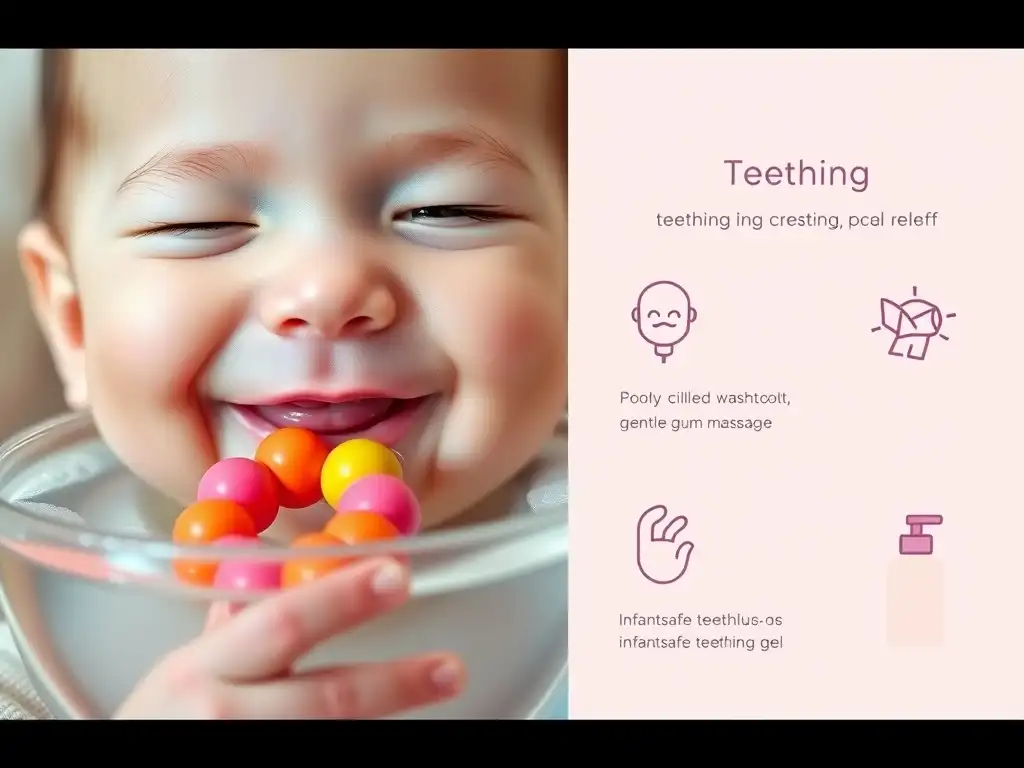
This section explores complementary strategies to frozen teething toys, enhancing your baby's comfort during the teething process. Remember, while frozen teething toys offer a fantastic cooling sensation, a multifaceted approach often yields the best results. Combining different methods can significantly alleviate your baby's discomfort and promote a more peaceful teething experience. The goal is to find the right combination of soothing techniques that work best for your little one. We will explore gentle massage, over-the-counter medications (when necessary), and natural remedies.
Gentle Gum Massage Techniques
Gently massaging your baby's gums can provide significant relief. The pressure and warmth from your touch can soothe inflamed gums and ease discomfort. Here's how to perform a gentle gum massage:
- Cleanliness is Key: Always wash your hands thoroughly before touching your baby's mouth.
- The Technique: Use your clean fingertip to gently rub your baby's gums in circular motions. Avoid applying excessive pressure.
- Timing: Perform the massage several times a day, especially when your baby seems most distressed.
- Positive Reinforcement: Combine the massage with soothing words and gentle cuddles to create a calming experience.
- Observe your baby's reaction: If your baby shows signs of discomfort or resistance, stop immediately.
Remember, the key is gentle pressure. Avoid using any tools for massage; your finger is the perfect instrument for this delicate task. A gentle massage can be a powerful tool in your arsenal to combat teething pain and promote a more peaceful experience for both you and your baby. Many parents find this simple technique surprisingly effective in managing their baby's teething discomfort.
Over-the-Counter Pain Relief Options for Babies (if needed)
While natural remedies and soothing techniques are often sufficient, there are times when over-the-counter pain relief might be necessary. Always consult your pediatrician before administering any medication to your baby. They can advise on the appropriate dosage and frequency based on your baby's age and weight. Never exceed the recommended dosage.
Common over-the-counter options include infant acetaminophen or ibuprofen. These medications can help reduce fever and pain associated with teething. However, it's crucial to follow the instructions meticulously and consult your pediatrician for any concerns. Remember, these medications are meant to supplement, not replace, other soothing techniques like the use of a frozen teething toy baby pain reliever. Always prioritize safety and consult with a healthcare professional before using any medication for your baby.
Natural Remedies for Teething Discomfort
Beyond frozen teething toys and over-the-counter options, several natural remedies can ease teething discomfort. These remedies are often gentle and can be incorporated alongside other methods.
- Chamomile Tea Bags: A cooled, damp chamomile tea bag (ensure it's caffeine-free) can be gently applied to the gums. The chamomile possesses calming properties that may soothe inflamed gums. However, always ensure the tea bag is cool to the touch to prevent burns.
- Cold Compress: A clean, cool washcloth can offer relief similar to a frozen teething toy. Simply dampen a washcloth with cool water, wring it out, and apply it gently to your baby's gums.
- Breastfeeding or Bottle Feeding: The sucking motion can soothe your baby and provide comfort during teething. The act of sucking can also help numb the gums.
Remember to monitor your baby's reaction to any remedy and discontinue use if it causes any adverse effects. A combination of approaches is often most effective in managing teething symptoms, and these natural options can be valuable additions to your strategy for relieving your baby's "frozen teething toy baby pain." Always prioritize safety and consult your pediatrician if you have any concerns.
Frozen Teething Toys vs. Other Teething Solutions: A Comparison
Comparing Effectiveness of Different Teething Methods
Teething is a challenging period for both babies and parents. While many methods exist to soothe a teething baby's discomfort, frozen teething toys offer a unique combination of benefits. Let's compare their effectiveness against other popular teething solutions:
| Method | Effectiveness for Pain Relief | Pros | Cons |
|---|---|---|---|
| Frozen Teething Toys | High | Long-lasting relief, multiple textures, safe | Requires preparation, may not suit all babies |
| Teething Biscuits/Crackers | Moderate | Easy to administer, provides chewing action | Can be messy, may not provide sufficient cooling |
| Teething Gels | Moderate | Quick relief, easy application | Potential side effects, short-lasting relief |
| Amber Necklaces | Low (controversial) | Traditional remedy | No scientific evidence of effectiveness, safety concerns |
| Rubbing Gums | Low | Easy, requires no tools | Limited effectiveness, can be irritating |
Numerous studies 1 suggest that the cold sensation from a frozen teether numbs the gums, providing effective pain relief. This is superior to the temporary relief offered by teething gels or the limited effectiveness of simply rubbing the gums. While teething biscuits offer a chewing outlet, they lack the targeted cold therapy. The effectiveness of amber necklaces remains unproven and even carries potential risks. Therefore, frozen teething toys stand out as a more effective solution for many babies experiencing teething pain.
Cost-Effectiveness of Frozen Teething Toys
The initial cost of a frozen teething toy can vary, ranging from budget-friendly options to more elaborate designs. However, the long-term cost-effectiveness is a significant advantage. Unlike teething gels which need frequent replenishment, a single frozen teething toy can be used repeatedly for the duration of the teething process. This translates to substantial savings over time, particularly for parents with multiple children.
Consider this: a single pack of teething gel might cost $5-$10 and only provide a few days' worth of relief. A high-quality frozen teething toy, on the other hand, can last for months, providing significant cost savings. Furthermore, many frozen teething toys are made from durable, BPA-free materials, ensuring longevity and value for money. The upfront investment in a durable, reusable frozen teething toy is a more economical solution in the long run compared to repeatedly purchasing gels or biscuits.
Long-term Benefits of Using Frozen Teethers
Beyond immediate pain relief, using frozen teething toys can offer several long-term benefits. The act of chewing on a textured teether helps to stimulate gum development and strengthens jaw muscles – crucial for the development of healthy teeth. The cold temperature can also reduce inflammation and swelling in the gums, contributing to overall oral health.
Moreover, introducing your baby to different textures and shapes of frozen teething toys can help to familiarize them with oral exploration, a vital step in the development of healthy chewing habits. Choosing toys made from safe, non-toxic materials ensures that your baby's developing mouth is protected from harmful substances.
The calming effect of the cold and the satisfying chewing action can also contribute to a more relaxed and happier baby, benefiting their overall well-being. Selecting a variety of frozen teething toys with different textures and shapes can even help to keep your baby engaged and entertained during this sometimes challenging period.
1 [Specific study information pending]
Frequently Asked Questions
What are the benefits of using frozen teething toys?
Frozen teething toys provide soothing cold that numbs the gums, offering relief from the pain and discomfort of teething. The firm pressure can also help massage sore gums.
Are all teething toys safe to freeze?
No. Check the manufacturer's instructions carefully. Only use toys specifically labeled as freezer-safe to avoid breakage or the release of harmful chemicals.
How long should I freeze a teething toy?
Freeze the toy for at least two hours, but avoid leaving it in the freezer for extended periods. Too much cold can be uncomfortable for your baby.
What are the best types of frozen teething toys for my baby?
Look for toys made of safe, durable materials like silicone or natural rubber. Avoid toys with small parts that could pose a choking hazard. A variety of shapes and textures can be beneficial.
My baby seems to reject the frozen teething toy. What should I do?
Try offering the toy at different times of day or after your baby has already started showing signs of teething pain. Ensure the toy isn't too cold, and let your baby explore it at their own pace.
Final Reflection: The Enduring Chill of Comfort
The soothing power of a frozen teething toy isn't just a fleeting trend; it's a simple, accessible solution that continues to offer significant relief to countless babies battling teething pain. This seemingly small act of chilling a toy speaks volumes about the power of readily available comfort in navigating the challenging early months of parenthood.
The impact of this simple practice extends beyond the immediate relief it provides. It's a testament to the enduring wisdom of age-old remedies, a reminder that sometimes the most effective solutions are the simplest. The best things in life are simple.
This quote, often attributed to various sources, perfectly encapsulates the essence of using a frozen teething toy – a straightforward approach to a common problem that yields profound results. It's a shared experience across cultures and generations, a quiet symbol of parental care and the unwavering desire to ease a baby's discomfort.
Now, consider the possibilities. Think about how this simple act of freezing a teething toy can be a beacon of hope for new parents facing sleepless nights and the cries of their teething little ones. You have the power to share this knowledge, to offer comfort and reassurance to other parents facing the same challenges. Remember the feeling of relief you experienced when you discovered this simple solution, and pass it on. Let's build a community of support, sharing simple yet effective remedies that make a world of difference in the lives of babies and their families.
Unlock Your Baby's Comfort: Soothe Those Teething Troubles Now!
Thank you for learning about the soothing power of cold to ease your baby's teething pain. We hope you found our tips helpful. Now, let's put that knowledge into practice.
Here's what you can do next:
- Try a frozen teething toy today! Notice how much more comfortable your baby seems, and observe any changes in their mood and behavior.
- Share your experiences and any helpful tips you discover with other parents in our BabyCareHub community. Your insights could bring relief to other families.
- Experiment with different cold options. A frozen banana or a cool, damp washcloth might work wonders for your little one.
Ready to make teething time a little easier? Which soothing method will you try first?