
The Power of Music: Calming Sounds for New Parents

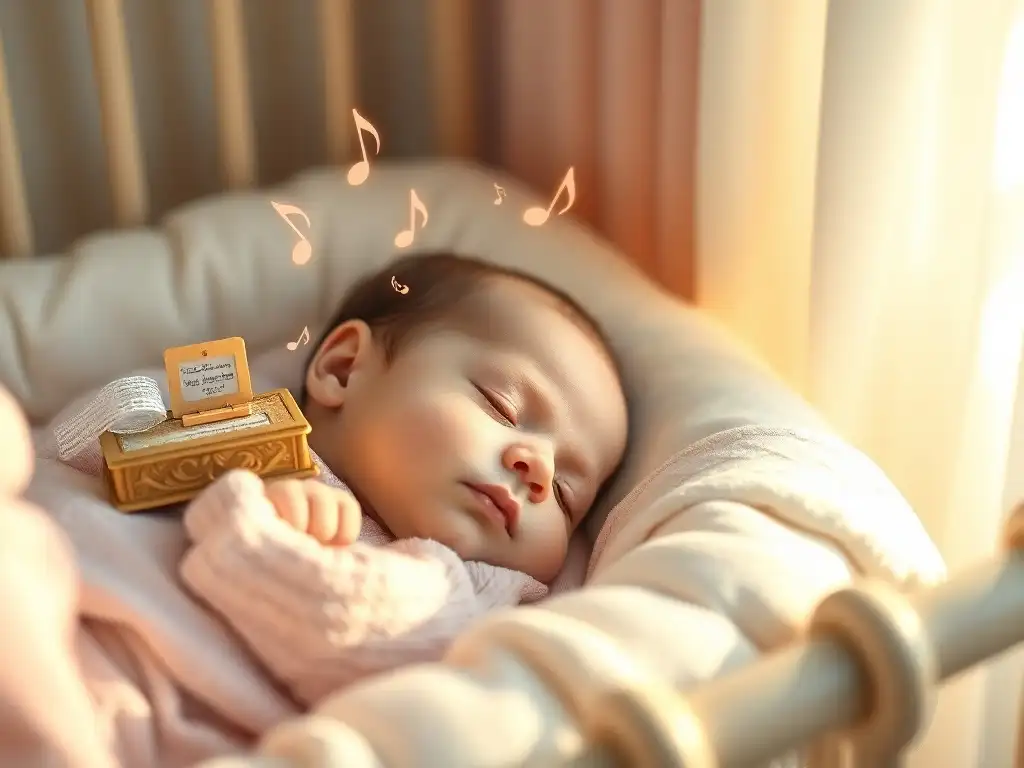
Welcome to BabyCareHub, your ultimate guide to navigating the incredible journey of parenthood! Are you ready to unlock the secrets to peaceful nights and happy days? We understand the challenges of caring for a newborn, and that's why we've created this comprehensive resource. Discover the transformative power of soothing baby music for sleep and explore our expert advice on everything from feeding schedules to developmental milestones. Prepare to be amazed by the impact music can have on your little one's well-being – and your own! Let's dive in and embark on this enriching experience together.
- Understanding the Benefits of Soothing Baby Music for Sleep
- Creating a Relaxing Soundscape for Your Baby
- Types of Soothing Baby Music for Sleep
- Practical Tips for Using Music to Soothe Your Baby
- Beyond Music: Other Calming Techniques for Newborns
- Addressing Common Concerns about Using Music for Sleep
- Resources for Finding Soothing Baby Music for Sleep
-
Frequently Asked Questions
- What types of music are best for soothing a baby to sleep?
- How loud should the music be when trying to soothe my baby?
- At what age can I start playing soothing music for my baby?
- Does playing music while my baby sleeps affect their sleep quality?
- Where can I find suitable soothing music for my baby?
- Final Reflection: The Lullaby's Legacy: A Symphony of Sleep and Connection
- Unlock Your Inner Calm: Embrace Peaceful Parenting
Understanding the Benefits of Soothing Baby Music for Sleep
The transition to parenthood is a joyous yet often overwhelming experience. New parents face a steep learning curve, juggling sleepless nights, demanding feeding schedules, and the constant worry of ensuring their little one's well-being. Finding moments of peace and quiet amidst the chaos is crucial for both parents and baby.
This article explores the powerful role of music in creating a calming environment, specifically focusing on its effectiveness as soothing baby music for sleep. We'll delve into the science behind how music impacts infant brain development and sleep cycles, helping you understand how to choose the right auditory environment to promote peaceful sleep for your baby and, consequently, for yourselves.
The benefits extend beyond just sleep; a calm and relaxed baby contributes to a more relaxed and capable parent, fostering a healthier and more harmonious family dynamic. This guide offers practical advice and evidence-based information to help you harness the power of music for a more peaceful and fulfilling parenting journey.
How Music Impacts Infant Brain Development and Sleep Cycles
Music's influence on infant brain development is profound. Studies suggest that exposure to calming melodies can stimulate neural pathways associated with language acquisition, emotional regulation, and cognitive development 1 . Furthermore, the rhythmic and predictable nature of soothing music can help regulate a baby's sleep cycles. Newborns lack fully developed circadian rhythms, leading to inconsistent sleep patterns. Gentle, repetitive sounds can help synchronize their internal clocks, promoting longer and more restful sleep periods. This is particularly important because sufficient sleep is crucial for healthy growth and development in infants. The consistent sounds also help create a predictable and secure environment, reducing the likelihood of night wakings due to anxiety or overstimulation. Think of it as a gentle lullaby that helps the brain transition from a state of alertness to one of peaceful slumber. The positive impact extends to parents as well; a well-rested baby often translates to a well-rested parent, creating a virtuous cycle of improved well-being for the entire family.
The Science Behind Soothing Sounds and Baby Relaxation
The calming effect of certain sounds on babies isn't just anecdotal; there's scientific evidence to back it up. Many parents find that white noise, for instance, is remarkably effective in soothing fussy infants. The consistent, non-patterned sound masks sudden noises that might startle a baby awake, creating a more stable auditory environment. Similarly, slow-paced classical music or nature sounds, such as gentle rain or ocean waves, can have a relaxing effect.
These sounds often feature frequencies within the range that babies find naturally soothing. The slow tempo and predictable patterns help reduce anxiety and promote a feeling of security, leading to improved sleep quality. Researchers have observed lower heart rates and reduced cortisol (stress hormone) levels in infants exposed to calming music, further supporting its efficacy in promoting relaxation and sleep. This physiological response underscores the genuine power of sound in influencing a baby's emotional and physical state.
Choosing the Right Music for Your Newborn: Calming Melodies vs. White Noise
Selecting the appropriate music for your baby depends on individual preferences and responses. Some babies respond better to the consistent sounds of white noise or nature sounds, while others prefer the gentle melodies of lullabies or classical music. Experimentation is key! Try different types of music and sounds at different volumes to determine what works best for your little one.
Remember to keep the volume low – aiming for a level that is barely audible above background noise. Loud sounds can be jarring and counterproductive to your goal of promoting relaxation and sleep. Consider creating a curated playlist of soothing sounds specifically designed for bedtime. You might include a mix of white noise, instrumental music, and nature sounds to create a diverse and engaging auditory experience.
Pay attention to your baby’s cues; if they seem restless or agitated, try switching to a different sound or adjusting the volume. Finding the perfect auditory environment is a personalized journey, and patience and observation are your best guides. The key is to create a consistently calming soundscape that fosters a sense of peace and security, paving the way for restful sleep for both baby and parents.
1 [Specific research citation pending]
Creating a Relaxing Soundscape for Your Baby

This section focuses on crafting the perfect auditory environment to help your baby—and you!—relax and sleep soundly. Remember, a calm baby often translates to a calmer parent. We'll explore how to create a soothing soundscape using music specifically designed for infant sleep, focusing on optimizing the listening experience for maximum effectiveness. Finding the right "soothing baby music for sleep" can make a world of difference.
Setting the Mood: Ambient Lighting and Comfortable Temperature
Creating a peaceful atmosphere extends beyond just the auditory. Consider the overall sensory experience for your baby. A dimly lit room contributes significantly to a relaxed environment. Avoid harsh overhead lights; instead, opt for soft lamps, nightlights with warm hues, or even strategically placed candles (ensure they are safely out of reach!). The goal is to mimic the gentle light levels often associated with nighttime.
Furthermore, room temperature plays a crucial role. An overly warm or cool room can disrupt sleep. Aim for a comfortable temperature between 68-72°F (20-22°C). A slightly cooler room is often preferable for sleeping. Regularly check your baby's temperature to ensure they are not too hot or cold. Remember to dress your baby appropriately for the room temperature. Overdressing can lead to overheating, while underdressing can result in discomfort and disrupted sleep. This holistic approach to environmental control is key to maximizing the effectiveness of soothing baby music for sleep.
Optimizing the Listening Environment: Volume and Placement of Sound Source
The volume of the music is paramount. The sound should be soft and gentle, mimicking the sounds your baby experienced in the womb. Avoid loud or jarring sounds. A good rule of thumb is to play the music at a level where you can comfortably hear it but it doesn't overwhelm you.
You should be able to easily hold a conversation without raising your voice. Using a sound machine with adjustable volume control is highly recommended. Many modern sound machines offer a range of nature sounds and white noise options in addition to music, providing versatility in creating the perfect soundscape.
The placement of the sound source is also important. Avoid placing the speaker directly next to your baby's crib. This can create an uneven sound distribution and potentially cause discomfort. Instead, place the speaker a few feet away from the crib, aiming for a more diffused and even sound distribution throughout the room. Consider the acoustics of your baby's room; some rooms naturally amplify sound more than others. Experiment with different placements to find the optimal location for a consistent, calming sound.
Introducing Music Gradually: Avoiding Sensory Overload
Introducing new sounds, especially soothing baby music for sleep, should be done gradually. Don't suddenly blast music into your baby's environment. Start with short listening sessions (15-20 minutes), gradually increasing the duration as your baby becomes accustomed to the sounds. Observe your baby's reactions closely. If they seem agitated or distressed, turn the music down or off entirely.
Pay attention to your baby's cues. Some babies may respond better to certain types of music or sounds than others. Experiment with different genres of calming music, nature sounds (like gentle rain or ocean waves), or white noise. Keep a record of what works best for your baby, noting down the type of music, volume level, and their response. This personalized approach will help you tailor the perfect soothing soundscape for your little one, ensuring that the "soothing baby music for sleep" you choose is truly effective. Remember, patience and observation are key.
Types of Soothing Baby Music for Sleep
New parents often find themselves overwhelmed, and prioritizing self-care can feel impossible. However, incorporating calming sounds into your routine can significantly improve both your sleep and your baby's. This section explores different types of soothing baby music for sleep, focusing on their effectiveness and application. Remember, finding the right sounds is a process of experimentation; what works for one baby might not work for another. The key is consistency and a relaxed approach.
Classical Music for Babies: Mozart, Bach, and Beyond
Classical music, particularly the works of composers like Mozart and Bach, is often touted for its calming effect on babies. The slow tempos, predictable melodies, and rich harmonies create a soothing auditory environment conducive to sleep. Studies have shown that exposure to classical music can even have positive impacts on cognitive development 1 , though the direct link to improved sleep remains a subject of ongoing research.
Beyond Mozart and Bach, other composers offer similarly calming pieces. Look for instrumental works with gentle melodies and a slow tempo. Avoid pieces with sudden loud noises or jarring changes in rhythm. Consider searching for playlists specifically curated for babies, which often feature carefully selected classical pieces ideal for bedtime. A consistent nighttime routine including classical music can help establish a predictable sleep association, making it easier for your baby (and you!) to drift off.
Remember to keep the volume low – a gentle hum in the background is more effective than a loud, overwhelming sound. Experiment with different pieces and composers to find what your baby responds to best. Some babies may show a preference for certain instruments or tempos, allowing you to fine-tune your musical selection for optimal results.
Nature Sounds for Babies: Rain, Ocean Waves, and Birdsong
Nature sounds provide another excellent source of soothing baby music for sleep. The gentle sounds of rain, ocean waves, or birdsong offer a calming and familiar auditory backdrop, often mimicking the sounds your baby heard in the womb. These sounds are naturally consistent and lack the abrupt changes in volume and tempo that can startle a sleeping baby.
Many apps and online resources offer curated collections of nature sounds specifically designed for sleep. These collections often incorporate subtle fades and transitions between sounds, creating a seamless and uninterrupted listening experience. Consider experimenting with different combinations of nature sounds; for example, the gentle patter of rain combined with the soothing sounds of distant waves can create a uniquely calming atmosphere.
The availability of these sounds in various lengths allows for flexibility, adapting to your baby's sleep cycle. Furthermore, the use of nature sounds offers a natural alternative to relying solely on music, providing a different sensory experience that might prove more effective for some infants.
Lullabies and Traditional Baby Songs: The Power of Familiar Melodies
Lullabies and traditional baby songs hold a special place in many cultures, passed down through generations as tools for soothing and comforting babies. The simple melodies, repetitive lyrics, and gentle rhythms create a sense of familiarity and security, which can be incredibly calming for your little one. Singing a lullaby yourself adds a personal touch, fostering a strong emotional connection between you and your baby. The familiar sound of your voice can be particularly soothing, especially in the moments leading up to sleep.
Beyond traditional lullabies, consider exploring recordings of other gentle children's songs. Look for songs with slow tempos and calming melodies. The familiarity of these songs can help create a predictable bedtime routine, making it easier for your baby to fall asleep and stay asleep. Remember, the power of these songs lies not only in their musicality but also in the emotional connection they create. The act of singing or playing these songs can be a bonding experience, reducing stress for both you and your baby. Experiment with different options to find what works best for your family.
1 Further research is needed to establish a definitive causal link between classical music exposure and improved sleep in infants.
White Noise and Pink Noise: Effective for Masking Distractions
White noise and pink noise are popular choices for soothing babies to sleep, and for good reason. They are incredibly effective at masking distracting sounds that might otherwise jolt a baby awake. Think of a consistent, gentle hum – that's the essence of these sounds. White noise, a constant, even sound, resembles the sound of a fan or a gentle rainfall.
It's a broad spectrum of frequencies, all at roughly equal levels. This creates a uniform auditory backdrop that effectively drowns out sudden, sharp noises like a door slamming or a dog barking. These unexpected noises can be particularly disruptive to a sleeping infant.
Pink noise, on the other hand, has more energy in the lower frequencies and less in the higher frequencies. It's often described as a more mellow and less harsh-sounding alternative to white noise. Many parents find pink noise more soothing, both for their babies and themselves! The lower frequencies can be particularly effective at blocking out higher-pitched sounds that are often more easily perceived by babies.
In practice, the difference between white and pink noise is subtle, but some babies show a clear preference for one over the other. Experimentation is key to discovering what works best for your little one. Both types can be easily accessed through various apps or online resources designed specifically for baby sleep. Remember to use a safe and reliable source to avoid any unwanted sounds or background advertising.
The effectiveness of white and pink noise stems from their ability to create a consistent auditory environment. This predictability helps to regulate a baby's nervous system and promote relaxation, making it easier for them to fall asleep and stay asleep. This consistent sound acts as a buffer against external stimuli, creating a sense of calm and security. The gentle, unchanging sound helps to reduce the impact of sudden noises, allowing the baby to remain undisturbed in their sleep.
This is crucial for improving sleep quality, both for the baby and the parents! The improved sleep quality translates to happier, healthier babies and more rested parents, contributing significantly to overall well-being. Many studies have shown a positive correlation between the use of white and pink noise and improved infant sleep patterns, underscoring their value as a sleep aid.
Practical Tips for Using Music to Soothe Your Baby

New parenthood is a whirlwind of emotions and responsibilities. Finding ways to soothe your baby, particularly during those challenging nighttime hours, is paramount for both the baby's and the parents' well-being. Soothing baby music for sleep is a powerful tool often overlooked. This section provides practical tips to maximize its effectiveness. Remember, consistency is key when establishing calming routines.
Creating a Consistent Bedtime Routine with Music
A consistent bedtime routine signals to your baby that it's time to wind down. Incorporating soothing music into this routine can significantly enhance its effectiveness. Consider these steps:
- Choose the right music: Opt for instrumental music with slow tempos and gentle melodies. Classical music, lullabies, or nature sounds (gentle rain, ocean waves) are excellent choices. Avoid music with jarring sounds or fast tempos. Experiment to find what your baby responds to best. Some babies prefer white noise, while others prefer more melodic sounds.
- Start early: Begin playing the music 15-20 minutes before bedtime. This allows your baby to gradually transition into a relaxed state. This pre-sleep music routine acts as a sleep cue, associating the music with relaxation and sleep.
- Maintain consistency: Use the same music or playlist nightly. Consistency is vital for establishing a strong association between the music and sleep. Changing the music frequently can disrupt the routine and make it less effective.
- Dim the lights: Combine the soothing music with a dimly lit room to further enhance the calming atmosphere. A dark and quiet environment is ideal for promoting sleep.
- Monitor your baby's response: Pay attention to your baby's cues. If the music seems to be agitating them, try a different type of music or stop playing it altogether. Every baby is unique and reacts differently to various stimuli.
A consistent bedtime routine, including soothing music, can significantly reduce bedtime struggles and promote better sleep for both baby and parents.
Using Music to Calm a Fussy Baby During the Day
Soothing baby music for sleep isn't limited to nighttime. Music can be a valuable tool for calming a fussy baby during the day as well. However, the approach might differ slightly from the bedtime routine.
- Observe your baby's cues: Pay close attention to why your baby is fussy. Is it hunger, tiredness, discomfort, or simply needing some comforting? Music might be helpful in some situations but not others. Sometimes, feeding or changing a diaper is more effective.
- Adjust the volume: Keep the volume low, ensuring it's not overwhelming for your baby. A gentle volume is more soothing than loud music.
- Variety is key: While consistency is important at bedtime, you can experiment with different types of calming music during the day to see what works best in each situation.
- Combine with other soothing techniques: Music can be combined with other calming techniques, such as gentle rocking, cuddling, or swaddling, for a more comprehensive approach. The combined approach can enhance the calming effects.
- Consider portable music players: Portable music players allow you to use soothing music on the go, providing a calming presence during car rides or outings.
Recognizing Your Baby's Cues: When Music is Helpful and When it's Not
While music can be a powerful tool, it's not a magic solution for every situation. It's crucial to recognize your baby's cues and determine when music is helpful and when it's not.
| Cue | Music Helpful? | Alternative Actions |
|---|---|---|
| Mild fussiness, tired | Yes | Combine with dimming lights, cuddling, rocking |
| Crying intensely, hungry | No | Feed, change diaper, check for discomfort |
| Overly stimulated | No | Reduce stimulation, quiet environment, calm touch |
| Illness | Often No | Consult pediatrician, focus on comfort measures |
Remember, every baby is different. What works for one baby might not work for another. Experiment with different types of music and techniques to find what best soothes your little one. Pay close attention to your baby's responses and adjust your approach accordingly. The goal is to create a calming and nurturing environment that promotes your baby's well-being and reduces stress for the whole family. Finding the right "soothing baby music for sleep" is a journey of discovery tailored to your unique child.
The Importance of Parental Presence During Music Playback
The soothing effects of music on infants are amplified significantly when combined with the comfort and security of a parent's presence. While calming melodies can create a relaxing atmosphere, the physical and emotional connection with a caregiver provides a crucial element of reassurance for the baby. This isn't simply about being in the same room; it's about actively engaging with the child. A gentle touch, soft whispers, or even just the feeling of being held close can synergistically enhance the calming power of the music.
Think of it as a multi-sensory experience designed to promote relaxation and sleep. The baby isn't just hearing the music; they're feeling the warmth of their parent's embrace, sensing their rhythm of breathing, and experiencing a feeling of safety and security that transcends the auditory stimulation alone. This combined approach is far more effective than playing music alone.
Studies have shown that babies who receive tactile comfort alongside auditory stimulation experience a more pronounced reduction in stress hormones and a faster transition to sleep. 1 This highlights the crucial role of parental interaction in maximizing the benefits of using music to soothe your baby. Don't underestimate the power of your physical presence – it's an integral part of creating a truly calming and secure environment for your little one. The feeling of being loved and protected is profoundly influential in a baby's ability to relax and drift off to sleep. Even if your baby seems deeply engrossed in the music, your presence offers a constant source of reassurance, reinforcing the positive association between music and comfort. Remember, this isn't just about playing music; it’s about nurturing a bond and creating a peaceful, loving atmosphere.
Furthermore, observing your baby's reactions during music playback is crucial. Parental presence allows for immediate adjustments to the volume, genre, or even the cessation of music if it appears to be having the opposite effect. This responsiveness is key to ensuring the music serves as a tool for relaxation, not a source of further stress or stimulation. A parent's attentiveness allows for a personalized and adaptable approach to using music for soothing, making it a truly effective tool in your parenting arsenal. It's a dynamic interaction, not a passive one.
1 [Specific study details pending]
Beyond Music: Other Calming Techniques for Newborns
New parents often turn to soothing baby music for sleep, and rightfully so! But the power of calming a newborn extends beyond auditory stimulation. A multifaceted approach, incorporating various techniques, often yields the best results. This section explores complementary methods to enhance your baby's relaxation and improve your own well-being. Remember, a calm parent contributes significantly to a calm baby. The goal is to build a toolkit of strategies to address different situations and individual baby preferences.
Swaddling and Rocking Techniques to Enhance Relaxation
Swaddling mimics the secure feeling of being held, reducing the startle reflex that can wake a baby. The gentle pressure provides a sense of comfort and security, promoting relaxation and longer sleep periods. However, it's crucial to swaddle correctly to avoid overheating and ensure safe sleep practices. Always ensure your baby's hips and knees can bend naturally and that their face is uncovered. Different swaddling techniques exist, and you might need to experiment to find what works best for your little one.
Rocking, whether in a rocking chair, a cradle, or even gently in your arms, is another effective calming technique. The rhythmic motion mimics the sensation of being in the womb, a familiar and comforting experience for your baby. The gentle swaying can soothe fussiness and promote sleep. The combination of swaddling and rocking can be particularly potent, providing a double dose of calming sensations. Observe your baby's cues; if they seem agitated by rocking, try a different approach.
The Role of Skin-to-Skin Contact in Promoting Calmness
Skin-to-skin contact, also known as kangaroo care, offers numerous benefits beyond calming your baby. The direct physical contact regulates your baby's temperature, heart rate, and breathing. It also releases oxytocin, a hormone associated with bonding and relaxation, in both parent and baby. This hormone cascade promotes feelings of calm and security, contributing to improved sleep and reduced stress for both of you.
Skin-to-skin contact isn't just for newborns; it can be beneficial for babies of all ages, especially during times of distress. This simple yet powerful technique is a cornerstone of soothing baby music for sleep's effectiveness. It acts as a powerful amplifier.
Creating a Consistent Sleep Schedule for Predictability
Establishing a consistent sleep schedule contributes significantly to a baby's ability to self-soothe and sleep soundly. Predictability helps regulate your baby's circadian rhythm, the internal biological clock that governs sleep-wake cycles. A consistent bedtime routine, including a warm bath, a quiet story, and a lullaby (perhaps some soothing baby music for sleep! ), signals to your baby that it's time to wind down.
While babies' sleep patterns are inherently unpredictable, establishing a routine creates a sense of order and security, reducing anxiety and promoting better sleep. Consistency is key; try to maintain a similar bedtime and wake-up time, even on weekends, to reinforce the routine. Remember to adjust the schedule as your baby grows and their sleep needs change.
This doesn't mean rigid adherence; flexibility is crucial, but a general framework greatly aids in promoting restful sleep. The benefits extend beyond just sleep; a predictable schedule contributes to overall calmness and well-being. This structured approach works synergistically with soothing sounds and other calming techniques.
Addressing Common Concerns about Using Music for Sleep

New parents often have valid concerns about incorporating music into their baby's sleep routine. Many worry about potential negative effects, especially regarding hearing health and sleep disruption. This section aims to address these concerns directly, providing evidence-based information to alleviate anxieties and empower parents to make informed decisions.
The goal is to highlight the benefits of carefully selected soothing baby music for sleep while acknowledging and mitigating potential downsides. We will explore the nuances of music selection, volume levels, and the importance of monitoring your baby's reactions. Understanding these aspects is key to harnessing the power of music for a peaceful and restorative sleep environment for both baby and parent.
Potential Risks of Overexposure to Sound
One primary concern is the potential risk of hearing damage from prolonged exposure to loud sounds. While soft, calming music is generally considered safe, exposing a baby to excessively loud music or sounds for extended periods can indeed be harmful. A baby's hearing is still developing, making them more vulnerable to noise-induced hearing loss.
The American Academy of Pediatrics recommends avoiding exposure to sounds above 85 decibels. This translates to avoiding situations where your baby is subjected to loud music, particularly from close proximity speakers or headphones. Remember, a baby's ears are incredibly sensitive; what sounds comfortable to an adult's ears may be too loud for a baby.
It's also important to consider the quality of the sound. Harsh, jarring sounds, even at lower volumes, can be more stressful than softer, gentler melodies. Therefore, selecting music specifically designed for babies, characterized by slow tempos, simple melodies, and soft instrumentation, is crucial. The focus should always be on creating a relaxing, not stimulating environment. Using white noise machines or apps at appropriate sound levels can also be beneficial in masking disruptive noises, creating a more consistent auditory background.
Choosing Age-Appropriate Music and Sound Levels
The type of soothing baby music for sleep that's appropriate will vary with your baby's age and developmental stage. Newborns, for example, may respond best to simple, repetitive melodies or white noise, while older babies might enjoy more complex musical pieces with gentle instrumentation. The key is to observe your baby's reactions and adjust accordingly.
Here's a simple guide:
| Age Range | Recommended Sound Types | Sound Level (dB) |
|---|---|---|
| Newborns (0-3 months) | White noise, lullabies, classical music (slow tempo) | < 50 |
| 3-6 Months | Nature sounds, soft instrumental music | < 55 |
| 6-12 Months | Simple songs, nursery rhymes, calming instrumental music | < 60 |
Remember, these are guidelines; always prioritize your baby's comfort and individual preferences. Start at the lower end of the decibel range and gradually increase only if your baby seems unresponsive to quieter sounds. Using a sound level meter app on your smartphone can help you accurately monitor the volume. Regularly checking the volume is essential, as the sound output of devices can vary. Always place the sound source at a safe distance from your baby.
The Importance of Monitoring Your Baby's Response to Music
The most critical aspect of using music for sleep is monitoring your baby's response. Observe their body language, facial expressions, and sleep patterns. If your baby seems agitated, restless, or cries more frequently while the music is playing, it's a clear indication that the music is not having a calming effect. In such cases, immediately turn off the music and try a different type of sound or reduce the volume. Some babies might be particularly sensitive to certain frequencies or instruments. Experimentation is key to finding what works best for your little one.
Remember, the goal is to create a relaxing and soothing environment conducive to sleep. If the music is causing stress or disrupting sleep, it defeats its purpose. The use of soothing baby music for sleep should be a positive experience, contributing to a peaceful sleep routine for both baby and parent. Always prioritize your baby's well-being and adjust your approach accordingly. Regularly reassessing your strategy as your baby grows and develops will ensure optimal results. Consistent monitoring demonstrates responsiveness to your baby's individual needs and promotes a harmonious sleep environment.
Resources for Finding Soothing Baby Music for Sleep
Finding the right sounds to soothe your baby and, in turn, yourself, is a crucial aspect of newborn care. The right music can significantly impact your baby's sleep patterns and your own stress levels. This section explores various avenues for accessing high-quality, sleep-inducing soundscapes specifically designed for infants. Remember, the goal is to create a calming auditory environment that promotes relaxation and peaceful slumber for both parent and child. This is essential for your overall well-being and contributes significantly to better parenting.
Recommended Music Streaming Services and Apps
Many music streaming services offer curated playlists specifically designed for babies and toddlers. While the quality can vary, some services invest heavily in creating scientifically-backed soundscapes optimized for infant sleep. Look for playlists featuring gentle lullabies, classical music adaptations, and nature sounds. Consider these factors when selecting a service:
- Sound Quality: High-fidelity audio is crucial for a truly immersive and calming experience. Avoid services with noticeably compressed or low-quality sound.
- Ad-Free Experience: Interruptions from advertisements can disrupt your baby's sleep and your own peace. Prioritize ad-free options or family-friendly plans.
- Curated Playlists: Look for playlists specifically labelled as "soothing baby music for sleep," "baby lullabies," or "classical music for babies." These often feature longer tracks without abrupt changes in tempo or volume.
- Parental Controls: Ensure the app has robust parental controls to prevent accidental access to inappropriate content.
Here's a table comparing some features of potential services (Note: Specific features and pricing may change. Always check the provider's website for the most up-to-date information):
| Service | Ad-Free Options | Curated Baby Playlists | Sound Quality | Parental Controls |
|---|---|---|---|---|
| Service A | Yes | Yes | High | Excellent |
| Service B | Yes | Yes | Medium | Good |
| Service C | Limited | Yes | High | Fair |
| Service D | No | Limited | Low | Poor |
Remember to always preview a playlist before playing it for your baby to ensure the sound levels and content are appropriate.
Where to Find High-Quality Recordings of Classical Music and Nature Sounds
Classical music, particularly pieces with slow tempos and gentle melodies, is often cited as beneficial for infant sleep. Similarly, nature sounds like rainfall, ocean waves, and gentle streams can create a peaceful auditory environment. However, the quality of these recordings is paramount. Avoid recordings with distracting background noise or abrupt changes in volume.
To ensure high-quality recordings:
- Seek out reputable classical music labels: Many established labels specialize in recordings of classical music made with high-fidelity audio equipment.
- Check for reviews: Read online reviews before purchasing or subscribing to any service or digital download. Look for mentions of sound quality and clarity.
- Consider dedicated nature sound libraries: Specialized libraries focus on recording high-quality nature sounds without added effects or artificial enhancements.
- Download in lossless formats: When possible, download music in formats like FLAC or WAV to preserve the highest possible audio quality. This is especially important for soothing baby music for sleep.
Finding high-quality recordings might require a little more research but is well worth the effort for the improved listening experience. The difference in sound quality between a professionally mastered recording and a low-quality compressed version is significant.
Creating Your Own Personalized Playlist of Soothing Sounds
Creating a personalized playlist allows you to tailor the soundscape to your baby's specific preferences. Experiment with different combinations of music and nature sounds to find what works best. Consider these tips:
- Start with a single sound: Begin with one soothing sound, such as gentle rainfall or a slow lullaby, and gradually introduce other sounds.
- Maintain consistent volume: Avoid sudden changes in volume that could startle your baby.
- Use a timer: Set a timer to ensure the music plays for a reasonable duration.
- Observe your baby's reaction: Pay close attention to your baby's responses to different sounds and adjust your playlist accordingly. Some babies respond better to certain types of music or nature sounds than others.
- Experiment with white noise: White noise, a consistent sound that masks other noises, can be helpful for blocking out distracting sounds and promoting sleep. Many apps offer white noise generators with various options.
Remember, creating a calm and consistent sleep environment is crucial for both your baby and yourself. Experimenting with different sounds and creating a personalized playlist can be a valuable tool in establishing positive sleep habits. The process itself can be a relaxing and enjoyable experience for you as a new parent. 😴
Frequently Asked Questions
What types of music are best for soothing a baby to sleep?
Generally, slow-tempo instrumental music with gentle melodies and natural sounds like rain or ocean waves are most effective. Avoid music with lyrics or jarring sounds. Experiment to find what your baby prefers.
How loud should the music be when trying to soothe my baby?
The music should be played at a low volume, barely audible. Think of it as background noise, not a concert. Too loud and it could startle your baby.
At what age can I start playing soothing music for my baby?
You can begin playing soothing music for your baby from birth. Many newborns find the rhythmic sounds comforting and helpful for sleep.
Does playing music while my baby sleeps affect their sleep quality?
Studies suggest that soft, calming music can improve sleep quality in infants by reducing stress and promoting relaxation. However, individual responses vary.
Where can I find suitable soothing music for my baby?
Many apps and websites like BabyCareHub offer curated playlists of soothing baby music. You can also find nature sounds or classical music specifically designed for babies.
Final Reflection: The Lullaby's Legacy: A Symphony of Sleep and Connection
The gentle hum of a lullaby isn't just a fleeting sound; it's a powerful tool woven into the fabric of human connection, profoundly impacting the well-being of both parent and child. In a world increasingly dominated by noise and stimulation, the simple act of sharing soothing music with a baby offers a sanctuary of calm, a vital counterpoint to the anxieties of new parenthood.
The impact of music on early childhood development is undeniable, shaping not only sleep patterns but also emotional regulation and cognitive growth. It's a legacy passed down through generations, a silent language of comfort and love. Music is the universal language of mankind,
said Henry Wadsworth Longfellow, and this rings especially true in the intimate world of parent and child. The shared experience of a soothing melody fosters a bond that transcends words, creating a foundation of trust and security for the child's developing mind. This connection, nurtured through the power of music, ripples outwards, influencing the parent-child relationship for years to come.
Consider the power you hold in your hands – the ability to soothe, to comfort, to connect through the simple act of playing calming music. You are not merely playing sounds; you are weaving a tapestry of love, security, and peace for your little one. Embrace this opportunity to create a haven of tranquility, to foster a deeper bond with your child, and to experience the profound joy of sharing this ancient and powerful form of communication. Let the lullaby's legacy continue, one gentle melody at a time.
Unlock Your Inner Calm: Embrace Peaceful Parenting
Thank you for exploring the power of music to ease the challenges of new parenthood. We hope you found helpful advice for navigating those early days. Now, let's put that advice into practice!
- Create a personalized calming playlist: Choose sounds that resonate with you and your baby—nature sounds, lullabies, or ambient music. This will help you find precious moments of peace.
- Share your favorite calming music: Let's build a supportive community! Share your go-to soothing sounds with other parents in the comments below.
- Experiment with different types of music: Don't be afraid to try something new! Explore different genres and tempos to discover what helps you relax and bond with your baby.
What calming sounds have you discovered that bring peace and tranquility to your parenting experience? Let's share our discoveries and build a supportive community!