
Travel Safety: Ensuring Your Baby is Safe From Choking on the Go

Welcome to BabyCareHub, your ultimate guide to navigating the exciting yet challenging world of parenthood! Are you ready to embark on your next adventure with your little one? Then you'll want to explore our essential guide on Baby travel choking prevention, a crucial aspect of ensuring your baby's safety and well-being during those precious family trips. Discover practical tips and expert advice to help you travel with peace of mind, knowing you've taken every precaution to keep your baby safe from potential choking hazards. Let's get started!
- Baby Travel Choking Prevention: Essential Tips for Safe Journeys
- On-the-Go Feeding Strategies to Minimize Choking Risks for Infants
- Baby Travel Choking Prevention: Public Places and Restaurants
- Maintaining Hygiene While Traveling: Reducing Infection Risks and Choking
- Baby Travel Choking Prevention Checklist: Before, During, and After the Trip
-
Frequently Asked Questions
- What are the biggest choking hazards for babies during travel?
- How can I prevent my baby from choking while traveling in a car seat?
- What are some travel-friendly snacks that are safe for my baby?
- What should I do if my baby starts choking while traveling?
- Are there any special considerations for preventing choking on a plane?
- Final Reflection: The Enduring Legacy of Safe Travels with Baby
- Unlock Worry-Free Travel with Your Little One!
Baby Travel Choking Prevention: Essential Tips for Safe Journeys
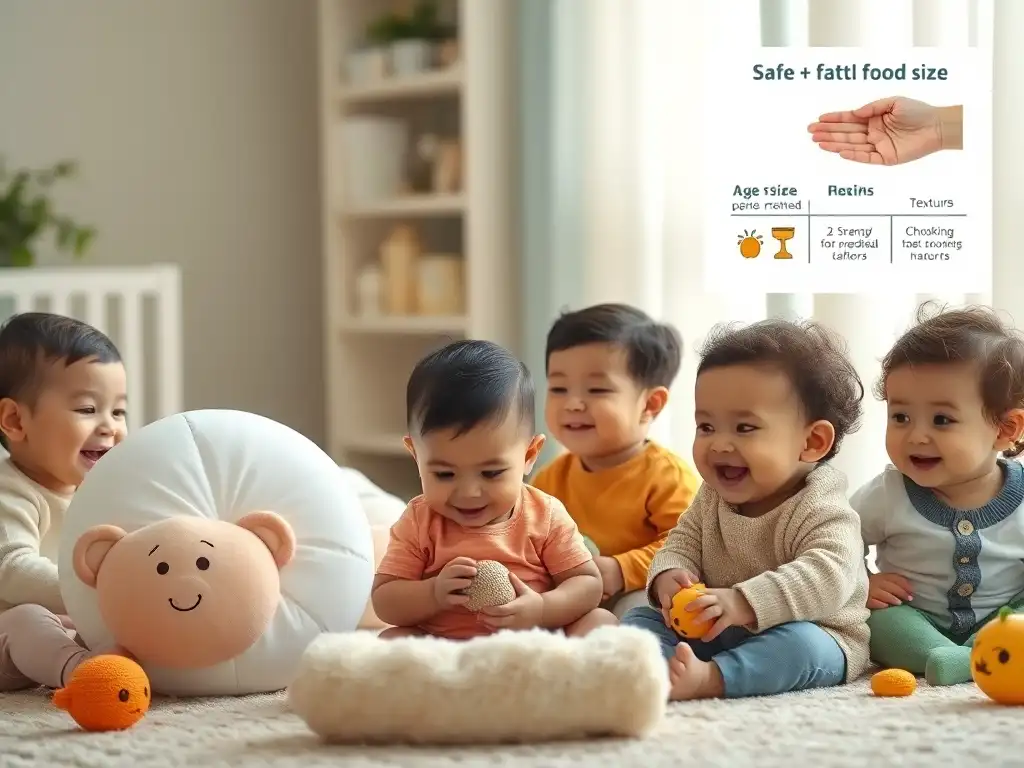
Traveling with a baby can be an exciting adventure, but it also presents unique challenges, especially concerning choking hazards. This comprehensive guide focuses on preventing choking incidents during travel, offering practical strategies and age-appropriate advice to ensure your little one's safety on the go. We'll cover essential packing tips, safe snack selection, and techniques for feeding your baby safely in the car and other travel situations. Remember, proactive measures are key to preventing choking, allowing you to enjoy your journey with peace of mind.
This guide will help you navigate the complexities of baby travel while prioritizing your baby's well-being and minimizing the risk of choking, making your trip safer and more enjoyable for everyone. Proper preparation and awareness are your best tools in preventing this potentially life-threatening situation. Let's delve into the specifics of keeping your baby safe from choking while traveling.
Packing Smart: Avoiding Choking Hazards in Your Baby's Travel Bag
Packing for a trip with a baby requires meticulous planning, and minimizing choking hazards is paramount. Avoid bringing small, loose items that could easily be swallowed. This includes:
- Small toys: Opt for larger, soft toys that cannot be easily disassembled or have small parts that can detach.
- Buttons and beads: Thoroughly check all clothing items for loose buttons or decorative beads that could pose a choking risk.
- Loose food items: Pre-portion snacks into sealed containers to prevent spills and accidental ingestion of small pieces.
- Crumbs: Regularly clean your diaper bag and travel surfaces to eliminate any crumbs or small food particles.
Remember to always supervise your baby closely, especially in unfamiliar environments where they may be more prone to exploring and putting objects in their mouth. A well-organized and hazard-free bag is the first step in preventing travel-related choking incidents. Consider using a checklist to ensure you haven't overlooked any potential hazards before you leave. This proactive approach will help you maintain a safe and enjoyable trip for your little one.
Choosing Safe Travel Snacks for Babies: Age-Appropriate Food Options
Selecting appropriate snacks for your baby during travel is crucial. The key is to choose foods that are soft, easily digestible, and pose minimal choking risk. Here's a guide based on age:
| Age Range | Safe Snack Options | Snacks to Avoid |
|---|---|---|
| 4-6 Months | Pureed fruits and vegetables, breast milk, formula | Whole fruits, vegetables, nuts, seeds, hard candies |
| 6-8 Months | Soft cooked vegetables, well-mashed fruits, oatmeal | Raw fruits and vegetables, popcorn, pretzels |
| 8-12 Months | Soft cooked pasta, small pieces of soft fruit (e.g., banana, avocado), well-cooked vegetables | Hard crackers, whole grapes, raw carrots |
| 12 Months + | Small pieces of soft cooked chicken, cheese cubes, yogurt | Hard candies, whole nuts, popcorn, hot dogs |
Remember to always cut food into appropriately sized pieces and supervise your baby while they are eating. Avoid giving your baby foods that are known choking hazards, such as whole grapes, hot dogs, and popcorn. Always check the texture and size of the food before giving it to your baby. This careful selection and supervision will contribute significantly to preventing choking incidents during your travels. Always err on the side of caution when choosing snacks for your little one.
Preventing Choking During Car Rides: Strategies for Safe Feeding in Transit
Feeding your baby in the car requires extra caution. Here are some tips to minimize choking risks:
- Avoid feeding during bumpy rides: The jostling motion can make it difficult for your baby to swallow safely.
- Use a car seat-friendly feeding system: Consider using a specialized car seat tray or feeder designed for safe in-car feeding.
- Choose appropriate foods: Stick to soft, easily digestible foods that are less likely to cause choking.
- Maintain constant supervision: Never leave your baby unattended while eating, even for a moment.
- Position your baby upright: This helps prevent food from going down the wrong way.
Remember, prioritizing safety during car rides means being prepared and attentive. The combination of safe food choices, appropriate feeding methods, and consistent supervision will drastically reduce the risk of choking. Regularly check on your baby and adjust their position as needed to ensure comfort and prevent choking. Planning and vigilance are crucial for safe car travel with your baby. Enjoy the journey, but always place safety first.
On-the-Go Feeding Strategies to Minimize Choking Risks for Infants
Traveling with a baby requires careful planning, especially when it comes to feeding. Minimizing choking risks during travel necessitates a proactive approach, adapting your usual feeding routines to the unique challenges of being on the go. This section details strategies to ensure your baby's safety while maintaining a comfortable feeding experience. The key to successful baby travel choking prevention lies in preparation and awareness.
Safe Feeding Positions While Traveling with Your Baby
The position in which you feed your baby significantly impacts their risk of choking. Avoid feeding your baby while they are lying down, especially in a car seat or stroller, as this increases the risk of aspiration. Instead, opt for an upright position, similar to what you would use at home. This allows gravity to assist in food transit and reduces the likelihood of food entering the airways.
Consider using a supportive infant car seat insert or a well-padded baby carrier that keeps your baby upright. For feeding in a car, always pull over to a safe location before beginning. Never attempt to feed your baby while driving. Using a portable high chair or booster seat, if available, further enhances safety. Remember, maintaining an upright position is paramount to baby travel choking prevention.
Here's a table summarizing safe and unsafe feeding positions during travel:
| Position | Safety Level | Rationale |
|---|---|---|
| Upright (high chair) | 👍 Excellent | Gravity assists food transit, minimizing choking risk. |
| Upright (carrier) | 👍 Good | Provides support but requires vigilance. |
| Lying down (car seat) | 👎 Poor | Increases aspiration risk; food can easily enter the airway. |
| Lying down (stroller) | 👎 Poor | Similar to car seat; gravity works against safe swallowing. |
Remember, even in safe positions, constant supervision is crucial. Never leave your baby unattended during feeding, regardless of the location or method.
Handling Choking Emergencies During Travel: A Step-by-Step Guide
Despite taking precautions, choking emergencies can still occur. Preparedness is key. Knowing how to respond quickly and effectively can be the difference between a minor scare and a serious incident. This section provides a step-by-step guide for handling choking emergencies during travel, focusing on baby travel choking prevention response.
First, remain calm. Panic will only hinder your ability to help your baby. Assess the situation: Is your baby able to cough forcefully? If yes, encourage them to continue coughing. Do not interfere unless the coughing becomes ineffective or ceases completely.
If your baby cannot cough, cry, or breathe, immediately perform back blows:
- Support your baby's head and place them face down along your forearm, resting on your thigh.
- Give five firm back blows between the shoulder blades using the heel of your hand.
- Check your baby's mouth after each blow to see if the obstruction is dislodged.
If the back blows are ineffective, perform chest thrusts:
- Turn your baby face up, supporting their head and neck.
- Place two fingers in the center of their chest, just below the nipple line.
- Give five quick chest thrusts, compressing the chest about 1.5 inches.
- Check your baby's mouth after each thrust.
Repeat the cycle of back blows and chest thrusts until the obstruction is cleared or emergency medical help arrives. If the obstruction is not cleared, immediately call for emergency medical assistance. Knowing these steps is critical for effective baby travel choking prevention. Remember to always practice these techniques beforehand to ensure you're comfortable and confident in an emergency situation. 👶 Your preparedness is your best tool for baby travel choking prevention.
Baby Travel Choking Prevention: Public Places and Restaurants
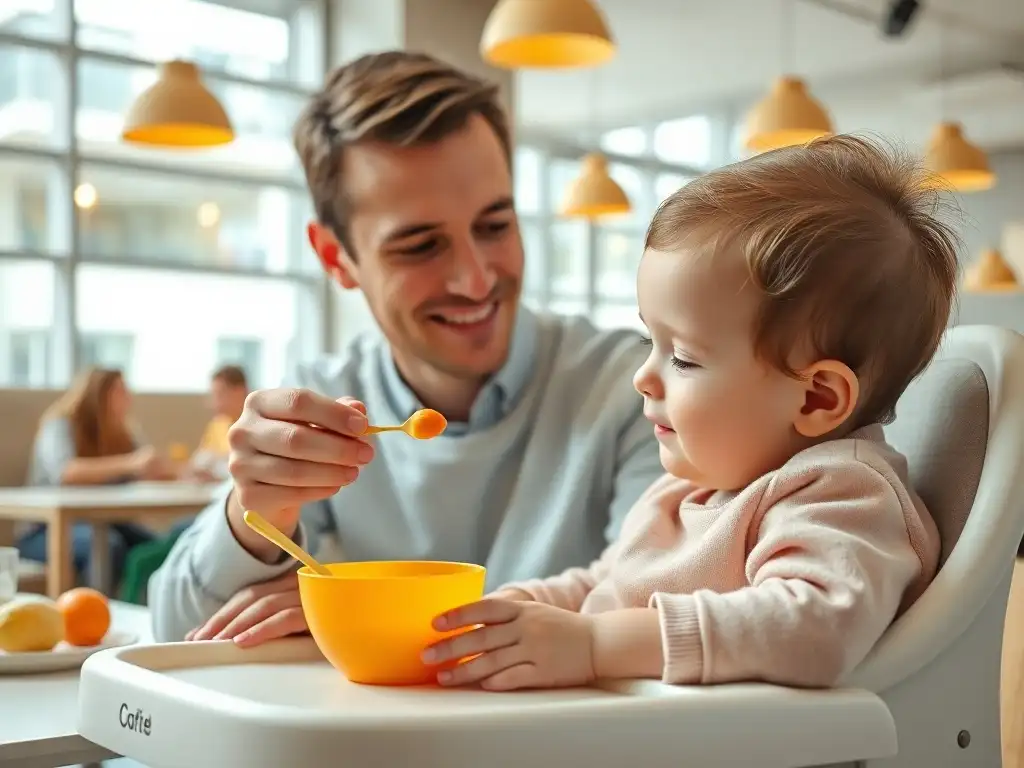
Traveling with a baby can be exciting, but it also presents unique challenges, especially concerning choking hazards. Maintaining a vigilant approach to choking prevention is crucial, particularly in unfamiliar environments like restaurants and public spaces. This section focuses on practical strategies to mitigate these risks and ensure your baby's safety during your travels. Remember, proactive measures are key to preventing choking incidents. This involves careful planning, awareness of common hazards, and consistent supervision.
Minimizing Choking Risks in Restaurants: Safe Food Choices and Practices
Restaurants, while offering convenience, often present a higher risk of choking hazards for babies. The unfamiliar environment, potentially messy eating situations, and the variety of foods served all contribute to this increased risk. Therefore, meticulous planning and careful food selection are vital.
Prioritize soft, easily-mashable foods that pose minimal choking risk. Steamed vegetables, well-cooked pasta, and pureed fruits are excellent choices. Avoid anything hard, round, or small enough to lodge in your baby's airway. This includes whole nuts, seeds, popcorn, grapes (unless cut into small, flat pieces), and hard candies. Even seemingly safe foods like soft fruits can become choking hazards if not thoroughly mashed or cut into appropriate sizes. Think about the texture and size of food items – can it easily be crushed between your fingers? If not, it's likely too risky for your baby.
Example Meal Ideas for Restaurants:
* Breakfast: Oatmeal (well-cooked), mashed banana, soft scrambled eggs (finely chopped). * Lunch: Pureed sweet potato, soft cooked carrots, mashed avocado. * Dinner: Well-cooked and mashed chicken, finely pureed peas, soft pasta.
Always supervise your baby closely while they are eating, even if they seem to be managing well. Keep a close eye on their chewing and swallowing patterns. Be prepared to intervene quickly if necessary. Having a first-aid plan and knowing the Heimlich maneuver for infants is a crucial part of baby travel safety. Remember, prevention is always better than cure, but being prepared is essential.
Public spaces, from airports to parks, present a variety of potential choking hazards for babies. These hazards are often overlooked but can be easily avoided with careful planning and awareness. The unpredictable nature of public areas means that constant vigilance is essential for your baby's safety.
One of the most common dangers is small objects that babies can easily pick up and put in their mouths. This includes things like buttons, small toys, pebbles, and even crumbs dropped on the floor. Always keep a close eye on your baby's hands and surroundings. Consider using a stroller or carrier to limit their access to potential hazards.
| Hazard | Prevention Strategy |
|---|---|
| Small objects | Constant supervision, stroller/carrier use |
| Loose food items | Careful cleaning, avoiding messy eating areas |
| Unfamiliar toys | Avoid toys with small parts, inspect toys carefully |
| Spills | Quick clean-up, use placemats or bibs |
Furthermore, ensure that any toys brought along are age-appropriate and lack small, detachable parts. Regularly inspect toys for damage and potential hazards. Before letting your baby play with a new toy in a public place, ensure it is safe and free of small detachable pieces. Remember that spills can occur, so be prepared to clean up quickly and efficiently.
Using bibs and placemats can also help minimize the risk of food-related choking hazards. Always prioritize your baby's safety above all else. Being prepared and staying vigilant are your best tools in preventing baby travel choking incidents. Remember, a safe and enjoyable trip begins with proactive safety measures.
Maintaining Hygiene While Traveling: Reducing Infection Risks and Choking
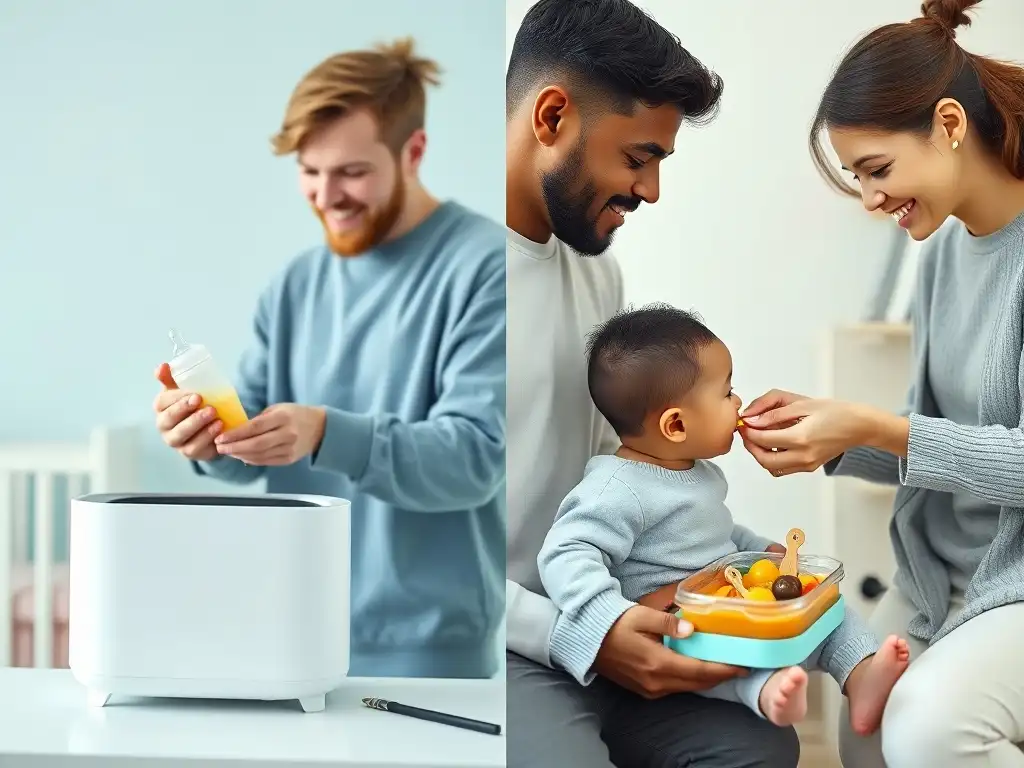
Maintaining impeccable hygiene is paramount when traveling with a baby, significantly impacting both their overall health and the risk of choking. Infections weaken a baby's immune system, making them more susceptible to illness and potentially impacting their ability to safely manage food. Furthermore, poor hygiene practices can lead to food contamination, increasing the risk of choking hazards. This section focuses on practical strategies for maintaining hygiene while on the go, specifically targeting the prevention of choking incidents related to infection and contamination.
Handwashing and Food Preparation on the Go: Essential Hygiene Tips
Handwashing is the cornerstone of preventing infections. When traveling, access to clean water and soap isn't always guaranteed. Therefore, packing a travel-sized hand sanitizer with at least 60% alcohol is crucial. Use it frequently, especially before preparing or handling your baby's food, after diaper changes, and after any contact with potentially unclean surfaces. Remember, diligently sanitizing your hands significantly reduces the transmission of germs that could contaminate baby food, causing illness or increasing choking risks due to compromised reflexes or weakened immune response.
For food preparation, opt for pre-portioned, ready-to-eat baby food pouches or single-serving containers that minimize handling and the risk of contamination. If preparing food yourself, prioritize foods that are easily cleaned and require minimal preparation. Always use clean utensils and surfaces, and ensure all food is properly cooled before serving to avoid burns which can also lead to choking. Consider carrying a small, portable cooler bag with ice packs to keep perishable foods at a safe temperature. Remember, even seemingly minor hygiene oversights can have significant consequences for your baby's health and safety.
Preventing Choking from Contaminated Food and Drinks
Contaminated food and drinks are a major source of illness and can contribute to choking incidents. Bacteria and viruses can impair a baby's ability to swallow safely. Therefore, maintaining the highest standards of food safety is crucial for preventing choking hazards related to contamination.
Avoid giving your baby food or drinks from questionable sources. Stick to reputable brands of commercially prepared baby food, or meticulously prepare your own food using safe and clean practices. Pay close attention to expiration dates and always discard any food showing signs of spoilage. Proper food storage and handling are essential. Keep perishable foods refrigerated when possible and avoid leaving them at room temperature for extended periods.
Water should always be sourced from a safe and reliable supply; bottled water is often a better choice when traveling to unfamiliar areas. Remember, preventing contamination is a key aspect of baby travel choking prevention. Vigilance in maintaining hygiene standards directly translates to a lower risk of choking incidents related to illness and contamination. By implementing these strategies, you can significantly enhance your baby's travel safety and well-being.
Baby Travel Choking Prevention Checklist: Before, During, and After the Trip
This checklist provides a comprehensive guide to minimizing choking hazards during baby travel, addressing crucial steps before, during, and after your journey. Remember, proactive planning is key to ensuring your little one's safety. This guide focuses on Baby travel choking prevention, offering practical advice for first-time parents.
Pre-Trip Preparation: Essential Steps to Prevent Choking Incidents
Before embarking on your trip, meticulous preparation is paramount. This involves carefully selecting appropriate food and toys, and ensuring your travel bag is equipped with the necessary safety items.
First, pack age-appropriate foods. Avoid anything that could easily break into small pieces or pose a choking hazard. Soft, easily mashed fruits and vegetables are preferable to crunchy snacks. Think purees, soft cooked pasta, or well-cooked, easily dissolvable pieces of chicken. Always check the texture and size of any food before giving it to your baby.
Second, thoroughly inspect all toys and items that will accompany your baby. Remove any small parts, loose buttons, or detachable elements that could be easily swallowed. Opt for larger, one-piece toys designed for babies. Consider silicone teethers or larger, soft blocks. Avoid toys with small magnets or batteries.
Third, assemble a dedicated choking-hazard first-aid kit. This should include a baby-sized first-aid manual, a pair of tweezers (for removing loose objects from the mouth), and, crucially, information on your nearest emergency medical services. Knowing the location of the nearest hospital or urgent care facility is essential in case of an emergency.
Finally, familiarize yourself with Heimlich maneuver techniques for infants. This life-saving procedure can be crucial in a choking emergency. Consider taking a baby first-aid course before your trip to refresh your knowledge and gain confidence in handling such situations. Practice makes perfect, and this is a skill worth mastering.
In-Transit Safety Measures: Quick Tips for Preventing Choking
During the journey, maintaining vigilance is critical. Even with careful pre-trip planning, unforeseen situations can arise.
Firstly, supervise your baby constantly while feeding, especially during car rides or flights. Never leave your baby unattended with food or toys. Distraction can easily lead to accidents. A focused, watchful eye is the best safeguard.
Secondly, choose appropriate feeding times. Avoid feeding your baby during bumpy car rides or turbulent flights, as this can increase the risk of choking. It's best to feed your baby when the vehicle is stationary or during periods of calm.
Thirdly, offer only age-appropriate and safe foods and drinks. Avoid introducing new foods or unfamiliar textures during travel. Stick to what your baby is already comfortable with to minimize the risk of allergic reactions or choking incidents.
Fourthly, keep a close eye on your baby's behavior. Look for signs of choking, such as coughing, gagging, or difficulty breathing. Immediate action is critical if your baby is choking. Remember the steps of the infant Heimlich maneuver learned during your pre-trip preparation.
Post-Trip Clean-up: Maintaining Hygiene and Preventing Future Risks
After your trip, it’s vital to maintain a high level of hygiene to prevent the spread of germs and ensure the continued safety of your baby.
Firstly, thoroughly clean all baby items used during the trip, including bottles, pacifiers, and toys. Use hot, soapy water or a baby-safe disinfectant to eliminate any potential bacteria or pathogens. This helps maintain hygiene and prevents future health issues.
Secondly, inspect all toys and items one last time to ensure that no small parts have become detached or damaged during travel. Discard any damaged items and replace them with new, safe alternatives.
Thirdly, review your travel safety practices. Identify areas where you could improve your approach to baby travel safety in the future. Continuous learning and refinement of your techniques are essential for ensuring your baby’s safety on all future trips. Reflect on what went well and what could have been better. This reflective practice will improve future experiences.
Finally, consider creating a "Baby Travel Safety Log". This can be a simple checklist or notebook where you record which foods and toys you used, any safety incidents (minor or major), and the steps you took to mitigate risks. This log will prove valuable for future trips and can help you identify patterns and potential areas for improvement. This proactive approach will ensure your baby's ongoing safety and peace of mind for you.
Frequently Asked Questions
What are the biggest choking hazards for babies during travel?
Small, loose items are the biggest threat. Loose buttons, small toys, and food pieces are common culprits. Always supervise your baby closely, especially during car rides or plane journeys.
How can I prevent my baby from choking while traveling in a car seat?
Avoid giving your baby food or drinks that could easily cause choking while in the car seat. Secure all loose items within reach. Choose age-appropriate toys that are too large to swallow.
What are some travel-friendly snacks that are safe for my baby?
Soft, easily-mashable foods are best. Well-cooked, soft fruits and vegetables, mashed avocado, and plain yogurt are good options. Avoid anything that's hard, sticky, or small and round.
What should I do if my baby starts choking while traveling?
Immediately stop the vehicle in a safe location. Perform back blows and chest thrusts (depending on baby's age) as taught in a first aid course. Call emergency services immediately.
Are there any special considerations for preventing choking on a plane?
Yes. Avoid giving your baby new foods on a plane, in case of allergic reactions. Bring familiar, safe snacks. Keep a close eye on your baby at all times, as the airplane environment can be distracting.
Final Reflection: The Enduring Legacy of Safe Travels with Baby
The preventable nature of choking incidents during travel underscores the critical need for proactive safety measures. A seemingly small oversight can have devastating consequences, highlighting the importance of constant vigilance and preparedness when traveling with infants and toddlers. Every journey, no matter the distance, should prioritize the well-being of our most vulnerable travelers.
The impact of choking prevention extends far beyond the immediate safety of a single child; it shapes the confidence and peace of mind parents feel when venturing out with their little ones. This freedom to explore and experience the world together, without the constant shadow of fear, is invaluable. The best moments in life are not things, but people, places, and memories.
This quote rings truer than ever when considering the joy of travel, a joy that should be accessible and worry-free for all families.
Consider the lessons learned within this article. Take the time to review the safety tips, practice them, and instill them as part of your family's travel routine. You are not just protecting your child from a potential choking hazard; you are investing in the creation of countless cherished memories, fostering a love of exploration, and building a foundation of safety and confidence for years to come. Embrace the journey, and travel safely.
Unlock Worry-Free Travel with Your Little One!
Thank you for learning about preventing choking hazards while traveling with your baby! We hope you found our advice helpful and that it will make your journeys safer and more enjoyable. Now, let's put that knowledge into practice.
Here's how you can continue prioritizing your baby's safety:
- Create a personalized choking hazard checklist: Before your next trip, make a simple list of potential choking hazards specific to your baby's age and your travel plans. This proactive step will significantly reduce risks.
- Share your travel safety tips: Help other parents by sharing your most effective strategies in the comments below. Let's build a supportive community of well-informed travelers!
- Assemble a travel first-aid kit focused on choking prevention: Include items like a suction bulb syringe and a reliable guide on infant choking first aid.
Ready to embark on your next adventure with increased confidence and peace of mind? What's one small step you can take today to improve your baby's travel safety?