
Cultural Approaches to Weaning and Transitioning to Family Foods

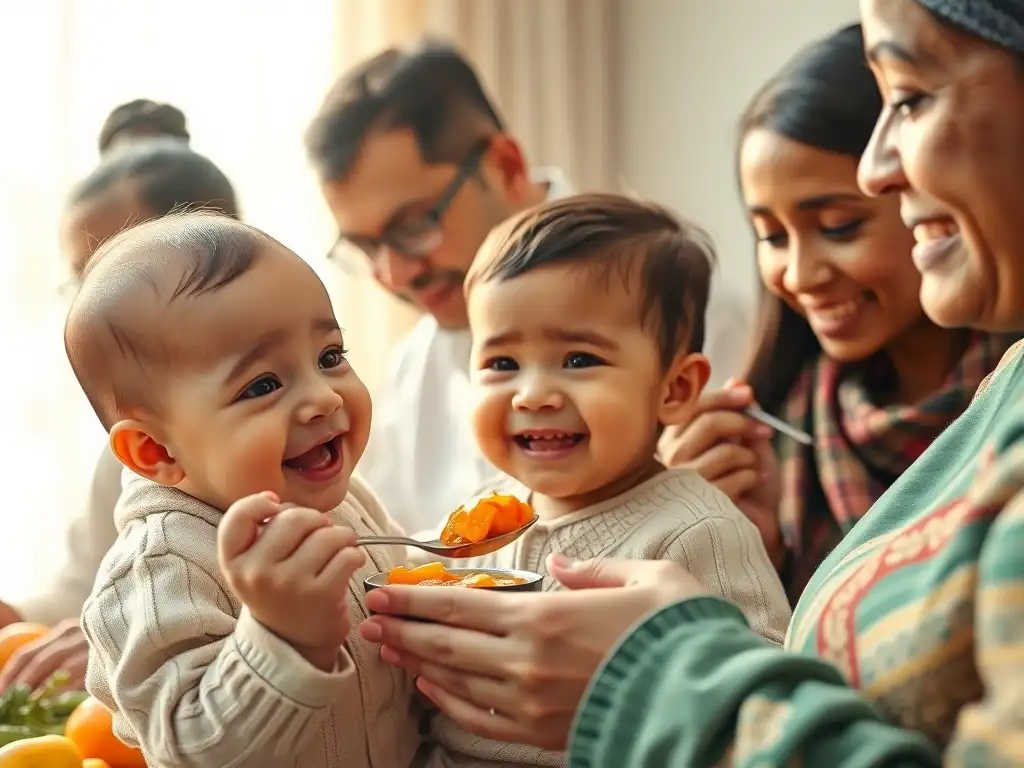
Welcome to BabyCareHub, your ultimate guide to navigating the incredible journey of parenthood! Are you ready to embark on the exciting, yet sometimes daunting, adventure of introducing your little one to solid foods? We delve into the fascinating world of baby weaning cultural approaches, exploring diverse traditions and practices from around the globe. Discover how different cultures approach this significant milestone and find inspiration to create a personalized and enriching weaning experience for your baby. Let's explore the diverse paths to healthy and happy eating together!
- Understanding Baby Weaning: Cultural Variations and Practices
- Baby Weaning: A Comparison of Cultural Approaches
- Navigating Baby Weaning: Practical Considerations and Tips
- Cultural Influences on Baby Food Choices and Preparation
- Supporting Breastfeeding Mothers During Weaning: Cultural Perspectives
- Addressing Challenges and Concerns in Cultural Weaning Practices
-
Frequently Asked Questions
- What are some common cultural approaches to baby weaning?
- How does cultural background influence the timing of weaning?
- Are there any cultural beliefs surrounding the types of food introduced during weaning?
- How can I incorporate cultural traditions into my baby's weaning journey?
- What if my cultural weaning practices conflict with modern recommendations?
- Final Reflection: A Tapestry of Weaning: Weaving Culture and Nourishment
- Unlock Your Baby's Culinary Journey: A Delicious Next Step
Understanding Baby Weaning: Cultural Variations and Practices
The transition from breastfeeding or formula feeding to solid foods, a process known as weaning, is a significant milestone in a baby's development. This journey, however, is far from universal. While medical guidelines often suggest a starting point around six months, the actual practice of weaning varies dramatically across cultures, reflecting diverse beliefs, traditions, and readily available food sources.
This article delves into the fascinating world of cultural approaches to weaning, exploring how different societies navigate this crucial stage of infant development. Understanding these variations is not just academically interesting; it's crucial for healthcare professionals and parents alike to provide culturally sensitive and effective guidance, promoting healthy growth and development for babies worldwide.
We will examine the importance of cultural context, explore global weaning schedules and methods, and highlight some traditional weaning practices from various cultures. This nuanced understanding of "Baby weaning cultural approaches" will empower parents to make informed decisions that align with both their cultural heritage and their baby's individual needs.
The Importance of Cultural Context in Infant Feeding
The timing and methods of weaning are deeply intertwined with cultural norms and beliefs. What constitutes appropriate timing, suitable foods, and even the manner of introducing solids can vary significantly. For instance, some cultures introduce solids much earlier than the recommended six months, often incorporating readily available, easily digestible foods into the baby's diet.
Others might adhere strictly to breastfeeding for a longer period, delaying the introduction of solids until the baby shows clear signs of readiness. These differences aren't merely arbitrary; they often reflect a culture's understanding of infant development, nutritional needs, and the role of food in family and community life. Understanding this context is essential to avoid imposing potentially inappropriate or even harmful practices on families from different cultural backgrounds.
Ignoring cultural preferences can lead to misunderstandings, resistance to advice, and ultimately, compromise the well-being of both the baby and the family. The key is to find a balance between evidence-based medical guidelines and culturally appropriate practices.
Global Perspectives on Baby Weaning Schedules and Methods
Globally, weaning practices exhibit remarkable diversity. In some regions, babies are introduced to pureed foods early, gradually transitioning to textured foods as they develop the necessary motor skills. In other cultures, finger foods are introduced from the outset, encouraging self-feeding and promoting the development of fine motor skills. The types of foods introduced also differ greatly, often reflecting locally available resources and culinary traditions.
For example, rice cereal is a common first food in many Western cultures, while in other parts of the world, mashed bananas, sweet potatoes, or other readily available fruits and vegetables might be preferred. Furthermore, the frequency and timing of meals also vary, reflecting the family's daily routines and cultural norms. Some cultures may opt for frequent, smaller meals, while others prefer fewer, larger meals. This wide range of approaches underscores the need for a flexible and culturally sensitive approach to weaning guidance.
Traditional Weaning Practices Across Different Cultures
Let's explore a few examples of traditional weaning practices across different cultures. In some communities in Africa, for example, complementary foods are introduced early, often involving nutrient-rich local staples like porridge made from grains and legumes. These foods are frequently prepared in a way that is easily digestible for young infants.
In contrast, certain Asian cultures may emphasize the use of rice-based porridges or purees, often combined with finely chopped vegetables and fruits. In some parts of Latin America, the introduction of starchy foods like plantains or cassava is common. These examples illustrate how diverse cultural practices shape the weaning process, highlighting the importance of considering these variations when providing guidance to parents.
We must remember that there is no single "right" way to wean a baby; rather, a variety of approaches can be equally effective, provided they are safe, nutritionally adequate, and culturally appropriate. Further research into specific regional practices is crucial for developing comprehensive and culturally sensitive weaning guidelines.
Baby Weaning: A Comparison of Cultural Approaches
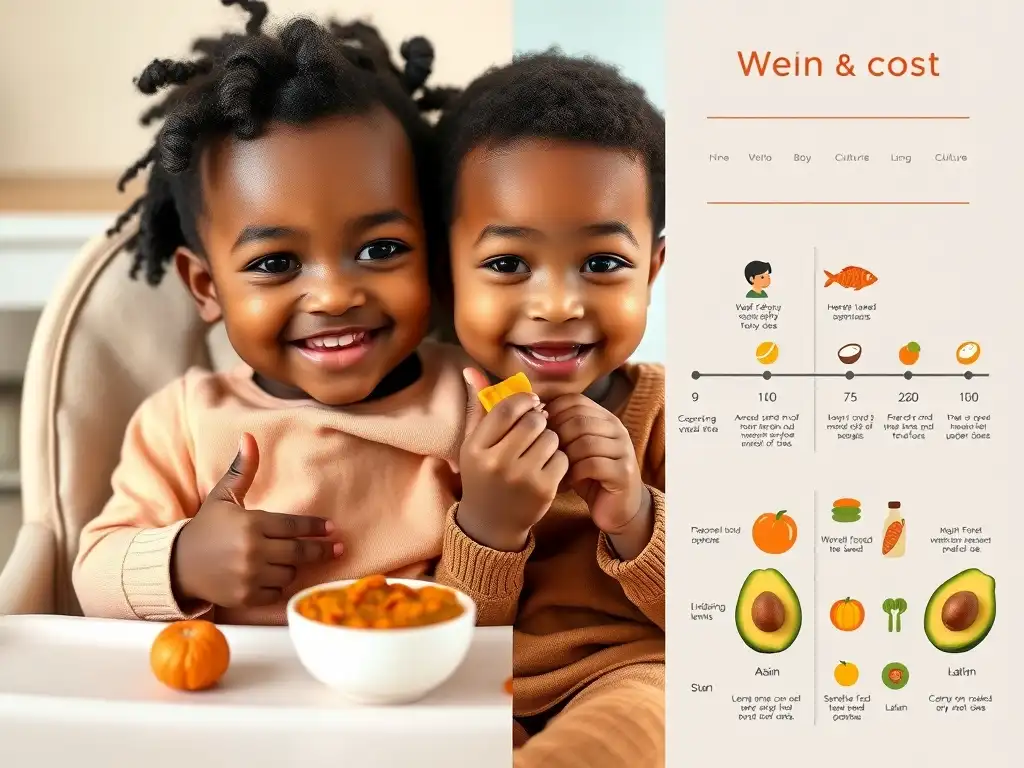
This section delves into the diverse ways cultures approach baby weaning, highlighting the variations in techniques, timing, and the introduction of family foods. Understanding these cultural nuances is crucial for providing culturally sensitive and effective guidance to parents. The concept of "Baby weaning cultural approaches" encompasses a broad spectrum of practices, reflecting the unique beliefs and traditions of different societies.
Traditional vs. Modern Weaning Techniques: A Comparative Analysis
Traditional weaning methods often differ significantly from modern approaches advocated in many Western societies. Traditional cultures frequently emphasize a gradual and prolonged weaning process, sometimes extending over several years. This contrasts sharply with the more structured, timetable-driven approach often recommended in modern Western pediatric guidelines, which frequently suggest starting around six months of age.
For instance, in some parts of Africa, breastfeeding continues alongside the introduction of soft, mashed, or pureed foods. The transition is slow and flexible, adapting to the infant's cues and preferences. This gradual introduction of solid foods is often seen as a way to build the child's immunity and digestive tolerance. Conversely, modern Western practices often involve a more rapid introduction of a wider variety of purees and baby foods, sometimes following a specific schedule focused on achieving nutritional milestones.
The following table summarizes key differences:
| Feature | Traditional Weaning | Modern Weaning |
|---|---|---|
| Timing | Gradual, prolonged, often extending over years | Typically begins around 6 months of age |
| Food Introduction | Often starts with soft, easily digestible foods | Wider variety of purees and baby foods, often more processed |
| Method | Often on-demand, child-led | More structured, often schedule-driven |
| Breastfeeding | Frequently continues alongside solid foods | Often reduced or ceased as solids increase |
This isn't to say one method is inherently superior; cultural appropriateness and parental preferences play a vital role. Understanding these differences allows healthcare providers and caregivers to offer more informed and culturally sensitive support. More research is needed to fully understand the long-term health implications of these varied approaches.
Breastfeeding and Complementary Foods: Cultural Differences in Timing and Introduction
The timing of introducing complementary foods alongside breastfeeding varies considerably across cultures. In many developing countries, breastfeeding often continues for two years or longer, even after the introduction of solid foods. This prolonged breastfeeding provides ongoing nutritional and immunological benefits to the infant. However, in some Western societies, breastfeeding duration is often shorter, and the introduction of solids is sometimes viewed as a means to wean the infant from the breast more quickly.
The types of complementary foods introduced also vary significantly. Some cultures emphasize easily digestible foods like rice porridge or mashed vegetables, while others may introduce more complex textures and flavours earlier. For example, certain cultures might introduce small pieces of family foods much earlier than is typically recommended in some Western guidelines. This highlights the importance of understanding the cultural context when assessing the appropriateness of complementary food introduction. Further research into the impact of different timing and food choices on infant development and health would be beneficial.
The Role of Family Foods in Different Cultural Contexts
The role of family foods in weaning practices is another area where cultural differences are pronounced. Many cultures seamlessly integrate the infant into family meals from a relatively early age, offering appropriately textured portions of the family's regular diet. This approach fosters a sense of belonging and exposes the child to a wider range of flavors and textures.
Conversely, in some Western cultures, the use of commercially produced baby foods is more prevalent, potentially delaying the introduction of family foods. This can limit the child's exposure to diverse tastes and textures, potentially impacting their future food preferences and nutritional intake. The timing and manner of introducing family foods depend heavily on cultural norms and parental choices.
However, a balanced approach, considering both cultural context and nutritional needs, is often the most beneficial. Further studies are needed to assess the long-term effects of these different approaches on children's dietary habits and health outcomes. More specifically, research on the impact of early exposure to diverse family foods on the development of healthy eating patterns would be valuable.
This section focuses on the practical aspects of baby weaning, offering guidance that respects diverse cultural practices while ensuring the nutritional well-being of your little one. Successful weaning isn't just about introducing solids; it's about building healthy eating habits and fostering a positive relationship with food. Remember, every baby develops at their own pace, and cultural variations significantly influence the weaning journey.
Introducing Solid Foods: Age-Appropriate Recommendations and Cultural Adaptations
The traditional recommendation for introducing solids is around six months of age, when babies show signs of readiness, such as good head control, sitting up unsupported, and showing interest in food. However, cultural practices often dictate different timelines. Some cultures introduce solids much earlier, while others wait longer. The key is to observe your baby's cues and adapt the process to your family's cultural context.
For example, in some cultures, rice cereal is the first food introduced, while others start with pureed fruits or vegetables. The important thing is to choose foods that are nutrient-rich, easily digestible, and appropriate for your baby's developmental stage. Introduce single ingredients one at a time, waiting a few days to observe for any allergic reactions before introducing a new food. This allows you to identify potential allergens more easily. Consider using a food diary to track what you're feeding your baby and any reactions observed.
Remember that cultural foods, even if traditionally introduced early, should still be pureed or finely mashed to prevent choking hazards. For instance, finely pureed lentils, a staple in many South Asian diets, can be a valuable source of iron and protein, but the texture must be carefully adjusted for a baby's developing digestive system. Always prioritize safety and gradually increase the texture of foods as your baby's ability to chew and swallow improves.
Addressing Potential Allergens: A Culturally Sensitive Approach
Introducing potential allergens is a crucial aspect of weaning, although the approach varies across cultures. Some cultures traditionally avoid certain foods early on, while others incorporate them seamlessly into the diet. Regardless of cultural background, it's vital to be mindful of common allergens like peanuts, tree nuts, milk, eggs, soy, wheat, fish, and shellfish.
Introducing allergens one at a time, in small quantities, and monitoring for any allergic reactions is crucial. Common signs of allergic reactions include hives, swelling, vomiting, and difficulty breathing. If you notice any of these symptoms, consult your pediatrician immediately.
Although some families may choose to delay the introduction of certain allergens, current recommendations suggest introducing common allergens early and often, unless there is a family history of severe allergies. Remember to consult your pediatrician regarding the best approach for your baby, considering both your family's history and cultural practices. A personalized approach that balances cultural traditions with safety is paramount.
Managing Food Textures and Preferences: Adapting to Cultural Food Habits
As your baby grows, their ability to manage different food textures will improve. This is where cultural food habits play a significant role. Some cultures emphasize finely pureed foods for a longer period, while others introduce chunkier foods earlier. Adapting to your family's food habits is important, but always prioritize safety. Start with smooth purees and gradually increase the texture, ensuring that pieces are small enough to prevent choking.
For example, if your family enjoys a particular type of stew or curry, you can adapt it for your baby by blending it to a smooth consistency. As your baby becomes more adept at chewing, you can gradually introduce slightly coarser textures. Observe your baby's cues; if they seem to struggle with a certain texture, revert to a smoother consistency. This process is about building a positive relationship with food and avoiding power struggles.
Positive reinforcement and patience are key. Remember to celebrate your baby's milestones and encourage them to explore different flavors and textures within the framework of your cultural traditions. This nurturing approach helps establish a foundation for lifelong healthy eating habits.
Cultural Influences on Baby Food Choices and Preparation
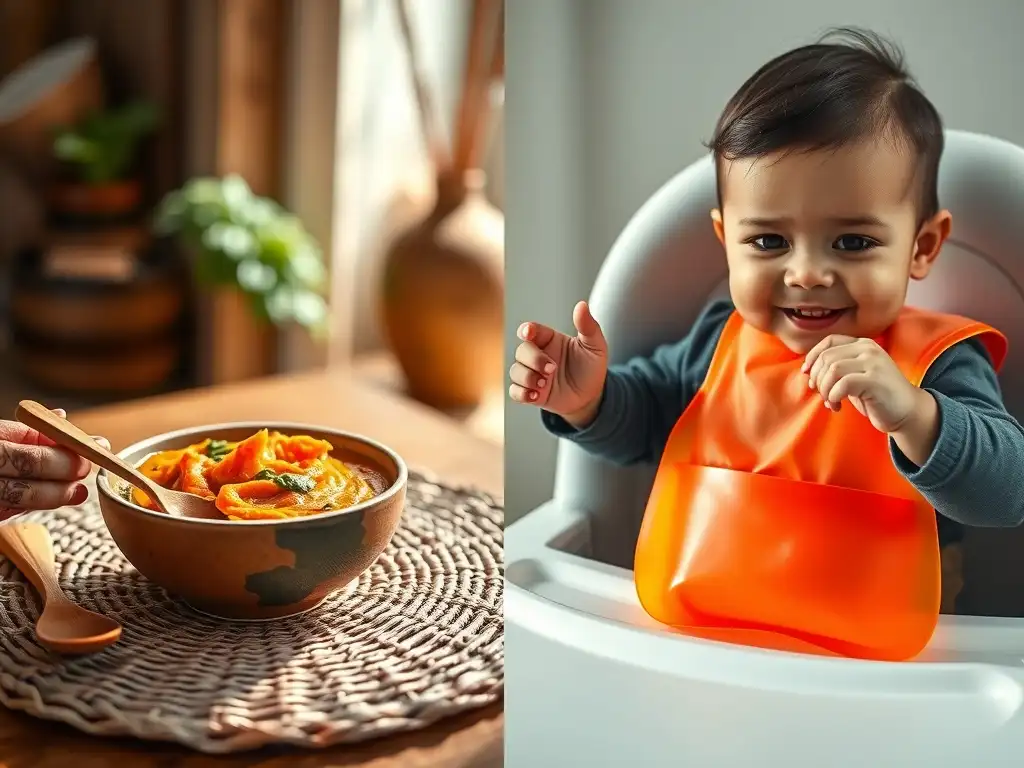
This section explores how cultural backgrounds significantly shape the introduction of solid foods to infants, impacting both the timing of weaning and the types of foods offered. Understanding these influences is crucial for healthcare providers and parents alike, ensuring culturally sensitive and appropriate nutritional guidance. The concept of "baby weaning cultural approaches" encompasses a vast spectrum of practices, reflecting diverse culinary traditions and beliefs.
For example, in some cultures, breastfeeding continues for a considerably longer period, with the introduction of solids delayed until much later than the commonly recommended 6 months. Conversely, other cultures may introduce solids earlier, often incorporating family meals into the infant's diet from a very young age. These variances are not merely about timing; they are deeply intertwined with societal norms, family practices, and readily available food resources.
This diversity necessitates a nuanced approach to nutritional advice, recognizing that a "one-size-fits-all" strategy might not be effective or culturally appropriate. Ignoring these cultural nuances risks misinterpreting parental choices and potentially hindering the successful transition to solid foods.
Traditional Recipes and Food Preparation Methods for Babies
Traditional recipes often form the cornerstone of a baby's dietary journey in many cultures. These aren't just about providing nourishment; they represent a transmission of culinary heritage and family traditions. Consider, for instance, the practice of preparing pap in certain African cultures. This porridge, made from grains like millet or sorghum, is a staple food for infants, often fortified with nutrient-rich additions like fruits and vegetables pureed into the mixture.
The preparation method itself—slow cooking, often over an open fire—is significant, impacting the texture and nutrient bioavailability. Similarly, in many Asian cultures, rice-based porridges are common, sometimes incorporating finely ground lentils or other legumes. These porridges provide a gentle introduction to solid foods while offering essential carbohydrates and protein. In contrast, some South American cultures might introduce mashed sweet potatoes or avocados early on, reflecting the readily available and nutritious produce of the region.
The preparation methods, often involving hand-grinding or mashing, often reflect a lack of readily available modern kitchen equipment. Understanding these traditional methods helps us appreciate the ingenuity and cultural significance embedded within infant feeding practices. Analyzing these traditional recipes provides valuable insights into culturally appropriate and nutritionally sound weaning practices. Data on the nutritional composition of these traditional baby foods is [specific information pending], but anecdotal evidence strongly suggests their nutritional value.
Cultural Preferences and Dietary Restrictions: Considerations for Baby Weaning
Cultural preferences and dietary restrictions play a vital role in shaping baby food choices. Some cultures have strong traditions of vegetarianism or veganism, influencing the types of foods introduced to infants. Others may have specific religious dietary laws, such as those observed in Judaism and Islam, dictating permissible foods and preparation methods. For example, the avoidance of pork in Islam or the observance of kosher dietary laws in Judaism would directly influence the types of meat introduced into a baby's diet.
Similarly, allergies and intolerances, while not strictly cultural, are often influenced by family history and dietary habits passed down through generations. A family with a history of dairy allergies might be more cautious about introducing dairy products to their infants, even if it's not a strictly cultural practice. Furthermore, certain cultural beliefs might associate specific foods with particular health benefits or drawbacks, impacting food choices.
For instance, certain foods might be considered "hot" or "cold" in some traditional medicine systems, influencing when and how they're introduced to infants. This intricate interplay of culture, religion, family history, and belief systems underscores the importance of providing culturally sensitive guidance during weaning. A thorough understanding of these factors is crucial for healthcare professionals to provide effective and culturally appropriate support.
Adapting Family Meals for Babies: A Culturally Sensitive Guide
Adapting family meals for babies is a key aspect of culturally sensitive weaning. Instead of relying solely on commercially prepared baby food, many cultures prioritize incorporating age-appropriate portions of family meals into the infant's diet. This approach not only promotes healthy eating habits but also fosters a sense of family togetherness around mealtimes. However, adapting family meals requires careful consideration of food safety and texture.
For example, chunky soups or stews might need to be pureed or finely mashed to prevent choking hazards. Similarly, spicy or heavily seasoned dishes should be avoided, opting for milder flavors that are more palatable and less likely to irritate a baby's sensitive digestive system. The process of adapting family meals necessitates a creative approach, using basic cooking techniques to modify existing dishes. For instance, a family might modify their traditional curry by removing spices and pureeing the vegetables to create a gentle, flavorful puree for the baby.
This approach ensures that the baby participates in the family's culinary traditions while consuming safe and nutritious food. This practice also allows the baby to gradually adapt to a wider range of flavors and textures, contributing to a more varied and balanced diet in the long run. The cultural significance of shared meals should be recognized and encouraged, making the weaning process a positive and inclusive experience for the whole family. This nuanced approach to family meal adaptation is crucial for promoting healthy eating habits within a culturally sensitive framework.
Supporting Breastfeeding Mothers During Weaning: Cultural Perspectives
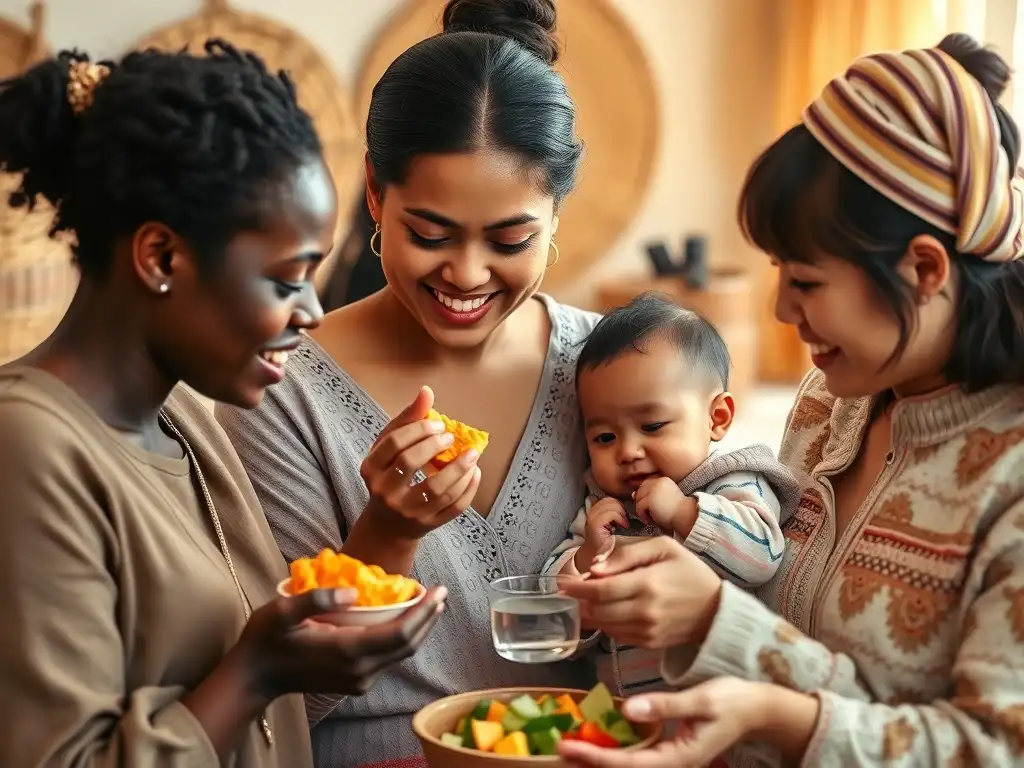
This section explores the diverse cultural beliefs and practices surrounding breastfeeding cessation and how these influence the weaning process. Understanding these diverse perspectives is crucial for healthcare professionals and parents alike to provide culturally sensitive support during this significant transition. The goal is to empower mothers and families to make informed decisions that align with their values and beliefs while ensuring the health and well-being of their child.
Successful weaning is not just about the baby; it's about supporting the mother's physical and emotional journey as well. The term "baby weaning cultural approaches" encompasses a vast array of practices, highlighting the importance of a nuanced approach.
Cultural Beliefs and Practices Surrounding Breastfeeding Cessation
Cultural norms significantly impact the timing and methods of weaning. In some cultures, weaning is a gradual process that may extend over many months, with complementary foods introduced slowly. For example, in many Asian cultures, rice porridge is a staple first food, gradually replacing breast milk. Conversely, other cultures may opt for more abrupt weaning, often linked to specific milestones or events like the birth of a sibling or the mother's return to work.
The methods used also vary considerably. Some cultures utilize herbal remedies or teas to suppress lactation, while others rely on gradual reduction of breastfeeding sessions. The involvement of extended family and community members in the weaning process is common in many cultures, providing crucial emotional and practical support to the mother. Understanding these diverse practices is paramount to offering appropriate and culturally sensitive guidance. For example, recommending abrupt weaning to a mother from a culture where gradual weaning is the norm could be counterproductive and stressful.
It's also important to acknowledge that cultural practices surrounding weaning can sometimes conflict with modern medical advice. For instance, some traditional methods may not be safe or effective, potentially leading to nutritional deficiencies or other health complications for the baby. Therefore, a balanced approach is needed, one that respects cultural beliefs while also ensuring the best possible health outcomes for both mother and child. This requires sensitive communication and a collaborative approach between healthcare providers and families.
Maintaining a Healthy Diet for Breastfeeding Mothers: Cultural Considerations
A mother's diet plays a vital role during weaning, impacting both her own health and her baby's nutritional intake. Cultural food preferences and dietary restrictions significantly influence the types of foods consumed during this period. Some cultures emphasize nutrient-rich broths and soups, while others focus on specific grains or legumes. Understanding these dietary patterns is essential in providing appropriate nutritional guidance.
For instance, in some cultures, certain foods are believed to enhance lactation or improve the baby's health, even after weaning begins. These beliefs, while not always scientifically proven, should be considered and respected. Instead of dismissing them outright, healthcare providers should engage in a dialogue with the mother, explaining the nutritional benefits of a balanced diet while acknowledging the importance of cultural preferences. This might involve suggesting culturally appropriate alternatives to foods that might be nutritionally deficient.
The availability and accessibility of nutritious foods also vary across cultures and socioeconomic backgrounds. In some communities, access to fresh produce or diverse food options may be limited, posing challenges to maintaining a healthy diet. Addressing these challenges requires a multifaceted approach, including providing nutritional education, promoting access to affordable and nutritious food, and collaborating with community resources. The success of weaning, therefore, is inextricably linked to the mother’s overall health and well-being, which is significantly influenced by cultural factors. A culturally sensitive approach to nutrition during weaning is crucial for both maternal and infant health.
Addressing Challenges and Concerns in Cultural Weaning Practices
This section delves into the potential challenges and concerns associated with various cultural weaning practices. It's crucial to approach these practices with sensitivity and understanding, recognizing the rich diversity of approaches worldwide. While many cultural methods are perfectly safe and effective, some may require careful consideration to ensure the baby's well-being. Understanding these potential issues allows for informed decision-making and proactive interventions.
Common Concerns and Misconceptions About Cultural Weaning Methods
Many misconceptions surround cultural weaning methods. One common concern revolves around the perceived lack of nutritional adequacy in some traditional diets. For instance, some cultures may introduce solid foods later than recommended by Western guidelines, raising concerns about potential micronutrient deficiencies. However, it's essential to remember that these diets often include nutrient-rich foods specific to the region, compensating for apparent gaps.
For example, a diet rich in lentils and locally grown fruits may provide adequate iron and vitamin C even if the timing of introduction differs. Another concern is the potential for food allergies or intolerances. While introducing allergens early is often recommended in Western practices to mitigate allergy development, some cultures traditionally delay the introduction of certain foods, which might seem counterintuitive. This approach isn't necessarily harmful, but it requires close monitoring for any adverse reactions.
Finally, the use of traditional remedies or practices during weaning can sometimes raise safety concerns. It's vital to consult with healthcare professionals to ensure these methods don't pose risks to the baby's health. Careful assessment and monitoring are crucial to address these concerns effectively.
Seeking Professional Guidance: Addressing Cultural Differences in Healthcare Approaches
Navigating healthcare systems with culturally diverse weaning practices can present unique challenges. Communication barriers can hinder effective consultation, leading to misunderstandings and potentially suboptimal care. For example, a parent from a culture where delayed weaning is the norm might struggle to communicate the nuances of their practice to a healthcare provider who adheres to Western guidelines. This highlights the critical need for culturally sensitive healthcare providers who are equipped to understand and address the specific needs of diverse families.
Bridging the gap requires open communication, mutual respect, and a willingness to learn from each other. Healthcare professionals should strive to understand the reasoning behind cultural practices, even if they differ from established guidelines. Furthermore, access to translated materials and culturally competent interpreters can significantly improve communication and ensure that families receive the appropriate support. Ultimately, collaborative care that respects cultural diversity while prioritizing the baby's health is paramount.
Ensuring Adequate Nutrition During Weaning: Cultural Considerations for Nutrient Intake
Ensuring adequate nutrition during weaning is crucial, regardless of cultural practices. However, cultural factors can significantly influence dietary choices and nutrient intake. For instance, some cultures rely heavily on breast milk as the primary source of nutrition for a longer period, potentially delaying the introduction of iron-rich foods. This requires careful monitoring of the baby's iron levels and strategic supplementation where necessary to prevent anemia.
Similarly, certain cultural diets may be lower in specific micronutrients, such as vitamin D or zinc. Addressing these potential deficiencies might necessitate dietary adjustments or supplementation, tailored to the specific cultural context. It's crucial to remember that nutritional needs vary based on factors like climate, access to food, and specific cultural dietary habits.
For example, a diet rich in locally sourced, seasonal fruits and vegetables might provide better bioavailability of certain vitamins than a diet that relies heavily on processed foods. Therefore, a holistic approach that considers the cultural context and potential nutritional gaps is essential to ensure the baby's healthy development. A registered dietitian or healthcare professional familiar with global dietary practices can be invaluable in providing personalized recommendations and ensuring adequate nutrient intake.
Frequently Asked Questions
What are some common cultural approaches to baby weaning?
Different cultures have unique weaning practices. Some emphasize purees, others finger foods, and some combine both, introducing solids gradually or more rapidly. Cultural beliefs also influence the types of foods introduced first.
How does cultural background influence the timing of weaning?
The age at which weaning begins varies widely across cultures. Some cultures start introducing solids as early as 4 months, while others wait until 6 months or later. This is often linked to traditional beliefs and practices.
Are there any cultural beliefs surrounding the types of food introduced during weaning?
Yes, many cultures have traditional foods believed to be beneficial during weaning. These might include specific grains, vegetables, or meats, often passed down through generations. These choices are frequently based on cultural beliefs about nutrition and health.
How can I incorporate cultural traditions into my baby's weaning journey?
Research your family's history and consider incorporating traditional foods and practices into your approach. Balance this with current pediatric guidelines for safe and healthy weaning.
What if my cultural weaning practices conflict with modern recommendations?
Consult your pediatrician to discuss any concerns about potential conflicts between your cultural traditions and current health recommendations for safe weaning. They can help you find a balance.
Final Reflection: A Tapestry of Weaning: Weaving Culture and Nourishment
The way we introduce our babies to solid foods is far more than just nutrition; it's a powerful reflection of our cultural heritage and a vital thread in the tapestry of family life. The practices surrounding weaning, as explored throughout this article, are deeply intertwined with societal norms, beliefs, and traditions, impacting not only a child's physical development but also their emotional and cultural identity.
The diverse approaches to weaning highlighted here underscore the rich variety of human experience and the enduring influence of cultural practices on our most intimate relationships. We've seen how seemingly simple acts, like the timing of introducing solids or the types of foods offered first, are imbued with meaning and significance, passed down through generations. Culture is the collective programming of the mind which distinguishes the members of one group or category of people from another.
– Geert Hofstede. This quote perfectly encapsulates the profound impact of cultural norms on our parenting choices, shaping our understanding of what constitutes healthy and appropriate feeding practices.
Consider the insights shared within this article. Reflect on your own experiences with weaning, or those you've observed in your community. How have cultural influences shaped your approach? What traditions have you embraced, and which have you adapted or challenged? Let this exploration serve as a springboard for continued learning and open-mindedness, encouraging you to approach the journey of weaning with a sensitive awareness of the rich tapestry of cultural influences that surround it. Embrace the diversity, celebrate the traditions, and nourish your child – body and soul.
Unlock Your Baby's Culinary Journey: A Delicious Next Step
Thank you for exploring the fascinating world of cultural weaning! We hope you gained valuable insights into the diverse and enriching ways families introduce solids to their babies. Now, it's time to put this knowledge into practice. Let's embark on this exciting adventure together!
- Prioritize your baby's individual needs: Pay close attention to your baby's hunger and fullness cues, adapting the introduction of solids to their own pace and preferences. This is key to a happy and healthy weaning experience.
- Explore diverse and flavorful recipes: Think beyond purees! Try adapting traditional dishes from various cultures—from simple mashed sweet potatoes to vibrant lentil stews—to introduce a wide array of flavors and textures. You might be surprised by your baby's adventurous palate!
- Join our supportive community: Connect with other parents in our BabyCareHub community forum and share your successes, challenges, and favorite recipes. Let's build a supportive network where we can learn and grow together!
What cultural food tradition are you most excited to introduce to your baby? Share your thoughts and experiences in the comments below!