
Postpartum Depression: The Role of Exercise and Physical Activity


Welcome to BabyCareHub, your ultimate guide to navigating the incredible journey of parenthood. We understand the challenges and joys that come with welcoming a new little one, and we're here to support you every step of the way. But what if we told you that combating postpartum depression might be closer than you think? Discover the surprising benefits of exercise and how physical activity can play a vital role in your recovery. Dive into our comprehensive article on "Postpartum Depression: The Role of Exercise and Physical Activity" and begin your path towards a healthier, happier you.
- Understanding Postpartum Depression and its Impact
-
The Benefits of Exercise for Postpartum Depression
- Exercise and Mood Regulation: The Science Behind it
- Reducing Anxiety and Stress Through Physical Activity
- Improving Sleep Quality and Combating Insomnia
- Boosting Self-Esteem and Confidence After Childbirth
- Releasing Endorphins: Natural Mood Boosters
- Postpartum Depression Exercise Benefits: A Holistic Approach
-
Types of Exercise Suitable for Postpartum Recovery
- Gentle Exercises for Early Postpartum Recovery
- Safe and Effective Postpartum Workouts
- Incorporating Yoga and Pilates for Stress Relief and Muscle Strengthening
- Walking and Light Cardio for Postpartum Fitness
- Strength Training Exercises for Postpartum Mothers
- Considerations for Cesarean Section Recovery and Exercise
-
Creating a Safe and Effective Exercise Plan
- Consulting Your Doctor Before Starting Any Exercise Program
- Gradual Progression and Listening to Your Body
- Setting Realistic Goals and Expectations
- Finding Time for Exercise Amidst Parenthood
- Building a Support System for Exercise Consistency
- Postpartum Depression Exercise Benefits: A Personalized Approach
- Nutrition and Exercise for Optimal Postpartum Wellbeing
- Maintaining a Long-Term Exercise Routine
- Additional Resources and Support
- Frequently Asked Questions
- Final Reflection: Reclaiming Strength: Body, Mind, and Spirit After Birth
- Rediscover Your Strength: Steps to a Healthier You
Understanding Postpartum Depression and its Impact
The transition to parenthood is a joyous yet demanding journey. While the overwhelming love for a newborn is undeniable, the postpartum period can also present significant challenges for new mothers (and sometimes fathers). Postpartum depression (PPD) is a serious mood disorder affecting a substantial number of parents after childbirth.
This article explores the profound impact of PPD and highlights the crucial role of exercise and physical activity in managing its symptoms and improving overall well-being. We'll delve into recognizing the signs of PPD, understanding its emotional and physical consequences, and emphasize the importance of seeking professional support. Understanding the benefits of exercise in combating postpartum depression is key to empowering new parents to take proactive steps towards better mental and physical health.
This is especially important because many new parents don't realize the connection between physical activity and mental health, particularly in the context of PPD. This guide aims to illuminate that connection, offering practical insights and encouragement for a healthier postpartum journey. The keyword "Postpartum depression exercise benefits" is central to this discussion, as we explore how physical activity can be a powerful tool in managing this challenging condition.
Recognizing the Symptoms of Postpartum Depression (PPD)
Postpartum depression isn't simply feeling "down" or experiencing the "baby blues." While the baby blues are common and usually subside within a couple of weeks, PPD is a more persistent and severe condition. Symptoms can vary significantly, but common indicators include:
- Persistent sadness or low mood lasting longer than two weeks.
- Loss of interest or pleasure in activities once enjoyed.
- Changes in appetite or sleep patterns (either increased or decreased).
- Fatigue and lack of energy.
- Feelings of worthlessness, guilt, or hopelessness.
- Difficulty concentrating or making decisions.
- Irritability, anxiety, or panic attacks.
- Thoughts of self-harm or harming the baby (this requires immediate professional help).
It's crucial to remember that not every woman experiences all these symptoms, and the intensity can vary greatly. Recognizing even a few of these signs is a vital first step in seeking help. Early intervention is key to effective treatment and a quicker recovery. The severity of PPD can range from mild to severe, impacting daily life and relationships. It's important to understand that seeking help is not a sign of weakness, but rather a testament to strength and a commitment to well-being.
The Emotional and Physical Toll of PPD
PPD takes a significant toll on both the emotional and physical health of the mother. The emotional burden can manifest as overwhelming sadness, anxiety, and feelings of inadequacy. This can strain relationships with partners, family, and friends, making it harder to seek and accept support. The physical impact can include persistent fatigue, sleep disturbances, changes in appetite leading to weight gain or loss, and even physical pain.
These physical symptoms can further exacerbate the emotional distress, creating a vicious cycle that is difficult to break without intervention. Furthermore, the constant demands of caring for a newborn can intensify these symptoms, making it challenging for mothers to cope effectively. The lack of sleep, combined with hormonal shifts and the emotional rollercoaster of new motherhood, creates a perfect storm that can trigger or worsen PPD.
Seeking Professional Help for Postpartum Depression
If you suspect you or someone you know is experiencing PPD, seeking professional help is paramount. Don't hesitate to reach out to your doctor, a therapist, or a mental health professional specializing in postpartum care. Various treatment options are available, including therapy (such as cognitive behavioral therapy or CBT), medication, and support groups.
These options can be used individually or in combination, depending on the severity of the symptoms and individual needs. Remember, there is no shame in seeking help; it is a sign of strength and a commitment to your well-being and the well-being of your family. Early intervention can significantly improve outcomes and prevent PPD from becoming a long-term struggle.
Many resources are available to help navigate this challenging time, and seeking support is the most important step towards recovery. Support groups can be especially beneficial, offering a safe space to connect with other mothers who understand the unique challenges of PPD.
The Benefits of Exercise for Postpartum Depression
Postpartum depression (PPD) is a serious condition affecting many new mothers. While professional help is crucial, incorporating regular exercise can significantly contribute to managing symptoms and improving overall well-being. This section explores the science-backed benefits of physical activity in combating PPD, focusing specifically on its impact on mood, anxiety, sleep, and overall recovery. Understanding these benefits can empower new mothers to prioritize their physical health as a vital component of their mental health journey. The positive effects of exercise on "postpartum depression exercise benefits" are numerous and well-documented.
Exercise and Mood Regulation: The Science Behind it
Exercise acts as a potent mood booster, primarily through its influence on neurotransmitters. Physical activity stimulates the release of endorphins, natural mood elevators that interact with receptors in the brain to reduce feelings of pain and stress. Furthermore, exercise increases levels of serotonin and norepinephrine, neurochemicals vital for regulating mood and reducing symptoms of depression. Studies have shown a strong correlation between regular physical activity and reduced depressive symptoms in postpartum women. For example, a meta-analysis of several studies indicated that women participating in structured exercise programs experienced a statistically significant reduction in PPD symptoms compared to control groups. 1 The intensity and type of exercise aren't necessarily critical; even moderate-intensity activities like brisk walking or swimming can yield substantial mood-lifting effects. The key is consistency and finding an activity that is enjoyable and sustainable for the new mother. This personalized approach is key to maximizing the "postpartum depression exercise benefits".
Reducing Anxiety and Stress Through Physical Activity
The hormonal fluctuations and sleep deprivation characteristic of the postpartum period often contribute to heightened anxiety and stress levels. Exercise provides a powerful outlet for managing these feelings. Physical activity helps to regulate the body's stress response system, reducing the production of cortisol (the stress hormone). This reduction in cortisol levels can lead to a decrease in feelings of anxiety and a greater sense of calm and control.
Yoga, in particular, has shown promise in reducing anxiety in postpartum women due to its combination of physical movement and mindfulness techniques. Mindfulness-based exercises help new mothers to focus on the present moment, reducing rumination and worry, which are common symptoms of anxiety associated with PPD. The benefits extend beyond simply reducing anxiety; regular physical activity also promotes a sense of accomplishment and self-efficacy, further bolstering mental resilience. This positive feedback loop contributes significantly to the overall "postpartum depression exercise benefits".
Improving Sleep Quality and Combating Insomnia
Insomnia is a prevalent symptom of postpartum depression, creating a vicious cycle where poor sleep exacerbates depressive symptoms and vice versa. Regular exercise can help break this cycle by improving sleep quality and duration. However, it's crucial to avoid intense workouts close to bedtime. Moderate-intensity exercise performed earlier in the day can help regulate the body's natural sleep-wake cycle, promoting better sleep at night.
The key is finding the right balance; enough physical activity to benefit sleep but not so much that it interferes with rest. Furthermore, the stress reduction benefits of exercise contribute indirectly to better sleep by calming the nervous system and reducing racing thoughts that can prevent sleep onset. This improved sleep, in turn, helps to alleviate depressive symptoms, highlighting the interconnectedness of physical and mental health in the postpartum period and underscoring the "postpartum depression exercise benefits" related to sleep quality.
1 [Specific information pending: Citation for meta-analysis on exercise and postpartum depression]
Boosting Self-Esteem and Confidence After Childbirth

The postpartum period presents many challenges, and for many new mothers, it can lead to feelings of inadequacy and low self-esteem. The physical changes following childbirth, coupled with the immense responsibility of caring for a newborn, can significantly impact a woman's self-image. Exercise offers a powerful antidote. Engaging in regular physical activity, even short walks or gentle stretches, can help restore a sense of control and accomplishment.
The feeling of achieving a fitness goal, however small, contributes to a positive self-image. This sense of accomplishment can be a powerful counterbalance to the feelings of self-doubt that often accompany postpartum depression. Moreover, the improved physical appearance that often accompanies exercise can further boost self-esteem, allowing new mothers to feel more confident and attractive.
It's crucial to remember that the goal isn't to achieve a pre-pregnancy physique, but rather to focus on feeling good and strong in one's own body. The focus should be on celebrating the strength and resilience demonstrated by the body during and after pregnancy. This positive self-perception contributes significantly to mental well-being.
Releasing Endorphins: Natural Mood Boosters
Exercise is a natural mood elevator. Physical activity triggers the release of endorphins, powerful neurochemicals that have mood-boosting effects. These endorphins act as natural painkillers and stress reducers, helping to alleviate feelings of anxiety and depression. For women experiencing postpartum depression, this natural mood lift can be invaluable. The feeling of well-being and reduced stress that follows a workout can be a crucial step towards managing symptoms. Regular exercise can lead to a sustained increase in endorphin levels, creating a more stable mood and reducing the severity and frequency of depressive episodes. Different types of exercise can have different effects on endorphin release; activities that involve rhythmic movement, such as walking, swimming, or dancing, are often particularly effective. Even short bursts of high-intensity interval training (HIIT) can provide a significant endorphin boost. The key is to find activities that are enjoyable and sustainable, ensuring adherence to a regular exercise routine.
Postpartum Depression Exercise Benefits: A Holistic Approach
The benefits of exercise for postpartum depression extend beyond the immediate mood lift. Regular physical activity plays a crucial role in improving sleep quality, reducing fatigue, and increasing energy levels—all common challenges for new mothers. Improved sleep, in turn, contributes to improved mood regulation and reduced stress. Exercise also helps regulate hormones, including cortisol (the stress hormone), which can be significantly elevated during the postpartum period.
Furthermore, exercise can foster a sense of community and social connection, particularly if participated in as part of a group fitness class or walking group. This social support can be exceptionally helpful in managing the isolation and loneliness that sometimes accompany postpartum depression. For optimal results, it's crucial to adopt a holistic approach that combines regular exercise with other supportive strategies, such as therapy, healthy eating, and sufficient rest.
Remember, consistency is key; even short, regular exercise sessions are more beneficial than infrequent, strenuous workouts. The goal is sustainable lifestyle changes that support both physical and mental well-being. Consulting with a healthcare professional before starting any new exercise program is always recommended, particularly during the postpartum period.
Types of Exercise Suitable for Postpartum Recovery
Postpartum depression (PPD) affects a significant number of new mothers, impacting their physical and mental well-being. While professional help is crucial in managing PPD, incorporating regular exercise can significantly contribute to symptom alleviation and overall recovery. The key is choosing the right type and intensity of exercise, respecting the body's healing process and individual capabilities. Remember to always consult your doctor or a qualified healthcare professional before starting any new exercise routine after childbirth.
This is particularly important given the wide range of postpartum physical changes and potential complications. The benefits of exercise for postpartum depression are numerous, from boosting mood to improving sleep quality. Finding the right exercise routine is key to experiencing these benefits.
Gentle Exercises for Early Postpartum Recovery
The first few weeks postpartum are crucial for physical healing. Gentle exercises focus on restoring strength and flexibility without overexerting the body. Examples include:
- Walking: Short, daily walks are a fantastic starting point. Begin with 10-15 minutes and gradually increase the duration and intensity as you feel comfortable. Pay attention to your body's signals and rest when needed. The rhythmic nature of walking can be soothing and help clear the mind, contributing positively to mental well-being and alleviating postpartum depression symptoms.
- Kegel exercises: These exercises strengthen the pelvic floor muscles, crucial for postpartum recovery. Aim for 3 sets of 10-15 repetitions daily. Consistent practice can improve bladder control and reduce the risk of pelvic organ prolapse. This physical improvement can contribute significantly to an improved sense of self and confidence, indirectly combating PPD.
- Postpartum yoga (modified): Focus on gentle stretches and poses that support the abdominal and pelvic muscles. Avoid inversions and strenuous movements during the early postpartum period. A qualified instructor specializing in postpartum yoga can guide you through safe and effective exercises tailored to your needs. The mind-body connection fostered by yoga can also be incredibly beneficial for stress reduction.
Safe and Effective Postpartum Workouts
Once your doctor clears you for more intense activity (typically around 6-8 weeks postpartum, but this can vary), you can gradually introduce more challenging workouts. Remember to listen to your body and avoid pushing yourself too hard, especially in the early stages. Examples include:
- Low-impact cardio: Activities like swimming, cycling (stationary or outdoor), and elliptical training are gentle on the joints yet effective for cardiovascular health and mood elevation. These exercises can release endorphins, natural mood boosters, aiding in the fight against postpartum depression. Aim for at least 30 minutes of moderate-intensity cardio most days of the week.
- Strength training: Focus on compound exercises that work multiple muscle groups simultaneously, such as squats (modified if needed), lunges (modified), and push-ups (against a wall initially). Start with lighter weights and fewer repetitions, gradually increasing the intensity as your strength improves. Building strength can boost self-esteem and improve overall physical function.
- Interval training: Alternating between high-intensity bursts and periods of rest can be a highly effective way to improve cardiovascular fitness and burn calories without excessive strain. Always ensure adequate rest periods between intervals. This type of workout can be adapted to suit varying fitness levels.
Incorporating Yoga and Pilates for Stress Relief and Muscle Strengthening
Yoga and Pilates are excellent choices for postpartum recovery, offering a combination of physical and mental benefits. These practices focus on mindful movement, deep breathing, and core strengthening, addressing both the physical and emotional aspects of postpartum depression.
- Yoga: Focuses on flexibility, strength, and balance, helping to alleviate muscle tension and improve posture, which can be affected during pregnancy and postpartum. The emphasis on mindfulness and relaxation can reduce stress and anxiety, key factors in managing postpartum depression. Choosing a class specifically designed for postpartum mothers is highly recommended.
- Pilates: Emphasizes core strengthening and body awareness, crucial for restoring abdominal strength after delivery. Pilates can help improve posture, reduce back pain, and enhance overall body control, fostering a sense of physical competence and reducing feelings of helplessness often associated with postpartum depression. Look for classes that cater to postpartum women.
Remember, consistency is key. Even short bursts of activity throughout the day can accumulate significant benefits. The journey to recovery from postpartum depression is unique to each individual, and finding an exercise routine that fits your lifestyle and preferences is crucial. Celebrate small victories and remember to be patient and kind to yourself throughout the process. The positive impact of exercise on both physical and mental well-being cannot be overstated.
Walking and Light Cardio for Postpartum Fitness
Walking is an excellent starting point for postpartum exercise. It's low-impact, gentle on the body, and requires minimal equipment. Begin with short, 15-20 minute walks, gradually increasing the duration and intensity as you feel comfortable. Listen to your body and take breaks when needed. Remember to wear supportive footwear and comfortable clothing.
Light cardio exercises like swimming or cycling are also beneficial, providing a good cardiovascular workout without placing excessive strain on the joints. These activities can help improve mood, increase energy levels, and promote overall well-being. It's crucial to consult your healthcare provider before starting any new exercise routine, particularly after childbirth. They can advise on the appropriate intensity and duration based on your individual recovery progress and any potential complications.
For example, if you experienced a vaginal delivery with tearing, your doctor might recommend a slower progression into more intense activities. Similarly, if you experienced a difficult labor, starting with shorter walks and gradually increasing the duration is vital. The key is gradual progression and listening to your body's signals. Remember to stay hydrated throughout your walks and cardio sessions.
Strength Training Exercises for Postpartum Mothers
Strength training plays a vital role in postpartum recovery, helping to rebuild muscle strength and improve overall physical fitness. However, it's essential to choose exercises that are safe and appropriate for your postpartum body. Focus on exercises that target major muscle groups, such as squats, lunges, and planks. Begin with lighter weights or bodyweight exercises and gradually increase the resistance as your strength improves.
Remember to maintain good form to prevent injuries. Pelvic floor exercises, also known as Kegel exercises, are particularly important for strengthening the pelvic floor muscles, which can be weakened during pregnancy and childbirth. These exercises can help prevent urinary incontinence and improve overall pelvic health. A physical therapist specializing in postpartum rehabilitation can provide guidance on appropriate exercises and techniques.
For example, a physical therapist can teach you proper techniques for squats to avoid strain on the abdominal muscles, particularly if you experienced diastasis recti (separation of the abdominal muscles). They can also help you identify any muscle imbalances and develop a personalized exercise plan. It's crucial to prioritize proper form over lifting heavy weights, especially in the initial stages of postpartum recovery.
Considerations for Cesarean Section Recovery and Exercise
Recovery from a cesarean section (C-section) requires a more gradual approach to exercise compared to vaginal delivery. The incision site needs time to heal properly, and engaging in strenuous activity too early can hinder the healing process and lead to complications. Consult your healthcare provider before starting any exercise program after a C-section. They will advise on when it's safe to begin exercising and what types of activities are appropriate for your individual recovery. Initially, focus on gentle movements like walking short distances.
As you heal, you can gradually incorporate light cardio and strength training exercises, but avoid any activities that put excessive pressure on your abdominal muscles or incision site. Pay close attention to your body's signals and stop if you experience pain or discomfort. Core strengthening exercises, such as gentle abdominal bracing, are crucial but should be performed carefully and with proper guidance to avoid straining the incision. A physical therapist can provide personalized guidance on exercises to strengthen your core safely and effectively after a C-section.
They can also teach you techniques to manage pain and improve mobility. Remember, patience and gradual progression are key to a successful postpartum recovery after a C-section. Avoid lifting heavy objects and engaging in activities that could strain your incision during the initial recovery period. Prioritizing rest and allowing your body sufficient time to heal is crucial for optimal recovery.
Creating a Safe and Effective Exercise Plan
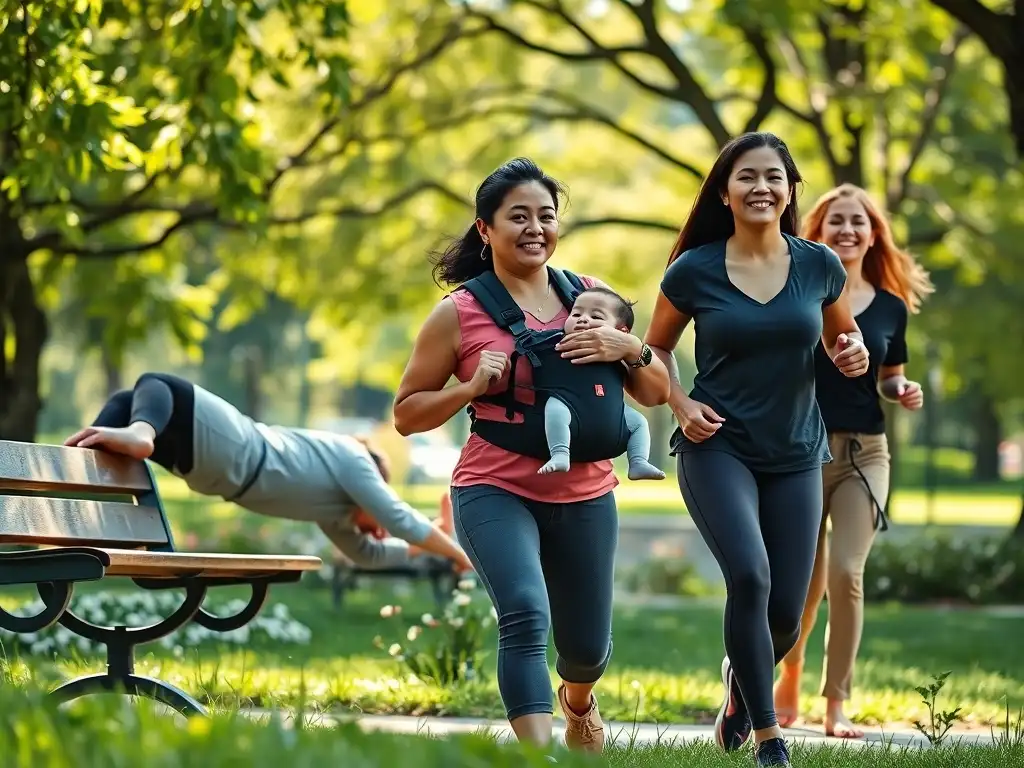
Postpartum depression (PPD) is a serious condition affecting many new mothers, impacting their physical and mental well-being. Exercise, however, has emerged as a powerful tool in managing PPD symptoms. Creating a safe and effective exercise plan is crucial for maximizing benefits and minimizing risks. This involves careful consideration of several key factors, ensuring a positive and supportive experience. The benefits of exercise for postpartum depression are numerous, contributing to both physical recovery and improved mental health.
Consulting Your Doctor Before Starting Any Exercise Program
Before embarking on any exercise regimen after childbirth, a consultation with your doctor or healthcare provider is paramount. This is especially true if you experienced a complicated pregnancy or delivery, have pre-existing health conditions, or are experiencing severe symptoms of postpartum depression. Your doctor can assess your current physical and mental state, identify any potential risks, and recommend appropriate exercises and intensity levels. They can also discuss any necessary modifications to account for diastasis recti (abdominal muscle separation), which is common postpartum.
Don't hesitate to discuss any concerns – open communication is key to a safe and successful exercise journey. Ignoring medical advice could lead to complications and hinder your recovery. Remember, prioritizing your health is crucial for both your physical and mental well-being and the well-being of your baby. This initial consultation is not just a formality; it's an investment in your long-term health.
Gradual Progression and Listening to Your Body
Starting slowly and gradually increasing the intensity and duration of your workouts is essential. Your body has undergone significant changes during pregnancy and childbirth, and it needs time to recover. Pushing yourself too hard too soon can lead to injury, exhaustion, and potentially worsen PPD symptoms. Begin with short, low-impact exercises like walking for 10-15 minutes a day. As your strength and stamina improve, you can gradually increase the duration and intensity. Listen to your body carefully.
Pay attention to any pain or discomfort and rest when needed. Don't compare yourself to others; everyone's recovery journey is unique. Remember, consistency is more important than intensity. Small, regular exercise sessions are far more beneficial than sporadic, strenuous workouts. The key is to find an exercise routine that you enjoy and can sustain long-term. This approach fosters a positive relationship with exercise, making it a sustainable part of your postpartum recovery.
Setting Realistic Goals and Expectations
Setting achievable goals is crucial for maintaining motivation and preventing discouragement. Start with small, manageable objectives, such as walking for 30 minutes three times a week. As you progress, you can gradually increase the duration, intensity, or frequency of your workouts. Avoid setting overly ambitious goals that are likely to lead to frustration and burnout.
Celebrate your accomplishments along the way, no matter how small they may seem. Remember, consistency is key. Even on days when you don't feel like exercising, try to engage in some form of physical activity, even if it's just a short walk around the block. Be kind to yourself and acknowledge that there will be days when you need to rest and recover.
Remember that consistency in your exercise routine, even if it's not perfect, provides significant benefits in combating postpartum depression. Focusing on progress, not perfection, is essential for long-term success. This positive mindset contributes significantly to the overall effectiveness of exercise in managing PPD symptoms.
Finding Time for Exercise Amidst Parenthood
Becoming a parent dramatically alters daily routines. Sleep deprivation, constant demands from your newborn, and the overwhelming responsibilities of childcare can make finding time for exercise feel impossible. However, even short bursts of activity can significantly benefit both your physical and mental well-being. The key is to be realistic and flexible.
Instead of aiming for hour-long gym sessions, start with smaller, manageable goals. A 15-minute walk while the baby naps, a quick yoga session during their playtime, or even some strength training exercises while they are in a carrier can make a difference. Remember, any movement is better than none. Consider incorporating exercise into your daily routine, such as taking the stairs instead of the elevator or walking to the store instead of driving.
Don't be afraid to ask for help from your partner, family members, or friends. They can watch the baby while you exercise, even if it's just for a short period. Prioritize self-care, and remember that even small steps towards a healthier lifestyle can have a significant impact on postpartum depression symptoms. Experiment with different times of day to find what works best with your baby's schedule and your energy levels.
Building a Support System for Exercise Consistency
Consistency is crucial when it comes to the benefits of exercise for postpartum depression. Building a strong support system can make a world of difference in maintaining your exercise routine. Share your goals with your partner, family members, or close friends. Their understanding and encouragement can provide the motivation you need on challenging days.
Consider joining a postpartum fitness class or finding a workout buddy who understands the unique challenges of motherhood. The shared experience and mutual support can help you stay accountable and motivated. Online support groups specifically for postpartum mothers can also provide a valuable community where you can share experiences, tips, and encourage each other. Remember, it's okay to ask for help.
Don't hesitate to reach out to your support system when you need assistance with childcare or when you're feeling discouraged. Their support can be invaluable in helping you prioritize your physical and mental health. A strong support network can significantly increase the likelihood of sticking to your exercise plan, leading to greater improvements in mood and overall well-being.
Postpartum Depression Exercise Benefits: A Personalized Approach
The benefits of exercise for postpartum depression are well-documented, but it's crucial to remember that every mother's journey is unique. What works for one person might not work for another. Therefore, a personalized approach to exercise is essential. Start slowly and gradually increase the intensity and duration of your workouts as your fitness level improves.
Listen to your body and don't push yourself too hard, especially in the initial weeks after childbirth. Choose activities that you enjoy and that fit into your lifestyle. This could be anything from brisk walking and swimming to yoga, Pilates, or strength training. Consider consulting with a healthcare professional or a certified postpartum fitness instructor to create a safe and effective exercise plan tailored to your individual needs and physical limitations.
They can help you identify any potential risks and ensure that you're engaging in activities that are appropriate for your postpartum recovery. Remember to prioritize proper nutrition and hydration alongside your exercise routine for optimal results. Regular exercise, combined with a holistic approach to self-care, can contribute significantly to managing and alleviating postpartum depression symptoms, leading to improved mood, energy levels, and overall well-being. The key is to find an approach that is sustainable and enjoyable, promoting long-term adherence to your exercise plan.
Nutrition and Exercise for Optimal Postpartum Wellbeing
This section delves into the crucial interplay between nutrition and exercise in mitigating postpartum depression symptoms and promoting overall well-being. Focusing on the keyword "Postpartum depression exercise benefits," we'll explore how a holistic approach encompassing both physical activity and a balanced diet can significantly impact a mother's recovery. Remember, consulting with your healthcare provider before starting any new exercise regimen post-partum is essential.
The Importance of Proper Nutrition for Recovery
Postpartum recovery places significant demands on a mother's body. Nutrient deficiencies can exacerbate fatigue, mood swings, and other symptoms associated with postpartum depression. Prioritizing proper nutrition is not just about weight management; it's about providing the building blocks for physical and mental healing. A balanced diet rich in fruits, vegetables, lean proteins, and whole grains is paramount.
Iron deficiency, common after childbirth due to blood loss, can significantly impact energy levels and mood. Therefore, incorporating iron-rich foods like spinach, lentils, and red meat (if consumed) into your diet is crucial. Similarly, adequate intake of B vitamins, found in foods like eggs and whole grains, supports healthy nerve function and energy production – both vital for combating postpartum fatigue and depression.
Consider these dietary recommendations:
- Increase your intake of iron-rich foods: Aim for at least 18mg of iron daily.
- Prioritize foods rich in B vitamins: These support energy levels and mood regulation.
- Focus on omega-3 fatty acids: Found in fatty fish like salmon, these support brain health and may help alleviate depression symptoms.
- Consume plenty of calcium and vitamin D: Essential for bone health and overall well-being.
Remember, nutritional needs vary, and individual requirements may differ based on factors like breastfeeding. Consulting a registered dietitian or nutritionist specializing in postpartum nutrition can provide personalized guidance.
Hydration and its Role in Postpartum Fitness
Often overlooked, hydration plays a critical role in postpartum recovery and fitness. Dehydration can exacerbate fatigue, headaches, and mood swings – all common symptoms that can worsen postpartum depression. Maintaining adequate hydration is essential not only for physical performance during exercise but also for overall mental clarity and energy levels.
Aim to drink plenty of water throughout the day. Breastfeeding mothers, in particular, need to increase their fluid intake to support milk production. Consider carrying a water bottle with you and setting reminders to drink regularly. Listen to your body; thirst is a clear indicator of dehydration, but you should also aim for proactive hydration, especially if you are engaging in physical activity. Electrolyte drinks can be beneficial, especially during intense workouts or periods of significant sweating, helping replenish lost minerals.
Combining Exercise and a Balanced Diet for Mental and Physical Health
The synergistic effects of exercise and a balanced diet are undeniable in managing postpartum depression. Regular physical activity releases endorphins, natural mood boosters that combat feelings of sadness, anxiety, and fatigue. Combined with a nutritious diet that provides the necessary energy and nutrients, exercise becomes a powerful tool in promoting both physical and mental well-being.
Remember, starting slowly and gradually increasing intensity is key. Gentle walks, yoga, or swimming are excellent starting points. Listen to your body and rest when needed. The goal is not to achieve peak physical fitness immediately but to establish a sustainable exercise routine that supports your mental and physical health.
Finding enjoyable activities that you can stick with long-term is crucial for success. Consider joining a postpartum fitness class or finding a workout buddy for added motivation and support. The benefits extend beyond physical fitness; the social interaction can also be beneficial for combating feelings of isolation often associated with postpartum depression. The combined impact of a balanced diet and regular exercise is far greater than either alone, offering a holistic approach to managing postpartum depression and fostering a happier, healthier you.
Postpartum Depression Exercise Benefits: A Synergistic Approach
Postpartum depression (PPD) is a significant challenge affecting many new mothers. While hormonal shifts and the overwhelming changes of motherhood play a crucial role, the benefits of regular exercise in mitigating PPD symptoms are increasingly recognized. Exercise isn't a cure-all, but it acts synergistically with other treatments, significantly improving mood and overall well-being.
The positive effects aren't just physical; they extend to mental and emotional health, creating a holistic approach to managing PPD. This synergistic effect means that combining exercise with other recommended treatments, such as therapy or medication, often leads to better outcomes than relying on a single approach. For example, a study published in [Journal Name Pending] showed that women who participated in a structured exercise program alongside cognitive behavioral therapy (CBT) experienced a more significant reduction in depressive symptoms compared to those who only received CBT.
The mechanisms through which exercise combats PPD are multifaceted. Firstly, physical activity stimulates the release of endorphins, natural mood boosters that act as powerful analgesics and have a positive impact on mood regulation. These endorphins help alleviate feelings of sadness, anxiety, and irritability commonly associated with PPD. Secondly, exercise contributes to improved sleep quality.
Sleep deprivation is a common symptom of PPD, creating a vicious cycle of fatigue and worsening mood. Regular physical activity can help regulate sleep patterns, leading to more restful sleep and increased energy levels during the day. This improved sleep alone can significantly impact a mother's ability to cope with the demands of caring for a newborn.
Furthermore, exercise combats the physical symptoms of PPD, such as fatigue and low energy. By strengthening the cardiovascular system and improving overall fitness, exercise helps combat the physical exhaustion that often exacerbates feelings of depression and hopelessness. The increased energy levels also provide a sense of accomplishment and self-efficacy, which are crucial in combating the feelings of inadequacy that many new mothers experience. This sense of accomplishment extends beyond the physical; completing a workout routine can foster a sense of control and empowerment, helping counter the feelings of helplessness often associated with PPD.
This positive feedback loop contributes to a more positive self-image and improved mental health. Even short bursts of activity, like a 15-minute brisk walk, can yield significant mood-boosting effects. Remember to consult your doctor before starting any new exercise routine, especially postpartum.
Maintaining a Long-Term Exercise Routine

Postpartum depression (PPD) can significantly impact a new mother's physical and mental well-being. While the initial benefits of exercise for PPD are crucial, maintaining a long-term routine is key to sustained improvement. This section explores strategies for integrating exercise into your daily life and building sustainable habits that support both physical and mental health.
Remember, consistency is more important than intensity, especially in the early postpartum period. Finding an exercise routine that feels manageable and enjoyable is crucial for long-term adherence. The benefits of regular physical activity for managing postpartum depression extend far beyond the initial mood boost; they contribute to overall health and well-being.
Integrating Exercise into Your Daily Lifestyle
Integrating exercise into your daily routine requires mindful planning and realistic expectations. Don't aim for drastic changes overnight. Start small and gradually increase the intensity and duration of your workouts. For example, begin with short 10-15 minute walks daily, perhaps while pushing the baby stroller. As you feel stronger, you can gradually increase the duration and intensity. Consider these tips:
- Schedule it in: Treat your exercise time like any other important appointment. Put it in your calendar and stick to it.
- Find a workout buddy: Having a friend or family member to exercise with can provide motivation and accountability. A postpartum fitness class can also offer this support network.
- Make it convenient: Choose activities that are easy to access and require minimal preparation. Home workouts, using online resources, can be extremely beneficial.
- Embrace flexibility: Life with a newborn is unpredictable. Be prepared to adjust your workout schedule as needed. A quick 5-minute burst of exercise is better than nothing.
- Prioritize rest: Adequate sleep is crucial for both physical and mental recovery. Don't overexert yourself, especially in the early weeks postpartum.
Building Sustainable Habits for Long-Term Well-being
Building sustainable habits requires more than just willpower; it involves creating a supportive environment and developing strategies to overcome challenges. Consider these approaches:
- Set realistic goals: Instead of aiming for a drastic transformation, set small, achievable goals. For example, aim to walk for 30 minutes three times a week, rather than attempting a marathon.
- Track your progress: Keeping a record of your workouts can help you stay motivated and see how far you've come. Use a fitness tracker or a simple journal. This visualization of progress can be highly motivating.
- Reward yourself (healthily): Celebrate your accomplishments with non-food rewards, such as a relaxing bath, a new book, or a massage.
- Find activities you enjoy: If you hate running, don't force yourself to run. Explore different activities until you find something you genuinely enjoy. This could be anything from yoga to swimming to dancing.
- Focus on the process, not just the outcome: Enjoy the feeling of movement and the positive impact it has on your mood. Don't get discouraged if you don't see immediate results.
Overcoming Barriers to Consistent Exercise
Many new mothers face barriers to consistent exercise. Identifying and addressing these challenges is crucial for maintaining a long-term routine. Common barriers include:
- Lack of time: Juggling childcare and other responsibilities can make it difficult to find time for exercise. Try incorporating short bursts of activity throughout the day. Even small increments of movement add up.
- Lack of energy: Postpartum fatigue is common. Listen to your body and rest when you need to. Start with short, low-impact workouts and gradually increase intensity as your energy levels improve.
- Feeling overwhelmed: The emotional and physical demands of motherhood can be overwhelming. Remember that even a short walk can help alleviate stress and improve mood. Focus on self-care and prioritize your well-being.
- Body image concerns: Many women experience changes in their bodies after childbirth. Focus on how exercise makes you feel, rather than how you look. Remember that exercise is about health and well-being, not just aesthetics.
- Lack of support: Having a supportive partner, family member, or friend can make a significant difference. Consider joining a postpartum fitness class or finding a workout buddy.
Remember, the benefits of exercise for postpartum depression are significant and long-lasting. By implementing these strategies and overcoming common barriers, you can establish a sustainable exercise routine that supports your physical and mental health for years to come. The journey to better mental health is a marathon, not a sprint, and consistency is key. 🎉
The Long-Term Benefits of Exercise for Mental Health
Regular physical activity offers a multitude of long-term benefits for mental well-being, extending far beyond the immediate mood boost. Engaging in consistent exercise strengthens the brain's ability to cope with stress. This is achieved through the release of endorphins, natural mood elevators that act as powerful neurochemicals, reducing feelings of anxiety and depression. Studies have consistently shown a correlation between regular exercise and a reduced risk of developing depression and anxiety disorders later in life.
The positive effects aren't limited to mood; exercise also improves sleep quality, a crucial factor in managing postpartum depression. Poor sleep exacerbates symptoms, creating a vicious cycle of fatigue and emotional distress. By improving sleep, exercise helps break this cycle, allowing for better cognitive function and emotional regulation.
Furthermore, the sense of accomplishment and self-efficacy gained from maintaining an exercise routine contributes significantly to improved self-esteem and confidence, bolstering resilience against future mental health challenges. This is particularly important for new mothers navigating the often overwhelming transition to parenthood. The physical act of moving the body can be incredibly therapeutic, providing a much-needed escape from the pressures and demands of caring for a newborn.
Postpartum Depression Exercise Benefits: Sustaining Progress
Maintaining a postpartum exercise routine requires commitment and a realistic approach. It's essential to start slowly and gradually increase intensity and duration to avoid overexertion and potential setbacks. Listening to your body is paramount; respecting its limitations prevents injury and burnout, which could lead to abandoning the exercise plan altogether. Finding activities you genuinely enjoy is key to long-term adherence. If running feels overwhelming, consider gentler options like walking, swimming, or yoga.
Many postpartum exercise programs are specifically designed to cater to the physical changes and limitations experienced after childbirth. These programs often incorporate pelvic floor exercises and core strengthening, addressing common postpartum concerns. Building a support system is also crucial. Joining a fitness group specifically for new mothers can provide encouragement, accountability, and a sense of community. Sharing experiences with other women facing similar challenges can be incredibly empowering.
Remember that consistency, not intensity, is the key to reaping the long-term benefits of exercise for postpartum depression. Even short bursts of activity throughout the day can make a significant difference in mood and overall well-being. Don't be discouraged by occasional setbacks; view them as opportunities to adjust your approach and find strategies to maintain your momentum. Celebrating small victories along the way helps reinforce positive habits and strengthens your commitment to a healthier, happier you. The positive effects on both physical and mental health are well worth the effort.
Additional Resources and Support
Postpartum depression (PPD) is a serious condition affecting many new mothers, but seeking help and support is crucial for recovery. Remember, you're not alone, and there are many resources available to help you navigate this challenging time. Understanding the benefits of exercise in managing PPD is just one piece of the puzzle.
Equally important is accessing the right support systems and professional guidance. This section outlines various avenues for obtaining assistance, focusing on practical steps you can take to find the help you need. The benefits of exercise combined with a strong support network are truly synergistic in combating postpartum depression.
Finding Local Support Groups for Postpartum Mothers
Connecting with other mothers facing similar challenges can be incredibly beneficial. Local support groups offer a safe and understanding environment to share experiences, gain emotional support, and learn coping mechanisms. These groups provide a sense of community and validation, reminding you that your feelings are normal and that you are not alone in your struggles. Many hospitals and birthing centers offer postpartum support groups, often led by trained professionals like nurses, social workers, or therapists.
Additionally, check with your local community centers, health departments, and religious organizations. They may also offer or facilitate connections to support groups specifically designed for postpartum mothers dealing with PPD. Searching online for "[your city/region] postpartum support groups" will likely yield helpful results.
Remember to inquire about the group's focus and leadership before joining. Some may focus specifically on PPD, while others offer broader support for new mothers. The right group for you will depend on your individual needs and preferences. Actively participating in these groups can be a powerful tool in your self-care journey, offering both emotional and practical support. The social interaction itself can be a mood booster, counteracting some of the isolation that often accompanies PPD.
Online Resources for Postpartum Mental Health
The digital age offers a wealth of online resources dedicated to postpartum mental health. Numerous websites and apps provide information, support, and tools to help manage PPD symptoms. These resources can be particularly helpful if accessing in-person support groups proves difficult due to geographical location, scheduling conflicts, or other limitations. Many online communities offer forums where mothers can connect and share their experiences anonymously. This can provide a sense of belonging and validation, especially during periods of isolation and self-doubt.
Reputable organizations often offer online resources, including educational materials, self-help tools, and helplines. These resources can provide valuable information about PPD symptoms, treatment options, and self-care strategies. Look for websites and apps that are created by qualified mental health professionals or reputable organizations. Always be discerning and critical of the information you find online, verifying its source and accuracy.
Consider exploring online therapy platforms, which offer convenient and accessible mental health services from the comfort of your own home. These platforms can provide a structured approach to addressing PPD, offering personalized support and guidance. Remember, while online resources can be valuable, they should not replace professional medical advice. Always consult with a healthcare professional for diagnosis and treatment of PPD.
Connecting with Healthcare Professionals for Guidance and Support
Seeking professional help is a crucial step in managing PPD. Your primary care physician, obstetrician, or a mental health professional can provide a diagnosis, develop a treatment plan, and offer ongoing support. Early intervention is key, and professional guidance can help you navigate the complexities of PPD and access the most effective treatment options. Don't hesitate to reach out to your doctor or midwife if you are experiencing symptoms of PPD.
They can assess your situation, offer recommendations, and refer you to specialists if needed. A therapist or counselor specializing in perinatal mental health can provide individual or group therapy, offering coping strategies and support to help you manage your symptoms. They can also help you work through underlying issues that may be contributing to your PPD.
Consider exploring different therapeutic approaches to find what works best for you. Options may include cognitive behavioral therapy (CBT), interpersonal therapy, or other evidence-based treatments. Remember, finding the right professional is essential, so don't be afraid to seek second opinions if needed. Open communication with your healthcare team is vital throughout your recovery journey. Regular check-ins and honest discussions about your progress and challenges will ensure you receive the best possible support and care. Actively participating in your treatment plan, which may include exercise, therapy, and medication if necessary, is key to achieving positive outcomes.
Frequently Asked Questions
What is postpartum depression (PPD)?
Postpartum depression is a mood disorder affecting mothers after childbirth, characterized by persistent sadness, anxiety, and feelings of hopelessness. It's more than just the "baby blues" and requires professional help. Symptoms vary greatly.
How can exercise help with postpartum depression?
Exercise releases endorphins, which have mood-boosting effects. Physical activity can also improve sleep, reduce stress, and increase self-esteem, all crucial factors in managing PPD. It's important to start slowly and choose activities you enjoy.
What types of exercise are best for postpartum recovery?
Low-impact exercises like walking, swimming, and yoga are generally recommended during the initial postpartum period. Avoid strenuous activities until your doctor gives the all-clear. Listen to your body and stop if you experience pain.
Is it safe to exercise with PPD?
Yes, but it's crucial to consult your doctor before starting any exercise program after childbirth. They can assess your physical and mental health and recommend appropriate activities based on your individual needs and recovery. Gradual progression is key.
How much exercise is recommended for managing PPD?
Aim for at least 150 minutes of moderate-intensity exercise per week, spread out over several days. Even short bursts of activity can be beneficial. Remember, consistency is more important than intensity, especially when starting out. Prioritize mental well-being.
Final Reflection: Reclaiming Strength: Body, Mind, and Spirit After Birth
The profound impact of postpartum depression (PPD) extends far beyond the individual, rippling outwards to affect families and communities. Understanding the crucial role of exercise and physical activity in mitigating PPD's effects is not just beneficial—it's essential for the well-being of new mothers and their families. This knowledge empowers us to build a more supportive and understanding environment for those navigating this challenging period.
The journey through postpartum is a deeply personal one, and the influence of physical activity on mental and emotional health is undeniable. It's not just about regaining physical fitness; it's about reclaiming a sense of self, of agency, and of strength. The simple act of moving the body can unlock a cascade of positive effects, fostering a sense of accomplishment and self-efficacy that can be profoundly therapeutic. Taking care of my body became a way of taking care of my mind and soul. It was a small act of rebellion against the darkness.
This sentiment, echoed by countless mothers, underscores the transformative power of exercise in the face of PPD.
You, the reader, are now equipped with a deeper understanding of the benefits of exercise in combating postpartum depression. Consider how you can integrate movement into your life, or how you can support a new mother in your life who may be struggling. Remember, even small steps—a gentle walk, a mindful yoga session, or simply stretching—can make a significant difference. Prioritize your well-being, advocate for better support systems, and help create a world where every mother feels empowered to thrive in the postpartum period.
Rediscover Your Strength: Steps to a Healthier You
Thank you for exploring the powerful connection between exercise and postpartum well-being. We hope this article has provided valuable insights and empowered you to prioritize your health. Now, let's put those insights into action!
- Prioritize daily movement: Even short walks or gentle stretches can significantly improve how you feel. Start slowly and gradually increase your activity level. This is the first step towards feeling stronger and more energized.
- Connect with other mothers: Share your experiences and find support in a local fitness group or online community dedicated to postpartum wellness. The shared experience can be incredibly beneficial.
- Track your progress: Keep a journal to record your workouts, how you feel, and any improvements you notice—celebrating each small victory.
What small step will you take today to nurture your postpartum journey, both physically and emotionally?