
Baby Thermometer Features: What to Look for When Buying

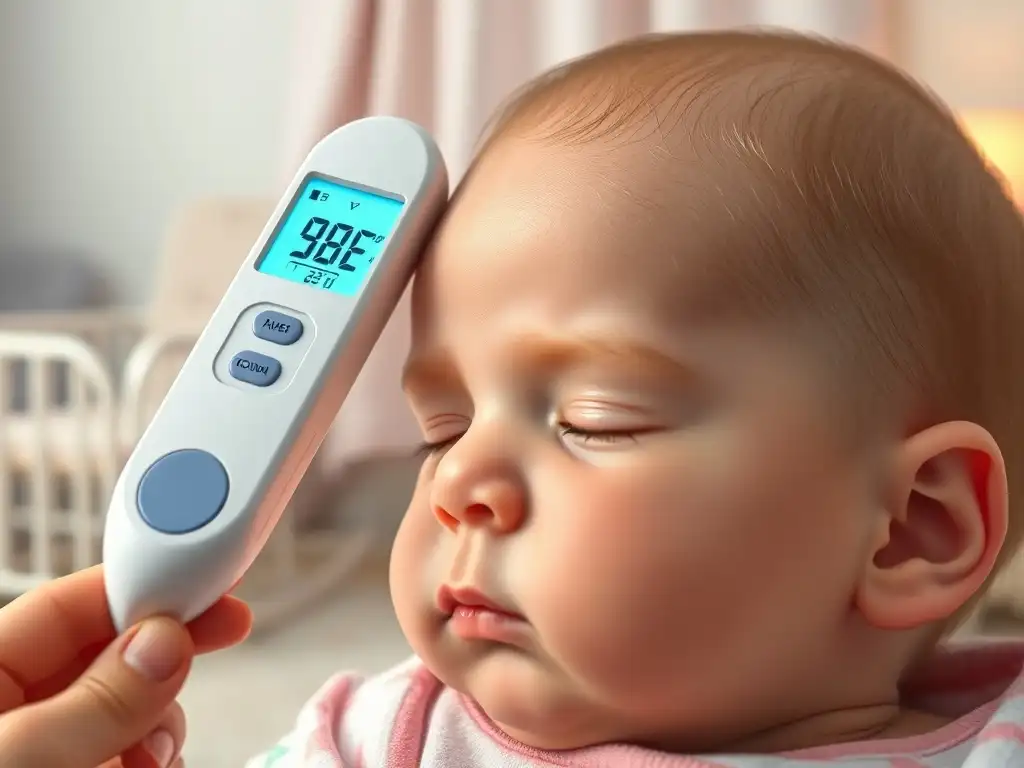
Welcome to BabyCareHub, your ultimate guide to navigating the exciting yet challenging world of parenthood! Are you ready to confidently tackle the everyday joys and anxieties of raising your little one? We understand the overwhelming choices you face, especially when it comes to essential baby gear. That's why we've compiled expert advice on everything from feeding schedules to developmental milestones. Discover what truly matters in choosing the best baby thermometer features and gain the knowledge you need to make informed decisions. Let's embark on this journey together!
- Understanding Different Types of Baby Thermometers
- Essential Features of the Best Baby Thermometers
- Choosing the Right Baby Thermometer Based on Your Needs
- Frequently Asked Questions (FAQs) About Baby Thermometers
- Frequently Asked Questions
- Final Reflection: The Temperature of Trust: Choosing the Right Baby Thermometer
- Unlock Your Baby's Comfort: Master Temperature Monitoring!
Understanding Different Types of Baby Thermometers
Taking your baby's temperature accurately is crucial for early detection of illness. As a first-time parent, navigating the world of baby thermometers can feel overwhelming. This guide will help you understand the different types of baby thermometers available, their features, and what to look for when making your purchase. We'll explore the pros and cons of various models to help you choose the best baby thermometer for your needs, ultimately contributing to your baby's health and well-being.
Choosing the right thermometer ensures you get accurate readings quickly and comfortably, minimizing stress for both you and your little one. This is especially important for promptly addressing potential fevers and seeking appropriate medical attention when necessary. Finding the best baby thermometer features is key to confident and effective baby care.
Digital Ear Thermometers: Speed and Accuracy for Fussy Babies
Digital ear thermometers, also known as tympanic thermometers, offer a quick and relatively comfortable way to take your baby's temperature. They measure the infrared radiation emitted from the eardrum, providing a reading in seconds. This is particularly beneficial when dealing with fussy or restless babies who might find other methods more challenging. However, accuracy can be affected by earwax buildup or improper placement of the thermometer. It's vital to follow the manufacturer's instructions carefully for accurate results. Using a digital ear thermometer correctly can significantly reduce the time and stress involved in temperature-taking.
Braun ThermoScan 7: Pros and Cons of a Popular Choice
The Braun ThermoScan 7 is a widely used digital ear thermometer known for its speed and ease of use. Pros include its quick reading time (around 2 seconds), pre-warmed tip for added comfort, and a large, easy-to-read display. However, some users report inconsistencies in readings, potentially due to improper technique. The cost is also a factor to consider, as it's positioned at the higher end of the price range for ear thermometers. Furthermore, the reliance on disposable lens covers adds to the ongoing expense.
Exergen TemporalScanner: Features Comparison and Price Analysis
The Exergen TemporalScanner is a forehead thermometer that uses temporal artery temperature measurement. It provides a contactless reading by scanning the temporal artery on the forehead, making it a convenient option for wiggly babies. Compared to the Braun ThermoScan 7, it offers a potentially less invasive method, but accuracy might be slightly lower depending on the user's technique. The price point is generally more competitive than the Braun, and it doesn't require disposable covers, reducing long-term costs. A direct comparison of features and pricing between these two popular models is crucial for informed decision-making.
Rectal Thermometers: The Gold Standard for Accuracy
Rectal thermometers are considered the gold standard for accuracy in measuring a baby's temperature. They provide the most precise readings, as they directly measure the core body temperature. While this method might seem intrusive, it's often the most reliable, especially when a fever is suspected or precise measurements are critical. However, it requires a degree of comfort and skill from the caregiver and is generally not preferred for frequent use due to the potential for discomfort for the baby.
Choosing the Right Rectal Thermometer: Safety and Hygiene Tips
When choosing a rectal thermometer, prioritize safety and hygiene. Look for a thermometer with a flexible, rounded tip to minimize the risk of injury. Always ensure the thermometer is thoroughly cleaned and disinfected before and after each use. Using a disposable sheath can further enhance hygiene. Remember, accurate temperature measurement is paramount, and while this method might be less convenient, its accuracy is unparalleled. Proper hygiene practices are essential to prevent the spread of germs.
Philips Avent Soothie Pacifier Thermometer: Features and User Reviews
The Philips Avent Soothie Pacifier Thermometer combines convenience and ease of use. It functions as both a pacifier and a thermometer, allowing for a less stressful temperature-taking experience. However, user reviews highlight that the accuracy might not be as high as dedicated rectal or ear thermometers, making it best suited for occasional checks rather than critical situations. While convenient, the combined functionality might impact the accuracy of readings, making it a supplementary rather than primary thermometer option.
Temporal Artery Thermometers: Non-Invasive and Quick Readings
Temporal artery thermometers offer a swift and non-invasive method for checking a baby's temperature. Unlike rectal or axillary thermometers, they require no direct contact with sensitive areas, making them a popular choice among parents. These thermometers use infrared technology to scan the temporal artery, located on the forehead, and provide a reading within seconds. This speed is particularly beneficial when dealing with a fussy or unwell baby, minimizing discomfort and stress for both parent and child.
The ease of use makes them ideal for inexperienced parents navigating the sometimes-challenging world of baby care. Many models offer additional features such as fever alerts and memory storage for tracking temperature trends over time. This feature is invaluable for monitoring a baby's recovery from illness or for identifying potential patterns in temperature fluctuations.
The quick readings also allow for more frequent temperature checks without causing unnecessary distress. However, it's crucial to follow the manufacturer's instructions carefully for accurate readings. Incorrect placement or improper cleaning can affect the accuracy of the results.
Choosing a Temporal Artery Thermometer: Factors to Consider
Selecting the right temporal artery thermometer involves considering several key factors. Firstly, accuracy is paramount. Look for models with a proven track record of reliable readings, often indicated by clinical studies or certifications. Secondly, ease of use is crucial, especially during stressful situations.
Consider the size and shape of the device, ensuring it's comfortable to hold and easy to operate with one hand. The display should be clear and large enough for easy readability, even in low-light conditions. Thirdly, features such as fever alerts, memory storage, and multiple user profiles can significantly enhance usability and convenience. These features can save time and provide valuable insights into your baby's health trends.
Finally, durability and battery life are important considerations. A robust thermometer that can withstand daily use and offers a long battery life will provide better long-term value. Consider user reviews to gauge the reliability and longevity of different models before making a purchase. Reading independent reviews can provide valuable insights into the user experience and potential drawbacks of specific models.
Withings Thermo: A Detailed Review
The Withings Thermo is a popular temporal artery thermometer lauded for its accuracy and ease of use. Its sleek design and intuitive interface make it a favorite among parents. The thermometer uses advanced infrared technology to provide fast, accurate readings. Many users praise its large, clear display, which makes it easy to read the temperature even in dimly lit rooms.
The Withings Thermo also provides a color-coded fever indicator, making it easy to quickly assess your baby's temperature status. Furthermore, the device automatically stores readings in a connected app, allowing you to track your baby's temperature history over time. This feature can be incredibly useful for monitoring trends and identifying potential health issues.
While generally praised, some users have noted that the device can be sensitive to the angle of placement on the forehead. Therefore, careful adherence to the manufacturer's instructions is key for achieving consistently accurate readings. The connected app functionality requires a smartphone and internet connectivity, which might be a limiting factor for some users.
Pacifier Thermometers: Convenient for Monitoring Temperature Discreetly
Pacifier thermometers offer a discreet and convenient method for monitoring a baby's temperature, particularly useful for babies who are easily agitated by traditional methods. These thermometers are designed to be used like a regular pacifier, with a built-in sensor that measures the baby's temperature passively. The advantage lies in the non-invasive nature; the baby is likely to accept the pacifier without resistance, allowing for a temperature reading without the struggle often associated with other methods.
This makes them particularly helpful for routine monitoring or for quickly checking a temperature without causing distress. However, the accuracy of these thermometers may be slightly less precise than other methods, depending on the duration of use and whether the baby is actively sucking or not.
It's often recommended to use them in conjunction with other methods for a more comprehensive temperature assessment. The convenience, however, often outweighs the slight potential for less precise readings, especially for frequent, low-stress temperature checks.
Pacifier Thermometer Accuracy: Expectations and Limitations
While pacifier thermometers offer convenience, it's crucial to understand their limitations regarding accuracy. Because the temperature is measured indirectly via the oral cavity, readings might not always perfectly reflect the baby's core body temperature. Factors such as recent feeding, fluid intake, and the baby's activity level can all influence the accuracy of the reading. It’s important to note that these thermometers are generally best suited for monitoring trends rather than providing pinpoint accuracy.
If a high temperature is indicated, it is always recommended to follow up with a more accurate measurement method, such as a rectal or temporal artery thermometer, to confirm the reading. The accuracy of any pacifier thermometer will depend on the specific model and the manufacturer's quality control. Checking user reviews and comparing specifications from different brands can help you choose a more reliable option within this category.
Brown's Digital Pacifier Thermometer: User Experience and Feedback
Brown's Digital Pacifier Thermometer is one example of a commercially available pacifier thermometer. User feedback on this model is varied. Some parents appreciate its ease of use and the ability to discreetly monitor their baby's temperature.
The digital display is often cited as a positive feature, providing clear and easy-to-read results. However, some users have expressed concerns about the accuracy of the readings, particularly compared to other methods. The thermometer's effectiveness often depends on the baby's willingness to use the pacifier and the duration of use.
Many users report that the thermometer works best when the baby is calm and has been using the pacifier for several minutes. The battery life is also a point of discussion, with some users reporting that it needs replacing more frequently than expected. Overall, while the Brown's pacifier thermometer provides a convenient method, users should be aware of its limitations in terms of accuracy and battery life, and it’s crucial to cross-reference readings with a more precise method when a high temperature is indicated.
Essential Features of the Best Baby Thermometers
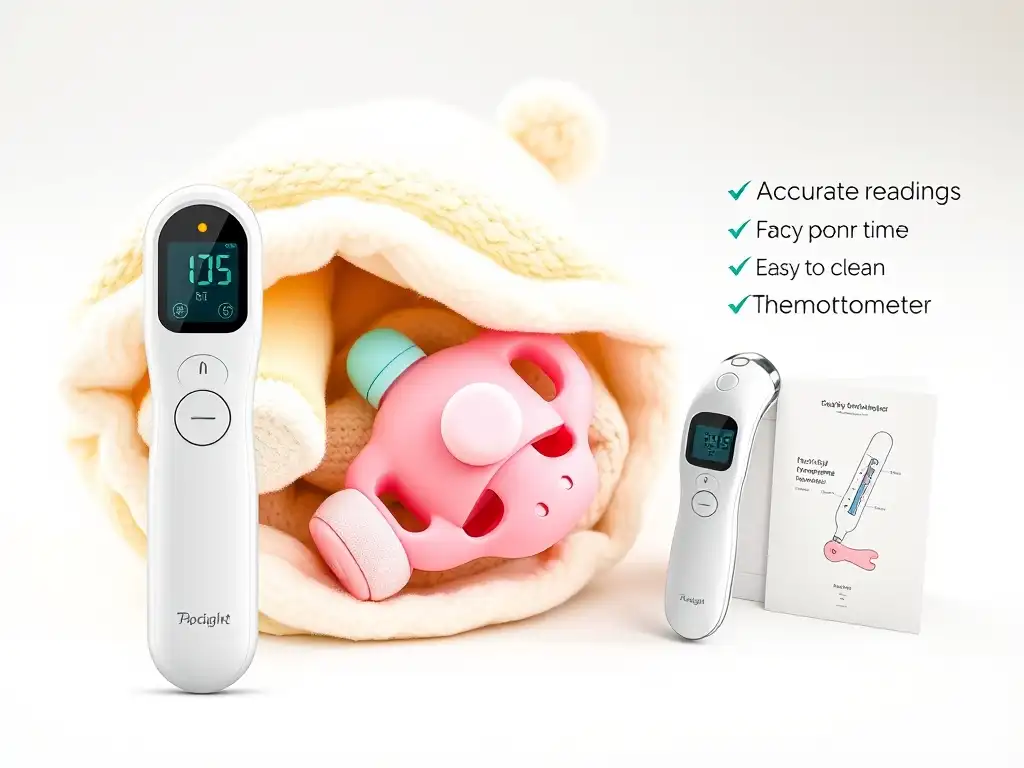
This section delves into the crucial features to consider when selecting a baby thermometer, ensuring accurate and efficient temperature readings for your little one. Choosing the right thermometer is paramount for effective baby health monitoring. Prioritizing accuracy, speed, and ease of use will significantly improve your experience and provide peace of mind.
Accuracy and Reliability: Ensuring Precise Temperature Readings
Accuracy is the most critical feature of any baby thermometer. An inaccurate reading can lead to unnecessary worry or, worse, delayed treatment. Look for thermometers with a proven track record of reliability and those that have undergone rigorous testing to ensure precision. Different thermometer types boast varying degrees of accuracy; for example, temporal artery thermometers are generally considered highly accurate but require precise placement. Rectal thermometers, while offering precise readings, are often less comfortable for the baby. The best baby thermometer features prioritize both accuracy and ease of use, finding a balance between these two essential aspects.
Calibration and Maintenance: Ensuring Long-Term Accuracy
Maintaining the accuracy of your baby thermometer is vital for continued reliable readings. Some thermometers require periodic calibration, which may involve using a control solution or comparing readings with a known accurate thermometer. Always refer to the manufacturer's instructions for specific calibration procedures.
Regular cleaning is also crucial to prevent the spread of germs and to ensure the longevity of the device. Proper cleaning methods will vary depending on the type of thermometer (e.g., wiping with alcohol for digital thermometers, sterilizing probe covers for pacifier thermometers). Neglecting calibration and maintenance can lead to inaccurate readings, potentially compromising your baby's health.
Understanding Temperature Ranges: What's Normal and When to Worry
Knowing the normal temperature range for babies is crucial for interpreting thermometer readings. A baby's normal temperature can vary slightly depending on their age, activity level, and even the time of day. Generally, a rectal temperature between 97.9°F (36.6°C) and 100.4°F (38°C) is considered within the normal range.
However, always consult your pediatrician for guidance on interpreting your baby's temperature readings and determining when to seek medical attention. Remember that a fever (generally above 100.4°F or 38°C) warrants prompt medical evaluation. Understanding these temperature ranges and knowing when to seek professional help is a key component of responsible baby care.
Speed of Reading: Minimizing Discomfort for Your Baby
The speed at which a thermometer provides a reading is another crucial factor, especially when dealing with a fussy or unwell baby. A quick reading minimizes the discomfort and distress caused by prolonged measurement. This is particularly important for younger babies who may be less tolerant of the process. Fast readings help reduce the overall stress level for both the parent and the child, making the experience more positive.
Fast Readings: The Importance of Quick Temperature Checks
Quick temperature checks are crucial for timely intervention, especially when dealing with a potential fever. Delay in diagnosis due to slow reading times can result in unnecessary discomfort for the baby and potentially hinder effective treatment. Thermometers that provide readings in under 10 seconds offer a significant advantage in these situations. The faster the reading, the quicker you can address any potential health concerns. This is one of the best baby thermometer features for parents who prioritize efficiency and minimizing their baby's discomfort.
Factors Affecting Reading Speed: Ambient Temperature and User Technique
While the thermometer's design contributes significantly to reading speed, other factors can influence the time it takes to get an accurate reading. The ambient temperature of the room can affect the speed of some thermometer types, especially those that rely on detecting surface temperature. Similarly, user technique plays a vital role. Correct placement of the thermometer is essential for accurate and timely readings. Improper placement can lead to inaccurate results and require repeat measurements, increasing the overall time taken. Understanding these factors can help you optimize the measurement process and obtain accurate readings quickly.
Ease of Use: Simple Operation for Parents
Finding a baby thermometer that's easy to use is crucial, especially during those late-night feedings or when your little one is fussy. The best baby thermometers prioritize simplicity and intuitive operation, minimizing parental stress and maximizing accuracy. A clear display is essential, showing the temperature reading prominently and without ambiguity. Avoid overly complicated models with multiple buttons or confusing menus; a straightforward design ensures quick and accurate readings, even when you're tired. The device should be lightweight and comfortable to hold, allowing for one-handed operation.
Consider the size and shape – a smaller, ergonomically designed thermometer will be easier to maneuver, particularly when dealing with a wiggling baby. Some thermometers offer features like automatic shut-off to conserve battery life and prevent accidental operation. This is a valuable feature for busy parents! Ultimately, a user-friendly design contributes significantly to a more positive experience when taking your baby's temperature.
User-Friendly Interface: Intuitive Design and Clear Instructions
The interface of a baby thermometer should be as intuitive as possible. Look for clear, large digital displays that are easy to read, even in low-light conditions. Ideally, the thermometer should use simple icons and minimal text, making it easy to understand at a glance. The instructions should be concise and easy to follow, with clear diagrams if necessary. Some thermometers offer multiple reading modes (e.g., oral, rectal, axillary) – the instructions should clearly explain how to use each mode accurately.
A well-designed interface reduces the chance of user error and ensures accurate temperature readings. Avoid thermometers with overly complex menus or confusing button layouts. Opt for a clean, uncluttered design that prioritizes simplicity and ease of understanding. A simple, straightforward interface is key to making temperature-taking a quick and efficient process.
Hygienic Design: Easy to Clean and Sanitize
Hygiene is paramount when it comes to baby care, and your baby's thermometer is no exception. The best baby thermometers are designed with easy cleaning and sanitization in mind. Look for thermometers with surfaces that are smooth and easy to wipe down. Avoid models with crevices or gaps where germs can accumulate. Ideally, the thermometer should be made of materials that can withstand regular cleaning with soap and water, or even alcohol wipes.
Some thermometers offer disposable probe covers for added hygiene, eliminating the need for extensive cleaning after each use. This is particularly useful in preventing the spread of germs between siblings or during periods of illness. A hygienic design ensures that your baby's thermometer remains clean and safe, reducing the risk of infection. Choosing a model that prioritizes hygiene is a crucial aspect of responsible baby care.
Age Appropriateness: Choosing the Right Thermometer for Your Baby's Age
Selecting the right thermometer for your baby's age is crucial for accurate and safe readings. Different types of thermometers are best suited for different age groups. Newborns and infants, for example, often require a different approach than toddlers. This is because their smaller size and delicate nature necessitate careful consideration of the measurement method and thermometer design.
Thermometer Features for Newborns: Safety and Precision
For newborns, accuracy and safety are paramount. Rectal thermometers are often considered the most accurate for newborns, but they require careful handling. Digital thermometers with flexible tips are gentler on sensitive skin. Look for thermometers with features like a fast reading time to minimize discomfort.
Features like fever alerts can also be beneficial, providing immediate notification of elevated temperatures. Prioritize a thermometer that offers precise readings to ensure you're making informed decisions about your baby's health. Remember, accuracy in temperature reading is crucial for early detection and treatment of potential health issues in newborns. Consider thermometers with age-specific features designed to minimize discomfort and maximize precision.
Choosing a Thermometer for Toddlers: Durability and Ease of Use
As babies grow into toddlers, the focus shifts slightly. While accuracy remains important, durability and ease of use become more significant factors. Toddlers are more mobile and may be less cooperative during temperature checks. Therefore, a thermometer that's robust enough to withstand some rough handling is ideal. A thermometer with a quick reading time is also advantageous, reducing the likelihood of frustration for both parent and child.
Consider a thermometer with a protective case or a design that is resistant to drops and bumps. Ease of use is also crucial; a simple, intuitive interface will make the process less stressful for both you and your toddler. The best thermometer for a toddler will balance accuracy with practicality, ensuring quick and reliable readings without excessive fuss. Look for a combination of durability, ease of use, and age-appropriate design elements.
Choosing the Right Baby Thermometer Based on Your Needs
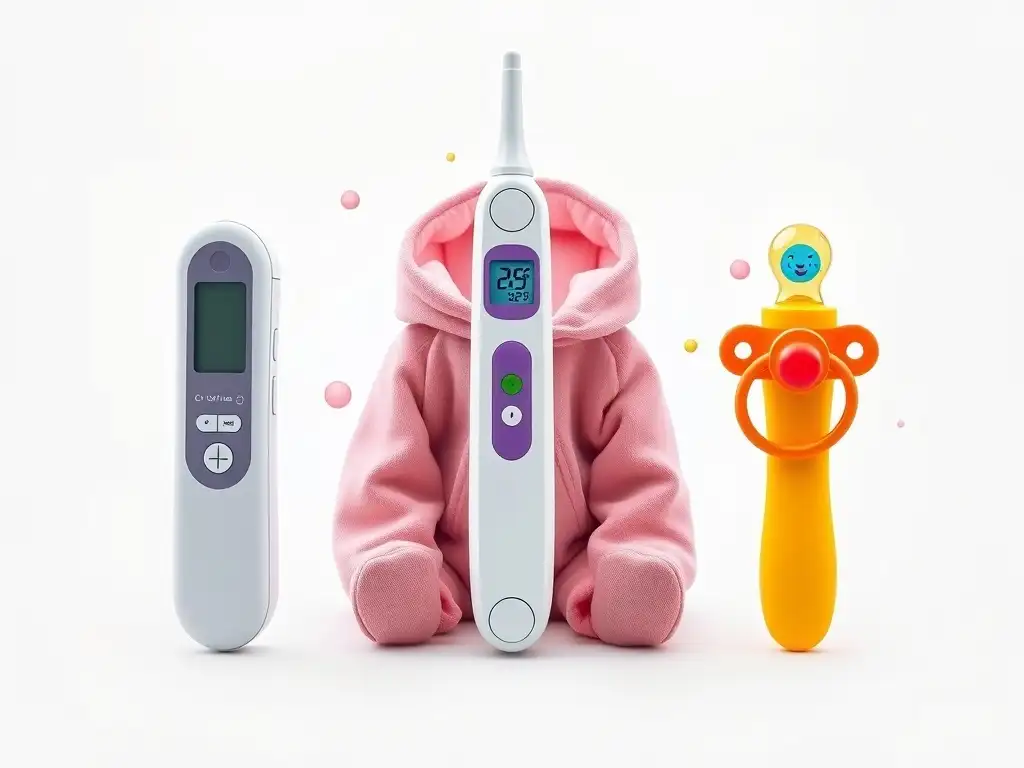
Choosing the right baby thermometer can feel overwhelming with so many options available. Understanding your needs and budget is the first step in finding the best baby thermometer features for your family. This section will explore various thermometer types and highlight key features to consider, helping you make an informed decision. The best thermometer for you will depend on factors like ease of use, accuracy requirements, and your price range.
We'll examine both budget-friendly and high-end options to guide your selection process. Remember, a reliable thermometer is crucial for monitoring your baby's health and ensuring prompt medical attention when necessary. Accurate temperature readings can help you quickly identify potential illnesses and provide the best possible care for your little one. Choosing wisely will give you peace of mind, knowing you have the tools to effectively manage your baby's health.
Budget-Friendly Baby Thermometers: Affordable Options Without Compromising Quality
Finding a reliable baby thermometer without breaking the bank is entirely possible. Several excellent options offer accurate readings without the hefty price tag of high-end models. These thermometers often prioritize simplicity and ease of use, making them perfect for first-time parents. While they may lack some advanced features, their core functionality remains strong, ensuring accurate temperature measurements for your baby's well-being. Consider factors like ease of cleaning and the display's clarity when making your choice. A quick reading time is also beneficial, especially when dealing with a fussy baby.
FridaBaby Intelliscan Ear Thermometer: Value for Money and Performance
The FridaBaby Intelliscan Ear Thermometer offers a compelling blend of affordability and performance. Its design prioritizes ease of use, with a large, easy-to-read digital display. Many parents praise its speed and accuracy, providing reliable readings in seconds. While not as feature-rich as some high-end models, it consistently delivers accurate results, making it a solid choice for budget-conscious parents. Its compact size and simple operation are additional plus points. User reviews frequently highlight its ease of cleaning, a significant advantage when dealing with potential germs. It's a great option for parents seeking a balance between cost-effectiveness and reliable performance.
Vicks SpeedRead Digital Thermometer: Feature Comparison and Review
The Vicks SpeedRead Digital Thermometer is another popular and affordable option. This thermometer is known for its speed and simplicity, providing readings quickly and efficiently. It features a flexible tip for comfortable use and a large, easy-to-read display. While it may not offer advanced features like fever alerts or memory storage, its reliability and ease of use make it a practical choice.
Direct comparison with the FridaBaby Intelliscan shows similarities in speed and accuracy, but the Vicks model often has a slightly lower price point. Consider the Vicks SpeedRead if you prioritize speed and affordability above all other features. Its consistent accuracy and simple operation make it a reliable tool for monitoring your baby's temperature.
High-End Baby Thermometers: Advanced Features and Precision
For parents seeking the most accurate and feature-rich options, high-end baby thermometers offer significant advantages. These thermometers often incorporate advanced technologies for superior precision and additional features to enhance convenience and usability. While the initial investment is higher, the improved accuracy and additional features can be invaluable, particularly for parents who frequently monitor their baby's temperature. These models often include features such as fever alerts, memory storage for tracking temperature trends, and multiple measurement options.
TempTraq Temperature Patch: Investment in Accuracy and Convenience
The TempTraq Temperature Patch represents a significant advancement in baby thermometer technology. This patch adheres to your baby's skin and continuously monitors their temperature for up to 72 hours. The data is then transmitted wirelessly to a smartphone app, providing a comprehensive temperature history. While the initial cost is higher than traditional thermometers, the continuous monitoring and detailed data logging offer significant benefits.
This eliminates the need for repeated measurements and provides a clearer picture of your baby's temperature fluctuations. The convenience and detailed data make it a worthwhile investment for many parents. The app interface is user-friendly and provides easy access to all recorded data.
iProven Thermometer: Features and Benefits Analysis
The iProven Thermometer is another high-end option that combines accuracy with advanced features. This thermometer often offers multiple measurement modes (oral, rectal, axillary), a large backlit display for easy viewing in low-light conditions, and a memory function to store previous readings. Its precision and ease of use make it a favorite among many parents.
The iProven often includes features like fever alerts and a silent mode, making it suitable for nighttime monitoring. Compared to the TempTraq patch, the iProven thermometer requires manual measurements, but it offers a combination of accuracy and advanced features at a price point that falls between budget-friendly and top-of-the-line options. Consider this option if you want advanced features but prefer a traditional thermometer format.
Baby Thermometers with Memory Function: Tracking Temperature Trends
Baby thermometers with memory functions are invaluable tools for monitoring your little one's temperature over time. This feature allows you to track temperature fluctuations, providing a more comprehensive picture of your baby's health than a single reading can offer. Instead of relying solely on your memory (which can be unreliable, especially during stressful situations! ), a thermometer with memory stores several past readings, often ranging from a few days to several weeks, depending on the model. This detailed record helps you identify potential trends and patterns in your baby's temperature.
Analyzing Temperature Patterns: Identifying Potential Health Issues
By reviewing the temperature history stored in the thermometer's memory, you can easily spot recurring fevers or subtle temperature changes that might otherwise go unnoticed. For example, a slight, gradual increase in temperature over several days could indicate an underlying infection developing slowly. Similarly, frequent temperature fluctuations might suggest a more complex health issue requiring immediate medical attention.
This continuous monitoring empowers you to make more informed decisions about your baby's care and seek medical advice promptly when necessary. Early detection of health issues, facilitated by the thermometer's memory function, can significantly improve your baby's prognosis and overall well-being. Analyzing these patterns should always be done in conjunction with observing your baby's overall behavior and symptoms.
Data Storage and Retrieval: Easy Access to Temperature History
The ease of accessing stored temperature data varies significantly between different thermometer models. Some models offer simple digital displays showing a recent history, while others might require downloading data to a smartphone app or computer. Ideally, look for a thermometer with a clear and intuitive interface that allows for quick and easy access to historical temperature readings.
Some models even allow you to export the data for sharing with your pediatrician, making it easier to communicate your baby's health information effectively. Consider how you intend to use this data and choose a model that suits your needs in terms of data storage capacity and accessibility. A user-friendly interface is crucial for busy parents who need to quickly access this critical information.
Choosing the Best Baby Thermometer for Your Family: A Buyer's Guide
Selecting the right baby thermometer involves carefully considering several factors to ensure accurate readings and a stress-free experience for both you and your baby. The best thermometer for one family might not be the best for another, as individual needs and preferences vary greatly. This buyer's guide will help you navigate the options and choose the ideal thermometer for your unique circumstances. Remember that accuracy, speed, and ease of use are key factors to consider.
Considering Your Lifestyle and Baby's Temperament
Your lifestyle and your baby's temperament are crucial factors in your thermometer selection. If you're always on the go, a portable, easy-to-use digital thermometer might be ideal. However, if you prefer more detailed readings and data analysis, a thermometer with memory and app connectivity might be a better choice. Consider your baby's temperament as well.
Some babies are more sensitive to touch than others. If your baby is easily upset, a quick-reading thermometer might be preferable to minimize discomfort. Think about how often you anticipate needing to take your baby's temperature and whether you need features like a fever alarm or memory function.
Factors to Prioritize: Accuracy, Speed, and Ease of Use
When choosing a baby thermometer, accuracy is paramount. Look for thermometers with a high degree of accuracy and those validated by reliable sources. Speed is also important, especially if your baby is fussy. A thermometer that provides a reading quickly minimizes discomfort and stress during the process. Ease of use is another critical factor.
Choose a thermometer with a clear interface and simple instructions. The less complicated the process, the easier it is for you to use the thermometer accurately and efficiently, even under pressure. Consider the age and developmental stage of your baby when determining the best type of thermometer (e.g., rectal, axillary, temporal artery, or ear). Prioritizing these three features will ensure that you can effectively monitor your baby's health.
Frequently Asked Questions (FAQs) About Baby Thermometers
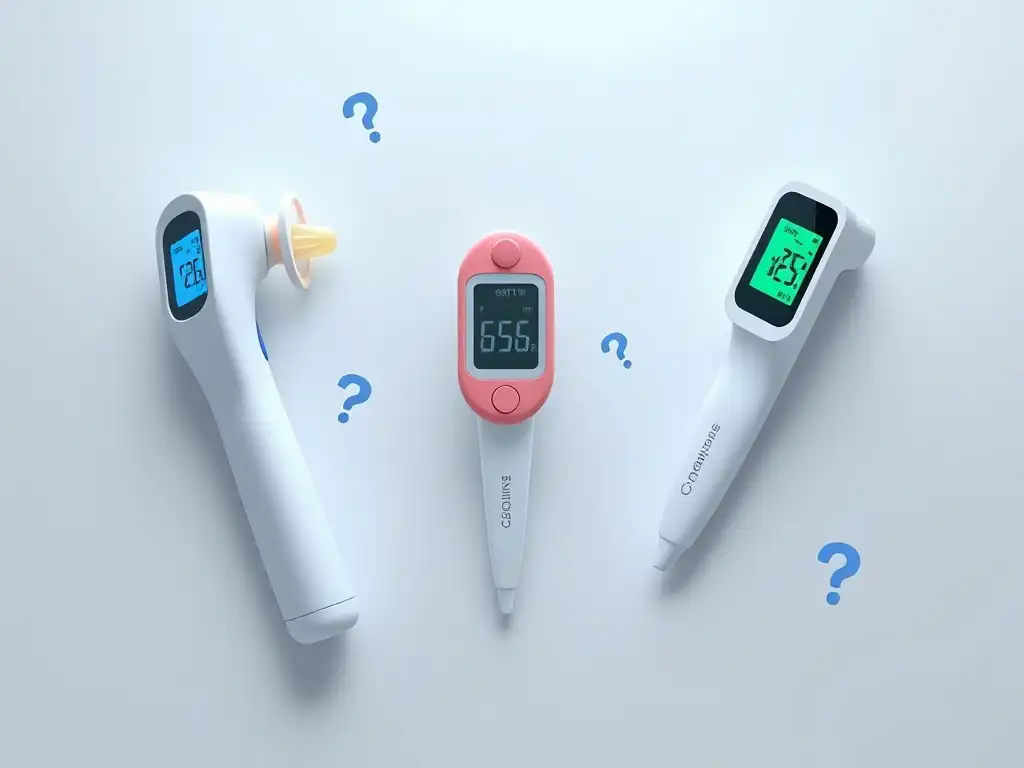
This section addresses common queries regarding baby thermometers and their effective use, helping you make informed decisions about your baby's health. Choosing the best baby thermometer features is crucial for accurate readings and peace of mind. Understanding these FAQs will empower you to confidently monitor your little one's temperature.
How Often Should I Take My Baby's Temperature?
The frequency of taking your baby's temperature depends largely on their symptoms and overall health. If your baby seems unwell – exhibiting lethargy, irritability, poor feeding, or other concerning signs – you should take their temperature immediately. For healthy babies, routine temperature checks aren't generally necessary. However, if you're unsure or have any concerns, consulting your pediatrician is always recommended.
For babies with a known illness or those recovering from an illness, monitoring temperature might be more frequent, perhaps every few hours. This allows for close observation of their response to treatment and helps detect any potential worsening of their condition. Always follow your pediatrician's specific advice regarding temperature monitoring. Remember, consistent monitoring doesn't necessarily mean taking a reading every hour, but rather being attentive to your baby's cues and taking their temperature when needed. Over-monitoring can be stressful for both you and your baby.
Consider keeping a temperature log to track readings and share this information with your healthcare provider. This data can be invaluable in assessing your baby's progress and informing treatment decisions. This simple practice can contribute significantly to the effective management of your baby’s health.
What is considered a high temperature in babies?
A high temperature in babies, or fever, is generally considered to be a rectal temperature of 100.4°F (38°C) or higher. However, it's crucial to understand that these are guidelines, and individual babies may react differently. Some babies might display symptoms of illness with a slightly lower temperature, while others might tolerate higher temperatures without significant discomfort.
It’s not just the number itself, but also the baby's overall behavior that matters. A baby with a temperature of 100°F (37.8°C) who is playful and feeding well might not require the same level of attention as a baby with a temperature of 101°F (38.3°C) who is lethargic and refusing to feed. Always consider the entire clinical picture, including symptoms, behavior, and overall well-being. This holistic approach will help you determine if a temperature warrants immediate medical attention. Remember, if you are ever unsure, consult your pediatrician.
What to do if my baby has a high temperature?
If your baby has a high temperature (100.4°F/38°C or higher), several steps can be taken to help alleviate their discomfort and monitor their condition. First, ensure your baby is well-hydrated by offering frequent small amounts of breast milk or formula (or water for older babies). Keeping them hydrated is essential in managing a fever.
You can also try giving your baby a lukewarm sponge bath. Avoid using cold water, as this can cause shivering, which can actually raise the body temperature. The goal is to cool the skin gently. Dress your baby in lightweight clothing to allow for better heat dissipation. Creating a cool, well-ventilated environment can also be helpful. Rest is crucial, so allow your baby to sleep as much as needed.
However, it is vital to contact your pediatrician immediately if your baby is under 3 months old and has a fever, or if your baby shows signs of dehydration, lethargy, difficulty breathing, or any other concerning symptoms. A high fever in a young baby requires prompt medical attention. Do not hesitate to seek professional medical advice if you have any concerns about your baby's health. Early intervention is key to ensuring the best possible outcome. 👶
How to clean and disinfect my baby's thermometer?
Maintaining hygiene is crucial when using a baby thermometer to prevent the spread of germs. The cleaning method will vary slightly depending on the type of thermometer you own. For digital thermometers, whether rectal, axillary (armpit), or oral, the process is relatively straightforward. After each use, gently wipe the tip with a soft, damp cloth and mild soap.
Thoroughly rinse the soap away and allow the thermometer to air dry completely before storing. For a more thorough disinfection, you can use a solution of 70% isopropyl alcohol, but ensure the thermometer is completely dry before subsequent use. Never immerse the thermometer in water or other liquids, as this could damage the internal components.
For pacifier thermometers, the cleaning process is similar. After use, remove the pacifier from the thermometer base and clean both parts separately with warm soapy water. Rinse well and allow to air dry completely. You can also wipe down the thermometer base with alcohol wipes for added disinfection. Remember to always check the manufacturer's instructions for specific cleaning recommendations for your particular model.
Regular cleaning and disinfection are essential for accurate readings and most importantly, to protect your baby's health. Neglecting hygiene can lead to inaccurate readings and, more importantly, the potential transmission of bacteria or viruses. Prioritizing cleanliness ensures you obtain reliable temperature readings and maintain a healthy environment for your little one. Always remember to supervise young children around cleaning supplies.
Can I use an adult thermometer on a baby?
While it might seem convenient, using an adult thermometer on a baby isn't always the best practice. While some adult thermometers might be suitable, they often lack the sensitivity and features specifically designed for accurate and safe baby temperature readings. Baby thermometers typically have smaller, more flexible tips, making them gentler and more comfortable for infants. Furthermore, many adult thermometers lack the memory function or the clear, easy-to-read displays common in baby thermometers, making it more challenging to monitor temperature changes accurately. The temperature range and display units might also differ, leading to potential misinterpretations.
Using a thermometer designed specifically for babies minimizes the risk of discomfort and ensures accurate readings crucial for prompt medical attention if needed. Investing in a baby thermometer provides peace of mind, knowing you have a tool designed for the specific needs of your infant. It's a small investment that offers significant benefits in terms of accuracy and ease of use, especially when dealing with a fussy or unwell baby.
Consider the features and benefits of a dedicated baby thermometer to ensure you're making the best choice for your child's health and well-being. Prioritizing accuracy and safety is paramount when it comes to your baby's health.
Frequently Asked Questions
What are the most important features to consider when buying a baby thermometer?
The most important features include accuracy, a fast reading time, and easy-to-read display. Consider the type of thermometer (digital, temporal artery, pacifier) based on your baby's age and temperament.
How accurate should a baby thermometer be?
Accuracy is crucial. Look for thermometers with a stated accuracy range and ideally, one that has been clinically tested. Small variations can impact treatment decisions.
What are the different types of baby thermometers available?
Several types exist: rectal, oral, axillary (armpit), tympanic (ear), and temporal artery (forehead) thermometers. Each offers varying degrees of accuracy and ease of use. Choose the method most comfortable for your baby.
How often should I take my baby's temperature?
This depends on your baby's health status. If your baby seems unwell, take their temperature regularly as advised by your pediatrician. Otherwise, monitoring isn't usually necessary unless they show symptoms of illness.
Can I use an adult thermometer on a baby?
While some adult thermometers might work, it's best to use a thermometer specifically designed for babies. Baby thermometers often have smaller probes and are designed for more accurate and safer readings in smaller bodies.
Final Reflection: The Temperature of Trust: Choosing the Right Baby Thermometer
The seemingly simple act of taking a baby's temperature is fraught with anxiety for parents, yet choosing the right thermometer can significantly reduce that stress and ensure accurate readings. The health and well-being of our little ones depend on our ability to quickly and reliably assess their temperature, making the selection of a suitable thermometer a crucial decision.
The impact of readily available, accurate temperature-taking technology on parental peace of mind is immeasurable. It's a quiet revolution, shifting from the days of mercury thermometers and anxious estimations to a world of digital precision. This ease of access to reliable information empowers parents to make informed decisions about their child's care, fostering a sense of confidence and control in a situation that can otherwise feel overwhelming. The best thing a parent can have is peace of mind, and a reliable thermometer is a significant contributor to that.
Consider the information presented in this article. Think about the features that resonate most with your needs and the specific challenges you face. Don't just buy a thermometer; choose a thermometer that empowers you to confidently navigate the sometimes-treacherous waters of childhood illness. Take the time to research, compare, and select the tool that will best serve you and your precious little one. Your informed choice is an investment in their health and your own peace of mind.
Unlock Your Baby's Comfort: Master Temperature Monitoring!
Thank you for learning about choosing the right baby thermometer! We hope you feel confident in selecting the best option for your family. Ready to put your new knowledge into practice?
- Prioritize accuracy and ease of use: Choose a thermometer that best suits your family's needs and comfort level. Consider factors like ease of reading, speed of measurement, and the type of thermometer (digital, temporal artery, etc.) that best fits your baby's temperament and your own preferences. This is crucial for your little one’s well-being.
- Share your thermometer expertise: Tell your friends and family about the features you value most in a baby thermometer. Sharing your knowledge can be incredibly helpful for new parents!
- Explore more BabyCareHub resources: Discover more expert advice and valuable tips to support your baby's healthy development – we have many helpful articles to guide you.
Now, tell us: What's the most important feature you'll consider when buying a baby thermometer?