
Summer Baby Exercise: Safe Ways to Keep Your Baby Active in the Heat


Welcome to BabyCareHub, your ultimate guide to navigating the incredible journey of parenthood! Are you ready to help your little one thrive, even during the hottest months? Discover safe and engaging summer baby exercises that promote healthy development without compromising your baby's safety. We'll equip you with the knowledge and confidence to keep your baby active and happy all summer long – read on to learn more!
- Understanding Your Baby's Summer Activity Needs
- Safe Summer Baby Exercises: Indoor Play Ideas
- Safe Summer Baby Exercises: Outdoor Play (with Precautions)
- Adapting Exercises for Different Weather Conditions
- Post-Exercise Care for Your Summer Baby
- When to Consult a Pediatrician
- Frequently Asked Questions
- Final Reflection: Nurturing Summer Strength: A Legacy of Healthy Habits
- Unleash Your Little One's Summer Energy!
Understanding Your Baby's Summer Activity Needs
Summertime offers a wonderful opportunity to introduce your little one to the joys of physical activity and exploration. However, the summer heat presents unique challenges for infants, who are more susceptible to overheating and dehydration than adults. This comprehensive guide will explore safe and effective ways to keep your baby active during the warmer months, focusing on age-appropriate exercises and strategies to prevent heat-related illnesses.
We'll delve into recognizing the signs of overheating, implementing effective hydration strategies, and understanding the importance of choosing the right time of day for outdoor activities. Remember, prioritizing your baby's safety and comfort is paramount when engaging in summer activities.
This article provides a detailed approach to ensure you can enjoy the summer sun with your little one, while minimizing any risks. Safe summer baby exercises are achievable with proper planning and awareness; let's explore how to make this summer a healthy and fun one for your baby!
Age-Appropriate Summer Activities for Babies
Infants, even newborns, benefit from gentle movement and sensory stimulation. The key is to adapt activities to your baby's developmental stage and always prioritize safety. Remember to always supervise your baby closely during any activity.
Here's a breakdown of age-appropriate summer activities:
- Newborns (0-3 months): Focus on tummy time on a cool surface, gentle massages, and skin-to-skin contact in a cool, shaded area. These activities help strengthen muscles and promote bonding. Avoid direct sunlight.
- Babies (3-6 months): Introduce activities like supported sitting, reaching for toys, and supervised playtime on a soft playmat. Short periods of outdoor time in the shade are fine, but always protect them from the sun.
- Babies (6-12 months): At this stage, you can incorporate activities such as crawling, rolling, and playing with larger, soft toys. Short, supervised outdoor play sessions in the shade are beneficial, but remember to monitor for signs of overheating. Consider a shaded stroller or carrier for outings.
Recognizing Signs of Overheating in Infants
Recognizing the signs of overheating in infants is crucial for their safety. Unlike adults, babies cannot effectively regulate their body temperature, making them particularly vulnerable. Early detection is key to preventing serious health complications.
Look out for the following indicators:
- Excessive sweating: While some sweating is normal, excessive sweating, especially on the forehead, neck, and back, can be a sign of overheating.
- Flushed or red skin: Your baby's skin may appear flushed or unusually red.
- Rapid breathing: An increased breathing rate, accompanied by grunting or wheezing, may indicate overheating.
- Lethargy or irritability: Your baby might become unusually lethargic, irritable, or fussy.
- High temperature: A high temperature (fever) is a clear indication of overheating. Use a reliable thermometer to check your baby's temperature.
- Vomiting or diarrhea: In some cases, overheating can lead to vomiting or diarrhea.
If you notice any of these signs, immediately move your baby to a cool place, remove excess clothing, and offer cool fluids (breast milk or formula). If symptoms persist or worsen, seek immediate medical attention.
Dehydration Prevention: Hydration Strategies for Summer Babies
Dehydration is a serious concern for babies, especially during the summer months. Maintaining adequate hydration is essential for overall health and well-being.
Here are some effective hydration strategies:
- Breastfeeding or formula feeding: Continue breastfeeding or formula feeding your baby as usual. Breast milk or formula provides essential fluids and nutrients.
- Offering water: Once your baby is six months old and starting solids, you can offer small amounts of cooled boiled water in a sippy cup. Do not replace breast milk or formula with water.
- Monitoring wet diapers: The number of wet diapers your baby produces is an indicator of hydration levels. Fewer wet diapers than usual may suggest dehydration.
- Observing urine color: Pale yellow urine is a sign of good hydration. Dark yellow or amber urine suggests dehydration.
- Avoiding sugary drinks: Sugary drinks should be avoided as they can contribute to dehydration.
Remember to consult your pediatrician for personalized advice on hydration for your baby, especially if you have any concerns. Maintaining your baby’s hydration is crucial for their well-being throughout the summer months. 👶☀️
Safe Summer Baby Exercises: Indoor Play Ideas
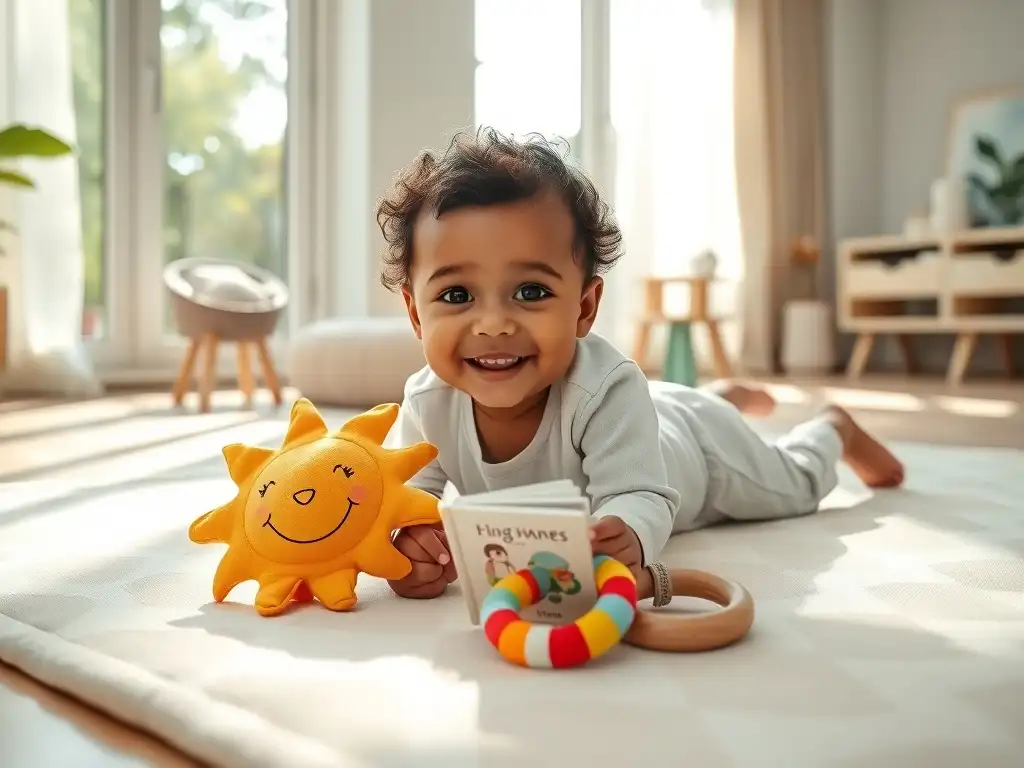
Summer heat can make outdoor playtime challenging for babies. However, keeping your little one active is crucial for their development. This section explores safe and engaging indoor exercises perfect for those sweltering summer days. Remember, always prioritize your baby's safety and comfort. Never leave your baby unattended during any activity, and always supervise closely. These activities are designed to promote physical development, sensory exploration, and cognitive growth while keeping your baby cool and comfortable. Finding ways to incorporate "safe summer baby exercises" into your daily routine is key to healthy development.
Tummy Time Variations for Summer
Traditional tummy time is essential for strengthening neck and back muscles, but the summer heat can make it less appealing. Here are some modifications to make tummy time more enjoyable and comfortable:
- Cool Tummy Time: Place a cool, damp towel under your baby's chest during tummy time. This provides a refreshing sensation and can help regulate their body temperature. Ensure the towel is not soaking wet to avoid chilling your baby.
- Tummy Time on a Soft Surface: Instead of a hard surface, try tummy time on a soft, padded playmat or a comfortable blanket on the floor. This provides cushioning and added comfort.
- Supported Tummy Time: For newborns or babies who struggle with traditional tummy time, provide support by placing rolled-up blankets or towels under their arms and chest. This allows them to enjoy the benefits of tummy time without feeling overwhelmed.
- Interactive Tummy Time: Make tummy time more engaging by placing interesting toys just out of reach. This encourages your baby to reach, stretch, and strengthen their muscles while having fun. Consider using toys with contrasting colors and textures to stimulate their senses. This will make "safe summer baby exercises" a more engaging experience.
- Short, Frequent Sessions: Instead of long sessions, opt for several short periods of tummy time throughout the day. This is less demanding for your baby, especially in the heat, and allows for better pacing.
Sensory Play: Engaging Activities for Hot Days
Sensory play is a fantastic way to keep your baby entertained and stimulated indoors during summer. These activities encourage exploration and learning through touch, sight, sound, and smell:
- Water Play (Supervised): A shallow container with a small amount of water and safe, floating toys can provide hours of entertainment. Always supervise closely to prevent drowning. This offers a cool and engaging sensory experience.
- Texture Bags: Fill reusable zip-top bags with different textured materials like rice, beans, or cotton balls. Securely seal the bags and allow your baby to explore the different textures. This is a simple way to introduce various textures without the mess.
- Homemade Sensory Bottles: Fill clear plastic bottles with water, glitter, and small, safe objects. This creates visually stimulating bottles that your baby can shake and explore. Ensure the lids are tightly sealed to prevent spills.
- Sound Exploration: Use different textured shakers or musical instruments to introduce various sounds. This helps stimulate auditory development while being a fun and engaging activity.
Indoor Gym Time: Safe and Stimulating Exercises
Creating a safe and stimulating indoor gym space for your baby is a great way to promote physical development during the summer months.
- Baby-Safe Gym: A commercially available baby gym provides a structured environment with hanging toys that encourage reaching and grasping. Ensure the gym is securely anchored to prevent tipping.
- Floor Play: Use soft blocks or cushions to create a safe obstacle course for your baby to crawl over and around. This encourages gross motor skill development.
- Rolling and Reaching: Encourage your baby to roll from their back to their stomach and vice-versa. Place interesting toys to motivate them to reach and grab.
- Supported Sitting: Support your baby's sitting posture with pillows or cushions. This helps strengthen their core muscles and encourages exploration of their surroundings.
Remember to always prioritize your baby's safety and comfort. Adjust the intensity and duration of these activities based on your baby's age and abilities. Consistent engagement with “safe summer baby exercises” will contribute to your baby's healthy development throughout the summer months.
Safe Summer Baby Exercises: Outdoor Play (with Precautions)
Summer offers a wonderful opportunity to introduce your little one to the joys of outdoor play, contributing to their physical and sensory development. However, the heat presents unique challenges. This section focuses on creating a safe and enjoyable outdoor environment for your baby, emphasizing sun protection and mindful activity scheduling. Remember, always prioritize your baby's comfort and safety above all else. This is crucial for safe summer baby exercises.
Baby-Safe Outdoor Spaces: Creating a Summer Oasis
Creating a safe outdoor space for your baby involves careful consideration of several factors. Think of it as designing a miniature, baby-friendly playground. First, choose a shady spot in your yard or a park. Direct sunlight during peak hours (typically 10 am to 4 pm) should be avoided. A large tree providing ample shade is ideal. Alternatively, consider using a large sunshade or umbrella specifically designed for outdoor baby areas.
Next, ensure the ground is soft and even. Grass is ideal, but consider placing a soft playmat on concrete or hard surfaces to cushion falls. Remove any potential hazards, such as sharp objects, small toys that could be swallowed, and uneven terrain. Keep in mind that babies are naturally curious and will explore everything within their reach. Regularly inspect the area for any new hazards, including insects and potentially harmful plants.
Finally, consider the accessibility of the area. You'll need to be able to easily reach your baby at all times. Keep a close eye on them, and don't let them get out of your sight, even for a moment. A safe summer baby exercises routine is all about supervision and preparedness.
Sun Protection Essentials for Baby's Outdoor Play
Protecting your baby's delicate skin from the sun's harmful UV rays is paramount. Babies under six months old should be kept completely out of direct sunlight. For older babies, appropriate sun protection is essential. This means using a broad-spectrum sunscreen with an SPF of 30 or higher, specifically formulated for babies. Apply liberally to all exposed skin 15-30 minutes before going outdoors and reapply every two hours, or more frequently if they're swimming or sweating.
Remember to choose a sunscreen that is fragrance-free and hypoallergenic to minimize the risk of skin irritation. Always check the label for any potential allergens. Beyond sunscreen, consider these additional protective measures:
- Lightweight, breathable clothing: Dress your baby in loose-fitting, lightweight clothing that covers most of their skin. Light-colored clothing reflects more sunlight than dark-colored clothing.
- Hat: A wide-brimmed hat will provide excellent shade for your baby's face, ears, and neck.
- Sunglasses: Baby sunglasses with UV protection can help shield their eyes from the sun's glare. Choose ones with flexible frames and shatterproof lenses.
Consistent sun protection is a key component of safe summer baby exercises.
Short Bursts of Outdoor Activity: Timing is Key
Even with adequate sun protection, prolonged exposure to heat can be detrimental to your baby. Schedule outdoor playtime for cooler parts of the day, such as early morning or late afternoon. Keep sessions short, perhaps 15-20 minutes at a time, especially during hotter months. Always monitor your baby closely for signs of overheating, such as excessive sweating, flushed skin, rapid breathing, or lethargy.
Remember that babies regulate their body temperature differently than adults. They are more susceptible to heatstroke. If you notice any signs of overheating, immediately move your baby to a cool, shaded area and offer them fluids (breast milk or formula). If symptoms persist or worsen, seek medical attention promptly. Prioritize short bursts of activity and frequent breaks in the shade for safe summer baby exercises. Always err on the side of caution. A happy and healthy baby is the ultimate goal! 👶☀️
Choosing the Right Time for Outdoor Play: Avoiding Peak Heat
Summer days offer ample sunshine, but the intense heat can be detrimental to your baby's health. The key to safe summer baby exercises is timing. Avoid taking your little one outdoors during the hottest parts of the day, typically between 10 a.m. and 4 p.m. During these peak hours, the sun's rays are most intense, leading to a higher risk of heatstroke and sunburn. Even on cloudy days, the UV radiation can be significant. Think of it like this: if you feel uncomfortable in the heat, your baby likely feels even more vulnerable.
Instead, plan your outdoor activities for the early morning or late afternoon, when the sun's intensity is lower. These cooler periods provide a safer and more comfortable environment for your baby to engage in gentle exercises and explore the world around them. Remember, even during these cooler times, close supervision is crucial. Observe your baby closely for any signs of overheating, such as excessive sweating, flushed skin, rapid breathing, or lethargy. If you notice any of these symptoms, immediately move your baby to a cool, shaded area and offer plenty of fluids (breast milk or formula, as appropriate).
Consider using a thermometer to monitor the temperature. If the temperature is excessively high, even outside of peak hours, it's best to postpone outdoor activities and opt for indoor play instead. Remember, your baby's comfort and safety are paramount. Prioritizing their well-being ensures they can enjoy the benefits of outdoor play without compromising their health. This proactive approach to scheduling outdoor time is a vital aspect of safe summer baby exercises. A little planning goes a long way in ensuring a happy and healthy summer for your little one.
Adapting Exercises for Different Weather Conditions

Summer presents unique challenges for keeping your baby active. While maintaining a regular exercise routine is crucial for your baby's development, the heat necessitates adjustments to ensure their safety and comfort. The key is to prioritize safe summer baby exercises that minimize the risk of overheating and dehydration. This involves carefully considering the time of day, the environment, and the intensity of the activity. Remember, a happy, healthy baby is an active baby, but their well-being should always come first.
Staying Active on Cloudy Summer Days
Cloudy days offer a respite from the intense summer sun, providing a safer window for outdoor activities. Even on overcast days, however, it's important to monitor the temperature and your baby's response. Look for shaded areas, such as under large trees or beneath awnings. Short bursts of tummy time on a soft, cool surface in the shade can be beneficial. Remember to always keep a close eye on your baby for any signs of discomfort or overheating.
Even on a cloudy day, a light cotton outfit and a hat are recommended. Consider incorporating indoor activities like gentle floor exercises or baby yoga if the weather remains uncertain. Remember to keep the indoor environment cool and well-ventilated. The goal is to find a balance between providing engaging activities and ensuring your baby's comfort and safety. Think of it as safe summer baby exercises adapted to the day's weather pattern.
Adjusting Exercise Intensity Based on Temperature
The intensity of your baby's exercise routine should be directly correlated with the ambient temperature. On extremely hot days, reduce the duration and intensity of activities. Short, frequent sessions are preferable to one long session. For example, instead of a 30-minute playtime session, opt for three 10-minute sessions spread throughout the day. Focus on gentler exercises like baby massage or simple stretches. Always prioritize rest periods in a cool, shaded area.
Monitor your baby's skin temperature regularly. If their skin feels hot and clammy, it's a sign to immediately stop the activity and seek a cool environment. Remember that babies' thermoregulation systems are still developing, making them more susceptible to heat-related illnesses. This requires a proactive and adaptive approach to safe summer baby exercises. A good rule of thumb is to reduce activity by half on days with extreme heat.
Recognizing Heat Exhaustion Symptoms in Babies
Recognizing the signs of heat exhaustion in babies is crucial for timely intervention. While babies might not be able to verbally express their discomfort, they exhibit subtle cues. These include:
- Excessive sweating (or surprisingly no sweating)
- Irritability and fussiness
- Lethargy and weakness
- Rapid breathing
- Pale or flushed skin
- A high body temperature (though this isn't always the case)
- Vomiting or diarrhea
If you observe any of these symptoms, immediately move your baby to a cool place, remove excess clothing, and offer them cool water (if they are old enough). If symptoms persist or worsen, seek immediate medical attention. Prevention is key; being vigilant and adapting your baby's activity levels based on the temperature will significantly reduce the risk of heat exhaustion. Knowing the signs and taking preventative measures are crucial aspects of ensuring safe summer baby exercises for your little one.
Post-Exercise Care for Your Summer Baby
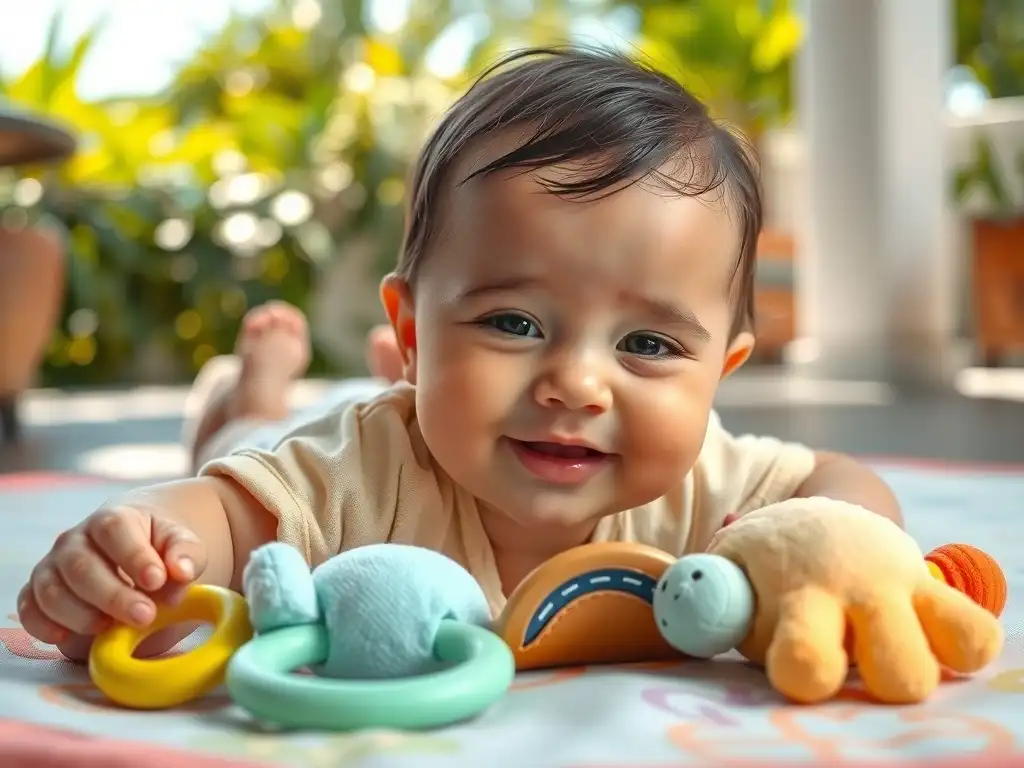
Summer baby exercises, while beneficial for development, require careful attention to post-activity care. Overheating is a significant concern, and proper cooling and hydration are crucial to ensure your baby's well-being. Remember, even short periods of play can lead to dehydration and overheating in hot weather. Always prioritize your little one's comfort and safety.
Cooling Down Techniques for Overheated Babies
Recognizing the signs of overheating in babies is paramount. Look for excessive sweating, flushed skin, rapid breathing, lethargy, or fussiness. If you notice any of these, immediate action is necessary. Here are some effective cooling-down techniques:
- Cool Bath or Sponge Bath: A lukewarm (not cold!) bath or a gentle sponge bath using cool water can quickly lower your baby's temperature. Avoid using ice water, as this can cause shivering and further stress. Focus on the neck, armpits, and groin areas, where blood vessels are closer to the skin's surface.
- Cool Compresses: Place cool, damp washcloths on your baby's forehead, neck, and wrists. Frequently change the cloths as they warm up.
- Loose Clothing: Dress your baby in lightweight, loose-fitting clothing made of breathable fabrics like cotton. Avoid dressing them in layers or heavy clothing.
- Air Circulation: Ensure good air circulation in the room. Use fans strategically, but be mindful of direct airflow onto the baby. Never leave a fan unattended near a baby.
- Seek Medical Attention: If your baby's temperature remains high despite cooling measures, or if they exhibit signs of severe distress, seek immediate medical attention. This is especially important if the temperature rises above 100.4°F (38°C). Early intervention is vital in preventing serious complications.
Hydration After Playtime
Maintaining adequate hydration is crucial after any physical activity, especially in the summer heat. Babies lose fluids quickly through sweating, and dehydration can lead to various health problems.
- Breast Milk or Formula: Continue offering breast milk or formula frequently. These are the best sources of hydration for infants.
- Water (for older babies): For babies older than six months who have started solids, you can offer small amounts of cool, boiled water in addition to their regular feeds. Always supervise them closely when drinking water to prevent choking.
- Avoid Sugary Drinks: Avoid offering sugary drinks, juices, or electrolyte solutions unless explicitly recommended by your pediatrician. These can upset your baby's digestive system and are not necessary for most situations.
Monitoring Your Baby's Temperature and Behavior
Regularly monitoring your baby's temperature and behavior after playtime is essential. Use a digital thermometer to check their temperature rectally (the most accurate method for babies) or axillary (underarm). Pay close attention to their overall demeanor. Are they alert and playful, or are they unusually lethargic or irritable? Any significant changes warrant further observation and, if necessary, medical consultation.
| Sign of Overheating | Description | Action |
|---|---|---|
| Excessive Sweating | Profuse perspiration | Cool down immediately; offer fluids |
| Flushed Skin | Reddened skin | Cool down immediately; offer fluids |
| Rapid Breathing | Breathing faster than usual | Cool down immediately; seek medical attention if severe |
| Lethargy | Unusual tiredness or sleepiness | Cool down; monitor closely; seek medical attention if persistent |
| Fussiness | Increased irritability or crying | Comfort and soothe; check temperature; offer fluids |
Remember, proactive measures are key to safe summer baby exercises. By following these guidelines, you can ensure your little one enjoys playtime while staying safe and healthy. Always consult your pediatrician with any concerns about your baby's health or well-being. Enjoy the summer fun! ☀️
When to Consult a Pediatrician
Summer offers wonderful opportunities for gentle exercise with your baby, but it's crucial to be aware of when professional medical advice is needed. Knowing the signs of overheating, dehydration, or other complications is paramount to ensuring your little one's safety and well-being. Remember, prevention is always better than cure. This section focuses on recognizing potential problems and seeking timely help for your baby.
Signs Your Baby Needs Medical Attention After Exercise
Following any exercise session, even short and gentle ones, carefully monitor your baby for several key indicators. These signs could suggest a problem requiring immediate medical attention. Don't hesitate to contact your pediatrician if you observe any of the following:
- Excessive sweating: While some perspiration is normal, excessive sweating, especially accompanied by lethargy, could signal overheating. This is particularly important during hot and humid summer days.
- Rapid or shallow breathing: Difficulty breathing or unusually rapid breathing rates are cause for concern. This could be a sign of heatstroke or other underlying respiratory issues.
- Lethargy and unusual sleepiness: While babies often sleep, unusual lethargy or difficulty waking your baby warrants immediate attention. This can be a significant indicator of a serious problem.
- High fever: A high temperature (above 100.4°F or 38°C) is a serious sign and requires immediate medical attention. This could indicate infection or heatstroke.
- Vomiting or diarrhea: Repeated vomiting or diarrhea after exercise could indicate dehydration or an underlying illness. Dehydration is particularly dangerous for infants.
- Pale or blotchy skin: A change in skin color, such as paleness or blotchiness, can indicate poor circulation or other health issues, particularly in conjunction with other symptoms.
- Persistent crying or fussiness: Although some fussiness is normal, persistent and inconsolable crying could signal discomfort or pain.
Remember, these symptoms can be subtle, and it's always better to err on the side of caution. Even if your baby seems to recover quickly, it's advisable to document the occurrence and inform your pediatrician during your next checkup. Early intervention is key to preventing serious complications. Keeping a detailed record of your baby's activity, including the duration and type of exercise, temperature, and any observed symptoms, will assist your pediatrician in providing the best possible care. This proactive approach is a vital part of safe summer baby exercises.
Seeking Professional Advice on Summer Activities
Before embarking on any new summer activity with your baby, consulting your pediatrician is a proactive step toward ensuring safety. This is especially true for activities that involve exposure to direct sunlight, water, or potentially hazardous environments. Your pediatrician can offer personalized guidance based on your baby's age, health, and developmental stage. They can help you determine suitable activities, provide recommendations for appropriate clothing and hydration, and address any specific concerns you may have. Remember, safe summer baby exercises are those that are tailored to your baby’s individual needs and capabilities.
This proactive approach ensures that you're well-informed and prepared to handle any unforeseen circumstances. Don't hesitate to ask your pediatrician about specific exercises, the appropriate duration of activities, and potential risks associated with different summer activities. They are your best resource for ensuring your baby enjoys a safe and healthy summer filled with fun and age-appropriate activities. This approach emphasizes the importance of personalized guidance in practicing safe summer baby exercises.
Frequently Asked Questions
What are some safe summer baby exercises?
Summer offers many opportunities for gentle exercise. Try tummy time on a cool surface, supervised playtime with brightly colored toys, or short sessions of supported sitting. Always prioritize shade and hydration.
How can I protect my baby from overheating during exercise?
Keep exercise sessions short, ideally in the early morning or late evening when it's cooler. Ensure plenty of shade and frequent hydration breaks (if your baby is on solids). Dress your baby in light, loose clothing.
What are the signs of overheating in a baby?
Look for excessive sweating, rapid breathing, flushed skin, or lethargy. If you notice any of these, immediately move your baby to a cool place and seek medical attention if necessary.
At what age can babies start doing summer exercises?
You can begin with gentle exercises from birth, such as tummy time. More active play can be introduced gradually as your baby develops strength and coordination, typically around 4-6 months. Always consult your pediatrician.
Are there any exercises I should avoid in the summer heat?
Avoid strenuous activities or extended periods of direct sunlight. Never leave your baby unattended, even for a short time, during exercise. Always prioritize safety and comfort.
Final Reflection: Nurturing Summer Strength: A Legacy of Healthy Habits
Safe summer activities for babies are not just about fleeting fun; they're about building a foundation for a lifetime of health and well-being. The seemingly simple act of tummy time in the shade or a gentle swim in a cool pool can have profound and lasting effects on a child's physical and cognitive development. These seemingly small moments contribute significantly to a child's overall development and future health.
The impact of early childhood experiences on long-term health is undeniable. We've explored the importance of mindful movement, sun safety, and age-appropriate exercises, but the true legacy lies in the creation of positive associations with physical activity. Play is often talked about as if it were a relief from serious learning. But for children play is serious learning. Play is really the work of childhood.
- Fred Rogers. This quote perfectly encapsulates the importance of fostering a love for movement and exploration from the earliest stages of life. It's not just about the exercises themselves; it's about cultivating a joyful relationship with physical activity that will last a lifetime.
This summer, as you enjoy the warmth and sunshine with your little one, remember the power of these simple, safe exercises. Don't just focus on the immediate benefits; envision the future you are building – a future where your child embraces movement, enjoys the outdoors, and possesses the strength and resilience to thrive. Make this summer a season of healthy habits, filled with laughter, exploration, and the joy of shared experiences. Embrace the opportunity to nurture your baby's potential, one safe and playful movement at a time.
Unleash Your Little One's Summer Energy!
Thanks for learning about keeping your baby safe and active during the summer months! We hope you found practical tips to help your little one thrive in the heat. Now, let's put that knowledge to good use!
- Prioritize playtime during the coolest parts of the day: Schedule your baby's outdoor activities for early morning or late evening to avoid the most intense sun. This simple change can significantly improve their comfort and safety.
- Share your favorite summer activities for babies: Tell us your best methods for keeping your baby active and cool – let's build a supportive community of summer-savvy parents!
- Explore fun, indoor activities: Don't limit yourselves to outdoor play. Try finger painting, sensory bins, or even a homemade obstacle course for engaging indoor fun. Summer fun doesn't have to be solely outdoors.
What creative ways have you discovered to keep your baby happy and healthy during the hot summer months? Share your tips in the comments below!