
BabyCareHub's Guide to Bedtime Routine Consistency: Why It Matters


Welcome to BabyCareHub, your ultimate guide to navigating the incredible journey of parenthood! Are you ready to unlock the secret to peaceful nights and happier days? We understand the challenges of caring for a newborn, and that's why we've created this comprehensive resource. Discover the transformative power of a consistent bedtime routine for babies and learn how it can revolutionize your family's sleep. Dive in and uncover the secrets to establishing healthy sleep habits that will benefit both you and your little one for years to come.
- The Importance of a Consistent Bedtime Routine for Babies
-
Creating a Consistent Bedtime Routine: A Step-by-Step Guide
- Step 1: Establishing a Predictable Bedtime and Wake-Up Time
- Step 2: Designing Your Baby's Personalized Bedtime Routine
- Step 3: Choosing Calming Bedtime Activities for Your Baby
- Step 4: Creating a Relaxing and Sleep-Conducive Environment
- Step 5: Maintaining Consistency in Your Baby's Bedtime Routine
- Step 6: Adapting the Routine as Your Baby Grows
- Step 7: Handling Occasional Disruptions to the Routine
- Troubleshooting Common Bedtime Routine Challenges
- When to Seek Professional Help for Baby Sleep Issues
- Maintaining a Consistent Bedtime Routine: Long-Term Strategies
- Frequently Asked Questions
- Final Reflection: The Enduring Power of Consistent Bedtime Routines
- Unlock Your Baby's Best Sleep: Start a Calming Routine Today!
The Importance of a Consistent Bedtime Routine for Babies
Establishing a consistent bedtime routine for your baby is paramount to their healthy development and your family's well-being. This isn't just about getting your little one to sleep; it's about creating a predictable and calming environment that fosters healthy sleep habits, reduces stress, and promotes optimal growth.
A consistent bedtime routine provides a sense of security and structure for your baby, signaling their body it's time to wind down and prepare for sleep. This guide will explore the multifaceted benefits of implementing a consistent bedtime routine, addressing not only the immediate improvements in sleep quality but also the long-term advantages for your child's development and your family's overall happiness.
We’ll delve into practical strategies and address common challenges, empowering you to create a sleep sanctuary for your little one and navigate the often-challenging world of infant sleep with confidence. This detailed approach will help you understand why a consistent bedtime routine is more than just a helpful tip; it's a cornerstone of healthy sleep and development for your baby.
Benefits of a Regular Sleep Schedule for Infant Development
A consistent bedtime routine significantly contributes to your baby's overall development. Regular sleep patterns directly impact their physical and cognitive growth. During sleep, babies release growth hormones essential for healthy development, including brain development. Adequate sleep allows for the consolidation of memories and learning from the day's experiences.
Studies have shown a strong correlation between consistent sleep schedules and improved cognitive function in infants, including enhanced attention span and improved problem-solving skills. Furthermore, a well-rested baby is generally happier, more alert, and better equipped to engage in play and social interactions. The benefits extend beyond the individual child; parents who benefit from improved sleep quality are better equipped to provide responsive and nurturing care.
A consistent bedtime routine also helps regulate your baby's circadian rhythm – their internal biological clock. This internal clock governs sleep-wake cycles, hormone release, and other bodily functions. By establishing a regular sleep-wake cycle from an early age, you are helping your baby develop a healthy and sustainable sleep pattern that will benefit them throughout their life. Think of it as laying a strong foundation for healthy sleep habits that will serve them well in the years to come. This consistent rhythm is crucial for their overall health and well-being.
Improved Sleep Quality and Duration for Baby and Parents
The most immediate and noticeable benefit of a consistent bedtime routine is improved sleep quality and duration for both baby and parents. A predictable routine signals to your baby that it's time to sleep, helping them relax and fall asleep more easily. This reduces nighttime wakings and fussiness, leading to longer stretches of uninterrupted sleep. The positive impact on parental sleep is equally significant.
Well-rested parents are better equipped to handle the demands of caring for a baby, leading to reduced stress and improved overall well-being. The reduction in nighttime disturbances translates to more energy and improved mood for the entire family. This improved sleep can be a game-changer in managing the challenges of parenthood.
Imagine the difference between a night where your baby sleeps for six uninterrupted hours versus a night filled with multiple wake-ups. The cumulative effect of consistent sleep is profound. Furthermore, a consistent routine can help identify and address potential sleep problems early on, preventing them from escalating into more significant issues. Early intervention is key to establishing healthy sleep habits.
Establishing Healthy Sleep Habits Early On: Long-Term Benefits
The benefits of establishing a consistent bedtime routine extend far beyond infancy. The healthy sleep habits instilled during this critical period often carry over into childhood and adolescence. Children who establish healthy sleep patterns early on are less likely to experience sleep problems later in life, such as insomnia or sleep disorders. This can positively impact their academic performance, social interactions, and overall mental health. A well-rested child is better able to focus in school, participate in extracurricular activities, and build healthy relationships.
Moreover, consistent sleep routines contribute to a sense of security and predictability for your child, which is crucial for their emotional development. The routine provides a sense of comfort and control in a world that can often feel overwhelming. This sense of security can have a lasting positive impact on their emotional well-being and self-esteem.
The investment you make in establishing a consistent bedtime routine in infancy is an investment in your child's future health and happiness. It's a gift that keeps on giving, benefiting them throughout their life. The long-term impact is undeniable, shaping a brighter and healthier future for your child.
Reduced Night Wakings and Improved Sleep Consolidation
A consistent bedtime routine significantly contributes to fewer night wakings and better sleep consolidation in babies. When a baby's body and mind are accustomed to a predictable sequence of events signaling sleep, their internal clock—their circadian rhythm—becomes more regulated. This predictability helps reduce the likelihood of nighttime awakenings due to confusion or overstimulation.
Instead of waking up disoriented and struggling to return to sleep, a baby with a consistent routine is more likely to drift back to sleep independently. This is because the routine itself becomes a powerful cue for sleep, associating the specific actions (bath, book, song) with the desired outcome (sleep).
The improved sleep consolidation is directly linked to the reduced night wakings. Consolidated sleep means longer stretches of uninterrupted sleep, resulting in a more rested baby and, consequently, happier parents. Studies have shown a strong correlation between consistent bedtime routines and improved sleep quality in infants, measured by both total sleep time and the length of sleep cycles. 1 This positive effect is particularly noticeable in the first few months of a baby's life, a period often characterized by frequent and unpredictable sleep disruptions. By creating a reliable and calming bedtime routine, parents can help their babies develop healthy sleep habits from a very young age, setting the stage for better sleep in the years to come. The benefits extend beyond simply reducing the number of night wakings; they encompass the overall quality of sleep, leading to a more well-rested and content baby.
1 [Specific study referencing the correlation between consistent bedtime routines and improved sleep quality in infants pending]
Creating a Consistent Bedtime Routine: A Step-by-Step Guide

This section details how to establish and maintain a consistent bedtime routine for your baby, crucial for promoting healthy sleep habits. A consistent bedtime routine for babies significantly improves sleep quality and reduces nighttime wakings. Remember, consistency is key – stick to the routine as much as possible, even on weekends, to maximize its effectiveness.
Step 1: Establishing a Predictable Bedtime and Wake-Up Time
The foundation of any successful bedtime routine is a regular sleep schedule. Babies thrive on predictability. Aim for a consistent bedtime and wake-up time, even on weekends, to regulate their internal body clock (circadian rhythm). This doesn't mean your baby will sleep through the night immediately, but it will significantly improve the chances of longer stretches of sleep.
Consider your baby's age and sleep needs when determining the appropriate bedtime and wake-up times. Newborns (0-3 months) may need shorter sleep cycles and more frequent feeds, resulting in earlier bedtimes and more frequent wakings. Older infants (4-12 months) will typically sleep for longer periods. Observe your baby's cues – yawning, rubbing eyes, becoming fussy – to gauge their sleepiness. Don't wait until they're completely overtired, as this can make it harder for them to fall asleep.
A helpful tip is to use a baby sleep tracker app to monitor sleep patterns and identify any inconsistencies. Tracking sleep helps in understanding their sleep cycles and adjusting the routine accordingly. This data-driven approach is essential for optimizing your baby's sleep.
Step 2: Designing Your Baby's Personalized Bedtime Routine
Once you've established a predictable sleep schedule, it's time to create a personalized bedtime routine. The routine should be consistent, calming, and age-appropriate. A typical routine may last between 30-45 minutes, but adjust it based on your baby's needs and temperament. The key is to signal to your baby that it's time to wind down and prepare for sleep.
The routine should include a series of predictable steps performed in the same order every night. This predictability helps your baby anticipate bedtime and associate the activities with sleep. Avoid screen time during the routine, as the blue light emitted from screens can interfere with melatonin production, a hormone crucial for sleep regulation.
Consider incorporating elements such as a warm bath, a gentle massage, reading a bedtime story, or singing lullabies. The specific activities will depend on your baby's preferences and your family's style. The goal is to create a relaxing and enjoyable experience that prepares your baby for sleep.
Step 3: Choosing Calming Bedtime Activities for Your Baby
This section explores several calming activities ideal for incorporating into your baby's bedtime routine. The aim is to create a soothing transition from wakefulness to sleep. Remember to adapt these suggestions to your baby's individual preferences and developmental stage.
Calming Bath Routine for Babies
A warm bath (not too hot!) can be incredibly soothing before bed. The gentle warmth relaxes muscles and signals the body to slow down. Add a few drops of lavender essential oil (ensure it's safe for babies) to further enhance the calming effect. Keep the bath short and sweet (10-15 minutes) to avoid overstimulation. Follow the bath with a gentle pat-dry to avoid chilling. The warm, clean feeling often contributes to a more peaceful sleep.
Gentle Massage Techniques for Babies Before Bed
Infant massage is a fantastic way to promote relaxation and bonding. Use gentle, rhythmic strokes focusing on the baby's legs, arms, and back. Avoid harsh pressure and pay attention to your baby's cues. If they seem uncomfortable or tense, stop the massage and try another calming activity. A soothing massage can significantly reduce anxiety and promote a more peaceful sleep environment.
Reading Bedtime Stories to Your Baby
Reading bedtime stories is a wonderful way to bond with your baby and establish a calming pre-sleep ritual. Choose books with simple, repetitive text and calming illustrations. The rhythmic nature of reading aloud can be very soothing. The act of cuddling close while reading promotes a sense of security and comfort, contributing to sleepiness.
Singing Lullabies and Playing Soft Music
Singing lullabies or playing soft, calming music can create a peaceful and relaxing atmosphere. Choose music with slow tempos and gentle melodies. The consistent sound can help block out distracting noises and lull your baby to sleep. The soothing sounds and gentle rhythm have a naturally calming effect on babies, helping them transition into sleep more easily. Experiment with different types of music and lullabies to find what your baby responds to best. 😴
Step 4: Creating a Relaxing and Sleep-Conducive Environment
Creating the right environment is crucial for establishing a consistent bedtime routine for babies and promoting healthy sleep habits. A calm and comfortable atmosphere significantly impacts your baby's ability to wind down and fall asleep easily. This involves careful consideration of several key factors, which we'll explore below.
Optimizing Baby's Room Temperature and Lighting
The ideal room temperature for a baby's sleep is generally between 68°F and 72°F (20°C and 22°C). This comfortable range prevents overheating or chills, both of which can disrupt sleep. Overheating can lead to restlessness and frequent awakenings, while being too cold can make it difficult for your baby to settle down. A thermometer placed in the baby's room can help you monitor the temperature effectively.
Furthermore, ensure the room is dark enough to promote melatonin production, the hormone that regulates sleep. Consider using blackout curtains or blinds to minimize light intrusion, especially during the evening hours. A dimly lit nightlight might be helpful for nighttime feedings or diaper changes, but avoid bright lights that could stimulate your baby. Remember, a consistently comfortable temperature and darkness are key elements in a successful bedtime routine.
Using White Noise or Other Soothing Sounds
Many babies find soothing sounds helpful in blocking out distracting noises and promoting relaxation. White noise machines, fan noise, or even calming nature sounds can create a consistent auditory environment that helps your baby fall asleep and stay asleep. The consistent, low-level noise helps mask sudden sounds that might otherwise startle your baby awake. Experiment with different sounds to find what works best for your little one.
Remember to keep the volume at a low, comfortable level to avoid damaging your baby's hearing. The key is consistency—using the same sound every night helps to create a predictable and comforting sleep association. This predictable audio environment contributes significantly to a consistent bedtime routine for babies.
Choosing Comfortable Sleepwear and Bedding
The comfort of your baby's sleepwear and bedding significantly impacts their sleep quality. Opt for breathable fabrics like cotton, which allow for proper air circulation and prevent overheating. Avoid using loose blankets or heavy bedding that could pose a suffocation risk. A sleep sack or swaddle is a safer alternative to loose blankets, providing warmth and security without the risk of covering your baby's face.
Always choose sleepwear and bedding appropriate for the room temperature to prevent overheating or chills. Regularly check your baby's clothing and bedding to ensure they remain comfortable and safe throughout the night. A comfortable sleeping environment contributes to a peaceful and consistent sleep pattern, reinforcing your consistent bedtime routine for babies.
Step 5: Maintaining Consistency in Your Baby's Bedtime Routine
Consistency is paramount when it comes to establishing a successful bedtime routine for babies. A predictable routine signals to your baby that it's time to wind down and prepare for sleep. This predictability reduces anxiety and promotes a sense of security. Even small variations in the routine can disrupt your baby's sleep patterns, leading to difficulty falling asleep and frequent awakenings.
Therefore, it is crucial to maintain a consistent schedule, including wake-up times, nap times, and bedtime, as much as possible. Weekends should ideally follow a similar structure to avoid significant disruptions to your baby's internal clock. While flexibility is sometimes necessary, striving for consistency is key to developing healthy sleep habits and establishing a successful consistent bedtime routine for babies.
This consistency is crucial for your baby's well-being and sleep development. Remember, consistency builds predictability, and predictability promotes better sleep. A consistent routine fosters a sense of security and helps your baby learn to self-soothe, leading to longer, more restful sleep for both you and your baby.
Step 6: Adapting the Routine as Your Baby Grows
As your little one grows and develops, their sleep needs and patterns will naturally change. A consistent bedtime routine isn't about rigidly adhering to the same schedule forever; it's about adapting the routine to accommodate these changes while maintaining a sense of predictability and calm. For example, a newborn might require more frequent feedings before bed than a six-month-old.
You'll need to adjust the timing and duration of activities within your routine to reflect these evolving needs. Instead of a strict 7 PM bedtime, consider a window of 6:30 PM to 7:30 PM, allowing for flexibility based on your baby's cues.
This adaptability is crucial for maintaining a positive association with bedtime. If you rigidly stick to a schedule that no longer suits your baby's needs, it could lead to frustration for both you and your child, potentially disrupting their sleep and creating negative bedtime associations. As your baby becomes more mobile, for instance, you might need to adjust the duration of the bath or massage to avoid overstimulation before bed. The key is to remain observant of your baby's developmental milestones and adjust the routine accordingly, maintaining its core elements of predictability and calm.
Remember, the goal is to create a relaxing and comforting experience, not a stressful race against the clock. Observe your baby's sleep patterns and adjust the timing of the routine to better align with their natural sleep cycles. This might involve slightly shifting bedtime earlier or later as they grow.
Step 7: Handling Occasional Disruptions to the Routine
Life with a baby is rarely predictable. Illness, travel, or even a late afternoon nap can disrupt even the most meticulously planned bedtime routine. While consistency is key, don't panic if the routine is occasionally interrupted. The most important thing is to minimize stress and maintain a calm and reassuring atmosphere. If your baby is unwell, prioritize comfort and adjust the routine as needed. A shorter, simpler routine might be more appropriate during times of illness.
When traveling, try to maintain as much of the routine as possible. Bringing familiar items like a favorite blanket or stuffed animal can help create a sense of security and familiarity. If the routine is significantly disrupted, gently ease back into it over a few days. Avoid major changes to the routine during periods of stress or significant life events for both you and your baby. This could be anything from moving house to significant changes in family dynamics.
Allow for some extra snuggles and reassurance during these times. Remember that occasional disruptions are normal and won't undo the benefits of a consistent bedtime routine. The overall goal is long-term consistency, not perfect adherence every single night. Flexibility and adaptation are just as important as the routine itself, ensuring a positive and restful sleep experience for your baby.
Troubleshooting Common Bedtime Routine Challenges

Establishing a consistent bedtime routine for babies is crucial for their healthy sleep development, but the journey isn't always smooth sailing. Many parents encounter hurdles along the way. This section addresses some common challenges and offers practical solutions to help you navigate them successfully. Remember, consistency and patience are key to building a successful bedtime routine for your little one.
Dealing with Irregular Sleep Patterns in Infants
Newborns and young infants often exhibit unpredictable sleep patterns. Their internal clocks are still developing, leading to inconsistent sleep cycles and difficulty establishing a regular bedtime routine. This irregularity can be incredibly frustrating for parents, but understanding the reasons behind it can help you manage expectations and implement strategies for improvement.
Several factors contribute to irregular sleep in infants. For example, hunger cues can be misinterpreted as a need for sleep, leading to inconsistent sleep times. Similarly, developmental leaps can disrupt established sleep patterns as the baby processes new skills and experiences. Finally, environmental factors such as inconsistent room temperature, noise levels, and light exposure can also play a significant role.
To address irregular sleep, try these tips:
- Maintain a consistent wake window: Aim for predictable periods of awake time between naps and bedtime. This helps regulate the baby's circadian rhythm. For example, a 3-month-old might have a 2-hour wake window before their nap.
- Pay attention to hunger cues: Ensure your baby is adequately fed before bedtime, but avoid overfeeding which can lead to discomfort and disrupted sleep.
- Create a calming bedtime environment: A dark, quiet, and cool room can promote better sleep. Consider using white noise or a sleep sound machine to mask distracting noises.
- Establish a predictable bedtime routine: Even if sleep times vary slightly, a consistent routine (bath, book, song, etc.) signals to the baby that it's time to wind down.
- Track sleep patterns: Keep a sleep diary to identify trends and patterns in your baby's sleep. This data can help you better understand their needs and adjust your approach accordingly. This detailed record can be invaluable in identifying potential underlying issues.
Addressing Resistance to Bedtime Routines
Even with a well-structured routine, some babies might resist going to bed. This resistance can manifest in various ways, from crying and fussing to outright refusal to stay in their crib. Understanding the underlying reasons for this resistance is crucial to finding effective solutions.
Common causes of bedtime resistance include:
- Separation anxiety: Babies, especially around 6-8 months, often experience separation anxiety, making it difficult for them to be left alone at bedtime.
- Fear of the dark: Some babies develop a fear of the dark, leading to anxiety and resistance at bedtime.
- Overtiredness: Ironically, an overtired baby might find it harder to fall asleep than a slightly less tired one.
- Lack of independence: If a baby is used to being rocked or held to sleep, they might struggle to self-soothe and fall asleep independently.
Here's how to tackle bedtime resistance:
- Gradual independence: Slowly wean your baby off sleep crutches like rocking or feeding to sleep.
- Comfort objects: A favorite blanket or stuffed animal can provide comfort and security.
- Nightlight: A dim nightlight can ease fear of the dark.
- Positive reinforcement: Reward calm behavior during bedtime with praise and affection.
- Consistency is key: Stick to the routine, even when faced with resistance. Consistency reinforces the message that bedtime is a predictable and safe time.
Managing Sleep Regression Periods in Babies
Sleep regressions are periods of disrupted sleep that occur at various stages of a baby's development. These regressions are often characterized by frequent awakenings, earlier wakings, and difficulty settling back to sleep. They are a normal part of development, but can be challenging for parents to manage.
Common causes of sleep regression include:
- Developmental leaps: Significant developmental milestones can disrupt sleep patterns.
- Teething: The discomfort of teething can interfere with sleep.
- Illness: A minor illness can disrupt a baby's sleep cycle.
- Changes in routine: Any significant change in the baby's routine can trigger a sleep regression.
Strategies for managing sleep regressions include:
- Maintain the routine: Stick to the established bedtime routine as much as possible.
- Offer comfort: Provide extra cuddles and reassurance during the night.
- Address underlying issues: If teething or illness is suspected, address those issues appropriately.
- Patience and understanding: Remember that sleep regressions are temporary, and your baby will eventually return to a more regular sleep pattern. Be patient and supportive during this time. The regression will eventually pass.
Remember, seeking professional advice from a pediatrician or sleep consultant is always an option if you are struggling to manage your baby's sleep. They can provide personalized guidance and support based on your baby's individual needs.
Understanding and Addressing Separation Anxiety at Bedtime
Separation anxiety is a common developmental phase for babies, typically peaking between 8 and 15 months old. It manifests as distress when separated from their primary caregiver, often escalating at bedtime. This anxiety isn't simply a matter of the baby being "fussy"; it's a genuine fear of abandonment. Understanding this underlying fear is crucial to addressing the issue effectively and compassionately. Many babies will cry, scream, or become inconsolable when left alone in their crib, reflecting their deep-seated need for proximity to their caregiver.
One key aspect of dealing with separation anxiety is recognizing its normal developmental trajectory. While it's challenging for parents, acknowledging that this phase is temporary and a natural part of a baby's emotional development can help reduce parental stress and anxiety. This understanding allows parents to approach the situation with empathy and patience, rather than frustration or anger. It's important to remember that consistent and reassuring responses are vital in helping your baby navigate this developmental stage.
Addressing separation anxiety requires a multi-pronged approach. Firstly, building a strong and secure attachment relationship with your baby is paramount. This involves consistent responsiveness to your baby's needs throughout the day, offering ample physical affection, and providing a safe and predictable environment. This sense of security will serve as a foundation for managing bedtime anxieties.
Secondly, establishing a predictable and calming bedtime routine is essential. This routine should be consistent, involving calming activities like a warm bath, a gentle massage, reading a book, or singing lullabies. The predictability provides a sense of control and security for your baby, helping to ease anxieties as they know what to expect. Avoid introducing new activities or changes to the routine close to bedtime as this might heighten anxiety.
Finally, gradual separation techniques can be helpful. Instead of abruptly leaving the room, start by sitting beside the crib for a few minutes, gradually increasing the distance and time away. You can also use a transitional object, like a favorite stuffed animal or blanket, to provide comfort and a sense of security during separation. Positive reinforcement, such as praising your baby's calm behavior, can also reinforce desired responses. Remember, consistency and patience are key in helping your baby overcome separation anxiety. If the anxiety is severe or prolonged, consulting a pediatrician or child development specialist is always advisable.
When to Seek Professional Help for Baby Sleep Issues
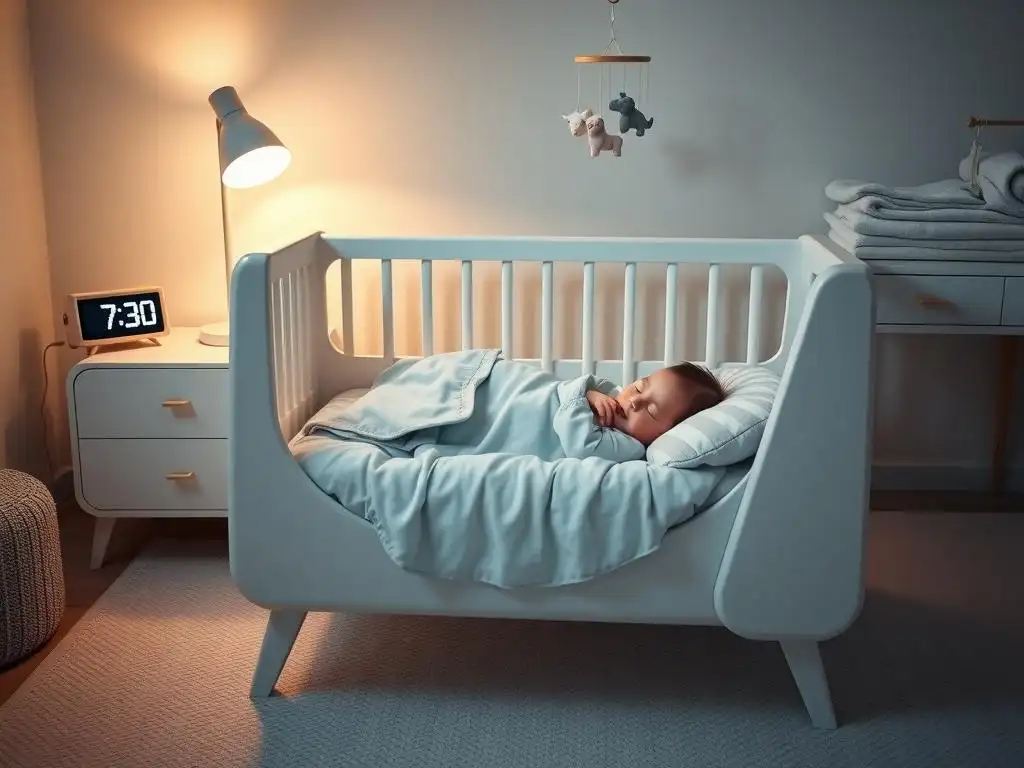
Establishing a consistent bedtime routine for babies is crucial for their healthy development and your family's well-being. However, sometimes, despite your best efforts, sleep challenges persist. Knowing when to seek professional help is vital. Ignoring persistent sleep problems can impact your baby's growth, your family's overall health, and even your mental health. This section outlines scenarios where professional guidance is necessary. Remember, seeking help is a sign of strength, not weakness. It shows you're committed to your baby's well-being.
Recognizing Signs of Underlying Sleep Problems
Persistent sleep disturbances can sometimes indicate underlying medical or developmental issues. It's not just about the number of hours your baby sleeps, but also the quality of their sleep. Several red flags should prompt you to consult a pediatrician or a certified sleep consultant.
These include:
- Excessive daytime sleepiness: A baby who sleeps excessively during the day, despite a seemingly adequate night's sleep, might have an underlying condition. This is especially concerning if it interferes with their ability to interact and engage with their environment.
- Frequent night wakings: While some night wakings are normal, especially in younger infants, extremely frequent or prolonged wakings, particularly if accompanied by other symptoms, warrant professional attention.
- Difficulty falling asleep: If your baby struggles to fall asleep even after a consistent bedtime routine, and this persists for weeks, professional help might be needed.
- Short sleep cycles: Babies typically have shorter sleep cycles than adults. However, extremely short sleep cycles, combined with other symptoms, might point towards a sleep disorder.
- Excessive fussiness or crying before sleep: While some fussiness is expected, excessive, inconsolable crying before bedtime might signal underlying discomfort or anxiety.
- Apnea or other breathing problems: Any pauses in breathing during sleep, or unusual breathing patterns, require immediate medical evaluation. This is a serious issue and necessitates immediate consultation with a medical professional.
- Gastrointestinal issues: Reflux, colic, or other digestive problems can significantly disrupt sleep. If you suspect such issues, consult your pediatrician.
- Developmental delays: Sleep disturbances can sometimes be linked to developmental delays. If you have concerns about your baby's development in other areas, it's crucial to discuss sleep patterns with your pediatrician.
Remember, a consistent bedtime routine is foundational, but it's not a magic bullet. If your baby continues to experience significant sleep issues despite implementing a consistent routine, seeking professional help is essential. Early intervention can make a significant difference.
Finding a Pediatrician or Certified Sleep Consultant
Finding the right professional is key to addressing your baby's sleep challenges. Your pediatrician is an excellent starting point. They can perform a thorough physical examination and rule out any underlying medical conditions contributing to the sleep problems.
If your pediatrician determines that no medical issues are present, they may recommend a certified sleep consultant. These specialists are trained to help families develop customized sleep plans that address specific needs and concerns. They can provide guidance on sleep training techniques, address behavioral issues related to sleep, and offer ongoing support. When choosing a sleep consultant, ensure they use evidence-based methods and prioritize a gentle and respectful approach to sleep training.
Look for professionals with experience working with infants and toddlers, and check reviews from other parents. A good sleep consultant will work collaboratively with you and your pediatrician to create a comprehensive sleep plan. Remember, patience and consistency are key to success. Finding the right professional is a crucial step in ensuring your baby gets the restorative sleep they need to thrive.
Maintaining a Consistent Bedtime Routine: Long-Term Strategies
Maintaining a consistent bedtime routine for your baby isn't just about getting them to sleep; it's about fostering healthy sleep habits that will benefit them for years to come. A predictable routine helps regulate their circadian rhythm, leading to improved sleep quality and overall well-being. This section explores strategies to ensure long-term success with a consistent bedtime routine for your little one. Think of it as building a strong foundation for healthy sleep.
Traveling and Maintaining Consistent Bedtime Routines
Traveling with a baby can disrupt even the most meticulously planned bedtime routine. However, with some proactive planning, you can minimize the impact on your baby's sleep. The key is to maintain as much consistency as possible, even in unfamiliar surroundings. Pack familiar items like their favorite blanket, stuffed animal, or sleep sack. These familiar objects provide a sense of security and comfort, helping your baby relax and fall asleep more easily.
Consider bringing a portable white noise machine or playing calming music to replicate the familiar sounds of their bedroom. Try to stick to the same bedtime routine as much as possible, even if the exact time needs slight adjustments due to travel delays. Adjusting the routine too drastically can lead to sleep disturbances and increased fussiness.
For example, if your baby's usual routine involves a bath, a book, and then bed, try to replicate those steps as closely as possible, even if it means using a sink for a quick wash instead of a full bath. Remember, the goal is to maintain the structure of the routine, not necessarily the precise location or timing. Flexibility is key, but maintaining core elements of the routine helps minimize sleep disruption during travel. This strategy is crucial for fostering a consistent bedtime routine for babies even while on the go.
Adjusting the Routine for Milestones and Developmental Changes
As your baby grows and develops, their sleep needs and patterns will naturally change. What worked at six months might not be as effective at twelve months. A consistent bedtime routine for babies needs to adapt to these developmental leaps. For instance, teething, illness, or developmental milestones like crawling or walking can temporarily disrupt sleep.
During these periods, it's crucial to remain flexible and adjust the routine accordingly. This doesn't mean abandoning the routine entirely; instead, you might need to make minor adjustments to accommodate your baby's changing needs. For example, if your baby is teething, you might need to add an extra comfort measure like a cool teething toy or a gentle massage before bedtime. If they are sick, you might need to shorten the routine or offer extra cuddles and reassurance.
Data shows that babies experiencing significant developmental changes often need more parental reassurance at bedtime. This might involve more frequent feedings or longer periods of cuddling before sleep.
Remember to document these changes and their impact on your baby's sleep. This data can help you understand the evolving needs of your child and refine your approach to maintaining a consistent, yet adaptable, bedtime routine. The goal is to provide a sense of predictability and security amidst the changes.
The Role of Parental Consistency in Baby Sleep Training
Parental consistency is arguably the most critical aspect of successful sleep training and maintaining a consistent bedtime routine for babies. A predictable routine provides security and helps your baby understand what to expect. However, inconsistency sends mixed signals, making it difficult for your baby to learn healthy sleep habits.
This means sticking to the routine as closely as possible, even on weekends or when you have guests. It also means both parents (and caregivers) are on the same page regarding the bedtime routine and sleep expectations. Inconsistencies in approach, such as one parent allowing more cuddling while the other encourages independent sleep, can confuse the baby and prolong the sleep training process.
Consider creating a visual schedule or checklist to ensure everyone involved understands and follows the established routine. This is particularly helpful for families with multiple caregivers. This shared understanding and commitment to a consistent bedtime routine for babies are key to establishing healthy sleep habits and achieving long-term sleep success. Remember, patience and consistency are paramount in this process. The rewards of a well-established bedtime routine are well worth the effort.
Frequently Asked Questions
What is the importance of a consistent bedtime routine for my baby?
A consistent bedtime routine helps your baby develop healthy sleep habits and regulate their circadian rhythm. This leads to better sleep for both you and your baby, reducing fussiness and improving overall well-being.
How long should my baby's bedtime routine be?
A routine lasting 30-45 minutes is generally ideal. It should be long enough to signal bedtime but not so long that it becomes overstimulating. Adjust the length based on your baby's age and needs.
What should be included in a consistent bedtime routine?
Include calming activities such as a warm bath, reading a book, singing lullabies, and gentle massage. The key is consistency and predictability in the order of these activities.
At what age should I start a consistent bedtime routine?
You can begin establishing a bedtime routine from birth. Even newborns benefit from a predictable sequence of events signaling the end of the day and the start of sleep.
What if my baby resists the bedtime routine?
Consistency is key! Stick to the routine as much as possible, even on challenging nights. If your baby resists, try adjusting the timing or order of activities, but maintain the overall structure and predictability of the routine.
Final Reflection: The Enduring Power of Consistent Bedtime Routines
The consistent implementation of a bedtime routine is not merely a parenting tip; it's a cornerstone of healthy child development, profoundly impacting a child's physical and emotional well-being. The benefits extend far beyond simply getting a baby to sleep; a structured routine fosters a sense of security, predictability, and ultimately, a stronger parent-child bond. This is especially crucial in today's fast-paced world, where consistency can often feel like a luxury.
The impact of a consistent bedtime routine resonates deeply throughout a child's life, shaping their sleep patterns, emotional regulation, and even their future relationships. It's more than just about sleep; it's about creating a haven of calm and predictability in a world that can often feel chaotic. As the saying goes, Sleep is the golden chain that binds health and our bodies together.
This simple truth underscores the profound importance of establishing and maintaining a consistent bedtime routine, not just for the immediate benefit of a well-rested baby, but for their long-term development and overall well-being.
Consider the power you hold in shaping your child's future by establishing this simple yet impactful routine. You are not just putting your baby to bed; you are building a foundation of healthy habits, emotional security, and a lifelong love of restful sleep. Take a moment to reflect on your own bedtime routine—what elements bring you peace and calm? Incorporate those elements into your baby's routine, creating a nurturing and predictable environment that fosters healthy sleep habits and a strong, loving bond between you and your little one. Begin today, and watch the transformative power of consistency unfold.
Unlock Your Baby's Best Sleep: Start a Calming Routine Today!
Thank you for reading BabyCareHub's guide on establishing consistent bedtime routines! We hope you found helpful advice on creating a peaceful sleep environment for your little one. Now, let's put that knowledge into practice:
- Begin implementing a personalized bedtime routine this week. Try incorporating one or two new strategies from the article to see what works best for your family. Even small adjustments can significantly improve your baby's sleep.
- Share your favorite calming bedtime activities in the comments below – let's build a supportive community of parents! What techniques have you found most effective?
- Consider keeping a sleep diary for a week to track your baby's sleep patterns and identify areas for improvement. This will help you refine your routine over time and ensure it meets your baby's evolving needs.
Ready to transform bedtime from a struggle into a cherished bonding experience? What's the first step you'll take to create a more peaceful sleep environment for your baby and your family?