
Common Newborn Screening Tests Explained, StepbyStep

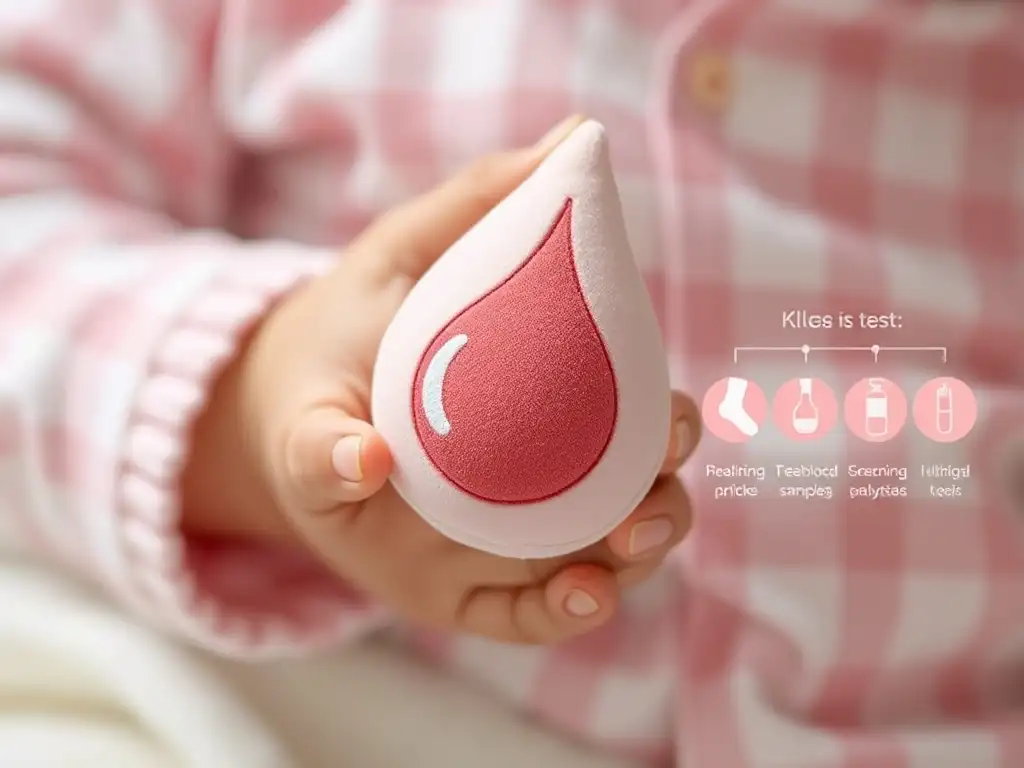
Welcome to BabyCareHub, your ultimate guide to navigating the incredible journey of parenthood! Are you a first-time parent feeling overwhelmed by the sheer volume of information surrounding newborn care? We understand. That's why we've created this comprehensive resource, packed with step-by-step guidance on everything from feeding schedules to developmental milestones. Let's start with the essentials: understanding the importance of newborn screening tests. Discover what they are, why they matter, and what to expect in our detailed explanation – your journey to confident parenthood begins here.
Understanding Newborn Screening Tests: Why They're Important
Welcome to BabyCareHub, your comprehensive guide to navigating the exciting yet sometimes daunting world of parenthood! This article focuses on newborn screening tests – a crucial aspect of ensuring your little one's healthy start. Understanding these tests, their purpose, and the process involved can significantly reduce parental anxiety and empower you to make informed decisions about your baby's well-being.
We'll break down the complexities of newborn screening, providing a step-by-step explanation that's both informative and easy to understand. This guide aims to demystify the process, equipping you with the knowledge to confidently approach this important milestone in your baby's life. We'll cover various aspects, from the why behind the tests to the what they screen for and the how they are performed, ensuring you feel completely prepared and confident.
What are Newborn Screening Tests?
Newborn screening tests are a series of simple procedures performed shortly after birth to detect potential health problems early on. These tests are non-invasive, usually involving a small blood sample (often taken from a heel prick) or urine sample. Early detection through these screenings is vital because many conditions are treatable if caught in time. Delaying treatment can lead to serious, long-term health complications.
The specific tests included vary by state and country, but they generally screen for a range of conditions, including metabolic disorders, endocrine disorders, and hearing impairments. Think of these tests as a proactive health check-up, giving you and your healthcare provider a head start in ensuring your baby's optimal health. The goal is early intervention, maximizing the chances of a healthy and thriving life for your child.
Why are Newborn Screening Tests Important?
The importance of newborn screening cannot be overstated. Early detection is key to treating many conditions that might otherwise go unnoticed until symptoms become severe. 👶 Many of these conditions are inherited or develop soon after birth, and early intervention can significantly improve a child's long-term outcomes. For example, early diagnosis of phenylketonuria (PKU), a metabolic disorder, allows for dietary changes that prevent severe intellectual disability.
Similarly, early detection of congenital hypothyroidism can prevent developmental delays through timely hormone replacement therapy. These tests offer peace of mind, allowing parents to address any concerns promptly and proactively manage their baby's health. The benefits far outweigh any minor discomfort associated with the testing process.
The Process: What to Expect
The process of newborn screening is typically straightforward and minimally invasive. It usually takes place within 24 to 48 hours after birth, while your baby is still in the hospital. A small sample of blood is collected from the baby's heel using a lancet, a process often referred to as a "heel prick." The blood is then placed onto a special filter paper card and sent to a laboratory for analysis. In some cases, a urine sample might also be collected.
The entire process is quick and generally painless for the baby. Healthcare providers are trained to perform these procedures efficiently and with minimal discomfort to the infant. Parents are often present during the procedure and can ask any questions they may have. Results are typically available within a few days to a few weeks, depending on the specific tests performed and the laboratory's processing time.
Understanding the Results: What They Mean
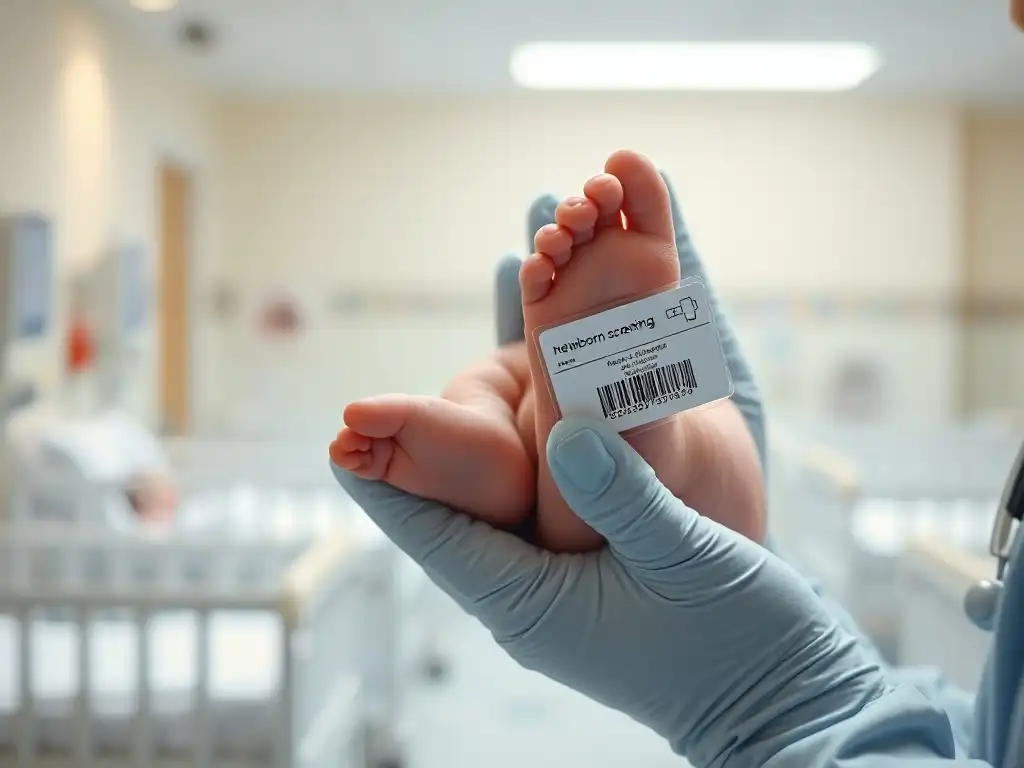
Receiving the results of your newborn's screening tests can be a moment of both anticipation and potential anxiety. It's important to remember that most results come back normal, indicating that your baby is healthy. However, if a test result shows a possible abnormality, it doesn't necessarily mean your baby has a serious condition. Further testing might be needed to confirm the initial findings.
Your healthcare provider will carefully explain the results and any necessary follow-up steps. Don't hesitate to ask questions and express any concerns; clear communication is crucial during this phase. Remember, early detection is key, and even if further tests are required, they are steps towards ensuring your baby receives the best possible care. Positive communication with your healthcare provider is essential throughout this process.
Types of Newborn Screening Tests: A Closer Look
This section will delve into the specific types of tests included in newborn screening panels. While the exact tests vary geographically, common examples include tests for:
- Metabolic disorders: These affect how the body processes food and nutrients.
- Endocrine disorders: These involve problems with hormone production.
- Hearing impairments: Early identification is crucial for timely intervention.
- Hemoglobinopathies: These affect the red blood cells.
- Congenital heart defects: Some screenings can detect these critical conditions.
The specific conditions screened for depend on the local guidelines and recommendations. Your healthcare provider can provide detailed information about the tests performed in your area. Remember to always ask questions to ensure you fully understand what each test entails and its implications.
Frequently Asked Questions
What are newborn screening tests?
Newborn screening tests are simple procedures performed shortly after birth to detect potential health problems early. These tests check for conditions that may not show symptoms immediately. Early detection allows for prompt treatment, improving the baby's outcome.
Why are newborn screening tests important?
Early detection through newborn screening is crucial because many conditions, if left untreated, can cause serious health issues or even death. Early intervention significantly improves the chances of a healthy life for the baby.
What tests are typically included in newborn screening?
The specific tests vary by state, but commonly include tests for phenylketonuria (PKU), hypothyroidism, sickle cell anemia, cystic fibrosis, and hearing loss. Your doctor will provide a detailed list of tests performed in your area.
How are newborn screening tests performed?
Tests are typically conducted using a small blood sample collected from a heel prick. The sample is sent to a lab for analysis and results are usually available within a few weeks. The procedure is generally quick and painless for the baby.
What happens if a newborn screening test shows an abnormal result?
An abnormal result doesn't automatically mean your baby has a condition. It simply indicates the need for further testing and evaluation by a specialist to confirm or rule out a diagnosis. Your doctor will explain the next steps and provide support.
Final Reflection: Understanding the Silent Guardians of Newborn Health
The information presented in this article on newborn screening tests is not just a collection of facts; it's a vital resource for expectant and new parents navigating a crucial period in their child's life. These seemingly simple tests hold the power to detect potentially life-threatening conditions early, dramatically improving the chances of successful intervention and a healthier future for countless newborns.
The impact of widespread newborn screening programs cannot be overstated. They represent a triumph of preventative medicine, shifting the paradigm from reactive treatment to proactive care. The ability to identify conditions like phenylketonuria (PKU) and congenital hypothyroidism before symptoms manifest is a testament to the power of scientific advancement in safeguarding the well-being of our most vulnerable population. The best time to plant a tree was 20 years ago. The second best time is today.
This proverb applies perfectly to newborn screening; early detection is key, and understanding the process empowers parents to advocate for their child's health from day one.
Now, consider the information you've learned. Take a moment to reflect on the importance of these seemingly routine procedures. You are now equipped to engage in informed discussions with your healthcare provider, ensuring your child receives the best possible start in life. Don't hesitate to ask questions, seek clarification, and advocate for your child's well-being. The knowledge you've gained today is a powerful tool, and its responsible use will contribute to a healthier future for generations to come.
Unlock Your Newborn's Health Journey: Take the Next Step
Thank you for learning about newborn screening tests! You're now well-equipped to advocate for your baby's health. Let's put that knowledge into action.
- Schedule a follow-up appointment with your pediatrician to discuss your baby's screening test results and ask any questions. This is crucial for ensuring your baby's well-being.
- Share this information with expectant parents you know – empowering them with this knowledge could make a real difference.
- Consider joining an online parent forum to connect with other families and share experiences regarding newborn screening. You'll likely find valuable support and advice.
Ready to champion your newborn's health and well-being? What's one step you'll take today based on what you've learned?