
Tips for a Successful Trip with a Newborn: From Planning to Execution

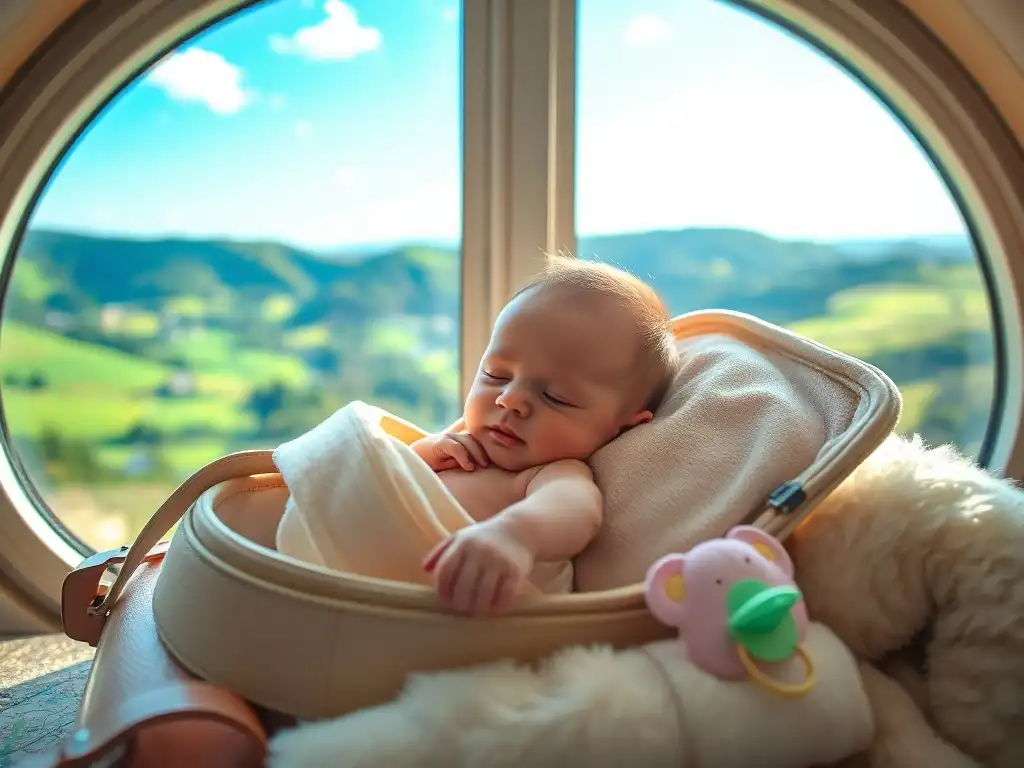
Welcome to BabyCareHub, your ultimate guide to navigating the incredible journey of parenthood! Are you ready for your first family adventure? Then discover essential newborn travel tips planning that will transform your trip from stressful to seamless. We'll equip you with the knowledge and confidence to handle everything from packing to in-flight care, ensuring a smooth and enjoyable experience for both you and your little one. Dive in and unlock the secrets to stress-free travel with your newborn!
-
Pre-Trip Planning: Essential Steps for Smooth Newborn Travel
- Newborn Travel Checklist: Packing Essentials for Baby and Parents
- Booking Flights and Accommodation: Baby-Friendly Options and Considerations
- Infant Car Seat Selection and Installation for Safe Travel
- Planning for Feeding on the Go: Breastfeeding, Bottles, and Formula
- Managing Diapering Needs During Travel: Supplies and Solutions
-
On-the-Go Strategies: Navigating Travel with a Newborn
- In-Flight Comfort for Baby: Calming Techniques and Strategies
- Managing Baby's Sleep Schedule During Travel: Adapting to New Environments
- Dealing with Fussy Baby on the Road: Soothing and Comforting Techniques
- Maintaining Baby's Health While Traveling: Hygiene and First Aid
- Handling Unexpected Situations: Dealing with Travel Delays and Emergencies
- Post-Trip Recovery: Settling Back In After Newborn Travel
-
Frequently Asked Questions
- What are the essential documents I need for traveling with a newborn?
- How can I prepare my baby's travel bag for a flight or car trip?
- What are some tips for keeping my baby comfortable during travel?
- What are the best strategies for managing feeding a newborn while traveling?
- How can I ensure my baby's safety during travel?
- Final Reflection: The Unfolding Journey of Newborn Travel
- Ready to Embrace Your Next Adventure with Baby?
Pre-Trip Planning: Essential Steps for Smooth Newborn Travel
Taking your newborn on their first trip can seem daunting, but with careful planning and preparation, it can be a wonderfully enriching experience for the whole family. This guide provides a step-by-step approach to planning a successful trip with your little one, covering everything from packing essentials to choosing baby-friendly accommodations. We'll focus on practical tips and strategies to minimize stress and maximize enjoyment, ensuring your newborn's comfort and safety throughout the journey.
Remember, the key to a successful trip lies in thorough preparation and a proactive approach to anticipating potential challenges. This article will equip you with the knowledge and tools to navigate the complexities of newborn travel, turning a potentially stressful experience into a memorable adventure.
We'll address the crucial aspects of planning, from creating a comprehensive checklist to selecting the right car seat, ensuring your journey is as smooth as possible. Let's dive in and equip you with the confidence to embark on this exciting chapter with your newborn.
Newborn Travel Checklist: Packing Essentials for Baby and Parents
Before you even think about booking flights, creating a detailed packing list is paramount. This checklist should encompass everything you and your baby might need, from the essentials to the unexpected. Failing to prepare adequately can lead to unnecessary stress and complications during your trip. Remember, overpacking is better than underpacking, especially when traveling with a vulnerable infant.
Consider these categories when assembling your checklist:
- For Baby:
- Diapers (plenty, plus extra!) 👶
- Wipes 🧻
- Baby food/formula (enough for the journey and a buffer) 🍼
- Bottles and steriliser (or disposable options)
- Pacifiers (if used) 👶
- Baby clothes (multiple outfits for changes) 👕
- Sleep sack or swaddle 💤
- Blanket 🛌
- Changing mat 🚼
- Sunscreen (appropriate for baby's skin) ☀️
- First-aid kit (including thermometer and baby-safe pain relief) 🩹
- Medications (with prescription if needed) 💊
- For Parents:
- Medications (personal and for baby)
- Important documents (passports, birth certificate, vaccination records) 📑
- Phone chargers and portable power bank 🔋
- Snacks and drinks 🥤
- Comfortable clothes and shoes 👟
- Entertainment (books, podcasts, etc.) 🎧
- Nursing cover (if applicable)
Remember to check airline regulations regarding liquids and permitted items in carry-on luggage. Packing cubes can help you stay organized and save space.
Booking Flights and Accommodation: Baby-Friendly Options and Considerations
Choosing the right flights and accommodation significantly impacts your trip's success. Opt for direct flights whenever possible to minimize disruptions. Consider booking a flight during off-peak hours to avoid crowds and potentially reduce stress. When booking your flight, always inform the airline that you'll be traveling with an infant.
For accommodation, look for baby-friendly options such as:
- Hotels with cribs and high chairs available upon request.
- Hotels with laundry facilities to handle dirty clothes.
- Accommodation with ample space for a crib and other baby gear.
- Locations with nearby amenities such as grocery stores and pharmacies.
Think about the proximity of your accommodation to your destination and potential emergency services. Prioritize comfort and convenience for both you and your baby.
Infant Car Seat Selection and Installation for Safe Travel
Selecting and correctly installing an appropriate infant car seat is non-negotiable for safe travel. Ensure the car seat meets all relevant safety standards and is compatible with your rental car or your own vehicle if you are driving. Familiarize yourself with the car seat's installation instructions before your trip. Practice installing the car seat in your vehicle before you leave to avoid last-minute stress.
Consider these factors when choosing an infant car seat:
- Safety ratings: Look for car seats with high safety ratings from reputable organizations.
- Ease of installation: Choose a car seat that is easy to install and adjust.
- Comfort: Select a car seat that provides comfortable support for your baby.
- Size and weight limits: Ensure the car seat is appropriate for your baby's size and weight.
Remember, a properly installed car seat is crucial for your baby's safety. If you are unsure about the installation, seek professional assistance. Never compromise on safety.
Planning for Feeding on the Go: Breastfeeding, Bottles, and Formula
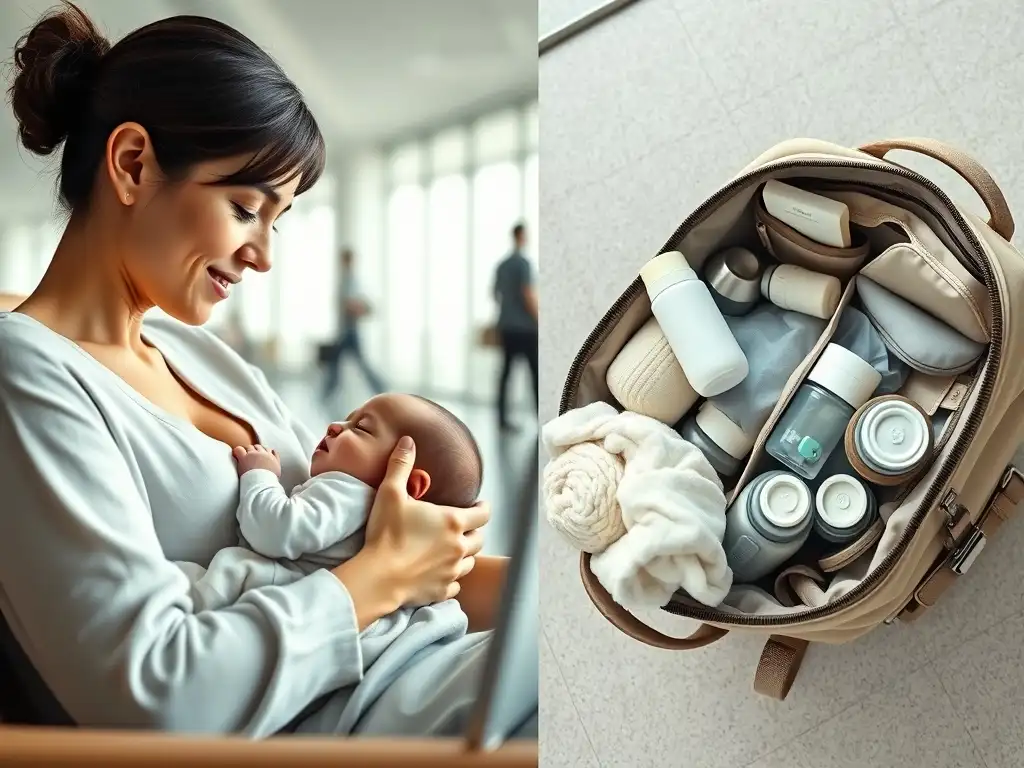
Traveling with a newborn requires careful consideration of their feeding needs. Breastfeeding mothers need to plan for comfortable and private nursing locations. Airports often have designated nursing areas or family restrooms; however, it's wise to identify these beforehand using airport websites or apps. Packing a nursing cover can provide extra privacy and comfort in less-than-ideal situations. Remember to stay hydrated yourself, as breastfeeding increases fluid needs.
For bottle-fed babies, you'll need to pack enough formula or breast milk to last the journey, accounting for potential delays. Pre-measured formula containers are incredibly convenient, minimizing mess and saving time. If using powdered formula, ensure you have access to clean, safe water for mixing. Consider bringing a small, insulated bag with ice packs to keep prepared bottles cool, especially during warmer months. Always check airline regulations regarding liquid amounts before you travel to avoid any issues at security checkpoints. Consider bringing a bottle warmer if you're concerned about the temperature of the milk.
If you're combining breastfeeding and bottle-feeding, plan accordingly. It's wise to bring a few extra bottles and nipples, as well as cleaning supplies such as wipes and small, travel-sized bottles of disinfectant. Remember, flexibility is key; adapting to your baby's needs while traveling is paramount. Packing extra supplies provides a buffer against unforeseen circumstances.
Managing Diapering Needs During Travel: Supplies and Solutions
Diapering a newborn on the go necessitates careful planning and packing. The number of diapers you pack should depend on the trip's duration, but always pack more than you think you'll need. Consider using travel-sized diaper rash cream and wipes to save space. Packing a portable changing mat is also crucial for hygienic changes in various locations. These mats are lightweight and easy to clean, ensuring a clean surface for your baby's diaper changes.
Dealing with soiled diapers requires a thoughtful approach. Dispose of dirty diapers responsibly, using appropriate waste receptacles. Many airports and rest stops have diaper disposal units available. If you're traveling by car, consider using disposable diaper bags for easy and hygienic disposal. For airplane travel, familiarize yourself with the airline's policies regarding waste disposal. Remember, keeping a supply of plastic bags for soiled clothes and diapers is always a wise precaution. Proper waste management is vital for maintaining hygiene and avoiding unpleasant situations during your journey.
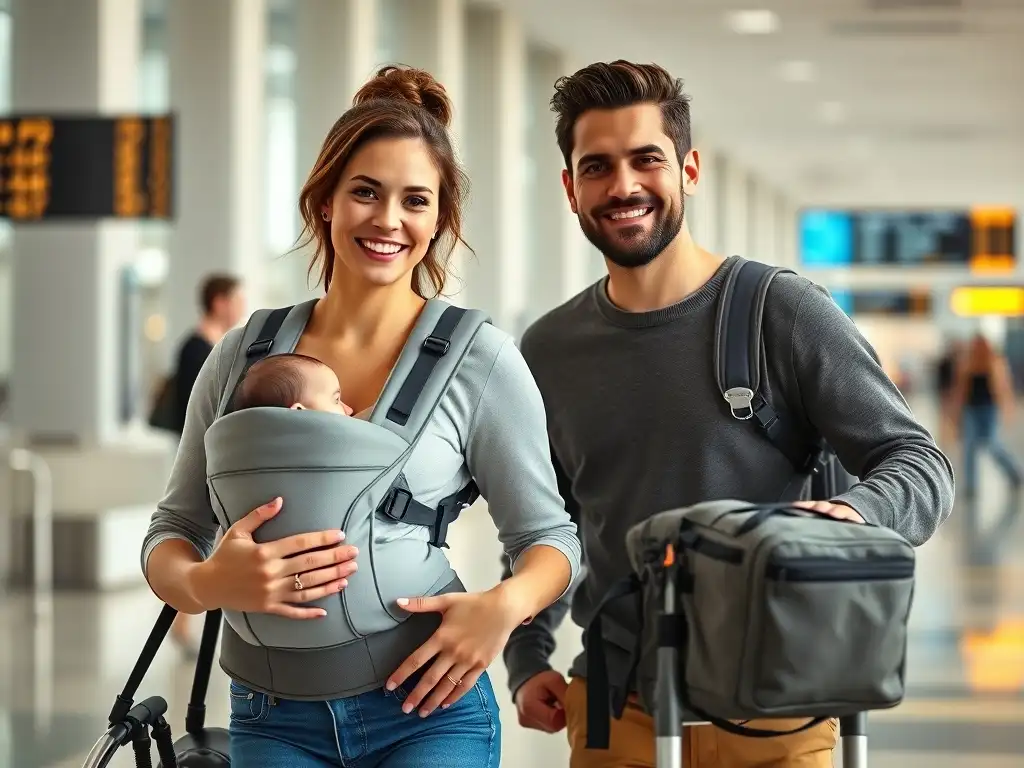
This section focuses on practical strategies for managing the unique challenges of traveling with a newborn. Successfully navigating a trip with your little one requires meticulous planning and adaptability. Remember, the goal is a smooth journey for both you and your baby, minimizing stress and maximizing enjoyment. We'll explore specific techniques to ensure a positive travel experience.
In-Flight Comfort for Baby: Calming Techniques and Strategies
Air travel with a newborn can be daunting, but with the right preparation, it can be surprisingly manageable. The key is to anticipate your baby's needs and have solutions readily available. Consider these strategies for in-flight comfort:
- Pacifiers and Bottles: Pack plenty of pacifiers and bottles, especially if your baby is breastfed. The change in air pressure can affect breastfeeding, and a bottle can provide a familiar comfort. Have several ready to go to avoid mid-flight scrambling. Remember to bring sterilized water for mixing formula if necessary.
- White Noise: The roar of airplane engines can be overwhelming for a newborn. A white noise machine (battery-operated, of course!) or a downloaded white noise app on your phone can create a soothing, familiar soundscape.
- Movement and Babywearing: A baby carrier allows you to keep your baby close and provides comfort during takeoff and landing. The gentle rocking motion can also help soothe a fussy baby. However, always follow airline safety guidelines regarding babywearing during takeoff and landing.
- Infant-Appropriate Toys: Pack a small bag of engaging yet quiet toys. Choose soft, textured toys or simple rattles that won't be lost easily in the confines of an airplane seat. Avoid toys with small parts that could pose a choking hazard.
- Diapering Essentials: Pack extra diapers, wipes, and diaper rash cream. Airplanes can be dry, and diaper changes are inevitable. Being prepared will reduce stress during potentially challenging moments.
Remember that the cabin pressure can affect your baby's ears, so offering a bottle or pacifier during ascent and descent can help equalize the pressure and reduce discomfort. Observe your baby closely for signs of distress and respond promptly to their needs. This proactive approach will greatly contribute to a smoother flight.
Managing Baby's Sleep Schedule During Travel: Adapting to New Environments
Maintaining a consistent sleep schedule during travel is crucial for both your baby's well-being and your own sanity. However, disruptions are inevitable. Here's how to minimize the impact:
- Prioritize Routine: Try to stick to your baby's usual bedtime routine as much as possible, even if you're in a new environment. This predictability can help your baby feel secure and more likely to sleep.
- Travel During Sleep Times: When possible, schedule your travel around your baby's usual sleep times. This will maximize the chances of them sleeping during the journey, reducing stress for everyone.
- Dark and Quiet Environments: In hotels or other accommodations, create a dark and quiet environment for your baby's sleep. Use blackout curtains or eye masks if necessary to minimize light exposure. White noise can also be helpful in blocking out disruptive sounds.
- Swaddling: Swaddling can provide a sense of security and comfort for your baby, making it easier for them to fall asleep in unfamiliar surroundings.
- Flexibility: Be prepared for disruptions. New environments and travel inevitably cause changes in sleep patterns. Embrace flexibility and try not to stress over minor deviations from the usual routine. Focus on creating a calm and consistent environment as much as possible.
Dealing with Fussy Baby on the Road: Soothing and Comforting Techniques
Even with meticulous planning, there might be moments when your baby becomes fussy during your trip. Having a repertoire of soothing techniques is essential:
- Skin-to-Skin Contact: The warmth and closeness of skin-to-skin contact can be incredibly soothing for a fussy baby. This simple act can often calm even the most distressed infant.
- Babywearing: A comfortable baby carrier provides a sense of security and closeness, which can help soothe a crying baby. The gentle movement can also be calming.
- Singing and Rocking: Gentle singing or rocking can be effective in calming a fussy baby. The rhythmic motion and familiar sounds can provide comfort.
- Pacifier: A pacifier can be a lifesaver in moments of distress. The sucking action can be self-soothing for many babies.
- Feeding: Hunger can often be the root of fussiness. Offer your baby a feeding, whether breastfeeding or bottle-feeding, to see if it helps alleviate their distress.
- Burping: A simple burp can often relieve gas and discomfort, leading to a calmer baby.
Remember, patience is key. A fussy baby is often just communicating a need. Try different soothing techniques until you find what works best for your baby in that moment. Don't be afraid to seek assistance from fellow travelers or hotel staff if you need help. Traveling with a newborn requires adaptability and a willingness to adjust your plans as needed. Prioritizing your baby's comfort and needs will ensure a more positive experience for everyone.
Maintaining Baby's Health While Traveling: Hygiene and First Aid
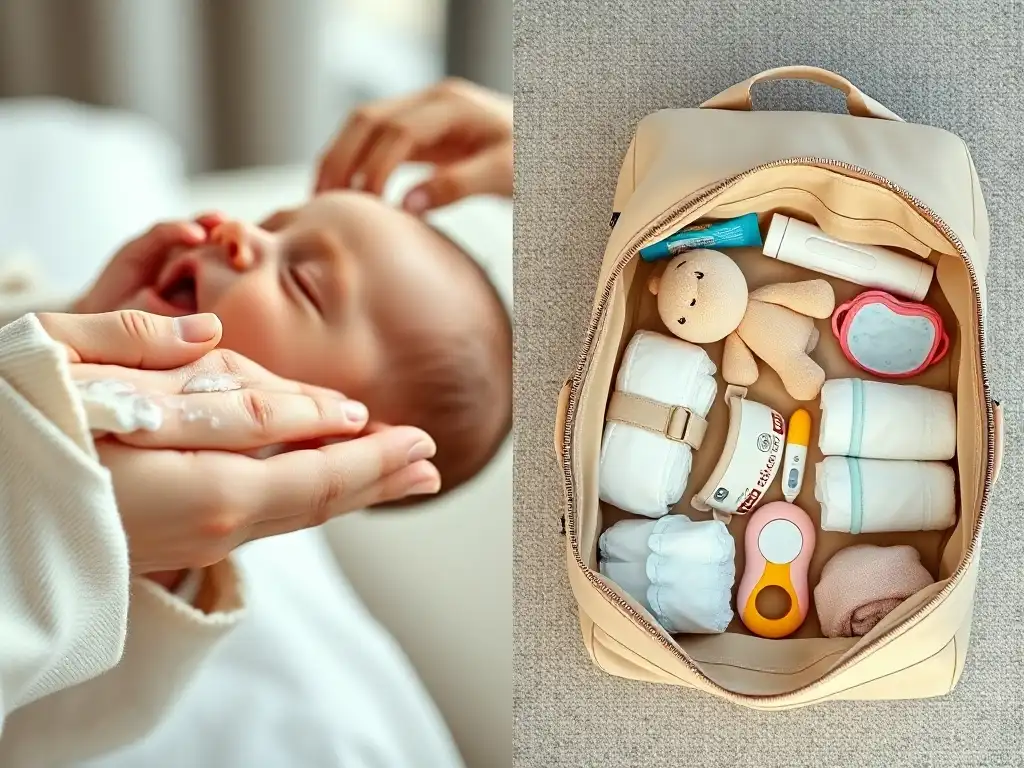
Traveling with a newborn requires meticulous attention to hygiene to prevent illness. Maintaining a clean environment is paramount, especially in unfamiliar settings. Pack plenty of baby wipes, hand sanitizer (for you! ), and disposable changing mats. These will be invaluable for quick cleanups on the go. Consider bringing a small, portable handwashing station if access to clean water is uncertain. Remember to frequently wash your hands, and those of anyone handling the baby, before and after changing diapers or feeding.
Beyond basic hygiene, preparing a comprehensive first-aid kit specifically for your baby is crucial. This kit should include items like antiseptic wipes, bandages in various sizes, a thermometer (preferably a digital, non-contact one for ease of use), infant pain relief medication (always consult your pediatrician before using any medication on your infant), and any prescribed medications your baby is taking. Don't forget diaper rash cream!
It’s a good idea to keep a copy of your baby's medical records readily accessible, including any allergies or pre-existing conditions. Familiarize yourself with the nearest medical facilities at your destination, and note their contact information in case of an emergency. Proactive planning in these areas significantly reduces the likelihood of health complications during your journey.
For example, if traveling internationally, check the necessary vaccinations recommended for your destination well in advance of your departure date. The health and well-being of your newborn should be the top priority throughout your trip.
Handling Unexpected Situations: Dealing with Travel Delays and Emergencies
Travel delays are an unfortunate reality, especially when traveling with a baby. Pack extra supplies to help you cope with unforeseen circumstances. This includes extra diapers, wipes, formula or breast milk (if applicable and stored appropriately), and comforting items like a favorite blanket or toy. Having these readily available can significantly reduce stress during extended waits. Consider downloading some calming baby sounds or music to your phone, which can soothe your baby during periods of disruption.
Planning for potential emergencies is equally vital. Before you depart, inform someone reliable of your travel itinerary, including flight numbers, accommodation details, and contact information. This allows someone to track your progress and assist if necessary. If your baby has any specific medical needs, make sure to carry appropriate documentation and inform airline personnel or other relevant parties accordingly.
Knowing the location of the nearest hospital or clinic at your destination is essential; program this information into your phone's GPS. Remember to remain calm and composed during any stressful situations; your baby will sense your anxiety. A well-prepared parent is better equipped to handle unforeseen circumstances, ensuring a smoother and safer journey for everyone.
Post-Trip Recovery: Settling Back In After Newborn Travel
Returning home after a trip with a newborn can be just as challenging as the journey itself. Successfully navigating the post-travel period requires patience, understanding, and a strategic approach to reintegrating your little one back into their familiar routine. This phase is crucial for both baby and parents to recover from the disruption of travel and regain a sense of normalcy. Effective post-trip recovery minimizes stress and facilitates a smoother transition back to everyday life. Remember, the key is gradual adjustment.
Re-Establishing Baby's Routine After Travel: Gradual Adjustment Strategies
The disruption of travel often throws off a baby's established sleep and feeding schedules. Instead of abruptly trying to reinstate the pre-trip routine, opt for a gradual approach. For example, if your baby's bedtime was 7 PM before the trip, and they've been drifting off later during the journey, aim for 7:30 PM on the first night back, gradually shifting the bedtime earlier by 15-30 minutes each night until you reach the original schedule. Similarly, if feeding times have been erratic, try to gently nudge them back towards the usual intervals over a few days.
Consistency is key; maintaining a predictable environment will help your baby adjust more easily. Be prepared for some initial fussiness as your baby reacclimates – this is perfectly normal. Consider using familiar sleep aids like white noise or a favorite cuddly toy to soothe your baby and create a sense of comfort and security. Remember to be patient and understanding; this process takes time and flexibility.
Don't hesitate to adjust your approach based on your baby's cues and individual needs. Observe your baby's hunger and sleep patterns closely; these are valuable indicators of their progress in readapting. 🍼
Travel, especially air travel, exposes babies to new environments and potential pathogens. After returning from a trip, carefully monitor your baby for any signs of illness, such as fever, cough, diarrhea, or unusual fussiness. While some minor discomfort is expected, significant changes in your baby's behavior or health warrant immediate attention. Keep a close eye on their diaper changes, noting any changes in stool consistency or frequency.
Remember to maintain good hygiene practices, such as frequent handwashing, to minimize the risk of infection. If you notice any concerning symptoms, don't hesitate to contact your pediatrician. Early intervention is critical in addressing potential health issues stemming from travel.
Pack a well-stocked travel first-aid kit including any necessary medications prescribed by your doctor. Proactive monitoring and prompt medical attention can prevent minor ailments from escalating into more serious problems. Document any changes in your baby’s health, including symptoms, timing, and any interventions taken, to help your pediatrician assess the situation accurately.
Learning from the Experience: Tips for Future Newborn Travel Adventures
Reflecting on your recent trip is invaluable for planning future adventures with your newborn. Consider what worked well and what could be improved. Did you pack appropriately? Was your travel itinerary realistic? Did you have adequate support?
Honest self-assessment will help you refine your approach for future journeys. Perhaps you need a more compact diaper bag, a different type of carrier, or more pre-prepared baby food. Maybe you learned that shorter trips are better suited to your family's needs, or that traveling with a support person is essential. Detailed planning, including packing lists, itinerary backups, and emergency contact information, are crucial for smooth newborn travel. Remember, each trip is a learning experience.
By analyzing the successes and challenges of your past travel experiences, you can create more enjoyable and stress-free adventures for both you and your little one in the future. This iterative process of learning and improvement is key to mastering the art of newborn travel. Keep a travel journal to document your experiences and insights to aid future planning. ✈️
Frequently Asked Questions
What are the essential documents I need for traveling with a newborn?
Ensure you have your baby's birth certificate, passport (if applicable), and health insurance card. Copies of these are also recommended. Don't forget your own travel documents!
How can I prepare my baby's travel bag for a flight or car trip?
Pack diapers, wipes, changes of clothes, formula or breast milk (if needed), and pacifiers. Include a favorite toy or blanket for comfort. Consider a portable changing mat.
What are some tips for keeping my baby comfortable during travel?
Frequent feeding or soothing helps prevent fussiness. Bring a carrier or stroller for easy transport. Plan for rest stops or breaks during longer journeys.
What are the best strategies for managing feeding a newborn while traveling?
If breastfeeding, nurse on demand. If using formula, prepare bottles in advance or use disposable bottles. Always bring extra supplies, just in case.
How can I ensure my baby's safety during travel?
Use a car seat that meets safety standards for car travel. On flights, follow airline guidelines for securing the car seat. Always supervise your baby closely.
Final Reflection: The Unfolding Journey of Newborn Travel
The logistical challenges of traveling with a newborn are undeniable, yet the rewards of creating lasting family memories far outweigh the perceived difficulties. Successfully navigating this adventure requires meticulous planning, adaptability, and a healthy dose of patience – all elements explored throughout this guide. The ability to create cherished experiences, even with the smallest of travel companions, is a testament to the power of preparation and the unwavering bond of family.
The impact of early travel experiences on a family's dynamic is profound and often underestimated. These journeys, however challenging, forge a unique connection between parents and child, fostering resilience and adaptability in all involved. They are not merely trips; they are the building blocks of shared memories and a strengthened family unit. The best memories are made when you're lost in the moment.
This sentiment rings especially true when navigating the unpredictable world of newborn travel, where flexibility and embracing the unexpected become essential skills.
Now, consider your own upcoming adventures. What steps can you take to transform potential anxieties into exciting possibilities? Remember the tips outlined in this article – from packing essentials to prioritizing rest – and use them as a springboard for your own planning. Embrace the chaos, cherish the small moments, and create memories that will last a lifetime. Your journey with your newborn awaits; make it an unforgettable one.
Ready to Embrace Your Next Adventure with Baby?
Thank you for exploring our travel tips for your little one! We hope you feel confident and prepared for a smooth trip. Now, let's put those tips into action.
Here's your next step:
- Create a personalized packing checklist: Download our free printable checklist [insert actual link here] and customize it for your trip. This will help ensure you haven't forgotten anything essential for your baby's comfort.
- Share your travel tips: Let's build a supportive community! Share your best stress-free baby travel tips in the comments—your experience could help other parents.
- Practice your travel routine: Before your big trip, try out your packing and travel routines during a short trip nearby. This will help identify and resolve any potential issues before you leave.
What's your biggest concern about traveling with your newborn, and how do you plan to address it?