
Babyproofing Your Outdoor Rock Garden: Ensuring Safety

Welcome to BabyCareHub, your ultimate guide to navigating the incredible journey of parenthood! We understand that becoming a first-time parent can feel overwhelming, which is why we've created this comprehensive resource to support you every step of the way. But what about those unexpected challenges? Today, let's tackle a crucial aspect of baby safety: babyproofing your outdoor rock garden. Discover essential tips and practical strategies to transform a potential hazard into a safe haven for your little one. Dive in and learn how to create a secure environment, ensuring your baby's well-being while exploring the wonders of your garden.
- Assessing Your Rock Garden's Hazards for Babies and Toddlers
-
Babyproofing Strategies for Rock Gardens: A Step-by-Step Guide
- Securing Loose Rocks and Stones: Effective Stabilization Techniques
- Filling Gaps and Crevices: Using Safe Fillers and Sealants
- Covering Sharp Rocks and Edges: Protective Materials and Methods
- Removing or Protecting Poisonous Plants: Safe Plant Management
- Creating Safe Zones: Designated Play Areas Within the Garden
- Choosing Safe Ground Cover for Your Rock Garden
- Maintaining a Safe Rock Garden Environment
- Creating a Safe and Enjoyable Outdoor Space for Your Child
- Frequently Asked Questions
- Final Reflection: Cultivating Safety, Nurturing Growth
- Unleash Your Child's Outdoor Adventure Safely!
Assessing Your Rock Garden's Hazards for Babies and Toddlers
Creating a beautiful and serene rock garden is a rewarding experience, but when you have little ones exploring the world, safety becomes paramount. This guide focuses on babyproofing your outdoor rock garden, ensuring a safe and enjoyable environment for your baby or toddler while maintaining the aesthetic appeal of your landscape. We'll explore potential hazards and offer practical solutions to mitigate risks, allowing your child to safely experience the wonders of nature.
This detailed approach to babyproofing your outdoor rock garden will help you address specific concerns related to sharp edges, gaps, poisonous plants, and other potential dangers, transforming your rock garden into a safe haven for your family. Remember, a proactive approach to safety is the best way to protect your child and enjoy your beautiful outdoor space together. Let's get started on creating a child-safe rock garden!
Identifying Potential Hazards: Sharp Rocks and Uneven Surfaces
Sharp rocks and uneven surfaces present significant hazards to crawling and toddling children. A seemingly innocuous rock can cause a nasty scrape or cut, while uneven terrain increases the risk of falls and injuries. Consider the following points when assessing your rock garden for these hazards:
- Sharp edges and points: Carefully examine each rock for sharp edges or protruding points that could puncture or cut skin. Pay close attention to smaller rocks, as these can be easily overlooked.
- Rock size and placement: Large rocks, while aesthetically pleasing, can create tripping hazards for little ones. Ensure that rocks are either firmly embedded or spaced sufficiently to prevent falls.
- Surface texture: Assess the texture of the rocks. Rough, jagged surfaces increase the risk of injury compared to smoother rocks. Consider covering especially rough areas with a soft, safe material.
- Uneven ground: Evaluate the overall terrain of your rock garden. Significant elevation changes, steep inclines, or uneven pathways increase the risk of falls. Consider adding pathways or smoothing out uneven areas.
Implementing solutions such as covering sharp rocks with soft landscaping fabric or strategically placing softer ground cover between rocks can significantly reduce these risks. Remember that a thorough inspection, preferably from a child's perspective, will highlight areas needing attention.
Evaluating Gaps and Crevices: Preventing Entrapment Risks
Small children are naturally curious and prone to exploring tight spaces. Gaps and crevices between rocks can pose a significant entrapment risk, potentially leading to serious injury. Careful assessment and preventative measures are crucial:
- Gap size analysis: Systematically check for gaps between rocks. Any gap large enough for a small hand or foot to fit presents a potential entrapment hazard.
- Rock stability: Ensure that rocks are firmly embedded and stable, preventing shifting or collapsing that could trap a child’s limbs.
- Depth of crevices: Evaluate the depth of any crevices or holes. Deep crevices can pose a serious risk of entrapment and should be filled or covered.
- Hidden dangers: Remember to consider areas beneath rocks or within rock formations, as these can be hidden entrapment zones.
Solutions range from filling small gaps with a suitable sealant to reinforcing the stability of rocks using additional supports. Prioritizing the prevention of entrapment hazards through proactive measures is essential to ensuring your child's safety. Consider using larger, more stable rocks to minimize the occurrence of small gaps.
Assessing Plant Toxicity: Identifying Poisonous Plants in Your Garden
Many beautiful plants, unfortunately, are toxic if ingested by young children. Identifying and removing or containing poisonous plants from your rock garden is a crucial step in babyproofing.
- Plant identification: Carefully identify all the plants in your rock garden. Use reliable resources, such as gardening books or online databases, to determine if any are toxic.
- Toxicity levels: Understand the level of toxicity for each identified plant. Some plants cause mild irritation, while others can be life-threatening if ingested.
- Accessibility: Assess how easily a child can access each plant. Low-hanging branches or plants within reach pose a greater risk.
- Protective measures: If removing toxic plants is not feasible, consider implementing barriers such as fencing or protective netting to keep your child away from them.
If you identify poisonous plants, removing them is the safest option. For plants that are difficult to remove, consider consulting a landscaping professional for safe removal or containment strategies. Remember that even seemingly harmless plants can cause allergic reactions in some children, so careful consideration is always necessary. Prioritize the safety of your child by either removing or properly protecting all potentially harmful plants.
Checking for Loose Rocks: Preventing Choking Hazards
Loose rocks pose a significant choking hazard to babies and toddlers. Small children are naturally curious and prone to picking up and putting objects in their mouths. A seemingly innocuous pebble could easily become lodged in their airway, leading to a serious medical emergency.
Thorough inspection is crucial. Don't just glance over the surface; get down on your hands and knees and meticulously examine every area of the rock garden. Pay particular attention to areas where rocks might have shifted due to weather or foot traffic.
Look for small, loose rocks that are easily dislodged or that might be partially buried in soil or mulch. Consider the size and shape of the rocks; even larger rocks can break or chip, creating smaller, potentially hazardous fragments. Remember, a rock doesn't have to be tiny to pose a choking risk; a small enough piece broken off a larger rock can be just as dangerous.
Regular maintenance is key to minimizing this risk. After heavy rains or periods of frost, check for dislodged rocks. Consider using a sturdy rake or garden trowel to gently firm the soil around the rocks, reducing the likelihood of them becoming loose. If you notice any cracks or crumbling in larger rocks, remove them immediately.
Replace loose or unstable rocks with larger, more securely embedded ones, or consider using alternative landscaping materials in areas frequently accessed by children, such as smooth river stones, which are less likely to break apart. Prioritize safety; a slightly less aesthetically pleasing garden is far preferable to risking your child's health. It's vital to remember that proactive babyproofing is far more effective than reacting to an accident.
Babyproofing Strategies for Rock Gardens: A Step-by-Step Guide
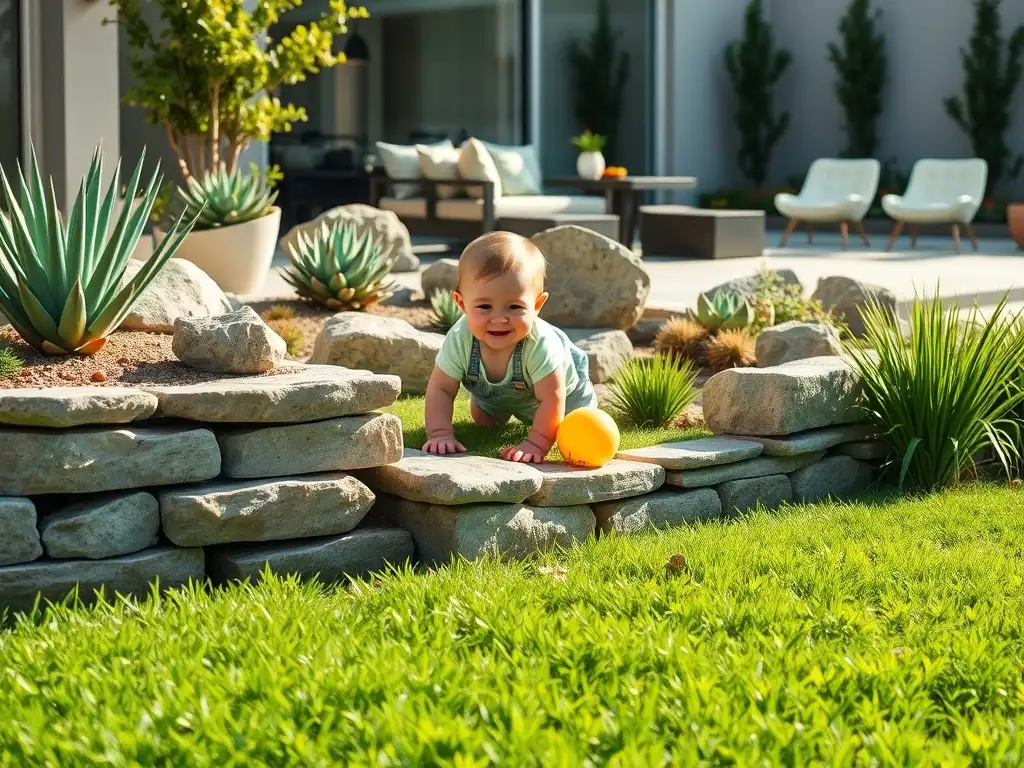
This section provides a detailed, step-by-step guide on how to babyproof your outdoor rock garden, ensuring a safe environment for your little one to explore (or at least, to be near without risk). Remember, even seemingly harmless rock gardens present potential hazards to crawling and toddling infants. Proactive babyproofing is crucial for preventing injuries. This guide focuses specifically on the challenges posed by a rock garden's unique features and offers practical solutions. We'll cover securing loose elements, filling gaps, and protecting sharp edges.
Securing Loose Rocks and Stones: Effective Stabilization Techniques
Loose rocks and stones are a significant tripping hazard for babies and toddlers. A seemingly minor stumble in a rock garden can result in a nasty fall and injury. Effective stabilization is paramount. Here's how to address this:
- Method 1: Deep Setting: This involves digging down several inches (at least 4-6 inches) before placing larger rocks and stones. Backfill firmly with compacted soil or gravel to ensure stability. This method is most effective for larger rocks that form the garden's base or structure. Think of it like building a solid foundation. 🪨
- Method 2: Mortar or Concrete: For particularly loose or unstable areas, consider using mortar or a concrete mix to bind the rocks together. This is more labor-intensive but offers superior stability. However, ensure the mortar or concrete is fully cured and dry before allowing children near the area. This is especially crucial if you're working with a large number of smaller stones.
- Method 3: Weed Barrier Fabric: Laying a layer of weed barrier fabric beneath the rocks can help improve drainage and prevent shifting. While this won't entirely secure loose rocks, it can minimize movement and make the garden more stable. This is a good option for smaller stones or areas where you want to minimize digging.
Consider the size and weight of the rocks when choosing a stabilization method. Larger, heavier rocks are less likely to shift, while smaller stones require more careful attention to detail. Regularly inspect the garden for any signs of shifting or loosening, especially after heavy rain or strong winds. Remember, proactive maintenance is key to a safe rock garden.
Filling Gaps and Crevices: Using Safe Fillers and Sealants
Gaps and crevices between rocks are perfect hiding spots for small objects and present a choking hazard for babies. Furthermore, these gaps can trap small fingers or toes, leading to injuries. Addressing these spaces is vital. Here are some safe and effective fillers:
- Soil and Mulch: For smaller gaps, using soil or mulch can effectively fill the spaces and blend seamlessly with the garden’s aesthetic. Ensure the soil is compacted to prevent settling and the mulch is free from any sharp fragments. 🌱
- Pea Gravel: Pea gravel is a good option for larger gaps, providing a safe and aesthetically pleasing fill. It’s also less likely to compact than soil. The small size minimizes the risk of trapping small fingers or toes.
- Sealants: For wider crevices, a safe, non-toxic sealant can be used to create a smooth, even surface. Always choose sealants specifically designed for outdoor use and ensure they are non-toxic and child-safe. Before applying any sealant, ensure the area is clean and dry.
Remember to always prioritize safety. Avoid using materials that could break down easily or create additional hazards. Regularly inspect the filled gaps to ensure they remain stable and free from debris.
Covering Sharp Rocks and Edges: Protective Materials and Methods
Sharp rocks and edges pose a significant risk of cuts and scrapes to a curious child. Protecting these areas is essential. Here are several methods to mitigate these risks:
- Soft Landscaping: Strategic planting of low-growing, soft plants can help cover sharp edges and create a softer, more child-friendly barrier around the rock garden. Choose plants that are safe for children and won't cause allergic reactions.
- Rubber Edging: Rubber edging is a readily available and relatively inexpensive solution. It can be placed around the perimeter of the rock garden to cover sharp edges and create a safe buffer zone. This is particularly useful for gardens with prominent rocks or uneven edges.
- Protective Mats: Consider using protective mats made from soft, durable materials such as rubber or foam. These can be placed over particularly sharp or exposed rocks, providing a soft, cushioned surface. These mats should be securely anchored to prevent shifting.
Remember to regularly inspect the protective materials for wear and tear and replace them as needed. Prioritizing safety should always be the primary concern when dealing with sharp edges near children. Regular inspections and proactive maintenance are vital for maintaining a safe and enjoyable outdoor space for your family.
Removing or Protecting Poisonous Plants: Safe Plant Management
Creating a safe outdoor environment for your baby necessitates careful consideration of the plants in your rock garden. Many common landscaping plants are toxic if ingested by children. Thorough identification is crucial. Start by meticulously examining every plant in your garden. Consult a gardening guide or a local nursery to identify potentially hazardous species. Common culprits include, but are not limited to, oleander, azaleas, rhododendrons, and foxglove. These plants contain toxins that can cause anything from mild gastrointestinal distress to serious cardiac problems if ingested.
Once you've identified poisonous plants, you have two primary options: removal or protection. Removing them completely is the safest approach, especially if you have a very young, mobile baby. Dig up the plants carefully, ensuring you remove the entire root system to prevent regrowth. Dispose of them properly, ideally in a sealed garbage bag, to prevent accidental contact.
If removing a plant is impractical or undesirable for aesthetic reasons, you can implement protective measures. One effective method is to physically enclose the plant using a sturdy, child-resistant barrier. A strong wire mesh fence or a tall, solid barrier would suffice. Ensure there are no gaps or openings large enough for your baby to reach through.
Regularly inspect the barrier for any damage or weaknesses. Another option is to plant the hazardous plants in areas completely inaccessible to your baby, such as behind a tall hedge or in a section of the garden that's permanently out of bounds. Remember, vigilance is key. Regularly inspect the garden for any changes or damage to protective measures.
Creating Safe Zones: Designated Play Areas Within the Garden
While completely eliminating hazards is ideal, it might not always be feasible. A practical approach involves creating safe zones within the rock garden, designated specifically for your baby's play. This strategy combines hazard mitigation with providing a stimulating environment for your little one.
First, identify a section of the garden with minimal hazards. This area should ideally be free of poisonous plants, sharp rocks, and small objects that could be swallowed. The ground should be relatively level and free of tripping hazards. Consider using soft, padded mats or landscaping fabric under the play area for extra cushioning and protection from sharp stones.
Next, define the safe zone using visual cues that your baby will eventually understand. You can use brightly colored edging stones or even a low, child-safe fence to demarcate the boundary. This helps your baby learn the limits of their play area, even before they can fully comprehend the dangers outside the designated space.
Within this safe zone, you can add child-appropriate elements such as soft toys, age-appropriate gardening tools (under supervision), or even a small sandbox with clean sand. Remember to supervise your child closely at all times, even within the designated safe zone, and regularly inspect the area for any new hazards that may have appeared. This approach provides both a secure and enriching environment, allowing your baby to explore and enjoy the garden safely.
Choosing Safe Ground Cover for Your Rock Garden
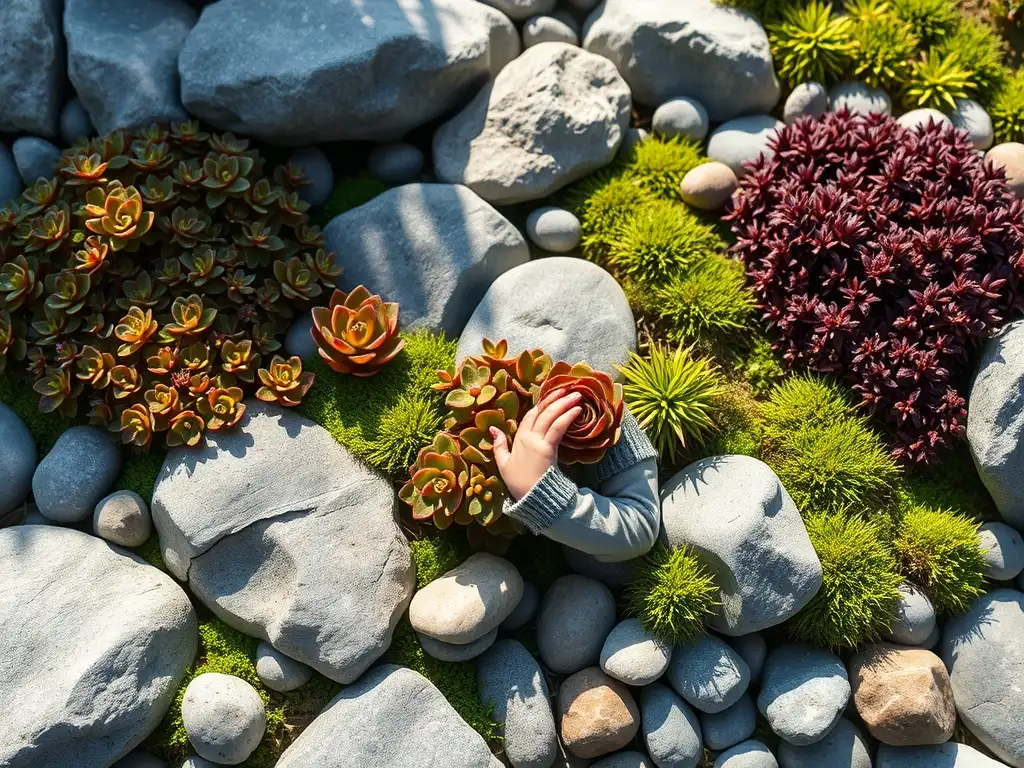
Creating a beautiful and safe outdoor rock garden for your little one requires careful consideration of the ground cover. Loose rocks present a significant tripping hazard, and sharp edges can cause injuries. Therefore, selecting the right ground cover is paramount to babyproofing your outdoor rock garden effectively. This section will explore several options, weighing their benefits and drawbacks in relation to baby safety. The goal is to minimize the risk of injury while maintaining the aesthetic appeal of your rock garden. Remember, a safe environment is a happy environment for both you and your baby!
Mulch Options: Benefits and Considerations for Baby Safety
Mulch provides a soft, relatively even surface, making it a popular choice for playgrounds and gardens alike. However, not all mulches are created equal when it comes to baby safety. For example, wood mulch presents a few challenges. While it's soft, it can splinter, posing a potential eye or skin irritation hazard. Furthermore, it can harbor mold and mildew if not properly maintained, potentially triggering allergies in sensitive babies. Additionally, small pieces can easily be ingested, leading to choking hazards.
A safer alternative might be pea gravel mulch. Its smooth, rounded pebbles are less likely to cause injuries than sharp-edged stones. However, it is important to choose a pea gravel with pebbles of a consistent size to avoid creating uneven surfaces that could cause tripping. Always check the gravel for any sharp or irregularly shaped pieces before allowing your baby access to the area.
| Mulch Type | Pros | Cons | Baby Safety Considerations |
|---|---|---|---|
| Wood Mulch | Soft, readily available, affordable | Splinters, mold, mildew, ingestion hazard | Avoid if possible; inspect frequently for splinters |
| Pea Gravel Mulch | Smooth, relatively even surface | Can be expensive, may shift over time | Choose consistent size, inspect for sharp pieces |
| Rubber Mulch | Soft, durable, low maintenance | Can get hot in direct sunlight, may contain toxins (check certifications) | Ensure it is certified for children's play areas |
Remember to regularly inspect any mulch for debris, weeds, or other hazards that could endanger your baby.
Gravel Alternatives: Size and Safety Considerations
While gravel can be an attractive option for a rock garden, its use requires careful consideration of size and consistency. Larger, irregularly shaped gravel presents a significant tripping hazard and can cause cuts and bruises if your baby falls on it. Even small gravel can be a problem; if ingested, it can cause intestinal irritation.
For baby safety, using small, uniformly sized, rounded gravel is the safest option. Larger stones should be firmly embedded and secured to prevent them from shifting or becoming loose. Consider using a weed barrier under the gravel to prevent weeds from pushing the stones upwards and creating uneven surfaces. Regularly check for loose stones and promptly remove any that become dislodged. A consistently smooth surface is key to minimizing the risk of injury. Think about the texture underfoot – it should be relatively even and firm.
Artificial Turf: Pros and Cons for Rock Garden Babyproofing
Artificial turf offers a soft, even surface, making it a potentially excellent option for babyproofing your rock garden. It’s relatively easy to maintain and doesn't require watering, reducing the risk of muddy messes. However, there are factors to consider. Some artificial turfs can get extremely hot under direct sunlight, potentially burning your baby's skin. It's also essential to choose a high-quality turf that's free of harmful chemicals and is designed for children's play areas.
Furthermore, the seams between artificial turf sections can sometimes create tripping hazards if not properly installed. Make sure any seams are smooth and flush to the ground. Finally, consider the drainage properties to prevent waterlogging and the potential for mold growth. Always prioritize a brand with clear safety certifications.
Maintaining a Safe Rock Garden Environment
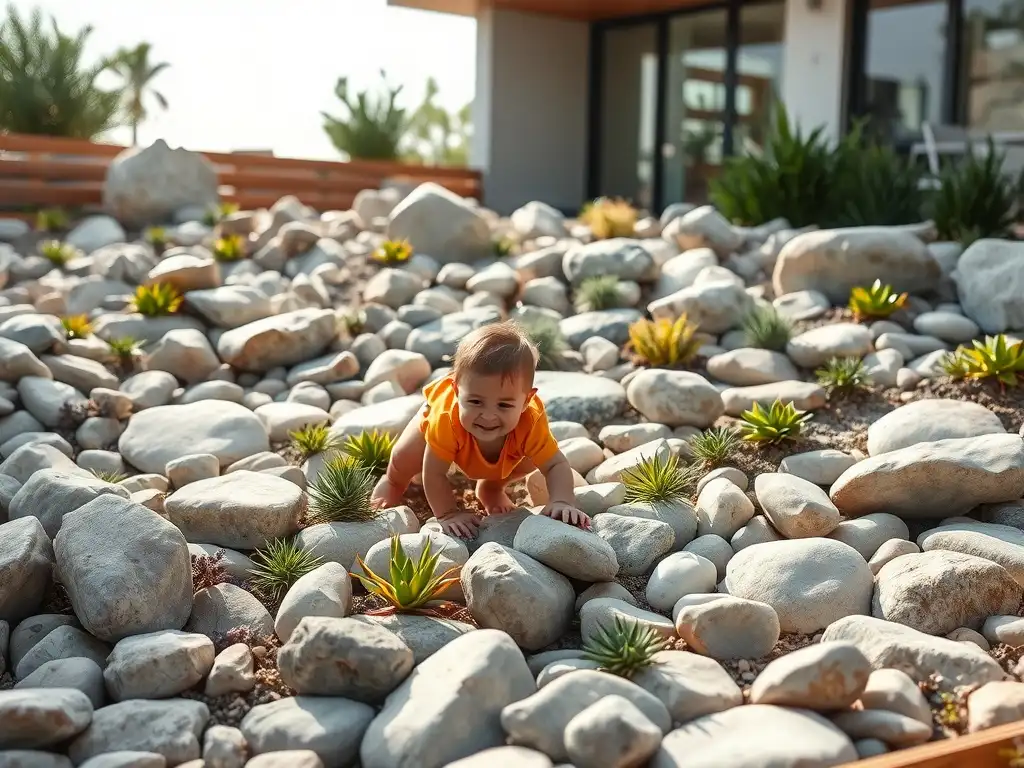
Creating a beautiful rock garden is a rewarding experience, but ensuring its safety for your little one is paramount. This section focuses on ongoing maintenance and proactive strategies to minimize risks associated with your babyproof outdoor rock garden, building upon the initial setup and design considerations. Remember, consistent vigilance is key to preventing accidents. Regular maintenance isn't just about aesthetics; it's about ensuring your child's well-being. The goal is to create a space where your baby can safely explore and develop, even amidst the natural beauty of rocks and plants.
Regular Inspections: Identifying and Addressing New Hazards
Regular inspections are crucial for maintaining a safe rock garden environment. Think of it as a proactive approach to babyproofing – identifying and mitigating potential hazards before they become accidents. Aim for at least weekly, if not more frequent, checks, especially after periods of inclement weather.
Here's a checklist to guide your inspections:
- Loose Rocks: Carefully examine the garden for any rocks that have become dislodged. Even small pebbles can pose a tripping hazard or cause injury if stepped on. Secure any loose rocks by firmly re-embedding them in the soil or using landscape adhesive. Consider adding a layer of mulch or pea gravel in areas where rocks are particularly prone to shifting.
- Plant Health: Regularly inspect plants for dead or decaying material. Remove any dead leaves, branches, or plants that could become brittle and break easily, presenting a potential choking hazard or causing injury. Ensure plants aren't overhanging pathways, creating potential obstacles.
- Erosion Control: Check for signs of erosion around the rock garden's edges. Erosion can destabilize rocks and create uneven ground, increasing the risk of falls. Implement erosion control measures as needed, such as adding more soil or using retaining walls.
- Sharp Edges: Examine rocks for any sharp edges or points that might cause cuts or scrapes. Sand down sharp edges or consider covering them with soft materials like rubber edging or protective sleeves.
- Foreign Objects: Regularly clear the area of any foreign objects that may have accumulated, such as toys, debris, or sharp objects like broken glass. This is particularly important after playtime or storms.
Remember, a proactive approach is crucial. Addressing minor issues promptly prevents them from escalating into significant safety concerns. A safe rock garden is a continuously maintained one. The effort you put into regular inspections will pay off in peace of mind.
Seasonal Adjustments: Adapting Safety Measures for Different Seasons
The seasons bring different challenges to maintaining a safe rock garden. Your babyproofing strategy should adapt accordingly.
- Winter: Snow and ice can make the ground slippery and increase the risk of falls. Clear snow and ice promptly and consider adding non-slip mats or traction aids to pathways. Frozen ground can also make rocks less stable, so extra care is needed during winter inspections.
- Summer: High temperatures can lead to dehydration, so ensure your baby has access to plenty of shade and water while playing near the rock garden. Also, be mindful of potential insect activity and take appropriate precautions. Consider using natural insect repellents.
- Spring and Autumn: These transitional seasons can bring unpredictable weather. Be prepared for sudden rain showers that can make the ground muddy and slippery. Regularly check for changes in ground stability and adjust safety measures accordingly. Leaves can also accumulate, forming a tripping hazard.
Adapting your safety measures to seasonal changes is essential for ensuring your child's continued safety in the rock garden throughout the year. Remember, flexibility and preparedness are key to successful babyproofing. Think ahead and anticipate potential hazards associated with each season.
Educating Older Siblings: Supervising Children Around the Rock Garden
If you have older children, their involvement in maintaining a safe rock garden environment is invaluable. Educating them about the potential hazards and teaching them how to act responsibly is a crucial aspect of babyproofing.
- Hazard Awareness: Teach older siblings to identify potential hazards, such as loose rocks, sharp edges, and unstable plants. Make it a fun learning experience, emphasizing the importance of safety for their younger sibling.
- Responsible Behavior: Establish clear rules about playing near the rock garden, emphasizing the need for supervision and careful behavior. Explain the consequences of not following these rules.
- Active Participation: Involve older siblings in regular inspections and maintenance tasks, such as picking up loose rocks or clearing debris. This fosters a sense of responsibility and contributes to a safer environment for everyone.
- Supervision: Even with education and involvement, constant supervision is essential, especially for younger children. Never leave young children unattended near the rock garden, regardless of their age or the seemingly low risk.
Remember, a multi-layered approach to safety is most effective. Combining proactive measures, regular inspections, and educating older siblings creates a significantly safer environment for your baby to explore and enjoy the beauty of your rock garden. Prioritizing safety is an ongoing commitment, not just an initial task.
Creating a Safe and Enjoyable Outdoor Space for Your Child
This section focuses on transforming your outdoor rock garden into a safe haven for your little one, without sacrificing its aesthetic appeal. Babyproofing your outdoor rock garden requires careful planning and execution. Remember, the goal isn't to eliminate all risk, but to minimize hazards and create an environment where your child can explore and play safely. A key aspect of babyproofing is understanding that your child's abilities and needs will change as they grow, demanding adjustments to your safety measures.
Balancing Safety and Aesthetics: Maintaining a Beautiful and Safe Garden
The beauty of a rock garden often lies in its natural, somewhat rugged charm. However, sharp edges and uneven surfaces present significant hazards for crawling and toddling babies. The key here is to find a balance between preserving the garden's beauty and enhancing its safety.
One effective strategy is to strategically incorporate soft landscaping elements. Consider adding patches of low-growing, soft ground cover plants around the rocks to cushion potential falls. These plants also add a vibrant touch to the garden, contrasting beautifully with the stony elements. Additionally, you can use mulch, such as wood chips or pea gravel (ensure it's large enough to prevent ingestion), to create softer pathways between the rocks.
Remember to regularly inspect the garden for loose or unstable rocks. Any rocks that could easily be dislodged or present a tripping hazard should be removed or firmly secured. This preventative maintenance is crucial for maintaining a safe environment for your child. You should also consider the placement of garden ornaments; anything easily breakable or with sharp edges should be moved to a less accessible area. This proactive approach to safety ensures a beautiful and secure environment for your baby.
Age-Appropriate Activities: Engaging Your Child in Safe Outdoor Play
As your child grows, their interaction with the rock garden will naturally evolve. It's essential to adapt your safety measures to match their developmental stages.
For infants, the focus should be on creating a safe space for supervised tummy time and observing the garden's wonders from a safe distance. As they begin to crawl and pull themselves up, you'll need to pay closer attention to eliminating tripping hazards. This might involve adding soft padding around the edges of pathways or using baby gates to temporarily restrict access to certain areas.
Toddlers, however, are more mobile and curious. You might introduce age-appropriate outdoor toys that encourage exploration within the safe boundaries you've established. Consider soft balls, sturdy non-toxic buckets, and other toys designed for outdoor play. Always supervise their play closely and ensure that they are not attempting to climb or interact with unstable rocks or potentially dangerous plants. Remember, careful planning and observation are key to ensuring your child's safety throughout their developmental stages.
Supervision: The Importance of Constant Monitoring
No matter how thoroughly you babyproof your outdoor rock garden, constant supervision is paramount. Even with the most meticulous safety precautions in place, accidents can still happen. Never leave your child unattended in or near the rock garden, even for a few moments.
Consider establishing a clear visual line of sight from your vantage point to the rock garden. This allows you to constantly monitor your child's activities and intervene if necessary. If you need to step away, even for a brief moment, ensure your child is safely contained in a playpen or other secure area. This vigilance is essential for preventing accidents and ensuring your child's well-being. Remember, consistent monitoring is the most effective safety measure you can implement. The peace of mind it provides is invaluable. 👶 Protecting your child requires constant attention and proactive safety measures.
Frequently Asked Questions
What are the biggest dangers of a rock garden for babies and toddlers?
Rock gardens pose several risks to young children. Falling rocks can cause injuries, and small rocks present a choking hazard. Uneven surfaces also increase the risk of falls and bumps.
How can I babyproof my rock garden effectively?
The best approach is limiting access. Use fencing or gate barriers to keep your baby away from the area completely. If access isn't possible, consider covering exposed rocks with mulch or landscaping fabric.
What type of fencing is best for a rock garden?
A sturdy mesh fence or a solid fence (depending on the size and location) is recommended. Ensure it's securely anchored to prevent climbing and toppling.
Are there any plants to avoid when babyproofing a rock garden?
Yes, avoid poisonous plants completely. Research the plants in your garden and remove any that are toxic to children. Consider replacing them with non-toxic alternatives.
What if my child still manages to get into the rock garden?
Always supervise your child closely when they are near the rock garden, even if it's partially babyproofed. Regularly check for loose rocks and remove any potential hazards.
Final Reflection: Cultivating Safety, Nurturing Growth
Creating a safe outdoor environment for our children is not just a matter of practicality; it's an act of profound love and responsibility. The seemingly simple act of babyproofing an outdoor rock garden, as explored in this article, speaks volumes about our commitment to protecting the most vulnerable members of our society while still allowing them to explore and learn. This isn't just about preventing falls; it's about fostering a sense of security that allows for joyful, uninhibited play.
The impact of creating safe spaces for children extends far beyond the immediate prevention of accidents. It shapes their understanding of the world, their confidence in exploring their surroundings, and their overall sense of well-being. As the saying goes, The best way to find yourself is to lose yourself in the service of others,
and in this case, that service is the unwavering dedication to our children's safety and happiness. This extends beyond the immediate family, influencing community design and the broader societal understanding of child safety. We are all responsible for creating environments where children can thrive.
Consider the lessons learned here. Take a moment to assess your own outdoor spaces. Are there potential hazards lurking unseen? You have the power to transform potentially dangerous areas into havens of safety and wonder. Don't just passively accept risk; actively engage in creating a nurturing environment where your children can flourish, learn, and grow. Let this article serve as a springboard for a more thorough examination of your home environment, ensuring that every corner is a place of safety and joy for your little ones.
Unleash Your Child's Outdoor Adventure Safely!
Thank you for learning how to childproof your rock garden! We hope you feel confident creating a safe and stimulating outdoor environment for your child. Ready to put your knowledge into practice?
- Prioritize immediate hazard removal: Begin by carefully inspecting your rock garden for loose rocks, sharp edges, or potential tripping hazards. Remove or secure anything that could endanger your child. This is the most crucial first step.
- Soften the landscape: Consider adding soft landscaping elements, such as a low-growing, soft ground cover plant, to create a more forgiving surface around some rock formations.
- Share your safety tips: Share your experiences and advice on social media to help other parents create safer outdoor spaces for their children. Let's work together to build a safer community!
What creative safety solutions have you implemented in your outdoor spaces? Let's discuss!