
Baby Registry Checklist: The Only List You Need for a StressFree Start

Welcome to BabyCareHub, your ultimate guide to navigating the incredible journey of parenthood! Feeling overwhelmed by the sheer number of baby products available? We understand. That's why we've created the Stressfree baby registry checklist, your key to a smoother, more organized start. Discover essential items, avoid unnecessary purchases, and confidently prepare for your little one's arrival. Let's embark on this exciting adventure together – explore our Parenting Practicalities section and unlock the secrets to a stress-free parenting experience!
- Creating Your Stress-Free Baby Registry: A Step-by-Step Guide
- Nursery Essentials: Setting Up a Safe and Cozy Space
- Feeding Essentials: Everything You Need for Feeding Your Baby
- Clothing & Diapering Essentials: Preparing for Daily Needs
- Bath Time Essentials: Making Bath Time Fun and Safe
- Safety & Health Essentials: Prioritizing Your Baby's Well-being
- Additional Items: Enhancing Your Baby's Comfort and Development
- Completing Your Stress-Free Baby Registry: Final Checklist & Tips
- Frequently Asked Questions
- Final Reflection: Navigating the Chaos: A Stress-Free Start to Parenthood
- Unpack Your Joy: Get Started on Your Dream Nursery Today!
Creating Your Stress-Free Baby Registry: A Step-by-Step Guide
Planning for your little one's arrival is an exciting yet potentially overwhelming experience. Navigating the world of baby products can feel like entering a maze, especially for first-time parents. This comprehensive guide aims to simplify the process by providing a stress-free baby registry checklist, ensuring you're prepared for your newborn's arrival without the added pressure of unnecessary purchases or missing essentials.
We'll walk you through every step, from initial planning and budgeting to selecting the perfect registry platform, guaranteeing a smooth and organized journey towards welcoming your baby. This checklist focuses on practicality and prioritizes items that truly contribute to a smoother transition into parenthood, helping you avoid impulse buys and focus on what truly matters. We'll cover everything from must-have items to helpful extras, empowering you to create a registry that perfectly suits your needs and budget, ultimately contributing to a more relaxed and enjoyable experience as you prepare for your baby's arrival.
Let's begin building your stress-free baby registry! 🎉
Essential First Steps: Planning Your Baby Registry
Before diving into the exciting world of baby products, take a moment to strategically plan your registry. This initial step will save you considerable time and stress in the long run. Consider the following:
- Due Date & Timeline: Knowing your baby's expected arrival date helps determine when to start your registry and when you'll need items. A timeline ensures you have everything in place well before your due date, minimizing last-minute rushes.
- Lifestyle & Preferences: Consider your parenting style and preferences. Do you prefer natural products? Are you planning on breastfeeding or formula feeding? These choices will influence the items you include on your registry.
- Space Considerations: Think about the space you have available at home for all the baby gear. Avoid over-registering for items you won't have room for.
- Collaborate with your Partner: Involving your partner from the start ensures you're both on the same page regarding preferences and budget. This collaborative approach fosters a shared sense of responsibility and minimizes potential disagreements later.
- Seek Advice from Experienced Parents: Don't hesitate to ask friends and family who have already been through this journey for advice and recommendations. Their experiences can be invaluable.
Budgeting for Baby Essentials: Setting Realistic Expectations
Creating a realistic budget is crucial for avoiding financial strain. Baby expenses can quickly add up, so establishing financial boundaries early is essential for a stress-free journey.
- Prioritize Essentials: Focus on must-have items first, such as diapers, wipes, onesies, and a safe sleeping space. Luxury items can be added later if your budget allows.
- Utilize Price Comparison Tools: Research and compare prices from various retailers before adding items to your registry. This helps ensure you're getting the best value for your money.
- Consider Secondhand Options: Don't be afraid to explore secondhand options for larger items like cribs or strollers, potentially saving significant amounts of money.
- Track Your Spending: Keep a running tally of the total cost of your registry items to stay within your budget and avoid overspending.
- Explore Baby Gear Rental Options: Consider renting certain items, such as breast pumps or baby carriers, rather than purchasing them outright, especially if you're unsure about long-term use.
Choosing the Right Baby Registry Platform: Registry Options and Considerations
Selecting the right registry platform is an important step that will significantly impact your experience. Consider these factors when making your decision:
- Features & Functionality: Compare the features offered by different platforms, such as group gifting options, return policies, and mobile app accessibility.
- Rewards Programs: Many retailers offer rewards programs or discounts for registry completion. Consider these incentives when choosing a platform.
- Ease of Use: Opt for a platform that is intuitive and easy to navigate, making the process of adding and managing items straightforward.
- Guest Experience: Ensure the platform offers a user-friendly experience for your guests, simplifying the process of purchasing gifts.
- Return Policy: Check the return policies of the retailer associated with your chosen platform, in case you receive duplicate gifts or unwanted items. A flexible return policy can reduce stress and save you money.
Nursery Essentials: Setting Up a Safe and Cozy Space
Creating a safe and cozy nursery is paramount for a stress-free start to parenthood. This section focuses on the key elements you'll need to transform a room into a haven for your little one. Careful planning and selection of these items will contribute significantly to a smoother transition into parenthood, alleviating much of the initial anxiety associated with bringing a newborn home. Remember, a well-prepared nursery is a key component of a stressfree baby registry checklist.
Crib & Mattress Selection: Safety First
The crib is the centerpiece of any nursery, and choosing the right one is crucial for your baby's safety and comfort. Prioritize safety features above all else. Look for a crib that meets current safety standards, ensuring it has:
- Strong, stable construction: Avoid cribs with loose joints or wobbly legs.
- Fixed side rails: No drop-side cribs are recommended due to safety concerns.
- Proper spacing between slats: The spacing should be less than 2 3/8 inches to prevent your baby's head from getting stuck.
- A firm, well-fitting mattress: The mattress should fit snugly within the crib frame, leaving less than two fingers' width of space between the mattress and the sides. Avoid using waterbeds or soft mattresses.
The mattress itself is equally important. Opt for a firm, flat mattress that conforms to safety standards. Avoid soft mattresses or those with excessive padding, as these pose a suffocation risk. Consider purchasing a waterproof mattress protector to safeguard against accidents. Remember, a safe crib and mattress are fundamental elements of a stressfree transition into parenthood, significantly reducing potential anxieties.
Changing Station Setup: Diaper Changing Made Easy
A designated changing station is a must-have for efficient and safe diaper changes. This can be a dedicated changing table, a dresser top with a changing pad, or even a section of a countertop. Regardless of your choice, ensure it's:
- Stable and secure: A wobbly changing station is a recipe for disaster.
- Conveniently located: Place it in a spot that's easily accessible and within reach of all necessary supplies.
- Equipped with essential supplies: Keep diapers, wipes, diaper rash cream, and a changing pad readily available within arm's reach. This minimizes the need to move around during a diaper change, preventing accidents and keeping things stress-free.
Consider adding a small trash can for used diapers and a soft, comfortable changing pad for your baby's comfort and safety. A well-organized changing station is an often-overlooked yet vital component of a stressfree baby registry checklist, significantly streamlining this essential daily task.
Swaddles and Sleep Sacks: Promoting Safe Sleep
Swaddles and sleep sacks are essential for promoting safe and restful sleep for your newborn. Swaddles provide a sense of security and can help reduce the startle reflex, leading to longer stretches of sleep. However, it's crucial to follow safe swaddling practices:
- Ensure loose swaddling: Avoid wrapping your baby too tightly, allowing for freedom of movement in their hips and legs.
- Stop swaddling once your baby shows signs of rolling: This typically happens around 4 months of age.
- Consider sleep sacks as an alternative: Sleep sacks offer a safe and snug alternative to swaddles once your baby starts to roll over.
Sleep sacks provide a secure and comfortable sleeping environment without the risk of loose blankets or overheating. They are a valuable addition to any stress-free baby registry checklist, contributing to safer and more restful sleep for both baby and parents. Remember to choose sleep sacks with appropriate weight and fabric to suit the season and your baby's needs. Choosing the right swaddles and sleep sacks is a critical step towards a stressfree approach to baby sleep.
Baby Monitors: Keeping an Eye on Your Little One
Choosing the right baby monitor is crucial for peace of mind, especially during those first few sleep-deprived months. The market offers a wide array of options, each with its own set of features and benefits. Understanding your needs and preferences is key to making an informed decision. Consider factors such as range, audio and video capabilities, and additional features like temperature monitoring and two-way talk.
A basic audio-only monitor provides a simple and cost-effective way to listen for your baby's sounds. These are perfect for parents who prioritize affordability and simplicity. However, they lack the visual reassurance that video monitors offer.
Video monitors, on the other hand, allow you to see your baby remotely, offering a higher level of security and comfort. Many video monitors offer features such as night vision, zoom capabilities, and pan and tilt functions, allowing you to get a clear view of your baby, even in low-light conditions. Some even include lullabies or soothing sounds to help your baby fall asleep. Consider the monitor's range; a longer range is beneficial for larger homes or if you frequently move around the house.
Smart baby monitors offer even more advanced features, often integrating with smartphone apps for remote viewing and control. These monitors often provide additional data points, such as room temperature and humidity levels, contributing to a more holistic view of your baby's environment. However, they may require a stronger internet connection and could potentially be more vulnerable to hacking, so it's important to research security features carefully before purchasing.
When selecting a baby monitor, prioritize safety and reliability. Look for monitors that meet safety standards and have positive user reviews. Consider the size and portability of the monitor, especially if you plan on traveling or moving the monitor between rooms frequently. Remember, the best baby monitor is one that meets your specific needs and provides you with the peace of mind you need to rest easy knowing your little one is safe and sound. A stress-free baby registry checklist should absolutely include a baby monitor appropriate for your family's needs.
Feeding Essentials: Everything You Need for Feeding Your Baby
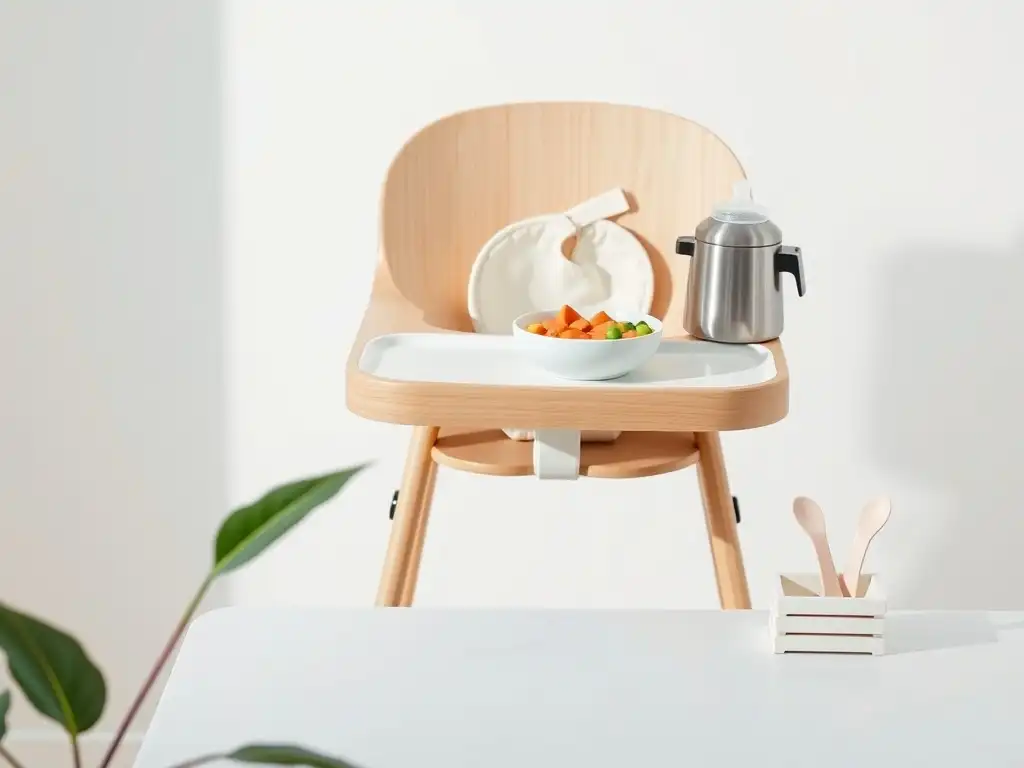
This section focuses on assembling a comprehensive feeding system for your newborn, minimizing stress and maximizing convenience during those crucial first months. A well-planned approach to feeding supplies will contribute significantly to a stressfree baby registry checklist. We'll cover the essential components, offering advice to help you navigate the choices available. Remember, every baby is different, so flexibility is key! This checklist aims to provide a solid foundation, allowing you to adapt based on your baby's individual needs and your preferred feeding method.
Bottles & Nipples: Choosing the Right Fit
Choosing the right bottles and nipples is crucial for a comfortable and efficient feeding experience for both you and your baby. The market offers an overwhelming array of options, but focusing on a few key factors can simplify your decision. Consider these points when selecting bottles and nipples for your stressfree baby registry checklist:
- Flow Rate: Newborns typically require a slow flow nipple. As your baby grows and develops stronger sucking ability, you can gradually transition to medium and then fast flow nipples. Premature babies might even need a slower flow than average. Look for bottles and nipples that clearly indicate the flow rate.
- Material: Common materials include plastic (polypropylene or BPA-free) and glass. Glass bottles are easily sterilized and don't retain odors, but are more fragile. Plastic bottles are more durable and lightweight, but some parents prefer glass for its perceived safety.
- Shape: Different bottle shapes can impact how easily your baby can latch and drink. Some bottles mimic the shape of the breast, which can be helpful for babies who are breastfed and bottle-fed.
- Size: Start with a smaller capacity (4-8 ounces) and gradually increase the size as your baby's needs grow. Avoid purchasing too many large bottles initially.
- Anti-colic features: Some bottles incorporate features designed to reduce colic symptoms by minimizing air intake during feeding. While not universally effective, they can be worth considering.
It's advisable to purchase a few bottles of different brands and types to see which works best for your baby. Don't feel pressured to commit to a large quantity of one type before trying them out. This approach contributes to a truly stressfree baby registry checklist.
Breast Pump Selection: Maximizing Milk Production
Choosing a breast pump is a significant decision for breastfeeding mothers. The right pump can make a huge difference in your breastfeeding journey, contributing significantly to your overall experience and your baby's nutrition. Consider these factors when selecting a breast pump for your stressfree baby registry checklist:
- Pump Type: Hospital-grade pumps are powerful and efficient but are expensive and usually require a prescription. Electric pumps offer convenience and efficiency, while manual pumps are portable and affordable but require more effort.
- Pump Style: Single breast pumps are simpler and less expensive, while double breast pumps are faster and more efficient. Double pumps are generally recommended for convenience and milk production.
- Features: Look for features like adjustable suction levels, different sized flanges (to ensure a proper fit), and ease of cleaning. Some pumps also offer memory settings to save your preferred suction levels.
- Portability: If you plan on pumping outside the home, a portable pump is essential. Consider the size and weight of the pump when making your decision.
Remember to consult with a lactation consultant or healthcare provider to discuss your individual needs and preferences. They can provide personalized recommendations to help create a stressfree baby registry checklist specific to your situation.
Bottle Sterilizer: Ensuring Hygiene
Maintaining hygiene is paramount when it comes to baby feeding. A bottle sterilizer is an invaluable tool for ensuring that your baby's bottles, nipples, and other feeding equipment are thoroughly sanitized. Consider these options when adding a sterilizer to your stressfree baby registry checklist:
- Steam Sterilizers: These sterilizers use steam to kill germs and bacteria. They are generally considered the most effective method of sterilization and are relatively quick.
- Microwave Sterilizers: These are convenient and space-saving, but may not sterilize as effectively as steam sterilizers.
- Cold-Water Sterilizers: These sterilizers use a chemical solution to disinfect feeding equipment. They are convenient, but the chemical solution needs to be replaced regularly.
- Boiling: Boiling bottles and nipples in water for several minutes is a safe and effective sterilization method, although it is less convenient than using a dedicated sterilizer.
The best method for you will depend on your budget, space constraints, and preferences. However, incorporating a reliable sterilization method into your stressfree baby registry checklist is crucial for your baby's health and well-being. Remember to always follow the manufacturer's instructions carefully when using any sterilizer.
Burp Cloths & Bibs: Must-Haves for Messy Feeding Times
Burp cloths and bibs are unsung heroes in the world of baby feeding. While seemingly simple, these items are essential for navigating the often messy reality of feeding a newborn and beyond. Choosing the right ones can significantly reduce laundry loads and keep your baby (and you!) cleaner and more comfortable.
Let's start with burp cloths. These aren't just for burping; they're your first line of defense against spit-up, dribbles, and the occasional projectile vomit. Aim for at least 6-8 burp cloths. More is always better, especially in the early weeks when feedings are frequent. Consider the material; absorbent fabrics like cotton or bamboo are ideal.
Avoid materials that are too thin or easily stained. Some parents prefer thicker, plusher cloths, while others prefer thinner, more easily washable options. Experiment to find what works best for your family. Consider purchasing a variety of sizes and materials to see what suits your needs.
Bibs, on the other hand, are crucial for protecting your baby's clothes during mealtimes. Similar to burp cloths, you'll want several on hand. A good starting point is 3-4 bibs, but again, more is helpful. Choose bibs with easy-to-clean materials and consider features like adjustable closures (for a better fit as your baby grows) and waterproof backing to prevent spills from soaking through.
Look for bibs that are soft against your baby's skin, avoiding anything with rough seams or potentially irritating materials. Consider investing in a few different styles; some babies prefer softer, cloth bibs, while others might benefit from more structured, plastic-backed bibs for especially messy eaters. As your baby grows and begins to feed themselves, you might also consider purchasing silicone bibs that are easier to clean and often catch more food spills.
The key is to find bibs that are comfortable, functional, and easy to maintain. Choosing a variety of styles and materials will allow you to adapt to your baby's needs as they grow and develop. This will contribute to a smoother and more stress-free feeding experience for both you and your little one.
Clothing & Diapering Essentials: Preparing for Daily Needs
This section focuses on the everyday essentials for your little one, ensuring you're prepared for those frequent diaper changes and outfit adjustments. A well-stocked supply of clothing and diapering necessities will significantly contribute to a stress-free experience, allowing you to focus on bonding with your baby rather than scrambling for supplies. Remember, comfort and practicality are key when selecting these items. This detailed checklist will help you navigate the options and avoid unnecessary purchases.
Onesies & Sleepers: Comfortable Clothing for Your Baby
Newborns go through a lot of clothing, especially in those early months. Onesies and sleepers are your best friends. Aim for a variety of sizes, starting with newborn and going up to 3-6 months. Consider purchasing at least 5-7 of each. Why so many? Spit-up, diaper blowouts, and general baby messes happen frequently!
Having extra ensures a quick change is always possible, minimizing stress during those late-night feedings. Look for soft, breathable fabrics like 100% cotton. Snaps or zippers are far more convenient than pull-over styles, particularly when dealing with a wriggly baby. Consider purchasing a few different sleeve lengths – short sleeves for warmer days and long sleeves for cooler temperatures. Don't forget to include some adorable outfits for special occasions, but prioritize practicality for everyday use. A stress-free baby registry checklist should always favor function over fashion for the bulk of your purchases.
Diapers & Wipes: Stocking Up on Essentials
Diapers are a significant expense, so planning ahead is crucial. While brand preferences vary, consider buying a mix of sizes – newborn, size 1, and perhaps a few size 2s. Newborns can quickly outgrow newborn-sized diapers, so having a few size 1s on hand is smart. Buying in bulk can often save money, but be mindful of storage space. Consider purchasing a variety pack to see which brand works best for your baby’s skin.
Similarly, stock up on baby wipes. Choose a sensitive skin variety to minimize the risk of irritation. Again, purchasing in bulk is often more economical. Remember, a well-stocked diaper supply is a key element in achieving a stress-free baby experience. It's one less thing to worry about during those demanding early weeks.
Changing Pad Liners: Protecting Your Changing Station
Changing pad liners are often overlooked but are essential for maintaining hygiene and protecting your changing station. These disposable liners make cleanup incredibly easy after messy diaper changes. Consider purchasing a large pack to ensure you always have enough on hand. They save you time and effort, preventing the need for frequent washing of changing pads, which is especially valuable during the busy early days of parenthood.
The convenience offered by these liners significantly contributes to a stress-free environment during diaper changes. Furthermore, they provide an extra layer of protection against leaks and spills, keeping your changing area clean and sanitary. Investing in a sufficient supply of changing pad liners is a small detail that contributes greatly to a smoother, more manageable experience.
Baby Clothes Organizer: Keeping Your Baby's Wardrobe Tidy
Maintaining a tidy and organized baby wardrobe can significantly reduce daily stress. New parents often find themselves overwhelmed by the sheer volume of tiny clothes, and a disorganized system only exacerbates the problem. A well-planned approach to storing and organizing your baby's clothing will save you precious time and energy, allowing you to focus on more important things, like bonding with your little one. 👶
One effective strategy is to utilize drawer dividers within your baby's dresser. These dividers create separate compartments for different types of clothing—onesies, sleepers, pants, and shirts. This method prevents clothes from getting crumpled or mixed up, making it easier to find what you need quickly. Consider labeling each compartment with a simple tag or marker to further enhance organization, especially helpful for those early sleep-deprived mornings. 😴
Beyond drawer dividers, consider using fabric storage bins or baskets. These are perfect for storing seasonal clothing or items that aren't frequently used. For example, you might keep warmer winter clothes in a labeled bin during the summer months and vice-versa. This keeps frequently used items readily accessible while keeping less frequently used items neat and out of the way. Opt for breathable fabric bins to ensure proper air circulation and prevent musty smells.
Another space-saving and visually appealing solution is to use hanging organizers for your baby's closet. These often come with multiple shelves and pockets, allowing you to store folded clothes neatly and efficiently. They're particularly useful for smaller closets or for storing smaller items like socks and mittens. Choose an organizer that complements your nursery's décor for a cohesive and aesthetically pleasing look.
Finally, remember the importance of regular decluttering. As your baby grows, certain clothing items will become too small. Make it a habit to regularly assess your baby's wardrobe and donate or store away items that are no longer needed. This prevents the wardrobe from becoming overcrowded and keeps things manageable. This simple act of decluttering is a fantastic way to reduce stress and maintain a sense of order in your baby's space. A tidy wardrobe contributes to a calmer, more peaceful environment for both you and your baby. ✨
Bath Time Essentials: Making Bath Time Fun and Safe

Preparing for bath time with your newborn can feel daunting, but with the right essentials, it can become a relaxing and enjoyable experience for both you and your baby. This section focuses on creating a safe and fun bath time routine, minimizing stress and maximizing bonding. A well-stocked bath time kit contributes significantly to a stressfree baby registry checklist.
Baby Bath Tub: Choosing the Right Tub for Your Baby
Choosing the right baby bath tub is crucial for a safe and comfortable bath time. Consider these factors when making your selection:
- Size and Shape: A newborn needs a smaller tub than a six-month-old. Look for a tub with a comfortable incline to support your baby’s head and back. Some tubs have molded headrests for extra support, which can be especially helpful during the early weeks. Consider the size of your bathroom and whether a larger, freestanding tub or a smaller, sink-mounted one is more practical.
- Material: Plastic tubs are common and easy to clean, while some are made from more sustainable materials like rubber or bamboo. Ensure the material is non-toxic and BPA-free. A textured bottom can provide extra grip and prevent slipping.
- Features: Some tubs include built-in thermometers to monitor water temperature, which is a valuable safety feature. Others have drain plugs for easy emptying. Consider features that will make bath time easier and safer for you and your baby.
- Storage: Think about where you'll store the tub when not in use. Some tubs are compact and easily foldable, while others are bulkier.
Remember, selecting a high-quality baby bath tub is a key component of a stressfree baby registry checklist, reducing your stress levels during the early days of parenthood. A safe and comfortable bath tub significantly improves the overall bath time experience.
Baby Wash & Shampoo: Gentle Cleansers for Sensitive Skin
Newborn skin is incredibly delicate and prone to irritation. Therefore, selecting a gentle, hypoallergenic baby wash and shampoo is paramount. Look for products that are:
- Tear-free: This is crucial to avoid stinging your baby's eyes. Many brands explicitly label their products as tear-free.
- Hypoallergenic: This means the product is formulated to minimize the risk of allergic reactions. Opt for fragrance-free or lightly fragranced options to reduce the chance of irritation.
- pH-balanced: Baby skin has a different pH than adult skin. A pH-balanced wash helps maintain the skin's natural barrier and prevents dryness.
- Organic and natural ingredients: Many parents prefer washes made with natural and organic ingredients, believing they are gentler on sensitive skin. Check the ingredient list for any potential irritants.
Avoid harsh soaps and adult cleansers, as these can strip your baby's skin of its natural oils, leading to dryness and irritation. Prioritize gentle cleansing, focusing on a stressfree baby registry checklist to ensure a smooth transition into parenthood.
Hooded Towels: Keeping Your Baby Warm and Cozy
After bath time, it's essential to wrap your baby in a soft, warm, and absorbent hooded towel to prevent chilling. Consider these factors when choosing a hooded towel:
- Absorbency: Choose a towel made from absorbent materials like cotton or bamboo. A highly absorbent towel will dry your baby quickly, keeping them warm and comfortable.
- Size: Ensure the towel is large enough to comfortably wrap your baby without being too bulky. A generous size allows for easier and more secure wrapping.
- Material: Soft, gentle materials are essential. 100% cotton is a popular choice, known for its softness and absorbency. Bamboo towels are also a good option, offering excellent absorbency and softness.
- Hood: The hood is a crucial feature, keeping your baby's head warm and preventing heat loss. Look for a well-designed hood that fits snugly but doesn't restrict movement.
The right hooded towel is a small but significant detail in the overall bath time experience, contributing to a stressfree baby registry checklist and a positive, comforting routine for both parent and child. A warm and cozy baby is a happy baby!
Safety & Health Essentials: Prioritizing Your Baby's Well-being
Creating a stressfree baby registry checklist requires careful consideration of your baby's safety and health. These essentials are not merely nice-to-haves; they are fundamental to ensuring a smooth and secure start to parenthood. Prioritizing these items will significantly reduce anxieties associated with your newborn's well-being, contributing to a more peaceful transition into family life. This section focuses on those crucial elements for a stressfree journey.
Car Seat Selection: Ensuring Safe Travel
Choosing the right car seat is paramount. A poorly fitting or inappropriate car seat can have devastating consequences. Your baby's safety during travel is non-negotiable. Consider these key factors when selecting a car seat for your stressfree baby registry checklist:
- Weight and Height Limits: Always check the manufacturer's specifications to ensure the car seat accommodates your baby's weight and height. Premature babies may require specific infant car seats.
- Safety Ratings: Look for car seats with high safety ratings from reputable organizations. Independent testing and reviews can provide valuable insights. Don't hesitate to research different models to find one that matches the highest safety standards.
- Ease of Installation: A car seat that's difficult to install correctly can compromise safety. Opt for a model with clear instructions and a user-friendly installation system. Practice installing the car seat before your baby arrives.
- Features: Consider features like adjustable headrests, harness systems, and side-impact protection. These features enhance safety and comfort.
- Type of Car Seat: Decide whether you need an infant car seat (carrier), a convertible car seat (infant and toddler), or an all-in-one car seat (infant, toddler, and booster). This decision will depend on your budget and long-term needs. Remember, a properly installed car seat is the most effective way to keep your baby safe.
Remember, a properly installed and suitable car seat is the cornerstone of safe travel for your little one. Investing in a high-quality, appropriately sized car seat is a critical step in creating a stressfree baby registry checklist.
First-Aid Kit: Preparing for Minor Emergencies
A well-stocked first-aid kit is a must-have for navigating the unpredictable world of newborn care. It's an essential component of your stressfree baby registry checklist, offering peace of mind knowing you're prepared for minor emergencies. This kit should contain:
- Thermometer (Digital): For accurately monitoring your baby's temperature. A digital thermometer provides quick and reliable readings.
- Baby Nail Clippers: Newborns' nails grow quickly, and sharp nails can scratch delicate skin.
- Sterile Gauze Pads: For cleaning minor wounds.
- Antiseptic Wipes: For disinfecting cuts and scrapes.
- Petroleum Jelly: For treating chapped skin and minor burns.
- Tweezers: For removing splinters or other small objects.
- Baby-safe pain reliever (consult your pediatrician): For managing fever or discomfort, but always consult your pediatrician before administering any medication.
- Instruction Manual: Include a small instruction manual with basic first-aid guidance for dealing with common baby ailments.
This list provides a foundation; adjust it based on your pediatrician's recommendations and your specific needs. Having a readily accessible, complete first-aid kit is crucial for handling minor incidents effectively and confidently, promoting a stressfree environment.
Thermometer: Monitoring Your Baby's Temperature
Accurately monitoring your baby's temperature is vital for identifying potential illnesses early. A reliable thermometer is a non-negotiable item for your stressfree baby registry checklist. Consider these points when choosing a thermometer:
- Type: Digital thermometers are generally preferred for their speed and accuracy. Rectal thermometers offer the most accurate reading but require more careful handling. Axillary (armpit) thermometers are less accurate but easier to use. Always follow the manufacturer's instructions carefully.
- Ease of Use: Choose a thermometer that's easy to read and use, especially during those late-night feedings. A thermometer with a large, clear display is ideal.
- Safety: Ensure the thermometer you choose is designed for babies and is free of harmful materials.
- Cleaning: Opt for a thermometer that is easy to clean and disinfect after each use.
Regularly checking your baby's temperature, using a reliable thermometer, allows for prompt identification of fever and other health concerns, contributing to a much more stressfree experience. Remember to always consult your pediatrician if you have any concerns about your baby's health.
Baby Nail Clippers: Safely Trimming Your Baby's Nails
Newborn babies have surprisingly sharp nails! Keeping those tiny nails trimmed is crucial to prevent scratches on their delicate skin, and your own. While it might seem daunting at first, with the right tools and technique, nail trimming can become a routine part of your baby's care. The key is patience and gentle handling.
Choosing the right baby nail clippers is the first step. Avoid sharp adult clippers; instead, opt for baby-specific clippers designed with rounded edges and smaller cutting surfaces. Many parents find that baby nail clippers with a magnifying glass are incredibly helpful, making it easier to see those tiny nails, especially in low-light conditions. Electric nail files are another popular option, offering a gentler approach than clippers. However, always prioritize safety and supervise your child closely during the process.
The best time to trim your baby's nails is when they are asleep or calm. This minimizes the risk of accidental cuts and makes the whole process smoother. If your baby is awake, try to distract them with a toy or soothing sounds. Remember to always hold their hand firmly but gently to prevent sudden movements. Short, quick snips are better than attempting one large cut, reducing the chance of accidentally cutting into the skin. If you do accidentally nick your baby's skin, apply gentle pressure with a clean cloth to stop any bleeding.
After clipping, smooth any rough edges with a fine-grit emery board. This prevents snagging and further irritation. Remember to clean the clippers thoroughly after each use to maintain hygiene. Regular nail trimming, perhaps once or twice a week, will prevent the nails from growing too long and becoming a hazard.
With practice, you'll develop a rhythm and find the process much less stressful. Remember, safety is paramount, and a little patience goes a long way. Don't be afraid to ask for help from a family member or healthcare professional if you feel unsure. A stress-free approach to baby nail care is all about finding a comfortable routine that works for both you and your little one.
Additional Items: Enhancing Your Baby's Comfort and Development
This section focuses on items that, while not strictly essential for survival, significantly enhance your baby's comfort, development, and your overall parenting experience. These additions contribute to a more stressfree journey through the early months. Remember, a happy baby often means happy parents!
Baby Carrier: Keeping Your Baby Close
A baby carrier offers numerous benefits, contributing to a more peaceful and connected experience for both you and your little one. Choosing the right carrier is crucial for both comfort and safety. Consider these factors:
- Type of Carrier: There are several types available, including slings, wraps, structured carriers, and mei tais. Each offers different levels of support and adjustability. A structured carrier provides excellent back support for your baby, while a wrap allows for a snug, close fit. Research each type to determine which best suits your lifestyle and preferences.
- Ergonomics: A good carrier should support your baby's hips and spine in a natural, "M" shaped position. Look for carriers that are designed to promote proper hip development and prevent strain. Poor ergonomic design can lead to discomfort for both parent and child.
- Material and Breathability: Opt for breathable fabrics, especially if you live in a warmer climate. Materials like cotton or mesh allow for better air circulation, keeping your baby cool and comfortable.
- Ease of Use: Consider how easy the carrier is to adjust and use, particularly if you'll be using it frequently. Some carriers are notoriously difficult to put on and adjust, which can be frustrating, especially when you're dealing with a fussy baby. Prioritize ease of use to minimize stress.
- Safety Features: Look for carriers with securely fastened buckles and straps. Ensure the carrier meets relevant safety standards.
Choosing the right baby carrier is a personal decision. Consider your lifestyle, your baby's size and temperament, and your own comfort level when making your selection. Remember, the goal is to find a carrier that promotes a secure, comfortable, and stressfree experience for both of you. A happy, content baby nestled close will make even the most challenging days a little bit easier.
Playmat & Toys: Stimulating Your Baby's Development
A playmat provides a dedicated space for your baby to explore and develop crucial skills. It’s not just about entertainment; it’s about stimulating their senses and promoting early learning. Here's what to consider:
- Sensory Stimulation: Look for playmats with various textures, colors, and sounds. These features engage your baby's senses, encouraging exploration and development. Consider playmats with crinkly fabrics, contrasting patterns, and hanging toys that make noise or light up.
- Safety: Ensure the playmat is made from non-toxic, durable materials. Check for small parts that could pose a choking hazard. Choose a playmat that is securely padded to cushion your baby during their tumbles and explorations.
- Age Appropriateness: Select toys suitable for your baby's developmental stage. Newborns will respond to simple, high-contrast patterns and textures, while older babies will enjoy more interactive toys that encourage grasping and manipulation.
- Space and Portability: Consider the size and portability of the playmat. A larger playmat provides more space for your baby to move around, but a smaller, more portable one might be preferable if you plan to take it with you to various locations.
- Cleanliness: Choose a playmat that is easy to clean and maintain. Babies are messy, and a washable playmat is a must-have.
Investing in a high-quality playmat and age-appropriate toys can significantly contribute to your baby's development and provide hours of stressfree entertainment. Remember to rotate toys regularly to keep your baby engaged and challenged.
Baby Books: Fostering a Love of Reading
Introducing your baby to books early on lays the foundation for a lifelong love of reading. It's a fantastic way to bond, stimulate development, and create positive associations with books. Consider these factors when selecting baby books:
- Board Books: These are durable, easy to handle, and perfect for little hands that are still learning to grasp. Their sturdy construction withstands chewing and drooling.
- High-Contrast Images: Newborns have limited vision, so books with bold, high-contrast images are ideal for capturing their attention. Simple shapes and patterns are also effective.
- Interactive Elements: Books with textures, flaps, or sounds add an extra layer of engagement and help to stimulate your baby's senses.
- Age-Appropriate Content: Choose books with simple stories and repetitive phrases, which are easy for babies to understand and follow.
- Variety: Offer a variety of books with different textures, colors, and themes to keep your baby interested and engaged.
Reading to your baby, even from a very young age, is a powerful way to bond and nurture their development. It’s a stressfree activity that builds a foundation for literacy and a love of learning. Make it a regular part of your daily routine and enjoy the special moments you share with your little one.
Completing Your Stress-Free Baby Registry: Final Checklist & Tips
This section focuses on the final steps of creating your baby registry, ensuring you're fully prepared for your little one's arrival. We'll cover reviewing your selections, sharing your registry, and preparing for the post-registry period. Remember, a well-organized registry contributes significantly to a stress-free transition into parenthood.
Reviewing Your Registry: Ensuring You Have Everything You Need
Before finalizing your registry, take a moment to critically review your selections. Consider these key areas:
- Diapering Essentials: Do you have a sufficient supply of diapers (newborn and size 1), wipes, diaper rash cream, and a diaper pail? Consider adding extra supplies for those unexpected blowouts! Think about your preference for cloth versus disposable diapers and ensure your registry reflects your choice, including necessary items like diaper liners, wet bags, or a diaper sprayer if opting for cloth.
- Feeding Supplies: This section depends heavily on your feeding choices. If breastfeeding, include nursing pads, nipple cream, and a comfortable nursing pillow. Formula-feeding parents should ensure they have enough bottles (various sizes), bottle brushes, a sterilizer (steam or electric), and formula preparation supplies. Don't forget burp cloths – you'll need many!
- Clothing: While adorable outfits are tempting, prioritize practicality. Ensure you have enough onesies, sleepers, and swaddles in various sizes. Consider the season and climate when selecting clothing items. A few warm sleepers are crucial for winter babies.
- Safety: This is non-negotiable. Double-check you've included a car seat (appropriately sized for your baby's expected weight and height), a baby monitor (audio and/or video), and a crib that meets current safety standards. This includes a firm mattress and a fitted sheet.
- Other Essentials: A changing pad, a baby bathtub, a thermometer (rectal and/or digital), and baby nail clippers are often overlooked but incredibly important. A comfortable rocking chair or glider can be a lifesaver for nighttime feedings.
Remember to check for any duplicates or items you might have already received as gifts. This review process allows you to refine your registry and avoid unnecessary purchases. A well-thought-out registry minimizes post-baby shopping trips, contributing to a more relaxed experience.
Once you’re happy with your registry, it's time to share it! Make it easy for loved ones to contribute to your stress-free start. Here's how:
- Digital Sharing: Most major retailers offer digital sharing options, allowing you to easily share a link via email, text, or social media. Consider creating a dedicated baby registry announcement post on your social media platforms.
- Physical Copies: If you prefer a more traditional approach, you can print out a copy of your registry and distribute it at gatherings or share it with family members who are less tech-savvy.
- Registry Website: Many websites aggregate registries from different stores. Using such a website can consolidate all your items in one place, making it easier for guests to navigate.
- Clear Communication: Let your friends and family know you're happy to receive gifts that aren't on your registry, but that the registry provides a helpful guide to ensure you don't receive duplicates. Consider adding a note on your registry website or in your announcement clarifying this.
Efficient sharing is key to simplifying the gift-giving process. A clear and easily accessible registry minimizes confusion and ensures you receive the items you need without unnecessary stress.
Post-Registry Tips: Preparing for Arrival and Beyond
Even after completing your registry, there are still steps you can take to ensure a smooth transition into parenthood. Consider these points:
- Organize Your Items: Once gifts start arriving, take time to organize them. This prevents last-minute chaos when baby arrives. Consider designating specific areas for different items (e.g., diapers, clothes, feeding supplies).
- Read Instructions: Familiarize yourself with the instructions for all new items, especially car seats and baby monitors. Knowing how to use these essential items safely is crucial.
- Prepare Your Space: Designate a specific area for your baby's belongings and ensure it's safe and organized. This will make your daily routines more efficient.
- Plan for Postpartum: Don't forget to plan for your own needs postpartum. Having easy access to snacks, drinks, and comfortable clothing will help you focus on bonding with your baby. Organize your postpartum recovery essentials and consider establishing a postpartum support system.
By following these tips, you can minimize stress and maximize your enjoyment of this special time. Remember, preparation is key to a smoother transition into parenthood. Enjoy the journey!
Frequently Asked Questions
What makes this baby registry checklist different from others?
This checklist is designed for a stress-free experience. It's comprehensive, covering everything from essentials to helpful extras, and is organized for easy navigation, unlike many overwhelming lists. You'll find prioritized items to avoid unnecessary purchases.
How do I use this checklist to create my registry?
Simply review each category, ticking off items you already own or want to add. Consider your lifestyle and preferences, adjusting the list to fit your needs. Use the checklist's organization to create a balanced registry.
What if I'm on a budget? Are there cost-saving tips?
Absolutely! The checklist includes both essential and luxury items, allowing you to prioritize. Consider buying used where appropriate, setting a budget for each category, and leveraging baby showers for gifting.
Can I adapt this checklist to twins or multiples?
Yes! The checklist provides a solid foundation. You'll simply need to multiply quantities for items like diapers, clothing, and feeding supplies, considering the specific needs of multiples.
Where can I find the full, detailed checklist?
The complete, downloadable "Stress-Free Baby Registry Checklist" is available on the BabyCareHub website. It's designed to be your ultimate guide, ensuring a smooth and enjoyable preparation for your baby's arrival.
The overwhelming task of preparing for a new baby is often overshadowed by the joy of anticipation, but the reality is, it can be incredibly stressful. Creating a comprehensive and organized baby registry is key to mitigating this stress, allowing new parents to focus on what truly matters: bonding with their little one. A well-planned registry isn't just about acquiring items; it's about building a foundation for a smoother, more enjoyable transition into parenthood.
The impact of societal expectations surrounding baby showers and registries is profound. The pressure to have everything "perfect" can be immense, leading to anxiety and even financial strain. The most important thing a parent can do is to love their child unconditionally.
This simple truth often gets lost in the whirlwind of preparations. Yet, a thoughtfully curated registry, as outlined in this checklist, can help alleviate some of that pressure, allowing parents to prioritize their emotional well-being and focus on the love and connection that defines parenthood.
Now, consider your own journey into parenthood, or perhaps the support you can offer expectant parents. Take a moment to reflect on how a simplified, well-organized approach to registry creation can make a significant difference. Don't let the societal noise dictate your priorities; instead, use this checklist as a tool to empower yourself and create a truly stress-free start to this incredible chapter of your life. Remember, the most valuable gift you can give a new parent is peace of mind.
Unpack Your Joy: Get Started on Your Dream Nursery Today!
Thank you for joining us on this exciting journey to parenthood! We hope this checklist has empowered you to feel prepared and confident as you welcome your little one. Now, let's turn those plans into reality!
- Prioritize your baby registry: Take some time today to complete your baby registry, using our recommended items as a guide. Don't forget those often-overlooked essentials, like a comfortable nursing chair or a reliable baby monitor!
- Share your registry with loved ones: Spread the word and make it easy for friends and family to contribute to your new arrival's journey. A fun social media post announcing the registry is a great way to get things rolling!
- Connect with other expectant parents: Join our supportive online community to share tips, ask questions, and celebrate this special time together with other expectant parents.
What unique item are you most excited to add to your baby registry, and why? Share your thoughts in the comments below!