
BabyProofing for MultiLevel Homes: Extra Precautions for Stairs and Balconies

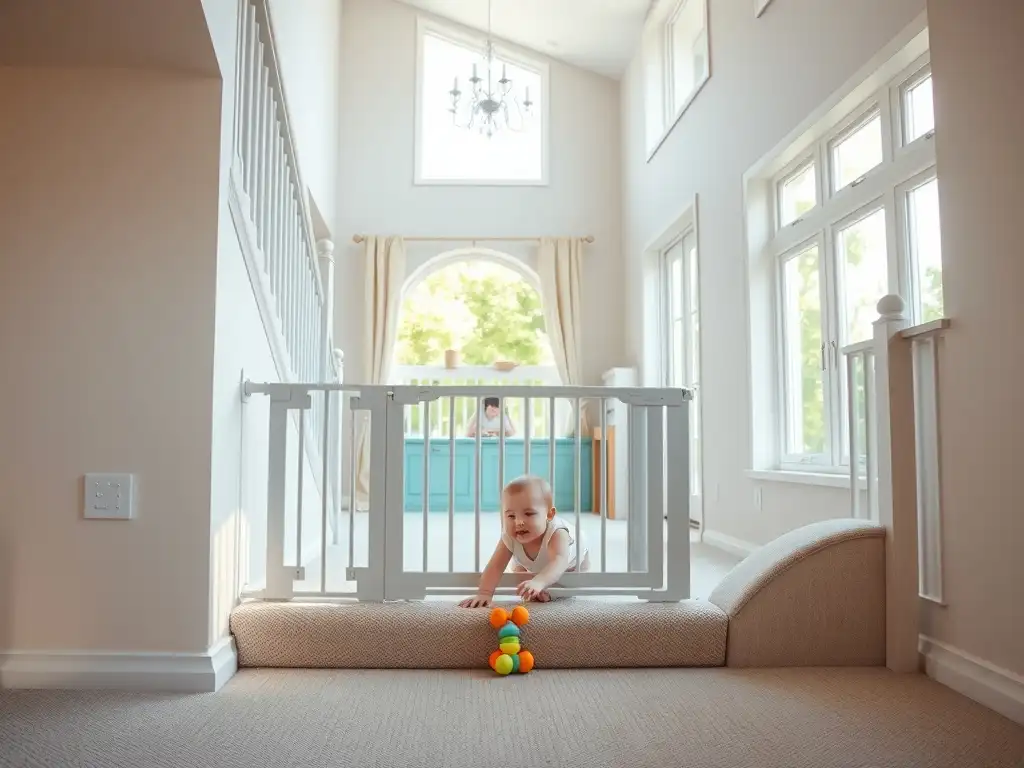
Welcome to BabyCareHub, your ultimate guide to navigating the incredible journey of parenthood! Are you a first-time parent feeling overwhelmed by the complexities of caring for your little one? We understand. That's why we've created this comprehensive resource, packed with practical advice and expert insights.
Discover essential tips and tricks on everything from feeding schedules to developmental milestones. But first, let's tackle a crucial aspect of baby safety: baby proofing a multilevel home. Learn about the extra precautions you need to take for stairs and balconies in our in-depth article – your baby's safety is our top priority. Let's begin!
- Baby Proofing Multilevel Home Safety: Assessing Your Risks
- Staircase Baby Proofing Solutions for Multi-Level Homes
- Balcony Safety Measures for Multi-Story Homes
- Additional Baby Proofing Tips for Multi-Level Homes
- Addressing Specific Concerns in Multi-Level Baby Proofing
-
Frequently Asked Questions
- What are the biggest safety hazards in a multi-level home with a baby?
- How can I babyproof my stairs effectively?
- What are some essential safety measures for balconies?
- Are there specific products recommended for multi-level home babyproofing?
- What if I have an older child in addition to a baby? Does this change my babyproofing approach?
- Final Reflection: Securing Tiny Feet in a Multi-Level World
- Level Up Your Home Safety: Secure Your Little One's World!
Baby Proofing Multilevel Home Safety: Assessing Your Risks
Navigating the complexities of babyproofing a multilevel home presents unique challenges that go beyond securing a single-story dwelling. For first-time parents, the sheer number of potential hazards in a multi-story house, particularly those involving stairs and balconies, can feel overwhelming. This comprehensive guide will equip you with the knowledge and strategies to effectively babyproof your multi-level home, ensuring your little one's safety and peace of mind.
We'll explore a room-by-room approach, focusing on practical solutions and preventative measures to mitigate risks associated with falls, access to dangerous areas, and other common accidents in multi-story homes. Protecting your baby in a multi-level environment requires a proactive and thorough approach, combining careful planning with the implementation of proven safety strategies. This article will delve into specific safety measures for stairs and balconies, two of the most significant areas of concern in multi-level homes.
Remember, proactive babyproofing is an investment in your child's well-being and your family's peace of mind. Let's get started on creating a safe and nurturing environment for your precious little one.
Identifying Hazards in Multi-Story Homes for Babies
Babyproofing a multi-level home demands a meticulous assessment of potential hazards. Unlike single-story homes, the vertical dimension introduces a whole new set of risks. Before even considering specific safety solutions, it's crucial to conduct a thorough inventory of potential dangers. This includes identifying not just obvious risks like stairs and balconies, but also less apparent ones. For example, consider the accessibility of electrical outlets at different levels, the placement of furniture that could create unstable climbing structures, and the presence of unsecured objects that could fall from upper floors.
Consider the following points when identifying hazards:
- Stairwells: Are they adequately gated? Are the gates securely fastened? Are there any gaps or openings a baby could squeeze through?
- Balconies: Are they securely enclosed? Are there gaps in the railing? Is there anything on the balcony that could be easily knocked over?
- Window access: Are windows easily accessible from upper floors? Are they fitted with safety locks?
- Furniture placement: Does furniture create climbing opportunities near stairs or balconies?
- Storage: Are dangerous items stored safely out of reach on upper floors?
Remember that a child's perspective is different from an adult's. Get down on your hands and knees to see potential hazards from your baby's viewpoint. This will help you identify areas that need extra attention. A detailed checklist and a systematic approach are essential for thorough babyproofing in a multi-level environment. Don't underestimate the ingenuity of a curious baby!
Staircase Safety Assessment: A Room-by-Room Approach
Stairways are arguably the biggest safety concern in a multi-level home. A comprehensive staircase safety assessment should include a room-by-room evaluation, focusing not only on the stairs themselves but also on the areas adjacent to them. This means inspecting rooms located at the top and bottom of the staircase for potential hazards that could contribute to falls or accidents.
Here's a step-by-step approach:
- Gate Installation: Install sturdy, pressure-mounted or hardware-mounted gates at both the top and bottom of every staircase. Ensure the gates are securely fastened and that there are no gaps where a baby could squeeze through. Consider the height of the gate; it should be high enough to prevent a child from climbing over.
- Staircase design: Assess the staircase design itself. Are there any loose railings or uneven steps? These need to be repaired or replaced immediately.
- Surrounding areas: Inspect the rooms at the top and bottom of the stairs. Remove any tripping hazards such as rugs, toys, or loose cords.
- Adjacent rooms: Consider the rooms adjacent to the staircase. Are there any accessible windows or other potential escape routes? These should be secured with appropriate childproof locks.
- Regular checks: Regularly inspect gates, railings and the surrounding area for any signs of damage or wear and tear. Replace or repair any damaged items immediately.
Remember to choose gates that meet safety standards and are appropriate for the width of your staircase. Regularly check the gates to ensure they are securely in place. A well-secured gate is your first line of defense against falls down the stairs.
Balcony Safety Checklist: Preventing Falls from Height
Balconies pose a significant risk to babies and toddlers in multi-level homes. Falls from height are a serious concern, leading to potentially life-threatening injuries. A comprehensive balcony safety checklist is crucial to prevent such accidents.
Here’s what you need to consider:
- Railing Height and Spacing: Ensure the balcony railing is high enough to prevent a child from climbing over or falling through. The spacing between the railing balusters should be narrow enough to prevent a child from squeezing through. [Specific measurements for safe railing height and spacing pending]
- Balcony Access: Restrict access to the balcony using childproof locks on the balcony door. Consider installing additional safety measures such as window guards if necessary.
- Objects on the Balcony: Remove any objects that could be easily knocked over or that a child could use to climb over the railing. This includes potted plants, furniture, and toys.
- Regular Inspection: Regularly inspect the balcony railing and door locks for any signs of damage or wear and tear. Repair or replace any damaged items immediately.
- Supervision: Never leave a child unattended on a balcony, regardless of safety measures in place. Constant supervision is crucial.
Creating a safe environment for your baby requires vigilance and proactive measures. Remember that even with the best safety precautions, constant supervision is essential, especially around potential hazards like stairs and balconies. By following these guidelines, you can significantly reduce the risks and create a safer home for your little one.
Staircase Baby Proofing Solutions for Multi-Level Homes
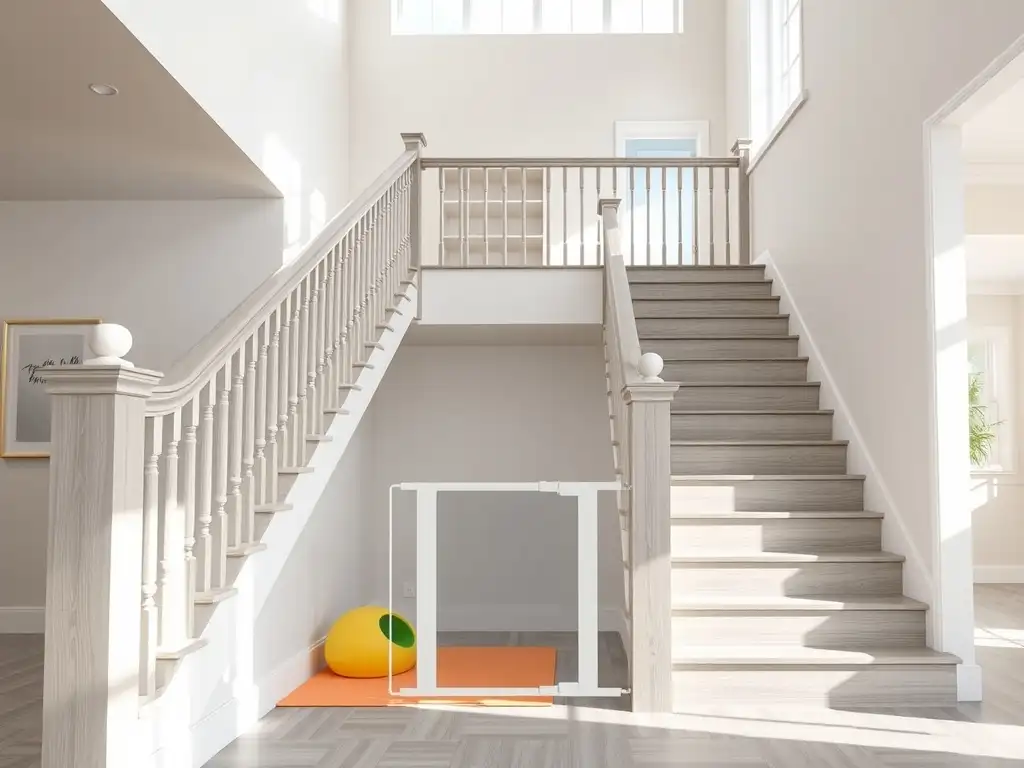
This section focuses on securing staircases in multi-level homes, a critical aspect of baby proofing multilevel home safety. Falls are a significant hazard for young children, and staircases present a particularly high risk. Implementing comprehensive safety measures is paramount to protecting your little one. We'll explore effective strategies to mitigate these risks. Remember, consistent vigilance and proactive safety measures are key to a safe home environment.
Baby Gates for Stairs: Types, Installation, and Best Practices
Choosing the right baby gate is crucial for staircase safety. Several types are available, each with its own advantages and disadvantages. Pressure-mounted gates are convenient for renters or those who prefer a temporary solution, but they require a precise fit and can be less secure than other options. Hardware-mounted gates, while requiring installation, offer superior security and are ideal for long-term use. Retractible gates are space-saving options, but they might not provide the same level of containment as other styles.
- Pressure-mounted gates: These are easy to install, requiring no drilling. However, they rely on pressure against the wall and the doorframe, which can be compromised if the surfaces are uneven or the gate isn't properly fitted. Regular checks are essential to ensure they remain securely in place.
- Hardware-mounted gates: These are installed using screws, offering superior security. They are a more permanent solution, but require drilling into the wall or doorframe, which may not be suitable for all homes. This is often the preferred choice for baby proofing multilevel home safety.
- Retractible gates: These gates retract into a compact casing when not in use, ideal for spaces where a permanent gate might obstruct traffic. However, their retractable design might not offer the same level of security as other types, requiring careful attention to proper usage and maintenance.
Installation is critical regardless of the type of gate. Always follow the manufacturer's instructions meticulously. Ensure the gate is securely fastened, with no gaps or loose parts. Regularly check the gate's stability and adjust it if necessary. Never rely solely on a baby gate; constant supervision is still essential.
Securing Loose Objects Near Stairs: Preventing Trips and Falls
Loose objects on and around staircases present a significant tripping hazard for both adults and children. A comprehensive baby proofing strategy includes removing or securing any potential tripping hazards. This is a key component of baby proofing multilevel home safety.
- Remove small items: Toys, shoes, books, and other small items should be kept away from the staircase area. Consider designated toy storage areas away from the stairs.
- Secure rugs and carpets: Loose rugs and carpets can easily cause slips and falls. Secure them firmly to the floor using double-sided tape or rug grippers. Consider replacing loose rugs with non-slip mats.
- Eliminate clutter: Keep the staircase area clutter-free. Avoid placing furniture or other obstructions near the stairs. This creates a clear and safe pathway.
- Install handrails: Ensure adequate handrails are installed on both sides of the staircase, providing support for adults and older children. This is especially important on longer staircases.
Addressing Gaps and Openings on Staircases
Small gaps and openings on staircases, such as spaces between balusters or under the staircase, can pose a significant risk to curious babies and toddlers. They could get their fingers or other body parts trapped, leading to injury. Addressing these gaps is a vital part of baby proofing multilevel home safety.
- Baluster spacing: Check the spacing between balusters. The ideal spacing should be less than 3.5 inches to prevent a child from squeezing through. If the spacing is too large, consider installing safety netting or additional balusters.
- Under-stair storage: If you have under-stair storage, ensure that there are no gaps or openings where a child could reach in and get trapped. Secure any gaps with safety netting or covers.
- Staircase edges: Inspect the edges of the stairs for any sharp corners or rough surfaces that could cause injury. Consider using corner protectors or padding to soften the edges. This will reduce the risk of bumps and bruises.
- Regular inspections: Regularly inspect the staircase for any new gaps or openings that may have developed over time. Addressing these issues promptly is crucial for maintaining a safe environment.
Remember, a layered approach to baby proofing, combining multiple safety measures, is the most effective way to protect your child. Consistent vigilance and proactive safety measures are key to a safe home environment for your little one. By addressing these crucial areas, you significantly reduce the risk of accidents and contribute to a safer home for your growing family. 👶🏠
Improving Stair Lighting for Enhanced Visibility
Adequate lighting is paramount in preventing falls on staircases, especially for little ones who are still developing their depth perception and coordination. Poor lighting can easily mask even the most meticulously installed baby gates or other safety measures, rendering them ineffective. Improving stair lighting involves more than just flipping a switch; it requires a strategic approach to ensure consistent and bright illumination throughout the stairwell.
One effective solution is installing motion-sensor lights at the top and bottom of the staircase. These automatically illuminate the stairs when movement is detected, providing immediate visibility without the need to manually switch them on. This is particularly useful during nighttime feedings or diaper changes, when parents might need to navigate the stairs quickly and quietly. Consider opting for lights with a warm, soft glow to avoid startling the baby.
Beyond motion sensors, adding strategically placed wall sconces or recessed lighting can significantly enhance visibility. Avoid relying solely on a single overhead light, as this can create harsh shadows and obscure potential hazards. Instead, aim for a layered lighting approach, combining ambient lighting from overhead fixtures with task lighting from wall sconces to illuminate each stair step clearly. This layered lighting system will provide a much safer and more comfortable environment for both parents and baby.
Remember to choose energy-efficient LED bulbs for both cost savings and reduced environmental impact. LEDs offer a long lifespan and produce less heat than traditional incandescent bulbs, minimizing the risk of burns. Regularly check the bulbs to ensure they are functioning correctly and replace any burnt-out ones promptly.
A well-lit staircase is not just about safety; it also contributes to a more welcoming and secure atmosphere in your home. Consider using dimmers to control the brightness and create a calming ambiance in the evening. This will allow you to adjust the lighting to suit different times of day and your baby's sleep schedule.
Balcony Safety Measures for Multi-Story Homes
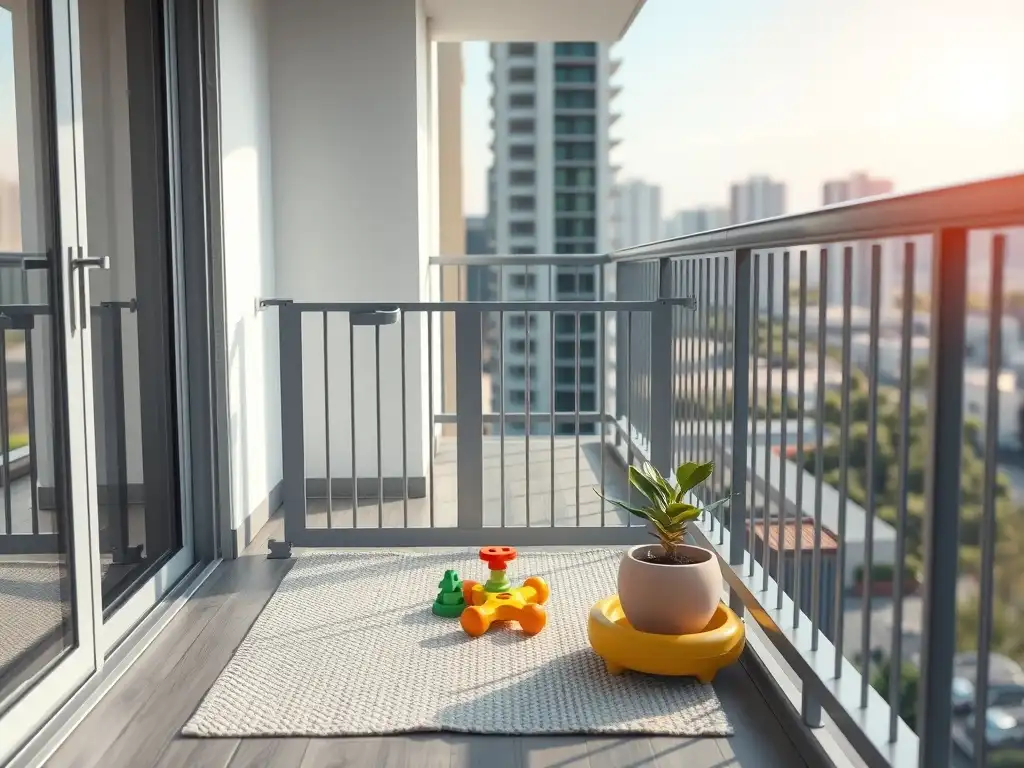
Balconies in multi-level homes present unique challenges when baby-proofing. The potential for falls is significant, demanding meticulous attention to detail. Effective baby-proofing strategies for balconies require a multi-faceted approach encompassing railing safety, access control, and the careful selection of furniture and decorations. Ignoring these precautions can lead to serious injuries, highlighting the critical need for proactive safety measures.
This section focuses on practical steps to enhance balcony safety and mitigate risks for your little one. The goal is to create a secure environment where your baby can safely enjoy the view without compromising their well-being. This is crucial for baby proofing multilevel home safety.
Balcony Railing Safety Checks and Reinforcements
Regular inspections are paramount. Check your balcony railings frequently for any signs of damage, such as loose or rotting wood, rusting metal, or gaps wide enough for a small child to slip through. The spacing between balusters should be less than 4 inches to prevent a child from squeezing through. A simple visual inspection may not suffice; you might need to use a measuring tape to ensure the gaps meet safety standards.
Consider these reinforcement strategies:
- For wooden railings: Inspect for rot and loose screws. Replace damaged wood and tighten or replace loose screws immediately. Applying a protective sealant can extend the lifespan of the wood and improve its resistance to weathering.
- For metal railings: Check for rust and corrosion. Repair or replace any damaged sections. A fresh coat of rust-resistant paint can significantly improve durability and appearance.
- Gaps in railings: If gaps exceed the recommended 4 inches, consider installing additional balusters or using a safety net approved for child safety. This net should be securely attached to the railing and the floor, leaving no slack.
Remember, proactive maintenance is key. Regularly scheduled inspections, combined with timely repairs, will significantly reduce the risk of accidents. This proactive approach is a critical component of effective baby proofing multilevel home safety.
Preventing Access to Balconies: Securing Doors and Windows
Restricting access to balconies is equally important. Simply relying on railings isn't enough; you need to prevent your child from even reaching the balcony area. Here's how:
- Window locks: Install childproof window locks on all windows leading to the balcony. These locks should be high enough that your child cannot reach them. Consider using window guards for added security, especially if your windows are easily opened.
- Door locks: Secure balcony doors with childproof locks, preferably those that require a key or a specific combination to open. Standard door handles are easily manipulated by curious toddlers.
- Safety gates: If the balcony door is accessible, install a sturdy safety gate at the doorway. Ensure the gate is firmly mounted and securely latched. Regularly check the gate for any signs of wear and tear.
- Supervision: Never leave your baby unsupervised on or near a balcony, even with safety measures in place. Constant supervision is crucial, regardless of the precautions taken. This is a fundamental aspect of baby proofing multilevel home safety.
Child-Safe Balcony Furniture and Decorations
The items you place on your balcony can also pose a risk. Avoid placing any furniture or decorations that could be easily tipped over or used as climbing aids.
- Furniture: Opt for heavy, stable furniture that is unlikely to topple. Secure any lightweight furniture to the balcony floor or railing to prevent accidental tipping.
- Decorations: Avoid fragile or breakable decorations that could injure your child if they fall. Keep potted plants out of reach, or opt for heavier, sturdier pots that are less likely to tip.
- Potential hazards: Regularly inspect the balcony for any potential hazards, such as loose tiles, sharp objects, or exposed wiring. Remove or secure any items that could pose a risk to your child. This commitment to a safe space is a cornerstone of baby proofing multilevel home safety.
Remember, creating a safe environment for your baby requires diligence and a proactive approach. By implementing these safety measures, you can significantly reduce the risks associated with balconies in a multi-level home. A safe and secure home environment is the best gift you can give your child.
Supervision and Safe Play Areas Near Balconies
Constant supervision is paramount when your baby is near a balcony, regardless of the safety measures in place. Even with robust railings and gates, a determined toddler might find a way to test their limits. Never leave your baby unattended, even for a moment, near a balcony. This is crucial, especially during periods of heightened activity like playtime. A momentary lapse in attention can have devastating consequences.
Consider establishing designated play areas away from balconies. This creates a safe zone where your child can explore and play without the risk of approaching a potentially hazardous area. A playpen in a separate room, or a designated playmat in a room far from balconies, can be highly effective. This proactive approach reduces the chances of your baby even getting near the balcony area unsupervised.
Remember, effective baby-proofing for multilevel homes isn't just about installing safety devices; it's about creating a mindful environment where accidents are less likely. The best baby proofing strategy involves a combination of physical barriers and constant, vigilant supervision. The more layers of protection you employ, the safer your baby will be.
This includes not only physical barriers but also behavioral strategies, like establishing clear rules and consistent supervision. Think of it as a multi-layered approach to babyproofing: physical barriers, mindful environment design, and constant vigilance. This layered approach is key to effective baby proofing for multilevel homes and dramatically reduces the risk of accidents.
Additional Baby Proofing Tips for Multi-Level Homes
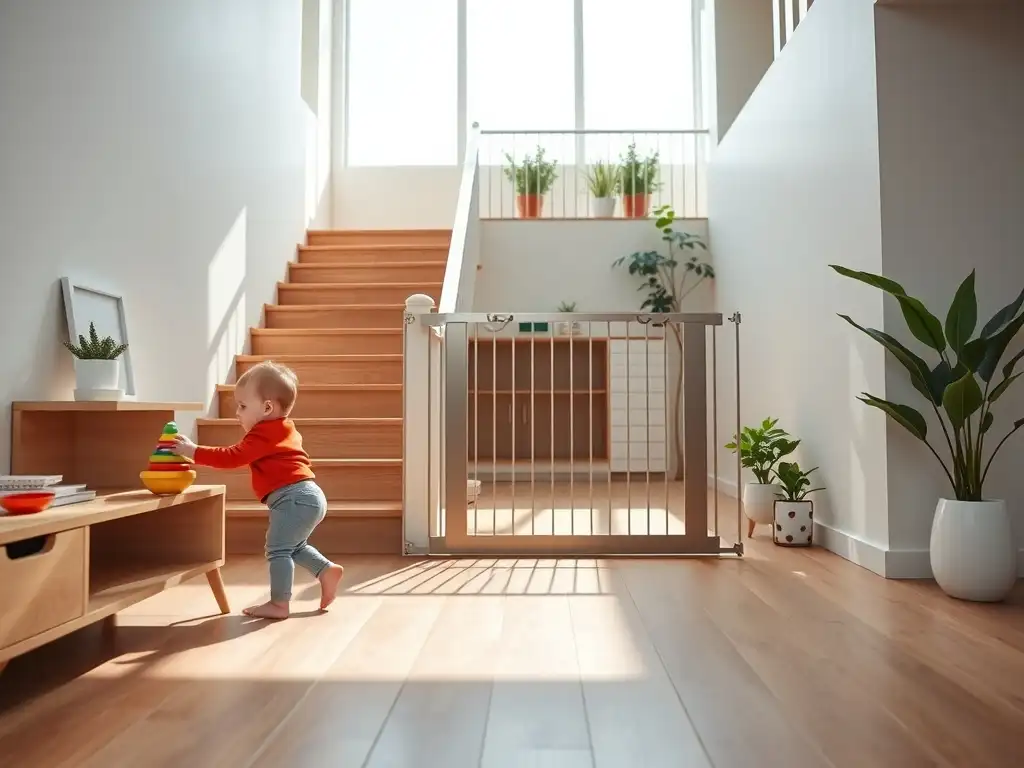
This section expands on essential baby proofing strategies specifically tailored to the unique challenges presented by multi-level homes. While gates are crucial for stairways, a holistic approach encompassing every floor is vital for comprehensive "baby proofing multilevel home safety". Neglecting even seemingly minor details can compromise your child's well-being. Remember, consistent vigilance and proactive measures are key.
Creating Safe Zones and Play Areas on Each Floor
Creating designated safe zones on each floor is paramount in a multi-level home. This prevents your baby from constantly needing supervision while moving between levels. Think of each floor as its own contained play area, minimizing the need for constant transit.
Consider these strategies:
- Dedicated Play Spaces: Designate a specific area on each floor for playtime. This could be a corner of a room with soft mats, age-appropriate toys, and easily cleaned surfaces. Keep this area free from hazards such as electrical cords, sharp objects, or small choking hazards.
- Baby-Proofing Each Zone Independently: Treat each floor's designated play area as a separate baby-proofing project. Apply the same rigorous standards you'd use for a single-level home, ensuring that each zone is free from potential dangers.
- Visual Barriers: Even if you have gates installed, consider using visual barriers like bookshelves or furniture to subtly discourage your baby from approaching stairs or other hazardous areas. This provides an extra layer of safety, especially as your child gets more mobile.
- Floor-Specific Storage: Store toys and other items relevant to each floor in that specific area. This prevents the need to carry items up and down stairs, reducing the risk of accidents and making cleanup easier.
Childproofing Electrical Outlets and Cords
Electrical outlets and cords pose a significant hazard in any home, but this risk is amplified in multi-level houses. The increased number of rooms and potential hiding spots for cords necessitates extra vigilance.
Here's how to effectively manage this risk:
- Outlet Covers: Install safety outlet covers on every outlet on each floor. Don't assume that just because an outlet isn't currently in use, it's safe. Babies are naturally curious and will explore every nook and cranny.
- Cord Management: Bundle and secure all electrical cords using cord covers or zip ties. Pay close attention to cords near stairs, as a trailing cord could cause a fall. Consider using cord wraps to keep cords organized and out of reach.
- Regular Inspections: Regularly inspect all electrical outlets and cords for any damage or signs of wear. Replace damaged cords immediately and ensure all outlet covers are securely in place. This proactive approach is vital for maintaining a safe environment.
- High-Reach Outlets: For outlets located high on walls, consider using specialized childproof outlet covers designed for higher placement. These often have a more secure locking mechanism to prevent tampering.
Securing Window Treatments and Blinds
Window treatments, including blinds and curtains, can pose a strangulation risk for curious babies. This risk is particularly heightened in multi-level homes due to the increased number of windows.
Consider the following preventative measures:
- Cordless Options: Opt for cordless blinds or curtains whenever possible. This eliminates the major strangulation hazard associated with dangling cords. Many modern window treatments are available without cords, offering both safety and style.
- Secure Cords: If cordless options aren't feasible, ensure all cords from blinds and curtains are securely tied up and out of reach. Use cord cleats or other cord-management devices to keep cords neatly tucked away. Regularly check that these are securely fastened.
- Window Safety Locks: Install window safety locks or restrictors on all windows, especially those easily accessible to your child. This prevents your little one from opening windows and potentially falling out.
- Placement of Furniture: Avoid placing furniture near windows that could allow a child to easily climb up and reach them. This simple precaution can significantly reduce the risk of falls.
Remember, proactively addressing these details enhances your "baby proofing multilevel home safety" strategy, creating a safer and more secure environment for your child to grow and explore. Even small details can make a big difference in protecting your little one. 👶🏠
Regular Safety Checks and Maintenance
Regular inspections are crucial for maintaining a safe environment for your baby in a multi-level home. This isn't a one-time task; it's an ongoing commitment. Think of it as a proactive approach to preventing accidents before they happen. A thorough, monthly check is recommended, but more frequent checks might be necessary depending on your baby's mobility and developmental stage. For example, once your baby starts crawling, you'll need to be even more vigilant about potential hazards.
During your safety checks, focus on areas like stair gates – ensure they are securely fastened and functioning correctly. Check for any loose screws, damaged parts, or signs of wear and tear. Balcony railings should be inspected for stability and strength; any gaps large enough for a small child to slip through must be addressed immediately. Consider the condition of your flooring – loose tiles or carpets can create tripping hazards, especially for toddlers.
Beyond the structural elements, consider the smaller items. Are there any loose cords or wires near stairs or balconies that a curious baby could pull? Are small objects, such as toys or tools, lying around that could be easily reached and swallowed? Regular cleaning and decluttering are also essential components of maintaining a baby-safe environment. Remember that a clean and organized space minimizes the risk of accidents.
Even seemingly insignificant items can pose a significant threat to a curious little one. A systematic approach to these regular checks ensures that your home remains a safe haven for your baby as they grow and explore. Document your checks – a simple checklist can help you remember everything and provide a record of maintenance. Proactive maintenance will offer peace of mind, knowing you are doing everything possible to ensure your little one's safety.
Addressing Specific Concerns in Multi-Level Baby Proofing
Multi-level homes present unique challenges when babyproofing. The increased vertical space introduces significant risks, particularly concerning falls from stairs and balconies. Effective baby proofing in these homes requires a layered approach, combining physical barriers with consistent supervision and age-appropriate strategies. Ignoring even one aspect can compromise the overall safety of your child. This section delves into specific concerns and provides practical solutions for creating a safer environment for your little one in your multi-story home. Successfully baby proofing a multilevel home requires meticulous planning and a commitment to ongoing vigilance.
Baby Proofing for Different Age Groups in Multi-Story Homes
Babyproofing strategies need to adapt as your child grows and develops new motor skills. What works for a crawling infant won't suffice for a toddler who's learning to climb.
- Infants (0-6 months): At this stage, the focus is on preventing falls from elevated surfaces. Install sturdy gates at the top and bottom of all staircases. Keep furniture away from stairs to prevent climbing. Secure loose rugs and cords that a baby could pull on. Regular checks are paramount to ensure that gates are securely fastened and that there are no gaps or hazards. Consider using baby monitors with video capabilities to keep a watchful eye from another level.
- Toddlers (6-24 months): Toddlers are mobile and curious, making them prone to climbing and exploring. In addition to sturdy gates, consider installing window guards to prevent falls from balconies or upper-story windows. Use outlet covers and cabinet locks to prevent access to dangerous items. Lowering furniture and using corner protectors can also mitigate injuries from falls. Consistent supervision is crucial during this exploratory phase. Their understanding of danger is still developing, so your vigilance is essential. Regularly check for new climbing opportunities they might discover.
- Preschoolers (2-5 years): Preschoolers are more aware of danger, but their judgment isn't fully developed. While gates and window guards remain essential, you might need to start teaching them about safety rules. Explain why certain areas are off-limits and what they should do if they're in danger. Engaging them in the baby proofing process, such as choosing colorful safety gates, can help them understand the importance of safety. However, remember that even preschoolers require constant supervision, particularly near stairs and balconies.
Strategies for Managing Multiple Children in a Multilevel House
Managing multiple children in a multi-level home adds another layer of complexity to baby proofing. The older child's presence can inadvertently create new hazards for the younger one.
- Designated Safe Zones: Create designated safe zones on each level, where younger children can play without the risk of falling down the stairs or accessing dangerous areas. These zones should be free of hazards and have age-appropriate toys and activities.
- Staggered Supervision: While it's ideal to supervise all children simultaneously, this is not always feasible. Consider a system where one child is supervised while the other engages in a safe activity in a different area. This requires careful planning and a clear understanding of each child's capabilities.
- Clear Communication: Establish clear rules and expectations for older children regarding the safety of younger siblings. Teach them to never leave the younger child unsupervised near stairs, balconies, or other dangerous areas. Explain the potential consequences of their actions and reinforce the importance of their role in keeping their younger sibling safe. Regular reminders and positive reinforcement are key.
- Childproofing Collaboration: Involve older children in the babyproofing process, making them feel responsible and invested in their sibling’s safety. This can foster a sense of responsibility and cooperation.
Adapting Baby Proofing Solutions for Evolving Needs
As your child grows, your baby proofing needs will evolve. What was sufficient at six months might be inadequate at eighteen months.
- Regular Inspections: Conduct regular safety checks of your baby proofing measures, paying close attention to gates, window guards, and other safety devices. Ensure that they are securely fastened and in good working order. Consider writing a schedule for these checks.
- Adjusting Heights: As your child grows taller, you might need to adjust the height of gates or install additional barriers to prevent access to previously inaccessible areas. Regularly assess if current measures are still effective.
- Transitional Baby Proofing: Consider transitioning to less restrictive but still effective safety measures as your child matures. For example, you may replace a traditional gate with a retractable gate that's less obtrusive but still provides a barrier. This transition should be gradual and based on your child's developmental milestones and understanding of safety.
- Teaching Safety: As your child gets older, focus on teaching safety awareness and responsible behavior. Explain the dangers of stairs, balconies, and other hazards, and emphasize the importance of asking for help when needed. Make safety a regular topic of conversation. This continuous education is as important as physical barriers.
Remember, babyproofing a multi-level home is an ongoing process. Regular assessments and adjustments are crucial to ensure that your home remains a safe and nurturing environment for your growing child. Prioritizing safety creates a secure and happy home for your family. 👶🏠
When to Seek Professional Help for Baby Proofing
Knowing when to call in the professionals is crucial for ensuring your multi-level home is truly safe for your baby. While many baby-proofing tasks are DIY-friendly, some situations demand expert intervention. This is especially true in homes with complex architectural features or pre-existing safety concerns. Consider professional help if you:
- Have significant structural concerns. If you have doubts about the stability of your railings, the strength of your staircase, or the security of your balcony, a structural engineer can assess these areas and recommend solutions. Ignoring potential structural weaknesses could lead to serious accidents. A professional assessment can provide peace of mind and ensure that any baby-proofing measures are built on a solid foundation, literally!
- Are overwhelmed by the task. Baby-proofing a multi-level home can be daunting. If you find yourself feeling stressed, overwhelmed, or simply lacking the time to dedicate to the project properly, consider hiring a professional baby-proofing consultant. These experts can provide a comprehensive assessment, recommend appropriate products, and even install safety measures for you. Their expertise can save you time and ensure a thorough job is done.
- Have specific accessibility needs. If you have a child with developmental delays or other mobility challenges, a professional can tailor the baby-proofing strategy to address specific needs. This may involve installing specialized equipment or modifying existing structures to accommodate your child's unique requirements. Their insight can make a huge difference in ensuring your child's safety and independence.
- Live in an older home with unique challenges. Older homes often present unique baby-proofing challenges, such as outdated electrical wiring, lead paint, or unstable banisters. A professional can identify these hidden hazards and recommend appropriate mitigation strategies. Their experience with older homes can prevent unforeseen accidents.
- Are unsure about the effectiveness of your DIY efforts. Even the most diligent DIY approach may miss some crucial safety aspects. A professional review can identify any overlooked hazards and ensure your home is truly safe for your little one. A second pair of eyes can make all the difference.
Ultimately, prioritizing your child's safety should be paramount. Don't hesitate to seek professional assistance if you have any doubts or concerns. The investment in professional help is a small price to pay for the peace of mind that comes with knowing your home is a safe haven for your precious baby. Remember, a safe home is a happy home, and professional help can contribute significantly to achieving that goal.
Frequently Asked Questions
What are the biggest safety hazards in a multi-level home with a baby?
The biggest hazards are stairs and balconies. These present significant risks of falls, which can cause serious injuries to a baby. Proper barriers and supervision are crucial.
How can I babyproof my stairs effectively?
Install sturdy gates at the top and bottom of every staircase. Ensure they are securely mounted and meet safety standards. Consider using extra padding at the bottom of the stairs.
What are some essential safety measures for balconies?
Install balcony railings that meet or exceed safety standards, ensuring there are no gaps a baby can fit through. Never leave a baby unattended on a balcony, even for a moment.
Are there specific products recommended for multi-level home babyproofing?
Yes, consider stair gates with pressure mounts or hardware mounts, window guards, and balcony safety nets. Always check for safety certifications before purchasing.
What if I have an older child in addition to a baby? Does this change my babyproofing approach?
Yes, you need to consider both children's ages and abilities. You may need more robust solutions and increased supervision to ensure both are safe from potential hazards. Childproofing for multiple ages requires a more comprehensive strategy.
Final Reflection: Securing Tiny Feet in a Multi-Level World
The safety of our children is paramount, and in multi-level homes, that safety requires proactive and comprehensive baby-proofing. A seemingly small oversight can have devastating consequences, highlighting the critical need for vigilance and meticulous planning in securing our homes for the smallest members of our families. The risks are real, and the rewards of prevention are immeasurable.
The journey of baby-proofing a multi-level home is more than just installing gates; it's about creating a nurturing environment where exploration and development can flourish without the constant threat of injury. This process profoundly impacted my own understanding of parental responsibility, forcing me to consider every angle and potential hazard. The most important thing a father can do for his children is to love their mother.
This quote, while seemingly unrelated, speaks to the core of creating a safe and loving home – a foundation built on careful consideration and unwavering commitment to the well-being of our loved ones. The effort invested in securing our homes directly reflects the love and care we have for our children.
Now, I invite you to take a moment to reflect on your own home. Consider the potential hazards lurking in your stairwells and balconies, and the simple steps you can take to mitigate those risks. Don't wait for an accident to happen; proactively assess your home's safety, and equip yourself with the knowledge and resources to create a truly secure and loving environment for your little ones. Your vigilance and proactive approach will not only protect your child but will also bring you peace of mind, allowing you to fully enjoy the precious moments of parenthood.
Level Up Your Home Safety: Secure Your Little One's World!
Thank you for learning about babyproofing multi-level homes! You now have the knowledge to create a safer environment for your child. Let's put that knowledge into action:
- Prioritize installing safety gates: This is crucial for securing stairs and balconies. Ensure your gates meet safety standards and are firmly secured. Double-check all latches and fittings!
- Share your safety successes: What creative babyproofing solutions did you discover? Share your tips with other parents in the comments below! Let's build a supportive community of safety-conscious caregivers.
- Conduct a thorough safety check: Examine your home from your baby's perspective. Identify any potential hazards you may have missed.
Ready to create the safest possible home for your child? What's your next step towards a completely babyproofed home?