
When Your Baby Needs a Blood Test: Understanding the Process


Welcome to BabyCareHub, your ultimate guide to navigating the exciting yet often overwhelming world of parenthood. Are you a first-time parent facing the prospect of a baby blood test? We understand the anxieties that accompany such a situation. This comprehensive resource is designed to ease your concerns and equip you with the knowledge you need to confidently approach this and other crucial aspects of your baby's care. Discover a step-by-step explanation of the baby blood test procedure and much more—explore our Newborn Basics section to unlock a wealth of invaluable information.
- Understanding the Need for a Newborn Blood Test
- Preparing Your Baby for a Blood Test
- The Baby Blood Test Procedure Explained: A Step-by-Step Guide
- After the Baby Blood Test: Care and Follow-Up
- Understanding Blood Test Results and Next Steps
- Frequently Asked Questions about Newborn Blood Tests
- Frequently Asked Questions
- Final Reflection: Navigating the Tiny Prick: A Parent's Journey
- Unlock Your Baby's Health Journey: Take the Next Step
Understanding the Need for a Newborn Blood Test
Navigating the world of newborn care can feel overwhelming for first-time parents. Among the many appointments and procedures, the possibility of your baby needing a blood test might spark anxiety.
This comprehensive guide aims to demystify the process, explaining why your baby might need a blood test, what types of tests are common, and what you can expect during and after the procedure. Understanding the rationale behind these tests will empower you to make informed decisions and alleviate any concerns you may have regarding your little one's health.
This article will serve as your complete resource on the baby blood test procedure explained, providing you with the knowledge and confidence to navigate this aspect of newborn care effectively. We will delve into the common reasons for blood tests in newborns, the vital role of neonatal screening in identifying potential health risks, and the different types of blood tests performed on infants, helping you feel prepared and informed every step of the way.
Common Reasons for Baby Blood Tests
Newborn blood tests are often a crucial part of routine care, designed to detect potential health issues early on. These tests are generally safe and minimally invasive, but understanding why they are necessary can help ease parental anxieties. Several common reasons prompt doctors to order a blood test for your newborn:
- Neonatal Screening: This is arguably the most prevalent reason for a newborn blood test. It's a vital process to identify potential genetic or metabolic disorders that might not be apparent at birth. Early detection allows for timely intervention and treatment, significantly improving the baby's long-term health outcomes. Many countries have mandatory screening programs covering a range of conditions.
- Jaundice: If your baby shows signs of jaundice (yellowing of the skin and eyes), a blood test can help determine the severity and cause. High levels of bilirubin in the blood can indicate a need for treatment to prevent complications.
- Infection Suspicion: If your baby displays symptoms suggestive of an infection, such as fever, lethargy, or poor feeding, a blood test can help identify the causative organism and guide appropriate antibiotic treatment.
- Monitoring Health Conditions: In cases where a baby is born prematurely or with known health complications, regular blood tests might be necessary to monitor their progress and adjust treatment as needed. This proactive approach ensures the baby receives the best possible care.
- Assessing Blood Type and Rh Factor: Determining your baby's blood type and Rh factor is crucial, especially if there were concerns during pregnancy about potential incompatibility between the mother's and baby's blood types. This information is vital for managing any potential risks.
Identifying Potential Health Risks Through Neonatal Screening
Neonatal screening is a cornerstone of preventative healthcare for newborns. This crucial process involves testing a small sample of blood, usually taken from the baby's heel, to screen for a range of serious but treatable conditions. Early detection through neonatal screening is paramount, as many of these conditions can cause severe disabilities or even death if left untreated. The specific conditions screened for vary depending on location and available resources, but common examples include:
- Phenylketonuria (PKU): A metabolic disorder affecting the processing of phenylalanine, an amino acid. Early detection allows for dietary management, preventing brain damage.
- Hypothyroidism: An underactive thyroid gland, potentially leading to developmental delays if not treated.
- Sickle Cell Disease: A blood disorder causing red blood cells to become abnormally shaped, leading to various health problems.
- Cystic Fibrosis: A genetic disorder affecting the lungs and digestive system.
The results of neonatal screening tests are usually available within a few weeks and are communicated to the parents by their healthcare provider. Positive results often necessitate further testing and specialist consultation to confirm the diagnosis and develop a comprehensive treatment plan. The importance of this screening cannot be overstated; it's a crucial step in ensuring your baby's health and well-being.
Types of Newborn Blood Tests and Their Purposes
Several different types of blood tests may be performed on newborns, each serving a specific purpose. While the exact tests ordered will depend on the baby's individual circumstances and health concerns, some common types include:
- Complete Blood Count (CBC): This comprehensive test assesses various components of the blood, including red blood cells, white blood cells, and platelets. It helps detect infections, anemia, and other blood disorders.
- Blood Chemistry Panel: This tests for various substances in the blood, providing insights into the function of different organs, such as the kidneys and liver.
- Blood Gas Analysis: This measures the levels of oxygen and carbon dioxide in the blood, providing crucial information about the baby's respiratory function.
- Coagulation Studies: These tests evaluate the blood's ability to clot, which is important for managing bleeding disorders.
- Specific Metabolic Tests: Depending on the suspected condition or the results of neonatal screening, specific tests may be ordered to measure the levels of certain metabolites in the blood.
The process of obtaining a blood sample from a newborn is generally quick and relatively painless. Healthcare professionals are skilled in performing this procedure, minimizing discomfort for the baby. Parents are usually present during the procedure, providing comfort and support to their little one. Following the blood draw, the puncture site is cleaned and a bandage applied. Any potential discomfort is usually temporary and resolves quickly.
Preparing Your Baby for a Blood Test

This section focuses on preparing your little one for a blood test, minimizing discomfort and anxiety for both you and your baby. Remember, a calm parent often translates to a calmer baby. Understanding the procedure beforehand can significantly ease the process. This detailed guide addresses the "baby blood test procedure explained" query comprehensively.
Choosing the Right Time for the Procedure
Scheduling the blood test at the optimal time is crucial for a smoother experience. Consider your baby's natural rhythms. A well-rested and fed baby is generally calmer and less likely to be distressed. Avoid scheduling the test during periods of typical fussiness, such as right before a nap or feeding time. Ideally, schedule it when your baby is in a relatively content mood.
This might involve observing your baby's daily patterns for a few days to identify their most relaxed periods. Some babies are more agreeable in the morning, while others might be calmer in the afternoon. Consulting with your pediatrician about the best time, considering your baby's individual schedule, is always recommended. Remember, flexibility is key! If your baby is unusually fussy on the scheduled day, don't hesitate to reschedule.
Calming Techniques to Reduce Baby's Anxiety
A calm and soothing environment can significantly reduce your baby's anxiety during the procedure. Several techniques can help:
- Skin-to-skin contact: Holding your baby close, skin-to-skin, can provide comfort and reassurance. The warmth and familiarity of your touch can have a profoundly calming effect.
- Swaddling: Gently swaddling your baby can create a sense of security and reduce the feeling of being overwhelmed. Ensure the swaddle is not too tight, allowing your baby to move their arms and legs freely.
- Pacifier: If your baby uses a pacifier, offering it during the procedure can be a helpful distraction and source of comfort. The sucking motion itself can be soothing.
- Soothing sounds: Soft music, white noise, or even the sound of your voice can create a calming atmosphere and distract your baby.
- Distraction techniques: Bringing a favorite toy or blanket can provide a familiar and comforting presence. Try gently distracting your baby with a toy or engaging them in playful interactions before the procedure begins.
Remember, your calm demeanor is contagious! Your baby will sense your anxiety, so maintaining a calm and reassuring presence is vital. Deep breaths and positive self-talk can help manage your own stress levels.
What to Expect Before the Blood Draw
Before the actual blood draw, the healthcare professional will likely take some preparatory steps. These may include:
- Identification: Your baby's identification will be verified to ensure the correct procedures are followed. This is a standard practice to avoid mistakes.
- Preparation of the site: The area where the blood will be drawn will be cleaned with an antiseptic solution. This is to maintain hygiene and prevent infection.
- Positioning: Your baby will be positioned comfortably and safely to facilitate the procedure. The healthcare professional will ensure your baby is secure and stable.
- Explanation of the process: While your baby might not understand, the healthcare professional should explain the process to you, answering any questions you have. This transparency helps alleviate your concerns and allows you to prepare mentally.
It's normal to feel anxious before your baby's blood test. Remember to communicate your concerns to the healthcare professional. Asking questions and understanding the process can help reduce your anxiety and better prepare you for the procedure. By following these steps and maintaining a calm approach, you can help make the experience as comfortable as possible for your baby. The entire process, from preparation to completion, is designed to be as quick and painless as possible for your little one.
The Baby Blood Test Procedure Explained: A Step-by-Step Guide
This section details the typical procedure for a newborn blood test, often referred to as a heel stick. Understanding this process can alleviate anxiety for new parents. Remember, each step is performed by trained medical professionals prioritizing your baby's safety and comfort. This explanation aims to demystify the procedure, not to replace professional medical advice. Always consult your pediatrician or healthcare provider with any questions or concerns.
Step 1: Preparing the Site for the Blood Draw
Before the actual blood draw, the healthcare professional will prepare the area on your baby's heel. This involves several crucial steps designed to ensure a safe and relatively painless procedure. The primary goal is to minimize discomfort and risk of infection.
First, the healthcare provider will thoroughly wash their hands and put on clean gloves. Hygiene is paramount to prevent any potential contamination. Next, they will select the appropriate site on your baby's heel. Typically, the outer edge of the heel is chosen, avoiding the central portion where the bone is closer to the surface. This minimizes the risk of bone injury.
Then, the area is cleaned with an antiseptic solution, such as alcohol or chlorhexidine. This step is crucial for sterilizing the skin, removing any germs, and reducing the chance of infection. The antiseptic is allowed to air dry completely before proceeding to the next step. This is vital to prevent any stinging sensation from the alcohol. The healthcare professional will then gently warm the baby's heel.
Warming the heel increases blood flow to the area, making it easier to obtain a sample. This warming process is often done using a warm towel or a specialized warming device. Finally, they may use a small amount of a numbing cream or gel, though this is not always standard practice. The goal is to make the procedure as comfortable as possible for your little one.
Step 2: Performing the Heel Stick Procedure
This step involves the actual puncture of the heel. The healthcare provider will use a sterile lancet, a small, sharp device designed for this specific purpose. The lancet is used to make a tiny prick in the baby's heel at the pre-selected site. The depth of the puncture is carefully controlled to ensure only a small amount of blood is drawn. Excessive depth should be avoided to minimize pain and injury.
The process is quick, typically lasting only a few seconds. Your baby may cry or show signs of discomfort, which is a natural response. However, the healthcare provider will take measures to soothe and comfort your baby as much as possible. Immediate skin-to-skin contact, offering a pacifier, or even just a calming voice can help reduce your baby's distress.
The healthcare professional will also be monitoring your baby's vital signs throughout the entire procedure. This ensures your baby's safety and well-being. They are trained to recognize any signs of distress and will respond accordingly. Remember, the entire process is designed to be as quick and painless as possible.
Step 3: Collecting the Blood Sample
Once the heel prick is made, a small amount of blood will begin to well up. The healthcare provider will carefully collect the blood sample using a specialized collection device. This might be a capillary tube, filter paper, or a microtainer, depending on the specific tests required. They will gently blot the blood onto the collection device, ensuring an adequate amount is collected for the necessary tests. The amount of blood needed will vary depending on the number and type of tests ordered.
After collecting the sufficient sample, the healthcare provider will apply gentle pressure to the puncture site using a sterile gauze pad. This helps to stop the bleeding and prevent bruising. The pressure will be held for several minutes until the bleeding stops completely. A small bandage may be applied to the site to keep it clean and protected. The collected sample is then carefully labeled with your baby's identifying information to prevent any mix-ups.
This labeled sample is then sent to a laboratory for analysis. The results will be relayed to your pediatrician or healthcare provider, who will then discuss the findings with you. The entire process is carefully documented to ensure accuracy and traceability. The collected blood is handled according to strict protocols to maintain its integrity and reliability for testing.
Step 4: Applying Pressure and Bandage
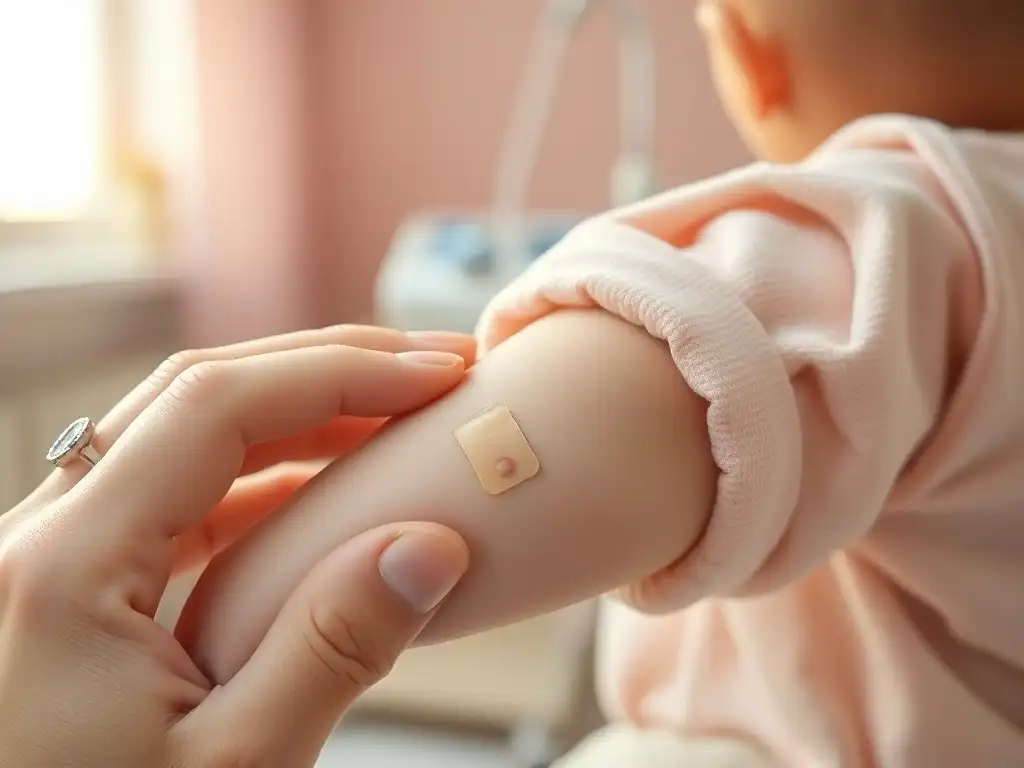
After the needle is withdrawn, the healthcare professional will immediately apply firm pressure to the puncture site using a sterile gauze pad. This is crucial to prevent excessive bleeding and to help the small wound clot. The pressure should be maintained for several minutes, typically around 3-5 minutes, depending on the size of the puncture and the baby's clotting time. You might observe a small amount of bleeding initially, which is perfectly normal. However, if bleeding persists or seems excessive, inform the medical professional immediately.
They will likely apply additional pressure or take other necessary steps to stop the bleeding. Following the pressure application, a small bandage will be placed over the puncture site to protect it and help it heal. This bandage typically needs to remain in place for a few hours, or as directed by the healthcare provider. It's essential to keep the bandage clean and dry to minimize the risk of infection.
Avoid rubbing or picking at the bandage, as this could dislodge it and potentially restart bleeding. Remember, gentle care during this phase is key to ensuring a smooth healing process. The small puncture wound usually heals within a day or two, leaving behind minimal, if any, visible scarring. Parents should monitor the area for any signs of infection, such as redness, swelling, or increased pain.
Managing Discomfort and Potential Crying
It's quite common for babies to cry during a blood test, as it involves a needle prick. The procedure is quick, but the unexpected sensation can be distressing for your little one. The healthcare professionals are trained to handle this situation and will try to comfort your baby as much as possible. Techniques used often include swaddling the baby securely, offering a pacifier, or providing skin-to-skin contact to soothe them. Some healthcare providers might also offer a sugary solution (such as sucrose) to help reduce discomfort.
Remember that your presence and calm demeanor can also significantly help to soothe your baby. Speaking softly and gently holding your baby can make a big difference. After the procedure, continue comforting your baby with cuddling, feeding, or rocking. Most babies will quickly settle down once the discomfort has passed. If your baby continues to cry excessively or shows signs of distress after the procedure, don't hesitate to reach out to your pediatrician or the healthcare provider who performed the blood test.
They can provide guidance and address any concerns you may have about your baby's reaction. It’s important to remember that every baby reacts differently, and some may be more sensitive than others. The key is to provide comfort and reassurance during and after the procedure. 👶
After the Baby Blood Test: Care and Follow-Up
Following a baby blood test, careful monitoring and gentle soothing are crucial for your little one's comfort and well-being. This section details the post-procedure care necessary to ensure a smooth recovery and addresses common parental concerns regarding the baby blood test procedure explained.
Monitoring the Puncture Site for Bleeding or Infection
The most immediate concern after a heel prick blood test (the most common method for newborns) is monitoring the puncture site for any complications. While minor bleeding is expected and usually stops quickly, excessive bleeding or signs of infection require prompt attention.
Here's what to look for:
- Excessive Bleeding: If bleeding persists for more than a few minutes or soaks through the bandage, contact your pediatrician immediately. This could indicate a clotting disorder or other underlying issue. Keep a clean gauze pad firmly pressed against the site until the bleeding stops.
- Signs of Infection: Watch for redness, swelling, pus, or increased warmth around the puncture site. These are signs of a potential infection. Again, immediate medical attention is necessary if you observe any of these symptoms. The infection risk is minimal, but vigilance is key. A low-grade fever could also accompany an infection.
Remember to change the bandage regularly, following your doctor's instructions, typically every few hours initially, then less frequently as the site heals. Keep the area clean and dry. Avoid rubbing or scrubbing the area.
It's helpful to keep a detailed record of when the bleeding stopped and to document any changes in the appearance of the puncture site. This information will be valuable if you need to contact your doctor. This detailed record can also help you accurately recall the timeline of events if any complications arise. Accurate record-keeping is part of responsible baby blood test procedure explained.
Soothing Your Baby After the Procedure
The heel prick, while necessary, can be distressing for your baby. Soothing and comforting your little one after the procedure is essential. Here are some strategies that can help:
- Skin-to-Skin Contact: Holding your baby close to your skin provides warmth, comfort, and a sense of security. The skin-to-skin contact releases oxytocin, a hormone that promotes bonding and reduces stress for both you and your baby.
- Feeding: Breastfeeding or bottle-feeding can soothe your baby and offer comfort. The sucking action is naturally calming.
- Swaddling: Gentle swaddling can create a sense of security and reduce discomfort. Ensure the swaddle is not too tight, allowing your baby's hips and legs to move freely.
- Pacifier: Offering a pacifier can also be helpful, especially if your baby is used to it.
- Distraction: Try gently rocking your baby, singing lullabies, or playing soft music to distract them from any residual discomfort.
The goal is to provide comfort and reassurance, helping your baby feel safe and loved after the procedure. Remember, your baby's reaction will vary, but consistent comforting will help them recover quickly. This aspect of the baby blood test procedure explained is often overlooked but is vital for the baby's emotional well-being.
Understanding the Results and Interpreting the Report
Once the blood test is complete, you'll receive a report with the results. However, interpreting these results requires medical expertise. Do not attempt to self-diagnose based on the numbers alone.
The report will contain various values, such as blood cell counts, glucose levels, and other indicators of your baby's health. Your pediatrician will explain the results in detail, comparing them to established norms for newborns. They will explain any abnormalities and discuss any necessary follow-up care or treatment.
Important Note: The purpose of the blood test is to detect potential health problems early. While some results may indicate a need for further investigation, many tests are simply routine checks, ensuring your baby is healthy and thriving. Your pediatrician will provide the necessary context for the results, alleviating any unnecessary anxiety. This final piece of the baby blood test procedure explained is crucial for parental understanding and reassurance. Don't hesitate to ask your doctor to clarify any questions or concerns you may have about the results.
When to Contact Your Pediatrician
Following your baby's blood test, careful monitoring is crucial. While most blood tests are routine and yield normal results, knowing when to seek immediate medical attention is vital for your baby's well-being. You should contact your pediatrician immediately if you observe any of the following symptoms, even if they seem minor: excessive fussiness or crying that is inconsolable, a noticeable change in feeding patterns (either significantly increased or decreased intake), lethargy or unusual sleepiness, fever (rectal temperature above 100.4°F or 38°C), pale skin or unusual discoloration, difficulty breathing or rapid breathing, jaundice (yellowing of the skin or whites of the eyes) that worsens or persists beyond the typical newborn period, any bleeding from the puncture site that doesn't stop after gentle pressure, or any other concerning symptoms that you notice. Remember, it's always better to err on the side of caution.
Early intervention can significantly improve outcomes. Don't hesitate to contact your pediatrician with any questions or concerns, no matter how small they may seem. Your pediatrician is your partner in ensuring your baby's health and will be able to provide reassurance or address any issues promptly. Early detection and treatment are key to managing any potential complications.
A proactive approach will help ensure your baby receives the best possible care. Keeping a detailed record of your baby's feeding, sleeping, and bowel movements can also be beneficial when communicating with your pediatrician. This detailed information can help them assess your baby's overall health and well-being. Don't underestimate the importance of open communication with your healthcare provider; they are there to support you and your baby throughout this journey.
Understanding Blood Test Results and Next Steps

This section focuses on deciphering your baby's blood test results and understanding the subsequent steps. Receiving a blood test report can be nerve-wracking, but having a clear understanding of what to expect can alleviate some anxiety. Remember, healthcare professionals are there to guide you through this process.
Interpreting Your Baby's Blood Test Results
Interpreting a baby's blood test results requires medical expertise. The report will contain various values, such as complete blood count (CBC), blood type, bilirubin levels, and possibly others depending on the reason for the test. A CBC, for example, assesses red and white blood cell counts, hemoglobin levels, and platelet counts, providing insights into your baby's overall blood health. High bilirubin levels might indicate jaundice, requiring close monitoring or treatment.
Don't attempt to interpret the results yourself. Your pediatrician or healthcare provider will explain the results in detail, clarifying any concerns and outlining the next steps. They will correlate the findings with your baby's overall health and development, providing a comprehensive assessment.
They'll explain any abnormal findings in a way that's easy to understand, considering your baby's age and any pre-existing conditions. It's perfectly normal to ask clarifying questions; write them down beforehand to ensure you don't forget anything during the consultation. Remember, your active participation in understanding your baby's health is crucial.
What to Do if Results Show Abnormalities
If the blood test reveals abnormalities, don't panic. Many irregularities are minor and easily managed. Your doctor will explain the significance of any unusual findings and recommend the appropriate course of action. This might involve:
- Monitoring: Some minor abnormalities might resolve on their own, requiring only regular check-ups and monitoring.
- Treatment: In other cases, specific treatment may be necessary, such as medication or dietary changes.
- Further Investigations: Additional tests might be ordered to gain a clearer understanding of the underlying cause of the abnormality.
It's crucial to follow your doctor's instructions diligently. This includes adhering to any prescribed medication, attending follow-up appointments, and meticulously documenting any changes in your baby's condition. Open communication with your healthcare provider is key to ensuring your baby receives the best possible care. Don't hesitate to contact them if you have any questions or concerns, no matter how small they may seem. Early intervention is often crucial in managing potential health issues. A proactive approach will contribute significantly to your baby's well-being.
Further Testing and Specialist Consultations (if needed)
Depending on the results, your pediatrician might recommend further testing or a consultation with a specialist. This might involve:
- Genetic testing: If there's a suspicion of a genetic disorder.
- Metabolic screening: To check for inherited metabolic errors.
- Consultation with a hematologist: If the blood test reveals abnormalities related to blood cells.
- Consultation with a neonatologist: If the baby is experiencing complications related to prematurity or other newborn health issues.
The need for additional testing or specialist consultations depends entirely on the specific findings of the initial blood test and your baby's overall health. Your pediatrician will explain the rationale behind any recommendations, ensuring you understand the process and the potential benefits. The goal is always to provide the best possible care for your baby, ensuring their healthy growth and development.
This often involves a collaborative effort between you, your pediatrician, and any specialists involved. Remember, you're not alone in this journey; a supportive healthcare team is there to guide and support you every step of the way. This collaborative approach ensures the best possible outcome for your baby's health.
Frequently Asked Questions about Newborn Blood Tests
This section addresses common concerns parents have regarding newborn blood tests, providing clear and concise answers to help alleviate anxieties surrounding this routine procedure. We aim to demystify the process, empowering you with the knowledge to feel confident and prepared. Understanding the procedure can significantly reduce stress during this important phase of your baby's life.
How much blood is drawn during a newborn blood test?
The amount of blood drawn during a newborn blood test, often referred to as a heel prick or heel stick, is surprisingly small. It typically involves collecting only a few drops of blood – generally less than a milliliter. The exact amount varies depending on the specific tests being conducted and the baby's size.
Healthcare professionals are highly trained to minimize the volume of blood collected while ensuring sufficient samples for accurate results. Think of it as comparable to a small pinprick; the procedure is designed to cause minimal discomfort and trauma. The focus is always on ensuring your baby's safety and well-being while obtaining the necessary information for their health.
How long does it take to get the results of a baby blood test?
The turnaround time for newborn blood test results depends on several factors, including the specific tests ordered, the laboratory's workload, and the complexity of the analysis. Some common screening tests, such as those for phenylketonuria (PKU) and hypothyroidism, often provide results within a few days. More specialized or complex tests might take a little longer, potentially up to a week or more.
Your healthcare provider will inform you of the expected timeframe for your baby's specific tests and will contact you as soon as the results are available. Remember to always follow up with your pediatrician to discuss the results and any necessary follow-up care. Prompt communication is key in ensuring timely intervention if any concerns arise.
Is the heel stick painful for my baby?
While a heel stick is undeniably a small invasive procedure, the experience for your baby is generally minimal. Healthcare professionals utilize techniques designed to minimize discomfort. These techniques include warming the heel to increase blood flow, using a lancet with a small needle to reduce the depth of the prick, and applying gentle pressure afterward to stop the bleeding.
Many babies cry briefly during the procedure, but the distress is usually short-lived. The immediate aftermath often involves comforting your baby with skin-to-skin contact and soothing measures. Your baby's response will vary, of course, but the procedure is designed to be as quick and painless as possible.
The benefits of early detection far outweigh any momentary discomfort. Remember, your pediatrician is there to guide you and answer any questions you may have about managing your baby's comfort. The focus is always on minimizing pain and maximizing the benefits of this vital screening.
What are the risks associated with a newborn blood test?
Newborn blood tests, while incredibly valuable for assessing a baby's health, do carry some inherent risks, albeit minimal. The most common risk is pain and discomfort for the infant. The prick of the needle, even a tiny one, can cause a brief stinging sensation. However, healthcare professionals are trained to minimize this discomfort through techniques like swaddling and distraction. They also use topical anesthetic creams in some cases to numb the area before the procedure. The amount of blood drawn is also very small, usually just a few drops, further reducing the potential for complications.
Another potential, though rare, risk is infection at the puncture site. Strict sterile procedures are followed to minimize this possibility. Healthcare professionals use gloves, sanitized equipment, and antiseptic wipes to clean the area before and after the blood draw. Parents should watch for any signs of infection, such as redness, swelling, or pus at the puncture site, and contact their pediatrician immediately if any arise. It's crucial to remember that the benefits of the test significantly outweigh these minor risks.
While bleeding is usually minimal and stops quickly, there is a small chance of excessive bleeding, particularly in infants with bleeding disorders. This is why a thorough medical history is taken before the procedure. If there is any concern about a bleeding disorder, alternative testing methods might be explored. In exceedingly rare cases, a hematoma (a collection of blood under the skin) might form at the puncture site. This usually resolves on its own but should be monitored.
Finally, it's important to note that any medical procedure carries a small risk of complications, however unlikely. The vast majority of newborn blood tests proceed without incident. Open communication with your pediatrician is key to addressing any concerns or questions you might have about the procedure and its potential risks. They can provide personalized information based on your baby's specific health profile and circumstances. Remember to always voice your concerns; your pediatrician is there to support you and your baby's well-being.
Frequently Asked Questions
What is a heel prick blood test?
A heel prick blood test, also known as a newborn screening test, is a quick procedure where a small amount of blood is collected from your baby's heel. This test screens for various genetic and metabolic disorders. It's typically done within 24-48 hours of birth.
Why does my baby need a blood test?
Babies may need blood tests for various reasons, including newborn screening, diagnosing an illness, monitoring medication levels, or checking for infections or deficiencies. The reason will be explained by your pediatrician.
How is the blood sample collected during a heel prick?
A small lancet is used to prick your baby's heel, collecting a few drops of blood onto a special filter paper card. The procedure is generally quick and causes minimal discomfort. Pain relief measures might be used.
What happens to the blood sample after collection?
The blood sample is sent to a laboratory for analysis. Results will be sent to your doctor, who will discuss them with you and explain their significance. You'll receive notification of the results within a few days to a few weeks.
Are there any risks associated with a baby blood test?
The risks are minimal. Some babies may experience slight bleeding or bruising at the puncture site. Infection is rare. Your doctor will address any concerns you may have before the procedure.
The emotional rollercoaster of a baby's blood test is a universal experience, a stark reminder of the vulnerability of our little ones and the anxieties inherent in parenthood. While the practical steps of the procedure are crucial, understanding the emotional landscape is equally important for parents facing this often-necessary medical intervention. This knowledge empowers parents to advocate for their children and navigate this challenging experience with greater confidence.
The impact of a baby's first blood test extends far beyond the immediate procedure; it shapes the parent-child bond, strengthens the trust in medical professionals, and underscores the profound love and protective instincts that define parenthood. The most beautiful things are not associated with the greatest amount of comfort.
This quote, while not directly about blood tests, speaks to the inherent tension between the necessary discomfort and the profound love parents feel for their children, a tension central to this experience. The memory of this event, however small it may seem in the grand scheme of life, becomes a significant milestone in the parent-child narrative.
Now, consider your own experiences with medical procedures, both as a child and as an adult. How did those experiences shape your understanding of healthcare? Reflect on the power of knowledge and preparation in mitigating fear and anxiety. Armed with the information presented in this article, you are better equipped to support your child and yourself during this potentially stressful time. Remember, your strength and presence are invaluable to your little one, transforming a potentially frightening experience into a moment of shared resilience and love.
Unlock Your Baby's Health Journey: Take the Next Step
Thank you for learning more about pediatric blood tests. We hope this article provided clarity and eased any concerns. Let's empower you to confidently navigate this important step.
- Schedule the blood test: Don't delay getting the answers you need. Contact your pediatrician's office today to schedule an appointment.
- Prepare a comfort kit: Pack your baby's favorite blanket, a familiar toy, and perhaps a small, age-appropriate snack to help soothe them during the procedure.
- Share your experience: Connect with other parents in our online community to share your tips and ask questions. Your insights can help other families.
What small comfort measure do you think will be most helpful for your baby during their blood test?