
Formula Feeding and Pacifier Use: A Guide for Parents


Welcome to BabyCareHub, your ultimate resource for navigating the exciting yet challenging journey of parenthood! Are you a first-time parent facing questions about formula feeding and the role of pacifiers? We understand the complexities of infant care, and our comprehensive guide on Formula Feeding Pacifier Use provides the step-by-step answers you need to ensure your little one thrives. Discover expert advice and practical tips to build confidence and create a happy, healthy environment for your baby. Let’s dive in and unlock the secrets to successful formula feeding and pacifier use!
- Understanding Formula Feeding Basics
- Pacifier Use and Formula-Fed Babies
- Combining Formula Feeding and Pacifier Use: Best Practices
- When to Consult a Pediatrician
- Formula Feeding and Pacifier Use: Frequently Asked Questions (FAQs)
- Frequently Asked Questions
- Final Reflection: Nurturing Your Little One: A Journey of Choices
- Unlock Your Baby's Comfort: Next Steps for Happy Feeding
Understanding Formula Feeding Basics

Choosing to formula feed your baby is a perfectly valid and common decision, and this guide will equip you with the knowledge and confidence to navigate this journey successfully. This article will delve into the specifics of formula feeding, focusing on selecting the appropriate formula, safe preparation and handling, and incorporating pacifier use into your routine.
We will cover everything from understanding the different types of formula available to establishing safe storage practices and addressing common concerns surrounding pacifier use with formula-fed babies. This guide aims to provide a holistic approach, combining essential information on formula feeding with practical advice on pacifier usage, empowering you to make informed decisions that support your baby's healthy development.
Remember, every baby is unique, and what works for one might not work for another. This guide serves as a starting point, and always consult your pediatrician for personalized advice and to address any specific concerns you may have.
Choosing the Right Formula for Your Baby
Selecting the right formula can feel overwhelming with the numerous options available. Understanding the differences between various types is crucial. Here's a breakdown to help you navigate your choices:
- Cow's Milk-Based Formula: This is the most common type and is generally a good option for most babies. It's formulated to closely mimic the nutrients found in breast milk.
- Soy-Based Formula: This option is suitable for babies with lactose intolerance or cow's milk protein allergy. However, it's important to note that soy-based formulas can also cause allergic reactions in some babies.
- Hydrolyzed Formula: This type is designed for babies with sensitive stomachs or those with milk protein allergies. The proteins are broken down into smaller, easier-to-digest pieces.
- Specialized Formulas: These are formulated for babies with specific dietary needs, such as those with metabolic disorders or other health conditions. These should only be used under the guidance of a pediatrician.
It's vital to carefully read the labels and choose a formula that meets your baby's individual needs and any specific dietary requirements. Always consult your pediatrician before introducing any specialized formula. Remember to consider factors like your baby's weight, age, and any existing health conditions when making your decision. Don't hesitate to ask your doctor or a registered dietitian for personalized recommendations.
Preparing Formula Safely and Efficiently
Proper formula preparation is paramount to ensure your baby's health and safety. Following these steps meticulously will minimize the risk of contamination and ensure your baby receives the correct nutrition:
- Wash your hands thoroughly: Before beginning, wash your hands with soap and water for at least 20 seconds.
- Sterilize bottles and nipples: This is crucial, especially for newborns. Boiling in water for 5 minutes is an effective method.
- Use clean, filtered water: Always use water that has been boiled and cooled or filtered water specifically designed for infant formula preparation. Avoid using tap water directly.
- Follow the instructions carefully: Each formula brand has specific instructions on the amount of water and powder to use. Use a measuring device specifically designed for formula preparation to ensure accuracy. Never guess!
- Mix thoroughly: Ensure the powder is completely dissolved to prevent clumping and ensure your baby receives all the necessary nutrients.
- Cool to a safe temperature: Test the temperature of the prepared formula on the inside of your wrist before feeding to ensure it's not too hot.
- Discard any leftover formula: Never reuse leftover formula. Prepare fresh formula for each feeding to prevent bacterial growth.
Safe Formula Handling and Storage Practices
Once the formula is prepared, proper handling and storage are essential to maintain its quality and safety. Here are some key guidelines:
- Refrigerate prepared formula: Store prepared formula in the refrigerator for no more than 24 hours.
- Discard unused formula: Never reuse formula that has been left at room temperature for more than two hours.
- Properly store unopened cans or containers: Store unopened formula in a cool, dry place, away from direct sunlight and heat. Always check the expiration date before using.
- Use clean utensils: Use clean utensils to measure the powder and water. Avoid using the same utensils for other purposes.
- Observe the formula for any signs of spoilage: Discard the formula if you notice any changes in color, smell, or texture.
Following these guidelines will help you ensure the safety and quality of your baby's formula, contributing to their overall well-being. Remember, consistency and attention to detail are key when it comes to formula handling.
Identifying Signs of Formula Intolerance
Formula intolerance, while different from a milk allergy, can still cause significant discomfort for your baby. Recognizing the signs early is crucial for addressing the issue and ensuring your baby's well-being. Some babies might exhibit subtle symptoms, while others experience more pronounced reactions. It's important to note that these symptoms can also be indicative of other health issues, so consulting your pediatrician is always recommended.
One common sign of formula intolerance is gastrointestinal distress. This can manifest as excessive gas, leading to fussiness and discomfort. You might observe your baby straining during bowel movements or experiencing frequent, loose, or watery stools.
These changes in bowel habits can be accompanied by abdominal pain, which your baby might express through crying or pulling their legs up to their chest. The consistency and frequency of bowel movements can vary greatly, so it is essential to observe any significant changes from your baby's established pattern. For instance, if your baby usually has one solid bowel movement per day and suddenly experiences three or four loose stools, this could be a cause for concern.
Beyond gastrointestinal issues, skin reactions can also indicate formula intolerance. Look out for rashes, eczema, or hives on your baby's skin. These could appear anywhere on the body and might be itchy or painful for your baby. The severity of the skin reaction can vary widely, ranging from mild redness to severe inflammation. Keep a close eye on any new skin irritations that coincide with changes in your baby's formula or feeding schedule. Detailed observation and note-taking can be invaluable when discussing these symptoms with your pediatrician.
Another crucial aspect to consider is your baby's overall behavior. Formula intolerance can lead to increased fussiness, irritability, and difficulty settling. Your baby might cry more frequently or for longer periods than usual. They might also appear lethargic or less interested in feeding.
A change in sleeping patterns, such as increased wakefulness or difficulty falling asleep, could also be a sign. Parents often describe this as a general feeling of their baby being "off" or not themselves. Changes in weight gain should also be monitored, as intolerance can sometimes hinder proper nutrient absorption. It is important to compare your baby's behavior to their usual baseline to identify significant deviations.
Finally, remember that even seemingly minor changes in your baby's behavior or physical condition warrant a consultation with your pediatrician. They can conduct a thorough examination, assess your baby's symptoms, and help determine the underlying cause. Early intervention is key to managing formula intolerance and ensuring your baby's health and happiness. Don't hesitate to seek professional guidance if you suspect your baby might be experiencing formula intolerance; your pediatrician is your best resource in navigating these challenges.
Pacifier Use and Formula-Fed Babies
This section delves into the relationship between pacifier use and formula feeding, addressing common parental queries and concerns. While breastfeeding often naturally regulates pacifier use due to the different sucking techniques involved, formula-fed babies may benefit from pacifier use in specific ways. Understanding these benefits and potential drawbacks is crucial for informed decision-making. This guide provides a nuanced perspective, focusing on the practical aspects of pacifier selection and introduction for formula-fed infants. Remember, always consult your pediatrician before making decisions about your baby's health and well-being. This information is for educational purposes and should not replace professional medical advice.
Potential Benefits of Pacifier Use for Formula-Fed Infants
Many parents find pacifiers helpful tools in soothing their babies, particularly those fed with formula. While not a replacement for proper care and attention, pacifiers can offer several advantages:
- Soothing and Comfort: A pacifier can provide comfort and reduce crying, especially during fussy periods. This is particularly useful for formula-fed babies who may not always have the same immediate access to the mother's presence for comfort as breastfed babies. This can be a significant stress reducer for both the baby and the parents.
- Reduced Risk of SIDS (Sudden Infant Death Syndrome): Studies suggest a correlation between pacifier use during sleep and a reduced risk of SIDS, although the exact mechanism remains unclear. This benefit applies to both breastfed and formula-fed infants. However, it's crucial to emphasize that pacifiers are not a foolproof preventative measure, and safe sleep practices should always be prioritized.
- Improved Sleep: Pacifiers can help soothe babies to sleep and promote longer sleep periods, benefiting both the infant and the parents. This can be especially beneficial for babies who struggle with self-soothing or have difficulty falling asleep. This improved sleep can positively impact the baby's development and overall well-being.
- Oral Development (with caveats): While prolonged pacifier use beyond the recommended age can impact dental development, early introduction, in moderation, might aid in the development of certain oral muscles. However, this benefit requires careful monitoring and should be balanced against the potential for future dental issues. This is a nuanced point and should be discussed with a pediatrician.
Selecting an Appropriate Pacifier
Choosing the right pacifier is crucial for the baby's comfort and safety. Consider the following factors:
- Material: Opt for pacifiers made of silicone or latex. Silicone pacifiers are generally preferred for their durability, ease of cleaning, and resistance to odor retention. Latex pacifiers are softer but may be more prone to tearing and harboring bacteria.
- Shape and Size: Choose a pacifier that fits comfortably in your baby's mouth without obstructing breathing or causing discomfort. The size should be appropriate for your baby's age and development. Different brands offer various sizes and shapes, catering to different preferences.
- One-Piece vs. Two-Piece: One-piece pacifiers are generally easier to clean and sterilize, while two-piece pacifiers allow for easier replacement of the nipple if damaged.
- Air Vents: Pacifiers with air vents can help reduce the risk of skin irritation and allow for better airflow.
| Feature | Silicone Pacifier | Latex Pacifier |
|---|---|---|
| Durability | High | Low |
| Cleaning | Easy | More difficult |
| Odor Retention | Low | High |
| Softness | Moderate | High |
| Allergy Potential | Low | Higher (latex allergies are possible) |
Gently Introducing a Pacifier to Your Baby
Introducing a pacifier should be done gently and gradually. Forcing a pacifier on a baby who is not receptive can lead to frustration and resistance.
- Timing: The best time to introduce a pacifier is usually after breastfeeding or formula feeding has been established. This typically occurs after the first few days or weeks of life. However, your pediatrician can advise you on this based on your individual circumstances.
- Method: Gently touch the pacifier to your baby's lips. If your baby shows interest, allow them to explore it and suck on it. If they reject it, try again later. Don't force the issue.
- Frequency: Start by offering the pacifier during periods of fussiness or when your baby is tired. Avoid using it as a constant replacement for comfort or interaction.
- Nighttime Use: Many parents find that pacifiers help their babies sleep more soundly at night. However, ensure that the pacifier is removed before the baby falls into deep sleep to reduce the risk of SIDS. Always follow safe sleep guidelines.
Remember, the use of pacifiers is a personal choice. What works for one baby may not work for another. Observing your baby's cues and communicating with your pediatrician are key to making informed decisions about pacifier use. The goal is to find a balance that promotes your baby's comfort, well-being, and healthy development.
Maintaining Pacifier Hygiene
Maintaining impeccable hygiene for your baby's pacifier is crucial to prevent the transmission of germs and bacteria. A dirty pacifier can easily lead to infections, especially in newborns whose immune systems are still developing. Regular cleaning is paramount, and it's not just about a quick rinse. Think of it as a small but vital part of your baby's overall health and well-being.
Several methods ensure your baby's pacifier remains hygienically sound. The simplest and most effective is boiling. Bring a pot of water to a rolling boil, then carefully place the pacifier inside for at least five minutes. This high temperature effectively kills most harmful microorganisms. Make sure the pacifier is fully submerged to ensure complete sterilization. Allow the pacifier to cool completely before giving it back to your baby. Avoid using harsh chemicals or detergents, as these can be harmful if ingested.
Another effective method is using a pacifier sterilizer. These devices are readily available and offer a convenient way to sterilize multiple pacifiers simultaneously. They utilize steam or UV light to eliminate germs and are generally faster than boiling. Always follow the manufacturer's instructions carefully for optimal results. Remember to check the sterilizer regularly and replace any worn-out parts as needed to maintain its effectiveness.
For quick cleanings between sterilizations, you can wipe the pacifier with a clean, damp cloth. This is suitable for removing saliva and other surface contaminants. However, remember that this is not a substitute for proper sterilization. It's best practice to sterilize the pacifier at least once a day, or more frequently if it has fallen on the floor or been exposed to unsanitary conditions.
Always supervise your baby while they are using a pacifier to prevent accidental dropping or damage. A clean pacifier contributes significantly to a healthy baby, making it a non-negotiable aspect of your baby's care routine. Remember, prevention is key, and proactive hygiene significantly reduces the risk of infections. 👶
Combining Formula Feeding and Pacifier Use: Best Practices
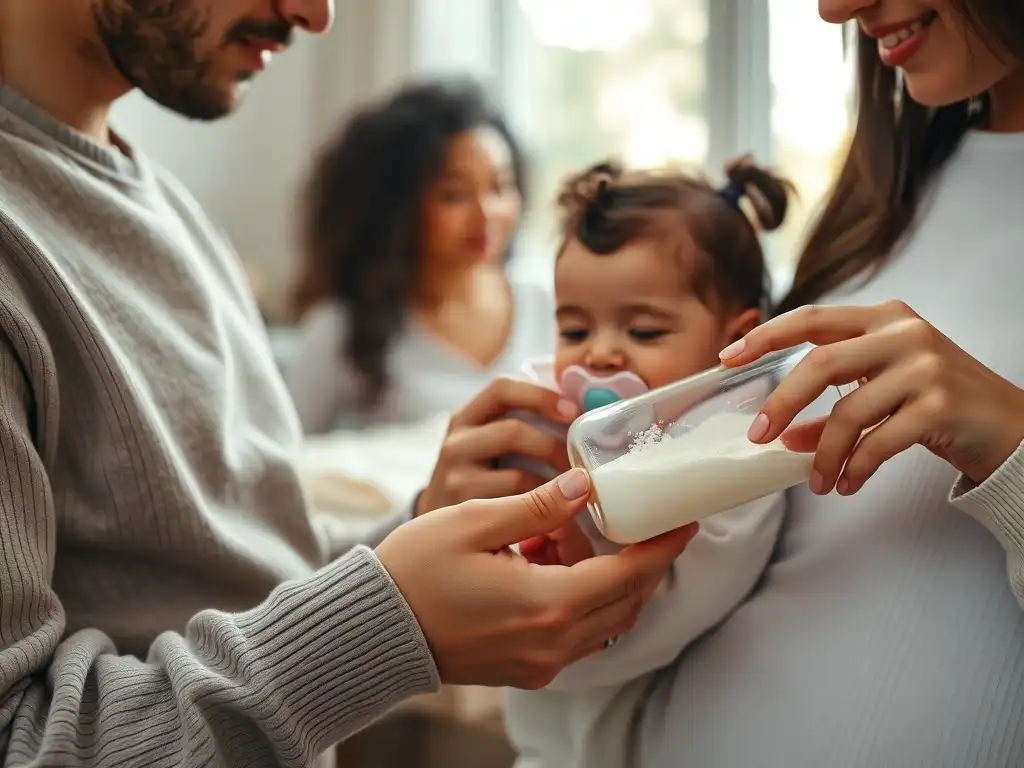
This section delves into the practical aspects of integrating pacifier use into a formula-feeding routine. Successfully navigating this requires careful consideration of timing and technique to optimize your baby's feeding and comfort. Remember, every baby is unique, and what works for one might not work for another. Flexibility and observation are key.
Creating a Balanced Feeding Schedule with Pacifier Breaks
Creating a balanced feeding schedule that incorporates pacifier use requires thoughtful planning. It's crucial to avoid offering a pacifier during a feed, as this can interfere with the baby's ability to latch effectively and consume sufficient formula. Instead, consider offering the pacifier after a feeding, particularly if the baby is displaying signs of contentment but continues to fuss. This can help soothe them and encourage self-soothing behaviors.
A sample schedule might look like this:
| Time | Activity | Notes |
|---|---|---|
| 7:00 AM | Formula Feeding | Ensure baby is fully fed. |
| 7:30 AM | Pacifier offered (if needed) | Only if baby is still fussy after feeding; observe for signs of hunger. |
| 10:00 AM | Playtime | Encourage tummy time and other stimulating activities. |
| 12:30 PM | Formula Feeding | |
| 1:00 PM | Naptime | Pacifier can be helpful for sleep onset. |
| 4:00 PM | Playtime | |
| 6:30 PM | Formula Feeding | |
| 7:00 PM | Bath time, bedtime routine | Pacifier can be part of the bedtime routine. |
| 7:30 PM | Sleep |
Remember, this is just a sample schedule. Adjust the timing based on your baby's individual cues and needs. Observe their feeding patterns, sleep cycles, and overall contentment levels to refine the schedule over time. Consistent routines help establish a predictable environment, which can significantly benefit both you and your baby. Tracking your baby's feeding and pacifier usage can provide valuable insights. Consider using a baby journal or a dedicated app to monitor their habits and identify patterns.
Addressing Common Concerns: Gas, Colic, and Pacifier Weaning
Pacifier use, while often soothing, can sometimes contribute to gas or colic in some infants. The sucking action can introduce air into the baby's digestive system. To mitigate this, ensure your baby is properly burped after feedings and consider using an orthodontic pacifier designed to minimize air intake. If gas or colic persists despite these measures, consult your pediatrician. They can offer advice on managing these issues and rule out any underlying medical conditions.
Pacifier weaning, when the time comes, should be a gradual process. Sudden cessation can be upsetting for the baby. Try reducing pacifier use gradually, perhaps by limiting its use to naptime and bedtime. Offering alternative comfort measures, such as cuddling, singing, or rocking, can also help ease the transition. Remember to be patient and supportive during this phase. The process might take several weeks, and some babies might require more support than others. Celebrate small milestones to maintain a positive experience for both you and your baby.
Preventing Pacifier Dependency
While pacifiers can provide comfort and soothe babies, it's important to be mindful of potential dependency. Prolonged and excessive pacifier use can potentially impact dental development and speech. The American Academy of Pediatrics recommends limiting pacifier use after the first birthday to minimize these risks. However, the timing of weaning should also be guided by your baby's individual developmental milestones and readiness.
To prevent excessive dependency, establish clear guidelines for pacifier use. This could involve limiting its use to specific times of the day (e.g., naptime and bedtime) or gradually reducing the overall duration. Providing alternative comfort mechanisms, like snuggling or singing lullabies, can help your baby learn to self-soothe without relying solely on the pacifier.
Remember to prioritize a nurturing and supportive environment, making the weaning process as smooth as possible for your baby. Observe your baby's cues and adjust your approach accordingly, focusing on a positive and gradual transition away from pacifier reliance. This approach ensures a healthy balance between comfort and proper development.
Pacifier Use and Sleep: Optimizing Rest
Pacifiers can be a helpful tool in soothing babies and improving their sleep patterns, especially for those formula-fed. However, it's crucial to use them strategically and safely. Introducing a pacifier too early can interfere with breastfeeding establishment, but for formula-fed babies, it can be incorporated more readily. Many parents find that offering a pacifier during sleep transitions helps their babies fall back asleep more easily after waking.
This can lead to longer stretches of sleep for both the baby and the parents, significantly improving overall well-being. Remember, however, that pacifier use shouldn't be relied upon exclusively to solve sleep problems. Underlying issues like colic or reflux should be addressed with the guidance of a pediatrician.
The timing of pacifier introduction is key. Some parents introduce it after the first few weeks of life, once feeding patterns are established. Others might wait until their baby shows signs of needing comfort, such as fussiness or difficulty settling. There's no one-size-fits-all answer, and parental intuition plays a large role. Observe your baby's cues and adjust your approach as needed. Always ensure the pacifier is clean and appropriately sized for your baby's age and development to minimize choking risks.
Furthermore, consider the type of pacifier. Different shapes and materials offer varying levels of comfort and effectiveness. Some babies prefer orthodontic pacifiers designed to promote proper jaw and tooth development. Experiment to find the one your baby prefers. Also, remember that pacifier use shouldn't be forced.
If your baby consistently rejects the pacifier, it's important to respect their preference and explore alternative soothing methods. The goal is to find a balance between providing comfort and respecting your baby's individual needs. 😴 This holistic approach ensures that pacifier use contributes positively to your baby's sleep and overall development, rather than becoming a crutch or source of frustration. Always consult your pediatrician if you have concerns about your baby's sleep patterns or pacifier use.
When to Consult a Pediatrician
This section focuses on crucial moments when seeking professional medical advice for your formula-fed baby, especially concerning pacifier use. Knowing when to contact your pediatrician is vital for ensuring your baby's health and well-being. Early intervention can often prevent more serious issues. This guide emphasizes recognizing warning signs and proactively addressing concerns.
Recognizing When Your Baby Needs Medical Attention
Promptly contact your pediatrician if your baby exhibits any of the following symptoms, especially in conjunction with formula feeding or pacifier use:
- Persistent Vomiting or Diarrhea: More than a few episodes of vomiting or loose, watery stools can indicate illness and dehydration. Note the frequency, consistency, and volume of both. Keep a detailed record to share with your doctor. Dehydration is a serious concern, especially in infants, and requires immediate medical attention. Symptoms of dehydration include sunken eyes, decreased urination, and lethargy. 👶
- Fever: A temperature above 100.4°F (38°C) rectally warrants immediate attention. Fever can be a symptom of various infections. Along with the fever, note any other accompanying symptoms like fussiness, poor feeding, or rash.
- Difficulty Breathing: Rapid breathing, grunting sounds, flaring nostrils, or retractions (sunken areas between the ribs) are signs of respiratory distress and require immediate medical attention. These symptoms may be linked to an infection or other underlying condition.
- Jaundice: Yellowing of the skin or whites of the eyes, especially persistent jaundice, requires immediate medical evaluation. This could indicate a liver problem or other underlying condition. Jaundice in newborns requires careful monitoring and early intervention.
- Poor Weight Gain or Failure to Thrive: If your baby is consistently failing to gain weight or is noticeably smaller than other babies of the same age, it's crucial to consult your pediatrician. This could be related to various factors, including improper formula preparation, feeding difficulties, or underlying medical conditions. Accurate weight tracking is essential.
- Changes in Urination or Bowel Movements: Significant changes in the frequency, color, or consistency of your baby's urine or stools could indicate a problem. For example, unusually dark urine or very infrequent bowel movements should be reported to your physician.
Discussing Concerns About Formula Feeding and Pacifier Use with Your Doctor
Regular check-ups are essential for monitoring your baby's growth and development. Don't hesitate to discuss any concerns you may have regarding formula feeding or pacifier use during these visits. Some common concerns include:
- Formula Selection: Questions about choosing the right formula for your baby's needs, such as hypoallergenic formulas or specialized formulas for premature babies, should be addressed with your pediatrician. They can help guide you toward the best option for your child's specific requirements.
- Pacifier Use and Dental Concerns: Discuss any anxieties about potential dental problems associated with prolonged pacifier use. Your pediatrician can offer advice on safe pacifier habits and when to wean your baby from the pacifier. They can also guide you on appropriate timing and techniques for weaning.
- Colic and Fussiness: If your baby is experiencing persistent colic or fussiness, discuss this with your doctor to rule out underlying medical conditions and explore potential solutions. This can sometimes be related to formula choice or other factors related to feeding.
- Gas and Reflux: Address any concerns related to gas, spitting up, or reflux. These are common issues, but your doctor can help determine if they are within the normal range or if intervention is needed. They may suggest changes to feeding practices or recommend medication if necessary.
Remember, your pediatrician is your partner in your baby's healthcare journey. Open communication and proactive attention to your baby's needs are key to ensuring their healthy development. Don't hesitate to ask questions and express any concerns – no matter how small they may seem. Early detection and intervention are crucial for optimal outcomes.
Formula Feeding and Pacifier Use: Frequently Asked Questions (FAQs)

This section addresses common questions parents have regarding pacifier use alongside formula feeding. We'll explore optimal pacifier usage, troubleshooting refusal, and nighttime feeding considerations. Remember, every baby is different, and these are guidelines, not strict rules. Always consult your pediatrician with specific concerns.
How Often Should I Offer My Baby a Pacifier?
Offering a pacifier too frequently can interfere with breastfeeding or bottle-feeding if your baby is still developing a strong feeding rhythm. However, denying a pacifier completely might lead to increased fussiness and difficulty self-soothing. Finding a balance is key.
The American Academy of Pediatrics (AAP) recommends offering a pacifier after breastfeeding or bottle-feeding is established, typically around 3-4 weeks of age. This allows your baby to develop proper latch and feeding techniques. After this period, you can offer a pacifier to soothe your baby during periods of fussiness or discomfort, but avoid constant pacifier use.
A good rule of thumb is to observe your baby's cues. If your baby is content and feeding well, limit pacifier use. If your baby is consistently fussy and seems to need comfort, offering a pacifier can be beneficial. However, don't use it as a primary means of soothing; address underlying needs like hunger or diaper changes first.
Consider keeping a feeding and pacifier usage diary for the first few months. This can help you identify patterns and understand your baby's needs better. Tracking your baby's formula consumption alongside pacifier use can also help identify if pacifier use is impacting their feeding habits. For example, if you notice a significant decrease in formula intake after increased pacifier use, you might want to adjust your approach.
My Baby Refuses the Pacifier. What Should I Do?
Many babies readily accept a pacifier, while others show clear resistance. If your baby refuses the pacifier, don't force it. Gentle persistence is key, but avoid a power struggle. Here are some strategies to try:
- Timing: Try offering the pacifier when your baby is drowsy but not yet asleep. A relaxed state might increase acceptance.
- Different Brands/Shapes: Some babies prefer certain brands or shapes of pacifiers over others. Experiment with different options. Consider the material – silicone and latex pacifiers are both common.
- Cleanliness: Ensure the pacifier is clean and free of any unpleasant odors.
- Temperature: A slightly cooled pacifier might be more appealing to some babies.
- Alternative Soothing Methods: If your baby consistently refuses the pacifier, explore other soothing techniques, like skin-to-skin contact, gentle rocking, or humming.
Remember, a pacifier is not essential. Many babies thrive without one. If your baby is healthy and content without a pacifier, there's no need to force the issue. Focus on building a strong bond and providing responsive care. The refusal of a pacifier doesn't reflect negatively on your parenting abilities.
Is it Okay to Use a Pacifier During Nighttime Feedings?
The use of a pacifier during nighttime feedings is a matter of personal preference and should be guided by your baby's needs and your pediatrician's advice. Some parents find that a pacifier helps their baby self-soothe and fall back asleep after a nighttime feeding, minimizing disruptions. Others prefer to avoid pacifier use at night to avoid potential interference with feeding patterns.
Consider the following:
- Potential for Interference: Frequent pacifier use during nighttime feedings could potentially interfere with your baby's ability to self-console and fall back asleep independently.
- Risk of SIDS: The AAP recommends removing the pacifier before your baby sleeps soundly, especially after 6 months of age, to reduce the risk of Sudden Infant Death Syndrome (SIDS).
- Individual Needs: If your baby is easily soothed with a pacifier and it helps them sleep better, there's no immediate cause for concern. However, monitor for any negative impacts on feeding or sleep patterns.
Ultimately, the decision of whether or not to use a pacifier during nighttime feedings is a personal one. Weigh the potential benefits against the potential drawbacks, and always prioritize your baby's safety and well-being. Consult your pediatrician if you have any concerns about your baby's sleep or feeding habits. Remember, consistent, responsive care is paramount in establishing healthy sleep and feeding routines.
My Baby Seems to Prefer a Specific Type of Pacifier. Is This Normal?
Yes, it's perfectly normal for your baby to show a preference for a particular type of pacifier. Just like adults have preferences for certain foods or textures, babies develop preferences for the feel and shape of pacifiers. Some babies might prefer a certain material, like silicone or latex, while others might gravitate towards a specific nipple shape—orthopedic, orthodontic, or even a particular brand's unique design.
This preference is often linked to individual sensory sensitivities and comfort levels. The texture, size, and even the weight of the pacifier can all contribute to a baby's preference. There's no need for concern unless your baby is showing signs of distress when offered a different type of pacifier.
However, it's always a good idea to have a few different pacifiers on hand, just in case your baby's preferred one gets lost or damaged. Offering variety can also help ensure your baby is exposed to different textures and shapes, potentially leading to a broader acceptance of pacifiers in the future. Remember, this preference is a normal part of your baby's development and exploration of their senses.
When Should I Wean My Baby Off the Pacifier?
Weaning your baby off the pacifier is a gradual process that requires patience and understanding. There's no single "right" age to stop pacifier use, but most experts recommend phasing it out between 12 and 18 months of age. Continuing pacifier use beyond this age can sometimes lead to speech impediments or dental issues. However, many factors influence the ideal weaning timeline. Consider your baby's temperament and developmental milestones. Some babies might be ready to give up their pacifier earlier, while others might need more time.
A good starting point is to gradually reduce the frequency of pacifier use throughout the day. You might start by limiting its use to naptime and bedtime only. Then, gradually decrease the time they have it during those periods. Positive reinforcement can be very helpful. Reward your baby with praise and affection when they successfully go without their pacifier for extended periods.
Avoid using the pacifier as a quick fix for every instance of fussiness, as this can reinforce the habit. Consider creating a special "pacifier box" where your baby can place their pacifier when they are ready to give it up, making the process more engaging and less traumatic. Remember to be patient and supportive throughout the weaning process. If you encounter difficulties, consult with your pediatrician or a child development specialist for personalized advice. They can offer valuable insights and strategies tailored to your baby's specific needs and development.
Frequently Asked Questions
Can I use a pacifier while formula feeding my baby?
Yes, you can. There's no evidence suggesting pacifier use interferes with formula feeding. However, always prioritize feeding before offering a pacifier.
What are the benefits of using a pacifier during formula feeding?
Pacifiers can soothe your baby and help them self-settle, especially after a feed. This can be particularly helpful for gassy or fussy babies.
When should I avoid offering a pacifier during or after formula feeding?
Avoid offering a pacifier if your baby is actively feeding or showing signs of hunger. It could interfere with their feeding, leading to less milk intake.
What type of pacifier is best for formula-fed babies?
There isn't a specific "best" type. Choose a high-quality, orthodontic pacifier made from safe, BPA-free materials. Consider your baby's preferences and comfort.
How do I introduce a pacifier to my formula-fed baby?
Offer the pacifier when your baby is calm and content, ideally after a feed. Don't force it; if they reject it, try again later. Be patient; it may take time for your baby to accept a pacifier.
Final Reflection: Nurturing Your Little One: A Journey of Choices
The choices surrounding infant feeding and soothing are deeply personal, yet profoundly impactful on a child's development and a parent's journey. The information presented in this guide aims to empower parents with knowledge, not dictate decisions. Understanding the nuances of formula feeding and pacifier use is crucial for navigating the early months with confidence and compassion.
The ongoing debate surrounding formula feeding and pacifier use highlights the complex interplay between societal expectations, scientific evidence, and individual parental experiences. The pressure to conform to specific ideals can be immense, often overshadowing the unique needs of each child and family. The most important thing is to find what works best for you and your baby, and to trust your instincts.
This simple statement encapsulates the essence of responsible parenting, allowing for flexibility and adaptation as your child grows and your understanding deepens.
Ultimately, this guide serves as a starting point, not a definitive answer. Consider the information presented, reflect on your own values and priorities, and engage in open communication with your pediatrician. You are your child's most dedicated advocate; trust your intuition and embrace the journey of parenthood with unwavering love and support. Remember, there is no single "right" way, only the way that is right for you and your precious little one.
Unlock Your Baby's Comfort: Next Steps for Happy Feeding
Thank you for learning more about formula feeding and pacifier use! We hope this guide has provided valuable insights to help your baby thrive. Now, let's put that knowledge into practice:
- Develop a personalized feeding schedule: Carefully observe your baby's hunger cues and adjust your feeding routine accordingly. Experiment to find what works best for both you and your baby. Remember, every baby is different, and what works for one may not work for another.
- Share your experiences: Join the BabyCareHub community forum and connect with other parents. Sharing your successes and challenges can be incredibly helpful for both you and other parents facing similar situations.
- Find the right pacifier: Experiment with different pacifier shapes, sizes, and materials to find one your baby prefers. The right pacifier can significantly improve your baby's comfort.
Ready to create a truly comfortable and happy feeding routine for your little one? What small changes will you implement today?