
BabyProofing for Mobile Babies: Anticipating Their Every Move


Welcome to BabyCareHub, your ultimate guide to navigating the incredible journey of parenthood! Are you ready to embrace the challenges and joys of raising your little one? We understand the anxieties that come with caring for a newborn, especially as they become more mobile.
That's why we've created this comprehensive resource, starting with our in-depth article on babyproofing for mobile babies. Discover practical, step-by-step strategies to anticipate your baby's every move and create a safe and nurturing environment. Let us help you build a secure haven for your precious child – explore our expert advice and begin your journey with confidence.
- Understanding Your Mobile Baby's Developmental Stages & Babyproofing Needs
-
Babyproofing Your Home for Increased Mobility: A Room-by-Room Guide
- Babyproofing the Living Room: Securing Entertainment Centers and Low-Hanging Objects
- Babyproofing the Kitchen: Childproofing Cabinets, Appliances, and Cleaning Supplies
- Babyproofing the Bathroom: Preventing Drowning and Chemical Exposure
- Babyproofing the Bedroom: Creating a Safe Sleep Environment for Mobile Infants
- Babyproofing the Stairs: Gate Installation and Stair Safety Measures
-
Essential Babyproofing Products for Mobile Babies: A Comprehensive Guide
- Baby Gates and Safety Barriers: Types, Installation, and Selection Criteria
- Outlet Covers and Electrical Safety: Protecting Against Electrical Shocks
- Cabinet Locks and Latches: Securing Cabinets and Drawers
- Corner and Edge Protectors: Preventing Injuries from Sharp Furniture
- Window Guards and Locks: Preventing Falls from Windows
- Creating a Safe Environment for Your Mobile Baby: Beyond the Basics
- Developing a Proactive Babyproofing Strategy: Anticipating Your Baby's Next Move
- Frequently Asked Questions
- Final Reflection: A Future Forged in Safety
- Unleash Your Inner Babyproofing Ninja!
Understanding Your Mobile Baby's Developmental Stages & Babyproofing Needs
Navigating the exciting yet sometimes daunting world of a mobile baby requires proactive safety measures. This guide focuses on babyproofing for mobile babies, addressing the unique challenges each developmental stage presents. From the initial tentative crawls to confident walking, your little one's newfound mobility opens up a world of exploration – and potential hazards.
Effective babyproofing isn't about restricting your baby's freedom; it's about creating a safe environment where they can explore, learn, and grow without unnecessary risks. This article will provide a room-by-room approach to babyproofing, focusing on strategies tailored to your baby's specific developmental milestones, ensuring their safety as they master new skills. We'll delve into specific hazards and provide practical solutions to mitigate them, helping you create a home that's both child-friendly and secure.
This comprehensive guide will help you confidently anticipate your baby's every move and build a safe haven for your growing explorer. Remember, proactive babyproofing is an investment in your child's well-being and peace of mind for the whole family. Let's get started on creating a safe and stimulating environment for your mobile marvel!
Crawling Stage Safety: Babyproofing for Crawlers
The crawling stage marks a significant leap in your baby's mobility. Suddenly, previously unreachable areas are now within their grasp! This necessitates a focused approach to babyproofing, prioritizing low-level hazards.
This stage is characterized by a newfound ability to explore horizontally. Babies at this age are masters of pulling themselves along, often reaching areas that were previously out of reach. Therefore, the focus should be on:
- Lower shelves and drawers: Secure or empty lower cabinets and drawers, ensuring they are childproofed with safety latches. Keep dangerous cleaning supplies, medications, and sharp objects out of reach.
- Electrical outlets: Cover all electrical outlets with safety plugs. These are easily accessible and extremely dangerous to curious little fingers.
- Small objects: Remove any small objects that could be choking hazards, such as buttons, coins, or small toys. Remember, anything that can fit inside a toilet paper roll is a potential choking hazard.
- Cords and wires: Secure or cover all cords and wires to prevent strangulation hazards. This includes electrical cords, blinds cords, and curtain cords.
- Sharp corners and edges: Use corner and edge protectors to cushion sharp corners on furniture and tables.
- Toxic substances: Store all cleaning products, medications, and other potentially toxic substances in a locked cabinet, high and out of reach.
Remember to regularly check your babyproofing efforts, as their crawling skills improve and they become more adept at reaching new areas. Regular inspections are crucial for maintaining a safe environment for your crawling explorer. 👶
Pulling-to-Stand & Cruising Stage Safety: Securing Furniture and Preventing Falls
As your baby progresses from crawling to pulling themselves up and cruising along furniture, the focus shifts to preventing falls and securing larger items. This stage brings increased mobility and a new set of potential hazards.
This developmental leap brings a significant increase in mobility and risk of falls. Babies at this stage are incredibly strong and surprisingly agile, capable of pulling themselves up onto furniture and even climbing. Therefore, specific attention should be paid to:
- Furniture stability: Secure heavy furniture, such as bookcases and dressers, to the wall using safety straps or brackets. This prevents tipping accidents, a major cause of injury during this stage.
- Window safety: Install window guards or safety locks on all windows to prevent falls from upper floors.
- Stair gates: Install sturdy stair gates at the top and bottom of all staircases to prevent falls. Ensure the gates are securely fastened and fit properly.
- Protecting fragile items: Remove or secure any fragile items that could be knocked over and cause injury, such as vases, lamps, or pictures.
- Soft landing areas: Consider placing soft rugs or mats in areas where falls are most likely to occur.
This stage requires a more comprehensive approach to babyproofing, focusing on securing larger items and preventing falls from greater heights. Regular checks are essential to ensure the safety of your little climber.
Once your baby starts walking, the world opens up even further – and so do the potential hazards. This stage requires a thorough review and reinforcement of all previous babyproofing measures, along with the addition of new strategies to address new challenges.
With the ability to walk comes a whole new level of independence and exploration. This newfound mobility, however, also means your baby can access more areas and objects previously out of reach. Therefore, it's crucial to:
- Reinforce existing safety measures: Double-check all previously implemented safety measures, ensuring that safety gates, latches, and furniture anchors are secure and functioning correctly.
- Toilet safety: Secure toilet lids to prevent drowning hazards, and consider installing a toilet lid lock.
- Kitchen safety: Keep kitchen cabinets and drawers securely latched, and store all dangerous items out of reach. Turn pot handles inward to prevent burns.
- Bathroom safety: Secure all bathroom cabinets and drawers, and keep all cleaning supplies and medications out of reach. Never leave your baby unattended in the bathroom.
- Outdoor safety: If your baby is venturing outdoors, ensure the yard is fenced and secured, and remove any potential hazards such as sharp objects or poisonous plants.
This stage demands vigilance and a comprehensive approach, ensuring all previous safety measures are in place and new ones are added to accommodate your baby's increased mobility and curiosity. Remember, consistent vigilance is key to maintaining a safe environment for your active toddler. 🎉
Babyproofing Your Home for Increased Mobility: A Room-by-Room Guide
This section focuses on practical, step-by-step babyproofing strategies tailored to the increased mobility of your little one. We'll break down the process room by room, providing specific examples and solutions to ensure a safe environment for your mobile baby. Remember, babyproofing mobile baby safety is an ongoing process; as your baby develops, so should your safety measures.
Babyproofing the Living Room: Securing Entertainment Centers and Low-Hanging Objects
The living room, often the heart of the home, presents unique challenges for mobile babies. Securing entertainment centers and preventing access to low-hanging objects is paramount. Consider these crucial steps:
- Anchor Furniture: Use wall straps or brackets to secure heavy furniture like bookshelves, entertainment centers, and dressers to the wall. This prevents tipping, a significant hazard for curious crawlers and toddlers. Don't rely solely on the furniture's stability; proactive anchoring is crucial for babyproofing mobile baby safety.
- Cord Management: Power cords, lamp cords, and curtain cords pose strangulation risks. Use cord covers or tuck cords away neatly, out of reach. Consider using cordless blinds or curtains for added safety.
- Coffee Tables and Low Furniture: Consider using furniture with rounded edges and corners to minimize the risk of bumps and bruises. Padding corner guards are also a worthwhile investment.
- Window Treatments: Ensure all cords from blinds and curtains are out of reach. Consider replacing corded blinds with cordless options. Always supervise your child near windows.
- Small Objects: Pick up small items like coins, buttons, or beads that could be choking hazards. Keep these items out of reach, ideally in high cupboards or drawers secured with childproof latches.
Babyproofing the Kitchen: Childproofing Cabinets, Appliances, and Cleaning Supplies
The kitchen is a high-risk area for mobile babies. Sharp objects, hot surfaces, and dangerous chemicals require extra attention. Here's a detailed breakdown of kitchen babyproofing mobile baby safety measures:
- Cabinet Locks: Install childproof locks on all lower cabinets, especially those containing cleaning supplies, knives, and other potentially harmful items. Consider using magnetic or latching locks for ease of use and security.
- Appliance Safety: Keep pot handles turned inward on the stovetop to prevent burns. Use stovetop covers to block access to hot burners. Ensure that appliances like ovens and microwaves are inaccessible to your baby.
- Cleaning Supplies: Store all cleaning supplies, including detergents, bleach, and disinfectants, in high, locked cabinets. Never leave these supplies unattended.
| Item | Safety Measure |
|---|---|
| Cleaning Supplies | High, locked cabinets; childproof latches |
| Knives & Cutlery | Locked drawers; out of reach |
| Oven | Out of reach; oven locks if necessary |
| Stovetop | Turned inward pot handles; stovetop covers |
| Breakable Items | Secured or removed from low shelves |
- Electrical Outlets: Cover all electrical outlets with safety plugs. This prevents your child from sticking fingers or objects into the outlets.
- Garbage Disposal: Keep the garbage disposal covered or inaccessible to prevent injury. Never leave your child unsupervised near the sink.
Babyproofing the Bathroom: Preventing Drowning and Chemical Exposure
The bathroom presents unique dangers, particularly the risk of drowning and exposure to hazardous chemicals. Prioritize these crucial aspects of bathroom babyproofing mobile baby safety:
- Toilet Lid Locks: Install a toilet lid lock to prevent your baby from accessing the toilet and potentially drowning. Consider a latch that's difficult for a small child to open.
- Cabinet Locks: Secure all cabinets containing medications, cleaning supplies, and other potentially hazardous materials with childproof locks.
- Hot Water Temperature: Lower the temperature of your hot water heater to prevent scalding burns. The ideal temperature is 120°F (49°C) or lower.
- Non-Slip Mat: Place a non-slip mat in the bathtub or shower to prevent slips and falls. Always supervise your baby during bath time.
- Sharp Objects: Keep razors, scissors, and other sharp objects out of reach and securely stored.
- Electrical Appliances: Keep hair dryers, curling irons, and other electrical appliances out of reach and unplugged when not in use.
Remember, consistent vigilance and proactive babyproofing are essential for babyproofing mobile baby safety. Regularly reassess your safety measures as your baby grows and develops new skills. A safe home is a happy home. 👶🏠
Babyproofing the Bedroom: Creating a Safe Sleep Environment for Mobile Infants
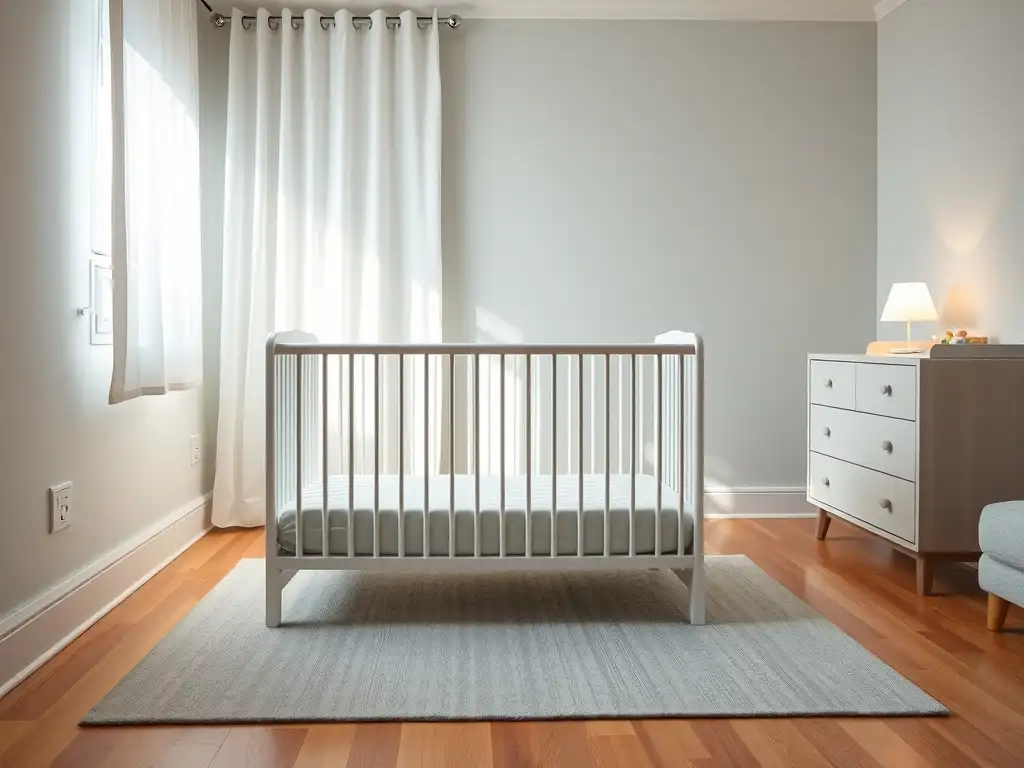
Once your baby becomes mobile, their bedroom transforms from a place of rest to a potential adventure zone. Babyproofing this space requires a multifaceted approach, prioritizing safe sleep practices alongside hazard mitigation. The crib, often the central focus, needs careful attention. Ensure the mattress fits snugly, with no gaps between the mattress and the crib sides where a little one could get trapped. Remove bumpers, as these pose a suffocation risk according to the American Academy of Pediatrics. 1 Check regularly for any loose screws or broken slats, addressing them immediately to prevent injury. Consider lowering the mattress to its lowest setting as your baby becomes more adept at climbing. This reduces the risk of falls, a leading cause of injuries in mobile infants.
Beyond the crib, the entire bedroom needs scrutiny. Secure any loose cords from blinds, curtains, or electrical devices. These tempting pull-strings are easily accessible to curious fingers and pose a strangulation hazard. Anchor any heavy furniture like dressers or bookshelves to the wall using appropriate safety straps. This prevents tipping accidents, which can be catastrophic for a crawling or climbing baby.
Remove small objects from surfaces, such as buttons, coins, or small toys that could be swallowed. Choose window coverings that are cordless or have secure mechanisms to prevent strangulation. Remember, even seemingly harmless items can become hazards in the hands of a mobile baby. Regularly inspect the room for new dangers as your baby's mobility and curiosity increase.
Babyproofing the Stairs: Gate Installation and Stair Safety Measures
Stairs represent a significant hazard for mobile babies. A sturdy, properly installed baby gate is paramount. Choose a gate that fits securely at the top and bottom of the staircase, ensuring a tight fit against the wall or banister. Avoid gates that rely solely on pressure mounting, especially on wider stairwells, opting instead for those that are screwed into the wall or banister for optimal security. 2 Regularly check the gate's functionality and tighten any loose screws or mechanisms. Never rely on makeshift barriers or furniture arrangements, as these offer minimal protection and could easily be moved by an inquisitive baby.
Beyond gate installation, consider additional stair safety measures. Ensure adequate lighting on the stairs to prevent falls. Maintain a clutter-free environment, removing any toys or other obstacles that could cause a trip or fall. If your stairs have open risers, consider installing safety covers to prevent small fingers or feet from getting caught.
Teach older siblings the importance of stair safety and supervise them closely around your baby. Remember, consistent vigilance and proactive measures are key to preventing falls and injuries on the stairs. The goal is to create a safe environment where your child can explore and develop without unnecessary risks. Regularly reassess your stair safety measures as your child grows and develops new skills.
1 American Academy of Pediatrics. Safe Sleep for Your Baby. [Specific information pending]
2 Juvenile Products Manufacturers Association. Safety Standards for Baby Gates. [Specific information pending]
Essential Babyproofing Products for Mobile Babies: A Comprehensive Guide
This section focuses on the must-have babyproofing products for parents of mobile babies, ensuring a safe environment for exploration and development. We'll delve into specific product types, selection criteria, and installation tips to help you create a secure home for your little one. Remember, proactive babyproofing is crucial for preventing accidents and ensuring your baby's safety. Proper babyproofing for mobile babies requires careful planning and the right equipment. This guide will help you navigate the options and choose what's best for your home and your growing child.
Baby Gates and Safety Barriers: Types, Installation, and Selection Criteria
Choosing the right baby gate is paramount for containing your mobile baby within safe zones, such as the kitchen or stairs. Several types cater to different needs and home layouts. Pressure-mounted gates are quick and easy to install, ideal for temporary use or renters. However, they may not be as secure as other options.
Hardware-mounted gates offer superior security, requiring drilling into the door frame or wall. This makes them a more permanent solution, but offers significantly better protection against a determined toddler. Retractable gates are a space-saving alternative, ideal for wide openings where a traditional gate might be cumbersome.
Selecting the right gate involves considering several factors:
- Gate height: Ensure the gate is tall enough to prevent your child from climbing over it. A minimum height of 30 inches is recommended.
- Gate width: Choose a gate that fits the opening snugly, leaving no gaps.
- Gate material: Opt for durable materials like wood or metal that can withstand pressure.
- Gate opening mechanism: Select a mechanism that is easy for adults to operate but difficult for children to manipulate. Double-locking mechanisms are preferred.
Proper installation is crucial for gate effectiveness. Always follow the manufacturer's instructions carefully. For hardware-mounted gates, use appropriate screws and ensure the gate is firmly secured to the wall or door frame. Regularly check the gate for any looseness or damage and replace it if necessary. Remember, a properly installed baby gate is a critical component of babyproofing for mobile babies and contributes significantly to their safety.
Outlet Covers and Electrical Safety: Protecting Against Electrical Shocks
Electrical outlets pose a significant hazard to curious mobile babies who may try to insert objects into them. Outlet covers are a simple yet effective way to mitigate this risk. There are two main types: plug-in covers and adhesive covers. Plug-in covers fit snugly into the outlet and are easily removable for adults. Adhesive covers stick directly to the outlet, offering a more permanent solution. However, they can leave residue when removed, so choose carefully.
Beyond outlet covers, consider additional electrical safety measures:
- Tuck away cords: Keep electrical cords out of reach to prevent strangulation or tripping hazards. Cord covers can be helpful in managing cords running along walls or floors.
- Unplug appliances: Unplug appliances when not in use, especially those with exposed cords.
- Avoid overloading outlets: Avoid plugging too many appliances into a single outlet to prevent overheating and fire hazards.
- Regular inspection: Regularly inspect electrical wiring and outlets for any damage or signs of wear.
Implementing these measures alongside outlet covers will significantly reduce the risk of electrical shocks and create a safer environment for your mobile baby. Remember, electrical safety is an integral part of comprehensive babyproofing for mobile babies. Prioritizing this aspect of safety is vital.
Cabinet Locks and Latches: Securing Cabinets and Drawers
Curious toddlers are notorious for exploring cabinets and drawers, potentially accessing dangerous cleaning supplies, medications, or sharp objects. Cabinet and drawer locks prevent access to hazardous materials and provide an added layer of safety. Several types are available, each with its pros and cons. Magnetic locks are relatively easy to install and operate, while childproof latches require more effort to install but offer more robust security. Some locks require a key, providing an extra layer of security against determined toddlers.
When choosing cabinet locks, consider:
- Lock type: Choose a lock that is easy for adults to use but difficult for children to open.
- Material: Opt for durable materials that can withstand repeated use.
- Installation method: Select a method appropriate for your cabinet and drawer types.
- Location of items: Prioritize securing cabinets and drawers containing hazardous materials.
Remember that regular inspection is vital to ensure that cabinet locks remain effective. Replace worn-out locks or latches promptly. By securing cabinets and drawers, you not only prevent access to hazardous materials, but also contribute significantly to the overall safety of your home, actively improving your babyproofing for mobile baby safety strategy. A comprehensive approach is key.
Corner and Edge Protectors: Preventing Injuries from Sharp Furniture
Sharp corners and edges on furniture represent a significant hazard for mobile babies. Their newfound mobility often leads to enthusiastic exploration, which unfortunately includes bumping into tables, desks, and other hard surfaces. These impacts can result in painful bumps, bruises, and even more serious injuries. Corner and edge protectors provide a crucial layer of safety, cushioning these sharp points and minimizing the impact of collisions.
Several types of corner and edge protectors are available, each with its own advantages and disadvantages. Foam protectors are a popular choice, offering excellent cushioning and being relatively inexpensive. However, they may not be as durable as other options and can become less effective over time with repeated impacts or if they become damaged.
Silicone protectors are another common option, known for their durability and easy cleaning. They often adhere well to furniture surfaces, staying securely in place even with persistent bumping. Finally, some manufacturers offer more robust, plastic protectors that are especially suitable for high-traffic areas or furniture that sees a lot of use.
When choosing corner and edge protectors, consider the age and developmental stage of your baby. For very young babies, who may still be crawling or pulling themselves up, a thicker protector with substantial cushioning is recommended. As your baby becomes more mobile and potentially more forceful in their movements, a more durable protector might be a better investment. Furthermore, always check the product's safety certifications and ensure it is free from small parts that could pose a choking hazard.
Regular inspection of the protectors is also essential to ensure they remain securely attached and are in good condition. Replacing damaged protectors promptly is crucial to maintaining their effectiveness. Remember, proactive babyproofing is key to preventing injuries.
Window Guards and Locks: Preventing Falls from Windows
Windows, often overlooked in babyproofing efforts, represent a significant fall risk for mobile babies. A curious child can easily climb onto windowsills, leading to potentially devastating consequences. Installing window guards and locks is a non-negotiable step in ensuring your baby's safety. Window guards provide a physical barrier, preventing the window from opening wide enough for a child to fall through. Window locks, on the other hand, restrict the window's opening mechanism, limiting how far it can be opened.
Different types of window guards are available, including those that fit inside the window frame and those that are affixed to the exterior. Inside-mounted guards are generally easier to install, requiring minimal tools and expertise. Exterior-mounted guards, while offering more robust protection, often require professional installation.
The choice depends on the type of windows you have and your comfort level with DIY projects. Window locks can be simple key-operated mechanisms or more advanced systems that utilize childproof latches. Again, careful consideration should be given to the ease of use for adults while ensuring the lock is completely inaccessible to a child.
Choosing the right window guards and locks requires careful consideration of your windows' specific dimensions and design. Always measure your windows accurately before purchasing any safety devices to ensure a proper and secure fit. Consider the materials used in the construction of the guards and locks; strong, durable materials are essential to withstand the potential force of a child trying to open the window.
Furthermore, regularly check the functionality of both the guards and locks to ensure they are working correctly and haven't become damaged or loose. Remember, a seemingly minor malfunction could have serious consequences. Prioritizing window safety is a vital part of creating a safe and secure environment for your mobile baby.
Creating a Safe Environment for Your Mobile Baby: Beyond the Basics
Once your baby becomes mobile, the need for comprehensive babyproofing transcends simply securing obvious hazards. This stage demands a proactive and anticipatory approach, focusing on preventing accidents before they occur. Effective babyproofing for mobile babies requires understanding their developing abilities and anticipating their next move. This section will delve into critical aspects often overlooked, ensuring your little explorer stays safe while exploring their world. Successfully babyproofing for a mobile baby involves careful planning and consistent vigilance, transforming your home into a safe haven for your growing child. Understanding the nuances of babyproofing for mobile baby safety is paramount.
Childproofing Poison Control: Understanding Toxic Substances and First Aid
Knowing which household substances pose the greatest threat and how to react in case of accidental ingestion is crucial for mobile baby safety. Common culprits include cleaning products, medications, cosmetics, and even certain plants. Many seemingly harmless items can be toxic if ingested by a baby.
Many cleaning products contain harsh chemicals that can cause severe irritation or poisoning if swallowed. Always store these products high up, out of reach of curious little hands. Furthermore, consider using child-resistant caps, even if your child hasn't yet mastered opening them. The goal is to create multiple layers of protection.
Medications, both prescription and over-the-counter, require equally rigorous storage. Never leave medications on countertops or bedside tables. Utilize locked cabinets or containers specifically designed to prevent access by children. Keep the poison control number readily available – often printed on the inside of medicine cabinet doors or easily accessible on your phone.
Remember, prevention is key. A proactive approach, including thorough cleaning and regular safety checks, minimizes the risk of exposure. However, accidents can still happen. Knowing the symptoms of poisoning and having a plan of action is vital.
Symptoms can range from mild discomfort to severe illness, depending on the substance and the amount ingested. In case of suspected poisoning, immediately call your local poison control center or emergency services. Having a first-aid kit readily available, containing activated charcoal (as recommended by a medical professional), can also be beneficial in certain situations. Don't hesitate to seek immediate medical attention if you suspect your baby has ingested a toxic substance.
Safe Storage of Cleaning Products and Medications: Out of Reach and Out of Sight
The mantra of "out of reach and out of sight" is not just a suggestion; it's a necessity when babyproofing for a mobile baby. High shelves are your best friend. However, remember that a determined toddler might find innovative ways to reach higher than expected. Consider using safety latches on cabinets and drawers where cleaning supplies and medications are stored. These latches are readily available and relatively inexpensive, providing an extra layer of protection.
Beyond latches, think about the placement of these items. Avoid storing cleaning products under the sink, a common spot easily accessible to a crawling or walking baby. Instead, opt for higher, less accessible areas. The same principle applies to medications. A locked medicine cabinet is ideal, but again, ensure that the placement is well thought out and inaccessible to your baby's reach.
Furthermore, consider the packaging. Many cleaning products come in easily-opened containers. Transferring these products to child-resistant containers can add an extra layer of safety. While this might seem like an unnecessary step, it's a preventative measure that could save you from a potentially dangerous situation. Remember, even seemingly innocuous products like hand soap or lotion can be harmful if ingested in large quantities.
Regular Safety Checks and Inspections: Maintaining a Safe Home Environment
Regular safety inspections are not a one-time task; they are an ongoing commitment to your baby's well-being. Regularly check for potential hazards, paying special attention to areas frequently accessed by your mobile baby. This includes checking latches, inspecting cabinet doors, and verifying the secure placement of furniture and appliances.
A systematic approach is helpful. Consider creating a checklist to ensure consistency. This checklist could include items such as:
- Checking all cabinet and drawer latches.
- Inspecting electrical outlets for covers.
- Verifying the stability of furniture.
- Checking for loose cords or wires.
- Examining window coverings for safety.
- Inspecting for sharp edges or corners.
Conduct these checks at least once a month, or more frequently if you notice any changes in your baby's mobility or behavior. Involve other family members in the process to ensure that everyone is aware of the potential hazards and is actively involved in maintaining a safe home environment. Remember, consistent vigilance is the cornerstone of effective babyproofing for mobile baby safety. The peace of mind that comes from knowing your home is a safe space for your little one is priceless.
Developing a Proactive Babyproofing Strategy: Anticipating Your Baby's Next Move
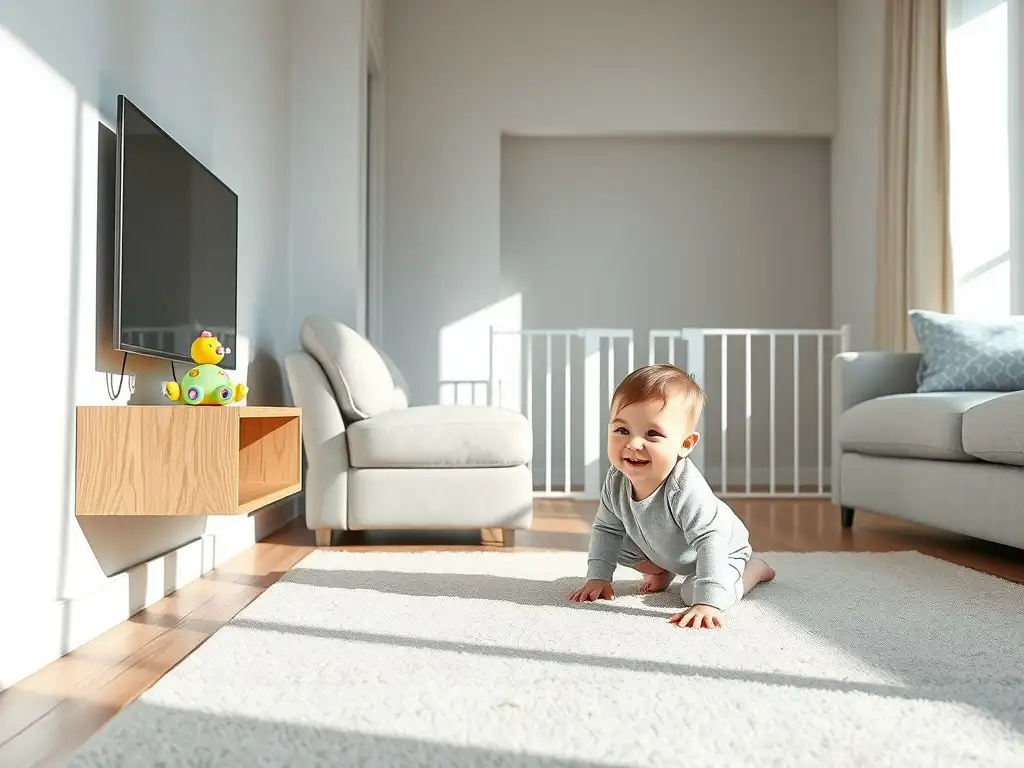
Creating a safe home environment for your mobile baby requires more than just reacting to accidents; it demands a proactive, anticipatory approach. Babyproofing for mobile babies hinges on understanding their developmental stages and anticipating their next move, turning your home into a safe haven rather than a hazard zone. This involves a multi-pronged strategy that blends physical modifications with consistent parental supervision. Effective babyproofing mobile baby safety isn't a one-time event; it's an ongoing process that adapts to your baby's ever-changing abilities.
Understanding Your Baby's Curiosity and Developmental Milestones
Mobile babies are driven by an insatiable curiosity. This innate desire to explore translates into a relentless pursuit of anything within reach – and often, out of reach! Understanding your baby's developmental milestones is crucial for effective babyproofing. For example, a six-month-old might be content with pulling themselves up on furniture, while a nine-month-old might be crawling, pulling themselves up to standing, and even cruising along furniture. A one-year-old will likely be walking, climbing, and exploring with much greater dexterity.
Each milestone presents new challenges and necessitates adjustments to your safety plan. Consider these developmental stages and their associated babyproofing needs:
| Developmental Stage | Typical Age Range | Babyproofing Considerations |
|---|---|---|
| Rolling Over | 4-7 months | Pad sharp corners, secure loose objects on low surfaces. |
| Crawling | 6-10 months | Block access to stairs, cover electrical outlets, secure cabinets. |
| Pulling to Stand | 8-12 months | Anchor heavy furniture, use safety gates at the top and bottom of stairs. |
| Cruising | 9-12 months | Install cabinet locks, childproof drawers, and ensure stability of furniture. |
| Walking | 12-15 months | Secure all toxic substances and medications, cover electrical outlets, and use window guards. |
Remember, these are just averages. Some babies reach milestones earlier or later. Observe your baby closely to identify their specific capabilities and adjust your babyproofing accordingly. Don't underestimate their ingenuity! They're much more clever than you might think.
Adapting Your Babyproofing Strategy as Your Baby Grows
Babyproofing isn't a static process; it's a dynamic one that requires constant reevaluation and adaptation. As your baby grows and develops new skills, your safety measures must evolve to keep pace. What was effective at six months might be completely inadequate at twelve months.
For instance, initially, you might use outlet covers. But as your baby becomes more mobile, you might need to consider relocating electrical outlets or using more robust safety measures. Similarly, a simple gate at the bottom of the stairs might suffice initially, but as your baby learns to climb, you'll need to add a gate at the top as well.
Regularly review your babyproofing efforts. Get down on your hands and knees and crawl through your home from your baby's perspective. Look for potential hazards you might have overlooked. Think like a little detective, looking for ways your curious little explorer might get into trouble. This proactive approach to babyproofing mobile baby safety will ensure your home remains a safe haven for your ever-growing child.
The Importance of Supervision and Constant Vigilance
While thorough babyproofing is essential, it's not a substitute for constant supervision. Even the most meticulously babyproofed home can present unexpected dangers. Always keep a watchful eye on your mobile baby, especially in areas that present higher risks, such as the kitchen, bathroom, and stairs.
Never leave your baby unattended, even for a few seconds. A moment's lapse in attention can lead to a serious accident. Consider creating designated safe zones where your baby can play without immediate supervision, but always ensure these areas are thoroughly babyproofed.
Remember, a proactive approach to babyproofing mobile baby safety combines meticulous preparation with consistent vigilance. This combination forms the strongest defense against accidents, allowing your baby to explore and develop in a safe and nurturing environment. 👶
Frequently Asked Questions
What are the biggest hazards for mobile babies?
The biggest hazards for mobile babies include furniture tipping, electrical outlets, stairs, toxic substances, and sharp objects. Early intervention is key to preventing injuries.
How can I babyproof for a crawling baby?
Focus on lower-level hazards first, such as securing furniture to walls, covering outlets, and blocking off stairs with gates. Use soft padding for corners and edges. Keep cleaning supplies and medications out of reach.
What about babyproofing for a cruising baby?
Cruising babies can pull themselves up and move around furniture. Prioritize securing heavy furniture, installing window guards, and ensuring cabinets are childproofed. Lowering furniture can also minimize fall risks.
What are some essential babyproofing tools for mobile babies?
Essential tools include corner and edge protectors, outlet covers, cabinet locks, stair gates, and furniture straps. Consider childproof latches for drawers and cabinets.
How do I know if my babyproofing is sufficient?
Get down on your hands and knees and crawl through your home from your baby's perspective. Look for any potential hazards you might have missed. Regularly reassess your babyproofing as their mobility increases.
Final Reflection: A Future Forged in Safety
The relentless mobility of babies today demands a proactive, not reactive, approach to safety. Failing to anticipate their every move isn't just negligent; it's a gamble with their well-being. This article has highlighted the crucial need for comprehensive babyproofing, specifically tailored to the unique challenges posed by a child's increasing mobility.
The shift from stationary infants to crawling, cruising, and eventually walking toddlers represents a dramatic change in the safety landscape of the home. This evolution necessitates a constant reassessment of potential hazards, a vigilance that extends beyond the traditional checklist. It's a journey of adaptation, learning, and ultimately, love. The most important thing a father can do for his children is to love their mother.
While not directly about babyproofing, this quote from Theodore Hesburgh underscores the dedication and foresight required to create a safe and nurturing environment for our children. This dedication extends to proactively anticipating their developmental milestones and adjusting our safety measures accordingly.
Now, consider your own home. Take a moment to visualize your baby's world, not from your adult perspective, but from theirs. Are there unseen dangers lurking just out of reach? Are your safety measures truly comprehensive, anticipating their next developmental leap? Embrace the challenge of babyproofing as an act of love, a testament to your commitment to your child's safety and well-being. By proactively creating a secure environment, you're not just preventing accidents; you're building a foundation for a future filled with exploration, discovery, and joy.
Unleash Your Inner Babyproofing Ninja!
Thanks for exploring the world of mobile babyproofing! We hope you've gained valuable insights into anticipating your baby's explorations. Now it's time to put that knowledge into action.
Here's how to get started:
- Prioritize the most significant hazards: Room by room, identify the three biggest potential dangers for your baby, considering their current developmental stage. This focused approach ensures you address the most critical areas first.
- Share your experiences: Join the conversation in our comments section below. Let's support each other and share tips and tricks.
- Create a babyproofing checklist: This will help you track your progress and ensure you don't miss anything.
Ready to transform your home into a safe haven for your little one? What's the first hazard you'll tackle?