
The Gentle Approach: How to Clean Your Baby's Bottom Without Irritation

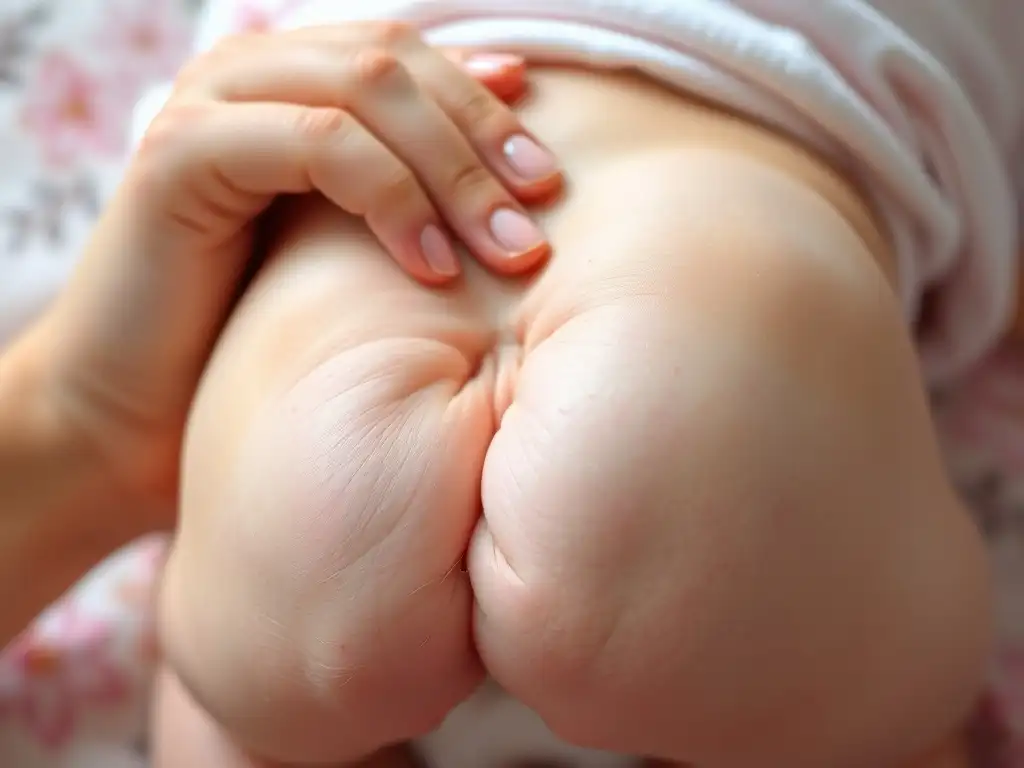
Welcome to BabyCareHub, your ultimate guide to navigating the incredible journey of parenthood! Are you facing the common challenge of baby bottom cleaning irritation? We understand the anxieties that come with caring for a newborn, and that's why we've created this comprehensive resource. Discover practical, step-by-step advice on everything from soothing irritated skin to ensuring your little one's overall health and happiness. Prepare to embark on a confident parenting experience, starting with our insightful article on effectively cleaning your baby's bottom without causing discomfort. Let's explore the gentle path to happy, healthy baby care together!
- Understanding Baby Bottom Cleaning and Irritation
- Choosing the Right Cleaning Supplies for Sensitive Skin
- Step-by-Step Guide to Gentle Baby Bottom Cleaning
- Dealing with Persistent Irritation
- Maintaining a Healthy Baby Bottom Routine
- Frequently Asked Questions
- Final Reflection: The Lasting Legacy of Gentle Touch
- Unlock Your Baby's Comfort: Gentle Cleaning Strategies
Understanding Baby Bottom Cleaning and Irritation
The delicate skin of a newborn is incredibly sensitive, making proper bottom cleaning crucial for preventing discomfort and irritation. This guide offers a gentle approach to baby bottom hygiene, focusing on techniques that minimize the risk of diaper rash and other skin problems. For first-time parents, navigating the world of baby care can be overwhelming, and diaper rash is a common concern.
Understanding the causes of irritation and adopting preventative measures are key to ensuring your baby’s comfort and well-being. This article delves into the common causes of baby bottom irritation, provides practical tips for cleaning your baby's bottom effectively and gently, and outlines proactive strategies to prevent diaper rash, all while addressing the concerns around the keyword "baby bottom cleaning irritation".
We will explore effective cleaning techniques, identify the signs of diaper rash, and discuss how to prevent this common problem. Learning these practices will empower you to provide your little one with the best possible care and minimize their discomfort.
Identifying Signs of Diaper Rash and Irritation
Recognizing the signs of diaper rash is the first step in addressing it. Early detection allows for prompt treatment and prevents the condition from worsening. Common symptoms include redness, swelling, and a bumpy or textured appearance to the skin in the diaper area. Sometimes, small blisters or sores may also appear.
The affected area might be tender to the touch, causing your baby discomfort and potential fussiness. Severity varies; some rashes are mild and easily treatable, while others might require medical attention. It's important to note that the intensity of symptoms can depend on the cause of the irritation. For example, a simple case of chafing may present differently from a yeast infection or allergic reaction.
Keeping a close eye on your baby's bottom and seeking professional advice if you're unsure is crucial. Remember, the earlier you address the issue, the better the chances of quick healing and minimal discomfort for your little one. Don't hesitate to consult your pediatrician if you are concerned. 👶
Common Causes of Baby Bottom Irritation
Diaper rash isn't always caused by the same thing. Several factors can contribute to irritation. One primary cause is prolonged exposure to wet or soiled diapers. Urine and feces contain enzymes that can irritate delicate skin. Friction from the diaper itself can also contribute to chafing and redness. Allergies to certain diaper materials, lotions, or wipes are also common culprits.
Infections, such as yeast infections, can cause a more severe and persistent rash. Infrequent diaper changes and harsh soaps or detergents used to wash diapers or clothing can exacerbate the problem. Even certain foods in the mother's diet (if breastfeeding) can sometimes contribute to diaper rash in babies. Understanding these causes is crucial for prevention and effective treatment. Here's a table summarizing these common causes:
| Cause | Description | Prevention |
|---|---|---|
| Prolonged wet diaper | Urine and feces irritate skin. | Frequent diaper changes. |
| Friction | Rubbing from the diaper material. | Choosing soft, breathable diapers. |
| Allergies | Reactions to diaper materials, wipes, lotions, or detergents. | Using hypoallergenic products. |
| Yeast Infection | Caused by Candida albicans fungus. | Maintaining a dry bottom, using antifungal cream (if prescribed by doctor). |
| Harsh Soaps/Detergents | Irritates skin through residue. | Using gentle, fragrance-free detergents. |
| Food Allergies (Breastfed) | Certain foods consumed by the mother may affect baby's skin. | Careful monitoring of mother's diet (consult with pediatrician or lactation consultant). |
Preventing Diaper Rash: Proactive Measures
Prevention is key when it comes to baby bottom irritation. Implementing these proactive measures can significantly reduce the risk of diaper rash:
- Frequent diaper changes: Change diapers as soon as they are soiled, aiming for every 2-3 hours, or more frequently if needed.
- Gentle cleaning: Use warm water and a soft cloth to clean your baby's bottom. Avoid harsh wipes or soaps.
- Airtime: Allow your baby's bottom to air out for a short period after cleaning.
- Barrier creams: Use a diaper rash cream containing zinc oxide to create a protective barrier against moisture.
- Breathable diapers: Choose diapers made from soft, breathable materials.
- Proper diaper fit: Ensure the diaper fits snugly but not too tightly to avoid chafing.
- Avoid harsh products: Use hypoallergenic wipes, soaps, and lotions.
- Monitor your diet (if breastfeeding): Certain foods may affect your baby's skin. Consult with your pediatrician or a lactation consultant if you suspect a food allergy is causing diaper rash.
By following these guidelines, you can significantly reduce the chances of your baby experiencing diaper rash and keep their bottom happy and healthy! ✨
Choosing the Right Cleaning Supplies for Sensitive Skin
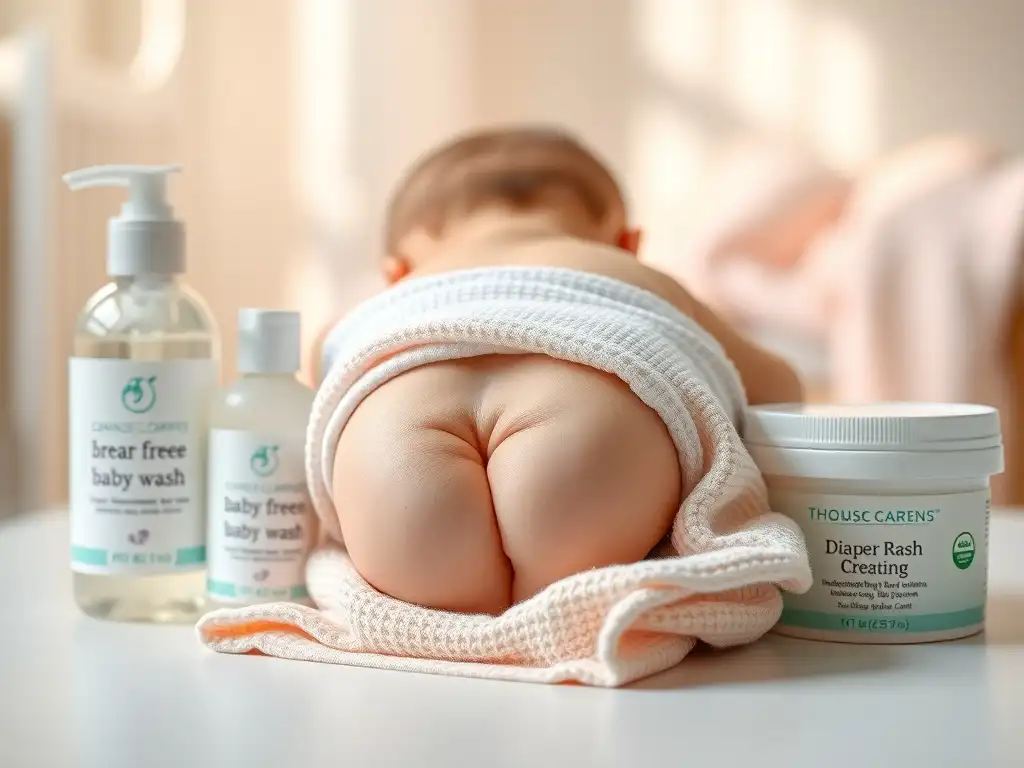
Choosing the right cleaning supplies is crucial in preventing baby bottom cleaning irritation. A baby's skin is incredibly delicate and prone to irritation, so selecting gentle products is paramount. Avoid harsh chemicals, fragrances, and dyes that can exacerbate existing conditions or trigger new ones. Remember, even seemingly minor irritants can lead to significant discomfort for your little one. The goal is to achieve thorough cleaning without compromising the integrity of their sensitive skin barrier. This involves careful consideration of every product used in the cleaning process. We'll delve into specifics below.
Selecting Baby-Friendly Wipes
When it comes to baby bottom cleaning irritation, the choice of wipes can be a significant factor. Not all wipes are created equal. Many commercially available wipes contain alcohol, preservatives, and fragrances that can strip the skin of its natural oils, leading to dryness and irritation. Look for wipes specifically labeled as "hypoallergenic," "fragrance-free," and "alcohol-free."
These wipes are typically formulated with gentle ingredients that are less likely to cause irritation. Consider wipes made from natural fibers like cotton or bamboo, as these are often softer and less likely to cause friction. Even with hypoallergenic wipes, always test a small area first before using them extensively to ensure your baby doesn't have an adverse reaction. Always check the ingredients list carefully and opt for the simplest formulations possible.
Some parents prefer to use reusable, washable cloths instead of disposable wipes. This eco-friendly approach allows for greater control over the cleaning process, as you can choose a soft, absorbent fabric and a gentle cleansing solution. However, remember that proper hygiene is essential when using reusable cloths to prevent the spread of bacteria. Thorough washing and drying are crucial to maintaining cleanliness.
The Importance of Mild Baby Soap
While water alone can often suffice for cleaning, there are instances where a mild baby soap is necessary, particularly after particularly messy bowel movements. However, using soap too frequently can be detrimental, stripping the skin of its natural oils and leading to dryness and irritation. When selecting a baby soap, prioritize mildness. Look for soaps that are hypoallergenic, fragrance-free, and pH-balanced to match a baby's delicate skin. Avoid soaps containing harsh detergents, sulfates, or parabens.
A small amount of soap is usually sufficient; lather gently and rinse thoroughly. Remember, the goal is gentle cleansing, not aggressive scrubbing. Over-washing can lead to increased dryness and irritation, exacerbating the problem of baby bottom cleaning irritation. Consider using a soap specifically designed for sensitive skin or those with a history of diaper rash.
Using Plain Water Effectively for Cleaning
Plain warm water is often the most effective and gentle way to clean a baby's bottom. It's readily available, inexpensive, and free of potentially irritating chemicals. For most diaper changes, simply using a soft cloth or cotton ball dampened with warm water is sufficient. Gently wipe away the soiled area, ensuring you remove all traces of stool and urine.
Avoid harsh rubbing, which can irritate the delicate skin. Remember to always wipe from front to back to prevent the spread of bacteria. Pay close attention to the creases and folds of the skin, as these areas can be prone to accumulating waste.
If there is a significant amount of stool, you may need to use fresh water and a clean cloth several times to thoroughly clean the area. Plain water is often the best initial choice and can prevent many instances of baby bottom cleaning irritation. For persistent issues, consult a pediatrician to rule out other underlying causes.
Remember, consistency and gentleness are key when it comes to preventing and treating baby bottom cleaning irritation. By choosing the right cleaning supplies and employing a gentle approach, you can help keep your baby's bottom healthy and happy. Always consult your pediatrician if you have concerns about your baby's skin or if irritation persists. 👶
Step-by-Step Guide to Gentle Baby Bottom Cleaning
This section provides a detailed, step-by-step guide on how to clean your baby's bottom effectively and gently, minimizing the risk of baby bottom cleaning irritation. We'll focus on techniques to prevent diaper rash and soothe already irritated skin. Remember, a gentle approach is key to protecting your baby's delicate skin.
Preparing for the Cleaning Process
Before you begin cleaning your baby's bottom, gather all necessary supplies. This preparation minimizes disruption and ensures a smooth, efficient process. You'll need:
- Warm water: Lukewarm water is ideal; avoid hot water, which can further irritate sensitive skin.
- Soft washcloths or cotton balls: Opt for soft, absorbent materials to prevent abrasion. Avoid harsh fabrics or textured wipes.
- Gentle baby wipes: If using wipes, choose fragrance-free, hypoallergenic options specifically designed for babies. Look for wipes that are alcohol-free and pH-balanced to minimize irritation. Always check the ingredients list!
- Diaper rash cream (optional): If your baby has existing diaper rash, have a diaper rash cream readily available for application after cleaning.
- Clean diaper: A fresh diaper is essential for completing the process.
- A clean, comfortable surface: Change your baby on a clean, flat surface – a changing mat or bed.
It's crucial to have everything within easy reach before starting the cleaning process. This prevents unnecessary reaching and minimizes the risk of dropping anything on your baby. Remember, a calm and prepared approach contributes to a more relaxed experience for both you and your baby. Consider having a small trash can nearby for soiled items.
Step 1: Removing the Dirty Diaper
Removing the soiled diaper carefully is the first step in preventing baby bottom cleaning irritation. Follow these steps:
- Unfasten the diaper: Gently unfasten the diaper tabs, taking care not to pull or tug on the diaper. This prevents unnecessary friction against your baby's sensitive skin.
- Lift the baby's legs gently: Lift your baby's legs gently, supporting their ankles, and carefully slide the diaper from underneath. Avoid sudden movements.
- Dispose of the soiled diaper immediately: Dispose of the soiled diaper immediately in a designated diaper pail or trash can. This prevents the spread of bacteria and keeps the changing area clean.
- Assess the situation: Before proceeding to the cleaning process, assess the extent of soiling. This will inform the cleaning method you choose. Excessive stool may require more thorough cleaning.
Remember, always maintain a gentle touch throughout this process. A hurried approach can lead to discomfort and increase the chances of skin irritation. Your baby's comfort is paramount.
Step 2: Gentle Cleansing with Wipes or Cotton Balls
The choice between wipes and cotton balls depends on your baby's skin sensitivity and the level of soiling.
Using Baby Wipes:
- Wipe from front to back: Always wipe from front to back to prevent the spread of bacteria. Use a single wipe for each swipe, and avoid harsh scrubbing. Multiple wipes might be necessary, depending on the level of soiling.
- Gentle wiping motion: Use a soft, gentle wiping motion, avoiding harsh scrubbing that could cause irritation. Pay particular attention to the creases and folds of your baby’s skin.
- Avoid scented wipes: Always opt for fragrance-free, hypoallergenic wipes to minimize the risk of allergic reactions and baby bottom cleaning irritation.
Using Cotton Balls and Water:
- Dampen the cotton ball: Dampen a cotton ball with lukewarm water. Avoid soaking it, as excessive moisture can irritate the skin.
- Gentle wiping motion: Use gentle wiping motions, similar to using wipes, ensuring you clean all areas thoroughly.
- Use a fresh cotton ball for each swipe: Use a clean cotton ball for each wipe, discarding soiled cotton balls immediately. This is crucial for hygiene.
- Pat dry gently: Gently pat the area dry with a clean, soft cloth. Avoid rubbing, which can further irritate the skin.
Regardless of your chosen method, always prioritize a gentle approach. Observe your baby's reaction carefully. If you notice any signs of redness, irritation, or discomfort, discontinue the current method and consult a pediatrician for further advice on managing baby bottom cleaning irritation. Regular monitoring and a gentle touch are key to protecting your baby's delicate skin.
Step 3: Rinsing with Water (if needed)
Sometimes, even with the gentlest wipes, a little extra cleaning is necessary. If you notice persistent stool residue, especially after a particularly messy diaper change, a quick rinse with lukewarm water can be beneficial. Avoid using harsh soaps or detergents, as these can strip the skin of its natural oils, increasing the risk of irritation and exacerbating existing baby bottom cleaning irritation. For rinsing, use a soft washcloth or cotton ball dipped in plain, lukewarm water.
Gently pat the area clean, taking care not to scrub or rub vigorously. Remember, the goal is to remove the residue without causing further discomfort. Excessive rinsing can also dry out the delicate skin, so only rinse if absolutely necessary.
Always ensure the water temperature is comfortable on your own wrist before using it on your baby's skin. This simple precaution helps prevent accidental burns or discomfort. Observing your baby's reaction is key; if they show any signs of distress during the rinsing process, stop immediately.
Step 4: Thoroughly Drying the Skin
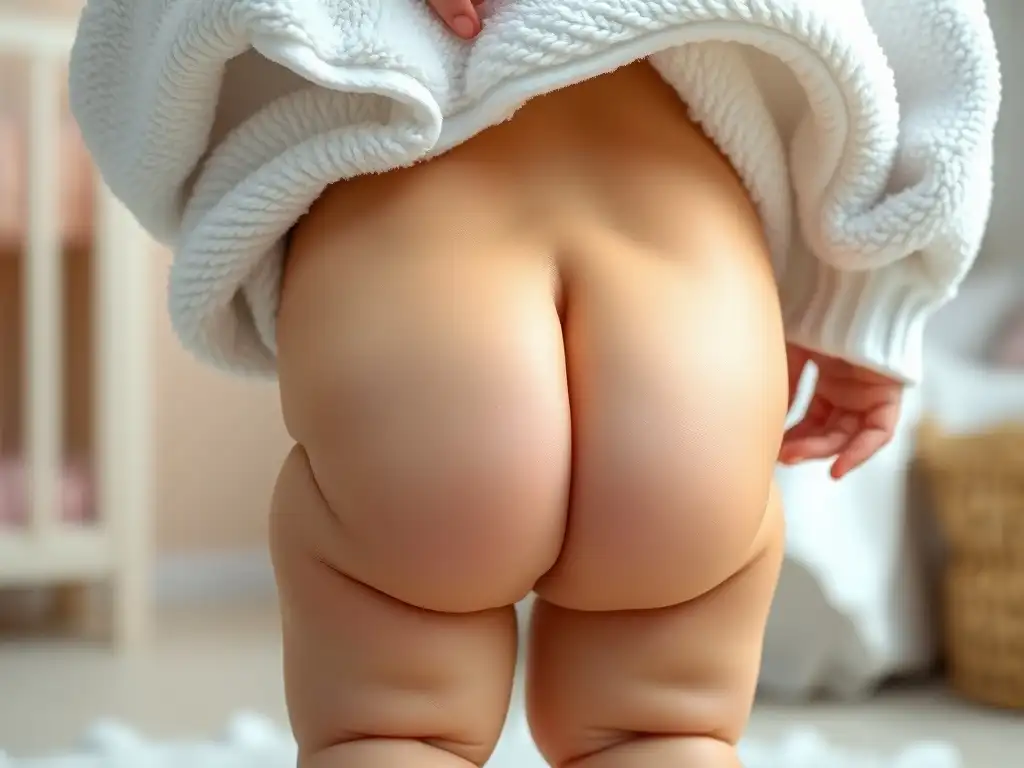
Thorough drying is crucial in preventing baby bottom cleaning irritation and diaper rash. After cleaning, gently pat the skin dry with a soft, clean towel. Avoid rubbing, as this can further irritate the already sensitive skin.
Air drying is also an excellent option; leaving the diaper area exposed to air for a short period allows for natural evaporation of moisture. Remember, moisture is a breeding ground for bacteria and yeast, which can contribute to diaper rash development. Pay close attention to all skin folds, ensuring that these areas are completely dry.
Leaving even small amounts of moisture trapped in these folds can create a perfect environment for irritation and rash development. It’s important to be patient and meticulous during this step; rushing can leave behind moisture, negating the benefits of the previous cleaning steps. The use of a soft, absorbent cotton towel is ideal, as it's gentle on the skin and effectively removes excess moisture.
Step 5: Applying Diaper Rash Cream (if necessary)
Once the skin is completely dry, assess the condition of your baby's bottom. If there are any signs of redness, inflammation, or existing diaper rash, apply a diaper rash cream. Choose a cream formulated for sensitive skin, preferably one containing zinc oxide or other proven soothing ingredients. Apply a thin, even layer to the affected area, ensuring complete coverage.
Avoid over-application, as this can create a barrier that traps moisture and potentially worsens the irritation. Many parents find that applying the cream before putting on a fresh diaper provides an extra layer of protection. Remember to consult your pediatrician if the rash persists or worsens despite diligent cleaning and cream application.
They can offer expert advice and potentially prescribe a stronger treatment if needed. Early intervention is key when dealing with baby bottom cleaning irritation and diaper rash, so don't hesitate to seek professional help if you have any concerns. Regular monitoring of your baby's bottom and prompt action when necessary are vital in maintaining healthy skin and preventing discomfort.
Step 6: Diaper Change Completion
After carefully cleaning your baby's bottom, the final step is ensuring a complete and comfortable diaper change. This involves applying a fresh diaper and checking for any lingering irritation. Begin by gently patting the area dry with a soft, clean cloth or allowing it to air dry for a few minutes. Avoid rubbing, as this can further irritate the delicate skin. Air drying is often preferred, especially if your baby has a tendency towards diaper rash or sensitive skin. The gentle circulation of air helps to prevent moisture buildup, a major contributor to baby bottom cleaning irritation.
Next, apply a thin layer of diaper rash cream or ointment, focusing on the areas that were previously soiled. This creates a protective barrier against future irritants and helps to soothe any existing redness or discomfort. Remember to choose a fragrance-free and hypoallergenic cream to minimize the risk of allergic reactions. Many parents find zinc oxide-based creams particularly effective. Always check the product label for age appropriateness and follow the manufacturer's instructions regarding application.
Finally, fasten the new diaper securely but not too tightly. A snug fit prevents leaks but avoids constricting your baby's legs and abdomen. Observe your baby's reaction after the diaper change. If they seem uncomfortable, check the diaper for proper placement and ensure the cream hasn't been applied too thickly, which might cause friction.
Regularly monitoring your baby's bottom for any signs of redness, swelling, or other irritation will help you identify and address potential problems early on. Early intervention is key in preventing baby bottom cleaning irritation from escalating into a more serious diaper rash. Remember to always wash your hands thoroughly after completing the diaper change.
Dealing with Persistent Irritation
This section focuses on managing and resolving persistent baby bottom cleaning irritation. We'll explore when professional help is needed and effective home remedies for mild cases. Remember, consistent gentle cleaning is key to preventing and treating diaper rash. Persistent irritation, however, warrants extra attention and potentially medical intervention.
When to Consult a Pediatrician
Persistent baby bottom cleaning irritation that doesn't respond to home remedies requires a pediatrician's assessment. This is especially crucial if the irritation:
- Persists for more than three days: Despite diligent cleaning and application of barrier creams, the redness and discomfort continue.
- Shows signs of infection: Look for increased redness, swelling, pus-filled blisters, or a fever accompanying the rash. These are indicators of a potential secondary infection requiring antibiotic treatment.
- Is accompanied by other symptoms: If your baby is unusually fussy, lethargic, or exhibiting signs of dehydration (decreased wet diapers, sunken eyes), seek immediate medical attention. These could be symptoms of a more serious underlying condition.
- Spreads beyond the diaper area: If the rash spreads to the inner thighs, genitals, or abdomen, it's crucial to consult a doctor to rule out more extensive issues.
- Is severely painful: If your baby shows extreme distress and cries inconsolably during diaper changes, it's a sign of significant discomfort requiring professional evaluation.
Don't hesitate to contact your pediatrician if you have any concerns, even if the irritation seems minor. Early intervention can prevent complications and ensure your baby's comfort. Prevention is always better than cure, and consistent, gentle baby bottom cleaning is a vital part of this. Early detection and treatment of baby bottom cleaning irritation are crucial for preventing long-term problems and ensuring your baby's overall well-being. Remember, your pediatrician is your best resource for addressing any concerns regarding your baby's health.
Home Remedies for Mild Irritation
For mild baby bottom cleaning irritation, several gentle home remedies can provide relief. Remember to always check with your pediatrician before trying any new remedies, especially if your baby has sensitive skin or pre-existing conditions.
- Airtime: Allowing your baby's bottom to air out for short periods can help reduce moisture and promote healing. This is especially effective after a bath or diaper change.
- Warm Baths: A lukewarm bath (not hot!) with a few drops of colloidal oatmeal can soothe irritated skin. Avoid harsh soaps or bubble baths.
- Barrier Creams: Apply a thick layer of zinc oxide or petroleum jelly-based diaper rash cream to create a protective barrier against further irritation. These creams help to keep moisture away from the skin and promote healing.
- Breast Milk: For some babies, applying a small amount of breast milk directly to the affected area can provide soothing relief due to its antibacterial and anti-inflammatory properties.
Remember to consistently use gentle cleaning techniques, such as wiping from front to back, and change diapers frequently to minimize moisture and irritation. These simple home remedies, combined with diligent cleaning practices, can often resolve mild cases of baby bottom cleaning irritation effectively. However, if symptoms persist, it's always best to consult a pediatrician.
Preventing Future Irritation
Preventing baby bottom cleaning irritation is paramount. Proactive measures significantly reduce the chances of your baby experiencing discomfort. Here are some key strategies:
- Frequent Diaper Changes: Changing diapers frequently, especially after bowel movements, is crucial to prevent prolonged contact with urine and stool, which are major irritants. Aim for changes every 2-3 hours, or more often if needed.
- Gentle Cleaning: Use warm water and a soft cloth to gently cleanse your baby's bottom during each diaper change. Avoid harsh wipes, especially those containing fragrances or alcohol. Consider using fragrance-free, hypoallergenic baby wipes if you opt for wipes.
- Proper Diaper Fit: Ensure the diaper fits snugly but not too tightly to avoid chafing. Choose a diaper size appropriate for your baby's weight and build.
- Barrier Creams as Prophylaxis: Applying a thin layer of barrier cream, such as zinc oxide or petroleum jelly, at each diaper change can help prevent irritation, even if there's no visible rash. This acts as a preventative measure.
- Diet (for breastfed babies): If breastfeeding, watch your own diet for potential allergens that might be passing through your milk and irritating your baby’s skin. Consult your pediatrician or a registered dietitian for guidance.
By implementing these preventative measures, you can significantly reduce the risk of baby bottom cleaning irritation and keep your baby happy and comfortable. Remember, consistent, gentle care is the best way to protect your baby's delicate skin. A proactive approach minimizes the chances of encountering this common issue.
Maintaining a Healthy Baby Bottom Routine
This section focuses on establishing a proactive approach to baby bottom care, minimizing the risk of irritation and diaper rash before they even start. Proactive care is crucial in preventing baby bottom cleaning irritation. A consistent routine is key to achieving this.
Establishing a Regular Diaper Changing Schedule
Changing your baby's diaper frequently is the cornerstone of preventing irritation. Aim for changes every 2-3 hours, or more often if the diaper is soiled. Don't wait until the diaper is overflowing; early changes prevent prolonged exposure to urine and feces, which are major contributors to skin breakdown and irritation. This is especially crucial during the newborn phase when bowel movements are more frequent.
Consider using a diaper rash cream prophylactically, particularly if your baby has sensitive skin or a history of diaper rash. Applying a thin layer of a zinc oxide-based cream after each diaper change creates a protective barrier against moisture and irritants. Remember to thoroughly clean the area before applying the cream.
Recognizing and Addressing Underlying Issues
While diligent diaper changes are crucial, sometimes irritation stems from underlying issues. Understanding and addressing these issues is paramount in preventing baby bottom cleaning irritation.
- Diaper Allergies: Some babies react to certain diaper brands or materials. If you suspect a diaper allergy, try switching to a different brand, perhaps one made with hypoallergenic materials or featuring natural fibers like cotton. Pay close attention to the baby's reaction, noting any redness, swelling, or rash.
- Yeast Infections: Yeast infections can manifest as bright red, often raised rash, particularly in the skin folds. They frequently present with satellite lesions (small, pimple-like bumps) spreading from the main rash. These require treatment with an antifungal cream prescribed by a pediatrician.
- Bacterial Infections: Bacterial infections can appear as pus-filled blisters or sores. These are serious and require immediate medical attention.
- Food Allergies: In some cases, dietary changes in the mother (if breastfeeding) or the baby (if formula-fed or starting solids) can trigger diaper rash. Keep a food diary to identify potential triggers. Note any changes in the baby's stool consistency or frequency.
| Symptom | Possible Cause | Action |
|---|---|---|
| Bright red rash | Yeast infection | Consult pediatrician for antifungal cream |
| Pus-filled blisters | Bacterial infection | Seek immediate medical attention |
| Redness, swelling | Diaper allergy, skin sensitivity | Switch diaper brands, try hypoallergenic options |
| Intense itching | Irritant diaper rash, other allergies | Consult pediatrician |
The Role of Diet in Preventing Irritation
Diet plays a significant role in preventing baby bottom cleaning irritation, affecting both the consistency and composition of stool. For breastfed babies, the mother's diet can influence the baby's stool. For formula-fed babies, the type of formula can also be a factor.
- Breastfeeding Mothers: Mothers should be aware of potential dietary triggers that might affect their baby's digestive system, leading to more frequent, acidic stools. Common culprits include dairy, soy, and highly acidic foods. Eliminating suspect foods from the diet for a period (and carefully reintroducing them later) can help determine if they are a contributing factor.
- Formula-fed Babies: If using formula, consider switching to a hypoallergenic or gentle formula if irritation persists. Always consult your pediatrician before making any changes to your baby's diet. Note the color, consistency, and frequency of the baby's stools.
Careful attention to diet, combined with diligent diaper changes and prompt treatment of underlying conditions, can significantly reduce the risk of baby bottom cleaning irritation and ensure a healthy, happy baby bottom. 👶
Frequently Asked Questions
What is the most common cause of baby bottom irritation?
The most common culprit is diaper rash, often caused by prolonged exposure to wet or soiled diapers, friction, and certain ingredients in wipes or diapers. Yeast infections and allergic reactions can also be contributing factors.
How often should I change my baby's diaper?
Aim to change your baby's diaper every 2-3 hours, or immediately after a bowel movement. More frequent changes are necessary if the diaper is wet or soiled. Preventing prolonged exposure to wetness is key.
What's the best way to clean my baby's bottom?
Use warm water and a soft cloth to gently cleanse the area. Avoid harsh soaps and scented wipes, as these can irritate sensitive skin. Pat the area dry thoroughly instead of rubbing.
My baby has a red, irritated bottom. What should I do?
If the irritation persists or worsens, consult your pediatrician. They can help determine the cause and recommend appropriate treatment, which might include barrier creams or other remedies.
Are there any special products I should avoid when cleaning my baby's bottom?
Avoid using perfumed wipes, harsh soaps, and alcohol-based cleansers. These can strip the skin of its natural oils, leading to dryness and irritation. Opt for gentle, fragrance-free cleansers instead.
Final Reflection: The Lasting Legacy of Gentle Touch
The gentle cleansing of a baby's delicate skin is not merely a routine task; it's a foundational act of care that profoundly impacts their comfort and overall well-being. The seemingly simple act of cleaning a baby's bottom carries significant weight, influencing their immediate comfort and potentially shaping their future relationship with hygiene and self-care. Ignoring this seemingly small detail can lead to unnecessary discomfort and even long-term skin issues.
The impact of gentle baby bottom care extends far beyond the immediate moment. It speaks to a larger cultural shift towards mindful parenting and a deeper understanding of a baby's sensory experience. The most important thing a father can do for his children is to love their mother.
While not directly about baby bottom cleaning, this quote highlights the interconnectedness of care and the lasting impact of gentle, loving actions. The consistent practice of gentle cleaning fosters a sense of security and trust, building a positive foundation for the child's development and future self-care habits.
Consider the ripple effect of your choices. Will you choose the quick, potentially harsh method, or will you embrace the gentle approach, prioritizing your little one's comfort and well-being? Take a moment to reflect on your own approach to baby care. What adjustments can you make to ensure the utmost gentleness and care? Remember, every tender touch, every mindful wipe, contributes to a happier, healthier, and more confident child. The legacy of gentle care begins now.
Unlock Your Baby's Comfort: Gentle Cleaning Strategies
Thank you for learning about gentle baby bottom care! We hope this guide provided valuable tips to keep your little one happy and healthy. Now, let's put that knowledge into practice.
- Prioritize gentle wipes: Switching to hypoallergenic wipes can significantly improve your baby's comfort and minimize irritation.
- Share your experience: We'd love to hear your favorite gentle cleaning techniques in the comments below!
- Learn more: Explore our other articles on BabyCareHub.org for more information on soothing baby rashes and irritation.
Ready to embrace a more peaceful diaper changing routine? What simple change will you make today to enhance your baby's comfort?