
Baby Food and Cognitive Development: Fueling Your Baby's Brain


Welcome to BabyCareHub, your ultimate guide to navigating the incredible journey of parenthood. Are you ready to unlock the secrets to nurturing your little one's growth? We delve into the fascinating connection between baby food and brain development, exploring how the right nutrition can significantly impact your baby's cognitive abilities. Discover the surprising ways you can fuel your baby's brain with the perfect foods and learn practical strategies to support their healthy development. Dive in and embark on this enriching exploration of Baby Food and Cognitive Development – your baby's future is waiting!
- The Crucial Role of Nutrition in Early Brain Development
- Understanding Baby Food and its Impact on Cognitive Development
- Baby Food and Brain Development: Practical Tips for Parents
- Signs of Nutritional Deficiencies Affecting Cognitive Development
- Long-Term Benefits of Healthy Baby Food Choices
-
Frequently Asked Questions
- What types of baby food are best for brain development?
- When should I start introducing solids to support brain development?
- How does the nutritional content of baby food impact brain growth?
- Are there any foods I should avoid giving my baby to protect brain development?
- My baby isn't eating much solid food. Should I be concerned about their brain development?
- Final Reflection: Nurturing Minds, One Spoonful at a Time
- Unlock Your Baby's Potential: Nourish Their Growing Mind
The Crucial Role of Nutrition in Early Brain Development
The first few years of a baby's life are a period of explosive brain development, laying the foundation for cognitive abilities, learning, and overall future health. During this critical window, proper nutrition plays a pivotal role, directly impacting the structure and function of the developing brain. This article delves into the fascinating connection between baby food and cognitive development, exploring the essential nutrients that fuel a baby's brain and highlighting the importance of choosing the right foods to support optimal growth.
Understanding the nutritional needs of your little one is crucial for ensuring they reach their full intellectual potential. Choosing the right commercial baby food can significantly contribute to this crucial developmental stage, so let's explore what to look for to optimize your baby's brainpower. This guide will empower you to make informed decisions about your baby's diet, contributing to their healthy brain development and future success.
Nutrient Needs for Optimal Cognitive Growth in Infants
Infants have unique nutritional requirements to support their rapid brain growth. Their brains are developing at an astonishing rate, demanding a consistent supply of essential nutrients. These needs extend beyond the basic calories; specific vitamins, minerals, and fatty acids are crucial for building brain cells, forming neural connections, and optimizing cognitive function. For example, sufficient protein is essential for the synthesis of neurotransmitters, the chemical messengers that allow brain cells to communicate effectively. A deficiency in protein can lead to impaired cognitive development and may manifest in difficulties with learning and memory.
The recommended daily allowance of protein for infants varies depending on age and weight; however, it's crucial to consult your pediatrician to determine the appropriate amount for your baby. Furthermore, a balanced intake of essential vitamins and minerals, such as Vitamin B12, Vitamin D, and zinc, are also critical for supporting healthy brain development. These micronutrients play diverse roles in various metabolic processes within the brain, impacting everything from cell growth to neurotransmission.
A lack of these vital nutrients can lead to developmental delays and hinder cognitive abilities. Therefore, selecting baby food that provides a comprehensive blend of these essential nutrients is paramount.
The Impact of DHA and ARA on Brain Function
Docosahexaenoic acid (DHA) and arachidonic acid (ARA) are two long-chain polyunsaturated fatty acids (PUFAs) that are vital components of brain cell membranes. DHA, in particular, is highly concentrated in the brain and retina, playing a crucial role in brain structure and function. Studies have shown a strong correlation between DHA intake during infancy and improved cognitive outcomes, including enhanced visual acuity, improved attention span, and better problem-solving skills. Similarly, ARA contributes to the development and function of the brain and nervous system.
Many commercial baby foods are now fortified with DHA and ARA to ensure infants receive adequate amounts of these essential fatty acids. When selecting baby food, it is beneficial to choose brands that clearly indicate the presence and amount of DHA and ARA on their labels. This information allows parents to make informed choices and ensure their baby's diet supports optimal brain development. Choosing products specifically formulated to support brain development with added DHA and ARA can provide a significant advantage for your child’s cognitive journey.
The Importance of Iron and its Role in Cognitive Development
Iron is another crucial nutrient for brain development, playing a key role in the production of myelin, a fatty substance that insulates nerve fibers and allows for efficient transmission of nerve impulses. Iron deficiency anemia, a common condition in infants, can severely impair cognitive function, leading to developmental delays, reduced attention spans, and impaired learning abilities. Iron is essential for the synthesis of neurotransmitters and for the proper functioning of brain cells.
Ensuring adequate iron intake during infancy is crucial for preventing cognitive deficits. Commercial baby foods often contain iron, either naturally or through fortification. When choosing baby food, look for products that are specifically formulated to meet your baby's iron requirements. Consult with your pediatrician to determine the appropriate iron intake for your baby and to assess their iron levels through regular blood tests. Addressing iron deficiency early is vital to prevent long-term cognitive impairments. Remember, a healthy brain starts with a healthy, well-nourished body.
Vitamins and Minerals for Healthy Brain Development in Babies
A baby's brain undergoes rapid development during the first few years of life, making proper nutrition absolutely crucial. Specific vitamins and minerals play pivotal roles in this process, impacting everything from cognitive function to motor skills. A deficiency in even one key nutrient can have significant, long-lasting consequences. Let's explore some of the most important ones:
Vitamin D: This sunshine vitamin isn't just important for strong bones; it's also vital for brain development. Studies have shown a link between Vitamin D deficiency and an increased risk of developmental delays and cognitive impairments. Breastfed babies, in particular, may need supplementation as breast milk doesn't always provide sufficient amounts. The recommended daily allowance varies depending on age and individual needs, so always consult with your pediatrician to determine the appropriate dosage for your baby. They can perform blood tests to check Vitamin D levels and recommend the best course of action.
Iron: Iron is essential for carrying oxygen throughout the body, including the brain. Iron deficiency anemia is a common problem in infants, and it can severely impair cognitive development, leading to difficulties with attention, memory, and learning. Introducing iron-rich foods like pureed meats, lentils, and fortified cereals is critical, especially after six months of age when iron stores from birth begin to deplete. Early detection and treatment are key to mitigating the long-term effects of iron deficiency.
Zinc: This essential mineral plays a vital role in numerous bodily functions, including brain development. Zinc is involved in cell growth, protein synthesis, and the production of neurotransmitters, which are crucial for communication between brain cells. A zinc deficiency can lead to impaired cognitive function and growth retardation. Good sources of zinc include breast milk, formula (if fortified), and foods like chickpeas and yogurt. However, always consult a doctor before supplementing your baby's diet with zinc.
Omega-3 Fatty Acids: While not strictly a vitamin or mineral, omega-3 fatty acids, particularly DHA (docosahexaenoic acid) and ARA (arachidonic acid), are crucial for brain structure and function. These fatty acids are building blocks of brain cell membranes and are involved in the development of neural pathways. Breast milk is a rich source of omega-3s, and some infant formulas are also fortified with these important fats. If you're concerned about your baby's intake, talk to your pediatrician about potential supplementation. Remember, however, that over-supplementation can be harmful, so only proceed under medical guidance.
Choosing baby foods carefully, ensuring they are fortified with these essential nutrients, or supplementing as advised by your pediatrician, is a significant step in supporting your baby's optimal brain development. Early intervention is key in addressing potential deficiencies and ensuring your little one has the best possible start in life. Regular check-ups with your pediatrician will help monitor your baby's growth and development and identify any potential nutritional deficiencies early on. Remember, a well-nourished baby is a healthy and thriving baby. 👶
Understanding Baby Food and its Impact on Cognitive Development
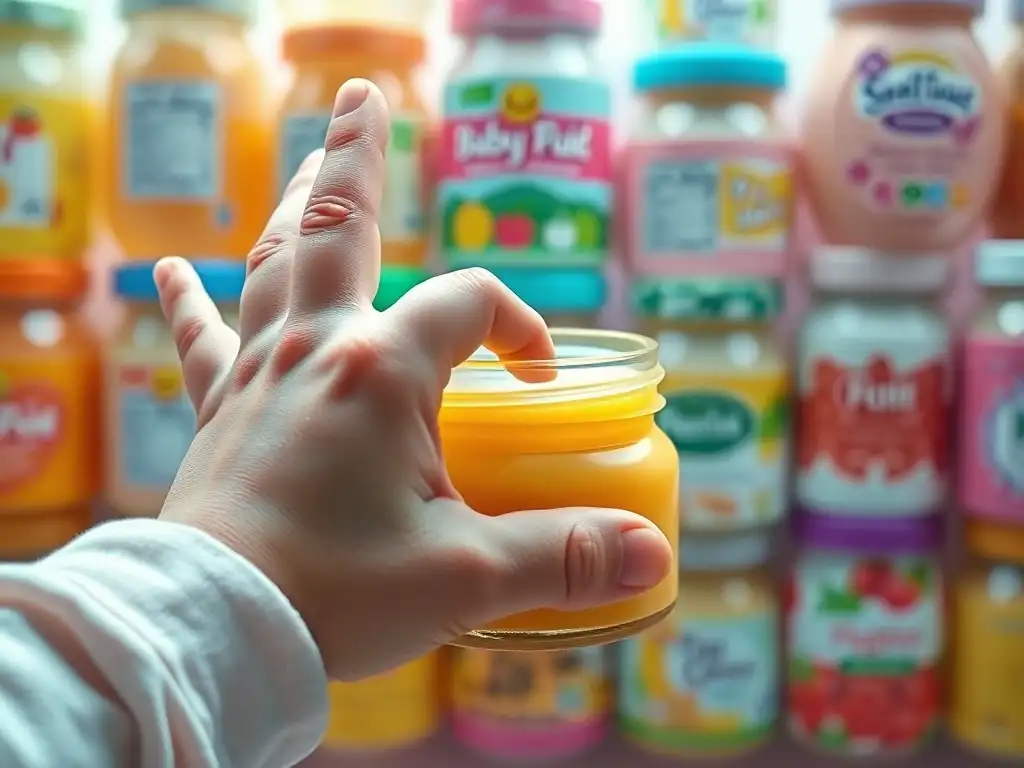
The introduction of solid foods marks a significant milestone in a baby's development, impacting not only their physical growth but also their cognitive abilities. The nutrients provided during this crucial period directly influence brain structure and function, shaping a child's learning potential and overall cognitive development. Proper nutrition in infancy is inextricably linked to improved memory, attention span, and problem-solving skills later in life.
This section delves into the critical relationship between baby food choices and a baby's cognitive development, highlighting key considerations for parents seeking to optimize their child's brain health. We'll explore the timing of introducing solids, the differences between organic and conventional baby food, and how to effectively interpret nutrition labels to make informed decisions that support robust cognitive growth. This is crucial for parents looking to ensure their baby receives the optimal nutrition for healthy baby food brain development.
Introducing Solids: Timing and Best Practices for Brain Health
Introducing solid foods at the right time is paramount for optimal cognitive development. The American Academy of Pediatrics (AAP) generally recommends starting around six months of age, when infants display developmental readiness cues such as head control, sitting with support, and showing interest in food. Introducing solids too early can overwhelm the immature digestive system and potentially lead to allergies, while delaying introduction may limit the absorption of essential nutrients crucial for brain development.
The process should be gradual and patient. Start with single-ingredient purees, such as sweet potato or avocado, to assess for any allergic reactions. Introduce new foods one at a time, waiting 2-3 days to observe for any adverse effects. Avoid adding salt, sugar, or honey to baby food, as these additives offer no nutritional benefits and can be detrimental to a developing brain.
The focus should be on nutrient-dense foods rich in iron, zinc, and omega-3 fatty acids, all vital for brain cell growth and function. Offering a diverse range of flavors and textures early on also helps to cultivate healthy eating habits for the future. Remember, consistency and patience are key in this process. A well-timed and carefully planned introduction of solids forms a strong foundation for optimal baby food brain development.
Choosing the Right Baby Food: Organic vs. Conventional Options
The debate surrounding organic versus conventional baby food often centers around pesticide exposure and nutritional content. Organic baby food is grown without the use of synthetic pesticides, herbicides, or fertilizers, potentially reducing exposure to chemicals that might negatively affect a baby's developing brain. However, robust scientific evidence directly linking pesticide residue in conventional baby food to cognitive impairment remains limited.
While some studies suggest that organic foods may contain higher levels of certain antioxidants, the difference in nutritional value between organic and conventional baby food is often marginal. The primary consideration should be the overall nutritional profile of the food, focusing on nutrient density rather than solely on the "organic" label. Factors like processing methods and the inclusion of added sugars and salts significantly impact the nutritional value of both organic and conventional options.
Prioritizing whole foods, even if conventionally grown, over highly processed options, is generally a better strategy for promoting baby food brain development. Ultimately, the choice between organic and conventional baby food boils down to personal preference and budget, with a focus on selecting nutrient-rich options that meet the baby's developmental needs.
Reading Food Labels: Deciphering Nutrient Content for Cognitive Benefits
Understanding baby food labels is crucial for making informed decisions that support cognitive development. Pay close attention to the ingredient list, prioritizing single-ingredient purees with minimal processing. Look for foods rich in iron, zinc, choline, and omega-3 fatty acids. These nutrients are essential building blocks for brain development, supporting healthy cell growth and function.
Avoid foods high in added sugars, salt, and unhealthy fats. These additives offer no nutritional value and can negatively impact a baby's health and cognitive development. Check the serving size and the amount of each nutrient per serving. Compare different brands to find options that best meet your baby's nutritional needs.
Remember that the nutritional composition of baby food can vary significantly between brands and products. Careful label reading allows you to make conscious choices that directly contribute to your baby's optimal baby food brain development. Utilize this information to empower yourself in making the best choices for your child's cognitive health.
Avoiding Additives and Preservatives: Protecting Your Baby's Brain
Additives and preservatives, while extending shelf life and enhancing the palatability of commercial baby food, can potentially hinder your baby's cognitive development. Many studies suggest a correlation between high intakes of certain additives and behavioral issues, including hyperactivity and difficulty concentrating. While more research is needed to establish definitive causal links, the precautionary principle suggests minimizing exposure, especially during the crucial early stages of brain development.
This is particularly important because a baby's brain is rapidly developing, and its systems are still maturing. The immature digestive and detoxification systems of infants make them more vulnerable to the negative impacts of artificial ingredients.
Choosing foods with minimal processing is crucial. Look for baby food brands that prioritize natural ingredients and clearly state "no added preservatives" or "no artificial colors/flavors" on their labels. Reading labels carefully is paramount; you'll often find that seemingly innocuous terms mask the presence of potentially harmful chemicals. For example, some "natural flavors" can be complex mixtures of synthetic compounds, while certain emulsifiers might have unproven long-term effects on brain function. Remember, even small amounts of these additives, consumed consistently over time, could cumulatively impact your baby's developing brain.
Furthermore, consider the potential impact of preservatives on gut health. A healthy gut microbiome plays a crucial role in brain development. Certain preservatives can disrupt the delicate balance of gut bacteria, potentially leading to inflammation and impacting nutrient absorption, both of which can negatively affect cognitive function. Opting for minimally processed foods, with ingredients you recognize and can pronounce, supports a healthy gut and, consequently, a thriving brain.
Prioritizing fresh, whole foods whenever possible is the most effective way to minimize your baby's exposure to potentially harmful additives and preservatives, and to ensure they receive the optimal nutrients for brain development. This proactive approach is a valuable investment in your baby's future cognitive health and overall well-being. 👶🧠
Baby Food and Brain Development: Practical Tips for Parents

This section delves into the crucial link between baby food and brain development, offering practical advice for parents eager to optimize their little one's cognitive growth. The right nutrition plays a pivotal role in building a strong foundation for learning and future intellectual capabilities. We'll explore how to select and prepare food that maximizes brainpower. Remember, a balanced diet isn't just about calories; it's about providing the specific nutrients that fuel a rapidly developing brain. This is particularly important during the first few years of life, a period of significant brain growth and development.
Creating a Nutritious and Stimulating Mealtime Environment
Creating a positive and engaging mealtime experience is as crucial as the food itself for baby food brain development. A calm, happy atmosphere encourages healthy eating habits and aids in cognitive development. Think of mealtimes as opportunities for interaction and learning, not just sustenance.
Here are some key elements to consider:
- Minimize Distractions: Turn off the TV and put away toys. Focus solely on your baby and the meal. Undistracted attention fosters bonding and helps your baby concentrate on the sensory experience of eating.
- Positive Reinforcement: Praise your baby's efforts, even if they only eat a small amount. Avoid pressure or punishment. A positive attitude towards food creates a healthy relationship with eating.
- Sensory Exploration: Engage your baby's senses. Introduce different textures, colors, and smells. Let them explore the food with their hands (appropriately supervised, of course!). This encourages sensory learning and enhances their understanding of food.
- Introduce Variety: Offer a diverse range of nutritious foods to ensure your baby receives a broad spectrum of vitamins and minerals vital for brain development. This variety also stimulates their taste buds and prevents picky eating.
- Establish a Routine: Regular mealtimes create a sense of predictability and security, which is beneficial for overall development, including cognitive function.
Homemade Baby Food Recipes for Cognitive Development
Many parents opt for homemade baby food, allowing for greater control over ingredients and avoiding added sugars, preservatives, and artificial flavors often found in commercial products. Homemade baby food recipes focused on brain development often incorporate ingredients rich in omega-3 fatty acids, iron, zinc, and choline.
Here's a simple example:
Sweet Potato and Spinach Puree:
- 1 medium sweet potato, peeled and cubed
- 1 cup fresh spinach, washed and chopped
- 2 tablespoons breast milk or formula (optional, for consistency)
Instructions: Steam or boil the sweet potato until tender. Sauté the spinach until wilted. Blend all ingredients until smooth. This puree is packed with Vitamin A (sweet potato) and iron (spinach), both crucial for brain development.
How to Introduce New Foods to Support Brain Development
Introducing new foods gradually and carefully is essential to prevent allergies and ensure acceptance. The process should be slow and steady, introducing one new food at a time, waiting a few days before introducing another. This allows you to monitor for any allergic reactions.
Consider this phased approach:
- Single-Ingredient Purees: Start with single-ingredient purees like avocado, sweet potato, or butternut squash. These are generally well-tolerated and provide a good base of nutrients.
- Combining Flavors: Gradually combine flavors, introducing new combinations only after your baby has shown acceptance of the individual ingredients.
- Texture Progression: As your baby grows, increase the texture of the foods. Progress from purees to mashed foods, then to soft, chopped pieces. This develops their chewing skills and oral-motor development, both important for overall development.
- Monitoring for Allergies: Always introduce new foods one at a time, waiting 2-3 days before adding another, to watch for any allergic reactions like rash, vomiting, or diarrhea. Consult your pediatrician if you have concerns.
Remember, consistent effort in providing nutritious food and a stimulating mealtime environment significantly impacts your baby's brain development. While commercial baby food can be convenient, homemade options offer greater control over ingredients and provide opportunities for increased parent-child bonding during meal preparation. This holistic approach—combining the right food with the right environment—lays a solid foundation for your baby's cognitive journey.
Addressing Picky Eating and Promoting Healthy Food Habits
Picky eating is incredibly common in babies and toddlers, often causing frustration for parents. However, understanding the underlying reasons and employing effective strategies can significantly improve your little one's nutritional intake and, consequently, support their brain development. Remember, consistency and patience are key. It's not a race; it's a marathon.
One crucial aspect is understanding that a baby's palate is still developing. Their taste preferences are influenced by genetics, but also by repeated exposure to different flavors and textures. Introducing a wide variety of healthy foods early and often is crucial for acceptance later on. Don't be discouraged if your baby rejects a new food the first time—or even the fifth! Keep offering it alongside familiar favorites.
The presentation of food also plays a surprising role. Cutting food into fun shapes, using colorful plates, and even involving your baby in simple food preparation can make mealtimes more enjoyable and increase their willingness to try new things. Think of it as a sensory experience rather than just fuel.
Another effective strategy is to avoid power struggles around food. Instead of forcing your baby to eat, offer small portions of diverse foods and allow them to self-regulate their intake. This fosters a positive relationship with food and reduces the likelihood of developing negative associations. Remember, your baby's appetite will fluctuate, and that's perfectly normal.
Finally, be a role model. Children often mimic their parents' eating habits. If they see you enjoying a variety of fruits, vegetables, and whole grains, they're more likely to accept these foods themselves. Share meals together as a family, making mealtimes a positive and enjoyable social experience. This creates a positive association with food, significantly influencing their long-term eating habits and brain development fueled by healthy nutrition. Remember, a balanced diet rich in nutrients directly supports optimal brain function and cognitive development, contributing to a healthier and happier baby. 🎉
Signs of Nutritional Deficiencies Affecting Cognitive Development
Nutritional deficiencies can significantly impact a baby's cognitive development, potentially leading to delays and long-term challenges. Understanding the subtle signs is crucial for early intervention. While a pediatrician is the best resource for diagnosis, being aware of potential indicators allows parents to advocate for their child's health. This section focuses on recognizing early warning signs and understanding the link between nutrition and development. Remember, this information is for educational purposes and doesn't replace professional medical advice.
Recognizing Early Warning Signs of Nutritional Deficiencies
Early detection is key when it comes to nutritional deficiencies impacting baby food brain development. Some signs might be subtle, easily missed amidst the normal variations in infant behavior. However, persistent or worsening symptoms warrant a visit to the pediatrician. Look out for these potential indicators:
- Poor Appetite or Feeding Difficulties: A persistent lack of interest in eating, refusal of food, or difficulty feeding, beyond typical fussy phases, could signal a nutritional problem. This might manifest as consistent spitting up or vomiting, or an inability to maintain weight gain.
- Lethargy and Irritability: Unusual fatigue, excessive sleepiness, or persistent irritability can be signs of underlying nutritional issues. Babies lacking key nutrients may struggle to maintain energy levels.
- Developmental Delays: While many factors contribute to development, significant delays in reaching milestones (such as rolling over, sitting up, crawling, or speaking) could be linked to nutritional deficiencies. These delays might manifest as difficulties with motor skills, language acquisition, or cognitive function.
- Pale Skin or Brittle Nails: These are classic indicators of anemia, often linked to iron deficiency. Iron is crucial for oxygen transport in the blood, directly impacting brain development. Pale skin or unusually brittle nails deserve attention.
- Hair Loss or Thinning Hair: While hair loss can have various causes, in some cases it might suggest a deficiency in essential nutrients like zinc, protein, or iron. This requires careful observation and consultation with a healthcare professional.
- Frequent Infections: A weakened immune system, often a consequence of nutritional deficiencies, can lead to more frequent infections. Recurring ear infections, colds, or other illnesses might point to an underlying nutritional problem.
The Connection Between Nutritional Deficiencies and Developmental Delays
The link between adequate nutrition and cognitive development is undeniable. Nutrients like iron, zinc, iodine, and fatty acids are vital for brain structure and function. For example, iron deficiency anemia is strongly linked to impaired cognitive function, impacting attention span, memory, and learning abilities. Similarly, a lack of iodine can lead to significant cognitive impairment, particularly impacting brain growth and development. These deficiencies, often stemming from inadequate or inappropriate baby food choices, can have lasting consequences.
The developing brain is incredibly sensitive to nutrient availability. During infancy, the brain undergoes rapid growth, requiring a consistent supply of essential nutrients to support its development. Depriving a baby of these crucial building blocks can have profound and lasting effects on cognitive abilities, potentially impacting their future academic performance and overall well-being. Choosing the right baby food is therefore crucial in supporting baby food brain development. This highlights the importance of providing a balanced and nutrient-rich diet from the very beginning.
Seeking Professional Guidance: When to Consult a Pediatrician or Nutritionist
If you notice any of the warning signs mentioned above, it is crucial to consult a pediatrician or a registered dietitian specializing in infant nutrition. They can perform a thorough assessment, order necessary tests (such as blood tests to check for anemia or other deficiencies), and develop a personalized plan to address any nutritional deficiencies. Early intervention is key to mitigating the potential long-term consequences of nutritional deficits.
Early intervention is especially important because the impacts of nutritional deficiencies on cognitive development can be significant and long-lasting. A professional can help determine the cause of the deficiency, recommend appropriate dietary changes or supplements, and monitor your baby's progress. Do not hesitate to seek professional help; your baby's health and well-being are paramount. Remember, a healthy diet is a cornerstone of optimal baby food brain development.
Long-Term Benefits of Healthy Baby Food Choices
The Lasting Impact of Early Nutrition on Cognitive Abilities
The relationship between nutrition and cognitive development in babies is undeniable. A diet rich in essential nutrients during the crucial first years of life significantly impacts a child's brain development, influencing their intellectual capabilities throughout their lifespan. Studies have shown a strong correlation between adequate intake of iron, zinc, omega-3 fatty acids, and choline and improved cognitive function, including memory, attention span, and problem-solving skills.
Conversely, deficiencies in these vital nutrients can lead to impaired cognitive development and potentially long-term learning difficulties. For example, iron deficiency anemia, prevalent in infants, can severely compromise brain function, affecting attention, concentration, and overall cognitive performance. Providing your baby with a balanced diet, rich in these key nutrients from the start, is a crucial investment in their future intellectual capabilities.
This translates to better academic performance, improved problem-solving abilities, and enhanced overall cognitive function as they grow. Choosing baby food with these essential nutrients in mind is a critical step in supporting your baby's brain development.
Supporting Your Child's Cognitive Development Beyond Infancy
The positive effects of healthy baby food brain development extend far beyond infancy. The foundation laid during the early years continues to influence cognitive abilities as children progress through childhood and adolescence. A well-nourished brain is better equipped to handle the increased cognitive demands of learning and development at each stage.
Children who received adequate nutrition in their early years tend to demonstrate better academic performance, stronger memory retention, and improved executive functions – the higher-order cognitive skills that enable planning, organization, and self-regulation. This doesn't mean that dietary choices after infancy are unimportant; continued healthy eating habits remain crucial for optimal brain function. However, the initial nutritional foundation established during the critical period of infancy plays a vital role in shaping a child's long-term cognitive trajectory.
Think of it as building a strong house: the foundation must be solid for the structure to withstand future challenges. Similarly, early nutrition forms the bedrock of a child's cognitive abilities.
The Role of Nutrition in Academic Success and Overall Well-being
The impact of early nutrition on cognitive development ultimately translates to significant advantages in academic success and overall well-being. Children with better cognitive function are more likely to excel academically, demonstrating improved reading comprehension, mathematical skills, and problem-solving abilities. This can lead to better educational opportunities and increased future success.
Moreover, good nutrition contributes to a child's overall health and well-being, reducing their susceptibility to illness and improving their energy levels and mood. A healthy body supports a healthy mind; a child who is well-nourished is better equipped to focus on learning, participate actively in social interactions, and enjoy a higher quality of life. The benefits extend beyond academic achievement, encompassing social-emotional development, physical health, and overall life satisfaction.
Investing in your baby's nutritional needs is an investment in their future success and happiness. By thoughtfully selecting nutritious baby food options, you are directly contributing to their cognitive development, academic potential, and overall well-being. The choice of baby food is not just about sustenance; it is a crucial element in building a strong foundation for a bright and successful future.
Frequently Asked Questions
What types of baby food are best for brain development?
Foods rich in iron, DHA, and choline are crucial for brain development. Iron-rich foods like pureed meats and lentils, DHA-rich foods like fatty fish (introduced after 1 year), and choline-rich foods like eggs are excellent choices. Always consult your pediatrician before introducing new foods.
When should I start introducing solids to support brain development?
The recommended age to start introducing solids is around 6 months, when your baby shows signs of readiness, such as good head control and interest in food. Starting too early or too late can negatively impact development. Follow your pediatrician's guidance.
How does the nutritional content of baby food impact brain growth?
The nutrients in baby food directly fuel brain cell growth and development. A balanced diet with essential vitamins and minerals is vital for optimal cognitive function and overall brain health. Avoid processed foods high in sugar and salt.
Are there any foods I should avoid giving my baby to protect brain development?
Avoid honey before 1 year of age due to the risk of botulism. Limit added sugars and processed foods high in unhealthy fats and sodium. Always prioritize whole, unprocessed foods for the best nutritional impact.
My baby isn't eating much solid food. Should I be concerned about their brain development?
While adequate nutrition is important, don't panic if your baby isn't eating large quantities. Consult your pediatrician if you have concerns. They can assess your baby's overall growth and development and address any nutritional deficiencies.
Final Reflection: Nurturing Minds, One Spoonful at a Time
The choices we make regarding our babies' nutrition are not merely about filling tummies; they are about building the very foundations of their cognitive abilities. The impact of proper nutrition on a child's brain development is profound and far-reaching, shaping their future potential in ways we are only beginning to fully understand. This understanding is crucial in today's world, where early childhood education and cognitive skills are increasingly valued.
The journey of exploring the link between baby food and brain development has been deeply enriching, highlighting the intricate relationship between what we feed our little ones and the development of their minds. It underscores the importance of providing nutrient-rich foods from the very start, fostering a strong base for learning and growth. Give a child the right start, and you give them a future.
This simple statement encapsulates the power of early nutrition in shaping a child's trajectory. The ongoing research in this field continues to reveal the subtle yet significant ways in which dietary choices influence cognitive function, emphasizing the need for continued awareness and informed decision-making.
Now, consider your own role in this crucial process. You have the power to directly influence a child's cognitive development through mindful food choices. Take the time to research, to understand the nutritional needs of your baby, and to prioritize providing them with the best possible start. Remember, every spoonful is an investment in their future, a contribution to the vibrant minds that will shape tomorrow's world. Let's work together to nourish not just bodies, but brilliant minds.
Unlock Your Baby's Potential: Nourish Their Growing Mind
Thank you for learning about the crucial link between nutrition and your baby's cognitive development. We hope you found the information valuable. Now, let's put this knowledge into practice.
Here's how you can begin nourishing your little one's brain today:
- Create a diverse and nutritious meal plan: Use the information from this guide to design a weekly menu packed with brain-boosting ingredients. Think beyond simple purees and explore a wider variety of foods.
- Share your culinary successes (and any favorite recipes!) with other parents in our BabyCareHub community. This will help others and provide you with fresh ideas.
- Introduce one new, nutritious food this week. Even small changes can significantly impact your baby's development.
What delicious recipe will you try first to support your baby's cognitive growth?