
Baby Eczema and Infections: Recognizing Signs of Complications

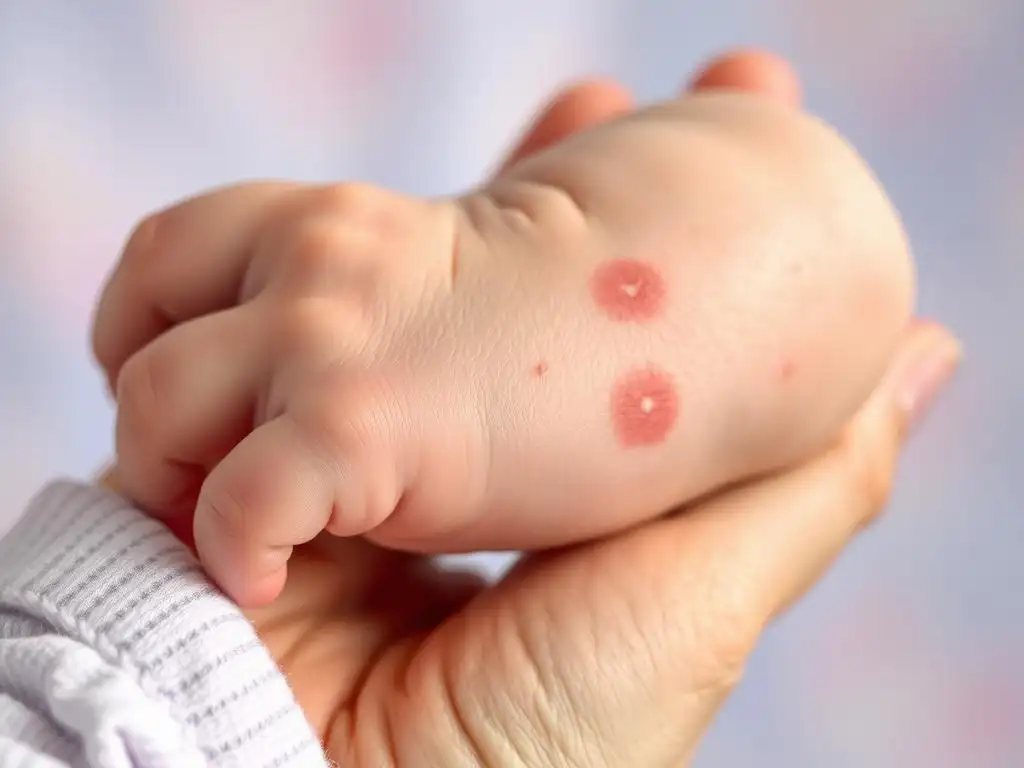
Welcome to BabyCareHub, your ultimate guide to navigating the exciting yet challenging world of parenthood. Are you prepared for every scenario? We understand that the journey of raising a little one is filled with unexpected twists and turns, and that's why we're here. This comprehensive resource is designed to equip you with the knowledge and confidence you need.
Learn how to identify and address potential health concerns, starting with our in-depth article on Baby eczema infection complications – vital information every parent should know. Discover the subtle signs, potential risks, and effective strategies for managing this common yet potentially serious issue. Continue reading to ensure your baby's well-being and peace of mind.
- Understanding Baby Eczema and the Risk of Infection
- Recognizing Signs of Eczema Infection in Infants
- Signs and Symptoms of Eczema-Related Infections
- When to Seek Medical Attention for Baby Eczema Infections
- Treatment Options for Infected Baby Eczema
- Preventing Eczema Infections in Babies
- Long-Term Management of Baby Eczema to Minimize Infection Risk
- Frequently Asked Questions
- Final Reflection: The Unseen Scars of Baby Eczema
- Unlock Your Baby's Comfort: Next Steps for Healthy Skin
Understanding Baby Eczema and the Risk of Infection
Baby eczema, also known as atopic dermatitis, is a common inflammatory skin condition affecting many infants. It's characterized by dry, itchy, and inflamed skin, often appearing as red patches, especially on the face, scalp, and limbs. This article will delve into the specifics of baby eczema, exploring its connection to infections, and highlighting crucial signs that indicate potential complications requiring immediate medical attention.
Understanding the nuances of eczema and its potential for secondary infections is vital for first-time parents navigating the challenges of newborn care. Early recognition of infection symptoms is key to preventing more serious health issues and ensuring your baby's comfort and well-being.
This guide provides essential information to help you confidently manage your baby's eczema and know when to seek professional medical help. We'll cover identifying eczema, understanding how it compromises the skin barrier, and recognizing the warning signs of infection, empowering you to proactively care for your little one.
What is Baby Eczema (Atopic Dermatitis)?
Baby eczema, or atopic dermatitis, is a chronic inflammatory skin condition that often presents in infancy. It's characterized by intensely itchy, dry, and inflamed skin. The rash typically appears as red, scaly patches, often accompanied by weeping or crusting. The exact cause of baby eczema isn't fully understood, but it's believed to be a combination of genetic predisposition and environmental factors.
Some babies may experience mild symptoms, while others suffer from severe, widespread eczema that significantly impacts their quality of life and sleep. A key characteristic of atopic dermatitis is a compromised skin barrier, making the skin more susceptible to infections. This increased vulnerability highlights the importance of diligent skin care and prompt medical attention should any signs of infection arise. Early intervention and consistent management are crucial for minimizing discomfort and preventing long-term complications.
Common Locations of Eczema in Babies
Eczema in babies commonly appears in specific areas, often due to the increased friction and sensitivity of these skin regions. The most frequent locations include:
- Face: Cheeks, forehead, and around the eyes and mouth are frequently affected.
- Scalp: The scalp can become dry, flaky, and crusted.
- Elbows and Knees: These joint areas are often prone to eczema due to repeated bending and friction.
- Neck and Wrists: These areas are also susceptible due to skin folds and friction from clothing.
- Hands and Feet: The palms and soles of the feet can also be affected, albeit less frequently.
The distribution of the rash can vary widely between babies, and some may experience eczema in other areas of their bodies. Understanding these common locations assists parents in closely monitoring these areas for signs of eczema flare-ups or potential complications like secondary infections. Regular moisturizing and gentle cleaning of these areas are crucial components of eczema management.
How Eczema Weakens the Skin Barrier
The skin acts as a protective barrier against external irritants and pathogens. In babies with eczema, this barrier is significantly impaired. The skin becomes dry, cracked, and inflamed, making it more permeable and vulnerable to infections. This weakened barrier allows bacteria, viruses, and fungi to easily penetrate the skin, leading to complications such as bacterial skin infections (impetigo, cellulitis), viral infections (herpes simplex), or fungal infections (candidiasis).
The compromised skin barrier also increases the risk of dehydration and further irritation. Therefore, maintaining skin hydration and protecting the skin from irritants are critical aspects of eczema management, aiming to strengthen the skin barrier and reduce the risk of infection. The use of appropriate emollients and avoidance of harsh soaps and detergents are key strategies in this regard.
Recognizing Signs of Eczema Infection in Infants
Infants with eczema are particularly susceptible to skin infections, as the compromised skin barrier allows easier entry for bacteria, viruses, and fungi. Early recognition of infection is crucial for prompt treatment and preventing complications. This section will detail the key signs to watch for, helping you distinguish between a simple eczema flare-up and a secondary infection. Careful observation and prompt medical attention are key components in effectively managing baby eczema infection complications.
Identifying Bacterial Skin Infections in Eczema
Bacterial infections, often caused by Staphylococcus aureus, are a common complication of eczema. These infections can worsen existing eczema symptoms and cause significant discomfort for your baby. Key indicators of a bacterial infection include:
- Increased redness and swelling: The affected area will appear significantly redder and more swollen than usual eczema. The redness may spread beyond the typical eczema patches.
- Pus or crusting: The presence of yellow or greenish pus, crusting, or honey-colored scabs is a strong indication of a bacterial infection. This is a stark difference from the dry, scaly patches typical of eczema alone.
- Oozing: Infected eczema often oozes a clear or yellowish fluid. This differs from the dry patches associated with eczema.
- Pain or tenderness: The infected area may be painful or tender to the touch, causing your baby distress. They may cry or become irritable when the area is touched.
- Fever: In some cases, a bacterial skin infection can cause a fever, particularly in younger infants. This is a serious sign requiring immediate medical attention.
It's important to note that not all eczema flares involve infection. However, the presence of any of these signs warrants a consultation with your pediatrician. Early intervention with appropriate antibiotics can prevent the infection from spreading and causing more severe complications. Prompt treatment is vital in managing baby eczema infection complications.
Viral infections, while less common than bacterial infections in eczema, can still significantly exacerbate symptoms. The most common culprits are herpes simplex virus (HSV) and molluscum contagiosum. Recognizing these infections is crucial for preventing spread and managing discomfort.
- Herpes Simplex Virus (HSV): HSV can manifest as small, fluid-filled blisters on the skin, often accompanied by fever and irritability. These blisters typically break and crust over. HSV infection in infants with eczema is particularly concerning and requires immediate medical attention.
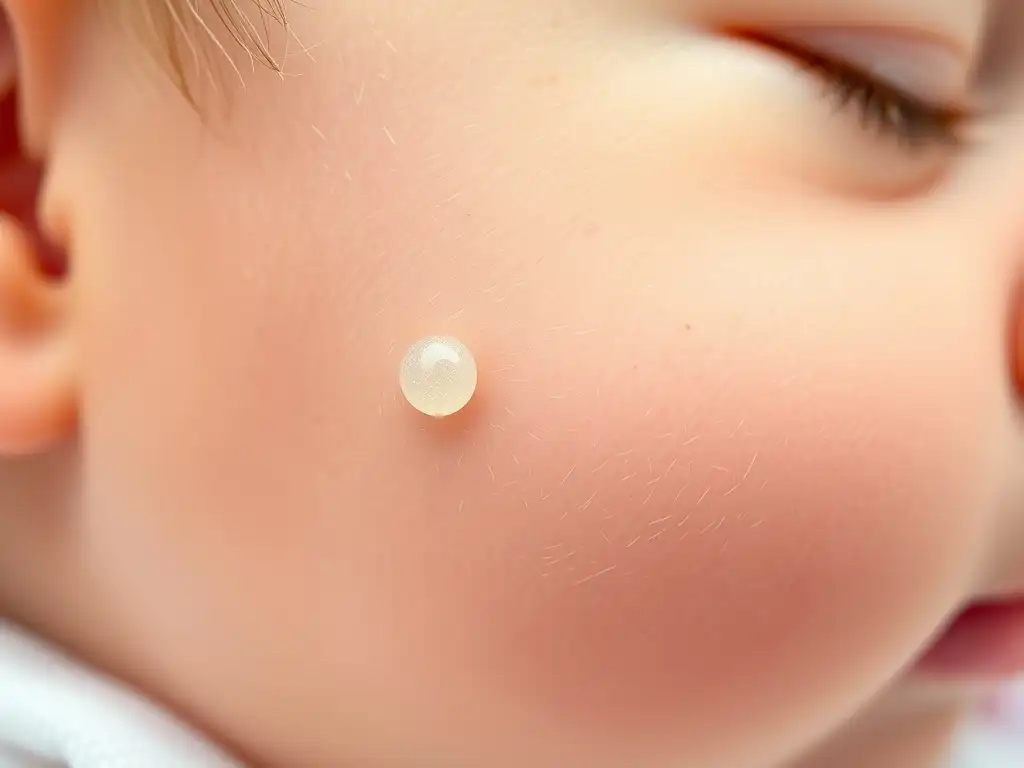
- Molluscum Contagiosum: This viral infection presents as small, pearly, dome-shaped bumps. They are often painless, but can become inflamed or infected. Molluscum contagiosum is contagious and can spread to other areas of the body or to other people.
Viral infections often require supportive care, focusing on symptom relief and allowing the body's immune system to fight the infection. Your pediatrician will advise on the appropriate course of action, which may include antiviral medications in certain cases. Remember, early detection and appropriate management are key to minimizing baby eczema infection complications.
Fungal Infections and Their Manifestation in Eczema-Prone Skin
Fungal infections, such as candidiasis (yeast infection), can also affect eczema-prone skin. These infections thrive in moist, warm environments, making skin folds and areas with persistent eczema particularly vulnerable. Recognizing the signs of a fungal infection is crucial for effective treatment and prevention of complications.
- Appearance: Fungal infections often present as red, scaly patches, sometimes with a slightly raised border. The affected area may be itchy or painful. Unlike eczema, which is often dry and scaly, fungal infections can sometimes appear moist or weepy.
- Location: Fungal infections commonly occur in skin folds, such as the groin, armpits, and behind the neck. They can also affect areas covered by diapers.
- Satellite Lesions: Fungal infections may exhibit small, satellite lesions around the main infected area.
Treatment for fungal infections typically involves antifungal creams or ointments prescribed by your pediatrician. Maintaining good hygiene and keeping the affected area dry can also help prevent recurrence. Addressing fungal infections promptly is essential in the overall management of baby eczema infection complications. Early intervention significantly improves the outcome and reduces the risk of spreading.
Differentiating Eczema Flare-Ups from Infections
Differentiating between a simple eczema flare-up and a secondary skin infection in your baby can be challenging, even for experienced parents. Both conditions can present with similar symptoms, leading to confusion and potentially delaying appropriate treatment. A key difference lies in the severity and nature of the symptoms. A typical eczema flare-up might involve dry, itchy patches of skin, often appearing red and inflamed. These patches may be accompanied by scaling or crusting, but the skin itself usually remains relatively intact. The itchiness is often the primary complaint, leading to scratching and potential disruption of sleep.
However, when eczema becomes infected, the picture changes significantly. The affected area will likely exhibit increased redness, swelling, and warmth. You might notice the presence of pus-filled blisters or bumps (pustules), indicating a bacterial infection. The skin may also appear cracked and weeping, with a yellowish or greenish discharge.
Crucially, the pain associated with an infection will often surpass the itchiness usually felt during a flare-up. The baby may show signs of discomfort, fussiness, or irritability beyond what's typical for eczema. The intensity of symptoms is a major distinguishing factor. A simple eczema flare-up is usually manageable with topical treatments, while an infection requires more aggressive intervention, often involving antibiotics.
Furthermore, the location and spread of the affected area can offer clues. While eczema typically affects certain areas, such as the creases of the elbows and knees, facial areas, and scalp, an infection can spread more rapidly beyond these typical locations. The rapid spread of inflammation and the appearance of pus are strong indicators of a secondary infection. Remember, if you are unsure whether your baby's eczema has become infected, seeking advice from your pediatrician is crucial.
Early intervention is key to preventing complications and ensuring your baby's speedy recovery. Delaying treatment can lead to more severe infections and prolonged discomfort for your little one. Don't hesitate to reach out to your healthcare provider for professional assessment and guidance. They can accurately diagnose the condition and recommend the best course of action, providing you with the peace of mind you need as a parent.
Eczema, or atopic dermatitis, in babies can sometimes lead to skin infections. Early recognition of these complications is crucial for prompt treatment and preventing further issues. While eczema itself is characterized by dry, itchy skin, the presence of an infection introduces additional symptoms that warrant immediate medical attention. Understanding these distinguishing features is key to effective baby eczema infection management.
This section details the key signs to watch out for, helping you differentiate between simple eczema flare-ups and more serious secondary infections. Careful observation and prompt action are vital components in ensuring your baby's well-being. Remember, this information is for educational purposes and should not replace professional medical advice. Always consult your pediatrician or dermatologist if you suspect your baby has a skin infection.
Increased Pain, Swelling, and Redness Around Eczema Patches
A significant indicator of a secondary infection in baby eczema is a noticeable increase in pain, swelling, and redness surrounding the affected eczema patches. While eczema itself can cause some redness and itchiness, an infection intensifies these symptoms dramatically. The skin around the eczema may become significantly more inflamed, appearing much brighter red than usual.
You might also notice that your baby is more sensitive to touch in these areas, crying out in pain when the affected skin is touched or even accidentally brushed against. Swelling can be pronounced, causing the eczema patches to appear raised and more prominent. This heightened inflammatory response is a clear signal that something beyond a standard eczema flare-up is occurring.
The intensity of pain and swelling can vary depending on the severity of the infection and the location of the eczema. For example, an infection on the face may cause more noticeable swelling due to the looser skin in that area compared to an infection on the limbs. Observing changes in your baby's behavior, such as increased fussiness or irritability, particularly around the affected areas, can also be a subtle but important clue.
The combination of increased pain, swelling, and redness serves as a strong warning sign needing immediate attention. Documenting the changes you observe, including the location, size, and intensity of the symptoms, can be helpful when discussing your baby's condition with your healthcare provider.
Pus or Yellowish Discharge from Eczema Lesions
The presence of pus or a yellowish discharge from the eczema lesions is a definitive sign of bacterial infection. This is a critical sign that distinguishes a simple eczema flare-up from a more serious secondary infection. Unlike the dry, scaly appearance of typical eczema, infected lesions may exude a fluid that is often thick, yellowish, or even greenish in color, indicating the presence of pus. This pus is composed of white blood cells fighting the infection, and its presence is a clear indication that the body is actively combating bacteria.
The amount of discharge can vary; it might be a small amount of oozing, or it could be a more significant and noticeable discharge. The odor of the discharge is also important to note. A foul or unpleasant smell can further suggest a bacterial infection. If you observe any pus or yellowish discharge from your baby's eczema patches, it is crucial to seek immediate medical attention.
Delaying treatment can lead to the infection spreading and potentially worsening the condition. A healthcare professional can perform a proper diagnosis and prescribe appropriate antibiotics to effectively treat the bacterial infection. Remember to keep the affected area clean and avoid scratching to prevent further complications.
Fever and General Malaise in Your Baby
While localized symptoms like increased redness, swelling, and pus are indicative of a skin infection, a fever and general malaise in your baby suggest a more systemic involvement and possibly a more severe infection. Fever, often accompanied by lethargy, irritability, poor feeding, and decreased activity levels, indicates that the infection might be spreading beyond the skin. This is a serious situation requiring immediate medical attention. A high fever in a baby, especially combined with other symptoms, is never something to ignore.
The severity of the fever and malaise can vary, but any elevated temperature above the normal range for your baby, along with noticeable changes in their behavior and overall well-being, should be considered a warning sign. Accurate temperature measurement is crucial; use a reliable thermometer to monitor your baby's temperature regularly. If your baby exhibits a fever, along with the other symptoms discussed in this section, contact your pediatrician or seek immediate medical care.
Early intervention is crucial to prevent the infection from spreading and potentially leading to more serious complications. Prompt treatment can help your baby recover quickly and minimize discomfort. Remember, your baby's health is paramount, and seeking professional medical advice is always the best course of action when in doubt.
Persistent Itching and Increased Irritability
Persistent itching is a hallmark of eczema, but a significant increase in itching intensity, especially if it's unrelenting and interferes with your baby's sleep, could signal a secondary infection. This intensified itching often manifests as constant scratching, rubbing, or even crying fits, especially at night. Infants, unable to communicate their discomfort effectively, may show increased irritability, fussiness, and difficulty settling down.
They might become more clingy and demanding of attention, displaying clear signs of distress beyond their typical behavior. Remember, while some itching is normal with eczema, a sudden and dramatic escalation warrants a visit to the pediatrician. It's crucial to differentiate between typical eczema itch and the intense, persistent itch indicative of a possible infection.
This distinction is key in ensuring timely treatment and preventing complications. For example, a normally content baby who suddenly refuses to nap and cries inconsolably for extended periods could be experiencing an increase in discomfort due to a bacterial or viral infection exacerbating their eczema.
Changes in Eczema Appearance: Crusting, Blistering, or Scaling
A change in the appearance of your baby's eczema is another important red flag. While eczema typically presents as dry, itchy patches of skin, a secondary infection can dramatically alter its look. You might notice new features like crusting, which appears as yellowish or honey-colored scabs on the affected areas. This crusting is often a sign of bacterial infection.
Blistering is another potential sign; small, fluid-filled blisters can develop on the eczema patches, potentially indicating a viral infection or an allergic reaction that's worsened the eczema. Increased scaling, beyond the usual dryness associated with eczema, can also be a warning sign. The scales might become thicker, more prominent, and potentially even accompanied by redness and swelling. It’s important to note that these changes can vary depending on the type of infection.
For instance, a fungal infection might present differently than a bacterial one, potentially showing a more defined, ring-like rash with raised edges. Regularly checking your baby's skin for these changes, comparing them to previous appearances and noting any new developments, is crucial for early detection and intervention. Taking clear photographs can be helpful in documenting changes and showing them to your pediatrician.
When to Seek Medical Attention for Baby Eczema Infections
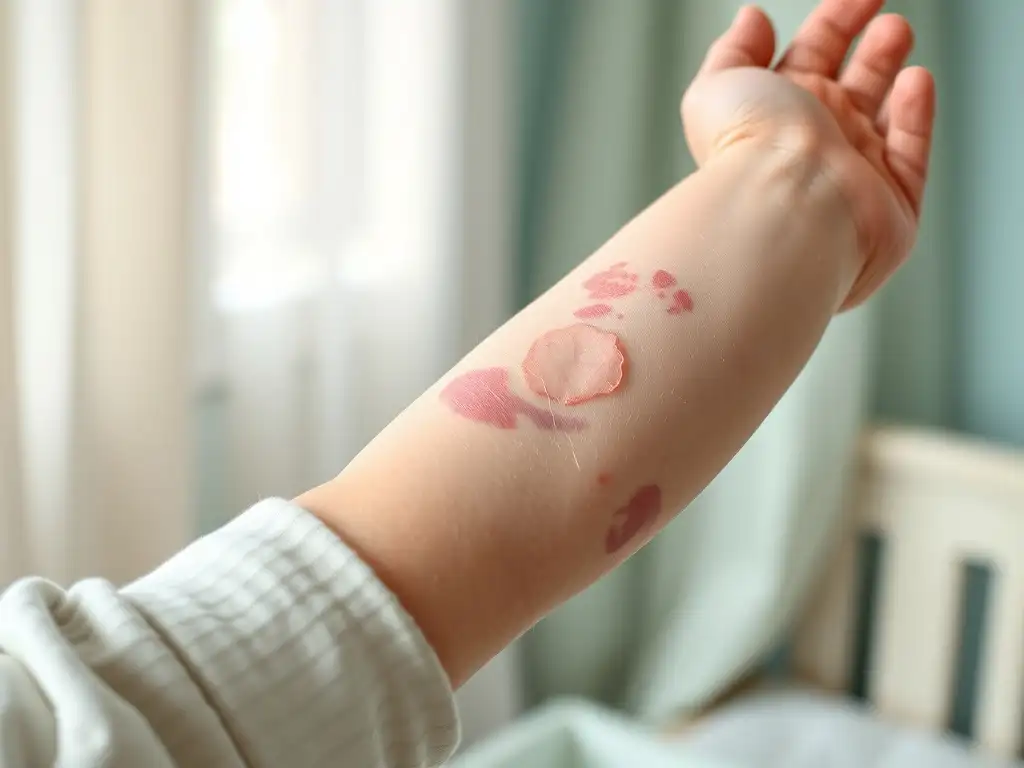
Recognizing the signs of a worsening eczema condition and potential infection in your baby is crucial for their well-being. While many eczema flare-ups can be managed at home with proper skincare and moisturizing routines, some situations demand immediate medical attention. This section details when you should seek professional help to prevent complications and ensure your baby receives the necessary care. Early intervention is key in managing baby eczema infection complications, leading to better outcomes and reducing the risk of long-term issues. Delaying treatment can lead to more severe infections and potential scarring.
Urgent Care Scenarios: Severe Infections and Systemic Symptoms
Certain symptoms indicate a severe infection requiring immediate medical attention. These are not simply worsening eczema; they suggest a deeper, more systemic problem. Examples include:
- High fever (over 100.4°F or 38°C): A persistent high fever, especially accompanied by other symptoms, signals a potential serious infection. This warrants immediate evaluation by a doctor.
- Significant swelling and redness: While some redness is normal with eczema, a dramatic increase in swelling and redness around the affected area, potentially spreading beyond the initial eczema patches, suggests a possible secondary bacterial or viral infection.
- Pus or yellow crusting: The presence of pus or yellow, honey-colored crusting on the eczema patches is a clear sign of a bacterial infection, like impetigo. This needs prompt treatment with antibiotics.
- Lethargy and irritability: If your baby is unusually lethargic, irritable, or feeding poorly, these systemic symptoms could indicate a serious underlying infection that requires immediate medical attention. These are not typical of eczema alone.
- Difficulty breathing: This is a serious emergency and requires immediate medical attention. It could be indicative of a severe allergic reaction or a respiratory infection.
Remember, early detection and treatment are vital in managing baby eczema infection complications. Don't hesitate to seek immediate medical care if you observe any of these urgent care scenarios. The peace of mind gained from a doctor's assessment is invaluable.
Regular Check-ups for Eczema Management and Infection Prevention
Even without urgent symptoms, regular check-ups with your pediatrician are essential for managing your baby's eczema and preventing infections. These check-ups allow for proactive monitoring of the eczema's severity and provide opportunities to address potential complications early. During these visits, your doctor can:
- Assess the severity of the eczema: The doctor can assess the extent and severity of the eczema, tracking its progression and adjusting treatment accordingly.
- Monitor for signs of infection: Regular examinations help detect early signs of infection, like subtle changes in skin color or texture, before they become severe.
- Discuss treatment options: Your doctor can discuss appropriate treatment options, including topical corticosteroids, moisturizers, and other therapies, to manage your baby's eczema effectively.
- Provide guidance on infection prevention: The doctor can provide valuable guidance on preventing infections, such as proper hand hygiene, keeping the eczema moisturized, and avoiding potential irritants.
Scheduling regular appointments empowers you to proactively manage your baby's eczema and minimizes the risk of complications. These check-ups are not just about addressing current issues; they're about preventing future ones. Think of them as proactive healthcare, helping you stay ahead of potential problems.
Importance of Early Intervention in Baby Eczema Infections
Early intervention in baby eczema infections is paramount for several reasons:
- Faster recovery: Treating infections early leads to faster recovery times, minimizing discomfort for your baby and reducing the duration of treatment.
- Reduced risk of complications: Early treatment prevents the infection from spreading, minimizing the risk of serious complications such as scarring, secondary infections, and systemic illness.
- Prevention of long-term effects: Untreated infections can lead to long-term effects, such as skin discoloration or permanent scarring. Early intervention mitigates these risks.
- Improved quality of life: By promptly addressing infections, you improve your baby's quality of life, allowing them to be more comfortable and less irritable.
Early detection and treatment are crucial in effectively managing baby eczema infection complications and ensuring your baby's overall health and well-being. Don't underestimate the power of prompt medical attention. A proactive approach offers the best chance for a positive outcome. Remember, your pediatrician is your partner in this journey, and their expertise is invaluable in navigating the complexities of baby eczema and its potential complications.
Treatment Options for Infected Baby Eczema
Baby eczema, or atopic dermatitis, can sometimes become infected, leading to complications that require specific treatment. Recognizing the signs of infection is crucial for timely intervention and preventing further issues. This section details treatment options for common infections associated with baby eczema, focusing on bacterial, fungal, and viral infections. Remember, always consult your pediatrician before starting any treatment for your baby's eczema or suspected infection.
Early and appropriate treatment can significantly improve your baby's comfort and prevent long-term complications. Ignoring signs of infection can lead to worsening eczema and potential secondary infections. This section will help you understand the various treatment approaches and their implications.
Antibiotic Treatment for Bacterial Infections
Bacterial infections are a common complication of eczema. The broken skin barrier characteristic of eczema makes it easier for bacteria to enter and cause infections. These infections often manifest as yellow crusts, pus-filled blisters, or redness that spreads beyond the typical eczema patches. The specific bacteria causing the infection will determine the type of antibiotic prescribed. Your pediatrician will likely perform a culture test to identify the bacteria before prescribing an antibiotic.
Commonly prescribed antibiotics for bacterial skin infections in babies might include topical antibiotics like mupirocin ointment. In more severe cases, oral antibiotics may be necessary. The choice between topical and oral antibiotics depends on the severity and extent of the infection. Topical antibiotics are generally preferred for localized infections due to their reduced risk of side effects compared to oral medications.
It's crucial to complete the entire course of antibiotics, even if your baby's skin appears to clear up before the medication is finished. Stopping early can lead to the infection recurring and potentially becoming resistant to the antibiotic. Monitor your baby closely for any adverse reactions to the medication, such as diarrhea, rash, or vomiting, and report them immediately to your doctor. Remember, antibiotics are highly effective against bacterial infections, but they are ineffective against viral or fungal infections.
Antifungal Medications for Fungal Infections
Fungal infections, often caused by Candida albicans, are another potential complication of baby eczema. These infections frequently present as bright red, raised patches with a satellite rash, often in skin folds like the groin or neck. The rash may be itchy and may have a slightly white or yellowish appearance. Unlike bacterial infections, antifungal medication is required to treat fungal infections. Proper diagnosis is essential to distinguish a fungal infection from a bacterial or viral one.
Treatment usually involves topical antifungal creams or ointments. Your pediatrician may prescribe clotrimazole or nystatin, common antifungal medications for babies. These medications work by directly targeting the fungus and disrupting its growth. Similar to antibiotic treatment, it is crucial to complete the full course of antifungal medication, even if the rash appears to have cleared up. Premature cessation can lead to relapse and the development of resistant fungal strains. The duration of treatment will depend on the severity and location of the infection.
Viral infections are less common complications of eczema than bacterial or fungal infections. However, they can still occur, particularly in babies with compromised immune systems or severely inflamed skin. Viral infections often present as small, fluid-filled blisters or vesicles, sometimes accompanied by fever and general malaise. These infections are usually caused by viruses like herpes simplex virus (HSV) or varicella-zoster virus (VZV), which causes chickenpox.
Treatment for viral infections associated with eczema typically involves supportive care, focusing on managing symptoms such as itching and discomfort. Antiviral medications may be considered in severe cases, particularly if the infection is widespread or involves complications. The specific antiviral medication will depend on the identified virus and the severity of the infection.
Your pediatrician will determine the appropriate course of action based on your baby's individual condition and the severity of the viral infection. Maintaining good hygiene and preventing further skin damage are critical in managing these infections. Remember, early recognition and prompt medical attention are crucial for effective management of all infections associated with baby eczema.
Managing Eczema Flare-ups to Prevent Infections
Managing eczema flare-ups is crucial in preventing secondary skin infections, a common complication of baby eczema. Infections can significantly worsen the condition, leading to increased discomfort and potentially more serious health issues. A proactive approach to eczema care involves diligent moisturizing, identifying and avoiding triggers, and promptly addressing any signs of worsening symptoms.
Consistent moisturizing is paramount. Dry skin is more susceptible to cracking and breaking, creating entry points for bacteria and viruses. Apply a fragrance-free, hypoallergenic moisturizer frequently, ideally after each bath and throughout the day. Look for emollients containing ingredients like ceramides or shea butter, which help restore the skin's natural barrier. Remember to apply the moisturizer while the skin is still damp to lock in hydration. The frequency of application may need adjustment based on your baby's individual skin needs and the severity of the eczema. Some babies might require moisturizing every two to three hours, especially during flare-ups.
Identifying and avoiding triggers is another key strategy. Common eczema triggers include certain foods (dairy, eggs, soy), environmental allergens (dust mites, pet dander, pollen), irritants (soaps, detergents, fabrics), and temperature fluctuations. Keeping a detailed diary of your baby's diet, environment, and any changes in their eczema can help pinpoint specific triggers. Eliminating or minimizing exposure to identified triggers can significantly reduce the frequency and severity of flare-ups, thereby lowering the risk of infection.
For example, if your baby reacts to wool, switch to cotton clothing. If dairy seems to be a trigger, consider consulting a pediatrician or a registered dietitian for advice on dietary adjustments. Remember that identifying triggers can take time and observation.
Promptly addressing any signs of worsening symptoms is essential for early intervention. Look for signs such as increased redness, swelling, oozing, crusting, or the presence of pus. These can indicate a possible infection. Do not hesitate to consult a pediatrician or dermatologist immediately if you notice any such changes. Early treatment of an infection can prevent it from spreading and becoming more severe.
The pediatrician might prescribe topical antibiotics or other treatments to manage the infection effectively. Prompt action is vital to minimize discomfort for your baby and prevent long-term complications. Regular check-ups with a healthcare professional are also recommended to monitor the eczema and address any concerns proactively. Remember that prevention is always better than cure when it comes to baby eczema and the associated risk of infections.
Preventing Eczema Infections in Babies
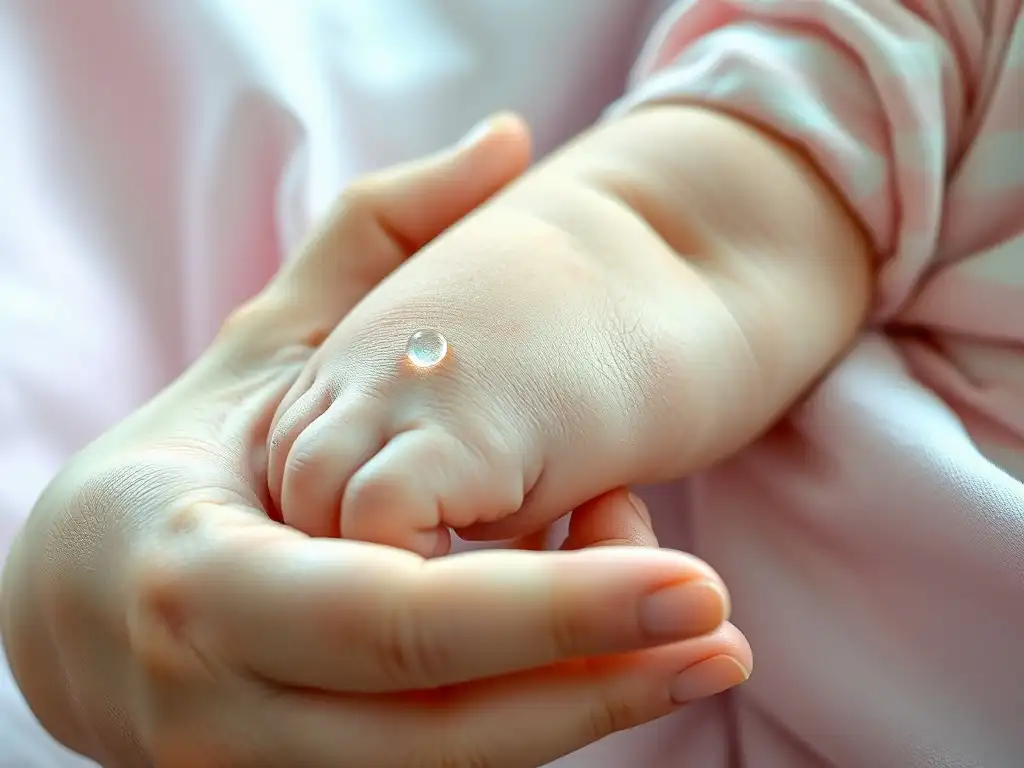
Eczema, or atopic dermatitis, is a common inflammatory skin condition in babies, characterized by dry, itchy, and inflamed skin. While eczema itself isn't contagious, the compromised skin barrier makes babies significantly more vulnerable to bacterial and viral infections. Preventing these infections is crucial for managing baby eczema and ensuring their overall well-being.
Understanding the risk factors and implementing preventative measures can significantly reduce the likelihood of complications arising from baby eczema infection. This section focuses on proactive strategies to minimize infection risk, helping parents navigate the challenges of managing this common skin condition. The goal is to keep your baby's skin healthy and reduce the need for more intensive treatments later.
Maintaining Good Skin Hydration
Maintaining optimal skin hydration is paramount in preventing eczema infections. Dry, cracked skin provides easy entry points for bacteria and viruses. Think of it like this: a well-hydrated, supple skin barrier acts as a natural protective shield, while dry, flaky skin is more susceptible to damage and infection. Therefore, consistent and thorough moisturizing is key to preventing baby eczema infection complications.
Several strategies contribute to effective hydration:
- Frequent Moisturizing: Apply a fragrance-free, hypoallergenic moisturizer liberally and frequently, ideally after each bath and throughout the day. Aim for at least four applications daily, especially in dry climates or during winter months.
- Choosing the Right Moisturizer: Opt for emollients containing ingredients like ceramides, which help rebuild the skin barrier. Look for products labeled as "hypoallergenic" and "fragrance-free" to minimize irritation. Avoid products with potential irritants such as lanolin or parabens.
- Bath Time Strategies: Keep bath time short (5-10 minutes) and use lukewarm, not hot, water. Avoid harsh soaps and cleansers. Pat the skin dry gently instead of rubbing, which can further irritate the skin. Apply moisturizer immediately after bathing while the skin is still damp to lock in hydration. Consider adding colloidal oatmeal to bathwater for its soothing and moisturizing properties.
- Humidifier Use: During dry seasons, a humidifier can help increase the moisture in the air, reducing dryness and itchiness. This is especially beneficial in bedrooms at night.
Gentle Cleansing and Moisturizing Routines
Establishing a gentle cleansing and moisturizing routine is essential for preventing baby eczema infections. Aggressive cleansing can strip the skin of its natural oils, exacerbating dryness and increasing vulnerability to infections. The key is to be gentle and consistent.
Here's a sample routine:
| Time of Day | Action | Product Recommendation | Notes |
|---|---|---|---|
| Morning | Gentle cleansing with lukewarm water | Fragrance-free, hypoallergenic baby wash | Avoid harsh rubbing |
| After each bath | Apply thick emollient moisturizer immediately | Ceramides-rich, hypoallergenic moisturizer | Focus on dry and affected areas |
| Throughout the day | Reapply moisturizer as needed | Same moisturizer as after bath | Pay attention to signs of dryness or irritation |
Remember to always check for any allergic reactions after introducing a new product. A small patch test on a less sensitive area of skin before widespread application is recommended.
Avoiding Harsh Soaps and Irritants
Exposure to harsh soaps, detergents, and irritants can significantly worsen eczema and increase the risk of infection. These substances can disrupt the skin's protective barrier, leading to inflammation, dryness, and increased susceptibility to pathogens. Therefore, meticulous avoidance of these triggers is crucial in managing baby eczema and preventing complications.
Specific steps to avoid irritants include:
- Laundry Detergents: Use fragrance-free, hypoallergenic laundry detergents specifically designed for sensitive skin. Thoroughly rinse all clothing and bedding to remove any residual detergent.
- Soaps and Cleansers: Avoid harsh soaps and bubble baths. Opt for fragrance-free, hypoallergenic baby washes specifically formulated for sensitive skin.
- Fabrics: Dress your baby in soft, breathable fabrics like cotton. Avoid rough or scratchy materials like wool or synthetic fibers.
- Environmental Triggers: Identify and minimize exposure to known environmental triggers such as dust mites, pet dander, pollen, and smoke. Regular cleaning and air purification can help.
- Cosmetics and Personal Care Products: Avoid using scented lotions, perfumes, or other personal care products on your baby's skin.
By diligently following these preventative measures, you can significantly reduce the risk of your baby developing eczema infections, promoting healthier skin and a happier baby. Remember, consistency is key! If you notice any signs of infection (increased redness, swelling, pus, or fever), consult your pediatrician immediately.
Keeping Baby's Nails Short and Clean
Maintaining meticulously short and clean fingernails is crucial in preventing eczema infections in babies. Long nails can easily scratch delicate, inflamed skin, breaking the skin barrier and creating entry points for bacteria and viruses. This is especially important during flare-ups when the skin is already compromised and more susceptible to infection. Regular nail trimming, ideally every few days, is recommended, using baby-safe nail clippers or scissors.
Always trim the nails straight across to avoid ingrown nails, a potential source of further irritation and infection. After trimming, gently clean the nails with a soft brush and warm water to remove any dirt or debris that could harbor bacteria. Remember, even seemingly insignificant amounts of dirt can contribute to infection. For babies who are particularly prone to scratching, consider using baby-friendly nail files to smooth any rough edges.
This added step minimizes the risk of the nails causing further damage to already irritated skin. The frequency of nail care should be adjusted depending on the baby's individual needs and the severity of their eczema. Always prioritize gentle handling to avoid causing distress or injury.
Preventing Scratching and Skin Trauma
Preventing scratching is paramount in managing baby eczema and averting infections. A baby's instinctive scratching, driven by the itchiness associated with eczema, can inflict significant trauma on already sensitive skin. This trauma compromises the skin barrier, leaving it vulnerable to bacterial and viral invasion. Several strategies can be employed to minimize scratching. Soft, loose-fitting clothing made of breathable materials like cotton can reduce irritation and minimize friction against the skin.
Avoid harsh fabrics that may worsen the itch. Consider using mittens or soft socks on the baby's hands, particularly during sleep, to prevent scratching. However, always supervise the baby closely to ensure they are not overheating or experiencing any discomfort. Regularly moisturizing the skin with a fragrance-free, hypoallergenic moisturizer helps to soothe the itch and reduce the urge to scratch.
Applying cool compresses to inflamed areas can also provide temporary relief from itching. In more severe cases, your pediatrician may recommend additional measures, such as topical corticosteroids or other medications to manage the itch and reduce inflammation. Remember, consistent and proactive measures are key to preventing scratching and protecting your baby's skin from further damage and infection. The goal is to create a protective environment that minimizes the risk of secondary infections while ensuring your baby's comfort and well-being.
Long-Term Management of Baby Eczema to Minimize Infection Risk
Managing baby eczema effectively is crucial in preventing infections, a significant complication of the condition. A proactive approach focusing on long-term care significantly reduces the risk of serious issues. This involves a multi-pronged strategy encompassing regular medical check-ups, personalized treatment plans, and meticulous trigger avoidance. Ignoring even seemingly minor flare-ups can lead to secondary infections, potentially requiring stronger interventions. Therefore, consistent and informed management is paramount.
Regular Follow-ups with a Pediatrician or Dermatologist
Regular check-ups are the cornerstone of long-term eczema management. These visits allow healthcare professionals to monitor the baby's skin condition, assess the effectiveness of current treatments, and make necessary adjustments. The frequency of these appointments will vary depending on the severity of the eczema and the baby's response to treatment. For babies with mild eczema, visits might be spaced further apart, perhaps every few months.
However, babies with severe eczema or recurrent infections might require more frequent monitoring, potentially monthly or even bi-weekly appointments. During these visits, the doctor will also evaluate for any signs of infection, such as increased redness, swelling, pus, or fever. Early detection of infection is critical for prompt treatment, preventing complications. The pediatrician or dermatologist will provide guidance on appropriate treatment options, potentially including topical corticosteroids, moisturizers, or other therapies.
They will also address any parental concerns and answer questions about eczema management. Maintaining open communication with your healthcare provider is key to successful long-term management. Remember, proactive care is always better than reactive treatment.
Developing a Personalized Eczema Management Plan
No two cases of baby eczema are exactly alike. What works for one baby might not work for another. Therefore, creating a personalized eczema management plan tailored to your baby's specific needs is vital. This plan should be developed in collaboration with your pediatrician or dermatologist, taking into account the severity of the eczema, the baby's age, and any other relevant medical conditions.
The plan should outline specific treatment strategies, including the type and frequency of moisturizer application, the use of topical corticosteroids or other medications, and strategies for managing flare-ups. It should also incorporate detailed instructions on bathing practices, clothing choices, and environmental controls to minimize irritants. For example, a baby with severe eczema might require a more intensive treatment regimen than a baby with mild eczema. The plan should be regularly reviewed and updated as your baby grows and their eczema changes.
Keeping a detailed eczema diary can be helpful in tracking progress, identifying triggers, and communicating effectively with the healthcare provider. This diary should include information about flare-ups, treatments used, and any other relevant observations. This personalized approach ensures the most effective and safe management of your baby's eczema.
Identifying and Avoiding Eczema Triggers
A significant aspect of long-term eczema management involves identifying and avoiding eczema triggers. These triggers can vary greatly from baby to baby, but common culprits include certain fabrics (wool, synthetic materials), harsh soaps and detergents, environmental allergens (dust mites, pollen), and food allergies (dairy, eggs, soy, peanuts). Careful observation and record-keeping are crucial in pinpointing these triggers. Keeping an eczema diary, as mentioned earlier, will help track potential links between specific exposures and eczema flare-ups.
Once identified, eliminating or minimizing exposure to these triggers is essential in preventing future flare-ups and reducing the risk of infection. This might involve switching to hypoallergenic laundry detergents, using gentle, fragrance-free cleansers for bathing, and adjusting the baby's diet under the guidance of a pediatrician or allergist. Creating a clean and allergen-free environment at home also plays a significant role.
This includes regular cleaning, using dust mite-proof bedding, and avoiding exposure to known allergens whenever possible. Remember, meticulous attention to trigger avoidance is a cornerstone of successful long-term eczema management and greatly reduces the likelihood of complications such as infection. The effort invested in this aspect is invaluable in improving your baby's comfort and overall well-being.
Understanding the Role of Probiotics and Diet in Eczema Management
The gut microbiome plays a significant role in overall health, and emerging research increasingly suggests a connection between gut health and skin conditions like eczema. A balanced gut microbiome, rich in beneficial bacteria, can contribute to a robust immune system, potentially reducing the severity and frequency of eczema flare-ups. Introducing probiotics, which are live microorganisms with health benefits, can help populate the gut with these beneficial bacteria. While more research is needed to definitively establish cause-and-effect, studies suggest that certain probiotic strains may help modulate the immune response and reduce inflammation associated with eczema. 1 This is particularly important in infants, whose developing immune systems are more susceptible to imbalances.
Dietary interventions are also crucial in managing baby eczema and reducing the risk of infection. Certain foods are known to trigger allergic reactions or exacerbate inflammation in some infants. Common culprits include cow's milk protein, eggs, peanuts, soy, wheat, and fish. 2 Introducing these potential allergens gradually and monitoring for any adverse reactions is vital. A detailed food diary can be immensely helpful in identifying potential triggers. If a food is suspected of causing a reaction, it should be temporarily eliminated from the diet to observe if symptoms improve. A consultation with a pediatrician or allergist is recommended to determine the best approach to introducing allergens and managing potential food sensitivities. The elimination of potential trigger foods, however, should always be done under the guidance of a healthcare professional to ensure adequate nutrition. Furthermore, a diet rich in omega-3 fatty acids, found in fatty fish and flaxseed, can potentially reduce inflammation.
Remember, every baby is different, and what works for one might not work for another. Working closely with your pediatrician or a registered dietitian is essential to develop a personalized dietary plan that supports your baby's overall health and minimizes eczema flare-ups. They can provide tailored advice based on your baby's specific needs and medical history, ensuring optimal nutrition while addressing potential allergy concerns. The goal is to create a balanced, nutritious diet that reduces inflammation and supports a healthy gut microbiome, thereby contributing to better eczema management and a lower risk of complications such as infections.
1 [Specific study reference pending] 2 [Specific study reference pending]
Frequently Asked Questions
What are the common signs of a baby eczema infection?
A baby eczema infection often presents with increased weeping, crusting, or yellowish discharge from the affected areas. The skin may also appear redder and more swollen than usual, and your baby might be fussier than normal.
How can I tell if my baby's eczema has become infected?
Look for signs beyond typical eczema, such as increased pain or swelling, yellowish pus, red streaks, or fever. If you notice any of these, seek immediate medical attention.
What are the potential complications of an infected eczema patch?
Untreated infected eczema can lead to deeper skin infections, scarring, and in rare cases, sepsis (a life-threatening bloodstream infection). Prompt treatment is crucial.
What types of infections are common with baby eczema?
Bacterial infections, like Staphylococcus aureus, are most common. Viral or fungal infections are also possible, though less frequent. A doctor can accurately diagnose the type of infection.
What treatment options are available for infected baby eczema?
Treatment typically involves antibiotic ointments or creams for bacterial infections, or antiviral or antifungal medications as needed. Your doctor will determine the best course of action based on the type and severity of the infection.
Final Reflection: The Unseen Scars of Baby Eczema
The seemingly simple rash of baby eczema can, if left unmanaged, become a gateway to serious infections, significantly impacting a child's health and well-being. This is not merely a cosmetic concern; it's a critical health issue demanding vigilance and proactive care from parents and medical professionals alike. Untreated eczema can lead to chronic discomfort, sleep disruption, and a cascade of secondary infections that can have long-lasting consequences.
The emotional toll on parents witnessing their child suffer from the itch and discomfort of eczema, coupled with the anxiety surrounding potential infections, is immense. It's a journey filled with sleepless nights, constant monitoring, and the unwavering hope for relief. This experience underscores the importance of early detection and appropriate management. The most common thing I hear from parents is, 'I wish I had known sooner.'
This simple statement highlights the crucial need for accessible and readily available information about eczema complications. We must continue to raise awareness and break down the stigma surrounding this common skin condition.
Now, consider your own experiences with skin conditions, or perhaps those of loved ones. Remember the frustration, the worry, the constant search for solutions. Take this knowledge and empower yourself. Learn the signs of infection, advocate for your child's needs with healthcare providers, and don't hesitate to seek second opinions if necessary. By understanding the potential complications of baby eczema, you are equipped to navigate this challenging journey with confidence and provide your child with the best possible care, ensuring a healthier and happier future.
Unlock Your Baby's Comfort: Next Steps for Healthy Skin
Thank you for learning about recognizing eczema complications. We hope this article has provided you with the knowledge to better support your child's skin health. Now, let's take action!
- Prioritize a proactive skincare routine: Schedule an appointment with your pediatrician or dermatologist to create a personalized plan for managing your baby's eczema. This plan may include specific moisturizer recommendations, suggestions for gentle cleansers, and other advice tailored to your baby's unique needs.
- Share this valuable information with other parents facing similar challenges. Supporting others can be incredibly rewarding and fosters a sense of community during this journey.
- Consider joining an online support group or forum focused on baby eczema; connecting with other parents can offer invaluable insights and practical tips.
What small step will you take today to nurture your baby's delicate skin and ensure their comfort?