
Sharp Objects Safety: Keeping Knives, Scissors, and More Away from Babies

Welcome to BabyCareHub, your ultimate guide to navigating the incredible journey of parenthood! Are you ready to unlock the secrets to confident baby care? We understand the overwhelming influx of information new parents face, which is why we've created a comprehensive resource to support you every step of the way.
But first, let's tackle a crucial aspect of baby's well-being: Baby safety sharp objects. Discover essential tips and practical strategies to create a secure environment for your little one – learn how to safeguard your home from potential hazards and ensure your baby's safety. Dive in and explore the wealth of knowledge waiting for you within!
- Baby Safety Sharp Objects: Assessing Your Home's Risks
-
Baby-Proofing Your Home: A Room-by-Room Guide to Sharp Object Safety
- Securing the Kitchen: Childproof Locks, High Cabinets, and Safe Storage Solutions
- Baby-Proofing the Bathroom: Out-of-Reach Storage and Secure Cabinets
- Protecting Your Baby in the Bedroom: Safe Storage for Sewing Kits and Other Sharp Objects
- Living Room Safety Measures: Padding Sharp Edges, Securing Fragile Items
- Teaching Older Siblings About Sharp Object Safety
- Emergency Preparedness: First Aid for Cuts and Injuries
- Maintaining a Safe Environment: Ongoing Sharp Object Safety Practices
-
Frequently Asked Questions
- What are the biggest dangers of sharp objects around babies?
- How can I baby-proof my home against sharp objects?
- What about seemingly harmless sharp objects like pens or pencils?
- My toddler is getting curious about sharp objects. What should I do?
- What should I do if my baby gets cut by a sharp object?
- Final Reflection: A Legacy of Safety, One Sharp Object at a Time
- Unlock a Safer Home: Protect Your Little One Today
Baby Safety Sharp Objects: Assessing Your Home's Risks
Protecting your little one from harm is a top priority for every new parent. This guide focuses on a crucial aspect of baby-proofing: securing sharp objects around your home. Accidents involving knives, scissors, needles, and other sharp items can lead to serious injuries. This article provides a room-by-room assessment of potential hazards, offering practical tips and strategies to create a safe environment for your baby as they explore their surroundings.
We'll delve into specific dangers, providing actionable steps to minimize risks and promote a secure home for your precious child, ensuring peace of mind for you and a safe environment for your baby's development. Understanding and mitigating these risks is a key component of comprehensive baby safety, contributing to a happy and healthy home environment. This guide will help you effectively address the challenge of "baby safety sharp objects" and establish a secure home for your growing family.
Identifying Potential Hazards: Knives, Scissors, and Other Sharp Items in the Kitchen
The kitchen, often the heart of the home, presents a significant concentration of sharp objects. Knives, of course, are the most obvious threat. But don't overlook other potentially dangerous items:
- Knives: All knives, from paring knives to large chef's knives, should be stored out of reach, ideally in a locked drawer or high cabinet. Consider using knife blocks with child-resistant latches.
- Scissors: Keep scissors, especially sharp ones, in high cabinets or locked drawers. Avoid leaving them on countertops or tables.
- Corkscrews: These seemingly innocuous items can inflict painful injuries. Store them out of reach and sight.
- Can openers: Similar to corkscrews, can openers should be stored securely in a high cabinet or locked drawer.
- Other sharp utensils: Consider items like meat cleavers, pizza cutters, and even vegetable peelers, which can easily cause cuts. Store them safely and out of reach.
Remember, even seemingly harmless objects can pose a risk to curious babies. Regularly check your kitchen for any new or overlooked potential hazards. A thorough and consistent approach to kitchen safety is paramount for your baby's well-being. Consider installing childproof latches on all kitchen cabinets and drawers containing sharp objects.
Bathroom Hazards: Razor Blades, Nail Clippers, and Sharp Cosmetics
The bathroom, while often smaller than other rooms, harbors its own set of sharp object dangers. These hazards are often overlooked but can cause significant injuries:
- Razor blades: Keep razor blades and disposable razors in a locked cabinet, well out of a baby's reach. Never leave them lying on the sink or countertop.
- Nail clippers: These seemingly innocuous tools can easily cut a baby's skin. Store them securely in a drawer or cabinet with childproof latches.
- Tweezers: While not as sharp as some other objects, tweezers can still pinch and scratch delicate skin. Keep them out of reach.
- Sharp cosmetics: Some cosmetic items, such as eyeliner pencils or broken compacts, may contain sharp edges. Store them securely and out of reach.
- Broken glass: Immediately clean up any broken glass, using a broom and dustpan and taking care to thoroughly remove all shards. Dispose of broken glass safely and securely.
Regularly assess your bathroom for sharp objects and ensure they are stored securely. Childproofing the bathroom is just as crucial as childproofing other areas of your home.
Bedroom Dangers: Needles, Pins, and Broken Glass
The bedroom, while often considered a safe space, can also contain hidden dangers. These often overlooked items can cause unexpected injuries:
- Needles and pins: If you sew or do needlework, store all needles and pins in a secure container, preferably a magnetic pincushion or a locked box, well out of reach.
- Broken glass: Similar to the bathroom, broken glass in the bedroom poses a significant risk. Clean up any broken glass immediately and thoroughly.
- Sharp edges on furniture: Check for sharp edges or corners on furniture, especially if it's older. Consider using corner protectors to mitigate the risk.
- Jewelry: Sharp or pointed jewelry pieces should be stored securely in a jewelry box or drawer, well out of a baby's reach.
- Fragile ornaments: Consider storing or removing any fragile ornaments that could easily break and create sharp edges.
Regularly inspect your bedroom for potential hazards and take steps to ensure all sharp objects are stored safely and securely. A proactive approach to bedroom safety is crucial for creating a safe sleep environment for your baby. Remember that even seemingly minor sharp objects can cause injuries, so thoroughness is key.
Living Room Risks: Broken Toys, Sharp Edges on Furniture, and Other Potential Dangers
The living room, often the heart of the home, presents a unique set of challenges when it comes to baby safety and sharp objects. While it's not always immediately obvious, many everyday items can pose a significant hazard to curious little ones. Broken toys, for instance, are a prime example. A seemingly innocuous plastic toy, fractured during playtime, can expose sharp edges and small, detachable parts that a baby could easily swallow or injure themselves with.
Regularly inspect toys for damage and discard any that show signs of breakage. Consider replacing toys with rounded edges and durable materials to minimize the risk. Remember, preventative measures are key when it comes to baby safety and sharp objects.
Beyond broken toys, the furniture itself can harbor unseen dangers. Sharp edges on coffee tables, end tables, and even the corners of sofas can cause nasty cuts and bruises. Corner guards, readily available at most baby stores, are an inexpensive and effective solution. These soft, protective covers can significantly reduce the risk of injury from sharp furniture edges.
Installing them is a simple process that can provide significant peace of mind. Furthermore, consider the height of your furniture. Low-lying furniture, such as coffee tables, is particularly vulnerable to curious little hands and exploratory tumbles. If possible, rearrange furniture to create a safer space for your baby.
Another often overlooked hazard in the living room is the presence of decorative items. Vases, picture frames, and sculptures, while aesthetically pleasing, can easily topple over and break, resulting in sharp shards of glass or plastic. Secure these items to prevent accidental falls. Consider using non-breakable alternatives where possible, such as plastic or resin replicas, to reduce the risk of injury. This proactive approach to baby-proofing is crucial for creating a safe and comfortable environment for your child. Remember, a safe living room is a happy living room for both parents and baby!
Remember to regularly reassess your living room for potential hazards. A thorough inspection every few months, or even more frequently as your baby grows and explores, is recommended. This proactive approach ensures a safe and secure environment for your little one, minimizing the risk of injuries related to baby safety and sharp objects. Prioritizing preventative measures significantly reduces the chances of accidents, allowing you to enjoy the precious moments with your baby without unnecessary worry.
Baby-Proofing Your Home: A Room-by-Room Guide to Sharp Object Safety
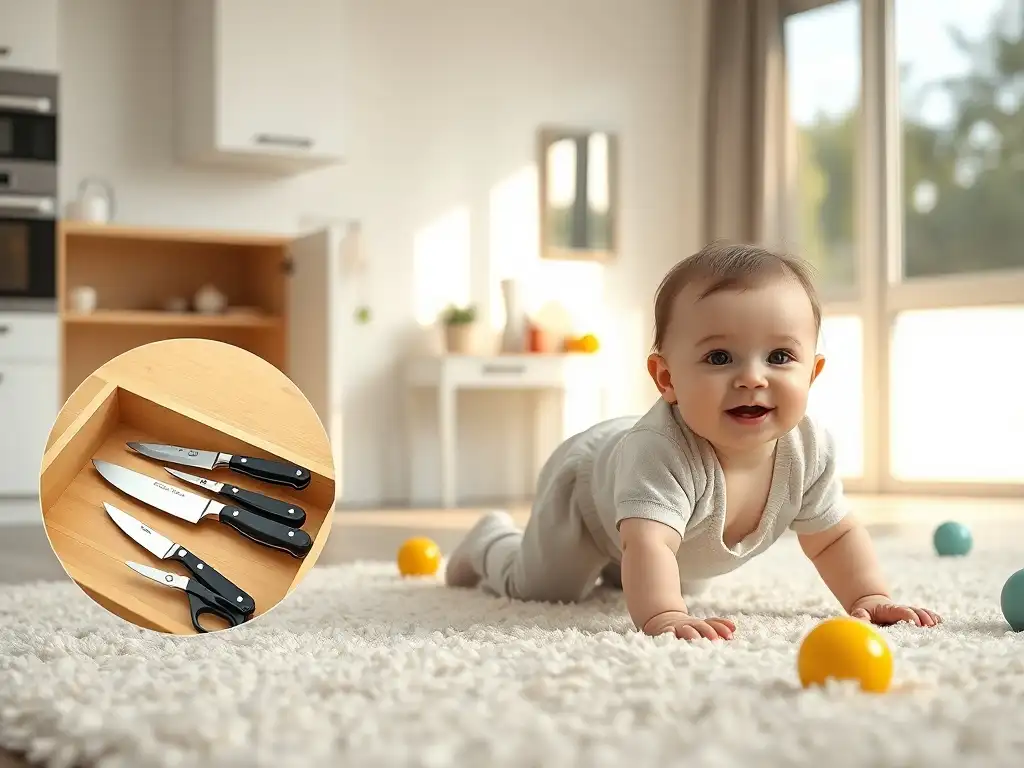
This section focuses on practical strategies for securing sharp objects in various rooms of your home, ensuring your baby's safety. We'll explore specific techniques and product recommendations to mitigate risks associated with knives, scissors, needles, and other potentially hazardous items. Remember, proactive baby-proofing is crucial for preventing accidents and creating a safe environment for your little one. Effective baby safety sharp objects strategies are paramount.
Securing the Kitchen: Childproof Locks, High Cabinets, and Safe Storage Solutions
The kitchen is a high-risk area for babies due to the abundance of sharp objects like knives, scissors, and even sharp-edged utensils. Implementing robust safety measures is non-negotiable.
First, consider installing childproof locks on all lower cabinets where knives, scissors, and other sharp objects are stored. These locks should be strong and difficult for a curious baby to open. Look for models with high ratings and positive reviews focusing on ease of use for adults and difficulty for children. Many options utilize a simple push-and-turn mechanism or a combination lock design.
Secondly, relocate frequently used sharp items to higher cabinets, ideally those that are completely out of a baby's reach. This prevents accidental access even if childproof locks fail. Consider using sturdy shelves or cabinet organizers to maintain order and prevent items from falling.
Finally, implement safe storage solutions for items that must remain within reach. Use drawer dividers to separate knives and keep them securely in place. Consider specialized knife blocks with secure lids, or magnetic knife strips mounted high on the wall. Remember, even seemingly harmless items such as vegetable peelers can cause injury.
Baby-Proofing the Bathroom: Out-of-Reach Storage and Secure Cabinets
The bathroom presents its own set of sharp object hazards, including razors, nail clippers, and even some types of toothbrush holders. Similar to the kitchen, out-of-reach storage is key.
High cabinets are ideal for storing razors, nail clippers, and other sharp tools. However, ensure these cabinets are securely closed with childproof locks. Consider using safety latches that require a specific combination of movements to open, rather than simple push-button mechanisms.
For items that need to be accessible, such as nail clippers, consider using a locked medicine cabinet or a secure storage container with a child-resistant lid. These containers can help manage smaller, potentially hazardous items. Regularly check that these containers are securely closed and inaccessible to your curious baby. Always remember to dispose of used razor blades safely and securely, ideally in a puncture-resistant container.
Protecting Your Baby in the Bedroom: Safe Storage for Sewing Kits and Other Sharp Objects
Bedrooms often contain sewing kits, craft supplies, and other items with sharp objects like needles, pins, and even sharp-edged buttons. These are often overlooked during baby-proofing, yet they still pose significant dangers.
Keep sewing kits and craft supplies stored in locked drawers or high cabinets, preferably out of your baby's reach. If you must keep these items within reach, use a secure container with a tight-fitting lid that’s difficult for a child to open. Consider using containers with latches or locks designed specifically for childproofing.
Remember to regularly audit your bedroom for any other potential hazards. This might include sharp edges on furniture, broken glass, or even the sharp points on some toys. Regularly inspect your baby's environment for any potential dangers. A proactive approach to baby safety sharp objects is essential for your child's well-being. Careful planning and consistent vigilance are key to ensuring a safe and secure home environment for your little one.
Living Room Safety Measures: Padding Sharp Edges, Securing Fragile Items
The living room, often the heart of the home, presents unique challenges when it comes to baby safety and sharp objects. While it may not immediately spring to mind as a haven for knives and scissors, many everyday items in the living room can pose a risk to curious little ones. Think about coffee tables with sharp corners, the edges of glass-topped tables, or even decorative items with pointed edges or fragile components. These seemingly innocuous elements can quickly become hazards if a crawling or toddling baby bumps into them.
One of the most effective strategies for baby-proofing your living room is to systematically identify and address sharp edges. This often involves padding. Corner guards, specifically designed for this purpose, are readily available and can be easily affixed to the corners of coffee tables, end tables, and even fireplaces. These soft, protective covers significantly reduce the impact of any collisions, preventing injuries from sharp angles. For glass-topped furniture, consider using table protectors or removing the glass altogether if possible. Alternatively, you can place the furniture against a wall, minimizing access for your baby.
Beyond sharp corners, fragile items pose a significant threat. Vases, sculptures, and decorative objects made of glass or ceramic can shatter easily, resulting in sharp fragments that can cause serious injury. The best approach is to relocate these items to higher shelves or cabinets that are completely out of reach, ideally behind securely latched doors.
If some decorative items are too precious to be stored away, consider using clear plastic or acrylic protective covers to safeguard them. Remember, it's better to be overly cautious than to risk an accident. Regularly reassess the items in your living room, especially as your baby grows and develops new mobility skills.
A proactive approach will significantly reduce the risk of injury. Always remember that even seemingly harmless objects can become dangerous in the hands of a curious baby. Prioritize prevention and create a safe and nurturing environment for your little one to explore and learn.
Remember that safety is an ongoing process. As your baby grows and develops, they will discover new ways to explore their surroundings, and your baby-proofing efforts may need to adapt accordingly. Regularly review and update your safety measures to ensure your home remains a safe haven for your child. This consistent vigilance is crucial for safeguarding your baby from potential hazards. Consider using childproof latches on cabinets and drawers where you store potentially hazardous items. This simple step can make a significant difference in preventing accidents.
Teaching Older Siblings About Sharp Object Safety
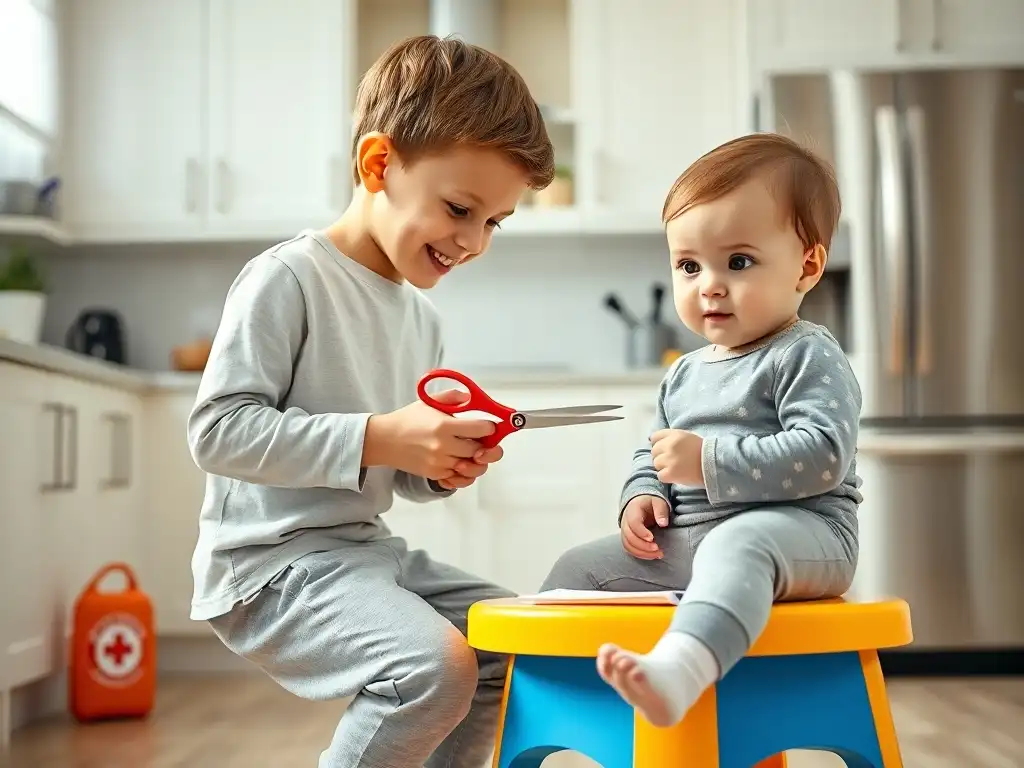
This section focuses on educating older siblings about sharp object safety, a crucial aspect of baby-proofing your home and ensuring a safe environment for your newborn. It's not enough to simply remove sharp objects; older children need to understand the risks and how to behave responsibly around potentially dangerous items. This proactive approach complements physical safeguards, fostering a culture of safety within the family.
Educating Children About Responsible Handling of Sharp Objects
Teaching children about sharp objects requires a multi-pronged approach. It's not simply a matter of saying "don't touch," but rather instilling a deep understanding of the potential consequences. Start early, even before the baby arrives, by using age-appropriate language and methods.
For preschoolers (ages 3-5), use visual aids like picture books depicting safe and unsafe handling of knives and scissors. Simple role-playing scenarios can also be effective. For example, you could act out a situation where a child uses scissors safely to cut paper, versus a scenario where they carelessly wave them around. Reinforce positive behavior with praise and rewards.
Older children (ages 6-12) can understand more complex concepts. Explain the potential for serious injury – cuts, punctures, and even blindness – associated with mishandling sharp objects. Discuss the importance of asking for help when using tools or handling sharp items. Involve them in age-appropriate tasks, such as supervised use of child-safe scissors for arts and crafts, to build confidence and responsibility.
Remember to tailor your approach to the child's developmental stage and personality. Some children respond better to visual cues, while others learn more effectively through hands-on experience (always under strict supervision). Consistency is key; repeat these lessons regularly to reinforce safe practices. Regular reminders about the importance of "baby safety sharp objects" are vital. Consider creating a family rule chart, visually highlighting the safe use of sharp objects and the consequences of improper handling.
Supervising Children's Activities Involving Sharp Objects
Even with thorough education, constant supervision is crucial, especially when older siblings are involved. Never assume a child fully understands the dangers of sharp objects; their attention spans can be short, and accidents happen quickly. Active supervision means being present and attentive during any activity that involves sharp objects, even seemingly simple tasks.
Here’s a checklist for effective supervision:
| Activity | Supervision Level | Additional Precautions |
|---|---|---|
| Using scissors | Constant, close proximity | Child-safe scissors, designated cutting area |
| Using knives (even butter knives) | Constant, close proximity | Only for age-appropriate tasks, under direct guidance |
| Handling needles/pins | Constant, close proximity | Keep in securely closed containers, out of reach |
| Cleaning with sharp objects | Constant, close proximity | Use child-safe alternatives whenever possible |
Remember that even seemingly harmless objects, like broken glass or sharp-edged toys, pose a significant risk. Regularly check play areas and dispose of or safely store any potential hazards. This proactive approach, coupled with consistent education and supervision, significantly reduces the risk of accidents involving "baby safety sharp objects." The goal is to create a safe and nurturing environment for everyone in the household, where children learn responsible behavior and contribute to a safer home. This requires ongoing effort and vigilance.
Emergency Preparedness: First Aid for Cuts and Injuries
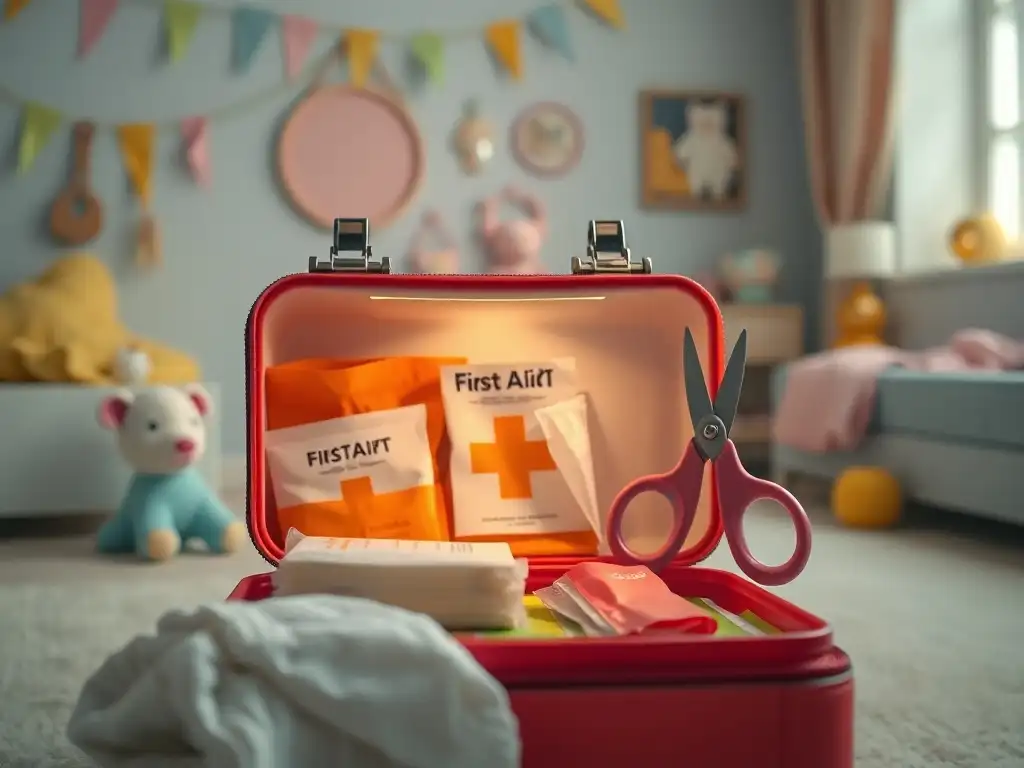
This section focuses on equipping you with the essential first aid knowledge to handle minor cuts and scrapes your baby might sustain despite your best baby-proofing efforts. Remember, prevention is key, but being prepared for accidents is crucial for baby safety sharp objects. Even with meticulous precautions, accidents can happen. Knowing how to react swiftly and effectively can significantly reduce the severity of the injury and alleviate your anxiety.
Responding to Cuts and Scrapes: Immediate First Aid Steps
The first few minutes after a cut or scrape are critical. Quick and appropriate action can minimize bleeding and the risk of infection. Here’s a step-by-step guide to follow:
- Remain Calm: Your baby will sense your anxiety. A calm demeanor will help soothe them and allow you to focus on providing effective first aid. Deep breaths can help manage your own stress.
- Assess the Injury: Gently examine the wound. Determine the depth and length of the cut. Note if there's any embedded debris. For superficial scratches, cleaning is the primary focus. For deeper cuts, controlling bleeding is paramount.
- Control Bleeding: For minor bleeding, apply gentle pressure to the wound using a clean cloth or gauze. Elevate the injured area above the heart to help slow blood flow. Avoid using cotton balls, as fibers may stick to the wound.
- Clean the Wound: Once the bleeding has stopped, gently clean the wound with mild soap and lukewarm water. Use a clean cloth or gauze to dab, not rub, the area. Avoid using harsh antiseptic solutions, as they can irritate the delicate skin of a baby.
- Apply Antibiotic Ointment (Optional): A thin layer of antibiotic ointment can help prevent infection. However, this is optional and not always necessary for minor scratches.
- Cover the Wound: Apply a sterile bandage to protect the wound and keep it clean. Change the bandage regularly, especially if it gets wet or soiled.
- Monitor for Signs of Infection: Watch for signs of infection, such as increasing redness, swelling, pus, or fever. Contact your pediatrician immediately if you notice any of these symptoms.
When to Seek Medical Attention for Baby's Injuries
While many minor cuts and scrapes can be handled at home, some situations require immediate medical attention. Knowing when to seek professional help is crucial for ensuring your baby's safety and well-being. Here are some instances where you should contact your pediatrician or take your baby to the emergency room:
- Deep or Severe Cuts: If the cut is deep, bleeds heavily, or involves a significant amount of tissue damage, seek immediate medical attention. This is particularly important if the cut is near a joint or involves a significant amount of bleeding. Deep cuts may require stitches to close properly.
- Cuts That Won't Stop Bleeding: If you've applied pressure for 10-15 minutes and the bleeding persists or restarts, seek immediate medical care. This could indicate a more serious issue.
- Embedded Objects: If any foreign object, such as a piece of glass or metal, is embedded in the wound, do not attempt to remove it yourself. Seek immediate medical assistance.
- Signs of Infection: As mentioned earlier, monitor for signs of infection. If you notice increasing redness, swelling, pus, fever, or streaks of red lines extending from the wound, seek immediate medical attention. These could be signs of a serious infection requiring antibiotics.
- Excessive Crying or Distress: If your baby is inconsolable or shows signs of significant distress, even with a seemingly minor injury, seek medical attention. Their reaction may indicate a more serious underlying problem.
Remember, your pediatrician is your best resource for all baby health concerns. Don't hesitate to contact them with any questions or concerns about your baby's injuries, no matter how minor they may seem. Prioritizing baby safety sharp objects necessitates both preventative measures and informed emergency response.
Maintaining a Safe Environment: Ongoing Sharp Object Safety Practices
This section focuses on the sustained effort required to ensure your home remains a safe haven for your baby, specifically regarding sharp objects. Initial baby-proofing is crucial, but consistent vigilance and proactive measures are equally important for long-term baby safety. Remember, babies are constantly developing new skills, including mobility and dexterity, meaning access to previously unreachable areas changes rapidly.
The goal is not just to prevent initial incidents but to establish a culture of safety that evolves with your child's growth. This involves more than just storing sharp objects; it's about cultivating a proactive and attentive approach to home safety. Consider this an ongoing investment in your baby's well-being.
Regular Inspections and Clean-up of Sharp Objects
Regular inspections are paramount to effective baby safety sharp objects strategies. Think of it as a mini-audit of your home's potential hazards. A weekly, or even bi-weekly, check of high-traffic areas and rooms where your baby spends time is highly recommended. This goes beyond simply looking; it includes getting down on your hands and knees to see things from your baby's perspective.
Consider these specific areas during your inspections:
- Kitchen: Check under sinks, inside drawers, and on countertops for stray knives, scissors, or broken glass. Pay close attention to areas where you may have recently used sharp utensils.
- Bathroom: Inspect medicine cabinets for sharp objects that might have fallen or been misplaced. Check under the sink for razors or other sharp tools.
- Living Room: Examine furniture for any protruding nails or sharp edges. Check coffee tables and side tables for items that could easily be knocked over.
- Bedrooms: Inspect nightstands and dressers for any sharp objects that might be within reach.
Here's a helpful checklist to guide your inspections:
| Location | Items to Check | Frequency | Notes |
|---|---|---|---|
| Kitchen | Knives, scissors, broken glass, can openers | Weekly | Pay close attention to drawers and countertops |
| Bathroom | Razors, nail clippers, broken glass | Bi-weekly | Check under the sink and in medicine cabinets |
| Living Room | Sharp edges on furniture, protruding nails | Monthly | Inspect from your baby's perspective |
| Bedrooms | Sharp objects on nightstands, dressers | Monthly | Ensure items are out of reach |
Remember to immediately clean up any sharp objects found during your inspections. This proactive approach significantly minimizes the risk of accidents. A quick clean-up routine after using sharp objects is also highly effective.
The Importance of Consistent Supervision
While baby-proofing is essential, consistent supervision remains the cornerstone of baby safety sharp objects. No amount of childproofing can entirely eliminate the risk of accidents. A watchful eye is your best defense. This is particularly true during periods when your baby is most mobile and curious, which generally increases as they develop.
Consider these strategies for consistent supervision:
- Dedicated attention: When your baby is awake and exploring, give them your undivided attention. This is not always possible, but strive for as much dedicated time as your schedule allows.
- Designated safe zones: Create designated safe zones where your baby can play freely without the risk of encountering sharp objects. This could be a playpen, a designated area of a room, or even a dedicated playmat.
- Rotating toys: Regularly rotate your baby's toys to keep them engaged and prevent them from becoming overly focused on potentially hazardous items.
- Adult involvement in activities: Always supervise your baby when they are engaging in activities that involve sharp objects, even if these are age-appropriate tools like blunt-ended scissors for crafts (under strict supervision).
Consistent supervision isn't just about preventing accidents; it's about building a strong bond with your baby and fostering a sense of security and trust. It’s also an opportunity to teach your baby about safety and appropriate behavior around potentially dangerous objects. While your baby may not understand the dangers now, consistent modeling of safe practices will help them develop appropriate behaviors as they grow older. This proactive approach is a vital part of establishing a safe and nurturing environment for your child's development. Remember, your vigilance is the most effective safeguard against accidents. 👶
Frequently Asked Questions
What are the biggest dangers of sharp objects around babies?
Babies can severely injure themselves by cutting, stabbing, or poking themselves with sharp objects. Internal injuries are possible, and even seemingly minor cuts can lead to infection. Immediate medical attention is crucial if an accident occurs.
How can I baby-proof my home against sharp objects?
Store sharp objects out of reach and ideally in locked cabinets or drawers. Keep knives in a knife block or secured in a drawer. Regularly check that stored items remain secure, as curious babies can be surprisingly resourceful.
What about seemingly harmless sharp objects like pens or pencils?
Even seemingly innocuous items like pens, pencils, and broken glass pose a risk. Treat all sharp objects with the same level of caution. Keep these items well out of your baby's reach.
My toddler is getting curious about sharp objects. What should I do?
Supervise your toddler closely, never leaving them unattended. Explain the dangers in age-appropriate terms. Redirect their attention to safer activities and praise them for safe behavior.
What should I do if my baby gets cut by a sharp object?
Remain calm and assess the injury. Apply pressure to stop bleeding and seek immediate medical attention. Even small cuts can require stitches or other treatment to prevent infection.
Final Reflection: A Legacy of Safety, One Sharp Object at a Time
The seemingly simple act of securing sharp objects is, in reality, a profound act of preventative care, a cornerstone of responsible parenting that safeguards the precious lives of our youngest. Failing to prioritize this seemingly small detail can have devastating consequences, underscoring the critical importance of proactive safety measures in every home with children.
The pervasive presence of sharp objects in our daily lives often goes unnoticed until a near-miss or accident occurs. This underscores the need for constant vigilance and a proactive approach to childproofing. The best safety measure is prevention.
This simple truth holds immense weight when considering the potential dangers posed by even seemingly innocuous sharp objects. The emotional toll of an accident involving a child and a sharp object is immeasurable, highlighting the importance of our collective responsibility to create safer environments for our children.
Consider the impact of this knowledge. You now possess the tools to create a safer home for your child, and for the children in your life. Take a moment today to survey your home, identifying potential hazards and implementing simple, yet effective, safety measures. Don't underestimate the power of your vigilance; it's a gift of protection you can give that lasts a lifetime. Let's work together to build a world where every child can explore and grow without the fear of preventable injury.
Unlock a Safer Home: Protect Your Little One Today
Thank you for learning about childproofing your home. We hope this article provided valuable insights and practical tips to create a safer environment for your baby. Now, let's put that knowledge into action.
- Prioritize a thorough home safety check: Secure all sharp objects, such as knives, scissors, needles, and broken glass, by storing them out of your child's reach. This simple step makes a significant difference in preventing accidents.
- Share this vital information: Forward this article to friends and family with young children – a collective effort towards safer homes is invaluable.
- Join our community: Visit our forums to share your safety tips and connect with other parents! Let's build a supportive network of safety-conscious caregivers.
Ready to transform your home into a haven of safety for your baby? What's one sharp object you'll secure today?