
Sleep Training Twins: The Impact of Sickness on Sleep


Welcome to BabyCareHub, your ultimate guide to navigating the incredible journey of parenthood! Are you a first-time parent facing the unique challenges of caring for newborns, especially twins? We understand the complexities, and that's why we've created this comprehensive resource. Discover expert advice and practical strategies to help you conquer even the toughest hurdles, like the often-overlooked impact of sickness on twin sleep regression. Dive in and unlock the secrets to smoother sailing with our insightful article on "Sleep Training Twins: The Impact of Sickness on Sleep" – your path to more restful nights starts here!
- Understanding Twins Sleep Regression and Sickness
- Twins Sleep Regression: Sickness as a Trigger
- Navigating Sleep Training Challenges During Twin Sickness
- Supporting Twins' Sleep Recovery After Illness
- Long-Term Strategies for Managing Sickness and Sleep in Twins
-
Frequently Asked Questions
- What is sleep regression in twins, and how does it differ from singleton sleep regression?
- How does sickness impact the sleep of twins?
- Are there specific sleep training methods suitable for twins experiencing sleep regression and sickness?
- How can I tell if my twins' sleep problems are related to sickness or simply a sleep regression?
- What are some helpful tips for managing sleep issues in sick twins?
- Final Reflection: Navigating the Sleepless Storm: Twins, Sickness, and the Resilience of Sleep
- Conquer Twin Sleep Challenges: Your Next Steps
Understanding Twins Sleep Regression and Sickness
Navigating the world of sleep with twins is a unique challenge, often amplified by the complexities of shared environments and the increased likelihood of simultaneous illnesses. This article delves into the intricate relationship between sleep regressions, common illnesses, and your twins' sleep patterns. We will explore how sickness can significantly impact their sleep, offering practical advice and strategies for managing these disruptions.
Understanding the nuances of twin sleep, particularly when illness is involved, is crucial for maintaining both your sanity and your twins' well-being. We'll equip you with the knowledge to differentiate between typical sleep regressions and illness-induced sleep disturbances, enabling you to respond effectively to your little ones' needs. This comprehensive guide is designed to help you navigate the often turbulent waters of twin sleep, providing specific strategies tailored to the unique challenges of raising multiples.
Remember, consistent routines and a calm approach are key, even amidst the chaos of sleepless nights. The information presented here will empower you to become more confident in managing your twins' sleep, even during challenging times.
Identifying Common Illnesses Affecting Twin Sleep
Infants, especially twins who share close proximity, are highly susceptible to contagious illnesses. Recognizing the common culprits impacting sleep can be the first step towards effective intervention. Some of the most frequent offenders include:
- Viral Infections (e.g., RSV, common cold): These often manifest as congestion, coughing, and a runny nose, significantly disrupting sleep due to discomfort and breathing difficulties. The constant need to clear their airways can lead to frequent awakenings and shorter sleep cycles. Expect increased fussiness and difficulty settling down. 👶
- Ear Infections (Otitis Media): Characterized by pain and irritability, ear infections can make it nearly impossible for your twins to sleep soundly. You might notice them pulling at their ears or exhibiting unusual fussiness, especially at night. This is a common cause of sleep disruption, requiring prompt medical attention. 🤕
- Gastrointestinal Issues (e.g., diarrhea, colic): Digestive problems can lead to discomfort, abdominal pain, and frequent awakenings. The discomfort and need for frequent diaper changes can significantly impact both the quality and quantity of sleep for both babies and parents alike. Keep a close eye on their bowel movements and consult a pediatrician if you have concerns. 💩
- Teething: While not strictly an illness, teething can cause significant discomfort and sleep disturbances. Increased drooling, irritability, and chewing on everything in sight are common symptoms. Providing teething toys and over-the-counter pain relief (as advised by your pediatrician) can help alleviate some of the discomfort. 🦷
The Correlation Between Illness and Sleep Disruption in Twins
The connection between illness and sleep disruption in twins is often stronger than in singleton babies. Several factors contribute to this:
- Contagion: Twins share close proximity, increasing the risk of rapid transmission of illnesses. One twin falling ill often means the other is soon to follow, creating a domino effect on sleep patterns for both.
- Shared Environment: Factors like room temperature, humidity, and air quality affect both twins simultaneously. If one twin is unwell and requires a cooler room, for example, this might disrupt the other twin's sleep as well.
- Parental Strain: Caring for two sick infants simultaneously is incredibly demanding, potentially leading to parental exhaustion and further impacting the consistency of sleep routines. This can create a vicious cycle, making it harder to establish healthy sleep habits. Remember to prioritize self-care to maintain your ability to care for your twins. 😴
Recognizing Signs of Sickness in Infants: A Twin-Specific Approach
Identifying illness in twins requires careful observation and a keen eye for subtle differences. While the typical signs of illness—fever, lethargy, poor feeding—apply, consider these twin-specific nuances:
- Comparative Assessment: Instead of focusing solely on individual symptoms, compare each twin's behavior and vital signs against their usual baseline. A slight change in one twin might be more significant when compared to their usually more alert sibling.
- Behavioral Changes: Pay close attention to subtle behavioral shifts. If one twin is unusually clingy or irritable compared to their sibling, it could indicate illness. Increased fussiness or changes in their typical playful interactions are also important indicators.
- Temperature Monitoring: Regular temperature checks are crucial. Use a reliable thermometer and record readings for both twins to track any changes. Remember that a slightly elevated temperature in one might indicate an oncoming illness before more overt symptoms appear in either twin. This proactive approach can help you intervene early and mitigate the impact on their sleep.🌡️
Remember, this information is for guidance only. Always consult your pediatrician for any concerns regarding your twins' health and sleep patterns. Early intervention is key to minimizing sleep disruption and ensuring both your twins’ and your well-being.
Twins Sleep Regression: Sickness as a Trigger
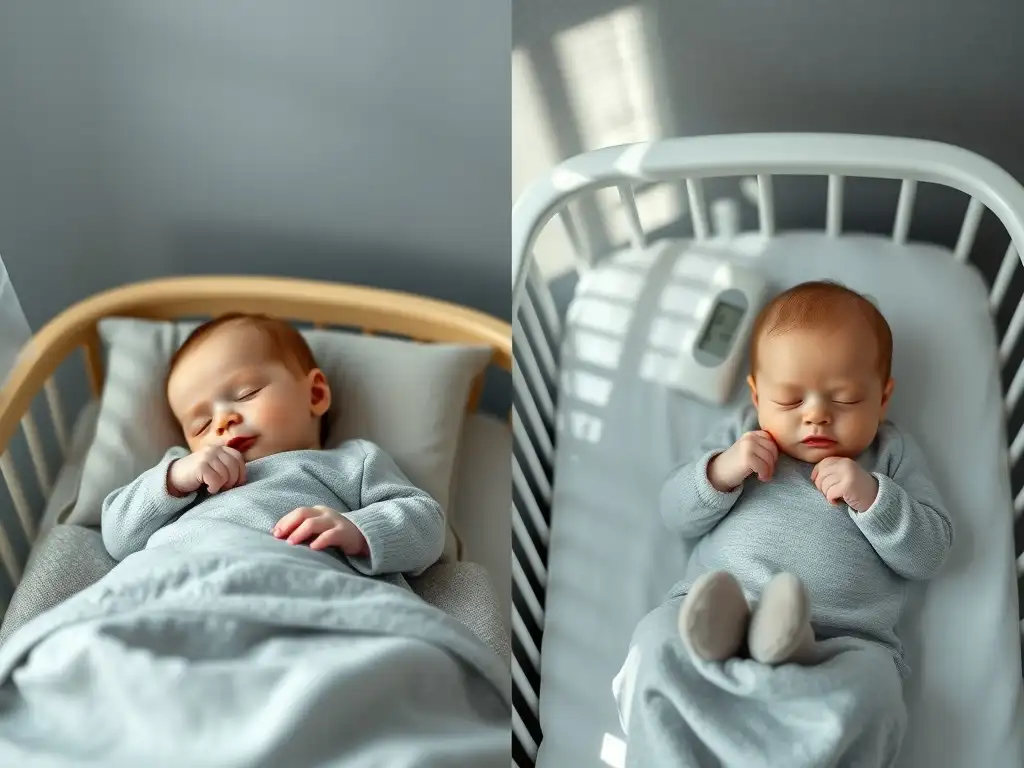
This section explores how illness, even seemingly minor ailments, can significantly disrupt the carefully established sleep schedules of twins. The delicate balance achieved through sleep training can be easily upset by a child's compromised health, leading to what parents often perceive as a sleep regression. This isn't necessarily a true regression in the developmental sense, but rather a temporary setback caused by external factors.
Understanding this distinction is crucial for managing expectations and responding effectively. The impact of sickness on sleep in twins is often amplified due to the increased likelihood of one twin's illness spreading to the other, creating a double challenge for parents. We'll examine specific types of illnesses and their effects on sleep patterns.
How Minor Illnesses Disrupt Established Sleep Schedules
Even seemingly minor illnesses like a common cold can significantly impact a twin's sleep. The nasal congestion associated with a cold can make breathing difficult, leading to frequent awakenings and restless sleep. Similarly, a mild cough can interrupt both the baby's sleep and the parents' much-needed rest. Increased fussiness and irritability are also common, making it harder to soothe the child back to sleep. These seemingly minor disruptions can snowball, particularly when affecting two infants simultaneously, quickly leading to sleep deprivation for the entire family.
Consider this example: Imagine two twins, Liam and Noah, who have been consistently sleeping through the night for several weeks. Liam develops a mild cold, waking frequently due to a stuffy nose. Within days, Noah also contracts the cold, exacerbating the sleep disruption. The parents, already exhausted, face double the night wakings and find it increasingly difficult to re-establish the twins' sleep routine. This situation highlights the domino effect of illness on twins' sleep, emphasizing the importance of proactive measures and a supportive approach.
A key takeaway here is the importance of recognizing that even minor illnesses can significantly affect sleep patterns. Parents should anticipate potential sleep disruptions and prepare accordingly, stocking up on soothing remedies and adjusting their expectations. Patience and understanding are essential during these times.
The Impact of Fever on Twin Sleep Patterns
Fever, a common symptom of various illnesses, significantly alters a baby's sleep patterns. Elevated body temperature makes it uncomfortable for babies to sleep soundly. They may become restless, cry frequently, and experience difficulty falling asleep or staying asleep. Furthermore, fevers can lead to dehydration, which further exacerbates sleep problems. The combination of discomfort and dehydration creates a perfect storm for interrupted sleep, particularly challenging for parents of twins facing the doubled impact.
Let's analyze a specific scenario: Imagine twins, Ava and Mia, develop a viral infection accompanied by a high fever. Their usual sleep schedule is completely disrupted. They wake up frequently, crying and seemingly inconsolable. Their parents struggle to soothe them, often resorting to alternating between comforting each twin. The increased parental exhaustion adds another layer of complexity to the situation, creating a cycle of sleep deprivation for the entire family. This scenario underscores the significant impact of fever on twin sleep patterns, necessitating prompt medical attention and supportive care.
Understanding the physiological impact of fever on sleep is crucial. Fever disrupts the body's natural sleep-wake cycle, making it difficult for babies to regulate their sleep. Therefore, focusing on managing the fever, ensuring adequate hydration, and providing a comfortable sleep environment becomes paramount.
Dealing with Night Wakings Due to Congestion or Discomfort
Night wakings caused by congestion or discomfort are common occurrences when twins are ill. Dealing with two babies simultaneously experiencing respiratory issues, such as a cough or stuffy nose, requires a strategic and patient approach. Parents might consider using saline nasal spray or drops to clear nasal passages, elevating the crib mattress to improve breathing, or using a cool-mist humidifier to alleviate congestion. Over-the-counter medications, if deemed appropriate by a pediatrician, can also be used to reduce symptoms and improve sleep. It’s crucial to follow the pediatrician's advice carefully and avoid over-medicating.
Here's a practical approach: creating a soothing bedtime routine, even during illness, can be incredibly beneficial. This might include a warm bath, a gentle massage, or reading a story. Maintaining consistency, even amidst chaos, can help signal to the babies that it's time to sleep. Remember that sleep training techniques may need temporary modification during illness. Prioritizing comfort and symptom management should take precedence over strict adherence to the previous sleep schedule.
Furthermore, seeking support from family or friends during these challenging times can significantly ease the burden on parents. Taking turns caring for the twins, allowing for periods of rest, is crucial for preventing parental burnout. Prioritizing self-care, even in small ways, can enhance the ability to provide effective care for the infants. Remember, this is a temporary phase, and with patience and understanding, the twins’ sleep patterns will eventually return to normal. The key is to focus on managing symptoms, providing comfort, and prioritizing parental well-being during this challenging period.

Sickness significantly impacts a baby's sleep, and this effect is often amplified when dealing with twins. The synchronized sleep patterns you may have painstakingly established can be completely disrupted by even a mild cold or ear infection. Understanding how illness affects sleep in twins is crucial for maintaining a sense of calm and effectively managing the situation. The keyword phrase "Twins sleep regression sickness" accurately reflects the common experience of parents facing this challenge. This section will explore practical strategies to navigate these difficulties and minimize the disruption to both your sleep and your twins' well-being.
Adjusting Sleep Training Strategies During Illness
When one or both twins are sick, it's essential to temporarily adjust your sleep training strategies. Rigid schedules should be replaced with a flexible, responsive approach. This doesn't mean abandoning your sleep training goals entirely; rather, it's about adapting to the circumstances. For example, if your usual routine involves a specific bedtime, you might need to adjust it based on the twins' needs. If one twin is congested and struggling to breathe comfortably, you might need to adjust their sleeping position or use a humidifier to alleviate symptoms.
Prioritizing comfort is key. This might involve more frequent feedings, cuddling, and soothing techniques. Observe your twins closely. Are they exhibiting signs of discomfort? Are they sleeping less than usual? Are they feeding less? Pay close attention to these cues and adjust your response accordingly. Remember that consistency in some aspects of the routine—such as the environment—can still offer a sense of security, even amidst the chaos of illness. For instance, maintaining a consistent bedtime routine, even if the timing is slightly off, can help.
Consider creating a "sick day" routine. This doesn't have to be drastically different from your regular routine but should acknowledge that extra comfort and care are needed. This might include a shorter bedtime routine, more frequent check-ins, and a more flexible feeding schedule. Documenting these adjustments can help you understand your twins' responses and refine your approach for future illnesses.
Prioritizing Comfort and Care Over Strict Schedules
During a period of illness, the focus should shift from adhering strictly to a sleep schedule to providing comfort and care. A fever, cough, or runny nose can cause significant discomfort, leading to disrupted sleep. Pushing for a strict schedule during these times can be counterproductive and stressful for both you and your babies. The goal is to help them get as much restorative rest as possible, even if that means deviating from the established routine.
Think of it as a temporary pause in the sleep training journey. Once your twins recover, you can gradually reintroduce the elements of your sleep training plan. Patience and understanding are paramount. The key is to provide a nurturing and supportive environment while addressing their immediate needs. Remember that this is a temporary phase, and focusing on their comfort will contribute to their faster recovery and subsequent return to a more regular sleep pattern. The emotional well-being of both you and your twins is as important as the sleep schedule itself.
When to Seek Professional Medical Advice for Sleep Disturbances
While adjusting your approach to sleep training during illness is crucial, it's important to know when to seek professional medical advice. Persistent sleep disturbances, especially those accompanied by other symptoms such as high fever, difficulty breathing, lethargy, or unusual irritability, warrant a visit to the pediatrician. Don't hesitate to contact your doctor if you're concerned about your twins' health or if their sleep patterns don't improve after a few days.
Consider these warning signs:
| Symptom | Description | Severity Level |
|---|---|---|
| High fever (over 100.4°F) | Temperature persistently above 100.4°F (38°C) | High |
| Difficulty breathing | Labored breathing, wheezing, nasal flaring | High |
| Lethargy | Excessive sleepiness, unresponsive to stimulation | High |
| Persistent irritability | Unconsolable crying, inconsolable fussiness for extended periods | Medium |
| Refusal to feed | Significant decrease in feeding, leading to dehydration concerns | Medium |
| Unusual rash or skin changes | New or unusual rashes, skin discoloration, or other skin abnormalities | High |
| Unusual sleep positions | Unusual or uncomfortable sleeping positions (e.g., consistently sleeping on their stomach) | Medium |
Early intervention can prevent complications and ensure your twins receive the appropriate care. Don't hesitate to reach out for professional medical help when needed; it's a sign of responsible parenting, not a failure. Remember, your pediatrician is a valuable resource, and their guidance can provide reassurance and support during challenging times. Prioritizing your twins’ health is always the top priority.
Supporting Twins' Sleep Recovery After Illness

Illness significantly impacts a baby's sleep, and this effect is often amplified when dealing with twins. Their shared environment means one sick twin can easily disrupt the other's sleep, leading to a double whammy of sleep regression. Understanding this interconnectedness is crucial for effective intervention. This section focuses on strategies to support your twins' sleep recovery after an illness, helping them (and you!) return to a more restful routine.
The key is patience, understanding, and a flexible approach. Remember, the goal isn't to immediately reinstate a strict sleep training schedule, but to gently guide your twins back to healthier sleep habits. We'll explore practical techniques to navigate this challenging period. The experience of "twins sleep regression sickness" is common, and you are not alone in facing this challenge.
Gradual Reintroduction of Sleep Training Techniques
Following an illness, abruptly resuming your previous sleep training methods can be counterproductive and potentially stressful for both you and your twins. Instead, prioritize a gradual reintroduction. Consider the severity and duration of the illness. A mild cold might require only minor adjustments, while a more serious illness will necessitate a slower, more patient approach.
For example, if you previously used a Ferber method, begin by extending the time between your responses to cries. Start with longer intervals than before the illness, gradually decreasing them over several days or even weeks, depending on your twins' response. Observe their cues carefully. Are they easily soothed? Do they seem excessively distressed? Adjust your approach based on their individual needs. Remember, consistency is key, but flexibility is equally important during recovery.
This phased approach minimizes stress and allows your twins to adapt at their own pace. Consider using a sleep diary to track their sleep patterns and your interventions, helping you identify patterns and adjust your strategy accordingly. This data-driven approach is far more effective than relying solely on intuition, particularly when dealing with the complexities of twins' sleep. Documenting the "twins sleep regression sickness" experience can be invaluable in future illness management.
Maintaining Consistency While Addressing Sleep Regression
Even with a gradual reintroduction of sleep training, you'll likely encounter setbacks. Sleep regression after illness is common, even in healthy babies. The challenge is magnified with twins, as one twin's disrupted sleep can trigger similar patterns in the other. Maintaining consistency in your routines, despite these regressions, is crucial for long-term success.
This means sticking to consistent bedtimes and wake-up times, maintaining a calm and predictable bedtime routine, and ensuring their sleep environment remains conducive to rest. This consistency provides a sense of security and predictability, which is particularly beneficial during periods of vulnerability and adjustment. However, be mindful of your twins’ individual needs. If one twin consistently wakes earlier than the other, consider adjusting their routine slightly to address this individual difference.
Remember, consistency doesn't mean rigidity. Be prepared to adjust your approach based on your twins' cues. If one twin is particularly restless, offer additional comfort, such as extra cuddles or a soothing song, without disrupting the established routine too significantly. The goal is to find a balance between consistency and flexibility—a delicate dance that requires patience and observation.
Proactive measures can significantly reduce the likelihood of future sleep disruptions caused by illness. A healthy immune system is your first line of defense. Ensure your twins receive adequate nutrition, sufficient rest, and appropriate immunizations. A healthy diet rich in fruits, vegetables, and whole grains boosts their immune system, making them more resilient to illness.
Furthermore, maintaining a clean and hygienic environment minimizes their exposure to germs. Regular handwashing, proper cleaning of surfaces, and limiting contact with sick individuals can significantly reduce their chances of falling ill. Consider the benefits of a humidifier to alleviate congestion and improve breathing, particularly during cold and flu season. This proactive approach to health and hygiene can significantly mitigate the impact of future illnesses on their sleep. Preventing "twins sleep regression sickness" is a long-term strategy that pays dividends in terms of better sleep for everyone. Prioritize preventative measures to minimize the disruption to your twins' sleep routines.
Long-Term Strategies for Managing Sickness and Sleep in Twins
This section focuses on developing sustainable strategies to navigate the challenges of sickness and sleep disruption in twins. The key is to build resilience into your sleep routine, minimizing the long-term impact of unavoidable illnesses. Remember, consistency is crucial, even when dealing with the added complexities of caring for two infants simultaneously. A well-established routine provides a comforting anchor during stressful periods, such as when one or both twins are unwell.
Building a Resilient Sleep Routine for Twins
Establishing a consistent sleep routine is paramount, even before illness strikes. This routine should include predictable bedtime rituals, a calming pre-sleep environment, and consistent sleep cues. For twins, this might mean simultaneous bath time, followed by individual story time, and then simultaneous rocking or cuddling before placing them in their cribs. The consistency helps regulate their circadian rhythms, making them less susceptible to sleep disturbances when they're sick.
Consider implementing a flexible "sleep window" rather than rigidly adhering to a specific bedtime. This allows for minor adjustments based on individual needs and circumstances. For example, if one twin wakes early due to illness, you might adjust their nap schedule slightly, while maintaining the routine for the healthy twin as much as possible.
This approach minimizes disruption to the overall sleep pattern. Remember to document your twins' sleep patterns using a sleep diary; this can help you identify trends and adjust the routine accordingly. This is particularly useful when dealing with the unpredictable nature of illness and "twins sleep regression sickness."
Pro Tip: Consider using a white noise machine or fan to create a consistent and soothing soundscape, helping to mask disruptive noises that might otherwise wake the twins.
Proactive Health Measures to Minimize Sleep Interruptions
Proactive measures can significantly reduce sleep disruptions caused by illness. This includes diligent handwashing, avoiding exposure to sick individuals, and ensuring both twins receive all recommended vaccinations. Breastfeeding, where applicable, provides passive immunity and can boost the twins' resilience to common illnesses. A healthy diet and sufficient hydration also play a vital role in building their immune systems.
Regular check-ups with your pediatrician are crucial for monitoring the twins' health and addressing any potential issues early. Early intervention can prevent minor illnesses from escalating into major disruptions to their sleep. Don't hesitate to contact your doctor if you have any concerns about your twins' health or sleep patterns. Early detection of illness is key to minimizing its impact on sleep.
| Proactive Measure | Benefit | Implementation |
|---|---|---|
| Handwashing | Reduces transmission of germs | Frequent handwashing throughout the day |
| Vaccination | Protects against common childhood illnesses | Adhere to the recommended vaccination schedule |
| Healthy Diet | Strengthens the immune system | Provide nutritious meals and snacks |
| Adequate Hydration | Supports overall health and immune function | Ensure twins receive enough fluids throughout the day |
| Regular Check-ups | Early detection and treatment of health issues | Schedule regular appointments with your pediatrician |
The Role of Parental Wellbeing in Twin Sleep Management
The impact of "twins sleep regression sickness" extends beyond the twins themselves. Parental wellbeing is crucial for effectively managing sleep disruptions. Sleep deprivation significantly impacts your ability to cope with the demands of caring for two infants, especially when illness adds to the stress. Prioritize self-care; this includes getting enough rest whenever possible, even if it means taking turns with your partner or seeking help from family or friends.
Remember: You are not alone. Seeking support from your partner, family, or support groups for parents of multiples is essential for maintaining your physical and emotional health. Feeling overwhelmed is common, but acknowledging these feelings and seeking help is a sign of strength, not weakness.
Support groups can offer invaluable advice and emotional support, helping you navigate the challenges of caring for twins, especially when dealing with illness and sleep disruptions. Prioritizing your own wellbeing directly impacts your ability to care for your twins effectively. Taking care of yourself isn't selfish; it's essential for being the best parent you can be.
Frequently Asked Questions
What is sleep regression in twins, and how does it differ from singleton sleep regression?
Sleep regression in twins is similar to singletons, involving periods of disrupted sleep. However, the challenges are amplified due to double the work and potential for contagious illnesses. Consistency in routines is key, but flexibility is also vital.
How does sickness impact the sleep of twins?
Sickness significantly disrupts sleep in twins. Illness symptoms like fever, coughing, and discomfort make it difficult for both babies to sleep soundly. This can lead to extended periods of disrupted sleep for both parents and babies.
Are there specific sleep training methods suitable for twins experiencing sleep regression and sickness?
While the principles remain the same (consistent routines, positive reinforcement), adapting to sickness is crucial. Prioritize comfort and soothing techniques, and be prepared for more frequent night wakings. Consider consulting a pediatrician or sleep consultant.
Differentiate by observing symptoms of illness. If accompanied by fever, cough, runny nose, or other physical symptoms, sickness is likely the primary cause. Pure sleep regression usually involves changes in sleep patterns without other health indicators.
What are some helpful tips for managing sleep issues in sick twins?
Prioritize comforting your twins during illness. Offer extra cuddles, use a humidifier, and administer medication as prescribed. Be patient, as sleep patterns will likely return to normal once they recover. Prioritize your own wellbeing as well.
The relentless cycle of sickness and sleep regression in twins is a reality many parents face, a brutal dance between exhaustion and the desperate hope for restful nights. This reality, far from being a temporary inconvenience, profoundly impacts family dynamics, parental well-being, and the overall development of the twins themselves. Understanding the intricate interplay between illness, sleep disruption, and the unique challenges of raising twins is crucial for navigating this difficult period.
The emotional toll of navigating sleep regressions alongside the added stress of illness in twins is immense. It's a constant juggling act between tending to sick little ones, managing the needs of a potentially affected sibling, and trying to maintain some semblance of normalcy for the entire family. This experience underscores the importance of self-compassion and seeking support from partners, family, or support groups. The most important thing is to be kind to yourself; you are doing the best you can.
This simple truth, often overlooked in the chaos, becomes a lifeline during these challenging times.
You, the parent facing this challenge, are not alone. Remember the resilience of your twins, their innate ability to heal and adapt. Remember your own strength, your capacity for love and perseverance. Take this opportunity to reflect on what truly matters: the bond you share, the love that sustains you, and the precious moments amidst the sleepless nights. Embrace the support available, prioritize self-care, and know that this too shall pass. The journey towards restful nights may be long and arduous, but the destination – a family thriving on connection and well-being – is worth every sleepless night.
Conquer Twin Sleep Challenges: Your Next Steps
Thank you for learning about how sickness affects your twins' sleep! We hope this article provided valuable insights and practical strategies. Now, let's put that knowledge to work.
- Prioritize a consistent, gentle bedtime routine tailored to your twins' individual needs. This is crucial for successful sleep training, even during illness. Remember to adapt as needed, focusing on comfort and reassurance.
- Share your experiences and advice with other parents facing similar challenges in the comments below. Let's build a supportive community!
- Download our free sleep training checklist (a link will be added here soon). It will help you stay organized and track your progress.
Ready to take control of your twins' sleep and create more peaceful nights for everyone? What small change will you make to your routine this week to promote healthier sleep habits for your little ones?