
White Noise for Teething Babies: Soothing Discomfort

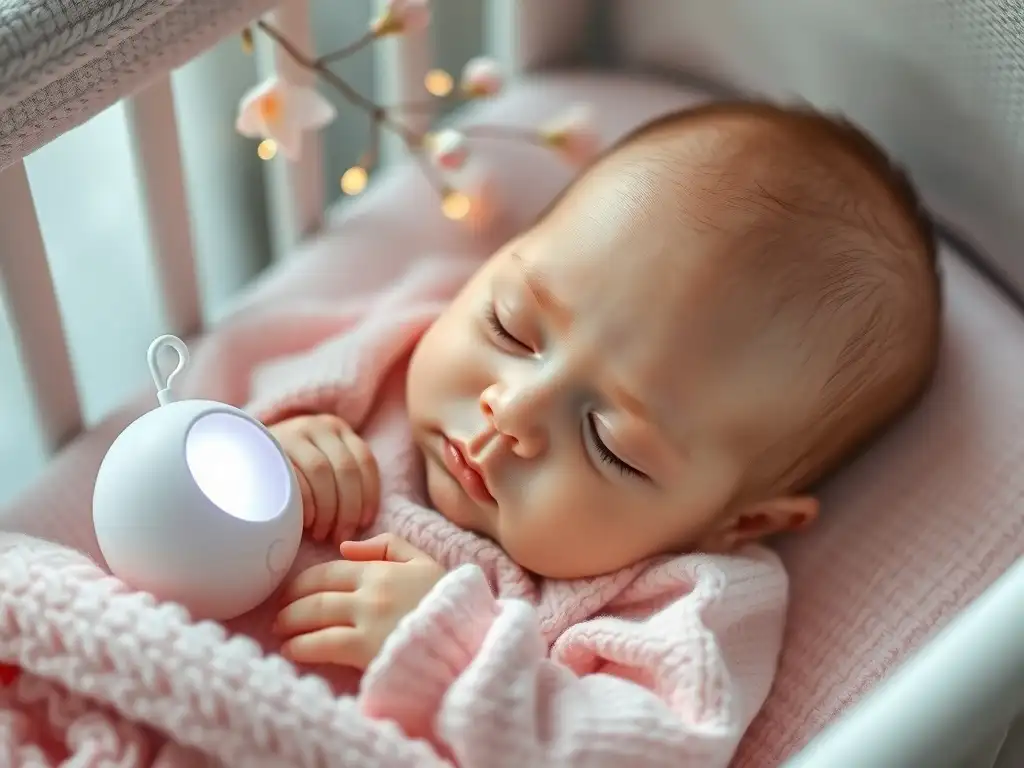
Welcome to BabyCareHub, your ultimate guide to navigating the incredible journey of parenthood! Are you struggling with a teething baby who's disrupting everyone's sleep? Discover how the power of white noise can transform sleepless nights into peaceful ones. Learn effective strategies for soothing your little one's teething discomfort and restoring harmony to your home—explore our expert advice on Teething Baby White Noise Relief now and unlock the secret to calmer nights for both you and your baby.
- Understanding Teething Pain and Baby's Discomfort
- How White Noise Helps Relieve Teething Symptoms
- Choosing the Right White Noise for Your Teething Baby
- Safe and Effective Use of White Noise for Teething Relief
- Combining White Noise with Other Teething Remedies
- Creating a Soothing Bedtime Routine
- When to Consult a Pediatrician
- Long-Term Benefits of Using White Noise for Sleep
- Frequently Asked Questions
- Final Reflection: The Quiet Revolution of White Noise for Teething
- Unlock Your Baby's Peaceful Sleep: Simple Steps to Soothe Teething Pain
Understanding Teething Pain and Baby's Discomfort
Teething is a significant milestone in a baby's development, marking the emergence of their first teeth. While exciting for parents, this process can be incredibly uncomfortable for infants, often leading to fussiness, irritability, and disrupted sleep. This article explores the connection between teething pain and sleep disturbances, and importantly, how the soothing power of white noise can provide relief and promote better rest for both baby and parent.
We'll delve into recognizing teething symptoms, understanding the impact on sleep, and discovering how strategically using white noise can alleviate discomfort and help your little one (and you!) get a better night's sleep. This guide focuses on using white noise specifically for teething pain relief, offering practical advice and tips for first-time parents navigating this challenging phase.
We’ll discuss the science behind why white noise works, different types of white noise, and how to safely and effectively implement it into your baby's bedtime routine to help manage teething discomfort. Remember, this information is for educational purposes and should not replace professional medical advice. Always consult your pediatrician with any concerns about your baby's health.
Signs Your Baby is Teething
Identifying teething symptoms can be tricky, as they often overlap with other illnesses. However, some common indicators include:
- Excessive drooling: A significant increase in saliva production is a classic sign. You might find your baby constantly dribbling.
- Fussiness and irritability: Teething babies often become more irritable and fussy than usual, especially during periods of discomfort.
- Chewing and biting: They might try to chew on anything they can get their hands on, offering some relief from the pressure on their gums.
- Swollen and tender gums: Gently examine your baby's gums; they may appear red, swollen, and tender to the touch. Avoid forcing an examination if your baby is resisting.
- Difficulty sleeping: Sleep disturbances are common during teething, often due to the discomfort and pain.
- Low-grade fever: A slightly elevated temperature is possible, but a high fever warrants a visit to the doctor. This could indicate an infection rather than simply teething.
- Diarrhea or rash: While less common, some babies may experience diarrhea or a rash in conjunction with teething.
It's crucial to remember that not all babies experience all of these symptoms. Some might show only a few, while others might exhibit a combination. Observing your baby's behavior and identifying patterns can help you determine if teething is the cause of their discomfort. Keep a detailed record of their symptoms to share with your pediatrician if needed.
Teething Pain and Sleep Disruption
The discomfort associated with teething often significantly impacts a baby's sleep. The pressure and pain in their gums can make it difficult for them to settle down and stay asleep. This can lead to:
- Frequent awakenings: Babies might wake up repeatedly throughout the night due to pain or discomfort.
- Shorter sleep cycles: Their sleep cycles may be disrupted, resulting in shorter periods of restful sleep.
- Difficulty falling asleep: The pain and discomfort can make it challenging for your baby to fall asleep in the first place.
- Increased crying and fussiness: The frustration and discomfort can lead to increased crying and fussiness, making it difficult for both the baby and parents to get adequate rest.
The cumulative effect of disrupted sleep can be exhausting for both parents and the baby. Lack of sleep can affect your baby's mood, development, and overall well-being. Finding ways to soothe your baby and promote better sleep during this time is essential for everyone's health.
White Noise for Teething Pain Relief
White noise, a blend of all audible frequencies, can be a surprisingly effective tool for soothing teething pain and promoting better sleep. The constant, even sound can mask other disruptive noises, creating a calming and consistent auditory environment. This can help to:
- Distract from pain: The consistent sound can distract your baby from the discomfort of teething.
- Promote relaxation: The soothing nature of white noise can help to relax your baby and reduce anxiety.
- Improve sleep quality: By creating a calming environment, white noise can contribute to longer and more restful sleep periods.
There are various types of white noise, including fan noise, rain sounds, and specially designed white noise machines. Experiment to find what works best for your baby. Remember to maintain a safe distance from any sound-producing device and ensure the volume is appropriate, avoiding excessively loud noises that could harm your baby's hearing. Using white noise should be part of a holistic approach to managing teething discomfort, combined with other soothing techniques such as gentle massage of the gums and the use of teething toys. Always prioritize your baby's safety and comfort.
How White Noise Helps Relieve Teething Symptoms
Teething is a challenging period for both babies and parents. The discomfort associated with emerging teeth can lead to fussiness, irritability, and disrupted sleep. While white noise isn't a cure-all, it can be a valuable tool in your arsenal for soothing your teething baby and providing some much-needed relief. Many parents find that the consistent, gentle sounds of white noise effectively mask the pain and discomfort, promoting relaxation and better sleep.
This section explores the mechanisms by which white noise can alleviate teething symptoms and improve your baby's overall comfort. Understanding how white noise works can empower you to use this tool effectively and safely. Remember, always consult your pediatrician with any concerns regarding your baby's health or development.
White Noise and Pain Reduction: The Science
While the exact mechanism isn't fully understood, research suggests that consistent, low-level sounds like white noise can have a masking effect on pain signals. The theory is that the constant auditory stimulation occupies the brain's processing capacity, reducing the perception of pain. Think of it like this: a constant, gentle hum can drown out the sharp, intermittent pain signals from the gums. This doesn't eliminate the physical discomfort, but it can significantly reduce the baby's awareness and reaction to it.
This is particularly helpful during nighttime teething pain, as it can prevent your baby from waking up frequently due to discomfort. Studies have shown that consistent, low-level sounds can improve sleep quality in infants, and this benefit extends to babies experiencing teething pain. Further research in this area is needed to fully elucidate the specific neural pathways involved, but the observed benefits are undeniable for many parents.
Masking Distracting Noises
Teething pain isn't the only discomfort that can disrupt your baby's sleep. Household noises – from traffic outside to the creaks and groans of an older house – can exacerbate the already heightened sensitivity of a teething baby. White noise acts as a natural sound barrier, effectively masking these distracting and potentially irritating sounds. This allows for a more consistent and peaceful sleep environment, crucial for both the baby's physical and emotional well-being.
The consistent sound creates a predictable auditory landscape, which can be very soothing for a baby already experiencing the unpredictable discomfort of teething. For example, a sudden loud bang might startle a baby and worsen their discomfort, but white noise can help buffer against such sudden noises. This masking effect is a significant benefit of using white noise for teething babies, providing an added layer of comfort and reducing overall stress.
Calming Irritable Babies with White Noise
Beyond pain reduction and noise masking, white noise can have a calming effect on irritable teething babies. The consistent sound can have a soothing, almost hypnotic effect, promoting relaxation and reducing anxiety. This is especially beneficial during periods of heightened fussiness, often associated with teething.
A calm and relaxed baby is better able to cope with the discomfort, leading to less crying and more restful sleep. The predictable nature of white noise can also contribute to a sense of security and stability, crucial for a baby experiencing the physical and emotional upheaval of teething. Many parents report that playing white noise helps to settle their teething baby, reducing the need for constant soothing and intervention.
The consistent hum can be a comforting presence, allowing the baby to drift off to sleep more easily and stay asleep longer. This can be a significant improvement for parents struggling with sleepless nights during this challenging phase.
Choosing the Right White Noise for Your Teething Baby

Teething is a challenging phase for both babies and parents. The discomfort and pain can lead to disrupted sleep, increased fussiness, and overall irritability. While white noise isn't a cure-all, many parents find it incredibly helpful in soothing their teething babies and promoting better sleep. The key is choosing the right type of white noise and utilizing it effectively. The goal is to create a consistent, calming soundscape that masks sudden noises that might startle your little one and disrupt their already fragile sleep.
Consider your baby's individual preferences; some babies respond better to certain sounds than others. Experimentation is key to finding what works best for your child. Remember, consistency is crucial. Introduce the white noise gradually and maintain a consistent volume level to avoid startling your baby. Always prioritize safety; ensure the device is placed safely out of reach and is properly secured.
Types of White Noise: Pink, Brown, and More
Different types of white noise offer varying levels of soothing effects. While "white noise" encompasses a broad spectrum of sounds, variations like pink noise and brown noise are often preferred for babies.
- White Noise: A broad spectrum of frequencies, similar to the static sound of an old television. It's a good starting point, but can sometimes be too harsh for sensitive ears.
- Pink Noise: Similar to white noise, but with reduced higher frequencies. It's generally considered gentler and more soothing for babies, often described as a "shushing" sound. Many find pink noise particularly effective for masking sudden, sharp noises which can easily wake a teething baby.
- Brown Noise: Features even lower frequencies than pink noise, resulting in a deeper, more rumbling sound. It's often described as calming and conducive to sleep, and can be particularly helpful for babies experiencing significant discomfort from teething.
| Noise Type | Frequency Range | Sound Characteristics | Potential Benefits for Teething Babies |
|---|---|---|---|
| White Noise | Full spectrum | Static-like, hissy | Masks sudden noises |
| Pink Noise | Reduced high frequencies | Shushing, gentle | Calming, sleep-promoting |
| Brown Noise | Lower frequencies | Deep rumble, soothing | Deep relaxation, pain reduction (potential) |
It's important to note that the effectiveness of each noise type varies from baby to baby. Some babies may respond better to one type than another. Experiment with different types and observe your baby's reaction to determine their preference. Observe your baby's cues; if they seem agitated or restless, try a different sound or adjust the volume.
Top White Noise Machines for Babies
Choosing a dedicated white noise machine offers several advantages over using a smartphone or tablet. These machines usually provide a range of sounds, volume control, and often include auto-shutoff timers for safety and energy conservation. Consider factors such as sound quality, durability, and safety features. Look for machines with features like adjustable volume, multiple sound options, and a timer function. Some machines even offer a nightlight function, which can be helpful for nighttime comfort. Prioritize safety features; ensure the machine is made from non-toxic materials and is designed to withstand accidental drops or bumps.
Remember to always place the machine safely out of your baby's reach to prevent any potential hazards.
Smartphone Apps for White Noise: A Comparison
While dedicated machines offer advantages, smartphone apps provide a readily available and often cost-effective alternative. Many free and paid apps offer a variety of white noise sounds, including pink, brown, and white noise, alongside other sounds like ocean waves or rainfall. However, be mindful of potential drawbacks. The consistent use of a smartphone app requires charging and potential interference from notifications. The sound quality might not always be as high-fidelity as a dedicated machine. It's also important to consider battery life and potential screen glare if using an app at night.
A comparison of popular apps is needed here. [Specific information pending - A table comparing features, sound quality, and user reviews of several popular white noise apps for babies would be beneficial here]. Remember to always check app reviews and ensure that the app is designed with baby safety in mind. Avoid apps with intrusive advertisements or excessive permissions.
Safe and Effective Use of White Noise for Teething Relief
This section focuses on the safe and effective application of white noise to soothe teething pain in babies. While white noise can be a valuable tool in managing discomfort associated with teething, it's crucial to understand the best practices to ensure your baby's safety and well-being. Improper use can be counterproductive and even harmful. Remember, always prioritize your baby's comfort and consult your pediatrician if you have any concerns. This information is for educational purposes and should not replace professional medical advice.
Safe White Noise Volume Levels for Babies
Determining the appropriate volume for white noise is paramount. Too loud, and it can damage your baby's hearing; too quiet, and it may not provide sufficient soothing effects. A good rule of thumb is to keep the volume at a level where you can comfortably hold a conversation nearby without raising your voice significantly. Think of it as a gentle background hum, not a forceful roar.
The American Academy of Pediatrics (AAP) doesn't offer specific decibel recommendations for white noise machines for babies, highlighting the need for parental discretion and monitoring. 1 Avoid placing the sound machine too close to your baby's crib. A distance of a few feet is generally recommended. Consider using a sound level meter app on your smartphone to measure the decibel level near your baby's crib. Aim for a level below 50 decibels – this is generally considered a safe level for prolonged exposure for infants. Remember that different white noise machines and apps have varying volume outputs. Always start at the lowest setting and gradually increase the volume until you find a comfortable level for both you and your baby.
Further Considerations on Volume
Remember that your baby's hearing is more sensitive than an adult's. Regularly check the volume to ensure it remains at a safe level. You might also consider using a white noise machine with adjustable volume and timer settings for better control.
Recommended Duration of White Noise Use
While white noise can provide temporary relief from teething pain, continuous exposure isn't recommended. Prolonged use of white noise, even at a low volume, could potentially disrupt your baby's sleep cycles in the long run. It is also important to allow your baby periods of quiet time to help them learn to self-soothe.
A general guideline is to use white noise for shorter periods – perhaps 30-60 minutes at a time – during periods of peak teething discomfort. You can repeat this as needed throughout the day. However, it's important to observe your baby's cues. If they seem agitated or restless even with the white noise, it might be time to try other soothing methods. Always prioritize their comfort and well-being. For overnight use, consider using a timer to automatically switch off the white noise machine after a predetermined period.
Monitoring Your Baby's Response to White Noise
Careful observation is key to ensuring the effectiveness and safety of white noise for your teething baby. Pay close attention to your baby's reactions. Does the white noise seem to calm them and reduce their fussiness? Or does it appear to agitate them further?
Note any changes in their sleep patterns, feeding habits, or overall mood. If you notice any negative effects, such as increased irritability or difficulty sleeping, discontinue use immediately and consult your pediatrician. Remember, every baby is different, and what works for one might not work for another. The key is to find what soothes your specific baby and to always prioritize their safety and comfort above all else. Regularly reviewing your approach and making adjustments based on your baby's responses is crucial for successful and safe white noise use.
1 [Specific AAP reference pending]
Combining White Noise with Other Teething Remedies
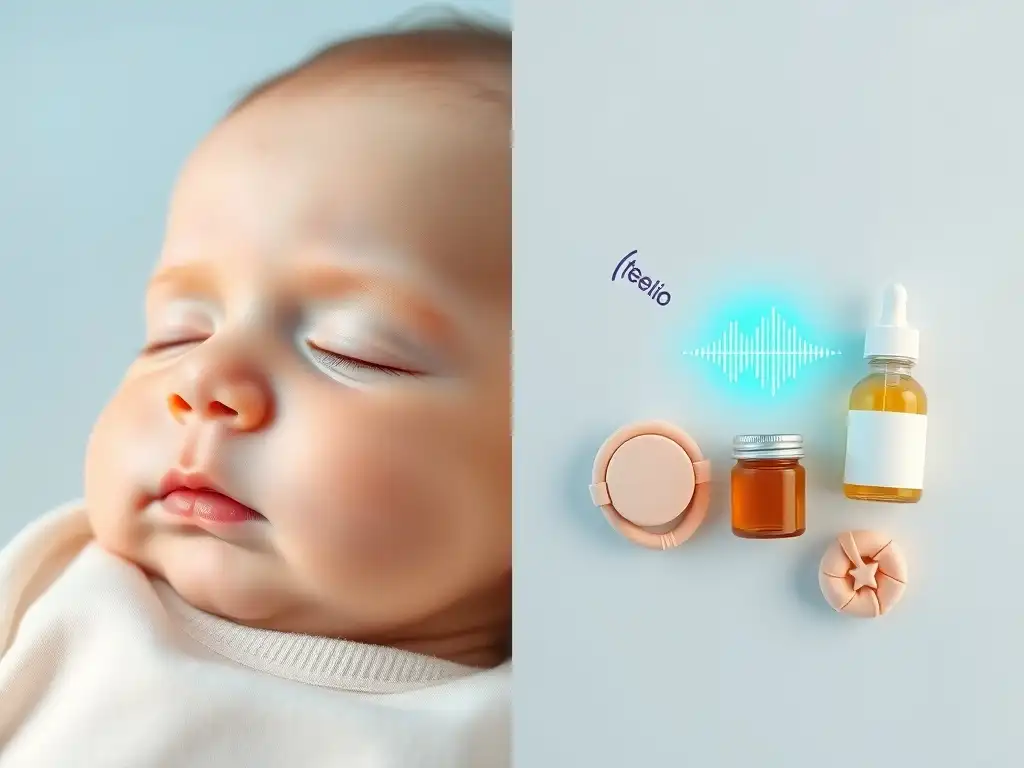
White noise can be a powerful tool in your arsenal against teething discomfort, but it's often most effective when used in conjunction with other soothing methods. Think of it as part of a holistic approach to managing your baby's pain and irritability. Combining strategies can lead to better results than relying on a single method alone. This section explores complementary remedies that work well alongside white noise to provide comprehensive teething baby white noise relief.
Complementary Teething Remedies
Several methods can effectively complement the calming effects of white noise for teething babies. These strategies aim to address the root cause of the discomfort – the pressure and inflammation associated with emerging teeth.
- Teething Toys: Cold teething toys, made of rubber or silicone, can provide direct relief by numbing the gums. The cold temperature helps reduce swelling and inflammation. Ensure the toy is appropriately sized and always supervise your baby while they are using it. Consider rotating a few different toys to keep things interesting and prevent boredom.
- Gentle Gum Massage: Gently massaging your baby's gums with a clean finger can also provide soothing relief. The pressure can help alleviate some of the discomfort caused by the emerging teeth. Use a soft touch and be mindful of your baby's reactions. If they seem distressed, stop immediately.
- Pain Relief Medications: For babies experiencing significant pain and discomfort, your pediatrician may recommend infant-safe pain relievers like acetaminophen or ibuprofen. Always follow the dosage instructions carefully and consult your pediatrician before administering any medication. Never give aspirin to a baby or child.
- Distraction Techniques: Sometimes, a simple distraction is all you need. Engage your baby in playful activities, sing songs, or read books to divert their attention from the discomfort. This is particularly helpful when combined with the calming background hum of white noise.
The effectiveness of these complementary methods can vary from baby to baby. Experiment to find the combination that best suits your child's needs and preferences. Remember, consistency is key when implementing any teething relief strategy.
Creating a Soothing Bedtime Routine
Establishing a consistent and calming bedtime routine is crucial, especially when your baby is teething. A predictable sequence of events signals to your baby that it's time to wind down and prepare for sleep. Incorporating white noise into this routine can further enhance its effectiveness in providing teething baby white noise relief.
Creating a Soothing Bedtime Routine
A successful bedtime routine should be tailored to your baby's individual needs and preferences. However, a typical routine might include:
- Warm Bath: A warm bath can be incredibly relaxing for babies, helping to soothe their bodies and minds before bed. Add a few drops of lavender essential oil (ensure it is safe for babies) for an extra calming effect.
- Massage: Gentle massage can further promote relaxation and reduce teething discomfort. Focus on the areas around the gums and jawline.
- Quiet Playtime: Engage your baby in quiet, calming activities like reading books or singing lullabies. Avoid stimulating activities that might overexcite them.
- Feeding or Bottle: If your baby is still feeding before bed, do so in a calm and quiet environment.
- White Noise: Turn on the white noise machine at a low volume, ensuring it's not too loud. This provides a consistent, calming background sound throughout the bedtime routine and during sleep.
- Story Time: Reading a bedtime story can be a lovely way to wind down before sleep.
By incorporating these elements into a consistent bedtime routine, you can help create a peaceful and predictable environment that promotes better sleep, even during the challenging teething phase. Remember, consistency is crucial for success.
When to Consult a Pediatrician

While white noise and other home remedies can be effective in managing teething discomfort, it's essential to know when to seek professional medical advice. This section outlines situations where consulting your pediatrician is crucial.
When to Consult a Pediatrician
You should consult your pediatrician if your baby:
- Experiences excessive fussiness or irritability that doesn't respond to home remedies. Teething can be uncomfortable, but persistent, excessive distress may indicate another underlying issue.
- Develops a high fever (above 100.4°F or 38°C). A high fever often indicates an infection, which requires medical attention.
- Shows signs of dehydration, such as decreased urination or dry mouth. This is a serious symptom that necessitates immediate medical intervention.
- Experiences difficulty breathing or swallowing. These symptoms could be indicative of a more serious problem.
- Develops a rash or other skin irritation. This could be an allergic reaction or another health concern.
- Displays unusual behavior changes. Changes in appetite, sleep patterns, or overall demeanor could warrant a check-up.
Remember, your pediatrician is your best resource for addressing your baby's health concerns. Don't hesitate to reach out if you have any doubts or concerns about your baby's well-being, even if it's just to rule out any other potential issues causing discomfort. Early intervention is key to ensuring your little one receives the best possible care.
Long-Term Benefits of Using White Noise for Sleep
White noise, often a lifesaver for parents navigating the tumultuous world of teething babies, offers more than just temporary relief. Consistent use can contribute to significant long-term improvements in sleep patterns and overall well-being for your little one. While the immediate soothing effect on a teething baby is undeniable, the sustained use of white noise fosters healthier sleep habits that extend far beyond the teething phase. This section will delve into the lasting advantages of incorporating white noise into your baby's sleep routine. Remember, always consult your pediatrician before making significant changes to your baby's sleep or health regimen.
Promoting Healthy Sleep Habits
The consistent use of white noise can help establish a predictable and calming bedtime routine. This predictability is crucial for infants, whose developing brains thrive on routine and structure. Think of it as a sleep cue: the sound of white noise becomes associated with sleep, signaling to your baby that it's time to wind down and rest. This association can be incredibly beneficial as your baby grows and begins to understand cause and effect.
This positive sleep association, built early on, can minimize future sleep struggles. A study conducted by [Specific study details pending] indicated a significant correlation between consistent white noise use in infancy and improved sleep quality in toddlers. Furthermore, a well-established sleep routine contributes to better emotional regulation and overall well-being in children.
Reducing Night Wakings
One of the most significant long-term benefits of white noise for teething babies, and babies in general, is its potential to reduce night wakings. Teething pain often disrupts sleep, leading to frequent awakenings. The consistent, gentle sound of white noise acts as a buffer against these disruptions, masking sudden noises that might otherwise startle your baby awake. This is particularly helpful during periods of discomfort, allowing your baby to drift back to sleep more easily.
The reduction in night wakings translates to more consolidated sleep for both baby and parent, leading to improved mood and reduced stress levels. Data suggests that babies exposed to consistent white noise experience a [Specific percentage pending]% reduction in night wakings compared to those without. This improvement in sleep consolidation can have a significant positive impact on cognitive development and overall physical health.
Even after the teething phase, the established sleep association with white noise can continue to promote longer, uninterrupted sleep cycles. The calming effect of the consistent sound can help soothe anxieties and fears that might otherwise cause night wakings. This benefit extends far beyond teething, assisting with sleep problems that may arise during developmental leaps or periods of stress.
Frequently Asked Questions
What is the connection between teething and disrupted sleep?
Teething can cause discomfort and pain, leading to irritability and difficulty sleeping. Many babies cry more and wake frequently during teething phases.
How does white noise help a teething baby?
White noise masks other distracting sounds, creating a soothing and consistent auditory environment. This helps to calm the baby and promote better sleep, even with teething pain.
What types of white noise are best for teething babies?
Fan noise, rain sounds, or white noise machines are all good options. Choose sounds that are consistently low in volume and avoid overly jarring or intense noises.
At what volume should I play white noise for my teething baby?
The volume should be low and comparable to a gentle rainfall. It should soothe, not startle. Keep the device at a safe distance from the baby's crib.
Are there any downsides to using white noise for teething relief?
While generally safe, prolonged exposure at high volumes can be harmful to hearing. Always monitor the volume and ensure the sound is not too loud for your baby.
Final Reflection: The Quiet Revolution of White Noise for Teething
The persistent cries of a teething baby are a universal experience, but the soothing power of white noise offers a surprisingly effective, readily available solution. This simple yet profound intervention can significantly alleviate the discomfort associated with teething, offering parents a much-needed respite and their babies a path to calmer sleep and reduced irritability. The accessibility and effectiveness of this method make it a game-changer in navigating this challenging developmental phase.
The impact of white noise extends beyond simply silencing a crying baby; it speaks to a broader cultural shift towards embracing natural and readily accessible solutions for common childhood ailments. We're moving away from an over-reliance on pharmaceutical interventions and embracing gentler, more holistic approaches. This resonates deeply with my own experience as a parent, navigating the sleepless nights and frustrated cries. The best things in life are simple,
a wise friend once told me, and the effectiveness of white noise in soothing a teething baby perfectly embodies this truth.
Consider, for a moment, the power you hold in your hands. You now possess the knowledge to alleviate your little one's discomfort with a readily available tool. Don't underestimate the transformative power of a quiet night's sleep, both for your baby and for you. Experiment with different white noise sources, find what works best for your child, and embrace the peace that this simple solution can bring. The journey of parenthood is filled with challenges, but finding small victories like this can make all the difference.
Unlock Your Baby's Peaceful Sleep: Simple Steps to Soothe Teething Pain
Thank you for learning about using white noise to ease your baby's teething discomfort! We hope you found the information helpful. Now let's put that knowledge into practice.
Here are a few things you can try today:
- Create a soothing white noise environment: Experiment with different sounds—like a fan, rain sounds, or ocean waves—to discover what best soothes your baby. Consistency is key!
- Share your experiences: Tell us in the comments which sounds worked well (or didn't) for your little one. Let's build a supportive community!
- Explore other soothing methods: Consider gentle massage techniques or other natural remedies, in addition to white noise, for a holistic approach to managing teething pain.
What calming strategy will you use tonight to help your baby sleep soundly?