
Glass vs. Plastic Bottles: Which is Better for Breastfed Infants?


Welcome to BabyCareHub, your ultimate guide to navigating the exciting yet challenging journey of parenthood! Are you a first-time parent grappling with the complexities of infant feeding? Then you've come to the right place. We delve into the crucial topic of "Best bottles breastfed babies" in our latest Feeding & Nutrition Insights article, exploring the debate between glass and plastic bottles. Discover which option truly provides the best support for your breastfeeding journey – and unlock the secrets to a happier, healthier baby. Read on to uncover the surprising truth!
- Understanding Your Needs: Choosing the Best Bottles for Breastfed Babies
- Glass Baby Bottles: The Pros and Cons for Breastfed Infants
- Plastic Baby Bottles: The Pros and Cons for Breastfed Infants
- Comparing Glass and Plastic Bottles: A Side-by-Side Analysis for Breastfed Babies
- Recommendations and Top Picks: Best Bottles for Breastfed Babies in 2024
- Conclusion: Making the Right Choice for Your Breastfed Baby
- Frequently Asked Questions (FAQs) about Baby Bottles for Breastfed Babies
-
Frequently Asked Questions
- What type of bottle is best for breastfed babies?
- Are glass bottles better than plastic for breastfed babies?
- Do breastfed babies prefer glass or plastic bottles?
- What are the advantages of using glass bottles for breastfed babies?
- What should I look for when choosing a bottle for my breastfed baby?
- Final Reflection: Choosing Wisely: The Best Bottle for Your Breastfed Baby
- Unlock Your Baby's Healthiest Hydration
Understanding Your Needs: Choosing the Best Bottles for Breastfed Babies
Choosing the right bottles for your breastfed baby can feel overwhelming! This comprehensive guide will help you navigate the world of baby bottles, focusing specifically on the needs of infants who are primarily breastfed. We'll explore the key features to consider, helping you make an informed decision that supports both your baby's healthy development and your peace of mind. Finding the best bottle is subjective and depends on your individual circumstances, but understanding the factors below will empower you to choose wisely. This article focuses on a key decision: glass versus plastic bottles, and will help you determine which is best suited for your breastfed little one. We'll delve into the pros and cons of each material, helping you select the best bottles for breastfed babies. Remember, the goal is to find a bottle that complements breastfeeding and makes bottle feeding a positive experience for both you and your baby.
Factors to Consider When Selecting Baby Bottles for Breastfed Infants
Selecting a baby bottle for your breastfed infant involves careful consideration of several factors. The right bottle should support your baby's healthy development and ease the transition between breast and bottle. The following sections will break down these important factors in detail.
Material: Glass vs. Plastic - Durability and Safety
The choice between glass and plastic baby bottles is a common dilemma for new parents. Both have their advantages and disadvantages:
| Feature | Glass Bottles | Plastic Bottles |
|---|---|---|
| Durability | More prone to breakage; heavier | More durable; lighter, less likely to break |
| Safety | Generally considered safer; BPA-free options are readily available | BPA-free options are readily available, but some plastics may leach chemicals over time with repeated use and high temperatures. |
| Cleaning | Easy to clean; dishwasher safe | Easy to clean; dishwasher safe (check manufacturer's instructions) |
| Cost | Typically more expensive | Typically less expensive |
| Temperature | Better at maintaining temperature | Can retain heat more readily |
| Appearance | Often considered more aesthetically pleasing | Wide variety of designs and colors available |
Choosing between glass and plastic often comes down to personal preference and lifestyle. Glass bottles are known for their inertness – they don't leach chemicals, making them a popular choice for parents prioritizing safety. However, their fragility is a drawback. Plastic bottles are more durable but require careful selection to ensure they are BPA-free and made from high-quality, food-grade materials. Consider your daily routine and choose the material that best suits your needs and your baby's safety.
Shape and Size: Finding the Right Fit for Your Baby's Needs
The shape and size of the bottle can significantly impact your baby's feeding experience. Some babies prefer certain shapes, and finding the right fit can help prevent colic or gas. Consider the following:
- Wide-neck bottles: Often easier to clean and allow for better mixing of formula or expressed breast milk.
- Narrow-neck bottles: May be easier to hold for smaller hands.
- Anti-colic bottles: Designed with features to reduce air intake and minimize gas.
- Bottle size: Choose sizes appropriate for your baby's age and feeding volume. Start with smaller sizes (4-6 ounces) and gradually increase as needed.
Flow Rate: Matching the Nipple to Your Baby's Development
The nipple flow rate is crucial. A nipple that's too slow can frustrate your baby, while one that's too fast can lead to choking or excessive air intake. Pay attention to your baby's cues:
- Slow flow: Ideal for newborns and babies who are still adjusting to bottle feeding.
- Medium flow: Suitable for most babies as they grow and develop stronger sucking abilities.
- Fast flow: Generally recommended only for older babies who are already proficient at drinking from a bottle.
- Variable flow nipples: These nipples adjust the flow rate based on the baby's sucking pressure.
Ease of Cleaning and Sterilization: Maintaining Hygiene for Breastfed Babies
Maintaining hygiene is paramount, especially when bottle-feeding a breastfed baby. Choose bottles that are easy to clean and sterilize.
- Dishwasher safe: Many bottles are dishwasher safe, making cleaning convenient. Always check the manufacturer's instructions.
- Wide-mouth design: Easier to clean and reach all areas of the bottle.
- Sterilization methods: Boiling, steam sterilization, or using a microwave sterilizer are all effective methods. Follow the manufacturer's guidelines for sterilizing your chosen bottles. Remember, thorough cleaning and sterilization are crucial for preventing bacterial growth and protecting your little one's health. 🍼
Glass Baby Bottles: The Pros and Cons for Breastfed Infants
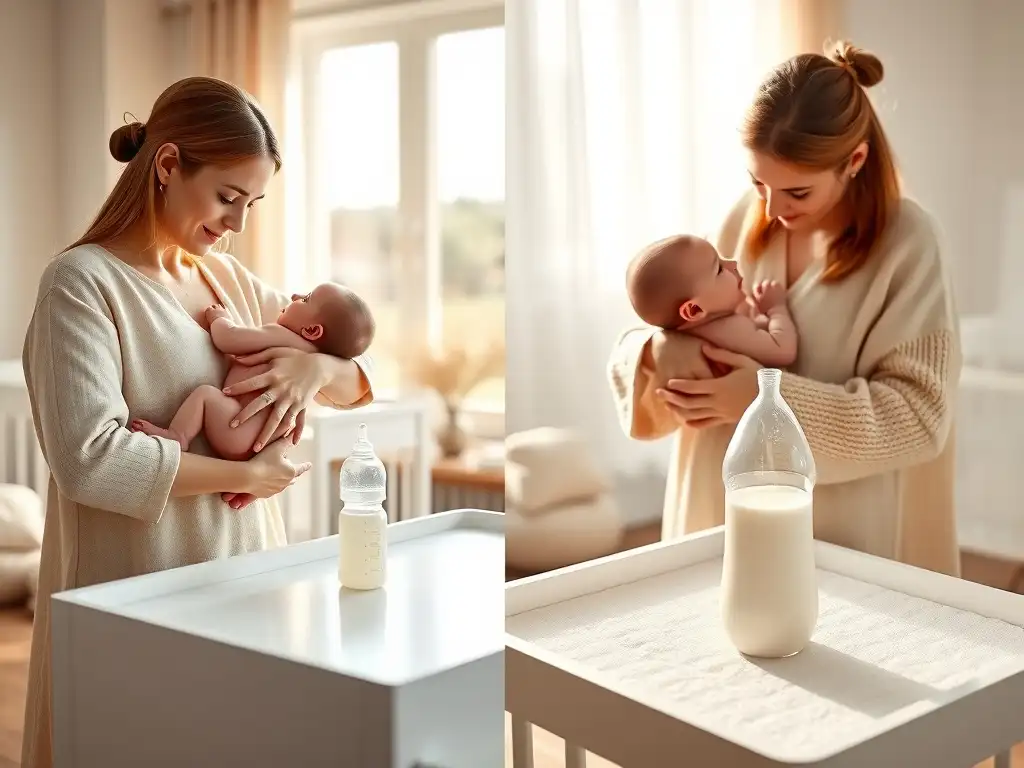
Choosing the right bottle for your breastfed baby is a crucial decision. While plastic bottles are ubiquitous, glass bottles offer a compelling alternative, especially for parents prioritizing purity and a natural feeding experience. This section delves into the advantages and disadvantages of glass baby bottles for breastfed infants, helping you make an informed choice that aligns with your baby's needs and your parenting style. Finding the best bottles for breastfed babies often involves weighing these factors carefully.
Benefits of Glass Bottles for Breastfed Infants: Purity and Safety
Glass is inherently inert, meaning it doesn't leach chemicals into the contents. This makes it a superior choice for many parents concerned about potential health risks associated with certain plastics. This is particularly important when considering the best bottles for breastfed babies, as you want to preserve the purity and nutritional value of breast milk.
Reduced Risk of BPA Exposure: Protecting Your Baby's Health
Bisphenol A (BPA) is a chemical used in the production of some plastics. Studies have linked BPA exposure to potential health concerns in infants. Glass bottles completely eliminate this risk, offering peace of mind for parents prioritizing their baby's well-being. Choosing glass ensures a BPA-free feeding experience, contributing to a healthier start for your little one. This is a key factor when selecting the best bottles for breastfed babies.
Natural Taste and Odor: Preserving the Taste of Breast Milk
Unlike some plastics, glass doesn't impart any taste or odor to its contents. This means your baby will experience the pure, natural taste of breast milk without any interference from the bottle itself. Maintaining the familiar taste of breast milk can be crucial for babies transitioning between breast and bottle feeding. This is a significant advantage when considering what constitutes the best bottles for breastfed babies.
Durability and Longevity: A Long-Term Investment
While glass bottles might seem fragile, their durability shouldn't be underestimated. With proper care, a high-quality glass bottle can last for years, making it a cost-effective choice in the long run. This contrasts with plastic bottles, which can scratch, stain, and wear out more quickly. For parents seeking long-term value, glass bottles represent a smart investment when searching for the best bottles for breastfed babies.
Drawbacks of Glass Bottles: Fragility and Potential for Breakage
Despite the numerous advantages, glass bottles do have some limitations that parents should consider. Their primary drawback is their fragility.
Weight and Handling: Considerations for Parents
Glass bottles are heavier than their plastic counterparts. This can make them slightly more cumbersome for parents to handle, especially during nighttime feedings or when on the go. The added weight might also be a factor for babies learning to hold their own bottles. This is an important consideration when determining the best bottles for breastfed babies.
Cost: Comparing the Price to Plastic Alternatives
Glass baby bottles typically cost more than plastic bottles. However, their durability and longevity can offset this initial higher cost over time. Parents need to weigh the higher upfront investment against the potential long-term savings and the health benefits for their baby when deciding on the best bottles for breastfed babies. A thorough cost-benefit analysis is crucial.
Plastic Baby Bottles: The Pros and Cons for Breastfed Infants
Choosing the right bottle for your breastfed baby can feel overwhelming. While glass bottles offer certain advantages, plastic bottles remain a popular choice for many parents. Understanding the pros and cons is crucial for making an informed decision that prioritizes your baby's health and your convenience. This section focuses specifically on plastic baby bottles and their suitability for breastfed infants, addressing common concerns and highlighting key features to consider when selecting the best bottles for breastfed babies.
Benefits of Plastic Bottles: Lightweight and Convenient
Plastic bottles are undeniably lightweight and portable. This is a significant advantage for parents on the go. Their lighter weight makes them easier for little hands to grip (as they get older), and they're less likely to shatter if dropped – a definite plus when dealing with active babies. The ease of transport makes them ideal for outings, travel, and even just moving around the house. This convenience factor can significantly reduce parental stress, especially in those busy early months.
Variety of Materials and Features: Finding the Best Fit for Your Needs
The market offers a wide array of plastic baby bottles, each with unique features. Some are designed with anti-colic vents, slow-flow nipples to mimic breastfeeding, or ergonomic shapes for better grip. Parents can choose from different nipple flow rates to suit their baby's developmental stage and feeding preferences.
Many plastic bottles also come with sterilizing bags or cases, further enhancing convenience. This diversity ensures that parents can find a bottle that perfectly complements their breastfeeding journey and their baby's individual needs. Finding the best bottles for breastfed babies often comes down to finding the best fit for your specific situation.
Affordable Options: Budget-Friendly Choices for Parents
Plastic bottles are generally more affordable than glass bottles. This is a significant consideration for many parents, especially those on a budget. The lower cost allows for purchasing multiple bottles, which is essential for frequent feedings and easy cleaning rotation. This affordability doesn't necessarily compromise quality; many reputable brands offer high-quality, safe plastic bottles at competitive prices, making them an accessible option for a wide range of families.
Drawbacks of Plastic Bottles: Potential for Chemical Leaching
Despite the convenience and affordability, a primary concern surrounding plastic baby bottles is the potential for chemical leaching. While many bottles are BPA-free, other chemicals used in the manufacturing process might still pose potential risks. Heat, repeated washing, and exposure to certain substances can potentially increase the likelihood of leaching. The long-term effects of these chemicals on infant health are still being studied, prompting many parents to opt for safer alternatives, such as glass.
BPA-Free Options: Understanding the Importance of Safe Materials
The term "BPA-free" is frequently seen on baby bottles, indicating the absence of Bisphenol A, a chemical linked to potential health concerns. However, it's crucial to understand that "BPA-free" doesn't necessarily mean completely free of all potentially harmful chemicals. Look for bottles made from high-quality, food-grade plastics that are thoroughly tested and certified safe for infant use. Always check the manufacturer's information and look for certifications from reputable organizations to ensure the safety of the materials used.
Durability and Longevity: Comparing Plastic Bottle Lifespan
While plastic bottles are less prone to breakage than glass, their lifespan is generally shorter. Scratches and wear and tear can accumulate over time, potentially affecting the bottle's hygiene and increasing the risk of bacterial growth. The material can also become discolored or develop an unpleasant odor after repeated use and washing. This shorter lifespan means that plastic bottles may need to be replaced more frequently compared to glass alternatives, negating some of the initial cost savings in the long run. Regular inspection and replacement of worn-out bottles are essential for maintaining hygiene and ensuring your baby's health.
Comparing Glass and Plastic Bottles: A Side-by-Side Analysis for Breastfed Babies
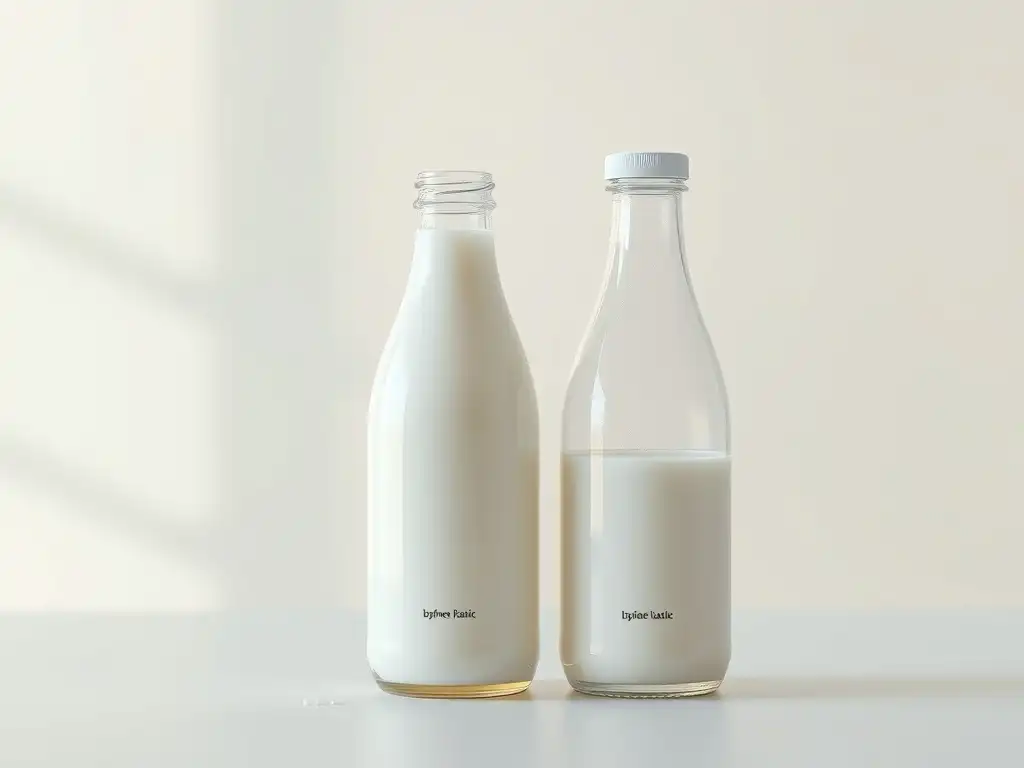
This section dives deep into the comparison between glass and plastic baby bottles, specifically focusing on what's best for breastfed infants. Choosing the right bottle can significantly impact your baby's feeding experience and your overall parenting journey. We'll analyze key factors to help you make an informed decision. Remember, the "best" bottle is subjective and depends on your individual needs and preferences.
Safety: BPA-Free Plastics vs. Non-Porous Glass
The safety of your baby is paramount. Both glass and plastic bottles offer varying levels of safety, but understanding the nuances is crucial. Let's examine the pros and cons:
Glass Bottles: Glass is inherently non-porous, meaning bacteria and milk residue don't readily cling to the surface. This makes them easier to sterilize and less likely to harbor germs. They are also free from BPA, phthalates, and other potentially harmful chemicals found in some plastics. However, glass bottles are more fragile and prone to breakage, posing a potential safety hazard if dropped. The weight can also be a consideration for parents.
Plastic Bottles: The key here is to choose BPA-free plastic bottles. Many reputable brands offer bottles made from high-quality, BPA-free plastics like polypropylene (PP). While generally safe, some parents remain concerned about the potential leaching of chemicals from plastics over time, especially with repeated heating and washing. These plastic bottles are lighter and more durable than glass, making them less prone to breakage. However, scratches can accumulate over time, providing a breeding ground for bacteria, if not meticulously cleaned.
| Feature | Glass Bottle | Plastic Bottle (BPA-Free) |
|---|---|---|
| Material | Glass | Polypropylene (PP) or other BPA-free plastics |
| Porosity | Non-porous | Porous (potential for scratches) |
| Durability | Fragile, prone to breakage | Durable, less prone to breakage |
| Cleaning | Easy to sterilize, less bacterial buildup | Requires thorough cleaning to prevent bacteria |
| Chemical Leaching | None | Minimal to none (with high-quality BPA-free) |
| Weight | Heavier | Lighter |
Choosing between glass and plastic often comes down to weighing these safety factors against your lifestyle and preferences. Remember to always follow the manufacturer’s instructions for cleaning and sterilization.
Ease of Use and Cleaning: A Practical Comparison
The convenience of a bottle is a significant factor for busy parents. Let's compare the ease of use and cleaning for both glass and plastic options:
Glass Bottles: While easier to sterilize due to their non-porous nature, glass bottles can be more challenging to clean thoroughly due to their shape and potential for residue buildup in hard-to-reach areas. Additionally, their fragility makes them more prone to breakage during the cleaning process.
Plastic Bottles: Generally easier to handle and clean due to their lighter weight and less fragile nature. However, scratches can harbor bacteria, and some plastic bottles have intricate designs that can make cleaning more difficult. The use of bottle brushes is essential for both to ensure thorough cleaning.
The ease of cleaning and use ultimately depends on the specific design of the bottle and your cleaning habits. Look for bottles with wide necks that allow for easy access with a bottle brush and consider the overall shape and design for convenient cleaning.
Cost-Effectiveness: Long-Term vs. Short-Term Investment
The initial cost of glass and plastic bottles may differ, but the long-term cost-effectiveness is a key consideration.
Glass Bottles: The initial cost of glass bottles tends to be higher than plastic. However, their durability (when handled carefully) means they can be reused for multiple children, making them a potentially more cost-effective option in the long run. Replacement costs are lower, assuming no breakage.
Plastic Bottles: Plastic bottles are generally cheaper upfront. However, they may need to be replaced more frequently due to wear and tear, scratches, and potential discoloration. This frequent replacement can make them a more expensive option in the long run.
Ultimately, the most cost-effective option depends on your usage, how well you maintain the bottles, and the number of children you expect to use them for. Consider the total cost of ownership over the lifespan of the bottles rather than just the initial purchase price. The longevity of glass bottles, if handled with care, can offset the higher initial investment.
Environmental Impact: Sustainable Choices for Eco-Conscious Parents
Choosing between glass and plastic baby bottles often involves considering the environmental impact. Glass bottles, while undeniably durable and reusable, contribute to carbon emissions during their manufacturing process due to the energy required for heating and shaping the material. Transportation also adds to their carbon footprint.
However, their reusability significantly reduces the overall environmental burden compared to single-use plastic bottles. Proper cleaning and sterilization practices are crucial to extending their lifespan and minimizing waste. Furthermore, glass is infinitely recyclable, meaning it can be melted down and reused repeatedly without a loss in quality, making it a more sustainable option in the long term.
On the other hand, plastic bottles, particularly those made from BPA-free materials like polypropylene (PP) or polyethylene (PE), present a different set of environmental concerns. While the manufacturing process for plastic generally requires less energy than glass production, the vast majority of plastic bottles end up in landfills, where they take hundreds of years to decompose. Even recycling plastic bottles is not a perfect solution, as the process can be energy-intensive and the recycled plastic often ends up being of lower quality, limiting its reusability.
The production of new plastic also contributes to pollution through the release of harmful chemicals and greenhouse gases. Therefore, while some plastics are recyclable, the overall environmental impact of disposable plastic baby bottles is significantly higher than that of reusable glass bottles. Choosing reusable glass bottles demonstrates a commitment to reducing plastic waste and promoting a more sustainable lifestyle for your baby and the planet.
The long-term benefits for the environment significantly outweigh the initial higher cost and perceived inconvenience. Parents seeking "best bottles for breastfed babies" should carefully weigh these factors when making a decision.
Recommendations and Top Picks: Best Bottles for Breastfed Babies in 2024
This section provides detailed recommendations for glass and plastic baby bottles, focusing on those best suited for breastfed infants. We've considered factors like nipple shape, material safety, ease of cleaning, and overall value to help you make an informed decision. Remember, the "best" bottle is subjective and depends on your individual needs and preferences. This guide aims to equip you with the knowledge to choose the best bottles for breastfed babies for your family.
Top Glass Bottle Recommendations
Glass bottles offer several advantages for breastfed babies. They are naturally BPA-free, don't retain odors or stains as easily as plastic, and are generally considered easier to sterilize thoroughly. However, they are heavier and more fragile than plastic counterparts.
Here are some top contenders in the glass bottle category, keeping in mind that specific features may vary by model and manufacturer:
- Brand A: Known for its slow-flow nipples designed to mimic breastfeeding, reducing air intake and minimizing colic. These bottles often feature a wide-neck design for easy cleaning and filling. They are generally considered premium but offer excellent durability for a glass bottle.
- Brand B: This brand offers a more budget-friendly option without sacrificing quality. Their glass bottles are known for their ergonomic design and comfortable grip, making them easy for parents to handle. The nipples are designed to be compatible with breastfeeding, minimizing nipple confusion.
- Brand C: This brand prioritizes sustainability. They often use recycled glass and offer eco-friendly packaging. While their design might be slightly simpler, the quality and functionality are still excellent for a breastfed baby.
Consider these factors when choosing a glass bottle:
| Feature | Importance for Breastfed Babies |
|---|---|
| Nipple Shape | Mimicking the natural latch is crucial to avoid nipple confusion. |
| Bottle Shape | Wide-neck bottles are easier to clean. |
| Durability | Glass is fragile; consider the risk of breakage. |
| Price | Glass bottles can be more expensive than plastic. |
Choosing the right glass bottle is crucial for a smooth transition between breastfeeding and bottle-feeding. Prioritizing a slow-flow nipple and easy cleaning are key aspects to consider. Remember to always check for any potential manufacturing defects before use.
Top Plastic Bottle Recommendations (BPA-Free)
While glass bottles are popular, many parents opt for BPA-free plastic due to their lightweight nature and shatter resistance. The key is to ensure the plastic is truly BPA-free and made from high-quality, food-grade materials.
Here are some leading BPA-free plastic bottle options:
- Brand D: This brand specializes in lightweight, durable plastic bottles with advanced anti-colic systems. Their nipples are designed to promote a natural flow, reducing gas and discomfort. They offer a range of sizes and styles to suit different needs.
- Brand E: Known for its innovative designs, this brand's plastic bottles often include features like temperature sensors or leak-proof lids. The focus is on user-friendliness and convenience for parents.
- Brand F: This brand focuses on affordability without compromising quality. Their BPA-free plastic bottles are durable and easy to clean, making them a popular choice for budget-conscious parents.
Remember to always check the bottle's labeling to confirm it's BPA-free and made from high-quality materials. Look for labels indicating compliance with relevant safety standards. The durability and ease of cleaning are also crucial factors to consider when selecting a plastic bottle. A good plastic bottle should withstand daily wear and tear while being easy to sterilize.
Choosing the Right Bottle Based on Your Lifestyle and Budget
Ultimately, the best bottle for your breastfed baby depends on your individual circumstances. Consider your lifestyle, budget, and personal preferences.
- Lifestyle: If you're always on the go, lightweight plastic bottles might be more practical. If you prioritize sterilization and are less concerned about weight, glass bottles might be a better choice.
- Budget: Glass bottles tend to be more expensive than plastic. Consider the long-term cost and whether the premium features justify the higher price.
- Personal Preferences: Some parents prefer the feel and look of glass, while others find plastic more convenient. Consider what you're most comfortable with.
Remember, the transition from breastfeeding to bottle-feeding should be gradual and stress-free for both you and your baby. Choose a bottle that makes the process as smooth and comfortable as possible. Don't hesitate to try different bottles to find the perfect fit for your baby's needs and your lifestyle. The key is to prioritize safety, ease of use, and a nipple design that minimizes nipple confusion. This will help ensure a happy and healthy feeding experience for your little one.
Conclusion: Making the Right Choice for Your Breastfed Baby
Choosing the right bottle for your breastfed baby can feel overwhelming, but by carefully considering the factors discussed, you can make an informed decision that supports your baby's healthy development and your breastfeeding journey. Remember, there's no single "best" bottle for every baby – the ideal choice depends on your individual circumstances and preferences.
This decision is a significant step in your baby's early life, so taking your time and prioritizing your baby's needs is crucial. Finding the perfect bottle can contribute significantly to a smoother transition to bottle-feeding and a more harmonious feeding experience for both you and your little one.
Recap of Key Factors to Consider
Before finalizing your decision, let's quickly recap the key factors discussed throughout this article. These factors are crucial to your decision-making process and will help you select the bottle that best suits your needs and your baby's:
- Material: The choice between glass and plastic bottles involves weighing the pros and cons of each. Glass offers durability, easy sterilization, and is free from BPA and other potentially harmful chemicals. However, it's heavier and more prone to breakage. Plastic bottles are lightweight, shatterproof, and more portable, but some plastics may contain BPA or other chemicals, and they may scratch or wear down over time, impacting their hygiene. Consider your lifestyle and priorities when making this crucial decision.
- Nipple Flow: The nipple flow rate is paramount for breastfed babies. A nipple that's too slow can frustrate your baby, while one that's too fast can lead to gas and discomfort. Selecting a nipple with a flow rate that mimics breastfeeding is vital. Look for nipples designed to simulate the natural latch and flow of the breast.
- Ease of Cleaning: Thorough cleaning is essential to prevent bacterial growth. Choose bottles that are easy to clean, disassemble, and sterilize. This aspect significantly contributes to your baby's health and well-being. Consider the bottle's design and the availability of replacement parts.
- Cost: While a higher price doesn't always guarantee better quality, consider the long-term cost of bottles, including replacements and accessories. Weigh this against the benefits of different materials and features.
Final Recommendations Based on Individual Needs
Ultimately, the "best" bottle for your breastfed baby depends on your individual circumstances. Here's a simplified approach:
| Scenario | Recommended Bottle Type | Reasoning |
|---|---|---|
| Prioritizes Sterility & Durability, less concerned about weight | Glass | Superior hygiene and longevity, but requires careful handling. |
| Prioritizes Portability & Convenience, comfortable with plastic alternatives | High-quality BPA-free Plastic | Lightweight and less prone to breakage, but requires diligent cleaning. |
| Budget-conscious, needs a reliable and easy-to-clean option | BPA-free Plastic (simpler design) | Focuses on affordability and ease of maintenance. |
Remember to always consult with your pediatrician or lactation consultant for personalized advice. They can help you assess your baby's individual needs and guide you toward the most suitable bottle for a successful and enjoyable feeding experience. Choosing the right bottle is a significant step in ensuring your baby's healthy growth and development, and a positive feeding experience. 🍼
Frequently Asked Questions (FAQs) about Baby Bottles for Breastfed Babies
This section addresses common queries regarding bottle selection and usage for breastfed infants, helping you navigate this crucial aspect of your baby's feeding journey. Choosing the right bottle is a significant step in supplementing breastfeeding successfully. Remember, always consult your pediatrician for personalized advice tailored to your baby's needs.
How often should I sterilize my baby bottles?
Sterilizing baby bottles is crucial for preventing infections and ensuring your baby's health. The frequency depends on your baby's age and overall health. For newborns and infants under three months, daily sterilization is generally recommended. This minimizes the risk of exposure to harmful bacteria. After three months, you can gradually reduce the frequency to every 12-24 hours, or even less frequently if your baby shows no signs of illness.
However, always sterilize bottles after use if they have come into contact with anything that could potentially introduce bacteria, such as vomit or saliva. This includes situations where the bottle has been dropped or exposed to unclean surfaces. You can sterilize bottles using various methods: boiling, steam sterilization, or using a dedicated bottle sterilizer. Always follow the manufacturer's instructions for your chosen method. Thorough cleaning before sterilization is also essential. Remember, a clean bottle is the first step towards a healthy baby! 🧼
The key is consistency. While the frequency might decrease as your baby grows, maintaining a regular sterilization routine significantly reduces the risk of illness. This is especially important for babies with compromised immune systems. Regular sterilization practices are a key component of responsible baby care, contributing significantly to a healthy and happy baby.
What are the signs of a good nipple flow rate?
Finding the right nipple flow rate for your breastfed baby is essential for a comfortable and efficient feeding experience. A good flow rate ensures your baby doesn't get frustrated or fatigued while feeding. Here are some key indicators of a suitable flow rate:
- Your baby feeds comfortably and calmly: If your baby is constantly gulping or struggling to get milk, the flow may be too slow. Conversely, if your baby is choking or sputtering, the flow is likely too fast. The ideal scenario is a smooth, steady flow that allows your baby to feed without difficulty.
- Your baby finishes the bottle without excessive fuss: A well-paced feeding usually results in a content and satisfied baby after they finish their bottle. If your baby seems restless or unsatisfied even after feeding, the flow rate might not be optimal.
- Your baby takes regular pauses during feeding: Babies naturally take breaks during feeding to breathe and swallow. If your baby feeds continuously without pausing, the flow rate might be too fast. Regular breaks are a sign of a comfortable feeding experience.
- Your baby is gaining weight appropriately: Weight gain is a key indicator of adequate nutrition. If your baby's weight gain is not progressing as expected, the flow rate could be a contributing factor. Consult your pediatrician to rule out other potential causes.
Remember, nipple flow rates are usually categorized by age and developmental stage. Always choose a nipple that matches your baby's age and feeding capabilities. Switching to a different flow rate might be necessary as your baby grows and their feeding patterns change. Close observation during feeding will help you determine if adjustments are needed.
How do I know if my baby is ready to transition to a sippy cup?
Transitioning from a bottle to a sippy cup is a significant developmental milestone. While there's no magic age, several indicators suggest your baby is ready for this change. Typically, this transition occurs between 6 and 12 months, but some babies might be ready earlier or later.
- Your baby shows interest in cups: If your baby shows curiosity towards your cups or attempts to drink from them, it could be a sign of readiness. This interest indicates their developing motor skills and desire for independence.
- Your baby can sit up unsupported: Good head and neck control is essential for drinking from a sippy cup. If your baby can sit up steadily without support, they are likely better equipped to handle a sippy cup.
- Your baby can hold a cup: The ability to grasp and hold a cup demonstrates sufficient fine motor skills for independent drinking. Observe your baby's ability to hold various objects to assess their readiness.
- Your baby understands cause and effect: Sippy cup drinking requires understanding that tilting the cup brings liquid. If your baby shows an understanding of cause and effect, they are more likely to use a sippy cup successfully.
Introducing a sippy cup shouldn't be rushed. Start slowly, offering sips from the sippy cup alongside bottle feedings. Gradually decrease bottle feedings as your baby becomes more comfortable with the sippy cup. Patience and positive reinforcement are key to a smooth transition. Remember, every baby develops at their own pace, so celebrate the milestones at your baby's own speed! 🎉
Frequently Asked Questions
What type of bottle is best for breastfed babies?
There's no single "best" bottle. Many parents find glass bottles a good option for breastfed babies due to their lack of chemical leaching, but plastic bottles are also perfectly acceptable and offer convenience and durability. Ultimately, the best choice depends on your individual preferences and baby's needs.
Are glass bottles better than plastic for breastfed babies?
Glass bottles offer the advantage of being BPA-free and less likely to harbor bacteria, while plastic bottles are often lighter and more shatter-resistant. Both are suitable; choose the material that best suits your lifestyle and baby's preferences.
Do breastfed babies prefer glass or plastic bottles?
Babies don't inherently prefer one material over another. Acceptance depends on the nipple shape and flow more than the bottle material. Introduce bottles gradually and observe your baby's feeding behavior to determine their preference.
What are the advantages of using glass bottles for breastfed babies?
Glass bottles are easy to clean and sterilize, and they don't contain BPA or other potentially harmful chemicals that might leach into the milk. They're also durable and reusable, making them a more sustainable choice.
What should I look for when choosing a bottle for my breastfed baby?
Consider the nipple flow rate (matching your baby's sucking ability), the bottle's ease of cleaning, the material (glass or plastic, considering pros and cons of each), and your personal preferences for handling and sterilization. A slow flow nipple is generally recommended for newborns.
Final Reflection: Choosing Wisely: The Best Bottle for Your Breastfed Baby
The debate surrounding glass versus plastic baby bottles remains fiercely relevant today, impacting the health and well-being of millions of infants. Choosing the right bottle isn't just about convenience; it's a crucial decision that directly affects your baby's development and your peace of mind. The potential risks associated with certain plastics, coupled with the inherent benefits of glass, demand careful consideration.
The impact of this choice extends far beyond the immediate feeding experience. Our societal shift towards prioritizing sustainability and minimizing exposure to potentially harmful chemicals underscores the importance of informed decisions about everyday products. The best thing for a child is a mother's love and a clean environment.
This simple statement highlights the interconnectedness of our choices and their long-term consequences, reminding us that even seemingly small decisions can have a profound impact on our children's future.
You, as a parent, are now equipped with the knowledge to make an informed choice. Consider the pros and cons of each material, weighing the potential risks against the benefits. Don't hesitate to prioritize your baby's health and well-being above all else. Embrace the power of informed decision-making, and choose the bottle that best supports your breastfeeding journey and your child's healthy development. This is not just about choosing a bottle; it's about choosing a future where health and sustainability go hand in hand.
Unlock Your Baby's Healthiest Hydration
Thanks for exploring the world of baby bottles! We hope you feel confident in choosing the best option for your little one. Ready to take the next steps?
- Choose the right bottle: Now that you understand the advantages and disadvantages of glass and plastic bottles, take time to compare different brands and models. Consider factors like material, nipple flow, and ease of cleaning. Making a conscious choice is crucial!
- Share your experience: Let's start a conversation! What factors influenced your decision between glass and plastic? Share your thoughts in the comments below.
- Explore other options: Consider eco-friendly alternatives like reusable silicone pouches—they might be a perfect fit for your needs!
What benefits are you looking for in a baby bottle to best support your baby's healthy development?