
The Importance of Newborn Screening: Catching Potential Issues Early


Welcome to BabyCareHub, your ultimate guide to navigating the incredible journey of parenthood! Are you a first-time parent feeling overwhelmed? We understand. That's why we've created this comprehensive resource to support you every step of the way. Discover the crucial benefits of newborn screening tests and learn how early detection can make a world of difference for your little one's health and future. Dive in and explore our wealth of expert advice on everything from feeding schedules to developmental milestones – your baby's well-being is our priority.
- Understanding Newborn Screening Tests and Their Benefits
-
Common Conditions Detected Through Newborn Screening
- Phenylketonuria (PKU) and its Impact on Infant Development
- Hypothyroidism: Early Diagnosis and Treatment for Optimal Growth
- Galactosemia: Identifying and Managing Dietary Restrictions
- Sickle Cell Anemia: Understanding the Genetic Condition and its Management
- Congenital Adrenal Hyperplasia: Recognizing and Managing this Hormonal Disorder
- Preparing for Your Baby's Newborn Screening Test
- Addressing Concerns and Seeking Additional Information
- The Long-Term Impact of Newborn Screening on Your Child's Health and Development
- Frequently Asked Questions
- Final Reflection: A Legacy of Health, Woven from Early Detection
- Unlock Your Baby's Health Potential: Take Action Today!
Understanding Newborn Screening Tests and Their Benefits
Navigating the world of newborn care can feel overwhelming for first-time parents. Amidst the joy and excitement of welcoming a new baby, understanding essential procedures like newborn screening is crucial. This article delves into the importance of newborn screening tests, exploring what they are, the various types available, and, most importantly, the significant long-term health benefits they offer. Early detection of potential health issues through newborn screening can dramatically improve a baby's quality of life and future health outcomes, providing parents with peace of mind and empowering them to make informed decisions about their child's well-being. Understanding the benefits of newborn screening tests is paramount for ensuring your baby receives the best possible start in life. This comprehensive guide will equip you with the knowledge necessary to approach this critical aspect of newborn care with confidence. Let's explore the world of newborn screening and its invaluable contributions to infant health.
What is Newborn Screening? The Importance of Early Detection
Newborn screening is a simple, painless procedure performed on all newborns shortly after birth. It involves collecting a small blood sample from the baby's heel, typically between 24 and 72 hours after delivery. This blood sample is then analyzed for a range of genetic and metabolic disorders that may not be immediately apparent. The importance of early detection cannot be overstated; many of these conditions are treatable, but early intervention is key to preventing long-term health problems or even death. Early detection allows for prompt medical management, minimizing the potential for irreversible damage.
Think of newborn screening as a proactive measure to safeguard your baby's health before any symptoms manifest. The process is vital for identifying potential issues early, when treatment is most effective. It's a critical step in ensuring a healthy future for your little one. The peace of mind it provides is invaluable to new parents.
Types of Newborn Screening Tests: A Comprehensive Overview
Newborn screening tests vary depending on the region and specific available technologies, but generally include tests for a wide array of conditions. These can be broadly categorized, although the specific tests included might change over time due to advancements in medical science. For example:
| Test Category | Specific Examples | Potential Conditions Detected |
|---|---|---|
| Metabolic Disorders | Phenylketonuria (PKU), Galactosemia, Hypothyroidism | Conditions affecting how the body processes nutrients. |
| Genetic Disorders | Cystic Fibrosis, Sickle Cell Anemia, [Specific genetic disorder pending] | Conditions caused by abnormalities in genes. |
| Hearing Impairment | Auditory Brainstem Response (ABR) | Detects hearing loss. |
| Critical Congenital Heart Defects | Pulse oximetry | Identifies certain heart defects. |
| Other conditions | [Specific condition 1 pending], [Specific condition 2 pending] | Various other conditions depending on regional screening protocols. |
The specific tests included in your baby's newborn screening panel will be determined by your healthcare provider and local guidelines. It is crucial to discuss any concerns or questions with your pediatrician to ensure you understand the scope of the screening process.
The Benefits of Early Intervention Through Newborn Screening: Long-Term Health Outcomes
The benefits of newborn screening extend far beyond immediate diagnosis. Early intervention, facilitated by timely screening results, significantly impacts a baby's long-term health outcomes. Early diagnosis allows for:
- Prompt treatment: Many of the conditions detected through newborn screening are treatable, and early intervention can prevent or mitigate severe health complications. This is especially true for conditions like PKU, where dietary changes are crucial for preventing intellectual disability.
- Improved quality of life: By catching these conditions early, parents can work with healthcare professionals to manage their child's health effectively, leading to a higher quality of life.
- Reduced long-term health problems: Early intervention can dramatically reduce the risk of long-term complications associated with many of the conditions screened for. This minimizes the need for extensive medical interventions later in life.
- Peace of mind for parents: Knowing that their baby has been screened for these conditions provides parents with significant reassurance and allows them to focus on enjoying their newborn’s development. The emotional benefits of early detection are substantial.
Early detection through newborn screening is truly a gift that keeps on giving, ensuring a healthier and happier future for your child. It is a cornerstone of preventative healthcare for newborns and a testament to the power of proactive medical intervention. 🎉
Understanding the Newborn Screening Process: What to Expect
The newborn screening process is designed to be as straightforward and minimally invasive as possible for your baby. Typically, it takes place within 24 to 48 hours after birth, while your little one is still in the hospital. A small blood sample is collected via a heel prick, a procedure that is generally quick and causes minimal discomfort.
The blood is then placed on a special filter paper card and sent to a state-approved laboratory for analysis. The entire process is usually completed within a few minutes. Hospitals have trained nurses and medical professionals who are experienced in performing this procedure, ensuring the safety and comfort of your baby.
Many parents find it helpful to hold their baby during the test to provide comfort and reassurance. Remember to ask the nurses any questions you may have about the process; they are there to help alleviate any concerns you might have. The efficiency and speed of newborn screening are crucial because early detection significantly improves the chances of successful intervention and positive outcomes.
The results from the screening are usually available within a few weeks. Most babies will receive normal results, indicating no immediate health concerns. However, if any of the screening tests show an abnormality, you will receive a phone call from your healthcare provider to discuss the results and schedule further testing and evaluation.
This follow-up is essential to ensure that any potential issues are addressed promptly. The communication process is designed to support parents through the process, providing necessary information and guidance, even if the initial results are not entirely clear. It is important to remember that a positive screening test does not necessarily mean your baby has a serious condition; it simply means that further investigation is warranted to confirm the diagnosis.
The goal is to ensure your baby receives the best possible care and support. The entire process, from the initial blood test to follow-up consultations, is designed to be as supportive as possible for both parents and their newborn. This comprehensive approach highlights the importance of newborn screening in ensuring your baby's long-term health and well-being.
Common Conditions Detected Through Newborn Screening
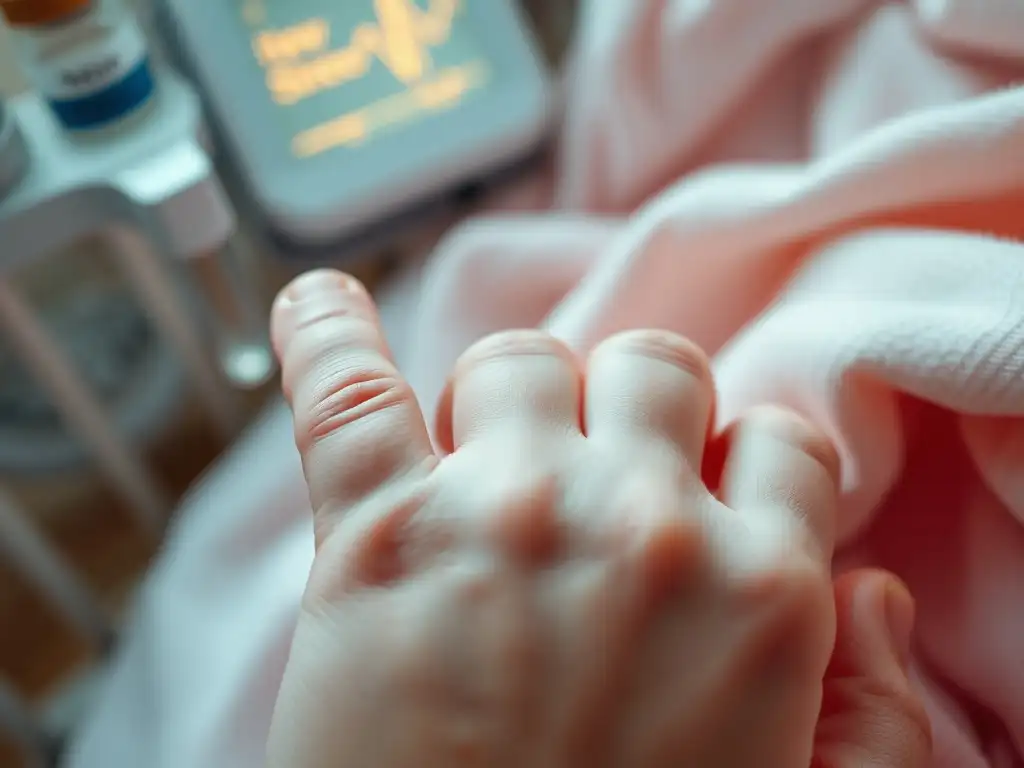
Newborn screening tests are crucial for early detection of various conditions that, if left untreated, can cause significant health problems. These tests are typically performed within 24 to 48 hours after birth and involve a simple heel prick to collect a blood sample. The benefits of newborn screening are undeniable, offering the chance to intervene early and improve long-term outcomes for babies. Understanding the specific conditions screened for and their potential impact is essential for parents.
The advantages of early detection are paramount in ensuring the best possible start for your little one. This section delves into some of the most common conditions identified through newborn screening, highlighting the importance of early diagnosis and intervention. The earlier a condition is diagnosed, the better the chances of managing it effectively and minimizing potential long-term effects. This proactive approach is a cornerstone of responsible newborn care.
Phenylketonuria (PKU) and its Impact on Infant Development
Phenylketonuria (PKU) is a rare inherited metabolic disorder that prevents the body from breaking down phenylalanine, an amino acid found in many foods. If left untreated, the buildup of phenylalanine can cause severe intellectual disability, seizures, and behavioral problems. Newborn screening for PKU is vital because early detection allows for immediate dietary management. This typically involves a special diet low in phenylalanine, carefully monitored throughout childhood.
The impact of early diagnosis on infant development cannot be overstated. With timely intervention, children with PKU can lead healthy and productive lives, achieving developmental milestones comparable to their peers. Delayed diagnosis, on the other hand, can lead to irreversible neurological damage. The benefits of newborn screening for PKU are clear: it empowers parents and medical professionals to take proactive steps towards preventing serious health complications.
Regular monitoring and adherence to the prescribed diet are crucial for long-term success. Failure to manage PKU effectively can lead to significant developmental delays and cognitive impairments. Therefore, understanding the importance of this test and following medical advice closely are vital for the child's well-being.
Hypothyroidism: Early Diagnosis and Treatment for Optimal Growth
Congenital hypothyroidism, also known as hypothyroidism, is a condition where the thyroid gland doesn't produce enough thyroid hormone. This hormone is vital for the development of the brain and body. Untreated hypothyroidism in infants can lead to significant developmental delays, intellectual disability, and growth retardation. Newborn screening for hypothyroidism is highly effective in detecting this condition early, often before symptoms appear.
Early diagnosis allows for prompt treatment with thyroid hormone replacement therapy. This treatment is typically lifelong, but with consistent administration, it effectively prevents the serious consequences of untreated hypothyroidism. The benefits of early intervention are profound, ensuring optimal brain development and normal growth patterns. Children treated early for hypothyroidism can achieve their full developmental potential, leading healthy and fulfilling lives.
Regular monitoring of thyroid hormone levels is crucial to ensure the effectiveness of the treatment and to adjust the dosage as needed. The long-term outlook for children with hypothyroidism is excellent with appropriate medical care. This underlines the crucial role of newborn screening in preventing serious developmental issues.
Galactosemia: Identifying and Managing Dietary Restrictions
Galactosemia is a group of inherited disorders that affect the body's ability to process galactose, a type of sugar found in milk and other dairy products. Untreated galactosemia can lead to liver damage, cataracts, intellectual disability, and even death. Newborn screening for galactosemia is essential for identifying this condition early, enabling prompt dietary changes to prevent severe complications.
The primary treatment for galactosemia involves eliminating galactose from the diet. This means avoiding all dairy products and foods containing galactose. Careful attention to nutrition is crucial to ensure the child receives adequate nutrients while avoiding galactose. Early diagnosis and dietary management can significantly reduce the risk of long-term health problems associated with galactosemia.
While a strict diet is required, with proper monitoring and support, children with galactosemia can thrive and lead healthy lives. The benefits of newborn screening in this context are clear: it enables parents and healthcare professionals to make informed decisions, protecting the child from potentially life-threatening consequences. The impact of early intervention is substantial, significantly improving the child's quality of life and long-term health prospects. Regular follow-up appointments with specialists are necessary to monitor progress and adjust dietary recommendations as needed.
Sickle Cell Anemia: Understanding the Genetic Condition and its Management
Sickle cell anemia is a serious inherited blood disorder affecting red blood cells. These cells, normally disc-shaped and flexible, become rigid, sticky, and sickle-shaped in individuals with sickle cell anemia. This abnormal shape hinders their ability to move smoothly through blood vessels, leading to various complications. The condition is caused by a mutation in the gene responsible for producing hemoglobin, the protein in red blood cells that carries oxygen. This mutation results in the production of abnormal hemoglobin S, which polymerizes under low-oxygen conditions, causing the characteristic sickling.
The severity of sickle cell anemia varies greatly among individuals. Some might experience mild symptoms, while others face life-threatening crises. Common symptoms include pain crises (severe pain episodes due to blocked blood vessels), anemia (due to the destruction of sickle-shaped red blood cells), infections (due to a compromised immune system), and delayed growth. Newborn screening for sickle cell anemia allows for early diagnosis, facilitating timely intervention and management.
Early detection is crucial because it allows for proactive measures to prevent or minimize complications. Management strategies often include regular blood transfusions to increase the level of healthy red blood cells, hydroxyurea medication to stimulate the production of fetal hemoglobin (a type of hemoglobin that doesn't sickle), and pain management techniques to alleviate pain crises. Genetic counseling is also important for families to understand the inheritance patterns of the disease and make informed decisions about future pregnancies.
Furthermore, regular check-ups with a hematologist specializing in sickle cell disease are essential for monitoring the condition and adjusting treatment plans as needed. Prognosis has significantly improved with advancements in medical care, but lifelong management is typically required. Early identification through newborn screening dramatically improves the quality of life for individuals with sickle cell anemia.
Congenital Adrenal Hyperplasia: Recognizing and Managing this Hormonal Disorder
Congenital adrenal hyperplasia (CAH) encompasses a group of inherited disorders affecting the adrenal glands, which are located on top of the kidneys. These glands produce various hormones, including cortisol and aldosterone, crucial for regulating metabolism, blood pressure, and the body's response to stress. In CAH, a genetic defect leads to a deficiency in one or more enzymes involved in the production of these hormones. This deficiency can result in a buildup of certain precursor molecules and a deficiency in cortisol and aldosterone.
The most common form of CAH is 21-hydroxylase deficiency. This deficiency leads to a decreased production of cortisol and aldosterone, while simultaneously causing an increase in the production of androgens, male sex hormones. The symptoms vary depending on the severity of the enzyme deficiency. In severe cases, newborns may present with life-threatening salt loss and dehydration, while milder forms may not manifest symptoms until later in childhood or adolescence. Newborn screening for CAH detects elevated levels of 17-hydroxyprogesterone, a precursor molecule that accumulates in the absence of sufficient 21-hydroxylase.
Early diagnosis through newborn screening is critical for preventing serious complications and ensuring optimal management. Treatment typically involves hormone replacement therapy, administering cortisol and, in some cases, aldosterone to replace the missing hormones. This replacement therapy helps regulate the body's functions and prevents salt loss. The aim of treatment is to normalize hormone levels, maintain electrolyte balance, and prevent long-term complications.
Early intervention is essential to prevent life-threatening salt-wasting crises and ensure normal growth and development. Regular monitoring of hormone levels and ongoing medical care are necessary throughout life. With proper management, individuals with CAH can lead healthy and fulfilling lives. The benefits of early detection through newborn screening are therefore undeniable in improving the long-term health outcomes for those affected by CAH.
Preparing for Your Baby's Newborn Screening Test

This section focuses on the crucial steps you can take to ensure a smooth and successful newborn screening test for your little one. Understanding the process beforehand can alleviate anxiety and empower you to actively participate in your baby's healthcare. The benefits of newborn screening are undeniable, offering early detection of potentially serious conditions, allowing for timely intervention and improved long-term outcomes. Let's delve into the practicalities.
Timing of the Test: When and Where Will it Happen?
The newborn screening test, a vital part of your baby's initial healthcare, is typically performed after 24 hours of life but before the baby leaves the hospital. This timing is crucial as it allows sufficient time for the baby to have ingested enough of the necessary substances for accurate results. The test itself is usually conducted in the hospital's nursery or a designated area within the maternity ward.
However, circumstances may vary. Premature babies or those with certain health conditions might require a slightly different schedule. Always consult with your pediatrician or the hospital staff to determine the precise timing for your baby's screening.
In some cases, a repeat test may be necessary, usually within a week or two, if the initial results are unclear or inconclusive. This ensures the accuracy and reliability of the screening process, maximizing the newborn screening test benefits. The hospital staff will inform you of the specifics and answer any questions you may have.
The location will be determined by the hospital's protocols. You will likely be informed of the exact location and time by a nurse or doctor during your stay. Remember to ask questions if anything is unclear, as thorough understanding is key to feeling confident about this crucial step in your baby's early healthcare. Early intervention, made possible by timely newborn screening, offers invaluable newborn screening test benefits.
What to Expect During the Screening Procedure: A Parent’s Guide
The newborn screening test itself is minimally invasive and relatively painless for your baby. It typically involves a small heel prick to collect a blood sample. A specially trained healthcare professional will perform the procedure, ensuring both accuracy and minimal discomfort to your baby. Before the prick, a small area of your baby's heel will be cleaned with an antiseptic solution. The collection of the blood sample is usually quick, taking only a few seconds. Following the procedure, gentle pressure will be applied to the site to help prevent excessive bleeding. A small bandage may be applied.
While the procedure is generally quick and straightforward, it's perfectly natural to feel anxious. Many parents find it helpful to have a support person present during the test. Don't hesitate to ask the healthcare professional any questions you may have. Remember, your comfort and understanding are essential for a positive experience. The benefits of newborn screening far outweigh any minor discomfort your baby might experience during the procedure. This test provides invaluable opportunities for early detection and intervention, ultimately enhancing your baby's health and well-being. This is one of the most significant newborn screening test benefits.
Understanding the Results of Newborn Screening Tests: Interpreting the Report
Following the newborn screening test, you'll receive a report detailing the results. The report will indicate whether any conditions were detected or if the results are within the normal range. The turnaround time for results can vary depending on the laboratory and the specific tests conducted. You will be notified by your healthcare provider if any further action is needed.
It's important to remember that a positive screening test doesn't necessarily mean your baby has a specific condition. A positive result usually means further testing is recommended to confirm or rule out a diagnosis. This is a crucial step in ensuring the accuracy of the initial findings. Your healthcare provider will explain the results in detail, answering any questions you may have. They will also guide you through any necessary follow-up procedures.
Understanding the nuances of the report and the process is key to maximizing the newborn screening test benefits. The early detection of potential issues, even if requiring further investigation, is a significant advantage. Don't hesitate to seek clarification and support from your healthcare team. They are there to help you navigate this important stage of your baby's healthcare journey.
Follow-up Care and Next Steps After Newborn Screening
Following your baby's newborn screening test, understanding the next steps is crucial. The results typically take a few days to a couple of weeks, depending on the specific tests conducted and your healthcare provider's processes. You'll receive notification from your doctor or the screening program—either by phone or mail—regarding the results. It's vital to respond promptly to any communication, even if the initial results seem normal. Some conditions may require additional testing, even if the initial screening shows no immediate concerns.
It's essential to remember that a positive screening result doesn't automatically mean your baby has a specific condition. Many conditions screened for are rare, and a positive result often necessitates further investigation to confirm a diagnosis. This might involve additional blood tests, genetic testing, or consultations with specialists. Your healthcare provider will guide you through these steps, explaining the processes and providing emotional support throughout. They will also be able to answer any questions or concerns you might have, emphasizing the importance of open communication and proactive engagement.
The follow-up process can vary greatly depending on the specific condition identified or suspected. Some conditions may require immediate intervention, while others can be managed with regular monitoring. Your healthcare provider will provide a personalized care plan outlining the necessary steps, including any required medications, specialized therapies, or dietary adjustments. This plan will be tailored to your baby's specific needs and will be regularly reviewed and updated as your baby grows and develops.
Remember, early intervention is key to maximizing your baby's developmental potential and overall well-being, and your proactive participation in the follow-up process is invaluable. Don't hesitate to ask questions and seek clarification at each step; your healthcare team is there to support you. The benefits of early detection through newborn screening are undeniable, improving the long-term outcomes for babies identified with potential health issues. 👶
Addressing Concerns and Seeking Additional Information

Newborn screening is a crucial step in ensuring your baby's health, but it's natural to have questions and concerns. Understanding the process and potential outcomes can alleviate anxiety and empower you to make informed decisions. This section addresses common worries and guides you toward accessing reliable support. The benefits of early detection far outweigh the anxieties surrounding potential false positives or unexpected results.
Remember, the goal of newborn screening is to identify potential issues early, allowing for timely intervention and improving your baby's long-term well-being. This proactive approach significantly enhances the chances of positive outcomes. The peace of mind gained from knowing your baby is receiving the best possible care is invaluable.
False Positive Results: Understanding the Possibilities
A "false positive" in newborn screening means the test indicates a potential problem when, in reality, no such issue exists. While unsettling, false positives are a possibility with any screening test. The frequency varies depending on the specific test and the technology used. For example, some tests may have a higher rate of false positives due to the sensitivity of the detection methods. It's important to remember that a positive screening result does not automatically mean your baby has a condition. Further testing, often more comprehensive and specific, is always required to confirm a diagnosis.
This follow-up testing is crucial to avoid unnecessary stress and potential misdiagnosis. The additional tests help clarify the initial results and provide a clear picture of your baby's health status. A thorough evaluation ensures that any actual health concerns are identified promptly, while false positives are correctly ruled out. This meticulous approach minimizes anxiety and ensures that appropriate medical care is provided only when necessary. The accuracy of newborn screening tests is constantly improving, leading to fewer false positives over time.
Finding Support and Resources for Families: Connecting with Professionals
Navigating the world of newborn screening can feel overwhelming, especially for first-time parents. Remember, you are not alone. Several resources are available to provide support, guidance, and reassurance throughout the process. Your pediatrician is a primary point of contact for addressing any questions or concerns that arise. They can explain the results of the screening tests, discuss any necessary follow-up procedures, and offer personalized advice based on your baby's specific situation. Beyond your pediatrician, many organizations offer support groups and educational materials specifically designed for parents facing similar situations.
These resources provide a safe space to share experiences, ask questions, and connect with other families. This peer-to-peer support can be incredibly valuable in managing stress and anxiety. Additionally, many hospitals and healthcare providers offer specialized newborn screening consultations. These consultations can help you understand the results, the implications, and the available options. Consider reaching out to patient advocacy groups; they provide invaluable resources and emotional support. Active participation in these communities can significantly improve your ability to understand and manage the process effectively. Remember, seeking help is a sign of strength, not weakness.
The Role of Genetic Counselors in Newborn Screening
Genetic counselors play a vital role in interpreting newborn screening results, particularly when dealing with complex or uncertain findings. These healthcare professionals are specially trained to explain the implications of genetic information in a clear and understandable way. They can help families understand the inheritance patterns of genetic conditions, the chances of recurrence, and the available management options. This expertise is particularly valuable when dealing with conditions identified through newborn screening that have a genetic component. The genetic counselor can provide personalized guidance based on your family history and the specific results of your baby's screening.
Furthermore, genetic counselors can help families navigate the emotional aspects of receiving potentially concerning news. They offer emotional support and practical advice, helping families make informed decisions about their baby's care. Their role is to provide unbiased information, empowering families to make choices that best align with their values and priorities.
The expertise of a genetic counselor can be invaluable in reducing anxiety and ensuring that families feel supported and informed throughout the process. Access to these professionals is a significant benefit associated with newborn screening. Their contribution ensures that families receive the comprehensive support they need to navigate the complexities of newborn screening results.
Addressing Parental Anxiety and Questions Regarding Newborn Screening Tests
Newborn screening tests can understandably cause anxiety for first-time parents. The sheer number of tests, coupled with the potential for uncovering serious conditions, can be overwhelming. It's crucial for healthcare providers to address these anxieties proactively and openly. Many parents worry about the implications of a positive screening result, fearing the worst-case scenarios.
Open communication is key; explaining the process clearly, emphasizing the high accuracy rates of many tests, and outlining the next steps if a condition is detected can significantly alleviate parental stress. It's also helpful to emphasize that many screening tests reveal completely normal results, reassuring parents that the vast majority of babies are healthy. Providing readily accessible information and support resources, such as pamphlets, websites, and phone lines dedicated to newborn screening, empowers parents to take control and understand the process better. Furthermore, offering opportunities for parents to discuss their concerns with healthcare professionals in a supportive and non-judgmental environment can significantly reduce their anxiety levels.
Remember, a calm and informed parent is better equipped to navigate the newborn period and advocate for their child's health. The emotional well-being of parents is just as important as the physical well-being of the newborn, and acknowledging this is crucial in providing comprehensive care. A supportive approach, emphasizing the proactive nature of these tests and their benefits in early intervention, can transform a potentially stressful experience into a more positive one. This proactive approach to communication directly contributes to the overall success of newborn screening programs and ensures that families feel supported throughout the process.
The Long-Term Impact of Newborn Screening on Your Child's Health and Development
Newborn screening tests offer invaluable benefits extending far beyond the immediate postnatal period. Early detection of potential health issues significantly impacts a child's long-term health and development, leading to improved outcomes and a higher quality of life. The advantages are multifaceted, influencing physical, cognitive, and social development. Let's explore the profound and lasting effects of timely intervention.
Improved Quality of Life Through Early Intervention
Early intervention is crucial for maximizing a child's potential. Consider phenylketonuria (PKU), a metabolic disorder detectable through newborn screening. Without early diagnosis and dietary management, PKU can lead to severe intellectual disability.
However, with timely intervention – a special diet low in phenylalanine – children with PKU can thrive and lead normal lives. This illustrates the transformative power of early diagnosis and intervention, dramatically improving the child's quality of life. This positive impact extends to numerous other conditions identified through newborn screening, including congenital hypothyroidism and cystic fibrosis, where early treatment significantly mitigates long-term complications.
The benefits aren't just about avoiding severe illness; they encompass a child's ability to reach developmental milestones, attend school, build relationships, and participate fully in society. The improved quality of life resulting from early intervention is immeasurable, offering families peace of mind and a brighter future for their child. Early intervention often translates to fewer hospital visits, less time spent on treatments that could have been avoided, and a healthier overall trajectory.
Minimizing Long-Term Complications: The Benefits of Early Diagnosis
Newborn screening tests provide an opportunity to minimize or prevent the development of severe long-term complications associated with various genetic and metabolic disorders. Early diagnosis allows for prompt initiation of treatment, often preventing irreversible damage. For instance, early detection of congenital hearing loss through newborn hearing screening enables the implementation of early intervention strategies like hearing aids or cochlear implants, significantly improving a child's ability to develop speech and language skills.
Similarly, early diagnosis of conditions like sickle cell anemia allows for proactive management of symptoms and crises, preventing organ damage and improving overall health outcomes. The benefits extend beyond physical health; early diagnosis can also minimize the emotional and social challenges families may face when dealing with unexpected health issues.
Knowing the condition early allows families to prepare, seek support, and connect with resources, leading to better coping mechanisms and improved family well-being. The cost-effectiveness of early diagnosis and treatment is also substantial, reducing the overall healthcare burden associated with managing severe, late-diagnosed conditions.
The Importance of Parental Awareness and Advocacy in Newborn Healthcare
Parental understanding and active participation are essential for successful newborn screening. Parents should be well-informed about the benefits of newborn screening tests and the potential implications of both positive and negative results. Active engagement with healthcare providers ensures that any concerns or questions are addressed promptly, fostering a collaborative approach to newborn care.
This includes understanding the procedures involved, the conditions screened for, and the follow-up steps required after receiving the results. Parental advocacy extends to seeking further information, if needed, and ensuring that their child receives timely and appropriate care based on the screening results. This proactive approach empowers parents to become active participants in their child's healthcare journey, contributing significantly to positive outcomes.
Furthermore, advocating for expanded newborn screening programs in their communities helps ensure that all babies have access to this life-saving technology. The collaborative relationship between parents and healthcare professionals is paramount in maximizing the benefits of newborn screening and ensuring the best possible health and development for the child. Educating oneself on newborn screening test benefits is the first step in this crucial journey.
This section provides detailed information regarding the long-term advantages of newborn screening, emphasizing the importance of early intervention and parental awareness. The benefits described contribute significantly to improved quality of life, minimizing long-term complications, and fostering a strong parent-healthcare provider partnership. This comprehensive approach ensures the best possible health and development for newborns.
Frequently Asked Questions
What is newborn screening?
Newborn screening is a simple procedure performed shortly after birth. It involves taking a small blood sample from your baby's heel to test for a range of serious but treatable conditions. Early detection can significantly improve your baby's outcome.
What are the benefits of newborn screening tests?
The main benefit is early detection of potentially serious conditions like hypothyroidism, cystic fibrosis, and phenylketonuria. Early diagnosis allows for prompt treatment, preventing long-term health problems or disabilities.
How is the newborn screening test performed?
The test is typically performed between 24 and 72 hours after birth. A small amount of blood is collected via a heel prick and sent to a laboratory for analysis. The procedure is quick and minimally invasive.
What if my baby's screening test results are abnormal?
If results are abnormal, further testing and consultation with a specialist will be necessary. This doesn't always mean a serious problem, but it's crucial to follow up for accurate diagnosis and appropriate management.
Are there any risks associated with newborn screening?
The risks associated with newborn screening are minimal. The heel prick can cause minor discomfort, but the benefits of early detection far outweigh the small risk of discomfort or minor bleeding.
Final Reflection: A Legacy of Health, Woven from Early Detection
The early detection of potential health issues through newborn screening is not merely a medical procedure; it's a powerful act of preventative care that shapes the trajectory of countless lives. This seemingly small test holds immense significance, impacting not only the immediate health of newborns but also the long-term well-being of families and communities. Its impact is undeniable, and its continued evolution is crucial for a healthier future.
The profound influence of newborn screening extends far beyond the immediate diagnosis of a condition. It empowers parents with knowledge, allowing them to make informed decisions about their child's care and future. It fosters a sense of hope and proactive management where previously there might have been fear and uncertainty. The best time to plant a tree was 20 years ago. The second best time is today.
This proverb perfectly encapsulates the urgency and long-term benefits of early intervention offered by newborn screening. The earlier we identify potential problems, the more effectively we can mitigate their impact.
Consider the implications of this life-saving technology. Think about the countless children who have thrived thanks to early intervention, the families who have avoided unnecessary suffering, and the advancements in medical understanding that have been fueled by the data collected through newborn screening programs. You, as a parent or soon-to-be parent, have the power to advocate for comprehensive screening and to ensure that your child receives the best possible start in life. Embrace the opportunity to learn more, ask questions, and champion this vital program for the benefit of future generations.
Unlock Your Baby's Health Potential: Take Action Today!
Thank you for learning about the crucial role of newborn screening. You've gained valuable insights into protecting your child's future. Now, let's put that knowledge into action!
- Schedule your baby's newborn screening appointment immediately. Early detection of potential health concerns is vital. This is the most important step you can take to safeguard your baby's well-being.
- Share this information with expectant parents—you can make a real difference in their lives and their babies' health.
- Consider joining an online parent support group. Connecting with other families provides valuable support and shared experiences during this important time.
What's one step you can take today to prioritize your baby's health?