
Baby Books for Newborns: Stimulating Early Literacy


Welcome to BabyCareHub, your ultimate guide to navigating the exciting yet challenging world of parenthood! Are you overwhelmed by the sheer volume of information out there? We understand. That's why we've created this comprehensive resource, packed with practical advice and expert insights. Discover the secrets to happy, healthy baby development, starting with our essential guide on the best baby books for newborns. Dive in and unlock the power of early literacy – your baby's journey to a bright future begins now!
- Choosing the Best Baby Books for Newborns: A Parent's Guide
- Interactive Baby Books: Enhancing Engagement and Learning
- Books for Promoting Early Literacy Skills in Newborns
- Beyond the Books: Creating a Reading-Rich Environment
- Frequently Asked Questions
- Final Reflection: Cultivating a Love of Reading from Day One
- Unlock Your Baby's Literacy Potential Today!
Choosing the Best Baby Books for Newborns: A Parent's Guide
Embarking on the journey of parenthood is a thrilling yet challenging experience. Among the many preparations, selecting the right resources for your little one's development is paramount. This guide focuses on the crucial role of baby books in stimulating early literacy, specifically for newborns in the 0-3 month age range.
We'll explore how to choose books that cater to their unique sensory capabilities, focusing on what makes a book truly engaging for this age group. Understanding your newborn's developmental stage will help you select books that not only entertain but also contribute significantly to their cognitive and language development, laying the foundation for a lifelong love of reading. This guide aims to help you navigate the world of baby books and discover the "best baby books newborns" can benefit from, ensuring you make informed choices that support your baby's growth.
We'll cover essential criteria, provide top picks, and equip you with the knowledge to make the best selection for your precious little one. 🍼
Understanding Newborn Sensory Development and Book Selection
Newborns experience the world primarily through their senses. Their vision is still developing, focusing best on high-contrast images and simple shapes. They are highly sensitive to textures, responding positively to soft, smooth materials. Sounds, while not fully understood, capture their attention, and the rhythm and intonation of your voice while reading become crucial elements in their early language acquisition. Therefore, choosing books for newborns isn't just about pretty pictures; it's about selecting materials that stimulate their developing senses in a positive and engaging way. Consider the following aspects:
- Visual Stimulation: High-contrast images (black and white, or bold primary colors) are ideal. Avoid overly busy or complex designs that can be overwhelming.
- Tactile Exploration: Soft, textured materials (e.g., cloth books, crinkly pages) encourage tactile exploration and sensory development.
- Auditory Engagement: Choose books with simple, repetitive sounds or words, and read them with expressive intonation and rhythm.
The focus should be on creating a positive and interactive experience that fosters a love of books from the very beginning. Remember, this isn't about teaching them to read; it's about nurturing their sensory development and creating a foundation for future literacy.
Criteria for Selecting Engaging Books for 0-3 Month Olds: Size, Texture, and Visual Appeal
Selecting the right baby book involves careful consideration of several key factors beyond just the illustrations. The size, texture, and visual appeal all play significant roles in capturing a newborn's attention and promoting early development.
- Size: Smaller books are easier for tiny hands to grasp and manipulate. Larger books can be more visually engaging, but make sure they are lightweight and durable.
- Texture: The texture of the book is crucial. Soft, plush books provide a comforting tactile experience. Crinkly pages offer a different sensory input, stimulating their curiosity. Consider books with different textures on each page to enhance the sensory experience.
- Visual Appeal: High-contrast images are essential for newborns. Simple shapes and bold colors are more easily processed by their developing eyesight. Avoid cluttered pages with too much visual information. Think simple patterns, bold outlines, and clear, easily identifiable shapes.
| Feature | Ideal Characteristics | Why it Matters |
|---|---|---|
| Size | Small, lightweight, easy to grip | Allows for easy handling and manipulation by the baby. |
| Texture | Soft, plush, crinkly, varied textures | Stimulates tactile exploration and sensory development. |
| Visual Appeal | High-contrast images, simple shapes, bold colors | Caters to the newborn's developing vision and cognitive abilities. |
| Durability | Tear-resistant, washable materials | Ensures longevity, considering the baby's interaction with the book. |
Choosing books that meet these criteria will ensure that your baby engages with them in a meaningful way, setting the stage for a lifelong love of reading.
Top Picks: Best Baby Books for Newborns (0-3 Months) – High-Contrast Images and Simple Designs
While specific book titles may vary based on availability and personal preference, the key is to focus on books featuring high-contrast images, simple designs, and durable, engaging textures. Look for books with:
- Bold black and white patterns
- Simple shapes (circles, squares, triangles)
- Soft, plush materials
- Crinkly pages or textured surfaces
- Repetitive sounds or words (for those with sound elements)
Remember to always supervise your baby while they are interacting with books to ensure their safety. Reading to your baby, even from birth, is a powerful way to bond, stimulate their development, and foster a love of reading that will last a lifetime. The joy of shared reading experiences is invaluable, laying the groundwork for future learning and a lifelong appreciation for books. 🎉
Interactive Baby Books: Enhancing Engagement and Learning
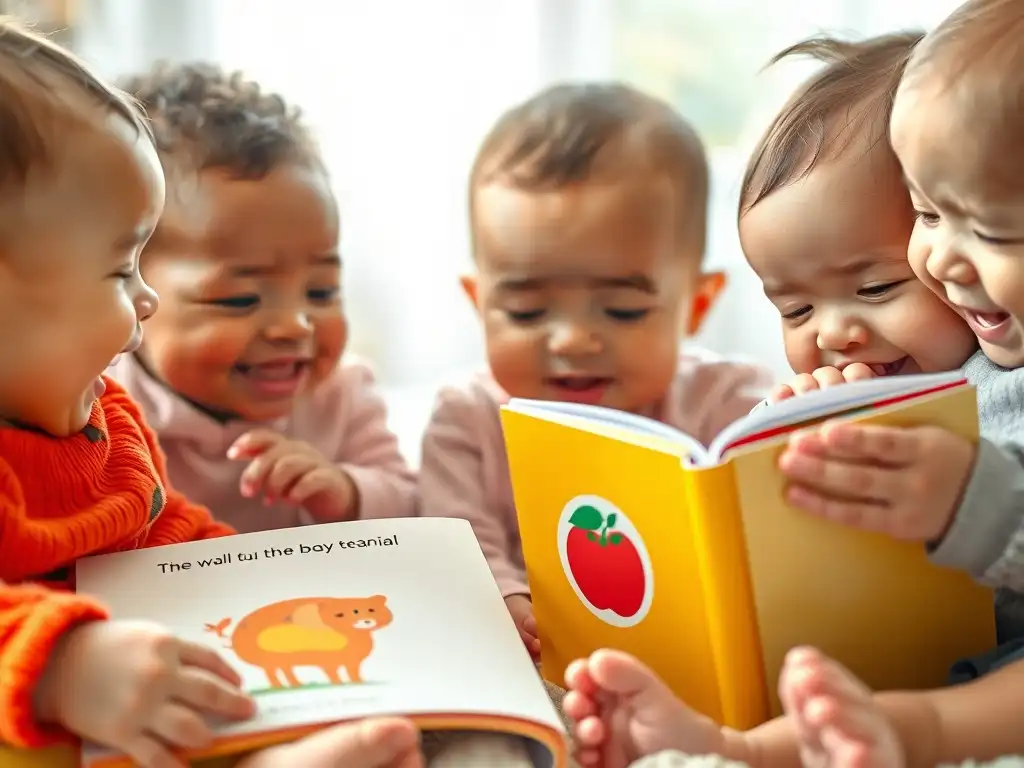
Choosing the right books for your newborn can significantly contribute to their early literacy development. While board books are a classic choice, interactive elements can elevate the experience, making reading time more engaging and enriching. Interactive baby books, designed specifically for newborns, often incorporate various features that stimulate multiple senses, fostering cognitive and language development. Finding the best baby books newborns can seem daunting, but focusing on interactive features will significantly improve engagement.
Books with Textures, Sounds, and Crinkly Pages: Sensory Stimulation for Newborns
Newborns explore the world primarily through their senses. Books featuring a variety of textures—soft plush, crinkly paper, smooth surfaces—provide tactile stimulation, helping them develop a sense of touch and object manipulation. These tactile experiences are crucial for sensory development in the early months. The addition of sounds, such as crinkling pages or built-in rattles, further engages their auditory senses. This multi-sensory approach creates a richer learning experience, helping to strengthen neural connections in the brain.
Consider books with different textures like felt, corduroy, or even embedded silicone teethers. These variations not only add interest but also cater to different developmental stages. For example, a book with a soft, plush texture might be more soothing during calming moments, while a crinkly book could provide stimulating engagement during playtime. The key is variety! Remember, even the simplest of textures can be incredibly stimulating for a newborn.
Choosing Books with Simple Rhymes and Repetitive Phrases: Building Language Skills
Language acquisition starts from day one. Books with simple rhymes and repetitive phrases are ideal for newborns. The predictable rhythm and repetition help babies become familiar with language patterns, aiding in vocabulary development and speech recognition. These repetitive elements create a sense of comfort and predictability, making the reading experience enjoyable and engaging. Look for books with clear, concise sentences and simple vocabulary.
For instance, a book with phrases like "See the cat? Meow, meow!" is far more effective than a complex sentence structure. The repetitive nature helps them anticipate the next word or sound, and the consistent rhythm helps with language processing. Moreover, the simple rhymes help build memory skills and aid in early literacy development.
This approach is crucial for laying a strong foundation for future language acquisition. Consider books with bright, bold illustrations that complement the simple text. This helps to maintain engagement and make the reading experience more stimulating. A good book will use bright colors and simple, clear illustrations. This aids in visual development as well.
Interactive Books for Tummy Time: Combining Play and Learning
Tummy time is essential for a newborn's development, strengthening their neck and back muscles. Interactive books can be seamlessly integrated into tummy time, making it more enjoyable and engaging. Books designed for this purpose often feature vibrant colors, bold images, and sturdy construction to withstand enthusiastic exploration.
Choose books with large, easy-to-grasp pages that are durable enough to survive being tugged, chewed, and drooled on. This combination of physical activity and visual stimulation promotes motor skill development and cognitive growth. The bright colors and simple images also capture a newborn's attention, making tummy time less of a chore and more of a fun, interactive experience.
Think of books with flaps to lift, textures to explore, or even small, safe objects attached for additional stimulation. Interactive books for tummy time aren't just about reading; they're about fostering a love of books and learning while simultaneously improving physical development. The benefits are twofold, creating a win-win situation for both parent and child.
Books for Promoting Early Literacy Skills in Newborns
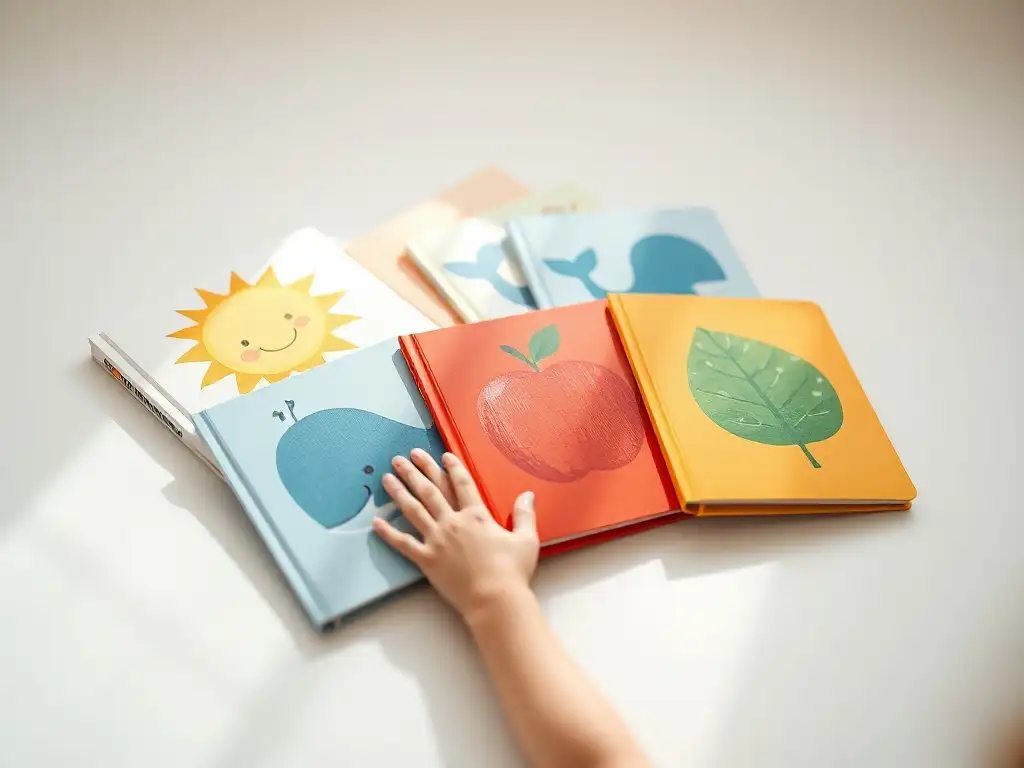
This section explores how carefully selected baby books can significantly contribute to a newborn's early literacy development, laying a strong foundation for future reading success. We'll delve into specific ways books can stimulate vocabulary growth, enhance language acquisition, and boost cognitive development. Choosing the best baby books newborns can feel overwhelming, but focusing on these key developmental areas will help you make informed decisions.
Building Vocabulary Through Picture Books: Introducing Basic Concepts
Even before your newborn understands the meaning of words, introducing picture books helps build a foundational understanding of language. Simple, high-contrast images are ideal for this age group. Look for books featuring common objects like animals (dog, cat, bird), everyday items (ball, cup, car), and basic actions (sleep, eat, play). The repetition of these words during reading helps solidify their association with the visuals, gradually expanding your baby's receptive vocabulary.
For example, a book featuring only images of a red ball, a blue ball, and a yellow ball, with the words "ball" repeated throughout, is an excellent choice. The consistent visual reinforcement paired with auditory input strengthens neural connections associated with word recognition. Studies show that early exposure to a diverse range of words, even passively through picture books, correlates with stronger language skills later in life.
Aim for books with clear, simple labels and avoid overly complex illustrations that might overwhelm your little one. Remember, consistency is key! Reading even a few pages several times a day can make a significant difference.
Developing Language Skills Through Reading Aloud: The Importance of Vocalization
Reading aloud to your newborn, even if they don't appear to be paying attention, is crucial for language development. The rhythmic cadence of your voice, the varied intonation, and the expressive sounds you make all contribute to stimulating language acquisition. Your baby is absorbing the sounds of your voice, the patterns of speech, and the emotional tone of the story. This process is essential for developing their phonemic awareness – the ability to hear and distinguish individual sounds in words – a critical precursor to reading.
Consider using different voices for different characters in the story to add an element of fun and engagement. Point to the pictures as you name them, emphasizing the connection between the visual and the spoken word. Don't be afraid to exaggerate your facial expressions and use gestures to make the reading experience more interactive and stimulating.
The more engaging your delivery, the more likely your baby is to focus and respond positively to the sounds and rhythms of language. This interactive approach fosters a love of reading from the very beginning – a gift that will last a lifetime. Even simple nursery rhymes can be incredibly effective in this regard.
Enhancing Cognitive Development with Engaging Visuals: Stimulating the Brain
High-contrast images, bold colors, and simple shapes are highly effective in stimulating a newborn's developing brain. These visual elements capture their attention, encouraging focus and observation. As your baby engages with the pictures, their brains are actively processing information, building neural pathways associated with visual perception, pattern recognition, and object permanence (understanding that objects continue to exist even when out of sight).
Books with textures, crinkly pages, or different materials can add another layer of sensory stimulation. This multi-sensory approach enhances engagement and promotes cognitive development beyond simple visual processing. For example, a book with a soft fabric cover, combined with vibrant images of familiar animals, provides a rich sensory experience, fostering a deeper connection with the book and its contents.
The added tactile element further stimulates the brain and encourages exploration, contributing to a more holistic and effective learning experience. This early sensory enrichment lays the groundwork for future cognitive skills and overall brain development. Remember to always supervise your baby during playtime with books to ensure their safety.
Beyond the Books: Creating a Reading-Rich Environment
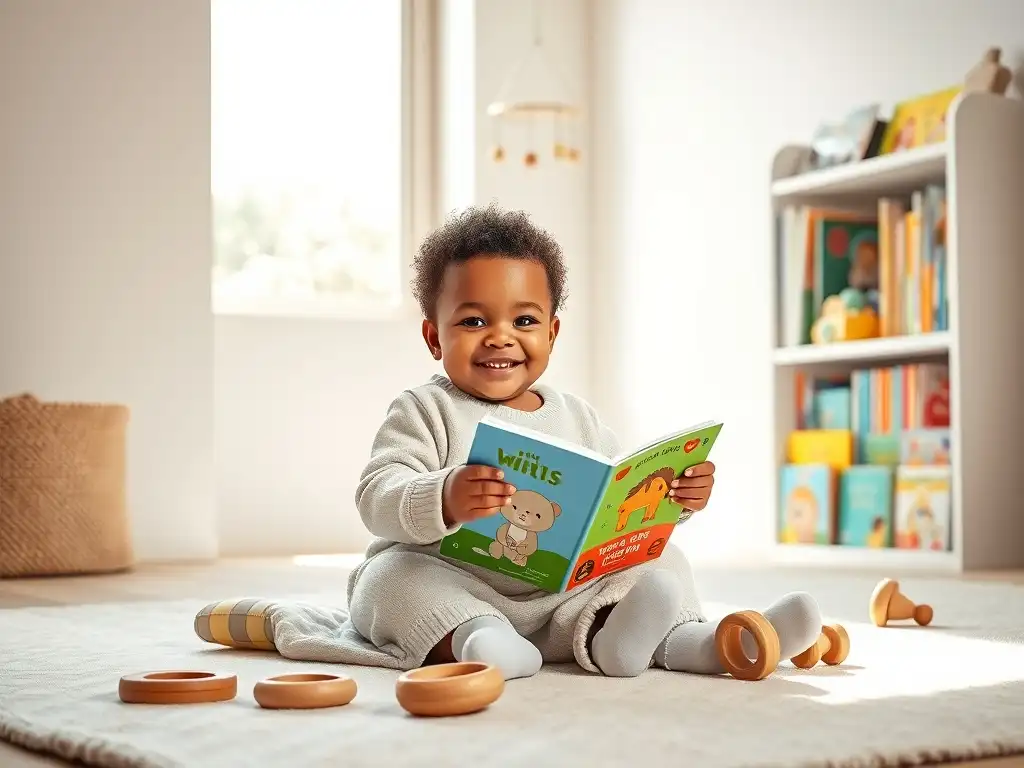
This section focuses on enriching your baby's early literacy journey beyond simply selecting the best baby books newborns can enjoy. Remember, the books themselves are only one piece of the puzzle. Creating a supportive and engaging environment significantly impacts your baby's response to reading and their overall language development. This involves more than just choosing the right books; it’s about establishing consistent routines and building positive associations with reading. We'll explore practical strategies to foster a love for books from the earliest stages.
A consistent daily reading routine is crucial for building a strong foundation in early literacy. Think of it as a vital nutrient for your baby's developing brain. Even short, 5-10 minute sessions, several times a day, can make a huge difference. Consistency is key! Don't worry about perfection; even a few minutes of focused attention can be highly beneficial.
Here's a sample schedule to consider, but remember to adapt it to your baby's and your own needs:
- Morning: A quick board book session while having breakfast.
- Afternoon: Reading time after a nap or playtime.
- Evening: A calming story before bedtime.
Integrating reading into your existing daily routine helps make it feel natural and less like a chore. The key is to make it a positive, enjoyable experience for both you and your baby. Use different voices, sounds, and facial expressions to keep your baby engaged. Don't be afraid to be silly! The more fun you have, the more your baby will enjoy it. This positive association with reading is invaluable. Consider keeping a reading log to track your sessions and notice your baby's responses, this can help you tailor your approach.
Creating a Cozy and Stimulating Reading Space: A Comfortable Environment for Bonding
The environment in which you read plays a significant role in your baby's enjoyment and engagement. A dedicated reading nook, even a small corner, can make a world of difference. It should be a comfortable, safe, and stimulating space.
Consider these elements when creating your reading space:
- Comfort: Soft blankets, pillows, and comfortable seating for both you and your baby.
- Stimulation: Colorful mobiles, soft toys, or textured blankets can add visual and tactile stimulation. Avoid overwhelming the space with too many distractions.
- Safety: Ensure the space is safe and free from hazards.
- Lighting: Soft, warm lighting is ideal.
The goal is to create a calming and inviting atmosphere that fosters a sense of closeness and bonding between you and your baby. This space should be associated with positive feelings and shared experiences, making reading time a special and cherished moment. Remember, the quality of the interaction is as important as the book itself. This space should be dedicated specifically to reading, further reinforcing the positive association.
The Benefits of Early Literacy: Long-Term Impact on Language Development
Investing in early literacy has profound and long-lasting benefits for your baby's development. The advantages extend far beyond simply learning to read. Early exposure to books and language strengthens cognitive skills, improves vocabulary, and fosters a love of learning that will last a lifetime.
Here's a breakdown of the key benefits:
| Benefit | Description |
|---|---|
| Improved Language Skills | Enhances vocabulary, grammar, and pronunciation. |
| Cognitive Development | Boosts memory, attention span, and problem-solving skills. |
| Emotional Development | Fosters bonding, reduces stress, and promotes emotional regulation. |
| Social Development | Encourages interaction, communication, and imaginative play. |
| Academic Success | Creates a strong foundation for future academic achievement. |
Studies consistently show a strong correlation between early literacy exposure and later academic success. Children who are read to regularly tend to perform better in school, exhibiting stronger reading comprehension and overall academic abilities. This early investment in your baby's development pays dividends throughout their educational journey and beyond. Remember, even seemingly small actions, like daily reading sessions in a cozy environment, can have a significant and long-lasting positive impact on your child's future. The best baby books newborns are those that are enjoyed during these shared moments. 👶📚
Frequently Asked Questions
What are the benefits of reading to newborns?
Reading to newborns, even at a young age, helps stimulate brain development, fosters a strong parent-child bond, and introduces them to the joy of language and literacy. It lays a foundation for future success in reading and overall cognitive development.
What kind of baby books are best for newborns?
Board books are ideal for newborns due to their durability and simple, engaging images. Look for books with high-contrast colors, simple shapes, and textured pages to capture their attention. Avoid books with small parts that could pose a choking hazard.
How often should I read to my newborn?
There's no magic number, but aiming for several short sessions throughout the day is beneficial. Even a few minutes of reading can make a difference. Consistency is key, making it a regular part of your daily routine.
At what age should I start reading to my baby?
You can start reading to your baby from birth. Newborns may not understand the words, but they respond to the rhythm of your voice, the closeness, and the visual stimulation of the book.
Where can I find the best baby books for newborns?
BabyCareHub provides a comprehensive list of recommended baby books, categorized by age and features, to help you find the perfect fit for your newborn. Check our website for reviews and recommendations on the best baby books for newborns.
Final Reflection: Cultivating a Love of Reading from Day One
The power of early literacy is undeniable, and the right baby book can be the key to unlocking a child's lifelong love of reading. From the vibrant colors that capture their attention to the simple rhymes that soothe and engage, these seemingly simple tools lay the foundation for future academic success and a rich inner life. Choosing wisely isn't just about finding the "best" book; it's about fostering a connection between parent and child, a bond built on shared moments of storytelling and discovery.
The impact of these early interactions extends far beyond the immediate. It shapes a child's cognitive development, expands their vocabulary, and cultivates a crucial appreciation for language. The more that you read, the more things you will know, the more that you learn, the more places you'll go.
– Dr. Seuss. This simple truth, often repeated to children, underscores the profound and lasting influence of early literacy experiences. It's a legacy we build, brick by precious brick, with each shared story and gentle touch.
So, as you embark on this incredible journey of parenthood, remember the profound gift you're giving your child by introducing them to the magic of books. Don't just choose a book; choose an experience. Make reading a ritual, a cherished moment of connection, a celebration of language and love. Embrace the power of these early interactions, and watch as your child blossoms into a confident, capable reader.
Unlock Your Baby's Literacy Potential Today!
Thank you for exploring the world of early literacy with us! We hope you've discovered valuable insights into selecting the perfect baby books to foster your child's development. Now, let's put that knowledge into practice.
- Start building your baby's library today! Browse your local bookstore or online retailer for titles that resonated with you, focusing on those with vibrant illustrations and engaging textures.
- Share your favorite baby books with other parents in our BabyCareHub community—your recommendations could inspire another family's reading journey!
- Consider creating a special reading nook for your little one—a cozy corner dedicated to shared moments of connection and literacy.
What special reading experience will you create for your baby today?