
Car Seat Safety: The Importance of Reading the Car Seat Manual


Welcome to BabyCareHub, your ultimate guide to navigating the exciting yet often overwhelming world of newborn and baby care. We understand that becoming a parent is a journey filled with countless questions, and we're here to provide the answers. Are you ready to ensure your little one's safety from day one? Then delve into our essential guide on Car Seat Manual Instructions, a crucial step in Navigating Baby Essentials and ensuring your child's safe travels. Discover the critical information often overlooked – let's unlock the secrets to secure car seat installation together.
- Understanding Your Car Seat Manual: A Parent's Guide to Safe Installation
- Why Reading Your Car Seat Manual is Crucial for Child Safety
-
Beyond Installation: Key Information Found in Your Car Seat Manual
- Understanding Weight and Height Limits: When to Transition to a Different Car Seat
- Car Seat Maintenance and Cleaning: Keeping Your Car Seat in Optimal Condition
- Recognizing Signs of Wear and Tear: When to Replace Your Car Seat
- Extended Car Seat Usage: Finding Information on Extended Rear-Facing or Forward-Facing Options
- Resources and Additional Support for Car Seat Safety
- Frequently Asked Questions (FAQs) about Car Seat Manuals
-
Frequently Asked Questions
- What is the most important reason to read my car seat manual?
- My car seat seems straightforward; do I really need to read the manual?
- Where can I find the car seat manual if I've lost it?
- What should I look for specifically in the car seat manual?
- I've installed the car seat, but I'm still unsure. What should I do?
- Final Reflection: The Unsung Hero of Safe Travels: Your Car Seat Manual
- Unlock Your Child's Safest Ride: Take Action Now!
Understanding Your Car Seat Manual: A Parent's Guide to Safe Installation
Becoming a parent is a joyous journey filled with countless moments of wonder and discovery. However, it also comes with significant responsibilities, particularly when it comes to ensuring your baby's safety. One of the most crucial aspects of newborn care is securing your little one in a properly installed car seat.
While choosing the right car seat is paramount, understanding and diligently following the instructions provided in your car seat manual is equally, if not more, important. This guide will equip you with the knowledge and understanding necessary to correctly install your baby's car seat, minimizing risks and maximizing safety on every journey. Mastering the contents of your car seat manual is not just about following instructions; it's about safeguarding your child's life.
This article will delve into the critical aspects of car seat safety, focusing on the invaluable information contained within the car seat manual – your ultimate guide to safe travel for your precious cargo. Remember, your car seat manual isn't just a booklet; it's a comprehensive safety manual that deserves careful attention and thorough understanding.
Deciphering Car Seat Installation Instructions: Step-by-Step Guide
The car seat manual is your bible for safe installation. It contains detailed, step-by-step instructions specific to your car seat model. Don't skim; read every word! Many manuals include diagrams, illustrations, and even videos (though we can't include those here). Pay close attention to the sequence of steps. Incorrect installation can significantly compromise your child's safety.
The instructions will often cover two main installation methods: using the Lower Anchors and Tethers for Children (LATCH) system or using your vehicle's seat belt. Both methods require precision and attention to detail. Following the steps precisely, as shown in your manual, is non-negotiable. Take your time; rushing the process can lead to errors. If you're unsure about any step, seek assistance from a certified child passenger safety technician. They can provide hands-on guidance and ensure your car seat is installed correctly. Remember, a correctly installed car seat is the best protection for your baby.
Understanding LATCH vs. Seat Belt Installation: A Detailed Comparison
The LATCH system and seat belt installation offer alternative methods for securing your car seat. Your car seat manual will outline the specific procedures for both.
| Feature | LATCH Installation | Seat Belt Installation |
|---|---|---|
| Ease of Use | Generally considered easier, especially for first-timers | Can be more challenging, requiring precise belt routing |
| Weight Limits | Subject to car seat and vehicle limitations | Subject to car seat and vehicle limitations |
| Vehicle Compatibility | Check your vehicle's manual for LATCH system compatibility | Most vehicles are compatible, but check your manual |
| Recommended by Experts | Often preferred for its ease and simplicity | Suitable and effective when used correctly |
Choosing the right method depends on your vehicle and car seat. Your manual will specify the weight and height limits for each method. Always prioritize the method recommended by the manufacturer for your specific car seat and vehicle.
Proper Harness Adjustment: Ensuring a Snug and Secure Fit for Your Child
A snug harness is critical for optimal protection. Your car seat manual provides detailed instructions on adjusting the harness straps to ensure a proper fit. The harness should lie flat against your child's body, with no twisting or slack. The straps should be at or slightly below your child's shoulders. A properly adjusted harness significantly reduces the risk of injury in a collision. Regularly check the harness fit as your child grows. Remember, a too-loose harness offers minimal protection.
Common Mistakes to Avoid During Car Seat Installation: Preventing Accidents
Many parents unknowingly make installation mistakes that compromise safety. Your car seat manual will highlight these common errors and guide you on how to avoid them. Some common mistakes include:
- Incorrect harness routing
- Loose or improperly tightened straps
- Incorrect LATCH or seat belt use
- Failing to properly recline the car seat (if applicable)
- Ignoring weight and height limits
By carefully studying and following your manual, you can avoid these critical errors and ensure your child's safety.
Checking for Recalls: Using the Car Seat's Serial Number to Verify Safety
Car seat recalls happen. Your car seat manual will usually explain where to find the serial number. Regularly check the manufacturer's website or the National Highway Traffic Safety Administration (NHTSA) website to see if your car seat has been recalled. Promptly addressing a recall is essential for maintaining your child's safety. A recalled car seat may have a design flaw that could compromise its effectiveness in a crash. Never hesitate to replace a recalled car seat.
Why Reading Your Car Seat Manual is Crucial for Child Safety
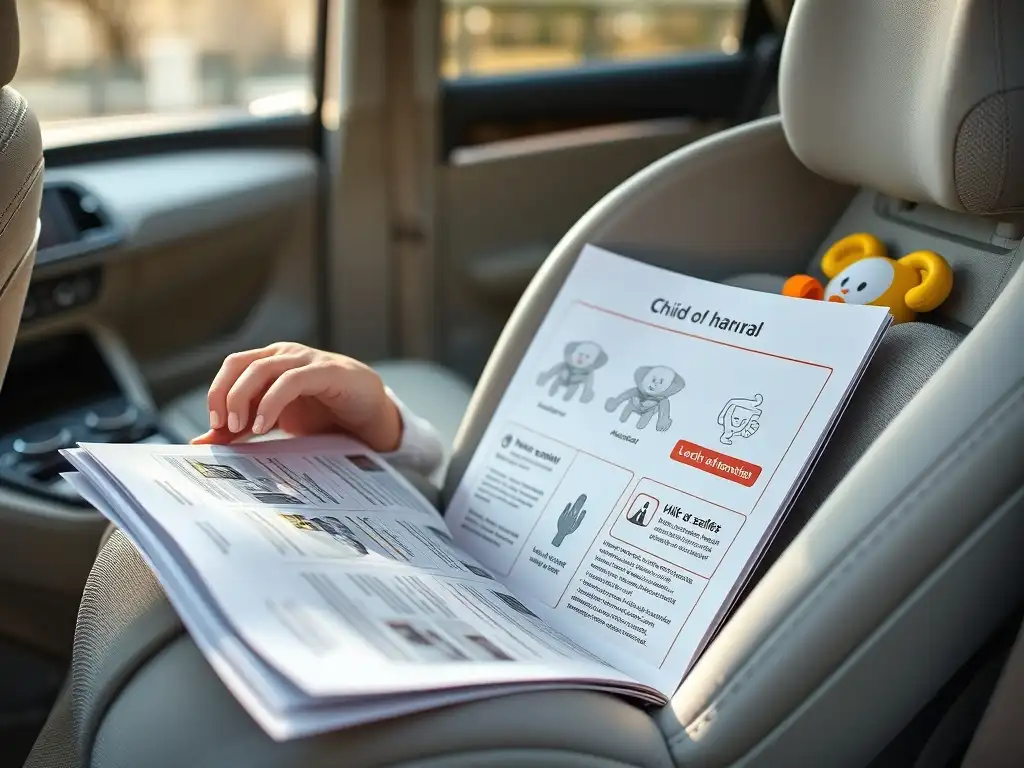
Understanding your car seat manual is paramount to ensuring your baby's safety. It's more than just a booklet; it's your comprehensive guide to correctly installing and using the specific car seat model you've chosen. Many parents assume that all car seats are installed the same way, but this is a dangerous misconception. Each model has unique features, installation methods, and adjustments that are critical to its proper functioning and effectiveness in protecting your child.
Neglecting to consult the manual can lead to improper installation, increasing the risk of injury or death in a collision. Think of it as the owner's manual for your child's most important piece of safety equipment. Following the instructions precisely is the only way to guarantee the car seat performs as designed. This is especially crucial given the wide variety of car seat models and their varying installation systems.
The Importance of Following Manufacturer Recommendations for Car Seat Use
Manufacturer recommendations aren't just suggestions; they're the result of rigorous testing and engineering designed to maximize your child's safety. These recommendations cover everything from the proper harness adjustment and positioning to the correct installation methods for different vehicle types. For example, the manual will specify the correct tightening sequence for the car seat's straps, ensuring optimal stability and preventing slippage. Ignoring these detailed instructions can lead to loose straps, improper weight distribution, and increased risk of injury during a sudden stop or collision.
The manual also details the appropriate height and weight limits for your child within the specific car seat. Exceeding these limits can compromise the car seat’s structural integrity and its ability to protect your child effectively. Remember, your car seat is only as safe as its installation and usage. Always adhere to the manufacturer's guidelines.
Preventing Accidents Through Proper Car Seat Installation
Proper installation is the bedrock of car seat safety. Your car seat manual provides step-by-step instructions, often with diagrams and illustrations, to guide you through the process. This includes details on securing the car seat with the vehicle's seat belt or LATCH system (Lower Anchors and Tethers for Children).
For example, the manual might specify the precise placement of the LATCH anchors or the correct tension for the seat belt, ensuring the car seat remains firmly in place during a crash. Incorrect installation, even a seemingly minor error, can significantly reduce the car seat's effectiveness. A loosely installed car seat can move during a collision, increasing the risk of severe injury to your child.
The manual will also address specific situations, such as installing the car seat in different types of vehicles or adjusting for various seat configurations. Take your time, carefully follow each step, and double-check your work before putting your child in the car seat. Think of it as a crucial puzzle where every piece matters.
Misinterpreting Instructions: How It Can Compromise Your Child's Safety
Misinterpreting even a single instruction in the car seat manual can have serious consequences. For instance, incorrectly tightening the harness can lead to it being too loose, offering insufficient restraint during an accident. Conversely, over-tightening can cause discomfort and possibly even injury to your child. Similarly, misunderstanding the instructions on installing the car seat base can result in an unstable installation, increasing the risk of the car seat moving during a collision.
The manual’s diagrams and instructions are designed to prevent these mistakes. Take the time to thoroughly understand each step before proceeding. If you are unsure about any part of the installation process, it's best to seek assistance from a certified child passenger safety technician. They can help you ensure the car seat is correctly installed and used according to the manufacturer's specifications.
Remember, a small mistake can have a significant impact on your child's safety. Don't hesitate to ask for help if you need it. Your child’s safety is worth the effort.
Addressing Specific Car Seat Issues: Consulting the Manual for Solutions
Encountering problems with your car seat is frustrating, especially when your little one's safety is at stake. However, before panicking or resorting to guesswork, remember that your car seat manual is a valuable troubleshooting resource. It contains detailed instructions and diagrams to address various common issues, saving you time and ensuring correct installation and usage.
For instance, let's say your car seat's harness straps are twisting or becoming tangled. Instead of forcing them, consult the manual. It will likely provide step-by-step guidance on untangling the straps correctly, avoiding potential damage to the car seat and ensuring the harness functions optimally. Incorrectly untangling the straps could compromise the car seat's ability to restrain your child properly in a collision.
Another common issue is difficulty adjusting the car seat's recline angle. The manual will detail the precise mechanism for adjusting the recline, highlighting any specific limitations or precautions. Improper adjustment could affect the stability and safety of the car seat, especially for newborns who require a more reclined position. Following the manual's instructions will ensure the correct recline angle for your child's age and size, maximizing safety and comfort.
Furthermore, the manual often addresses problems related to the car seat's base, such as difficulty securing it to the vehicle's seat. The manual will detail how to properly use the LATCH system (Lower Anchors and Tethers for Children) or the vehicle's seat belt, ensuring a secure and stable installation. A poorly installed base significantly compromises the car seat's ability to protect your child in a crash. The manual will clarify the specific procedures for your model and vehicle, preventing installation errors.
Finally, if you encounter any unusual noises or malfunctions with the car seat, the manual may provide guidance on whether these are normal or indicate a potential problem requiring professional attention. Ignoring potential issues could lead to decreased safety performance. The manual provides a clear understanding of what is considered normal wear and tear versus a potential safety hazard. Always err on the side of caution and contact the manufacturer if unsure. Remember, your child's safety is paramount. The car seat manual isn't just a piece of paper; it's your comprehensive guide to ensuring your child's safe travels.
Beyond Installation: Key Information Found in Your Car Seat Manual
The car seat installation process is crucial, but your car seat manual offers a wealth of information extending far beyond the basics of securing the seat in your vehicle. Understanding and adhering to these instructions is paramount for ensuring your child's safety and maximizing the lifespan of your car seat. This section will delve into essential details frequently overlooked by new parents, focusing on information critical for maintaining optimal safety and longevity of your car seat. Mastering the details within your car seat manual instructions is an investment in your child's well-being.
Understanding Weight and Height Limits: When to Transition to a Different Car Seat
Properly understanding and adhering to weight and height restrictions is critical for your child's safety. These limits aren't arbitrary; they are based on rigorous safety testing and reflect the point where the car seat's design no longer provides optimal protection. Your car seat manual instructions will clearly specify these limits, often presented in a table format. For example, a rear-facing car seat might specify a maximum weight limit of 35 lbs and a maximum height of 40 inches. Exceeding these limits significantly increases the risk of injury in a collision.
Ignoring these limits can have serious consequences. A child exceeding the weight or height limits might not be properly restrained, increasing the risk of ejection or significant injury during a crash. The car seat's harness system, designed for specific weight ranges, might not effectively constrain a larger child, leading to potential submarining (where the child slides under the harness) or improper restraint.
It's crucial to regularly check your child's weight and height against the manufacturer's specifications found in your car seat manual. Plan ahead for the transition to a forward-facing car seat or a booster seat, ensuring a smooth and safe transition well before your child reaches the maximum limits. Remember, safety is paramount, and timely transitions are a key component of responsible car seat usage. Don't hesitate to consult a certified child passenger safety technician if you have any questions or uncertainties.
Car Seat Maintenance and Cleaning: Keeping Your Car Seat in Optimal Condition
Maintaining your car seat's cleanliness and structural integrity is vital for its long-term performance and your child's safety. Your car seat manual instructions should outline recommended cleaning procedures and specify which cleaning agents are safe to use. Using harsh chemicals or abrasive cleaning methods could damage the car seat's materials, compromising its structural integrity and safety features.
Regular cleaning is more than just aesthetics; it's about removing dirt, grime, and spilled substances that could affect the car seat's functionality. Crumbs, sticky residues, and other debris can interfere with the harness system's proper operation. Moreover, regular cleaning helps prevent the growth of bacteria and mold, improving hygiene for your child.
The manual often provides specific instructions on how to clean different parts of the car seat, such as the fabric covers, harness straps, and buckles. It might recommend spot cleaning for minor spills or suggest machine washing for larger areas. Always follow the manufacturer's instructions precisely to avoid damaging the car seat. Proper car seat maintenance, as detailed in your car seat manual, is a crucial element of ensuring your child's safety. Think of it as preventative maintenance for your child's most important piece of safety equipment.
Recognizing Signs of Wear and Tear: When to Replace Your Car Seat
Even with careful maintenance, car seats eventually show signs of wear and tear. Your car seat manual instructions might not explicitly detail every possible sign, but it will likely mention the importance of regular inspections. Recognizing these signs and replacing the car seat when necessary is crucial for maintaining your child's safety.
Signs of significant wear and tear include:
| Sign of Wear and Tear | Explanation | Action |
|---|---|---|
| Cracked or broken plastic parts | Indicates structural damage, compromising the car seat's ability to protect. | Replace the car seat immediately. |
| Fraying or torn harness straps | Reduces the harness's ability to effectively restrain the child. | Replace the car seat immediately. Do not attempt to repair damaged straps. |
| Missing or broken buckles | Compromises the child's securement in the car seat. | Replace the car seat immediately. |
| Significant fading or discoloration | May indicate exposure to UV rays, potentially weakening the materials. | Consider replacement, particularly if combined with other signs of wear and tear. |
| Obvious damage from a collision | Even if seemingly minor, internal damage might have occurred. | Replace the car seat immediately. |
Remember, a damaged car seat is no longer effective in protecting your child. Prioritize safety and replace the car seat at the first sign of significant wear and tear. Following the guidelines within your car seat manual instructions and performing regular inspections are key to ensuring your child's safety throughout their car seat journey. 👶 Safety should always be your top priority!
Extended Car Seat Usage: Finding Information on Extended Rear-Facing or Forward-Facing Options
Your car seat manual is the ultimate guide to understanding the lifespan of your specific car seat model. Many modern car seats offer extended rear-facing options, allowing your child to remain in this safer position for longer than traditional limits. The manual will clearly state the maximum height and weight limits for rear-facing use. This information is crucial for maximizing your child's safety. Don't rely on general guidelines; always refer to your car seat's specific instructions.
Failure to do so could compromise your child's safety in a collision. For example, a Britax car seat might allow rear-facing up to 50 pounds, while another brand might have a lower limit. This variation highlights the importance of consulting your individual manual. The same meticulous attention to detail is needed when transitioning to forward-facing. The manual will detail the minimum age, height, and weight requirements before switching.
Ignoring these specifications could lead to improper restraint and increased risk of injury. Remember, exceeding the rear-facing limits doesn't automatically mean your child is ready to switch. They need to meet all the criteria specified in the manual to ensure optimal safety. Always prioritize safety over convenience or perceived readiness. The car seat manual provides the necessary information to make an informed and safe decision for your child.
Furthermore, the manual might also provide helpful tips on how to properly adjust the harness and headrest for both rear-facing and forward-facing positions as your child grows. These adjustments are crucial for maintaining the correct fit and ensuring optimal protection. Neglecting these adjustments could lead to a loose harness, which significantly reduces safety in the event of a crash.
The illustrations and diagrams in your manual will greatly aid in understanding these adjustments. Pay close attention to the details provided, as minor misadjustments can have significant consequences. Some manuals even include helpful videos or online resources demonstrating these adjustments.
Take advantage of these supplementary materials to fully understand how to properly utilize your car seat across its entire lifespan. By diligently following the instructions provided, you can ensure your child is securely and safely restrained throughout their car seat journey. Remember, the goal is to keep your little one protected from the smallest size to the largest.
Resources and Additional Support for Car Seat Safety
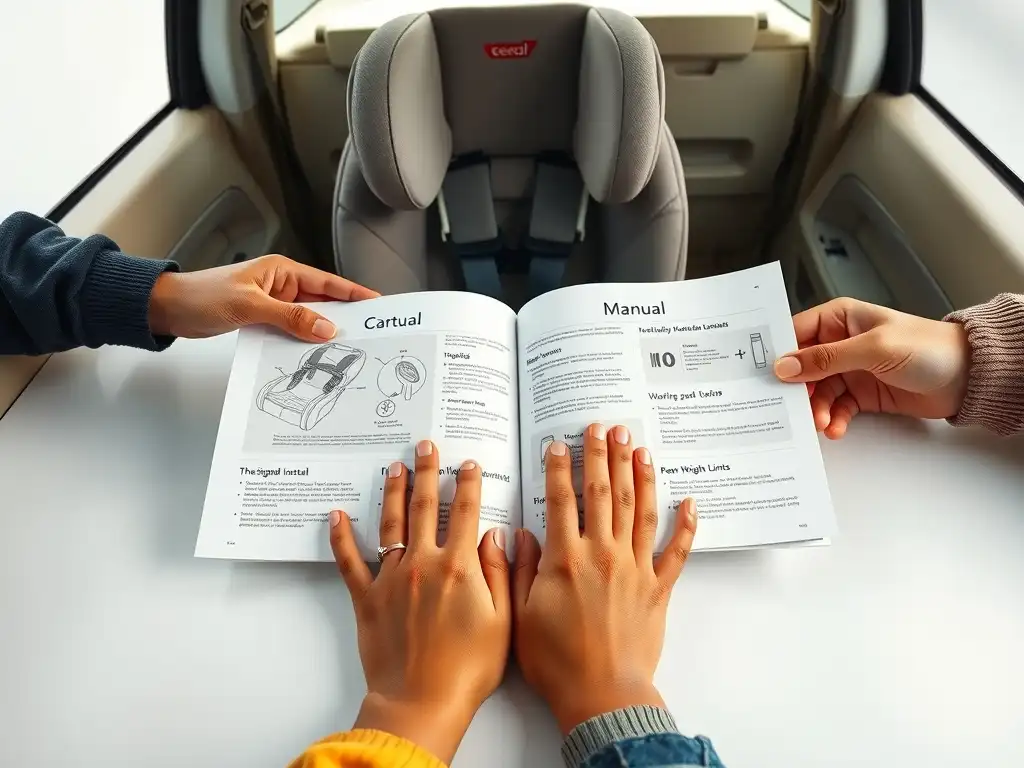
This section delves into the various resources available to help you understand and implement the instructions detailed in your car seat manual. Mastering car seat installation and usage is crucial for your baby's safety, and leveraging these resources can significantly enhance your confidence and expertise in this vital area. Remember, consistent and accurate implementation of your car seat manual instructions is paramount.
Finding Your Car Seat Manual Online: Manufacturer Websites and Databases
Locating your car seat manual online is often easier than you think. Most reputable car seat manufacturers maintain comprehensive online databases of their instruction manuals. These databases are typically searchable by car seat model number, which you can usually find on a sticker located on the car seat itself. Simply navigate to the manufacturer's website – the brand name is typically printed prominently on the car seat – and look for a section labeled "Support," "Manuals," or "Instructions." Many manufacturers also offer downloadable PDFs, allowing you to save a copy to your phone or computer for easy access.
Beyond manufacturer websites, some independent databases compile car seat manuals from various brands. While not all manufacturers participate in these aggregated resources, they can be a valuable secondary option if you encounter difficulties locating your manual on the manufacturer's site. Searching online using terms like "[Car Seat Brand] instruction manual" or "[Car Seat Model Number] manual PDF" will often yield positive results. Always verify the source's legitimacy to ensure you are accessing accurate and up-to-date information. Remember to check the date of the manual to ensure it reflects the latest safety guidelines and updates.
Contacting Car Seat Manufacturers: Getting Answers to Specific Questions
If you've consulted your car seat manual and still have unanswered questions or encounter difficulties with installation or usage, don't hesitate to contact the car seat manufacturer directly. Most manufacturers provide customer service contact information on their websites, including phone numbers, email addresses, and sometimes even live chat support. Having your car seat model number readily available will expedite the process.
When contacting the manufacturer, be as specific as possible in your questions. For example, instead of asking a broad question like "How do I install this car seat? ", phrase your question with more detail: "My car seat model is [Model Number], and I'm having trouble securing the lower anchors. Can you provide step-by-step instructions for attaching the LATCH system in a [Car Make and Model] vehicle?" The more precise your inquiry, the more effective and helpful their response will be. Keep detailed records of your correspondence with the manufacturer for future reference.
Utilizing Local Resources: Car Seat Safety Check Programs and Experts
Many communities offer car seat safety check programs conducted by certified child passenger safety technicians. These technicians can inspect your car seat installation, identify potential errors, and provide personalized guidance based on your specific car seat and vehicle. These programs often provide free services and are an invaluable resource for ensuring your car seat is installed correctly and your child is properly secured.
To find a car seat safety check program near you, you can search online using keywords like "car seat inspection near me" or "certified child passenger safety technician [your city/state]". Many local hospitals, fire departments, and police departments also participate in or sponsor these programs. Taking advantage of these free checks can provide peace of mind and significantly improve your baby's safety.
Consider scheduling a check-up periodically, especially after moving to a new vehicle or if you have any concerns about the car seat's installation or usage. Proactive safety measures are always the best approach when it comes to your child's well-being. 👶
Recommended Car Seat Brands with Detailed Manuals
Choosing a car seat can feel overwhelming, but focusing on brands known for their comprehensive and easy-to-understand manuals can significantly ease the process. Many brands prioritize clear instructions, recognizing the importance of accurate installation for your baby's safety. These manuals often include diagrams, step-by-step guides, and troubleshooting sections to address common installation problems. Remember, even the best car seat is ineffective if not installed correctly.
Several brands consistently receive high marks for their detailed and user-friendly manuals. While specific models within a brand might vary slightly in manual quality, generally, these manufacturers prioritize clear communication: [Brand A], [Brand B], and [Brand C] are frequently cited for their excellent car seat manuals. These brands often incorporate multiple languages and visual aids to ensure parents of diverse backgrounds can easily understand the instructions. Looking for online reviews that specifically mention the clarity of the manual before purchasing can also be beneficial. Parents often share their experiences, highlighting both positive and negative aspects of a brand's instructions.
Beyond the brand name itself, pay close attention to the specific model's manual. Some models within a brand's lineup might have more detailed or user-friendly instructions than others. Check online forums and parent review sites for feedback on the clarity and helpfulness of the manuals for specific car seat models you are considering. This extra step can save you considerable time and frustration during the installation process.
Don't hesitate to contact the manufacturer directly if you have any questions or encounter difficulties understanding any part of the manual. Most reputable brands have customer service lines specifically designed to assist with car seat installation and questions about their manuals. Remember, your baby's safety is paramount, and understanding the car seat manual is a crucial part of ensuring that safety. A well-written manual can make all the difference in correctly securing your child.
Frequently Asked Questions (FAQs) about Car Seat Manuals
This section addresses common queries regarding car seat manuals, a crucial resource for ensuring your baby's safety. Understanding and following car seat manual instructions is paramount for proper installation and use. Let's delve into some frequently asked questions.
What if I lost my car seat manual?
Losing your car seat manual can be unsettling, but don't panic! Many manufacturers offer online access to their manuals. Start by identifying the brand and model number of your car seat – this information is usually found on a sticker located on the car seat itself. Then, visit the manufacturer's website.
Most reputable brands have a dedicated section for support or downloads where you can search for your specific car seat model and download a PDF copy of the manual. If you can't find it online, contact the manufacturer's customer service directly; they should be able to assist you. Keep in mind that retaining a copy of your car seat manual, whether physical or digital, is vital for reference throughout your child's car seat journey.
Consider saving a digital copy to cloud storage for easy access and backup. Failing to find your manual could impact your ability to correctly install and use the car seat, potentially jeopardizing your child's safety. This underscores the importance of carefully storing the manual in a safe and accessible place.
Can I find a digital version of my car seat manual?
Yes, many car seat manufacturers provide digital versions of their manuals. This is a convenient alternative to the physical copy and offers several advantages. Digital manuals are easily searchable, allowing you to quickly find specific information. They're also easily accessible, eliminating the risk of misplacing a paper manual. To find a digital version, follow these steps:
- Identify your car seat: Locate the brand and model number on the car seat.
- Visit the manufacturer's website: Search for a "support," "downloads," or "manuals" section.
- Search for your model: Use the brand and model number to locate your specific manual.
- Download the PDF: Most manufacturers offer their manuals as downloadable PDFs.
Remember to save the digital copy in multiple locations (e.g., your computer and cloud storage) for easy access and redundancy. This ensures you always have access to crucial car seat manual instructions, even if one copy is lost or damaged. This proactive approach prioritizes your child's safety and minimizes potential disruptions.
What should I do if I don't understand something in the manual?
If any part of the car seat manual is unclear, don't hesitate to seek clarification. Several resources can provide assistance:
- Contact the manufacturer: Their customer service department can provide detailed explanations and answer specific questions.
- Consult a certified child passenger safety technician (CPST): CPSTs are experts in car seat installation and use. They can provide personalized guidance and ensure your car seat is installed correctly. Many hospitals and community organizations offer CPST services.
- Review online resources: While not a replacement for professional advice, reputable websites and organizations often offer helpful car seat information and FAQs. However, always prioritize information from the manufacturer or a CPST.
Failing to fully understand the instructions could compromise your child's safety. Never guess or assume; always seek clarification when needed. Remember, the safety of your child is paramount, and seeking help is a sign of responsible parenting, not a sign of weakness. Prioritizing understanding ensures correct installation and use, maximizing the safety features of your car seat and providing your child with the best possible protection. The investment in understanding your car seat manual instructions is an investment in your child's well-being.
Frequently Asked Questions
What is the most important reason to read my car seat manual?
Reading your car seat manual is crucial for ensuring your baby's safety. It provides specific instructions for your car seat model, guaranteeing correct installation and use. Ignoring it could compromise your child's safety.
My car seat seems straightforward; do I really need to read the manual?
Yes! Even if it seems simple, the manual contains critical details about specific features, weight and height limits, and proper installation techniques unique to your car seat model. These are vital for safe use.
Where can I find the car seat manual if I've lost it?
Most manufacturers have online resources where you can download a copy of your car seat manual. You can usually find it on their website by searching for your car seat's model number. Contacting the manufacturer directly is another option.
What should I look for specifically in the car seat manual?
Pay close attention to installation instructions, weight and height limits, harness adjustment procedures, and recommendations for use with different vehicles. Understanding these elements is key for safe and proper use.
I've installed the car seat, but I'm still unsure. What should I do?
Contact a certified Child Passenger Safety Technician (CPST) for a professional inspection. They can verify the correct installation and answer any lingering questions. Many hospitals and fire stations offer these free services.
Final Reflection: The Unsung Hero of Safe Travels: Your Car Seat Manual
The seemingly mundane car seat manual is, in reality, the single most crucial element in ensuring your child's safety on the road. A simple oversight in installation or usage can have devastating consequences, highlighting the urgent need for careful attention to detail and a thorough understanding of these often-overlooked instructions.
The impact of proper car seat installation extends far beyond the individual family; it contributes to a safer road environment for everyone. The best car seat is the one installed correctly.
This simple truth underscores the collective responsibility we all share in prioritizing child safety. My own experience researching this topic has profoundly impacted my understanding of the intricate details involved in securing a child's car seat, and the responsibility we have to ensure we are doing it correctly. It's a responsibility that extends beyond our own children, impacting the safety of all children on the road.
Now, I urge you to take a moment and reflect on your own car seat practices. Have you meticulously followed the instructions in your car seat manual? Do you understand the nuances of your specific model and its unique safety features? Take the time to reread your manual, to seek clarification if needed, and to ensure your child is as safe as possible. Your diligence not only protects your child but sets a powerful example for others, contributing to a future where every car journey is a safe one.
Unlock Your Child's Safest Ride: Take Action Now!
Thank you for learning about car seat safety! You've gained valuable knowledge to protect your child. Now let's put that knowledge into action. Here's how:
- Review your car seat manual. This is the most crucial step to ensuring your child's safety. Carefully read the installation instructions and make any necessary adjustments for your vehicle.
- Share this information with other parents. Help spread awareness about car seat safety – a quick social media share could save a life!
- Watch online videos about your specific car seat model. Visual aids can reinforce your understanding of proper installation and use.
Ready to create the safest possible car ride for your child? What small adjustment can you make to your car seat today based on what you've learned?