
Diapering and Skin Infections: Recognizing the Signs and Symptoms

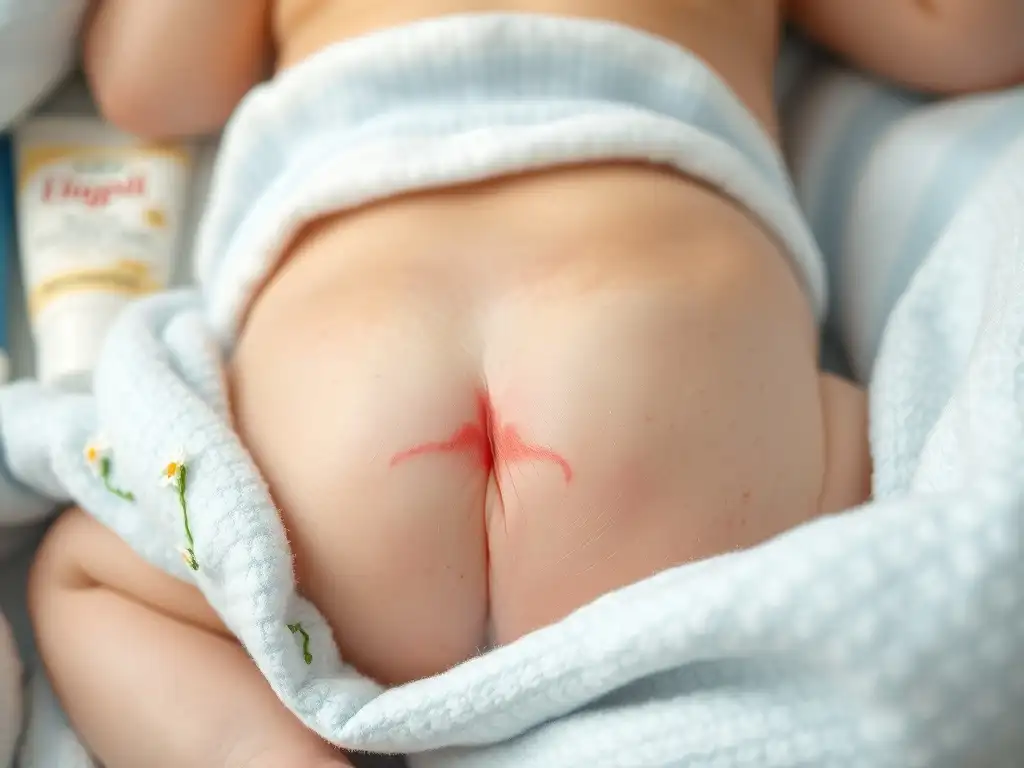
Welcome to BabyCareHub, your ultimate guide to navigating the incredible journey of parenthood. Are you a first-time parent feeling overwhelmed by the complexities of newborn care? We understand. That's why we've created this comprehensive resource, packed with practical advice and expert insights. Discover effective strategies for everything from soothing fussy babies to ensuring their safety and well-being. But first, let's tackle a common concern: how to effectively treat baby diaper rash. Learn about various baby diaper rash treatment options and regain peace of mind—read on to discover the solutions you need!
- Understanding Diaper Rash: Types and Causes
- Recognizing the Signs and Symptoms of Diaper Rash
- Preventing Diaper Rash: Best Practices for Diapering
- Baby Diaper Rash Treatment Options: Home Remedies and Medical Interventions
- Diaper Rash Prevention: Long-Term Strategies
- Managing Diaper Rash in Sensitive Skin
- Diaper Rash and Other Skin Conditions: Differentiating Symptoms
- Frequently Asked Questions about Diaper Rash and Treatment
- Frequently Asked Questions
- Final Reflection: The Unsung Battle Against Baby Diaper Rash
- Unveil Your Baby's Happiest, Healthiest Skin
Understanding Diaper Rash: Types and Causes
Diaper rash, a common ailment affecting infants and young children, is a significant concern for many first-time parents. This comprehensive guide will equip you with the knowledge to recognize, understand, and effectively treat various types of diaper rash, ultimately contributing to your baby's comfort and overall well-being. We'll explore the different types of diaper rash, delve into their underlying causes, and provide insights into effective treatment options, helping you navigate this common parenting challenge.
Understanding the nuances of diaper rash is crucial for preventing complications and ensuring your baby's delicate skin remains healthy and protected. This article focuses on providing practical, evidence-based information to empower you in caring for your little one. Remember, while this guide offers valuable information, always consult your pediatrician for personalized advice and treatment plans, especially if you notice any concerning symptoms or the rash doesn't improve.
Common Types of Diaper Rash: Irritant Dermatitis, Yeast Infections, and Bacterial Infections
Diaper rash isn't a single entity; it manifests in several forms, each requiring a slightly different approach to treatment. Let's examine the most prevalent types:
- Irritant Dermatitis: This is the most common type of diaper rash, typically appearing as red, inflamed skin in the diaper area. It's usually caused by prolonged exposure to urine and feces, leading to skin irritation. Symptoms can range from mild redness to severe, painful inflammation. The affected area may feel warm to the touch. Treatment often involves frequent diaper changes, gentle cleansing, and the use of barrier creams.
- Yeast Infections (Candidiasis): A yeast infection, often caused by Candida albicans, presents with bright red, sharply defined patches, sometimes with small, satellite pustules surrounding the main rash. The rash might appear particularly inflamed in the skin folds. These infections can be intensely itchy and uncomfortable for your baby. Treatment typically involves antifungal creams prescribed by a pediatrician.
- Bacterial Infections: Less common than irritant dermatitis or yeast infections, bacterial infections can cause a more severe diaper rash, often accompanied by pus-filled blisters or sores. The skin might be particularly swollen and painful. These require immediate medical attention and usually necessitate antibiotic treatment. Early identification is key to preventing further complications.
Identifying the Causes of Diaper Rash: Infrequent Changes, Harsh Wipes, Allergies, and Friction
Understanding the root causes of diaper rash is crucial for effective prevention and treatment. Several factors contribute to its development:
- Infrequent Diaper Changes: Leaving a soiled diaper on for extended periods allows urine and feces to irritate the delicate skin, leading to inflammation and rash development. Frequent diaper changes are paramount in preventing irritant dermatitis. Aim for changes every 2-3 hours, or more often if necessary.
- Harsh Wipes and Soaps: Using harsh wipes or soaps can strip the skin of its natural oils, leaving it dry, irritated, and vulnerable to infection. Opt for fragrance-free, hypoallergenic wipes and mild, gentle cleansers. Water alone is often sufficient for cleaning.
- Allergies: Certain fabrics, detergents, or diaper brands might trigger allergic reactions in sensitive babies, resulting in a diaper rash. Identifying and eliminating the allergen is essential for resolving the issue. Keep a close eye on your baby's reactions to different products.
- Friction: Constant rubbing from the diaper, especially during movement, can cause irritation and chafing, contributing to the development of a diaper rash. Choosing diapers that fit well and using diaper rash creams can help minimize friction.
The information provided here serves as a general guide. Always consult a healthcare professional for diagnosis and treatment of your baby's diaper rash. Remember, early intervention is key to managing diaper rash effectively and ensuring your baby's comfort and well-being. 👶
Recognizing the Signs and Symptoms of Diaper Rash
Diaper rash, a common ailment among infants, can manifest in various ways depending on its severity. Early identification is crucial for effective baby diaper rash treatment options. Understanding the progression of symptoms allows parents to intervene appropriately and prevent complications. Let's explore the different stages of diaper rash, from mild irritation to more severe infections.
Mild Diaper Rash Symptoms: Redness, Irritation, and Mild Discomfort
Mild diaper rash typically presents as redness and slight irritation in the diaper area. The skin may appear slightly inflamed, and your baby might show signs of mild discomfort, perhaps fussing a little more during diaper changes. The affected area is usually confined to the buttocks and inner thighs, and the rash itself may appear patchy or diffuse. Often, this is a superficial irritation, easily treated with simple measures like frequent diaper changes and the application of a barrier cream.
Many parents find that a change in diaper brand or a switch to a fragrance-free product can resolve mild rashes quickly. It's important to note that even mild discomfort should be monitored, as it can escalate if left untreated. The key here is proactive care.
Moderate Diaper Rash Symptoms: Increased Redness, Swelling, and Blistering
A moderate diaper rash signifies a worsening of the initial irritation. The redness intensifies, becoming more vibrant and possibly extending beyond the usual diaper area. Swelling may become noticeable, and small blisters or bumps might appear on the affected skin. Your baby will likely exhibit more pronounced discomfort, crying more during diaper changes or showing signs of general irritability.
The skin might feel warm to the touch, and there could be some weeping or oozing. This stage requires more diligent attention to hygiene and the possibility of using a medicated cream containing zinc oxide or other soothing agents. This is where consulting your pediatrician becomes increasingly important, especially if the symptoms worsen or don't improve within a few days. Careful monitoring and prompt treatment are vital to prevent the progression to a severe rash.
Severe Diaper Rash Symptoms: Bleeding, Fever, and Spreading Rash
Severe diaper rash represents a significant infection and requires immediate medical attention. Symptoms include intense redness, swelling, and possibly bleeding or open sores. The rash may spread beyond the diaper area, potentially affecting the inner thighs, genitals, or even other parts of the body. A high fever may accompany the rash, along with other signs of illness such as lethargy or poor feeding.
This is a serious condition that could indicate a yeast or bacterial infection, requiring a prescription medication for effective baby diaper rash treatment options. Delaying treatment can lead to further complications, so prompt consultation with a healthcare professional is paramount. Remember, a severe diaper rash is not just a skin issue; it could be a sign of a systemic infection requiring immediate medical intervention. Don't hesitate to seek professional help if you observe any of these severe symptoms.
Preventing Diaper Rash: Best Practices for Diapering

Diaper rash, a common irritation affecting many infants, is often preventable with diligent attention to diapering practices. Understanding and implementing best practices significantly reduces the risk of your baby experiencing discomfort and potential secondary infections. This section will guide you through key strategies for preventing diaper rash and promoting healthy skin. Effective prevention is the cornerstone of successful baby diaper rash treatment options, minimizing the need for more intensive interventions.
Choosing the Right Diapers: Absorbency, Materials, and Fit
The foundation of diaper rash prevention lies in selecting the appropriate diaper. Not all diapers are created equal; factors like absorbency, material composition, and fit significantly impact a baby's comfort and skin health.
Absorbency is paramount. Opt for diapers with high absorbency ratings, especially for newborns and babies who sleep for longer stretches. Look for diapers that advertise "leak protection" and "extra absorbency." Higher absorbency minimizes the contact time between urine and feces and the baby's delicate skin, a major factor in preventing irritation.
The material of the diaper also plays a crucial role. While many parents favor disposable diapers for their convenience, consider the materials used. Some babies are sensitive to certain chemicals or dyes found in some disposable brands. Look for brands that use hypoallergenic materials and are free from fragrances and lotions, which can be irritating to sensitive skin. Cloth diapers, while requiring more effort, can be a gentler option for some babies, providing better breathability and reducing the risk of chemical exposure.
Proper fit is essential. A diaper that's too tight can restrict blood flow and increase irritation, while a diaper that's too loose can lead to leaks and increased exposure to moisture. Ensure the diaper fits snugly but not too tightly around your baby's legs and waist. Check regularly for any signs of chafing or redness.
Proper Diaper Changing Techniques: Gentle Cleaning, Barrier Cream Application, and Air Drying
Regular diaper changes are crucial in preventing diaper rash. However, how you change the diaper is just as important as when. Gentle handling and proper cleaning techniques minimize skin trauma and irritation.
Begin by gathering your supplies: clean diapers, wipes (preferably fragrance-free and hypoallergenic), and a barrier cream (such as petroleum jelly or zinc oxide). Lay your baby on a clean surface. Remove the soiled diaper and gently wipe away the urine and feces using soft, gentle strokes. Avoid harsh scrubbing, which can further irritate the skin. Always wipe from front to back to prevent urinary tract infections.
After cleaning, apply a thin layer of barrier cream to the baby's bottom and surrounding areas. This creates a protective barrier between the skin and the diaper, preventing moisture from irritating the skin.
Finally, allow your baby's bottom some air time. Leave the diaper off for a short period, allowing the skin to air dry completely before applying a fresh diaper. This helps to prevent excessive moisture buildup.
Maintaining Hygiene: Frequent Changes, Proper Cleaning, and Hand Hygiene
Maintaining good hygiene is paramount in preventing diaper rash. This involves consistent diaper changes, thorough cleaning, and diligent hand hygiene.
Frequent diaper changes are key. Change your baby's diaper as soon as it becomes soiled, minimizing the contact time between waste and the skin. For newborns, this might mean changing diapers every 2-3 hours, or more frequently if needed. For older babies, the frequency can be adjusted based on their individual needs.
Always wash your hands thoroughly with soap and water before and after changing the diaper. This prevents the spread of bacteria and minimizes the risk of infection. If you use wipes, make sure to dispose of them properly after each use. Proper disposal prevents the spread of germs.
Regular bathing also contributes to overall hygiene. Gently cleanse your baby's skin during bath time, using mild, fragrance-free soap. Avoid harsh scrubbing and ensure the skin is thoroughly dried before applying a fresh diaper. The combination of frequent changes, diligent cleaning, and hand hygiene is crucial for creating a healthy environment for your baby's delicate skin, helping to avoid many issues related to baby diaper rash treatment options.
Baby Diaper Rash Treatment Options: Home Remedies and Medical Interventions
Dealing with a baby diaper rash can be stressful for new parents. Fortunately, many cases respond well to home care. However, understanding when to seek professional medical advice is crucial for preventing complications and ensuring your little one's comfort. This section outlines various baby diaper rash treatment options, ranging from simple home remedies to medical interventions. Effective management depends on the severity and type of rash. Remember, always consult your pediatrician before starting any new treatment, especially if you are unsure about the cause of the rash.
Home Remedies for Mild Diaper Rash: Air Drying, Oatmeal Baths, and Zinc Oxide Cream
For mild diaper rash characterized by redness and slight irritation, several home remedies can provide relief. These methods focus on creating a dry, clean environment to promote healing and soothe irritated skin.
- Air Drying: Allowing the diaper area to air dry frequently is a cornerstone of mild diaper rash treatment. Change diapers promptly after bowel movements and urination. Consider letting your baby have some diaper-free time, especially during warmer weather, to allow for maximum air circulation. Supervise closely to prevent accidents! 👶
- Oatmeal Baths: Colloidal oatmeal, finely ground oatmeal, has soothing properties that can help reduce inflammation and itching. Add a cup of colloidal oatmeal to lukewarm bathwater and allow your baby to soak for 10-15 minutes. Avoid using scented bath products, as these can irritate sensitive skin.
- Zinc Oxide Cream: This is a common over-the-counter treatment for diaper rash. Zinc oxide creates a protective barrier on the skin, preventing further irritation from urine and feces. Apply a thin layer to the affected area after each diaper change. Ensure the cream is specifically formulated for babies and free from harsh chemicals or fragrances. Many parents find this a highly effective part of their baby diaper rash treatment plan.
When to See a Doctor: Severe Symptoms, Lack of Improvement, or Secondary Infections
While home remedies are effective for mild cases, some situations necessitate professional medical attention. Recognizing the signs of a severe diaper rash or potential complications is vital. Seek medical advice if:
- The rash is widespread, intensely red, or accompanied by blisters, pus, or bleeding. These could indicate a more serious infection.
- The rash doesn't improve after 3-5 days of consistent home treatment. Persistence suggests the need for stronger interventions.
- You notice signs of a secondary infection, such as fever, increased irritability, or swollen lymph nodes. These signify a progression beyond a simple diaper rash.
- The rash extends beyond the diaper area. This could indicate a different underlying skin condition.
Prompt medical intervention can prevent the rash from worsening and potentially minimize discomfort for your baby.
Medical Treatments for Severe Diaper Rash: Antifungal Creams, Antibiotic Ointments, and Steroid Creams
If home remedies fail to alleviate the rash, or if the symptoms suggest a more serious condition, your pediatrician may prescribe medication. The choice of treatment depends on the underlying cause of the rash.
- Antifungal Creams: These are prescribed if a yeast infection (candidiasis) is suspected. Yeast infections often present with bright red, satellite lesions (small, separate spots surrounding the main rash). The doctor will diagnose and prescribe the appropriate antifungal cream, like clotrimazole or nystatin.
- Antibiotic Ointments: Bacterial infections can also cause severe diaper rash. These infections often exhibit pus, blisters, and a more intense inflammatory response. Your doctor will prescribe an antibiotic ointment to combat the bacterial infection.
- Steroid Creams: In cases of severe inflammation and irritation, a low-potency steroid cream might be recommended. These creams reduce inflammation but should only be used under strict medical supervision due to potential side effects. They are not a long-term solution and are used sparingly.
Remember, consistent application of the prescribed medication, combined with good diaper hygiene, is crucial for effective treatment. Always follow your doctor's instructions carefully and report any adverse reactions or lack of improvement immediately. Early intervention is key in managing severe diaper rash effectively and ensuring your baby's comfort and well-being.
Diaper Rash Prevention: Long-Term Strategies
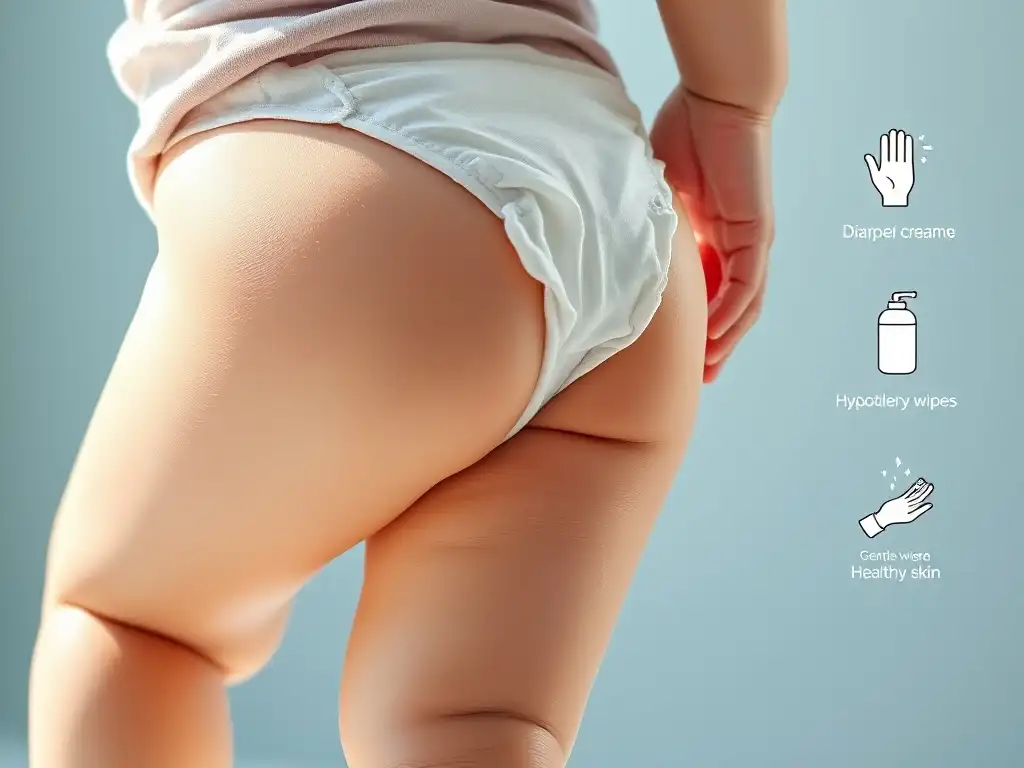
Preventing diaper rash is crucial for your baby's comfort and overall well-being. While treatment is important when a rash occurs, proactive measures significantly reduce the likelihood of future outbreaks. This section focuses on long-term strategies to minimize diaper rash occurrences, offering practical advice for parents navigating this common challenge. Effective prevention is key to minimizing the need for baby diaper rash treatment options.
Choosing Hypoallergenic Diapers and Wipes
The type of diaper and wipes you use plays a significant role in preventing diaper rash. Many commercially available diapers contain fragrances, dyes, and lotions that can irritate sensitive baby skin. Opting for hypoallergenic options significantly reduces this risk. Look for diapers specifically labeled "hypoallergenic," "fragrance-free," and "dye-free." These products typically use gentler materials and avoid potentially irritating additives.
Several brands cater to sensitive skin, offering a range of sizes and styles. It's advisable to test a few different brands to find what works best for your baby. Keep a close eye on your baby's skin after introducing a new brand to quickly identify any adverse reactions. Remember, what works for one baby might not work for another, so experimentation may be necessary.
Consider keeping a small notebook to track which brands and types were used and the corresponding reactions, if any. This helps establish a pattern and inform your future diaper choices. This proactive approach is a crucial element of effective baby diaper rash treatment options – prevention being far better than cure.
Avoiding Irritating Substances: Soaps, Perfumes, and Harsh Chemicals
Beyond diapers and wipes, many everyday substances can contribute to diaper rash. Harsh soaps, perfumed lotions, and strong cleaning agents can strip the skin of its natural oils, leaving it vulnerable to irritation and infection. When cleaning your baby's bottom, stick to plain warm water. Avoid using heavily scented baby washes or bubble baths, which can disrupt the skin's delicate pH balance. For particularly stubborn messes, a mild, fragrance-free cleanser specifically designed for babies can be used sparingly.
Similarly, be mindful of laundry detergents. Harsh detergents can leave residues on clothing and diapers, irritating your baby's skin. Choose a fragrance-free and hypoallergenic detergent specifically formulated for babies. Thoroughly rinse all clothing and diapers to ensure complete removal of detergent. This simple step can make a significant difference in preventing diaper rash. Following these guidelines contributes greatly to a long-term strategy for preventing the need for baby diaper rash treatment options.
Monitoring Dietary Changes if Breastfeeding
For breastfeeding mothers, dietary changes can sometimes impact the baby's skin sensitivity. While breast milk is generally considered the best source of nutrition for infants, certain foods consumed by the mother might cause changes in the baby's stool, making them more acidic and increasing the risk of diaper rash. Common culprits include spicy foods, citrus fruits, and dairy products.
Keep a detailed food diary to track your intake and observe any correlation between your diet and your baby's skin condition. If you suspect a particular food is contributing to diaper rash, try eliminating it from your diet for a few days and see if there's any improvement. If the rash clears, you may want to reintroduce the food gradually to confirm the link.
Remember to consult with your pediatrician before making significant dietary changes, especially if you have concerns about your baby's nutritional needs. This careful monitoring is an important aspect of preventing the need for baby diaper rash treatment options and ensuring your baby's overall health.
Managing Diaper Rash in Sensitive Skin
Diaper rash, a common ailment affecting infants, can be particularly challenging for babies with sensitive skin. Effective management requires a multi-pronged approach focusing on identifying and eliminating irritants, gentle cleansing, and the strategic use of barrier creams. This section will delve into practical strategies for treating diaper rash while minimizing further skin irritation. Understanding the underlying causes and employing the right techniques is key to achieving quick and lasting relief for your little one. Remember, consistent application and observation are crucial in effectively managing baby diaper rash treatment options.
Identifying Allergens and Irritants
Pinpointing the culprit behind your baby's diaper rash is the first step towards effective treatment. Common irritants include:
- Certain diaper brands: Some babies react negatively to the dyes, fragrances, or materials used in certain diaper brands. Switching to a fragrance-free, hypoallergenic brand might resolve the issue. Keep a detailed diaper diary noting the brand and any subsequent rash reactions.
- Wet wipes: Many wet wipes contain alcohol and fragrances that can irritate delicate skin. Opt for fragrance-free, alcohol-free wipes, or use plain warm water and a soft cloth for cleaning.
- Soaps and detergents: Harsh soaps and detergents used to wash baby's clothes or bedding can transfer to the skin, causing irritation. Switch to hypoallergenic, fragrance-free laundry detergents and rinse clothes thoroughly.
- Foods: While less common, certain foods consumed by breastfeeding mothers can sometimes contribute to diaper rash in their babies. Keeping a food diary and observing any changes in the baby's skin after introducing new foods can be helpful. This is especially relevant for babies with known sensitivities.
- Saliva and urine: Prolonged exposure to saliva and urine can also exacerbate diaper rash. Frequent diaper changes are vital to prevent this.
Example of a Diaper Diary
Date | Diaper Brand | Rash Severity (1-5, 5 being worst) | Other Notes
Oct 26 | Brand X | 3 | Slight redness around the creases
Oct 27 | Brand X | 4 | Increased redness, some small bumps
Oct 28 | Brand Y (hypoallergenic) | 2 | Redness reduced, bumps less noticeable
Oct 29 | Brand Y (hypoallergenic) | 1 | Minimal redness remaining
Remember, keeping a detailed record of potential triggers can help you identify and avoid them in the future, significantly reducing the frequency and severity of diaper rash.
Gentle Cleansing and Moisturizing Techniques
Gentle cleansing is paramount in treating diaper rash. Avoid harsh scrubbing, which can further damage the already irritated skin. Here's a step-by-step guide:
- Warm Water Wash: Use lukewarm water and a soft, clean cloth to gently cleanse the affected area. Avoid using soap unless absolutely necessary, as it can strip the skin of its natural oils.
- Pat Dry: Gently pat the skin dry with a soft towel. Avoid rubbing, as this can cause further irritation.
- Air Drying: Allow the area to air dry for a few minutes before applying any creams or ointments. Consider diaper-free time if possible, allowing for maximum air circulation.
- Moisturizing: Apply a gentle, fragrance-free moisturizer specifically designed for babies' sensitive skin. This helps to restore the skin's natural moisture barrier and reduce dryness. Look for products containing ingredients like shea butter or colloidal oatmeal.
The key is to keep the affected area clean, dry, and well-moisturized to promote healing and prevent further irritation. Avoid using perfumed lotions or powders, which can exacerbate the problem.
Utilizing Barrier Creams for Extra Protection
Barrier creams create a protective layer on the skin, preventing further irritation from urine and feces. These creams are not a cure for diaper rash, but they can significantly reduce discomfort and promote healing.
- Zinc Oxide: This is a common ingredient in many diaper rash creams and is known for its protective and soothing properties. Apply a thin layer to the affected area after each diaper change.
- Petroleum Jelly: Petroleum jelly also provides a protective barrier, preventing moisture from reaching the irritated skin.
- Other Ingredients: Some creams contain additional ingredients like lanolin or vitamin E, which can further soothe and heal the skin.
Remember to choose a cream specifically formulated for babies' delicate skin. Avoid creams containing fragrances or alcohol. Always check the ingredient list before applying any new product. The consistent application of a barrier cream, combined with diligent cleaning and moisturizing, forms a robust strategy to manage and prevent diaper rash. This approach offers parents effective baby diaper rash treatment options that prioritize gentle care and healing.
Diaper Rash and Other Skin Conditions: Differentiating Symptoms
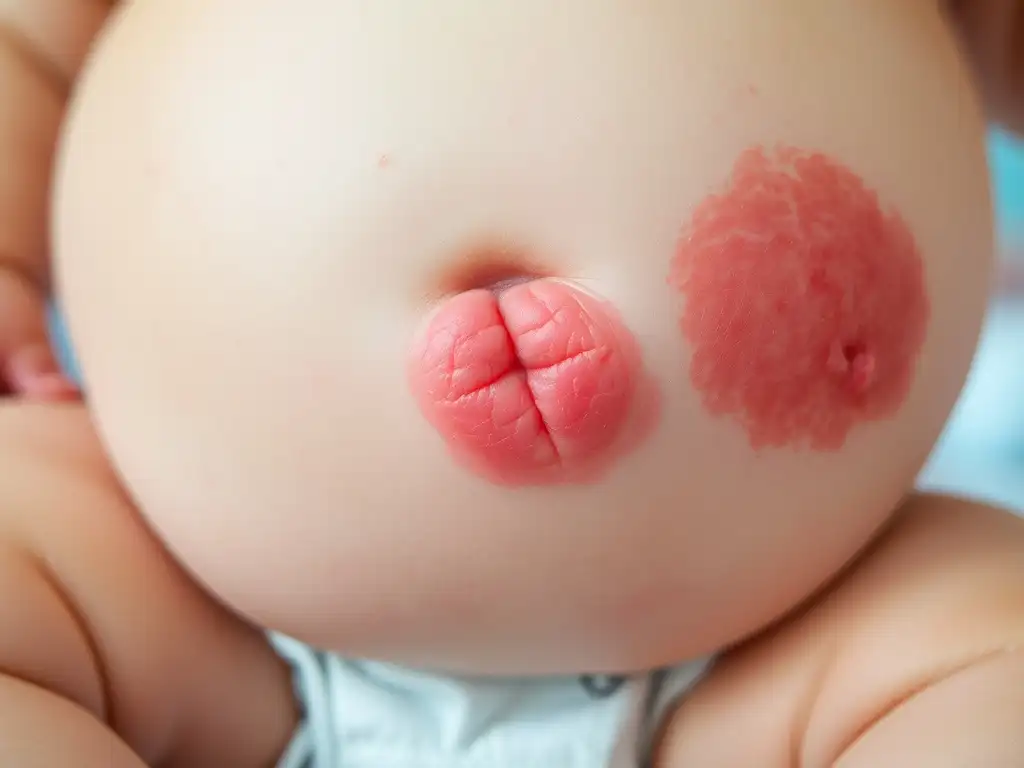
This section focuses on distinguishing diaper rash from other skin conditions that might appear similar in infants. Accurate identification is crucial for effective treatment and preventing complications. Understanding the nuances of various skin irritations will empower parents to seek appropriate medical attention when necessary. Remember, while this information is helpful, it's not a substitute for professional medical advice. Always consult your pediatrician for any concerns regarding your baby's skin health.
Differentiating Diaper Rash from Other Skin Infections
Diaper rash, while common, can sometimes be confused with other skin infections. Key differences lie in location, appearance, and associated symptoms. A typical diaper rash presents as redness and inflammation primarily in the diaper area – the buttocks, inner thighs, and genitals. The rash may be patchy or widespread, often with small, raised bumps or blisters. It's typically caused by prolonged exposure to urine and feces, friction, and sometimes allergic reactions to certain diaper products.
On the other hand, infections like candidiasis (yeast infection) present with bright red, sharply defined lesions, often with satellite pustules (small pus-filled bumps) spreading beyond the main area of inflammation. The skin may appear unusually shiny or have a creamy white coating. Bacterial infections, such as impetigo, manifest as honey-colored crusts and sores, often accompanied by fever and irritability. These infections typically require specific antibiotic treatment, unlike most diaper rashes which respond to gentler care.
Here's a table summarizing key differences:
| Condition | Appearance | Location | Other Symptoms | Treatment |
|---|---|---|---|---|
| Diaper Rash | Redness, inflammation, bumps, blisters | Diaper area | Usually none, except discomfort | Barrier creams, frequent diaper changes |
| Candidiasis (Yeast) | Bright red, sharply defined lesions, satellite pustules | Diaper area, sometimes spreading | None or mild discomfort | Antifungal creams |
| Impetigo (Bacterial) | Honey-colored crusts, sores | Diaper area, can spread elsewhere | Fever, irritability | Antibiotic ointments or oral antibiotics |
It's crucial to note that severe diaper rash or rashes that don't improve with home care should prompt a visit to the doctor. Early intervention is key for managing more serious skin infections. 👶
Recognizing Signs of Eczema and Other Skin Conditions
Eczema, also known as atopic dermatitis, is a chronic inflammatory skin condition that often appears in infancy. Unlike diaper rash, eczema isn't confined to the diaper area. It can appear anywhere on the body, often on the cheeks, scalp, and limbs. It's characterized by dry, itchy, scaly patches of skin that can weep or crust. The skin may appear red and inflamed, and scratching can worsen the condition, leading to secondary infections.
Eczema is often triggered by allergens or irritants, and its appearance can vary significantly. Some babies experience mild eczema with only occasional dry patches, while others have more severe flare-ups with widespread inflammation and intense itching. Managing eczema often involves moisturizing the skin regularly, using gentle cleansers, and avoiding potential irritants. In severe cases, corticosteroids or other medications may be necessary.
Another condition to consider is psoriasis, though less common in infants. Psoriasis presents as raised, red patches covered with silvery-white scales. Unlike eczema, it's usually not itchy, but it can be painful and unsightly. Psoriasis is a chronic autoimmune disease that requires medical management.
Differentiating between these conditions requires careful observation and often, professional medical assessment. If you're unsure about the cause of your baby's skin condition, seeking medical advice is paramount. Early diagnosis and appropriate treatment are crucial for preventing complications and improving your baby's comfort. Remember, a healthy skin barrier is essential for overall well-being, and proactive care is key to addressing skin issues effectively.
Frequently Asked Questions about Diaper Rash and Treatment
This section addresses common concerns regarding diaper rash and its treatment, offering practical advice for parents navigating this common challenge. Remember, always consult your pediatrician if you have concerns about your baby's skin condition. Early intervention is key to effective baby diaper rash treatment options.
How long does it take for diaper rash to clear up?
The duration of a diaper rash depends heavily on its severity and the cause. Mild diaper rash, often characterized by redness and slight irritation, may clear up within a few days with diligent diaper changes and barrier cream application. However, more severe cases involving significant redness, blistering, or secondary infection might require longer treatment, potentially lasting one to two weeks or even longer.
Several factors influence healing time:
- Severity of the rash: A mild rash will naturally heal faster than a severe one.
- Underlying cause: Fungal infections (like yeast diaper rash) or bacterial infections often take longer to treat than simple irritant diaper rash.
- Treatment adherence: Consistent application of prescribed creams or ointments and diligent hygiene practices significantly impact healing speed.
- Baby's overall health: A baby's immune system plays a role in how quickly the rash resolves. A healthy baby will generally heal faster.
For example, a simple irritant diaper rash caused by prolonged exposure to wet diapers might clear up within 2-3 days with frequent diaper changes and the use of a zinc oxide-based barrier cream. Conversely, a candidal diaper rash (yeast infection) might take a week or more to respond to antifungal treatment, even with consistent application. Persistent or worsening rashes always warrant a visit to the pediatrician.
What are the potential long-term effects of untreated diaper rash?
While most diaper rashes resolve without lasting consequences, neglecting treatment can lead to several potential complications:
- Secondary bacterial or fungal infections: Untreated diaper rash can create an environment conducive to bacterial or fungal overgrowth, leading to more severe infections requiring stronger medications. This can be particularly concerning for babies with compromised immune systems.
- Skin scarring: Severe, prolonged inflammation can potentially lead to scarring in some cases, although this is relatively uncommon.
- Pain and discomfort: The constant irritation and pain associated with untreated diaper rash can make your baby uncomfortable and fussy, affecting their overall well-being and sleep patterns. This can impact their feeding and development.
- Skin discoloration: In rare instances, severe untreated diaper rash may cause temporary or, in extreme cases, permanent skin discoloration.
- Emotional distress for the baby and parent: A persistent, painful rash can be stressful for both the baby and the parent, potentially impacting their bond and overall well-being.
It's crucial to remember that early intervention is vital. Prompt treatment not only alleviates your baby's discomfort but also prevents potential long-term complications. If you notice any signs of infection, such as pus, increased pain, or fever, seek immediate medical attention.
Are there any specific dietary recommendations for preventing diaper rash?
While diet doesn't directly cause most diaper rashes, certain dietary factors in breastfed or formula-fed babies can influence their susceptibility. For breastfed babies, mothers should be mindful of their own diet, paying attention to potential allergens or irritants that might be passed through breast milk. Common culprits include dairy products, soy, and certain spices. Eliminating these from the mother's diet for a short period (under a doctor’s guidance) may help determine if they are contributing to the rash.
For formula-fed babies, the type of formula used can sometimes play a role. If a baby experiences recurring diaper rash, switching to a hypoallergenic or specialized formula (after consulting a pediatrician) might be considered. However, it's important to note that this is not always necessary, and other factors are often more significant.
Beyond specific foods, maintaining adequate hydration is crucial for both breastfed and formula-fed babies. Proper hydration helps keep the skin healthy and less prone to irritation. Remember, a balanced diet for the mother (if breastfeeding) and appropriate formula selection (if formula feeding) are important aspects of overall baby health, but they don't guarantee the prevention of all diaper rashes. Diligent diaper changing and the use of a barrier cream remain the most effective preventative measures. Always consult your pediatrician before making significant dietary changes for your baby.
Frequently Asked Questions
What are the common signs of baby diaper rash?
Diaper rash often presents as redness, bumps, or blisters in the diaper area. It can be mild or severe, sometimes with pain and weeping sores. Seek medical advice if it's severe or doesn't improve.
What causes diaper rash?
Diaper rash is commonly caused by prolonged exposure to wet or soiled diapers, irritating chemicals in wipes or detergents, and infections like yeast or bacteria. Friction from the diaper itself can also contribute.
What are some home treatment options for mild diaper rash?
For mild cases, try frequent diaper changes, using gentle, fragrance-free wipes and cleansers, and allowing the area to air dry. Applying a barrier cream like zinc oxide can also help protect the skin.
When should I take my baby to the doctor for a diaper rash?
Seek medical attention if the rash is severe, doesn't improve after a few days of home treatment, shows signs of infection (pus, fever), or spreads beyond the diaper area. Consult your pediatrician for appropriate diagnosis and treatment.
Are there any diaper rash prevention strategies?
Regular diaper changes are key. Use gentle wipes and detergents. Consider using breathable diapers and allowing for frequent air time. Maintaining good hygiene and addressing any underlying causes like diarrhea is crucial.
Final Reflection: The Unsung Battle Against Baby Diaper Rash
The seemingly simple act of diapering holds a significant, often underestimated, impact on a baby's well-being. A seemingly minor diaper rash can quickly escalate into a painful and persistent skin infection, demanding immediate attention and effective treatment. This underscores the critical need for parents and caregivers to be vigilant and knowledgeable about recognizing the signs and symptoms of diaper dermatitis and its potential complications.
The emotional toll of dealing with a baby's skin infection is often overlooked, adding a layer of stress to the already demanding task of parenthood. The constant worry, the sleepless nights spent soothing a distressed infant, and the frustration of trying various treatments – these experiences are deeply personal and profoundly shape a parent's journey. The most precious jewels you'll ever have around your neck are the arms of your children.
This quote speaks to the intense bond between parent and child, a bond that is tested and strengthened during times of illness and recovery. Understanding diaper rash and its treatment options is not just about medical knowledge; it's about empowering parents to navigate these challenges with confidence and compassion.
Now, consider what you've learned. Take a moment to reflect on the information presented and how it can equip you to better care for your little one. Remember, early detection and appropriate treatment are key to preventing discomfort and potential long-term skin issues. Empower yourself with knowledge, be proactive in monitoring your baby's skin, and don't hesitate to seek professional medical advice when needed. Your vigilance and informed choices can make a world of difference in ensuring your baby's comfort and healthy development.
Unveil Your Baby's Happiest, Healthiest Skin
Thank you for learning about diaper rash and skin infections! We hope this article has provided valuable information to help keep your little one comfortable. Now, let's put that knowledge into practice:
- Prioritize frequent diaper changes: This is crucial for preventing skin irritation. Change diapers often, especially after bowel movements.
- Find the right diaper and cream: Every baby's skin is different, so experiment with various brands to find what works best. Keeping a brief record of what you've tried can be helpful.
- Connect with other parents: Our community forums are a great place to share experiences and ask questions. You might find helpful advice and solutions you haven't considered.
What's one simple change you can make today to improve your baby's skin health?