
Beyond the High Chair: Continuing Your Baby's Feeding Education

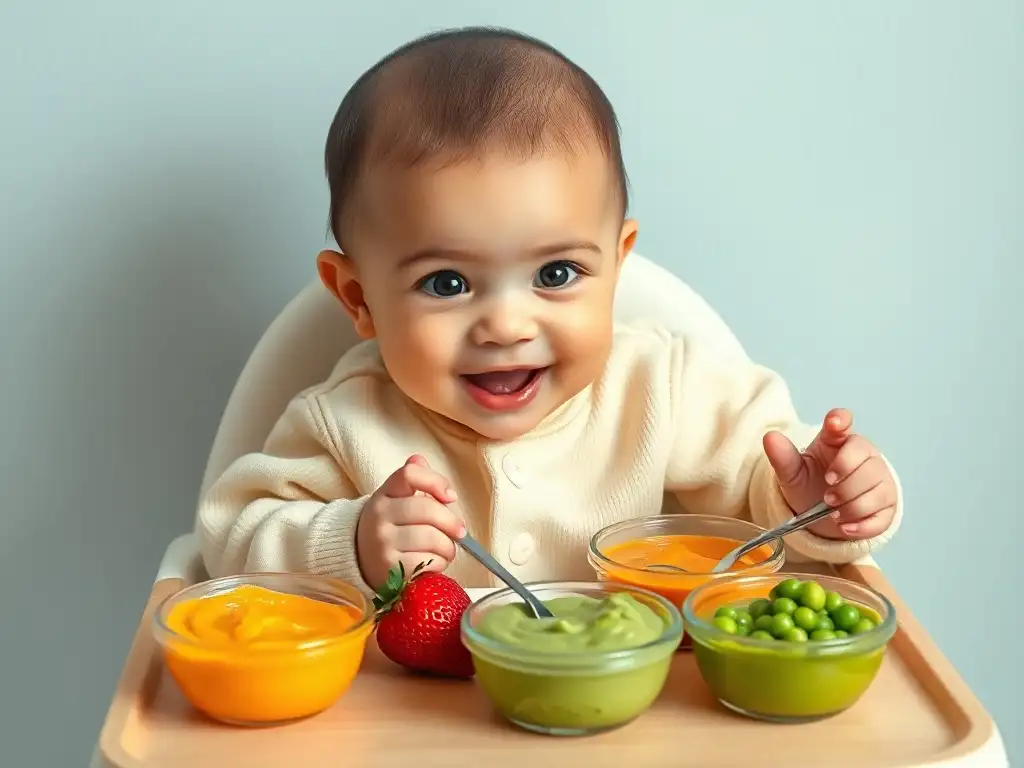
Welcome to BabyCareHub, your ultimate guide to navigating the exciting yet challenging world of parenthood. Are you ready to embark on a journey of discovery as your little one grows? We understand the countless questions that arise, especially when it comes to crucial milestones like introducing solid foods. This is where our Baby weaning food introduction guide comes in, providing the step-by-step support you need to confidently introduce your baby to the joys of new tastes and textures. Dive in and unlock the secrets to a smooth and healthy weaning experience – your baby’s future well-being starts here!
- Baby Weaning Food Introduction Guide: From Purees to Solids
- Beyond Purees: Expanding Your Baby's Food Variety
- Mealtime Milestones: From High Chair to Family Meals
- Baby-Led Weaning: A Comprehensive Guide
- Addressing Common Concerns During Weaning
- Sustaining Healthy Eating Habits Beyond Weaning
- Frequently Asked Questions
- Final Reflection: Nourishing Futures, One Bite at a Time
- Unlock Your Baby's Culinary Curiosity!
Baby Weaning Food Introduction Guide: From Purees to Solids
Congratulations, new parents! As your little one grows, so does their need for diverse and nutritious foods. This comprehensive guide, designed to help you navigate the exciting journey of baby weaning, will provide you with the knowledge and confidence to introduce solid foods safely and effectively.
We'll cover everything from identifying the ideal time to start solids to safe food preparation techniques and managing potential allergens, ensuring a smooth transition from breast milk or formula to a wider range of nutritious options. This guide serves as your ultimate resource for answering the question: "When and how should I introduce solid foods to my baby?"
We'll delve into the nuances of purees versus finger foods, helping you make informed decisions about your baby's dietary journey and fostering a healthy relationship with food from the very beginning. Remember, every baby develops at their own pace, so always consult your pediatrician for personalized advice.
Starting Solids: The Best Time to Introduce Baby Food
Introducing solid foods is a significant milestone in your baby's development. But when is the right time? While the traditional recommendation was around 6 months, current guidelines emphasize readiness cues rather than a strict age.
Signs Your Baby is Ready for Solid Foods
Several key indicators suggest your baby is ready to begin their solid food journey:
- Strong Head and Neck Control: Your baby can hold their head steady and upright without support.
- Sitting Upright: They can sit with minimal support.
- Showing Interest in Food: They watch you eat with interest and may try to reach for your food.
- Loss of Tongue-Thrust Reflex: The reflex that pushes food out of the mouth is weakening.
- Doubled Birth Weight: Your baby has roughly doubled their birth weight.
This checklist helps you assess your baby's readiness. Remember, consulting your pediatrician is crucial before starting solids.
Choosing the Right First Foods: Purees vs. Finger Foods
The debate often centers around purees versus finger foods. Both have merits:
- Purees: Offer a smooth, easily digestible introduction to new flavors and textures. They're ideal for babies just starting solids.
- Finger Foods: Encourage self-feeding, developing fine motor skills and independence. Opt for soft, easily mashed options to avoid choking hazards.
The best approach is often a combination, starting with purees and gradually introducing soft finger foods as your baby's skills develop.
Introducing Allergens: A Step-by-Step Approach
Introducing potential allergens early and gradually can help reduce the risk of developing food allergies. However, always consult your pediatrician before introducing allergens, especially if there's a family history of allergies. A step-by-step approach is recommended, introducing one new allergen at a time and waiting a few days to observe any reactions.
Recommended Baby Food Brands and Their Pros and Cons
Several reputable brands offer baby food options. [Specific information pending] A comparison table will be included later in this article to help you make an informed choice.
Safe Food Preparation for Babies: Avoiding Choking Hazards
Safe food preparation is paramount. Choking is a serious concern, so meticulous preparation is essential.
Puree Preparation Techniques
- Steam or boil vegetables and fruits until very soft.
- Blend or puree until completely smooth, removing any lumps or fibers.
- Ensure the consistency is thin enough to be easily swallowed.
Always supervise your baby while they are eating.
Safe Finger Food Choices
Choose soft, easily mashed options such as:
- Well-cooked, soft vegetables (e.g., steamed carrots, sweet potatoes)
- Soft fruits (e.g., ripe avocado, banana slices)
- Plain cooked pasta
- Soft cheese cubes (ensure no choking hazard)
Avoid hard, round, or sticky foods.
Avoiding Common Choking Hazards
- Nuts and seeds
- Popcorn
- Hard candies
- Grapes (cut into quarters)
- Hot dogs (cut into small pieces lengthwise)
Always supervise your baby during mealtimes.
Storing and Handling Baby Food Safely
Proper storage and handling are crucial to prevent bacterial growth.
- Store homemade purees in airtight containers in the refrigerator for up to 2-3 days.
- Freeze purees in ice cube trays or small portions for longer storage.
- Always thaw frozen purees thoroughly before serving. Never microwave baby food.
Remember, this guide provides general advice. Always consult your pediatrician for personalized guidance tailored to your baby's individual needs and development.
Beyond Purees: Expanding Your Baby's Food Variety
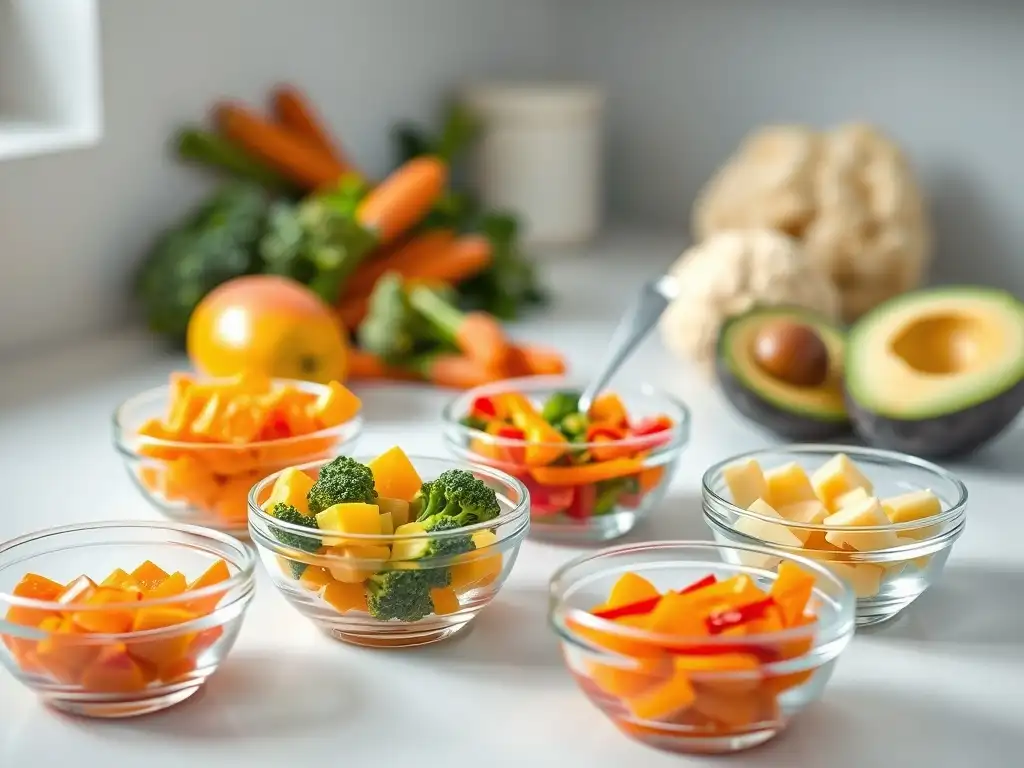
This section focuses on diversifying your baby's diet beyond the initial purees, a crucial step in their nutritional journey. Successfully navigating this phase requires a gradual introduction of new textures and flavors, paving the way for a healthy and balanced diet. We'll explore strategies for introducing a wider range of foods while ensuring your baby's safety and enjoyment. Remember, this is a baby weaning food introduction guide designed to empower you with knowledge and confidence.
Introducing Different Food Groups
Introducing new food groups should be a slow and steady process. Start by offering one new food at a time, waiting 2-3 days before introducing another. This allows you to monitor for any allergic reactions. Keep a food diary to track what you're giving your baby and any reactions they might have. This is invaluable information, especially for future reference.
Here's a suggested timeline and approach for introducing various food groups, keeping in mind this is a guide and individual babies may progress at different paces:
- 4-6 Months: Start with single-ingredient purees of vegetables like sweet potato or butternut squash. Gradually introduce fruits like avocado or banana.
- 6-8 Months: Introduce well-cooked and mashed vegetables and fruits. You can start incorporating soft, cooked meats like chicken or fish (finely mashed or pureed). Iron-rich foods are particularly important at this stage.
- 8-10 Months: Begin offering finely chopped or shredded vegetables and fruits. Introduce finger foods like soft cooked pasta, well-cooked carrots, or steamed broccoli florets. Ensure foods are soft enough to avoid choking hazards.
- 10-12 Months: Continue to expand the variety of foods. Offer a wider range of textures, including soft pieces of meat and whole-grain cereals. Milk remains an important part of their diet.
Remember to always supervise your baby during mealtimes and cut food into appropriately sized pieces to minimize the risk of choking. Always consult your pediatrician for personalized advice.
Building a Balanced Diet for Your Baby
A balanced diet for your baby is crucial for their growth and development. It’s not just about providing enough calories; it's about ensuring they receive the right balance of nutrients. This means incorporating a variety of food groups, including:
- Fruits and Vegetables: These provide essential vitamins, minerals, and fiber. Aim for a rainbow of colors to ensure a wide variety of nutrients.
- Grains: Whole grains provide carbohydrates for energy and fiber for healthy digestion. Introduce whole-grain cereals and pasta gradually.
- Protein: Protein is essential for building and repairing tissues. Offer lean meats, poultry, fish, beans, lentils, and eggs.
- Dairy: Dairy products provide calcium, essential for strong bones and teeth. Whole milk is generally recommended until age 2. Introduce yogurt and cheese as appropriate.
- Healthy Fats: Healthy fats are crucial for brain development. Include sources like avocados, nuts (finely ground), and seeds (ground).
| Food Group | Examples | Importance |
|---|---|---|
| Fruits & Vegetables | Applesauce, sweet potatoes, broccoli | Vitamins, minerals, fiber |
| Grains | Oatmeal, whole-grain pasta, brown rice | Carbohydrates, fiber |
| Protein | Chicken, beans, lentils, tofu | Muscle building, tissue repair |
| Dairy | Milk, yogurt, cheese | Calcium, bone health |
| Healthy Fats | Avocado, nuts (finely ground) | Brain development, energy |
This table provides a quick overview; however, remember to always consult with your pediatrician or a registered dietitian for personalized dietary guidance tailored to your baby's specific needs and developmental stage.
Dealing with Picky Eaters
Picky eating is common in babies and toddlers. It can be frustrating, but there are strategies you can employ to encourage a wider variety of foods:
- Be patient and persistent: Don't give up after one or two tries. It may take multiple exposures to a new food before your baby accepts it.
- Make it fun: Use fun shapes, colors, and serving styles to make mealtimes more appealing.
- Involve your baby: Let your baby help with meal preparation (age-appropriate tasks).
- Lead by example: Show your baby that you enjoy eating a variety of foods.
- Avoid power struggles: Don't force your baby to eat. Offer a variety of healthy options and let your baby choose what they want to eat.
- Don't use food as a reward or punishment: This can create unhealthy associations with food.
Remember, a healthy relationship with food starts early. Focus on creating a positive and enjoyable mealtime experience, and don't be afraid to seek guidance from your pediatrician or a registered dietitian if you have concerns about your baby's eating habits. This baby weaning food introduction guide is just a starting point; your baby's individual needs will guide your approach. 👶
Recipes for Healthy Baby Food
Introducing solids is an exciting milestone, but creating nutritious and appealing meals for your little one can feel daunting. Fear not! With a little planning and these simple recipes, you can easily prepare delicious and healthy baby food at home. Remember to always consult your pediatrician before introducing new foods and to watch for any allergic reactions. Start with single-ingredient purees to identify potential allergies before combining ingredients.
One fundamental aspect of successful baby-led weaning (BLW) or traditional purees is understanding the texture. For babies just starting solids, extremely smooth purees are often recommended. As your baby progresses, you can gradually increase the texture, introducing lumps and chunks to help develop their chewing skills. This transition is crucial for oral motor development and preparing them for a wider variety of foods later on.
Here are a few simple recipes to get you started:
Sweet Potato Puree:
- 1 medium sweet potato, peeled and cubed
- Water to cover
Boil the sweet potato until tender (approximately 15-20 minutes). Drain and blend until smooth, adding water as needed to reach desired consistency. This naturally sweet puree is packed with Vitamin A and fiber.
Avocado Puree:
- 1 ripe avocado, mashed
Simply mash a ripe avocado until smooth. Avocado is a creamy, nutrient-rich option that's easy to digest and full of healthy fats.
Green Bean Puree:
- 1 cup fresh or frozen green beans
- Water to cover
Steam or boil the green beans until tender. Blend until smooth, adding water for consistency. Green beans are a fantastic source of vitamins K and C.
Apple and Carrot Puree:
- 1 apple, peeled, cored, and chopped
- 1 medium carrot, peeled and chopped
- Water to cover
Steam or boil the apple and carrot until tender. Blend until smooth, adding a little water if necessary. This combination offers a balance of sweetness and nutrients.
Remember to always introduce new foods one at a time, waiting a few days to observe for any allergic reactions before introducing another. Portion sizes should be small, especially when starting solids. As your baby grows, you can increase the portion size and complexity of the recipes. Enjoy this exciting journey of culinary exploration with your little one! Always prioritize safety and consult your pediatrician with any concerns. Homemade baby food offers a level of control over ingredients and freshness that can't be beat. Happy cooking!
Mealtime Milestones: From High Chair to Family Meals
This section focuses on the exciting transition your baby makes as they move beyond the confines of their high chair and begin exploring the world of family meals. This is a significant developmental leap, marking a shift from solely pureed foods to more varied textures and eventually, family-style dining. Successfully navigating this transition requires careful planning, patience, and a touch of creativity. We'll explore strategies to make this journey smooth and enjoyable for both you and your little one. Remember, this is a Baby weaning food introduction guide focused on the practical application of weaning beyond the high chair.
Transitioning from High Chair to Table
The transition from high chair to table should be gradual and tailored to your baby's developmental stage. Around six months, many babies are ready to start exploring textures beyond purees. This is the beginning of the weaning journey. However, sitting upright unsupported is a crucial milestone. Before moving your baby to a regular chair, ensure they can sit independently for extended periods. Start by using a booster seat at the dining table. This allows them to participate in family meals while still providing the necessary support.
Begin by offering soft, easily manageable finger foods alongside their purees. Think steamed carrot sticks, soft cooked pasta, or well-cooked pieces of avocado. Observe their ability to self-feed and adjust the food consistency accordingly. Some babies may need more time to master the pincer grasp, the ability to pick up small objects using their thumb and forefinger. Patience is key! 🎉
Remember safety! Always supervise your baby closely during mealtimes to prevent choking hazards. Choose foods that are appropriately sized and textured for their developmental stage. Introduce new foods one at a time, waiting a few days to monitor for any allergic reactions. 🍎
Family Meals and Baby-Led Weaning
Integrating your baby into family mealtimes is a wonderful way to foster healthy eating habits and encourage social interaction. Baby-led weaning (BLW) is a popular approach where babies are offered soft, age-appropriate finger foods from the start, allowing them to self-feed and explore different textures at their own pace. This empowers them to regulate their intake and develop a positive relationship with food.
However, BLW isn't just about offering finger foods; it's about creating a family mealtime environment where your baby feels included and safe. Consider these tips for successful family-style meals:
- Prepare age-appropriate foods: Offer a variety of soft, easily manageable foods alongside the family meal.
- Create a safe and comfortable space: Use a high chair or booster seat with a secure harness.
- Model healthy eating habits: Let your baby see you enjoying a variety of healthy foods.
- Be patient and encouraging: Don't force your baby to eat. Let them explore and discover foods at their own pace.
- Celebrate successes: Praise your baby's efforts and encourage them to try new foods. 🥳
Remember, consistency is crucial. Even if your baby doesn't seem interested in certain foods at first, keep offering them. Their tastes and preferences will evolve over time.
Managing Messes and Mealtime Challenges
Let's face it: baby-led weaning and family meals can be messy! But the mess is a small price to pay for the developmental benefits. Embrace the chaos and focus on creating a positive and enjoyable mealtime experience. Here are some strategies for managing the inevitable spills and splatters:
- Use a high chair or booster seat with a tray: This will help contain some of the mess.
- Protect your furniture: Use placemats or a tablecloth.
- Keep cleaning supplies handy: Have wipes or a damp cloth readily available.
- Dress your baby in easy-to-clean clothes: Opt for bibs and clothes that can be easily washed or wiped down.
- Don't stress about the mess: Focus on the positive aspects of mealtime and remember that cleaning up is part of the process. 🧹
Some common challenges include picky eating and food refusal. If your baby consistently refuses certain foods, don't force them. Continue to offer a variety of healthy options, and avoid power struggles around mealtimes. Remember, your baby's appetite will fluctuate, and it's normal for them to have days when they eat less than others. Consult your pediatrician if you have concerns about your baby's eating habits or weight gain. This Baby weaning food introduction guide aims to support you, but professional advice is always paramount.
Dealing with Food Allergies and Sensitivities

Introducing new foods to your baby is an exciting journey, but it's also crucial to be aware of potential food allergies and sensitivities. Food allergies are a serious medical condition where the body's immune system overreacts to a specific food protein, triggering a potentially life-threatening reaction. Sensitivities, on the other hand, are less severe reactions, often causing digestive upset like gas, bloating, or diarrhea. Both require careful attention.
The most common allergens in babies include cow's milk, eggs, peanuts, tree nuts, soy, wheat, fish, and shellfish. Introducing these allergens one at a time, in small amounts, and observing your baby closely for any reactions is paramount. Signs of an allergic reaction can range from mild (rash, hives, itching) to severe (difficulty breathing, swelling of the face or throat, vomiting). If you suspect an allergic reaction, seek immediate medical attention.
A gradual introduction of potential allergens is key to identifying any issues early. Start with a tiny amount of the new food, waiting 2-3 days before introducing another new food. This allows you to monitor your baby's reaction more effectively. Keep a detailed food diary, noting down everything your baby eats and any subsequent reactions.
This diary will be invaluable if you need to consult a pediatrician or allergist. Early identification allows for timely intervention, potentially preventing more severe reactions later. Remember, consulting your pediatrician is crucial before introducing potential allergens, especially if there's a family history of allergies. They can provide personalized guidance based on your baby's health and family history, helping you navigate this crucial stage of development safely.
The Importance of Hydration
Water is essential for your baby's overall health and development, especially during the weaning process. As your baby transitions from breast milk or formula to solid foods, maintaining adequate hydration is vital for proper digestion, nutrient absorption, and overall well-being. Dehydration can quickly become a serious concern in infants, leading to various health complications. Knowing the signs of dehydration and ensuring your little one drinks enough water is crucial for their healthy growth.
Signs of dehydration in babies can include dry mouth and tongue, fewer wet diapers than usual, sunken eyes, and lethargy. If you notice any of these symptoms, consult your pediatrician immediately. For babies under six months, breast milk or formula remains the primary source of hydration. However, as you introduce solids, you can also start offering small amounts of water, typically from a sippy cup. It's important to avoid sugary drinks and juices, as they can contribute to tooth decay and nutritional imbalances.
The amount of water your baby needs will vary depending on factors such as climate, activity level, and overall health. However, offering water regularly throughout the day, especially during and after meals, is a good practice. Observe your baby's cues; if they seem thirsty, offer them water. Don't force them to drink more than they want.
As your baby grows and consumes more solid foods, their water intake will naturally increase. Remember, consistency and observation are key to ensuring your baby stays properly hydrated during this important developmental stage. This is a vital part of your baby weaning food introduction guide.
Baby-Led Weaning: A Comprehensive Guide
This section delves into the specifics of baby-led weaning (BLW), a popular approach to introducing solid foods to infants. We'll explore its core principles, food selection, and crucial safety measures, providing you with a robust Baby weaning food introduction guide. Remember, always consult your pediatrician before starting your baby on solids.
What is Baby-Led Weaning?
Baby-led weaning is a method where babies self-feed soft, finger-sized pieces of food from the start of their solid food journey, skipping purees altogether. Instead of spoon-feeding, babies are given control over the amount and pace of their eating. This approach emphasizes the baby's natural ability to regulate their intake and develop their chewing and grasping skills. It's not just about what they eat, but how they learn to eat. The focus is on the developmental aspects of feeding, fostering independence and a positive relationship with food from the very beginning.
The benefits often cited include:
- Improved self-feeding skills: Babies learn to coordinate hand-eye movements and develop fine motor skills.
- Reduced risk of picky eating: Exposure to a variety of textures and flavors early on can help prevent future food aversions.
- Enhanced self-regulation: Babies learn to listen to their own hunger and fullness cues.
- Increased enjoyment of mealtimes: The process is often more playful and engaging for both parent and baby.
However, it's crucial to understand that BLW requires careful planning and supervision. The transition to solid foods should be gradual, and parents need to be vigilant about choking hazards.
Choosing the Right Foods for Baby-Led Weaning
Selecting appropriate foods is paramount in baby-led weaning. The key is to offer soft, easily manageable pieces that are long enough to grasp but small enough to prevent choking. Avoid anything round or small that could easily be swallowed whole.
Here's a table illustrating suitable food choices, categorized by texture and age appropriateness (always consult your pediatrician for individualized guidance):
| Food Category | Example Foods | Texture | Age (Months) | Notes |
|---|---|---|---|---|
| Soft Cooked Vegetables | Steamed broccoli florets, carrot sticks, sweet potato sticks | Soft, easily mashed | 6+ | Cut into long, gummable sticks |
| Fruits | Soft cooked pear slices, banana slices, avocado slices | Soft, easily mashed | 6+ | Avoid grapes and cherry tomatoes until later |
| Proteins | Cooked chicken strips, soft tofu cubes, lentils | Soft, easily mashed | 7+ | Ensure thoroughly cooked and easily breakable |
| Grains | Soft cooked pasta, well-cooked rice cakes | Soft, easily mashed | 7+ | Avoid anything too hard or sticky |
Remember to always supervise your baby while they are eating and ensure the food is cooked until soft enough to easily mash with gums.
Safety Precautions for Baby-Led Weaning
Safety is the utmost priority when introducing solid foods using BLW. Choking is a significant concern, so careful food preparation and constant supervision are essential.
- Food Size and Shape: Cut foods into long, gummable sticks or strips to minimize choking risks. Avoid round or small foods.
- Food Texture: Ensure foods are soft enough to easily mash with gums. Avoid hard, crunchy, or sticky foods.
- Supervision: Never leave your baby unattended while eating. Stay close and observe their eating patterns.
- Positioning: Support your baby in an upright position to facilitate swallowing and minimize choking risks.
- First Aid Awareness: Familiarize yourself with basic infant first aid techniques, particularly those related to choking. Knowing how to perform infant CPR is critical.
While BLW offers numerous benefits, it's crucial to approach it with caution and preparedness. By understanding the principles, selecting appropriate foods, and prioritizing safety, you can provide your baby with a positive and enriching introduction to solid foods. This Baby weaning food introduction guide aims to empower you with the knowledge to make informed decisions, ensuring a smooth transition to this exciting new phase. 👶
Baby-Led Weaning Resources and Support
Embarking on the baby-led weaning journey can feel exciting yet daunting. Fortunately, numerous resources are available to provide first-time parents with the support and confidence they need. These resources range from informative books and websites to supportive online communities and even in-person classes. Leveraging these resources can significantly ease the transition and ensure a smooth and enjoyable experience for both parents and baby.
One crucial aspect is accessing reliable information. Many websites and books offer detailed guides on baby-led weaning, covering everything from suitable foods and safe preparation techniques to addressing common concerns and troubleshooting potential challenges. Look for resources authored by pediatricians, registered dietitians, or other qualified healthcare professionals to ensure the information is accurate and evidence-based. These resources often include age-appropriate food suggestions, recipes, and meal planning ideas, making the process easier to manage. They also frequently address potential allergies and sensitivities, providing guidance on how to introduce new foods safely and monitor for any reactions.
Beyond written resources, online communities offer invaluable peer support. Connecting with other parents who are navigating baby-led weaning can foster a sense of community and shared experience. These online forums and social media groups provide a platform to share tips, ask questions, and receive encouragement. The collective wisdom and support from other parents can be incredibly reassuring, especially when facing challenges or uncertainties. Remember to always critically evaluate the information shared in these communities and consult with healthcare professionals if you have any concerns.
Furthermore, consider seeking professional guidance. Consultations with a pediatrician or registered dietitian can help address any specific concerns or questions related to your baby's individual needs and development. They can provide personalized advice tailored to your baby's health and dietary requirements, ensuring a safe and effective weaning journey. Some healthcare providers even offer specialized classes or workshops on baby-led weaning, providing a structured learning environment and opportunity for interactive learning and question-and-answer sessions.
These classes can be especially helpful for parents who prefer hands-on learning and direct interaction with experts. Remember that a supportive network, combined with reliable information and professional guidance, forms the cornerstone of a successful baby-led weaning experience. Don't hesitate to seek out the resources available to support you on this exciting journey.
Addressing Common Concerns During Weaning
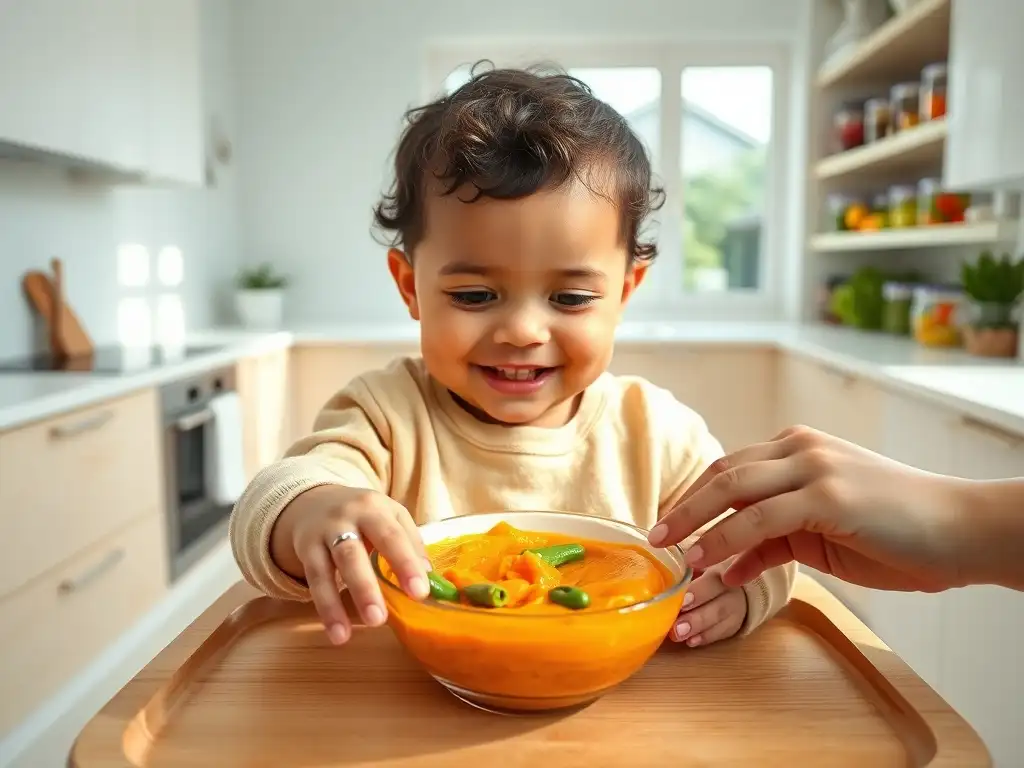
Transitioning your little one from breast milk or formula to solid foods, a process often called baby weaning, is a significant milestone. While exciting, it also brings a range of concerns for new parents. This section addresses some common challenges you might encounter during this phase, offering practical tips and guidance to navigate them successfully. Remember, every baby is unique, and what works for one might not work for another. Patience and consistency are key!
Constipation and Diarrhea
Constipation and diarrhea are two common digestive issues that can arise during weaning. Changes in diet can significantly impact a baby's bowel movements. Constipation, characterized by infrequent, hard stools, can be managed through dietary adjustments. Increasing the fiber content of your baby's diet is crucial. This can be achieved by introducing foods rich in fiber such as pureed sweet potatoes, pears, and prunes. Offering plenty of water throughout the day is also essential for optimal hydration, which aids in preventing constipation. However, avoid giving your baby juice, as it can be counterproductive.
If constipation persists despite dietary changes, consult your pediatrician. They can offer further advice and rule out any underlying medical conditions. Conversely, diarrhea, characterized by loose and watery stools, can be caused by introducing new foods too quickly or by food intolerances. If your baby experiences diarrhea, temporarily stop introducing new foods and stick to foods known to be well-tolerated. Ensure your baby remains well-hydrated by offering frequent small amounts of breast milk or formula, alongside electrolyte solutions as advised by your doctor. Severe or persistent diarrhea requires immediate medical attention.
| Food | Fiber Content (per serving) | Effect on Bowel Movements |
|---|---|---|
| Sweet Potato Puree | High | Helps prevent constipation |
| Pear Puree | Moderate | Generally gentle on digestion |
| Prunes Puree | High | Can help relieve constipation |
| Rice Cereal | Low | Can be constipating for some babies |
| Applesauce | Moderate | Generally well-tolerated |
Remember to introduce new foods one at a time, waiting a few days to observe your baby's reaction before introducing another. This helps identify potential culprits if digestive issues arise. 👶
Dealing with Fussy Eating
Many parents encounter fussy eating during weaning. Some babies readily embrace new tastes and textures, while others are more hesitant. This is perfectly normal. It’s important to remember that it can take multiple exposures to a new food before a baby accepts it. Don't be discouraged if your baby rejects a food initially. Try again on another day, offering the food in a different way, or perhaps pairing it with a familiar favorite.
Offering a variety of textures and flavors is important. Start with purees, then gradually introduce mashed foods, soft finger foods, and eventually, chopped or diced foods. Avoid pressuring your baby to eat. A relaxed and positive feeding environment is crucial. Mealtimes should be enjoyable experiences, not battles of wills. If your baby consistently refuses certain food groups, consult with a pediatrician or registered dietitian to rule out any underlying issues and ensure your baby is getting adequate nutrition. Remember, a balanced diet is key to healthy development.
The key is patience and persistence. Keep offering a variety of healthy options, and don't give up if your baby rejects a food the first time. Positive reinforcement and a relaxed atmosphere can make a world of difference. 🎉
Food Allergies and Intolerances
Introducing new foods also carries the risk of encountering food allergies or intolerances. While most babies tolerate new foods without issue, some may develop allergic reactions or intolerances. Food allergies are triggered by the immune system's response to specific proteins in food, while intolerances involve digestive discomfort without an immune response.
Common allergens include cow's milk, eggs, peanuts, tree nuts, soy, wheat, fish, and shellfish. It's crucial to introduce these potential allergens one at a time, waiting several days between each introduction to monitor for any reactions. Signs of an allergic reaction can range from mild (rash, hives) to severe (anaphylaxis), requiring immediate medical attention. Intolerances may manifest as digestive upset, such as gas, bloating, or diarrhea.
Recognizing Allergic Reactions
Watch for symptoms such as hives, swelling of the face or lips, difficulty breathing, vomiting, or diarrhea. If you suspect an allergic reaction, seek immediate medical attention.
Always consult your pediatrician before introducing potential allergens, especially if there is a family history of allergies. They can provide personalized guidance and recommendations based on your baby's individual needs and risk factors. Early identification and management of food allergies are crucial for preventing severe reactions and ensuring your baby's well-being. Remember, a proactive approach is essential for navigating the complexities of weaning and ensuring a healthy and happy journey for your little one. 🍎
Sustaining Healthy Eating Habits Beyond Weaning
This section focuses on maintaining healthy eating habits in your child after the initial weaning process, building upon the foundation established during the introduction of solid foods. Successfully navigating this phase requires a multifaceted approach, encompassing mindful meal planning, engaging your child in the process, and fostering a positive relationship with food. Remember, consistency and patience are key to long-term success. This guide aims to provide practical strategies to help you build a strong foundation for your child's nutritional well-being, addressing the crucial aspects of a Baby weaning food introduction guide.
Encouraging Healthy Choices as Your Child Grows
Once your baby graduates from purees and moves onto more textured foods, it's vital to continue introducing a wide variety of nutritious options. Avoid focusing solely on foods your child already enjoys; instead, present new tastes and textures regularly. This is crucial for developing a palate that appreciates diverse flavors and nutrients. A good rule of thumb is to offer at least one new food per week, observing your child's reaction without pressure.
Remember, it can take multiple exposures to a new food before a child accepts it. Don't be discouraged if your little one initially rejects a new vegetable or fruit. Persistence is key! Try different preparation methods—steaming, roasting, or pureeing—to find what works best for your child's preferences.
Consider incorporating a variety of colors into your child’s meals. This naturally leads to a wider range of vitamins and minerals. For example, a plate with vibrant red tomatoes, orange carrots, and green broccoli provides a visual appeal alongside nutritional benefits. Think of it as a rainbow on their plate! 🌈
Meal Planning for Toddlers
Effective meal planning is essential for ensuring your toddler receives the necessary nutrients for growth and development. Creating a structured meal plan, while allowing for flexibility, can significantly simplify the process and reduce mealtime stress.
Here's a sample meal plan, keeping in mind that individual needs vary:
| Meal Time | Food Suggestions | Notes |
|---|---|---|
| Breakfast | Oatmeal with berries, scrambled eggs, whole-wheat toast | Prioritize whole grains and protein for sustained energy. |
| Lunch | Chicken and vegetable stir-fry, lentil soup, sandwich | Offer a balance of protein, carbohydrates, and vegetables. |
| Dinner | Salmon with roasted sweet potatoes and green beans | Include lean protein and a variety of colorful vegetables. |
| Snacks (2-3) | Fruits (apples, bananas, berries), yogurt, cheese | Choose healthy snacks that are easily digestible and packed with nutrients. |
Remember to adjust portion sizes according to your child's age and appetite. It's perfectly acceptable for toddlers to have smaller portions than adults. Focus on offering a variety of nutrient-rich foods rather than large quantities of any single item. This approach is crucial for a successful baby weaning food introduction guide.
Involving Your Child in Food Preparation
Involving your child in the food preparation process can significantly increase their interest in trying new foods. Even toddlers can participate in age-appropriate tasks, such as washing vegetables, stirring ingredients, or setting the table. This hands-on experience fosters a sense of ownership and pride, making mealtimes more enjoyable.
Here are some ideas for age-appropriate involvement:
- Toddlers (1-2 years): Washing fruits and vegetables under supervision, helping to stir ingredients in a bowl, tearing lettuce for a salad.
- Preschoolers (3-5 years): Measuring ingredients (with guidance), spreading toppings on toast, assembling simple sandwiches.
By actively participating, children learn about different foods, develop fine motor skills, and cultivate a positive attitude towards healthy eating. This shared experience creates lasting memories and strengthens the bond between parent and child, making mealtimes a positive and enriching experience. This is a vital aspect of a comprehensive baby weaning food introduction guide.
Frequently Asked Questions
When should I start weaning my baby?
Ideally, you should start weaning your baby around 6 months old, when they show signs of readiness like sitting up unsupported and showing interest in your food. Always consult your pediatrician for personalized advice.
What are some good first foods for my baby?
Great first foods include single-ingredient purees like sweet potato, avocado, or butternut squash. Avoid honey and highly allergenic foods initially.
How do I introduce new foods safely?
Introduce one new food at a time over several days to monitor for any allergic reactions. Start with small amounts and watch for any signs of discomfort.
What if my baby refuses to eat a new food?
Don't worry! It can take multiple exposures before a baby accepts a new food. Keep offering it in different ways and don't pressure them.
What are some fun and engaging ways to make weaning enjoyable?
Try baby-led weaning with soft, easily-graspable foods, or make purees more interesting with different textures and colors. Involve your baby in the meal preparation process.
Final Reflection: Nourishing Futures, One Bite at a Time
The journey of introducing solid foods to your baby is far more than just sustenance; it's a foundational step in their lifelong relationship with food, impacting their health, preferences, and even their emotional well-being. This isn't just about hitting developmental milestones; it's about cultivating a positive and adventurous approach to eating that will serve them well throughout their lives. The choices we make today directly influence the health and happiness of our children tomorrow.
The impact of early feeding experiences extends far beyond the high chair. It shapes a child's palate, influencing their acceptance of diverse flavors and textures, and lays the groundwork for healthy eating habits that can prevent future health issues. We are what we repeatedly do. Excellence, then, is not an act, but a habit.
- Aristotle. This quote perfectly encapsulates the importance of establishing healthy eating habits early on, habits that will become ingrained and beneficial throughout a lifetime. The subtle nuances of texture, taste, and the very act of exploration during weaning are crucial building blocks for a future of balanced nutrition and enjoyment of food.
Consider the power you hold in shaping your child's relationship with food. This isn't just about following a guide; it's about creating a positive and engaging experience. Embrace the mess, celebrate the discoveries, and remember that every bite is a step towards a healthier, happier future. Take the time to reflect on your own relationship with food, and use this journey as an opportunity to model healthy eating habits for your little one. Let the adventure of weaning be a testament to the power of nurturing and the enduring impact of mindful choices.
Unlock Your Baby's Culinary Curiosity!
Thank you for exploring the exciting world of baby-led feeding! We hope you've gained valuable insights into nurturing your little one's palate and fostering healthy eating habits. Now, let's put that knowledge into action:
- Experiment with new textures and flavors! Introduce your baby to a wide variety of colorful fruits, vegetables, and healthy whole grains, paying close attention to their reactions and preferences. This is where the real fun begins!
- Share your baby's culinary adventures! Connect with other parents on our BabyCareHub forums and share your successes (and funny moments!). Together, we can build a supportive community of parents exploring healthy eating with their babies.
- Keep a simple food diary to track your baby's progress and preferences. This will be invaluable as they grow and develop.
What delicious new food will you introduce to your little one today?