
Understanding Baby's Skin Microbiome: Its Role in Eczema

Welcome to BabyCareHub, your ultimate guide to navigating the incredible journey of parenthood! Are you prepared for the rollercoaster ride of sleepless nights and endless diaper changes? We're here to help. We understand that caring for a newborn can feel overwhelming, which is why we've created this comprehensive resource. Discover the critical link between your baby's skin microbiome and the development of eczema in our insightful article, "Baby eczema microbiome role". Unravel the mysteries of your little one's delicate skin and learn how to nurture their health and well-being. Let's embark on this adventure together!
- What is the Skin Microbiome? Understanding the Ecosystem on Baby's Skin
- The Link Between Baby's Skin Microbiome and Eczema Development
-
How to Support a Healthy Skin Microbiome to Prevent and Manage Baby Eczema
- Maintaining Skin Barrier Integrity: Moisturizing and Gentle Cleansing
- The Impact of Diet on the Gut-Skin Axis and Eczema
- Probiotics and Prebiotics: Their Potential Role in Eczema Prevention and Treatment
- Avoiding Harsh Chemicals and Irritants: Choosing Baby-Friendly Products
- The Importance of Hygiene Practices in Managing Baby Eczema
- When to Seek Professional Medical Advice for Baby Eczema
- Future Research and Emerging Therapies Targeting the Microbiome in Eczema Management
-
Frequently Asked Questions
- What is the skin microbiome, and why is it important for my baby?
- How does the microbiome relate to baby eczema?
- Can I change my baby's microbiome to help with eczema?
- What are some lifestyle changes that can support a healthy baby microbiome?
- My baby has eczema. Should I use harsh soaps and cleansers to try and kill bacteria?
- Final Reflection: A Tiny World, A Big Impact: Understanding Your Baby's Skin Microbiome
- Unlock Your Baby's Skin's Secret to Health
What is the Skin Microbiome? Understanding the Ecosystem on Baby's Skin
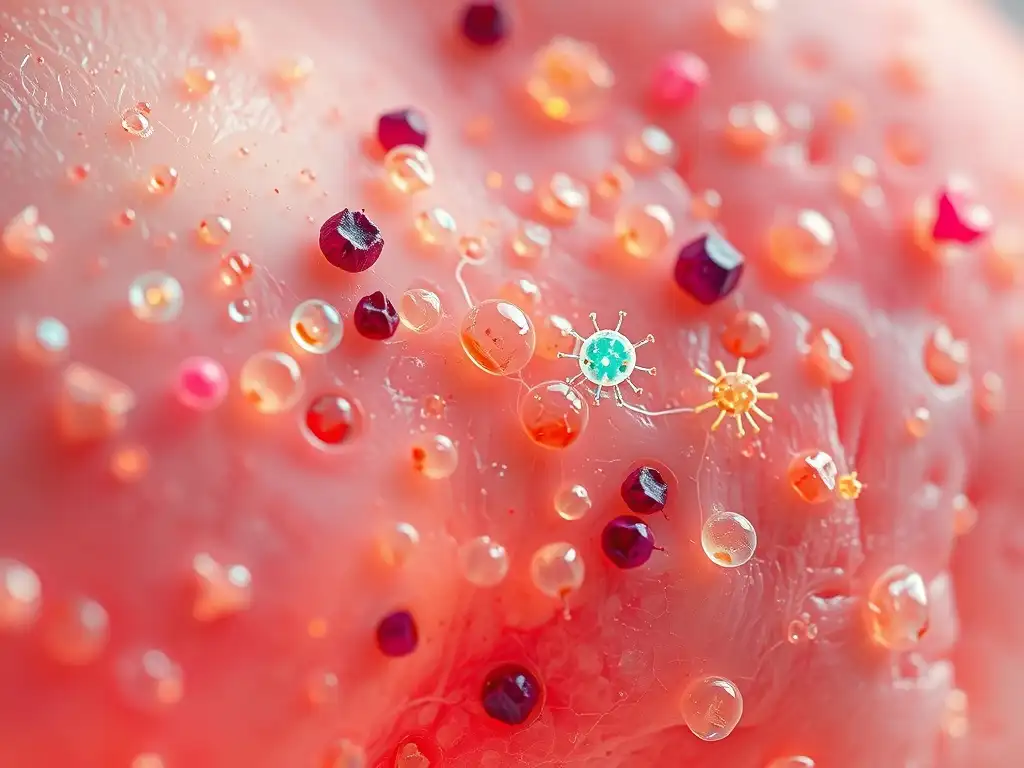
Your baby's skin is not just a protective barrier; it's a bustling ecosystem teeming with microscopic life! This intricate community of microorganisms, known as the skin microbiome, plays a crucial role in your baby's overall health, especially when it comes to conditions like eczema. Understanding this delicate balance is key to preventing and managing skin problems in your little one. This article will delve into the fascinating world of the baby skin microbiome, exploring its development, importance, and its direct link to eczema.
We will examine how a healthy microbiome contributes to healthy skin and how disruptions in this ecosystem can lead to conditions like eczema. This knowledge will empower you to make informed decisions about your baby's skincare and overall well-being, promoting a thriving skin microbiome and reducing the risk of eczema flare-ups. Let's embark on this journey to understand this often-overlooked aspect of your baby's health.
The Complex World of Microbes: Bacteria, Fungi, and Viruses on Infant Skin
A baby's skin is colonized by a diverse array of microorganisms from the moment of birth. This includes bacteria (like Staphylococcus, Streptococcus, and Corynebacterium), fungi (such as Malassezia), and viruses. The types and quantities of these microbes vary depending on several factors, including:
- Mode of delivery: Vaginally delivered babies acquire a microbiome different from those born via Cesarean section. Vaginal delivery exposes the baby to the mother's vaginal and gut microbiota, leading to a more diverse initial microbiome.
- Feeding method: Breastfed babies tend to have a microbiome richer in beneficial bacteria compared to formula-fed infants. Breast milk contains prebiotics and other beneficial compounds that promote the growth of beneficial bacteria.
- Environmental exposure: Exposure to different environments, such as pets, siblings, and outdoor spaces, influences the composition of the baby's skin microbiome.
The initial colonization process is dynamic and continues to evolve throughout infancy, shaping the development of a stable and mature microbiome. Understanding this initial colonization is vital because it lays the groundwork for the future health of the skin. An imbalance in this early microbiome can have long-term consequences, increasing the susceptibility to skin disorders, including eczema. A diverse and balanced microbiome is crucial for maintaining skin barrier integrity and preventing inflammation.
How the Skin Microbiome Develops in Early Life
The development of a baby's skin microbiome is a fascinating journey. In the first few months of life, the microbiome is relatively unstable and undergoes significant changes as the baby interacts with its environment and diet. This period is characterized by a succession of microbial species, with some becoming dominant while others decline.
The process is influenced by several factors, including:
- Genetics: An individual's genetic makeup plays a role in shaping the composition of their microbiome.
- Hygiene practices: Over-sanitization can disrupt the natural development of the microbiome, potentially leading to imbalances. Moderate hygiene is crucial, avoiding excessive use of harsh soaps and antiseptics.
- Diet: Nutrition, especially during infancy, significantly impacts the gut and skin microbiome composition. Breastfeeding, for instance, has been linked to a more diverse and balanced microbiome.
As the baby grows, the microbiome becomes more stable and resembles that of an adult. This stabilization generally occurs by around 3 years of age, although individual variations exist. The composition of the mature microbiome is relatively unique to each individual and is influenced by a lifetime of environmental exposures and lifestyle choices. Maintaining a balanced and diverse microbiome throughout life is essential for optimal skin health.
The Importance of a Balanced Skin Microbiome for Healthy Skin
A healthy and diverse skin microbiome is essential for maintaining skin barrier function and preventing inflammation. Beneficial bacteria produce antimicrobial peptides and other substances that inhibit the growth of harmful pathogens, protecting the skin from infections. They also contribute to the production of essential lipids and metabolites that support skin hydration and integrity.
Conversely, a dysbiotic microbiome—one that is imbalanced with an overgrowth of harmful bacteria or a reduction in beneficial bacteria—can contribute to skin conditions such as eczema. In eczema, there's often a reduction in beneficial bacteria and an increase in Staphylococcus aureus, a bacterium associated with inflammation and exacerbation of eczema symptoms. Restoring the balance of the skin microbiome is therefore a key strategy in managing eczema and improving skin health.
This can be achieved through various methods, including topical treatments, probiotics, and lifestyle modifications. Further research continues to explore the intricate relationship between the skin microbiome and eczema, paving the way for innovative therapeutic approaches.
The Link Between Baby's Skin Microbiome and Eczema Development
The skin microbiome, a complex community of microorganisms residing on the skin's surface, plays a crucial role in maintaining skin health. A healthy microbiome acts as a protective barrier, preventing the colonization of harmful bacteria and contributing to a robust immune response. In infants, the development of this microbiome is particularly dynamic, undergoing significant changes in the first few years of life. Disruptions in this delicate ecosystem are increasingly implicated in the development and exacerbation of atopic dermatitis, commonly known as eczema.
Understanding this link is vital for developing effective prevention and treatment strategies for baby eczema. A balanced microbiome helps regulate inflammation, while an imbalanced one can trigger inflammatory responses contributing to eczema symptoms such as itching, redness, and dryness. This section delves deeper into the specific mechanisms and factors involved.
Imbalances in the Microbiome: Dysbiosis and its Association with Eczema
Dysbiosis, an imbalance in the composition and function of the skin microbiome, is strongly associated with eczema development in infants. A healthy infant skin microbiome is characterized by a diverse range of bacteria, including Staphylococcus epidermidis, Corynebacterium, and others. However, in infants with eczema, this diversity is often reduced, with a relative increase in certain potentially pathogenic bacteria like Staphylococcus aureus.
This shift can lead to increased inflammation and compromised skin barrier function, making the infant more susceptible to allergens and irritants. Studies have shown a significant correlation between the severity of eczema and the degree of microbiome dysbiosis. For example, a 2020 study found that infants with severe eczema exhibited a significantly lower abundance of beneficial bacteria such as Lactobacillus species compared to healthy infants.
The reduced diversity and dominance of certain bacteria contribute to a weakened skin barrier, making it more vulnerable to environmental triggers and exacerbating eczema symptoms. This highlights the importance of maintaining a healthy and diverse skin microbiome in preventing and managing baby eczema.
Specific Microbes Linked to Eczema Flare-ups in Infants
While the exact mechanisms are still under investigation, certain microbes have been identified as potential contributors to eczema flare-ups in infants. As mentioned, an overabundance of Staphylococcus aureus is frequently observed in infants with eczema. This bacterium produces enzymes and toxins that can damage the skin barrier and trigger inflammatory responses, worsening eczema symptoms.
Conversely, a deficiency in beneficial bacteria like Staphylococcus epidermidis is also linked to eczema severity. S. epidermidis produces antimicrobial peptides that help control the growth of pathogenic bacteria, including S. aureus. A reduction in S. epidermidis can therefore lead to an increased risk of S. aureus colonization and subsequent eczema flares.
Further research is needed to fully elucidate the role of other specific bacterial species and fungi in the pathogenesis of eczema. However, the current evidence strongly suggests that targeting specific microbial imbalances could be a promising avenue for developing novel eczema therapies. The complexity of these interactions, however, demands careful and continued investigation.
The Role of Genetics and Environmental Factors in Microbiome Imbalance and Eczema
The development of eczema is a complex interplay of genetic predisposition and environmental factors, both of which can influence the composition and function of the skin microbiome. Genetic factors can affect the skin barrier's integrity and immune response, making some infants more susceptible to microbiome imbalances and eczema. For instance, filaggrin gene mutations are strongly associated with increased eczema risk and impaired skin barrier function.
Environmental factors, such as exposure to irritants (e.g., harsh soaps, detergents), allergens (e.g., pollen, pet dander), and antibiotics, can also disrupt the skin microbiome and contribute to eczema development. Antibiotic use, for example, can drastically alter the microbial composition of the skin, potentially leading to dysbiosis and increased susceptibility to eczema. Furthermore, early-life exposures, such as mode of delivery (vaginal vs. cesarean) and breastfeeding practices, can influence the initial colonization of the infant's skin microbiome, potentially impacting the risk of eczema later in life.
Understanding the complex interplay between genetics and environment is crucial for developing personalized strategies for preventing and managing baby eczema. Further research is needed to identify specific environmental triggers and their impact on the microbiome in the context of eczema development.
How to Support a Healthy Skin Microbiome to Prevent and Manage Baby Eczema
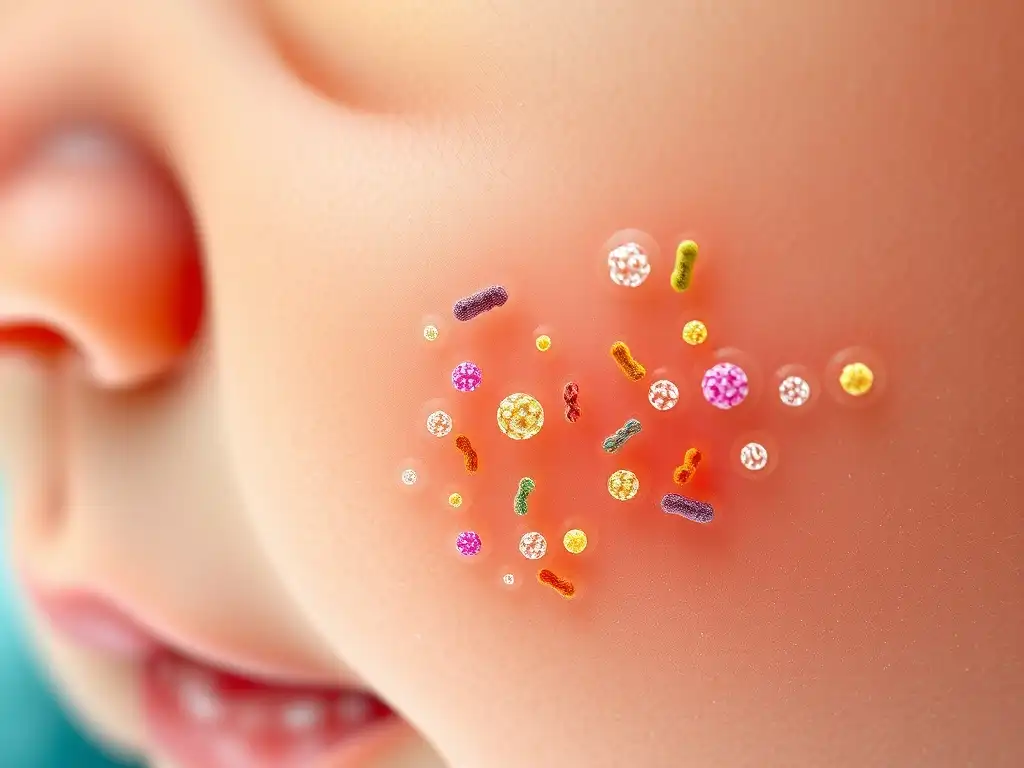
Understanding your baby's skin microbiome is crucial for preventing and managing eczema. A balanced microbiome, rich in beneficial bacteria and fungi, contributes significantly to a healthy skin barrier, reducing the risk of eczema flare-ups. Conversely, an imbalance, or dysbiosis, can lead to inflammation and exacerbate eczema symptoms. This section explores practical strategies to nurture a thriving skin microbiome in your little one. Remember, always consult your pediatrician before making significant changes to your baby's diet or skincare routine. The information provided here is for educational purposes only and should not be considered medical advice.
Maintaining Skin Barrier Integrity: Moisturizing and Gentle Cleansing
Maintaining a healthy skin barrier is paramount in supporting a balanced microbiome. A compromised barrier allows irritants and allergens to penetrate the skin, triggering inflammation and disrupting the delicate ecosystem. Gentle cleansing is key; avoid harsh soaps and detergents that strip the skin of its natural oils. Opt for fragrance-free, hypoallergenic cleansers specifically formulated for babies.
Moisturizing regularly is equally important. Apply a fragrance-free, hypoallergenic moisturizer immediately after bathing to trap moisture and support skin barrier function. The type of moisturizer may need to be adjusted based on the severity of the eczema. For example, babies with severe eczema might benefit from emollients containing ceramides, which help repair the skin barrier.
Regular application, even when the skin appears clear, is vital for preventing future flare-ups. Think of it as preventative maintenance for your baby's delicate skin. Consistent moisturizing helps maintain the skin's natural hydration levels, preventing dryness and cracking which can disrupt the microbiome balance. Data suggests that even a small improvement in skin hydration can significantly reduce eczema symptoms.
The Impact of Diet on the Gut-Skin Axis and Eczema
The gut-skin axis highlights the intricate connection between the gut microbiome and skin health. Emerging research strongly suggests that the composition of your baby's gut microbiome influences their skin microbiome and susceptibility to eczema. A healthy gut, teeming with beneficial bacteria, contributes to a robust immune system, less prone to overreacting to environmental triggers like allergens.
While the exact mechanisms are still being investigated, studies show a strong correlation between imbalances in the gut microbiome and the development of eczema. Introducing potential allergens gradually and monitoring for any reactions is a wise approach. While some advocate for eliminating potential food allergens, this should only be done under the guidance of a pediatrician or registered dietitian.
A balanced diet rich in fruits, vegetables, and whole grains supports overall health and may indirectly contribute to a healthier skin microbiome. Further research is needed to establish definitive dietary guidelines for eczema prevention, but maintaining a diverse and nutrient-rich diet is generally beneficial. Remember to avoid introducing honey to babies under one year old due to the risk of botulism.
Probiotics and Prebiotics: Their Potential Role in Eczema Prevention and Treatment
Probiotics, live microorganisms with health benefits, and prebiotics, substances that feed beneficial bacteria, are gaining attention for their potential role in eczema management. Some studies suggest that supplementing with specific probiotic strains might improve gut and skin health in infants with eczema. However, it's crucial to understand that research in this area is still ongoing, and more large-scale, randomized controlled trials are needed to confirm these findings.
The effectiveness of probiotics and prebiotics can vary depending on the specific strain, dosage, and individual response. Always consult with your pediatrician before introducing probiotics or prebiotics into your baby's diet, especially if they have a pre-existing health condition. Breastfeeding has been associated with a more diverse gut microbiota, which may offer some protection against eczema.
If breastfeeding isn't an option, infant formula supplemented with prebiotics may offer some benefits. It's important to remember that probiotics and prebiotics are not a cure for eczema but may be a supportive measure under professional guidance, alongside other management strategies. The use of these supplements should be considered as part of a holistic approach, and not a standalone treatment.
Avoiding Harsh Chemicals and Irritants: Choosing Baby-Friendly Products
Protecting your baby's delicate skin starts with the products you use. Harsh chemicals and irritants found in many commercially available baby products can disrupt the skin microbiome, exacerbating eczema and increasing the risk of flare-ups. Look for products specifically labeled as "hypoallergenic," "fragrance-free," and "free of dyes." These labels indicate a reduced likelihood of triggering allergic reactions or disrupting the delicate balance of the skin's natural flora.
Ingredients like parabens, sulfates, and phthalates are common culprits in disrupting the microbiome and should be avoided. Opt for products containing gentle, natural ingredients like colloidal oatmeal, shea butter, and aloe vera, known for their soothing and moisturizing properties. Always check the ingredient list carefully before purchasing any product. For example, a baby lotion might advertise "natural ingredients," but a closer examination might reveal hidden irritants further down the list.
Remember, even seemingly harmless products can contain hidden chemicals, so thorough scrutiny is essential. Prioritizing natural, minimally processed products is a crucial step in fostering a healthy skin microbiome and reducing eczema symptoms in your little one. Consider making your own baby products using simple, natural recipes available online; this allows for complete control over ingredients and eliminates the risk of hidden irritants. This proactive approach can significantly contribute to preventing and managing baby eczema.
The Importance of Hygiene Practices in Managing Baby Eczema
Maintaining good hygiene is crucial in managing baby eczema, but it's essential to strike a balance. Over-washing can strip the skin of its natural oils, disrupting the microbiome and leading to dryness and irritation – a common trigger for eczema flare-ups. Aim for lukewarm water and gentle, fragrance-free cleansers designed for sensitive skin. Avoid harsh scrubbing, which can further damage the skin barrier. After bathing, gently pat the skin dry (rather than rubbing) and apply a moisturizer immediately to lock in hydration.
Regularly changing diapers and keeping the diaper area clean and dry is vital, especially for babies prone to diaper rash, which can sometimes exacerbate existing eczema. For babies with eczema, frequent bathing isn't always necessary; two to three times a week is often sufficient. Over-bathing can worsen the condition. Remember, the goal is to gently cleanse the skin without disrupting the delicate balance of the microbiome.
Introducing new soaps or lotions gradually, and monitoring for any adverse reactions, is a smart approach. If you notice any changes, such as increased redness or itching, discontinue the product and consult your pediatrician. A well-maintained skin microbiome, supported by appropriate hygiene practices, is a cornerstone of effective eczema management in babies. This careful approach ensures that hygiene promotes healing, rather than hindering it.
When to Seek Professional Medical Advice for Baby Eczema
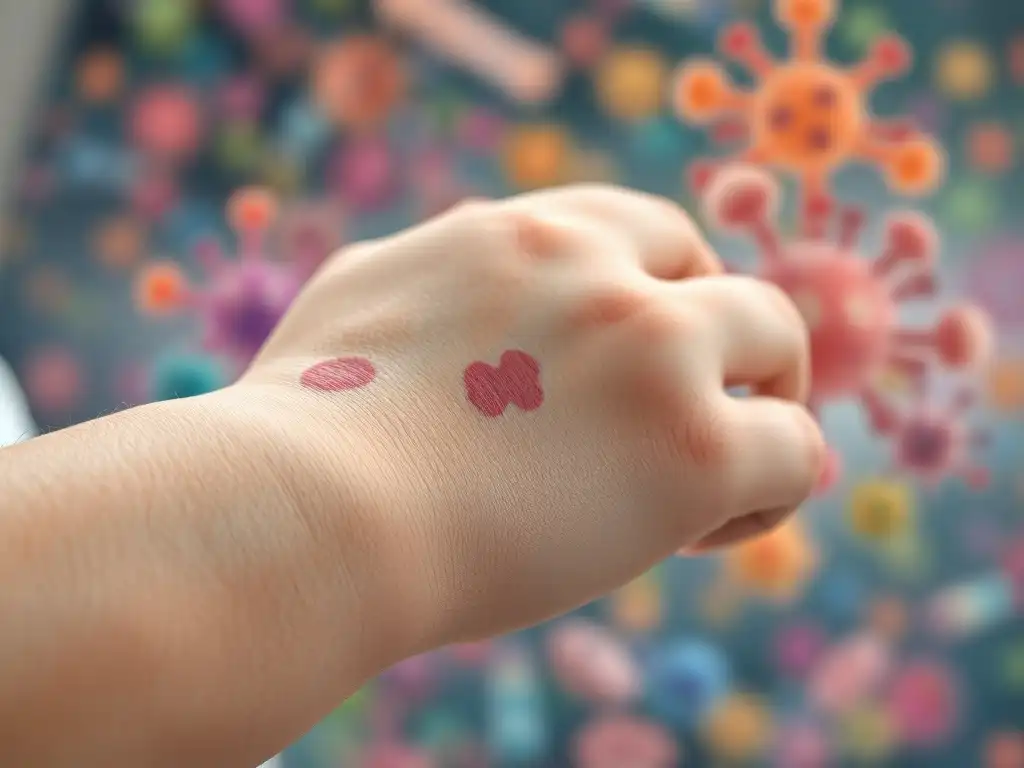
Knowing when to seek professional help for your baby's eczema is crucial for managing the condition effectively and preventing complications. While mild eczema can often be managed at home with gentle skincare routines, certain signs indicate the need for a doctor's intervention. This section focuses on identifying those crucial moments when professional medical advice becomes essential for your baby's well-being. Understanding these indicators will empower you to make informed decisions about your baby's care and ensure they receive the appropriate treatment.
Recognizing Severe Eczema Symptoms Requiring Medical Attention
Severe eczema in babies can manifest in various ways, significantly impacting their comfort and overall health. It's not just about the appearance of the rash; the severity is judged by its impact on your baby's life. Here are some key indicators that warrant immediate medical attention:
- Widespread Rash: If the eczema covers a large portion of your baby's body (more than 20% of their skin surface), it's considered severe and requires professional medical management. This widespread inflammation can lead to dehydration and other complications.
- Infected Eczema: Signs of infection, such as increased swelling, pus-filled blisters, red streaks radiating from the rash, fever, or irritability, necessitate immediate medical attention. Untreated infections can worsen the eczema and lead to serious health problems.
- Intense Itching and Scratching: Uncontrollable itching that leads to excessive scratching can cause bleeding, scarring, and secondary skin infections. If your baby is constantly scratching and showing signs of distress, it's time to consult a doctor.
- Sleep Disruption: Severe eczema can cause intense discomfort, leading to significant sleep disturbances for both your baby and you. If eczema is severely impacting sleep patterns, it's important to seek medical advice for treatment options that can improve your baby's sleep quality.
- Failure to Respond to Home Remedies: If you've tried over-the-counter remedies and gentle skincare practices for several days or weeks, and the eczema shows no improvement or is worsening, seek professional medical advice. A doctor can determine the best course of action and rule out any underlying conditions.
Diagnosing Eczema: What to Expect from a Doctor's Visit
A doctor's visit for suspected baby eczema usually involves a thorough examination of your baby's skin. The doctor will assess the location, extent, and appearance of the rash, asking about its onset, any triggers you've identified, and the effectiveness of any home treatments you've tried. They will also ask about your family history of eczema and other allergic conditions, as there's a strong genetic component to the condition. A physical exam is usually sufficient for diagnosis; however, in some cases, the doctor may recommend further tests to rule out other skin conditions or allergies.
The doctor will then discuss treatment options tailored to your baby's specific needs and severity of their eczema. Remember to keep a detailed record of your baby's symptoms, including photos if possible, to help the doctor make an accurate diagnosis. This detailed information helps in developing a personalized treatment plan.
Treatment Options for Severe Baby Eczema: Medical Interventions and Therapies
When home remedies prove insufficient for managing severe baby eczema, a doctor may recommend various medical interventions and therapies. These may include:
- Topical Corticosteroids: These are powerful anti-inflammatory medications applied directly to the affected skin. The doctor will prescribe the appropriate strength and frequency of application based on the severity of the eczema.
- Topical Calcineurin Inhibitors: These medications, such as tacrolimus and pimecrolimus, are used for moderate to severe eczema that doesn't respond well to corticosteroids. They work by suppressing the immune system's response in the affected area.
- Wet Wraps: This therapy involves applying a moisturizer to the affected skin and then wrapping it with wet bandages. This helps to soothe the skin, reduce itching, and improve hydration.
- Phototherapy (Light Therapy): In some cases, doctors may recommend phototherapy, which involves exposing the affected skin to ultraviolet (UV) light. This therapy can help to reduce inflammation and improve skin condition.
- Biologics: For severe, treatment-resistant eczema, biologics may be considered. These are newer medications that target specific parts of the immune system to reduce inflammation. This is often a last resort for cases that haven't responded to other treatments.
The choice of treatment will depend on the severity of the eczema, the baby's age, and their overall health. Close monitoring and regular follow-up appointments with your doctor are crucial to ensure the effectiveness of the treatment and to adjust the approach as needed. Remember, managing severe baby eczema often requires a multi-pronged approach, combining medical interventions with careful skincare practices.
Future Research and Emerging Therapies Targeting the Microbiome in Eczema Management
The burgeoning field of microbiome research offers exciting possibilities for revolutionizing eczema management. Current treatments often focus on symptom relief, but a deeper understanding of the skin microbiome's role in eczema pathogenesis opens doors to more targeted and effective therapies. Future research needs to focus on several key areas to translate this knowledge into practical clinical applications for babies.
This includes better defining the specific microbial signatures associated with eczema severity, identifying key microbial interactions that drive inflammation, and developing novel therapeutic strategies that modulate the microbiome to restore a healthy balance. This is particularly crucial for infants, whose developing microbiomes are more susceptible to dysbiosis and its associated consequences.
Exploring New Probiotic Strains and Prebiotic Compounds for Eczema Treatment
One promising avenue is the exploration of novel probiotic strains and prebiotic compounds specifically designed to benefit the infant skin microbiome. While some probiotics have shown promise in preliminary studies, more rigorous clinical trials are needed to confirm their efficacy and safety in treating baby eczema. These trials should focus on identifying strains that effectively colonize the skin, produce anti-inflammatory metabolites, and outcompete pathogenic bacteria.
Furthermore, research into prebiotic compounds that selectively nourish beneficial bacteria is also crucial. The development of tailored prebiotic formulations, potentially combining different prebiotic fibers to support a broad range of beneficial bacteria, is an area ripe for innovation. The goal is to create a targeted approach that supports the growth of specific bacteria crucial for skin barrier function and immune regulation, thereby minimizing the risk of eczema flare-ups.
This research must consider the unique characteristics of the infant gut-skin axis and its influence on the overall microbiome balance. Further research should also investigate the potential synergistic effects of combining probiotic and prebiotic therapies for a more comprehensive approach. For example, a study could compare the efficacy of a probiotic alone versus a combined probiotic-prebiotic treatment in a large, randomized controlled trial involving infants with eczema.
Personalized Approaches to Eczema Management Based on Microbiome Analysis
The future of eczema management likely lies in personalized medicine, leveraging microbiome analysis to tailor treatment strategies to individual infants. Advances in high-throughput sequencing technologies are making it increasingly feasible to characterize the skin microbiome with greater precision. This allows for the identification of unique microbial profiles associated with different eczema phenotypes and severities. This information can then be used to guide treatment decisions, selecting the most appropriate probiotic or prebiotic combination, or even other therapeutic interventions, based on an infant's specific microbiome composition.
Imagine a scenario where a simple skin swab allows for a rapid microbiome analysis, providing a personalized treatment plan within days. This personalized approach could significantly improve treatment outcomes and minimize the need for broad-spectrum therapies with potential side effects. The challenge lies in developing robust algorithms and predictive models that can accurately link microbiome profiles to treatment responses. This requires large-scale, well-designed studies that collect comprehensive data on microbiome composition, clinical outcomes, and treatment responses.
Furthermore, ethical considerations surrounding data privacy and the responsible use of personalized data must be carefully addressed. The integration of microbiome analysis into routine clinical practice requires the development of user-friendly tools and standardized protocols. This will enable healthcare professionals to effectively utilize microbiome data in their clinical decision-making processes. This represents a significant step forward in managing baby eczema and other related skin conditions.
Frequently Asked Questions
What is the skin microbiome, and why is it important for my baby?
The skin microbiome is the complex ecosystem of microorganisms living on your baby's skin. A healthy microbiome helps protect against infections and inflammation, playing a crucial role in skin health. An imbalance can contribute to conditions like eczema.
How does the microbiome relate to baby eczema?
Imbalances in the skin microbiome, specifically a reduction in beneficial bacteria and an increase in harmful bacteria or fungi, are strongly linked to the development and severity of eczema. Restoring balance can help manage symptoms.
Can I change my baby's microbiome to help with eczema?
Yes, several strategies can help. Probiotics, prebiotics, and topical treatments aimed at restoring microbial balance may be beneficial. Always consult your pediatrician before starting any new treatments.
What are some lifestyle changes that can support a healthy baby microbiome?
Maintaining good hygiene practices (without over-cleaning), ensuring a healthy diet, and minimizing exposure to irritants and harsh chemicals can all contribute to a thriving skin microbiome. Breastfeeding is also beneficial.
My baby has eczema. Should I use harsh soaps and cleansers to try and kill bacteria?
No, absolutely not. Harsh soaps and cleansers can disrupt the delicate balance of the skin microbiome, potentially worsening eczema. Opt for gentle, fragrance-free cleansers instead. Consult your pediatrician for appropriate skincare advice.
Final Reflection: A Tiny World, A Big Impact: Understanding Your Baby's Skin Microbiome
The delicate balance of a baby's skin microbiome is not merely a scientific curiosity; it's the frontline defense against eczema and a key to their overall health and well-being. Understanding this intricate ecosystem is crucial, not just for parents grappling with eczema, but for shaping a future where preventative measures and targeted treatments are readily available for all infants.
The journey of uncovering the secrets of the infant skin microbiome has been transformative, shifting our understanding of eczema from a simple allergic reaction to a complex interplay of genetics, environment, and microbial communities. This new perspective underscores the importance of nurturing a healthy microbiome from the very beginning. The skin is our largest organ, and its microbiome plays a critical role in maintaining its health and integrity.
This simple truth holds profound implications for how we approach infant skincare and the prevention of eczema and other skin conditions.
Now, consider your own baby's skin. Think about the gentle touch, the delicate scent. Remember that beneath the surface lies a vibrant world of microorganisms, silently working to protect your little one. This knowledge empowers you to make informed choices, from choosing gentle, fragrance-free cleansers to fostering a healthy environment that supports the growth of beneficial bacteria. Let's move forward, armed with this understanding, to create a healthier future for our children, one microbiome at a time.
Unlock Your Baby's Skin's Secret to Health
Congratulations on taking the first step towards understanding your baby's skin microbiome and its crucial role in preventing eczema! You've learned how to protect their delicate skin, and now it's time to put that knowledge into practice.
- Prioritize gentle skincare: Begin by reviewing your current skincare routine and replacing harsh products with those that are gentle and support the skin's natural balance. Look for products free of irritating chemicals.
- Share this vital information: Help other parents protect their babies by sharing this information with friends and family. A healthy skin microbiome is essential for a happy, healthy baby.
- Learn more about microbiome-friendly skincare: Explore additional resources on natural skincare ingredients that strengthen your baby's skin barrier. Many excellent online and print resources are available.
Ready to give your baby's skin the best possible care? What's one small change you can make today to nurture their skin's natural defenses?