
Babyproofing: How to Babyproof Your Home for Different Baby Personalities

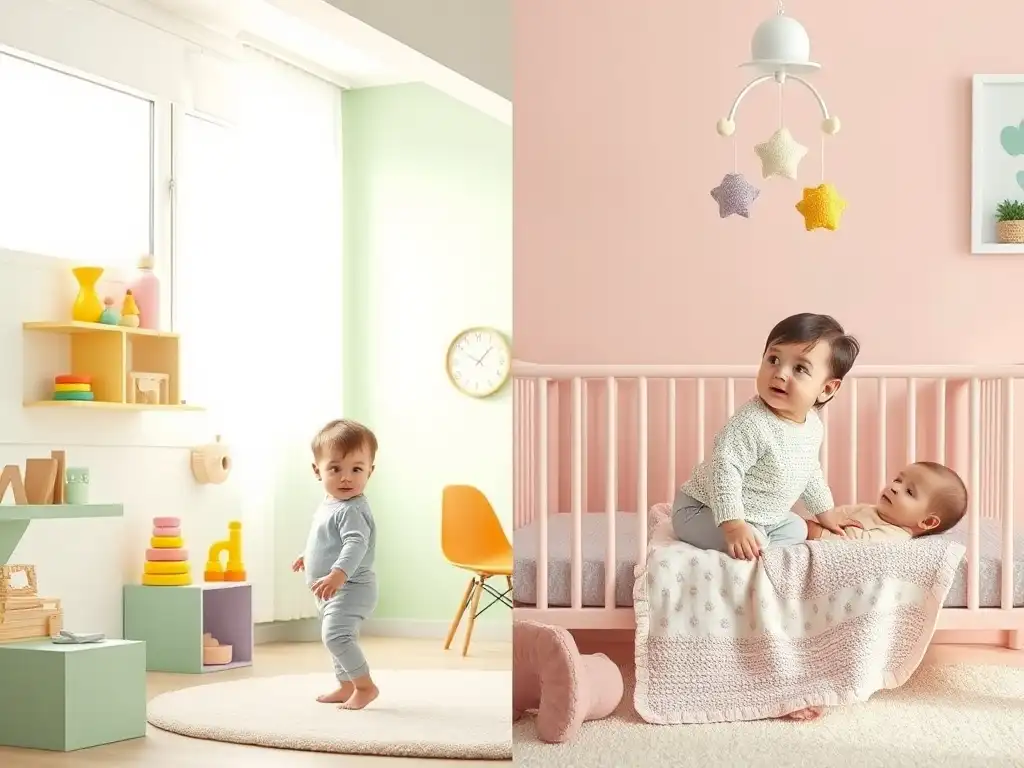
Welcome to BabyCareHub, your ultimate guide to navigating the incredible journey of parenthood! Are you ready to create a safe and nurturing haven for your little one? Then discover how to effectively babyproof your home for different baby types, ensuring a secure environment tailored to your child's unique personality and developmental stage. Dive into our expert advice and learn the essential steps to protect your precious baby, starting with our comprehensive guide on "Babyproofing: How to Babyproof Your Home for Different Baby Personalities" – it's the first step towards peace of mind.
- Understanding Your Baby's Personality for Effective Babyproofing
- Babyproofing Essentials: A Checklist for Every Baby Type
- Room-by-Room Babyproofing: Tailoring Your Approach
- Adapting Babyproofing to Different Developmental Stages
- Beyond the Basics: Additional Babyproofing Tips for Different Personalities
- Resources and Further Information: Continuing Your Babyproofing Journey
-
Frequently Asked Questions
- What is the first step in babyproofing my home for different baby types?
- How do I babyproof for different activity levels?
- What are some specific hazards I should address for different baby types?
- Are there specific babyproofing products tailored to different baby personalities?
- How can I balance safety with my baby's exploration and development?
- Final Reflection: Beyond the Gates: Nurturing Safe Exploration in Your Home
- Unleash Your Inner Babyproofing Superhero!
Understanding Your Baby's Personality for Effective Babyproofing
Becoming a parent is a joyous journey filled with incredible milestones and, let's be honest, a healthy dose of challenges. One of the most significant tasks facing new parents is babyproofing their home. While a standard checklist of safety measures is essential, effectively babyproofing your home goes beyond simply installing outlet covers and securing furniture.
It requires understanding your individual baby's personality and adapting your safety strategy accordingly. This is crucial because babies, even within the same age range, exhibit vastly different levels of curiosity, fearlessness, and physical abilities. This article will delve into how to tailor your babyproofing efforts to three common baby personality types: the adventurous explorer, the cautious observer, and the determined climber.
By recognizing your baby's unique traits, you can create a safer and more developmentally supportive environment, minimizing risks and maximizing their exploration opportunities. Remember, a safe home isn't just about preventing accidents; it's about fostering a space where your little one can thrive and learn while minimizing potential hazards.
Babyproofing for Adventurous Babies
Adventurous babies are often described as curious, fearless, and quick to explore their surroundings. They're the ones who crawl into every nook and cranny, reach for everything, and generally test boundaries with gusto! Babyproofing for this type requires a more comprehensive and robust approach. Think "fortress-level" security.
- Increased barrier protection: Consider using extra-tall baby gates, strategically placed to block off entire rooms or areas containing significant hazards. Standard gates may not suffice for a particularly determined explorer.
- Multiple layers of safety: Don't rely on just one method of securing something. For example, use both cabinet locks and strategically placed furniture to block access to potentially dangerous areas.
- Elevated and hidden hazards: Pay close attention to items typically stored high up, such as cleaning supplies, medications, and breakables. These need to be secured more diligently than in a home with a less adventurous baby. Consider using higher shelves and locked cabinets.
- Soft landings: Rugs and cushioned floor coverings can help mitigate injuries from falls, which are more likely with a high-energy, exploratory baby.
- Constant supervision: While no amount of babyproofing replaces direct supervision, it's especially crucial for adventurous babies. Their innate curiosity necessitates constant vigilance.
Remember that while preventing accidents is paramount, it's also important to provide opportunities for age-appropriate exploration. Creating a safe "exploration zone" with soft toys and safe materials can help channel their adventurous spirit in a controlled environment.
Babyproofing for Cautious Babies
Cautious babies approach new situations with hesitation and apprehension. They may be slower to crawl or walk, and less inclined to reach for unfamiliar objects. While this might seem easier to babyproof for, it doesn't mean you can slack off! Even cautious babies can be vulnerable to certain hazards.
- Focus on predictable environments: Maintain a consistent and predictable layout to minimize surprises and potential anxieties. Sudden changes in the environment can startle a cautious baby.
- Gradual introduction to new spaces: Instead of suddenly opening up a room, introduce your baby to new spaces gradually, allowing them to adjust at their own pace.
- Soft textures and calming colors: A calming environment can help reduce anxiety. Consider softer textures and calming colors in the baby's play areas.
- Secure easily accessible items: Even though they might not reach for everything, secure easily accessible items that pose a risk, such as electrical cords or low-hanging curtains.
- Observe and adapt: Pay close attention to your baby's reactions to different stimuli and adjust your babyproofing strategy accordingly.
For cautious babies, a focus on creating a safe and predictable environment is key to fostering a sense of security and confidence as they explore.
Babyproofing for Climbers
Climbers are the little daredevils who see furniture as a personal climbing gym! These babies are masters of scaling couches, chairs, and anything else within their reach. Babyproofing for climbers requires a different approach, focusing on preventing access to climbing opportunities.
- Secure all furniture: Anchor tall furniture to walls to prevent tipping. This is crucial, as climbers frequently pull themselves up on furniture, creating a tipping hazard.
- Window safety: Install window guards or locks to prevent falls from windows. Climbers may easily reach open windows.
- Stair gates: Use strong, reliable stair gates at the top and bottom of stairways. Standard gates might not deter a determined climber.
- Remove climbing hazards: Remove or relocate anything that can be used as a climbing aid, such as ottomans or boxes.
- Padded surfaces: Place soft mats or rugs near furniture to soften the impact of any falls.
Climbers require a proactive and robust babyproofing strategy focused on eliminating climbing opportunities and mitigating the consequences of falls. Their determination to reach new heights necessitates a high level of vigilance and well-secured furniture. Remember, safety first! 👶💪
Babyproofing for Independent Toddlers
Independent toddlers are little explorers, driven by a powerful sense of autonomy and a thirst for discovery. This translates to a higher level of mobility and a greater willingness to test boundaries, making babyproofing for this stage particularly crucial. Their newfound skills—climbing, pulling, opening—require a more comprehensive and robust approach than what's needed for younger babies. You'll need to consider not just preventing access to dangerous items but also anticipating their problem-solving abilities. For example, a simple latch on a cabinet might be easily bypassed by a determined toddler who's learned to manipulate latches on other cabinets.
One key aspect of babyproofing for independent toddlers is height. Their increased mobility means they can access areas previously out of reach. This necessitates securing items on higher shelves, installing childproof latches on all cabinets and drawers, and potentially using safety gates to restrict access to stairs and other hazardous areas. Don't underestimate their climbing skills; they can scale seemingly insurmountable obstacles! Consider using furniture anchors to secure tall furniture to the walls, preventing tipping accidents. This is especially important for dressers and bookshelves, which can easily topple over if a toddler pulls themselves up on them.
Another vital consideration is electrical safety. Toddlers are fascinated by outlets and cords, presenting a significant electrocution risk. Outlet covers are essential, but remember to check regularly that they are securely in place and haven't been removed. Similarly, cords should be carefully managed and secured, tucked away behind furniture whenever possible, or using cord management systems. Avoid leaving appliances plugged in unnecessarily. Teach your toddler about electrical safety as they grow, but never rely solely on teaching; proactive babyproofing is paramount.
Finally, remember that curiosity is a toddler's greatest asset and their biggest challenge when it comes to babyproofing. They will explore everything, and their small size allows them to access spaces you might not have considered. Regular checks of your babyproofing efforts are crucial. Look at your home from a toddler's perspective, crawling on the floor and checking for potential hazards you might have missed.
This proactive approach, combined with a thorough understanding of your toddler's individual personality and abilities, will create a safer and more enjoyable environment for your little explorer. Don't be afraid to adapt your babyproofing strategy as your toddler grows and develops new skills. The goal is a balance between safety and allowing your child to explore their world safely.
Babyproofing Essentials: A Checklist for Every Baby Type
This section focuses on the fundamental babyproofing elements crucial for every home, regardless of your baby's unique personality. While individual needs will vary (addressed in later sections), these basics form the cornerstone of a safe environment for your little one. Remember, proactive babyproofing significantly reduces the risk of accidents, offering peace of mind for both parents and baby. This checklist prioritizes safety and is tailored to address the keyword "babyproof home different baby types" by focusing on adaptable solutions.
Gate Installation
Proper gate installation is paramount, especially as your baby transitions from crawling to walking. Choosing the right gate is crucial; consider pressure-mounted gates for doorways without the need for drilling, or hardware-mounted gates for extra security on stairways. Always follow the manufacturer's instructions meticulously. A poorly installed gate is as good as no gate at all!
Here's a breakdown of key considerations:
- Gate Height: Ensure the gate is tall enough to prevent your child from climbing over it. Consider the child's height and their climbing abilities. A gate that's too short is ineffective.
- Gate Width: Choose a gate that fits snugly in the doorway or opening. Gaps can create opportunities for escape, and this is especially true for determined babies.
- Gate Material: Opt for sturdy materials like wood or metal. Avoid flimsy plastic gates, particularly for active toddlers.
- Gate Mechanism: Check the latching mechanism frequently to ensure it's secure and easy for adults to operate, but difficult for a child to open. Regularly test the gate to ensure it is functioning correctly.
- Location: Strategically place gates at the top and bottom of staircases, and at entrances to hazardous rooms like kitchens and bathrooms.
Remember to regularly inspect your gates for damage or wear and tear. Replace any damaged parts immediately to maintain optimal safety. A proactive approach to gate maintenance is a critical part of babyproofing your home for different baby types.
Outlet Covers
Electrical outlets pose a significant hazard to curious babies. Outlet covers are an inexpensive and effective way to mitigate this risk. Simple plastic covers are widely available and easily installed. However, be sure to choose covers that are securely fitted and difficult for a baby to remove.
Consider these factors when selecting outlet covers:
- Material: Opt for durable, high-quality plastic covers that resist tampering.
- Installation: Choose covers that are easy to install and remove for adults, but difficult for children.
- Safety: Ensure the covers completely block access to the electrical outlets.
- Quantity: Purchase enough covers for every outlet within reach of your baby.
Don't underestimate the importance of outlet covers. They represent a simple yet vital step in comprehensive babyproofing, regardless of your baby's temperament. A small investment in outlet covers provides considerable peace of mind.
Corner Protectors
Sharp corners on furniture represent another potential hazard. Corner protectors, also known as edge guards or bumper guards, significantly reduce the risk of painful bumps and injuries. These are especially important in areas where your baby spends considerable time, such as the living room or play area.
Here's what to consider when selecting corner protectors:
- Material: Choose soft, durable materials like foam or silicone that effectively absorb impact.
- Adhesive: Ensure the adhesive is strong enough to stay securely in place and withstand regular wear and tear, but also removable without damaging your furniture.
- Size and Shape: Select protectors that fit snugly around the corners of your furniture.
- Quantity: Purchase enough protectors for all sharp corners within reach of your baby.
While every baby is different in their exploration style, protecting them from sharp corners is a universal babyproofing need. Corner protectors are a simple but effective addition to your overall babyproofing strategy. They offer a cost-effective way to dramatically reduce the risk of injury.
Cabinet Locks
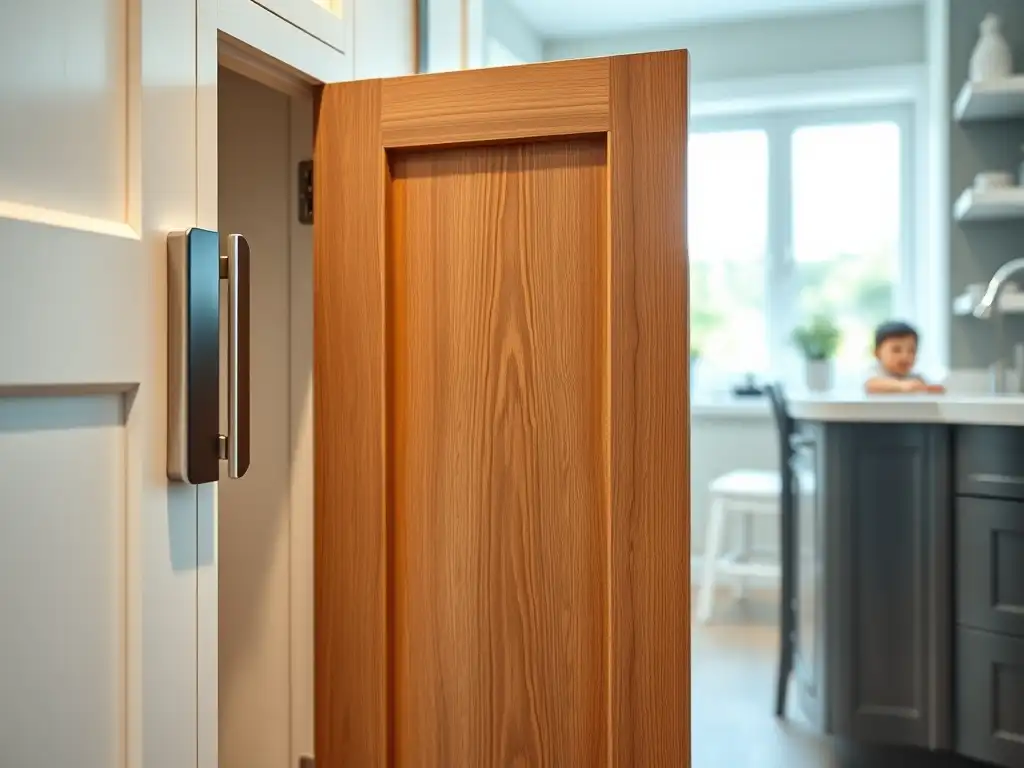
Cabinet locks are crucial for babyproofing, especially once your little one starts crawling and pulling themselves up. Curiosity often leads babies to explore cabinets containing cleaning supplies, medications, or sharp utensils – all potentially hazardous. Different types of cabinet locks cater to various needs and cabinet styles. Consider adhesive locks for easy installation on most surfaces, requiring no drilling. These are ideal for renters or those who prefer a non-permanent solution. However, be aware that some adhesive locks might not be as strong as other types and may require more frequent replacement.
For more robust security, particularly on heavier cabinets or drawers, pressure-mounted locks offer a reliable alternative. These locks typically use a strong spring mechanism to firmly grip the cabinet, providing excellent protection. Finally, screw-mounted locks offer the most secure option, ideal for cabinets containing the most dangerous items. While requiring a bit more effort to install, they provide long-lasting and dependable protection. Remember to always test the locks after installation to ensure they are securely fastened and functioning correctly.
Choose locks that are child-resistant and difficult for little hands to manipulate. Regularly inspect your cabinet locks to ensure they remain secure and functional, replacing them as needed. Don't forget to check all cabinets and drawers, including those in bathrooms and bedrooms, where you might store potentially harmful substances. A comprehensive approach to cabinet locking is a key element of effective babyproofing for all baby types, regardless of their temperament or developmental stage. Consider the specific needs of your home and your baby's current developmental stage when selecting the appropriate type of lock for each cabinet.
Window Guards
Window guards are essential safety devices, especially in homes with upper-story windows. Young children are naturally curious and may attempt to climb onto windowsills, posing a significant fall risk. Window guards prevent this by securely blocking access to the window opening. Different types of window guards offer various levels of security and convenience. Fixed window guards are permanently installed and offer the strongest protection, but they might be difficult to remove in case of emergency.
Therefore, ensure that you understand the installation process and are able to quickly remove the guards if necessary. Removable window guards provide a balance of security and convenience. They are easily installed and removed, allowing for ventilation and easy access to windows. However, ensure that they are properly secured when in use to prevent accidental opening. Choosing the right type depends on your window type and your home's layout.
For example, windows that open outwards might require different guards compared to those that slide open. Regardless of the type you choose, always ensure the window guards meet safety standards. Regularly check the condition and security of your window guards, tightening any loose screws or replacing damaged parts immediately. Don't underestimate the importance of window guards; they are a crucial aspect of babyproofing your home, especially for active or adventurous babies who might be drawn to climbing or exploring. Remember that window safety is paramount, and a well-secured window is an essential part of a safe environment for your baby, irrespective of their personality.
Furniture Anchoring
Furniture anchoring is a vital step in babyproofing, preventing tip-overs that can cause serious injuries. Heavy furniture like dressers, bookcases, and televisions can easily topple if not properly secured. Babies and toddlers are often drawn to climb on or pull themselves up using furniture, increasing the risk of accidents. Different methods of anchoring furniture exist, each with its own advantages and disadvantages. Wall-mounted straps are commonly used and relatively easy to install. They attach to the back of the furniture and to the wall, preventing the furniture from tipping forward. However, ensure that you anchor to a sturdy wall stud for optimal security.
Furniture anchors that use screws offer a more permanent and secure solution. These are especially important for heavier pieces of furniture. Remember to use appropriate-sized screws for your furniture and wall type. Anti-tip devices are designed specifically for televisions and can be a simple and effective way to prevent tip-overs. These are often small and discreet, but provide critical safety. When selecting anchoring methods, consider the weight and size of your furniture.
Heavier items require stronger anchoring systems. Always follow the manufacturer's instructions carefully during installation. Regularly check that your furniture remains securely anchored, especially after moving or rearranging furniture. Remember that furniture anchoring is a preventative measure that protects your baby from potential harm. It's a crucial aspect of babyproofing, regardless of your baby's personality or activity level. A well-anchored home is a safer home for your little one.
Room-by-Room Babyproofing: Tailoring Your Approach
This section focuses on adapting your babyproofing strategy to different rooms in your home, recognizing that each space presents unique hazards depending on your baby's personality and developmental stage. Remember, consistent vigilance is key, even with the most thorough babyproofing. Adapting your approach to your baby's specific needs is crucial for creating a safe environment tailored to their unique exploration style. This isn't a one-size-fits-all approach; it's about understanding your little one and proactively mitigating potential risks.
Babyproofing the Living Room
The living room, often the heart of the home, presents a multitude of potential hazards for curious crawlers and adventurous toddlers. Consider your baby's personality: Is your baby a cautious explorer or a fearless adventurer? This will inform your approach to babyproofing.
For example, a cautious baby might only need basic measures such as securing furniture to the walls to prevent tipping and covering electrical outlets. However, a fearless baby, who might attempt to climb anything and everything, requires a more comprehensive strategy. This could include using corner protectors on sharp furniture edges, placing window guards to prevent falls, and using childproof latches on cabinets containing potentially dangerous items.
Let's look at some specific examples:
| Hazard | Cautious Baby Approach | Fearless Baby Approach |
|---|---|---|
| Coffee Table | Corner protectors | Corner protectors, secure to wall |
| Entertainment Center | Secure to wall | Secure to wall, use straps to prevent drawers from opening |
| Fireplace | Fire screen | Fire screen, gate to block access |
| Electrical Outlets | Outlet covers | Outlet covers, plus additional cord management |
Remember to regularly check your babyproofing efforts. Babies are constantly developing new skills, and what was safe yesterday might pose a risk today. Regular inspections are crucial for maintaining a safe living room environment. Regularly assess your baby's developmental milestones and adjust your babyproofing accordingly.
Babyproofing the Kitchen
The kitchen is arguably the most dangerous room in the house for babies, due to the presence of sharp objects, hot surfaces, and cleaning supplies. Babyproofing this area requires meticulous attention to detail.
For both cautious and fearless babies, securing cabinets containing cleaning supplies and sharp utensils is paramount. Using childproof latches on all lower cabinets is a must. Consider installing a cabinet lock system for added security. Furthermore, turn pot handles inwards on the stove to prevent burns. Keep hot drinks and foods out of reach.
Fearless babies might require additional measures, such as using stove knob covers and placing a safety gate to completely block access to the kitchen while unsupervised. For both types, securing appliances such as the refrigerator and dishwasher is vital to prevent tipping hazards. Keep small appliances unplugged and out of reach.
It's also important to consider the floor. Consider using non-slip mats to prevent falls. Clean up spills immediately to avoid slips and falls.
Babyproofing the Bathroom
The bathroom presents unique challenges due to the presence of water, sharp objects, and potentially hazardous cleaning products. Similar to the kitchen, the bathroom requires a robust babyproofing strategy.
For all babies, securing the toilet lid is crucial to prevent drowning. Using a toilet lock is a straightforward solution. Keep all cleaning supplies, medications, and toiletries locked away in high cabinets or secured with childproof latches. Install a non-slip bath mat to prevent slips and falls in the tub or shower.
For fearless babies, consider installing a safety gate to prevent access to the bathroom altogether when unsupervised. Secure any dangling cords from electrical appliances. Always supervise your baby in the bathroom, even for short periods. Remember, even a moment's distraction can lead to an accident. Consider adding childproof latches to medicine cabinets as well. A comprehensive approach is crucial for maintaining a safe bathroom environment for your child.
Babyproofing the Bedroom
The bedroom, often a haven of peace and quiet for parents, transforms into a potential adventure playground for curious babies. Babyproofing this space requires a thoughtful approach, considering your baby's unique personality and developmental stage. For instance, a particularly adventurous baby might require more rigorous measures than a more cautious one. Regardless of temperament, securing dressers and bookshelves is paramount.
These hefty pieces of furniture can easily topple, causing serious injury. Use sturdy wall anchors, readily available at most hardware stores, to secure them firmly to the wall studs. Don't rely on just the provided brackets; they often prove insufficient.
Furthermore, consider the contents of your drawers and closets. Keep anything potentially hazardous – cleaning supplies, medications, small objects – out of reach, ideally in locked cabinets. Babies are naturally drawn to exploring small spaces, so ensure that cords from lamps, curtains, and blinds are safely tucked away or out of reach. These can pose a strangulation risk.
Similarly, remove any loose rugs or mats that could cause a baby to trip and fall, especially if your baby is already mobile. Finally, remember to check for any sharp edges on furniture or protruding nails that might need covering with protective caps. Regular inspections are key, as babies' abilities and interests change rapidly. Remember, a babyproofed bedroom isn't a sterile environment, but rather a safe and stimulating space where your baby can explore within defined boundaries.
Babyproofing the Nursery
The nursery, your baby's primary sleeping and playing space, demands the most rigorous babyproofing efforts. This is where your little one spends the most time, making it crucial to minimize any potential hazards. Beyond the standard safety measures like securing furniture and covering electrical outlets, the nursery necessitates a more detailed examination. Cribs are a focal point.
Ensure the mattress fits snugly, with no gaps between the mattress and the crib sides. The slats should be spaced appropriately to prevent your baby's head from getting trapped. Consider using a breathable crib mattress to reduce the risk of Sudden Infant Death Syndrome (SIDS).
Window coverings pose a significant threat. Long cords from blinds or curtains can be a strangulation hazard. Opt for cordless blinds or secure existing cords safely out of reach. Similarly, heavy curtains should be secured to prevent them from falling on your baby. The changing table is another area requiring close attention.
Never leave your baby unattended on the changing table, even for a moment. Use a changing pad with raised sides and ensure that all lotions, powders, and wipes are securely stored and out of reach. Soft toys and blankets should be kept to a minimum to reduce the risk of SIDS. Regularly inspect the nursery for any potential hazards, paying close attention to your baby's developing abilities and exploring patterns. Remember, a safe nursery is a peaceful nursery, promoting better sleep for both parent and child.
Babyproofing the Stairs
Stairs present a significant challenge in babyproofing, particularly once your baby is mobile. Even crawling babies can find ways to navigate stairs, making early intervention crucial. The most effective solution is often installing a sturdy baby gate at the top and bottom of the stairs. Ensure the gate is securely mounted and fits snugly to prevent your baby from climbing over or squeezing through. Opt for gates that are designed for the specific width of your staircase and meet safety standards. Never rely on makeshift solutions, as these can be easily overcome by a determined little one.
Beyond gates, consider additional safety measures. Ensure that any rugs or loose objects on the stairs are removed. These can create tripping hazards for both adults and babies. If possible, consider adding handrails on both sides of the staircase for added security. Regularly inspect the stairs and the gate to ensure they remain secure and functional.
Remember, a baby's curiosity knows no bounds, and stairs represent a significant challenge. Therefore, a multi-layered approach, combining robust gates with the removal of tripping hazards, is the most effective way to keep your little one safe. Remember to check the gate regularly for any damage or looseness, especially as your child grows and potentially becomes stronger. A seemingly minor weakness in the gate could present a significant safety risk.
Adapting Babyproofing to Different Developmental Stages
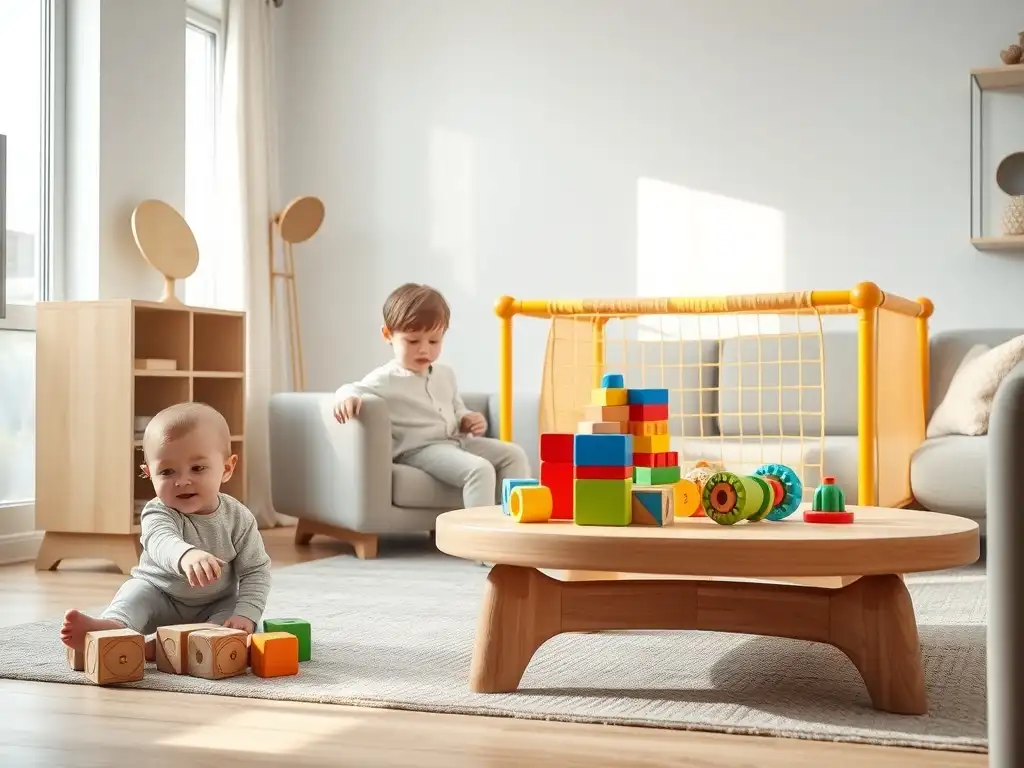
Babyproofing your home isn't a one-size-fits-all endeavor. A successful babyproofing strategy needs to adapt to your baby's unique personality and developmental stage. While a general checklist is helpful, understanding how your little one explores their world will significantly enhance your efforts to create a safe environment.
This section focuses on tailoring your babyproofing strategy based on their mobility, addressing the specific challenges presented by each stage: crawling, cruising, and walking. This approach ensures you’re proactively addressing potential hazards before your baby encounters them, minimizing the risk of accidents and maximizing peace of mind. Remember, consistent vigilance is key, even with the most thorough babyproofing!
Babyproofing for Crawlers
Crawling babies are miniature explorers, driven by an insatiable curiosity to investigate everything within their reach. Their low center of gravity allows them to access areas you might overlook. Therefore, your babyproofing strategy needs to focus on floor-level hazards.
- Lower Shelves and Drawers: Secure low cabinets and drawers using childproof locks. These are readily available and easy to install. Consider strategically placing heavier items on higher shelves to minimize the risk of toppling.
- Electrical Outlets: Cover all accessible electrical outlets with safety plugs. Crawling babies are naturally drawn to small openings, making outlets a significant hazard.
- Small Objects: Remove small objects like coins, buttons, and beads from the floor. These can be easily swallowed and pose a choking hazard.
- Toxic Substances: Keep cleaning products, medications, and other potentially harmful substances securely locked away, ideally in high cabinets with childproof latches. Remember to check under sinks and in other less obvious locations.
- Sharp Corners and Edges: Use corner and edge protectors to cushion sharp furniture edges. This is particularly important for coffee tables and other low furniture pieces.
Babyproofing for Cruisers
Once your baby starts cruising—pulling themselves up on furniture—the range of potential hazards expands significantly. They can reach higher surfaces and are more mobile than crawlers. This stage demands a more comprehensive approach to babyproofing.
Cruising babies are masters of leverage. They can pull themselves up on seemingly stable objects, which may unexpectedly topple over. This necessitates focusing on:
- Furniture Anchoring: Secure tall furniture, such as bookshelves and dressers, to the walls using wall straps or anchors. This prevents them from tipping over if your baby pulls on them. Consider this a crucial step, as tipping furniture is a leading cause of injuries.
- Fragile Objects: Remove breakable items from low shelves and tables. A single fall can cause significant damage, and broken glass poses a serious risk of injury.
- Cords and Wires: Secure or conceal electrical cords and other wires to prevent tripping hazards and strangulation risks. Cord covers are a great investment.
- Stairways: Install sturdy gates at the top and bottom of all stairways. Ensure the gates are properly secured and regularly checked for any signs of wear and tear.
Babyproofing for Walkers
Walking babies are mobile adventurers, capable of exploring every nook and cranny of your home. Babyproofing for this stage requires a complete reassessment of potential hazards, encompassing all areas of your home. This is the stage where thoroughness is paramount.
Walking babies are independent explorers, and their newfound mobility necessitates revisiting and reinforcing previous babyproofing measures. Consider these additional safety precautions:
- Windows: Install window guards or locks to prevent falls. Even slightly open windows pose a significant risk.
- Doors: Install door stops to prevent doors from slamming shut on little fingers. Consider installing childproof door locks on cabinets and closets containing potentially dangerous items.
- Toiletries: Keep all toiletries, including shampoos, soaps, and medications, out of reach and securely locked away.
- Pools and Water Sources: If you have a pool or other water sources, ensure they are properly fenced and secured with self-closing and self-latching gates. Supervise children near water at all times.
- Hot Surfaces: Keep hot surfaces such as stoves, ovens, and irons out of reach. Consider using stove knob covers to prevent accidental burns.
Remember, every baby is different. Observe your baby's behavior and adjust your babyproofing strategies as needed. Regular checks and reinforcement are essential to ensure your home remains a safe and stimulating environment for your growing child. A proactive and adaptable approach to babyproofing will give you peace of mind, allowing you to enjoy this precious time with your little one.
Babyproofing for Toddlers
Toddlers represent a significant shift in babyproofing needs. Their newfound mobility, coupled with burgeoning curiosity and a persistent desire to explore everything, demands a more comprehensive and nuanced approach than what's needed for crawling babies. This stage is characterized by increased dexterity, a stronger ability to climb, and a developing understanding (though still limited!) of cause and effect. Therefore, babyproofing for toddlers necessitates addressing previously overlooked hazards and reinforcing existing safeguards.
One key difference lies in the height of potential dangers. While a crawling baby might be content exploring the floor, a toddler can easily reach countertops, pull themselves up on furniture, and access previously unreachable cabinets. This means securing cabinets and drawers with childproof latches becomes paramount. Furthermore, consider using safety gates at the top and bottom of staircases, even if you previously only had them at the top. Toddlers are remarkably adept at climbing over or around obstacles, so multiple layers of protection are crucial.
Another crucial aspect involves electrical outlets. While simple outlet covers suffice for crawling babies, toddlers might develop the dexterity to remove them. Consider using more robust, tamper-resistant outlet covers, or even relocating frequently used appliances to less accessible areas. Similarly, cords for appliances and electronics pose a significant risk.
Use cord covers or strategically hide cords to prevent strangulation or tripping hazards. Remember to check regularly for any loose or frayed wires, replacing them immediately. The increased mobility of toddlers also necessitates a more thorough examination of your home's flooring. Area rugs can become tripping hazards, requiring securing with anti-slip pads or removing them entirely.
Finally, the contents of drawers and cabinets require careful consideration. While you might have secured cabinets containing cleaning supplies and medications, think about what's in lower, easily accessible drawers. Toddlers are drawn to shiny objects, small items, and anything that looks remotely interesting. Keep potentially hazardous items out of reach, replacing them with toddler-safe alternatives where possible.
This includes things like buttons, coins, and small toys with detachable parts that could pose a choking hazard. Regularly audit the contents of your lower cabinets and drawers, ensuring that nothing dangerous is within reach. The goal is to create a safe environment that encourages exploration while minimizing the risks associated with a toddler's boundless energy and curiosity. This proactive approach will ensure your toddler can safely explore their environment and develop their independence.
Beyond the Basics: Additional Babyproofing Tips for Different Personalities
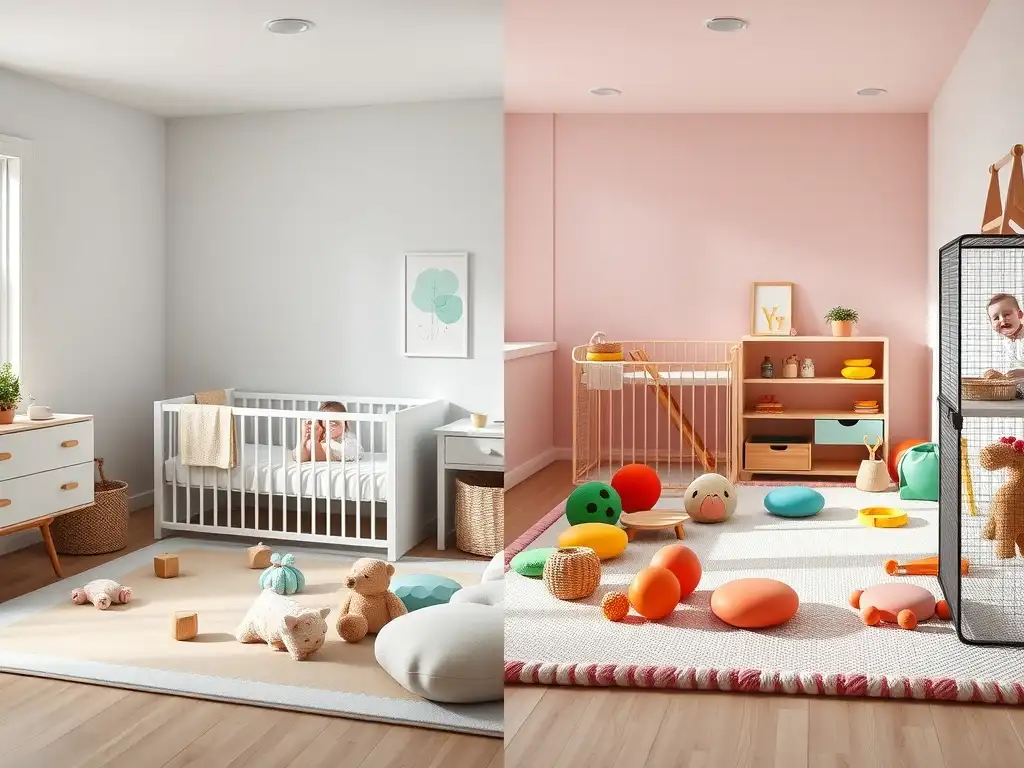
This section delves into more nuanced babyproofing strategies, moving beyond the standard checklist. We'll explore how to adapt your babyproofing efforts to account for your child's unique personality and developmental stage, ensuring a safer environment tailored to their specific needs. Remember, even with meticulous babyproofing, constant supervision remains paramount. Understanding your baby's temperament can significantly enhance your proactive safety measures. This approach to babyproofing goes beyond simply securing cabinets; it’s about creating a truly safe and stimulating environment for your little one. This is crucial for effectively addressing the keyword "babyproof home different baby types."
Creating a Safe Play Area
Designing a dedicated play area is a cornerstone of effective babyproofing. This isn't just about providing a space for toys; it's about creating a contained environment where your baby can explore safely. The ideal play area should be:
- Well-defined: Use gates or barriers to clearly delineate the space, preventing your baby from wandering into hazardous zones. Consider using baby gates that extend beyond doorways, creating larger, safer play zones.
- Soft and cushioned: Use soft flooring, such as rugs or play mats, to minimize the impact of falls. Avoid hard surfaces like tile or hardwood floors in the play area.
- Free of hazards: Regularly inspect the play area for potential dangers, removing anything that could be a choking hazard or cause injury. This includes small toys, loose electrical cords, and sharp objects. This is a critical aspect of successfully "babyproofing home different baby types."
- Stimulating and age-appropriate: Populate the play area with age-appropriate toys that encourage development and exploration. Rotate toys regularly to maintain your baby's interest and prevent boredom.
Consider your baby's personality here. A highly mobile and adventurous baby might need a larger, more robustly secured play area than a more cautious child. Regularly reassess the space as your baby grows and develops new skills.
Toy Selection
Choosing the right toys is another crucial element in babyproofing your home for different baby personalities. Not all toys are created equal, and some pose a greater risk than others. Here are some key considerations:
- Age appropriateness: Always select toys that are age-appropriate and meet safety standards. Check labels for age recommendations and warnings.
- Material: Opt for toys made from durable, non-toxic materials that can withstand vigorous handling. Avoid toys with small parts that could easily be detached and become choking hazards.
- Size: Choose toys that are large enough to prevent choking and small enough to be easily manipulated by your baby's hands. Consider your baby's hand-eye coordination when selecting toys.
- Type: Consider your baby's interests and personality when selecting toys. Some babies might prefer soft, cuddly toys, while others might be drawn to more stimulating, interactive toys. This tailored approach is essential when addressing the phrase "babyproof home different baby types."
Remember to regularly inspect toys for damage and discard any that are broken or pose a safety risk.
Supervision and Constant Vigilance
No amount of babyproofing can replace constant adult supervision. Even the most meticulously prepared environment requires vigilant monitoring. While babyproofing minimizes risks, it doesn't eliminate them entirely.
| Baby Personality Type | Supervision Strategy |
|---|---|
| Adventurous | Close, constant supervision; frequent checks of the play area. |
| Cautious | Regular checks; focus on preventing access to potentially dangerous areas. |
| Highly Mobile | Consistent monitoring; use baby gates effectively. |
| Less Mobile | Regular checks; focus on preventing access to low-lying hazards. |
Remember that even a seemingly "safe" object can become a hazard in the wrong hands. Constant supervision is the ultimate safety net, allowing for immediate intervention if your baby encounters a potentially dangerous situation. This proactive approach is crucial for effectively "babyproofing home different baby types" and ensuring your baby's safety. This is especially important for babies who are developing at different rates, and whose curiosity and mobility vary widely. 👶
Regular Safety Checks
Regular safety checks are paramount, regardless of your baby's personality. A baby's developmental milestones change rapidly, meaning what was safe yesterday might pose a hazard today. Think of babyproofing as an ongoing process, not a one-time task.
A thorough check should be performed at least once a month, or more frequently if you've rearranged furniture or introduced new items into the house. This isn't just about checking existing safety measures; it's about proactively identifying potential new dangers. For example, a curious toddler might now reach previously inaccessible shelves, or a crawling infant might discover a new way to navigate your living room, uncovering potential hazards.
During your safety checks, consider your baby's unique personality. A particularly adventurous child might require more frequent and meticulous checks than a more cautious one. Pay close attention to areas they frequently explore, focusing on potential choking hazards, sharp corners, and anything that could be easily pulled down or climbed.
Remember to check behind furniture and under rugs – these often-overlooked spots can harbor unexpected dangers. Don't forget to inspect electrical outlets, cords, and windows for any signs of damage or loose components. A damaged outlet cover, for instance, could be easily removed by a determined little one, presenting a significant shock risk.
Make a checklist! This will help you stay organized and ensure no area is overlooked. Include specific items like checking cabinet locks, outlet covers, securing furniture to the walls, and inspecting window guards. Consider adding a section for items specific to your baby's current developmental stage and personality.
For instance, if your baby is showing an increased interest in electrical cords, dedicate a section of your checklist to meticulously checking all cords for accessibility. By adopting this systematic approach, you can create a safer environment for your child and significantly reduce the risk of accidents. Remember, consistent vigilance is key to maintaining a safe home for your growing baby. Regular safety checks are not just a chore; they're an investment in your child's well-being and peace of mind for you.
Resources and Further Information: Continuing Your Babyproofing Journey
This section provides you with valuable resources to help you continue your babyproofing journey and ensure your little one's safety. Remember, babyproofing is an ongoing process that adapts as your child grows and develops new skills. Don't hesitate to seek professional help or join support groups if you need additional assistance. Understanding your baby's unique personality is key to effective babyproofing, ensuring a safe and stimulating environment tailored to their needs. This section focuses on finding the right tools and support to achieve this.
Recommended Babyproofing Products
Choosing the right babyproofing products can significantly impact the effectiveness of your safety measures. Consider these factors when selecting products:
- Ease of Installation: Look for products that are easy to install and remove, especially if you need to adjust them frequently as your baby grows. Some products require only adhesive strips, while others may need screws.
- Durability: Opt for sturdy and durable products that can withstand your baby's curious explorations and potential rough handling. Read reviews to gauge product longevity.
- Aesthetics: While safety is paramount, you also want products that blend well with your home's décor. Many manufacturers offer babyproofing solutions in various colors and styles.
- Child's Age and Abilities: Consider your child's developmental stage and abilities. A product suitable for a crawling baby might not suffice for a toddler who's starting to climb.
Here's a sample of product categories to consider:
| Product Category | Specific Examples | Considerations |
|---|---|---|
| Outlet Covers | Push-in covers, sliding covers, locking covers | Choose covers that are difficult for little fingers to remove. |
| Cabinet Locks | Adhesive locks, magnetic locks, strap locks | Consider the type of cabinets and drawers you need to secure. |
| Corner Guards | Foam corner guards, plastic corner guards | Look for guards with strong adhesive and rounded edges. |
| Door Stops | Wedge-style door stops, retractable door stops | Ensure they can withstand pressure from a door. |
| Stair Gates | Pressure-mounted gates, hardware-mounted gates | Choose a gate that fits your staircase width securely. |
| Window Guards | Window locks, window restrictors | Install according to manufacturer's instructions. |
Remember to always read and follow the manufacturer's instructions carefully before installing any babyproofing products. Regularly check the condition of your babyproofing equipment and replace any damaged or worn-out items.
Local Babyproofing Professionals
Engaging a professional babyproofing service can offer significant peace of mind, especially for first-time parents. Professionals possess the expertise to identify potential hazards you might overlook and provide comprehensive solutions tailored to your home and your baby's specific developmental stage. They can also offer guidance on choosing the most appropriate products for your needs.
Finding a reputable local professional involves research. Ask friends, family, or your pediatrician for recommendations. Check online directories and review sites for ratings and customer feedback. Look for professionals with certifications or affiliations with relevant organizations. A thorough consultation should be part of their service, allowing them to assess your home and provide a personalized quote. Don't hesitate to ask about their experience with different baby ages and personalities. A professional can help you babyproof for the unique challenges posed by a particularly adventurous or curious child.
Online Resources and Support Groups
The internet offers a wealth of information and support for parents embarking on their babyproofing journey. Many websites provide comprehensive guides, checklists, and advice on various babyproofing techniques. Online forums and support groups can also be invaluable resources. You can connect with other parents, share experiences, and ask questions.
These communities offer a supportive environment where you can learn from others' successes and challenges, tailoring your approach to your unique circumstances. Remember to always verify information from multiple reliable sources before implementing any babyproofing strategies. Look for websites and groups affiliated with reputable organizations such as hospitals or child safety councils. The collective wisdom of experienced parents can be an incredible asset as you navigate the world of babyproofing for your individual child.
Frequently Asked Questions
What is the first step in babyproofing my home for different baby types?
The first step is assessment. Identify potential hazards based on your baby's developmental stage and personality. For example, a mobile baby needs different precautions than a crawling baby.
How do I babyproof for different activity levels?
Observe your baby's behavior to determine their activity level. A highly mobile baby will require more extensive babyproofing than a less active one. Focus on securing areas they frequently access.
What are some specific hazards I should address for different baby types?
Consider your baby's interests and tendencies. A curious baby might need more cabinet locks and outlet covers. A baby who puts everything in their mouth requires thorough cleaning and removal of small objects.
Are there specific babyproofing products tailored to different baby personalities?
While there isn't a product specifically designed for each personality type, many adjustable and adaptable products cater to different needs. For example, gate heights can be adjusted as your baby grows.
How can I balance safety with my baby's exploration and development?
Babyproofing shouldn't restrict your baby's exploration entirely. Create a safe space where they can explore freely while minimizing risks. Supervise your baby closely and gradually introduce new challenges as they develop.
Final Reflection: Beyond the Gates: Nurturing Safe Exploration in Your Home
Creating a truly safe home for your baby isn't just about installing gates and outlet covers; it's about understanding your child's unique personality and adapting your approach accordingly. This means recognizing that a fearless explorer requires a different level of babyproofing than a cautious observer, and that a flexible, adaptable strategy is key to success. Ignoring these individual differences can leave gaps in your safety net, potentially compromising your little one's well-being.
The journey of babyproofing is a deeply personal one, reflecting not only the physical changes we make to our homes but also the evolving understanding of our child's capabilities and temperament. It's a constant dance of anticipation and reaction, a testament to the profound bond between parent and child. The best thing for a child is a parent who is happy, and the best way to be a happy parent is to be a parent who is prepared.
This quote highlights the importance of proactive and personalized babyproofing, allowing parents to feel secure and confident in their child's safety, thus fostering their own happiness and peace of mind.
Now, consider your own home. Think about your baby's unique personality – are they a climber, a chewer, a curious investigator? Take a moment to re-evaluate your babyproofing strategy, ensuring it aligns with their specific needs and tendencies. Don't just follow a checklist; create a safe haven tailored to your child's individual exploration style. This proactive approach will not only protect your little one but will also nurture their natural curiosity and foster a sense of security and trust within the loving environment you've created.
Unleash Your Inner Babyproofing Superhero!
Thank you for taking the time to learn how to babyproof your home! You've gained the knowledge to create a safe and stimulating environment for your child. Ready to put your expertise into action?
- Prioritize your top three babyproofing hazards: Assess your home and identify three areas needing immediate attention, considering your baby's behavior and developmental stage. This focused approach will simplify the process.
- Share your successes (and challenges!): Connect with our BabyCareHub community to share your clever solutions or ask for advice on difficult situations. Let's support each other on this exciting journey!
- Explore more babyproofing resources: Our website offers articles tailored to your baby's age and development. You might discover surprising solutions!
What innovative babyproofing idea are you most excited to implement today?