
What To Do When Sleep Training Isn't Working: Troubleshooting Tips


Welcome to BabyCareHub, your ultimate guide to navigating the exciting yet challenging world of parenthood. Are you facing unexpected hurdles in your baby's sleep routine? We understand the frustration of sleepless nights. Discover essential sleep training troubleshooting tips within our Sleep Training & Routines section – we'll help you identify common pitfalls and find solutions that work for you and your little one, paving the way for peaceful nights ahead. Let's unlock the secrets to a well-rested baby (and parent! ).
- Understanding Why Sleep Training Might Fail
- Troubleshooting Common Sleep Training Challenges
- Refining Your Sleep Training Approach
- Seeking Professional Help for Sleep Problems
- Preventing Future Sleep Problems
-
Frequently Asked Questions
- What if my baby is crying inconsolably during sleep training?
- My baby keeps waking up every hour. Is sleep training failing?
- How long should I expect sleep training to take?
- My baby is sleeping well during the night, but still has multiple naps. Should I address this?
- Is it okay to adjust my sleep training method if it's not working?
- Final Reflection: Beyond the Tears: Finding Sleep's Sweet Harmony
- Unlock Your Baby's (and Your!) Sleep: Take Action Now!
Understanding Why Sleep Training Might Fail
Sleep training is a journey, not a race, and while many parents find success, it's not uncommon to encounter bumps in the road. This article provides practical troubleshooting tips for when your sleep training efforts aren't yielding the desired results. We'll explore potential obstacles, common mistakes, and the crucial role of understanding your baby's developmental stage. Remember, patience and persistence are key, and seeking professional guidance is always an option if you're struggling.
This guide offers a structured approach to identifying and addressing the root causes of sleep training challenges, helping you navigate this phase with confidence and achieve better sleep for both you and your baby. The goal is not to force sleep, but to gently guide your little one towards healthier sleep habits, fostering a sense of security and independence. Let's delve into the specifics to help you troubleshoot your sleep training journey effectively.
Identifying Potential Obstacles to Successful Sleep Training
Several factors can hinder the effectiveness of sleep training. These obstacles aren't necessarily signs of failure, but rather opportunities for adjustment and refinement of your approach. Let's examine some key potential roadblocks:
- Underlying Medical Conditions: Colic, reflux, allergies, ear infections, or other medical issues can significantly disrupt a baby's sleep. If sleep problems persist despite your best efforts, a consultation with your pediatrician is crucial to rule out any underlying medical conditions. Addressing these issues is paramount before continuing with sleep training.
- Environmental Factors: Is your baby's sleep environment conducive to restful sleep? Consider factors like room temperature, noise levels, light exposure, and the comfort of their bedding. A too-warm or too-cold room, excessive noise, or bright lights can interfere with sleep. Ensure the room is dark, quiet, and at a comfortable temperature.
- Inconsistent Routines: A lack of consistency in bedtime routines, naps, and feeding schedules can confuse your baby and make it harder for them to learn healthy sleep habits. Establishing and sticking to a predictable routine is vital for sleep training success.
- Early Wake-Ups: Many parents struggle with early wake-ups. This could be due to a number of factors, including insufficient nighttime sleep, too much daytime sleep, or an overly stimulating bedtime routine. Carefully evaluate the timing and duration of naps and bedtime routines.
- Developmental Leaps: Developmental leaps, periods of rapid growth and learning, can disrupt sleep patterns. During these times, your baby may require more comfort and attention. Be patient and understand that this is a temporary phase.
Common Sleep Training Mistakes to Avoid
Even with the best intentions, common mistakes can derail sleep training efforts. Recognizing these pitfalls can prevent frustration and ensure a smoother process.
- Giving in too easily: Consistency is paramount. Giving in to your baby's cries too early can reinforce negative sleep associations and prolong the sleep training process. Establish clear boundaries and stick to your chosen method.
- Inconsistent approach: Switching between different sleep training methods can confuse your baby and hinder progress. Choose one method and stick with it consistently for at least a few weeks before considering adjustments.
- Ignoring hunger cues: While the goal is to teach independent sleep, ignoring genuine hunger cues can be counterproductive. Ensure your baby is adequately fed before bedtime and consider night feedings if necessary, especially for younger infants.
- Neglecting daytime sleep: Insufficient or excessive daytime sleep can negatively impact nighttime sleep. Establishing a consistent nap schedule is crucial for regulating your baby's sleep-wake cycle.
- Expecting immediate results: Sleep training takes time and patience. Don't get discouraged if you don't see immediate results. Consistency and perseverance are key to achieving long-term success.
Assessing Your Baby's Developmental Stage and Sleep Needs
Understanding your baby's developmental stage is crucial for effective sleep training. Babies of different ages have different sleep needs and developmental milestones that can influence their sleep patterns.
| Age Range | Developmental Milestones | Sleep Needs (Approximate) | Considerations |
|---|---|---|---|
| 0-3 Months | Rapid physical and neurological development | 14-17 hours | Frequent night wakings are normal; focus on establishing a consistent routine. |
| 4-6 Months | Improved self-soothing abilities; may start sleeping longer stretches | 12-15 hours | Introduce sleep training methods; address any potential medical issues. |
| 7-12 Months | Increased mobility and exploration; separation anxiety may emerge | 11-14 hours | Adjust routine to accommodate increased activity; address separation anxiety concerns. |
| 12+ Months | Continued development of independence; may start dropping naps | 10-13 hours | Refine sleep training approach; focus on consistent bedtime and wake-up times. |
Remember, these are just guidelines. Every baby is unique, and their sleep needs may vary. Observe your baby's cues and adjust your approach accordingly. If you remain concerned, consult your pediatrician or a sleep specialist for personalized advice. 😴 Remember to prioritize your own well-being throughout this process!
Troubleshooting Common Sleep Training Challenges

This section delves into specific challenges parents often encounter during sleep training and offers practical, evidence-based troubleshooting tips. Remember, consistency and patience are key. Every baby is unique, and what works for one might not work for another. Don't be discouraged if you need to adjust your approach. The goal is to establish healthy sleep habits, not to achieve perfection overnight.
Dealing with Regression During Sleep Training
Sleep regressions are common during sleep training and often occur around developmental leaps. These periods of disrupted sleep can be frustrating, but understanding the cause can help you navigate them. Regressions are characterized by a sudden return to earlier sleep patterns, such as increased night wakings or earlier morning awakenings. These are often triggered by developmental milestones, illness, teething, or even a change in routine.
Several strategies can help manage regressions:
- Maintain Consistency: The most crucial step is to stick to your established sleep training method. Consistency reassures your baby and helps them re-establish their sleep patterns. Deviating from the plan can prolong the regression.
- Review the Routine: Examine your baby's routine for potential triggers. Is there a new food, a change in bedtime, or increased stimulation before sleep? Subtle changes can disrupt sleep.
- Rule Out Medical Issues: If the regression is severe or accompanied by other symptoms, consult your pediatrician to rule out any underlying medical conditions. This is especially important if your baby seems unusually distressed or unwell.
- Offer Comfort, But Don't Reinforce Bad Habits: While providing comfort is important, avoid reverting to old habits that you've been trying to break. A gentle pat, a reassuring word, and then a quiet retreat are often sufficient.
- Track Sleep Patterns: Keep a sleep diary to pinpoint patterns and triggers. This can provide valuable insights into the cause of the regression and inform your adjustments.
Remember, regressions are temporary. With patience and consistency, your baby will eventually return to a more established sleep schedule. Data from various sleep studies show that regressions typically last a few days to a couple of weeks.
Addressing Night Wakings and Early Mornings
Night wakings and early mornings are frequently reported sleep training hurdles. These can stem from various factors, including hunger, discomfort, or simply a learned association between waking and getting attention.
Here's a breakdown of strategies to address these issues:
- Assess Hunger: Ensure your baby is getting sufficient nutrition during the day. If night wakings are due to hunger, adjust feeding schedules accordingly. However, avoid overfeeding, as this can lead to other sleep problems.
- Create a Dark and Quiet Sleep Environment: A dark, quiet room promotes better sleep. Use blackout curtains, a white noise machine, or a sound machine to minimize distractions.
- Establish a Consistent Bedtime Routine: A predictable bedtime routine signals to your baby that it's time to sleep. This routine should be calming and consistent.
- Address Discomfort: Check for diaper changes, ensure the room temperature is comfortable, and rule out any discomfort that might be causing your baby to wake.
- Gradual Extinguishment: If your baby is waking for attention, gradually reduce your responses. Offer comfort without picking them up or engaging extensively. This will help them learn to self-soothe.
- Consider a Later Bedtime: If early morning wakings are a persistent issue, consider pushing bedtime slightly later. Sometimes, an earlier bedtime can lead to overtiredness and more frequent wakings.
Successfully managing night wakings and early mornings often involves a combination of these strategies. Consistent application is crucial for long-term success.
Managing Frequent Night Feedings
Frequent night feedings can be exhausting for parents and can disrupt the baby's sleep. While newborns require frequent feeds, older babies can often go longer stretches at night.
Here's how to manage frequent night feedings:
- Ensure Adequate Daytime Feeding: A well-fed baby during the day is less likely to need frequent night feedings. Offer sufficient milk or formula during the day, and ensure your baby is gaining weight appropriately. Consult your pediatrician if you have concerns about your baby's weight gain.
- Gradual Reduction of Night Feedings: Slowly reduce the number of night feedings. Start by extending the time between feedings gradually. This might involve offering comfort without feeding during some night wakings.
- Weaning from Night Feedings: For older babies, weaning from night feedings might be appropriate. This is a gradual process that requires patience and consistency. Focus on offering comfort and reassurance without providing a bottle or breast.
- Monitor Weight and Growth: Regular monitoring of your baby's weight and growth is essential to ensure they are getting enough nutrition.
- Consult a Lactation Consultant (if breastfeeding): A lactation consultant can provide guidance on breastfeeding and managing night feedings if you're breastfeeding.
Remember, reducing night feedings is a gradual process. Observe your baby's cues and adjust accordingly. Always consult your pediatrician before making significant changes to your baby's feeding schedule, especially if you have concerns about their growth or development. 🧸
Tackling Separation Anxiety and Comfort Object Dependence
Separation anxiety is a common hurdle in sleep training. Many babies rely heavily on their parents' presence or a specific comfort object (blanket, stuffed animal, etc.) to fall asleep and stay asleep. This dependence can derail sleep training efforts, leading to nighttime wakings and increased parental intervention. Addressing this requires a gradual and patient approach. It's crucial to understand that this isn't about abandoning your baby; it's about helping them develop independent sleep skills.
One effective strategy is to slowly wean your baby off the need for your constant presence. Start by extending the time you spend out of the room after putting your baby down. Begin with short intervals, perhaps just a few minutes, and gradually increase the duration each night. If your baby cries, offer reassurance from the doorway, but avoid picking them up unless absolutely necessary.
Consistency is key here; wavering will only prolong the process and confuse your baby. Consider using a gentle, calming phrase or sound as your consistent reassurance, such as "It's okay, sleep now, I'm here." This creates a predictable routine that helps your baby feel secure.
Comfort object dependence can be addressed similarly. If your baby relies heavily on a specific item, try introducing a “backup” object. This could be a similar blanket or a small, easily washable toy. Gradually reduce the reliance on the primary comfort object by strategically introducing the backup.
Over time, your baby might transfer their attachment to the alternative. However, some babies may need more time and gentle persuasion. Remember, complete removal of a comfort object can be traumatic for some babies, so a gradual approach is always best. Observe your baby's cues; if they seem particularly distressed, you may need to slow down the process.
Another important consideration is the age of your baby. Younger infants may exhibit more intense separation anxiety than older babies. Adjust your approach based on your baby's developmental stage and temperament.
Some babies may respond well to visual cues, such as a nightlight or a photograph of a parent. Others may need more physical reassurance, even if it's just a hand placed gently on their back for a short time before leaving the room. Remember to consult your pediatrician if you have concerns about your baby's sleep or separation anxiety.
They can offer personalized guidance based on your baby's specific needs and development. Patience and consistency are vital elements in successfully navigating this challenge in sleep training. The process may take time and involve some setbacks, but with a well-planned strategy and understanding of your baby’s needs, you can help them overcome comfort object dependence and separation anxiety, leading to more restful nights for everyone.
Refining Your Sleep Training Approach
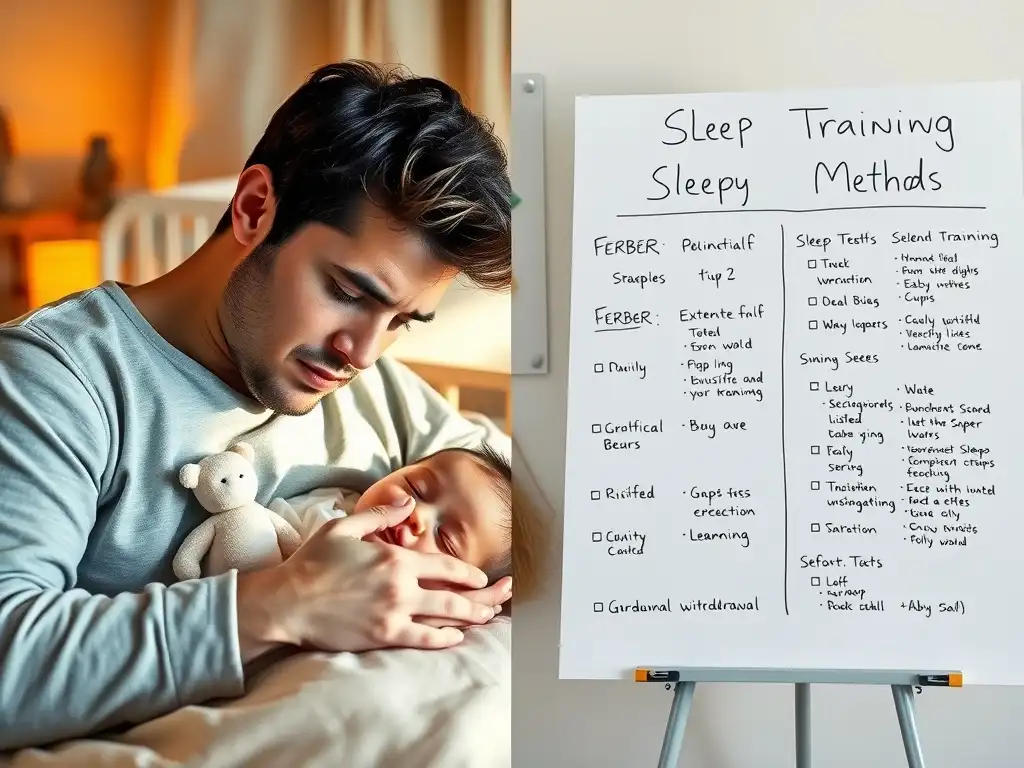
This section delves into specific adjustments you can make to popular sleep training methods if you're not seeing the desired results. Remember, consistency and patience are key, and what works for one baby may not work for another. It's crucial to remain flexible and adapt your approach based on your baby's individual cues and needs. Effective sleep training troubleshooting requires careful observation and a willingness to experiment.
Adjusting the Ferber Method
The Ferber method, a popular gradual extinction method, involves progressively increasing the intervals between check-ins. If it's not working, several adjustments can be explored. Perhaps your baby's initial "check-in" interval is too short, leading to a cycle of crying and reassurance that doesn't allow for independent sleep consolidation.
Consider lengthening the intervals between check-ins more gradually. Instead of increasing the wait time by 5 minutes each time, try increasing it by only 2-3 minutes. This slower progression might be more effective for sensitive babies. Additionally, ensure your check-ins are brief and consistent. Simply soothe your baby briefly without picking them up, and then leave the room immediately. Avoid engaging in playtime or extended interaction during these check-ins.
Another factor to consider is the overall sleep training environment. Is the room dark enough? Is the temperature comfortable? Is there excessive noise? Addressing these environmental factors can significantly impact your baby's ability to fall asleep and stay asleep.
Finally, ensure you're consistently applying the method. Inconsistent application undermines the effectiveness of any sleep training technique. This is a critical element of sleep training troubleshooting.
Adjusting the Cry-It-Out Method
The cry-it-out (CIO) method, a more intensive extinction method, can be challenging for both parents and babies. If CIO isn't yielding positive results, it's essential to reassess your approach. Perhaps your baby is too young for this method, or they may have underlying medical issues affecting their sleep. Consult your pediatrician before initiating or continuing CIO if you have any concerns.
It's crucial to differentiate between crying related to hunger, discomfort, or illness, and crying associated with sleep associations. If the crying seems excessive or accompanied by other symptoms, consult a healthcare professional. Furthermore, the CIO method should be used judiciously and with careful monitoring of your baby's emotional and physical well-being. Excessive crying can be detrimental to a baby's development.
Consider combining elements of other gentler methods with CIO. For instance, you could incorporate a calming bedtime routine (discussed below) before allowing your baby to cry it out. This can help create a sense of predictability and security, potentially reducing the duration and intensity of crying.
Remember, CIO is not a one-size-fits-all solution, and it's vital to assess its effectiveness regularly. If it's not working, don't hesitate to switch to a different approach.
Creating a Consistent and Calming Bedtime Routine
A consistent and calming bedtime routine is crucial for successful sleep training, regardless of the method you choose. This routine should be predictable, relaxing, and relatively short (around 30-45 minutes). A consistent routine helps signal to your baby that it's time to sleep, reducing anxiety and promoting self-soothing behaviors.
Here's a sample routine: a warm bath, followed by putting on pajamas, reading a book, singing a lullaby, and finally, placing your baby in their crib while they are still awake but drowsy. This routine should be repeated nightly, promoting predictability and reducing bedtime resistance.
The key is consistency. Avoid deviating from the routine unless absolutely necessary. This consistency is critical for sleep training troubleshooting. Inconsistent routines can confuse your baby, making it harder for them to learn to fall asleep independently.
Consider incorporating elements that soothe your baby, such as a specific toy, a soft blanket, or white noise. These sensory cues can help create a sense of comfort and security, facilitating better sleep. Avoid screen time before bed, as the blue light emitted from screens can interfere with melatonin production, making it harder for your baby to fall asleep. Remember, a well-structured bedtime routine is a cornerstone of successful sleep training, contributing significantly to effective sleep training troubleshooting.
Optimizing Your Baby's Sleep Environment
Creating the perfect sleep sanctuary for your little one is crucial for successful sleep training. A comfortable, dark, and quiet room significantly impacts their ability to fall asleep and stay asleep. Many parents overlook the importance of these seemingly small details, resulting in frustrating setbacks in their sleep training journey. Let's explore how to optimize your baby's sleep environment for better rest.
One of the most impactful changes you can make is controlling the light. A completely dark room is ideal. Consider using blackout curtains or blinds to block out even the faintest streetlights or morning sun. Even a small amount of light can disrupt your baby's sleep cycle, especially for newborns and infants who are more sensitive to light changes. Avoid using nightlights unless absolutely necessary, and if you do, opt for a very low-light, red-toned nightlight which is less disruptive to melatonin production.
Next, focus on noise reduction. While some babies sleep soundly through noise, many are easily startled or woken by sudden sounds. A white noise machine can be incredibly helpful in masking distracting noises from outside or within the house. The consistent, low hum of white noise can create a soothing and predictable sleep environment, helping your baby to relax and drift off more easily. Experiment with different white noise sounds – some babies prefer the sound of rain, while others prefer fan noise. Find what works best for your baby.
Finally, consider the temperature and comfort of the room. A slightly cool room (around 68-72 degrees Fahrenheit) is generally ideal for sleep. Overheating can disrupt sleep, so ensure your baby isn't overdressed for bed. Choose breathable sleepwear made from natural fibers like cotton. The mattress should be firm and flat, and the bedding should be snug-fitting to prevent your baby from getting tangled or overheating.
A comfortable sleep surface is paramount, contributing significantly to your baby's sleep quality. Regularly check the mattress for any signs of wear and tear and replace it if necessary. Remember, a well-optimized sleep environment isn't just about creating a quiet space; it's about creating a safe and comfortable haven where your baby feels secure and ready to sleep soundly. Prioritizing these environmental factors can significantly improve your sleep training success and lead to more restful nights for both you and your baby.
Seeking Professional Help for Sleep Problems

Sometimes, despite your best efforts and the implementation of various sleep training techniques, your little one continues to struggle with sleep. This isn't uncommon, and it doesn't mean you've failed. It simply means that a different approach might be necessary. Knowing when to seek professional help is crucial for both your baby's well-being and your own sanity.
Ignoring persistent sleep problems can lead to exhaustion for the entire family, impacting everyone's physical and mental health. Don't hesitate to reach out for support – it's a sign of strength, not weakness. Remember, you're not alone in this journey. Many parents face similar challenges.
When to Consult a Pediatrician or Sleep Consultant
Determining when to involve a pediatrician or sleep consultant requires careful consideration of your baby's specific situation. There are certain red flags that warrant immediate medical attention. For example, if your baby exhibits signs of illness, such as a fever, persistent cough, or unusual lethargy alongside sleep disturbances, a pediatrician should be consulted immediately. This is paramount to rule out any underlying medical conditions that might be contributing to the sleep problems.
Beyond medical concerns, persistent sleep issues despite consistent efforts at sleep training might indicate a need for expert guidance. Consider seeking professional help if:
- Your baby consistently wakes up more than 3-4 times per night after several weeks of consistent sleep training.
- You've tried multiple sleep training methods without success.
- Your baby's sleep problems are significantly impacting your family's well-being and daily functioning.
- You are experiencing significant stress and anxiety related to your baby's sleep.
- Your baby shows signs of excessive daytime sleepiness or irritability, impacting their overall development.
A pediatrician can rule out any underlying medical issues and offer advice on general health and development. A sleep consultant, on the other hand, specializes in infant and toddler sleep and can provide tailored strategies and support, guiding you through personalized sleep training plans.
Finding Qualified Sleep Experts for Babies
Finding a qualified sleep consultant requires careful research. Not all sleep consultants are created equal. Look for consultants with certifications or affiliations with reputable organizations. Verify their experience working with babies of similar ages and sleep challenges. Check online reviews and testimonials from other parents to gauge their effectiveness and approach.
Before committing to a consultant, schedule a consultation to discuss your baby's sleep history, your goals, and the consultant's methods. Ensure their approach aligns with your parenting philosophy and values. A good sleep consultant will provide a safe, supportive, and evidence-based plan, empowering you to become confident in guiding your baby towards healthier sleep habits. Remember, the goal is to create sustainable, long-term solutions that promote both your baby's and your family's well-being.
A qualified expert can provide invaluable tools and support to achieve this goal, making the sleep training journey significantly smoother and less stressful. Don't be afraid to ask questions and find the right fit for your family's needs. The investment in professional help can yield significant long-term benefits in terms of improved sleep for your baby and reduced stress for you.
Preventing Future Sleep Problems
Effective sleep training troubleshooting often involves preventing future issues. Addressing underlying problems and establishing healthy sleep habits early can significantly reduce the need for extensive interventions later. Proactive strategies are key to ensuring your baby develops healthy sleep patterns and minimizes sleep disruptions. This section focuses on preventative measures, understanding that a well-established sleep foundation reduces the likelihood of needing extensive sleep training troubleshooting down the line.
Establishing Healthy Sleep Habits from the Start
The foundation for successful sleep training is laid from day one. A newborn's sleep patterns are erratic, but you can influence their development by establishing a predictable and calming bedtime routine. This routine should be consistent and repeated every night, signaling to your baby that it's time to wind down. Think of it as a gentle cue for sleep.
A typical routine might include a warm bath, a gentle massage, putting on pajamas, reading a book, singing a lullaby, or cuddling quietly. The key is consistency and predictability. Avoid stimulating activities right before bedtime, such as loud games or screen time. The amount of time allocated to the routine can be adjusted as your baby grows, but maintaining the sequence is crucial.
It's also important to create a conducive sleep environment. This means a dark, quiet, and cool room. White noise machines can be helpful in masking disruptive sounds. Consider using a swaddle or sleep sack to provide a sense of security and prevent startling. Remember, every baby is different; observe your baby's cues and adjust the routine accordingly. Consistent implementation of these early sleep habits minimizes the need for later sleep training troubleshooting.
Maintaining Consistency in Sleep Routines
Consistency is paramount in establishing healthy sleep habits and reducing the need for sleep training troubleshooting. Once you've established a bedtime routine, stick to it as much as possible, even on weekends or when traveling. This consistency helps regulate your baby's circadian rhythm, the internal biological clock that governs sleep-wake cycles. Any deviation can disrupt this rhythm, leading to sleep problems.
Consider creating a visual schedule or using a sleep tracker app to monitor your baby's sleep patterns and identify any inconsistencies. This proactive approach allows for early intervention and prevents small disruptions from escalating into major sleep issues. While flexibility is necessary, aiming for a consistent routine minimizes the chances of needing to troubleshoot later. This includes maintaining consistent wake windows, ensuring your baby is not overtired, and sticking to a consistent bedtime and wake-up time.
This proactive management is a cornerstone of effective sleep training and significantly reduces the need for later troubleshooting. Remember, patience and persistence are key in building positive sleep associations. The payoff—a well-rested baby and parent—is well worth the effort.
Frequently Asked Questions
What if my baby is crying inconsolably during sleep training?
This is a common concern. Ensure your baby's basic needs are met (diaper change, feeding). If they're still upset, try offering gentle reassurance from a distance, avoiding picking them up. Consistency is key; short bursts of crying are normal.
My baby keeps waking up every hour. Is sleep training failing?
Not necessarily. Consistency is crucial, even if it takes time. Review your sleep training method to ensure you're following it correctly. Consider factors like room temperature, noise levels, and bedtime routine.
How long should I expect sleep training to take?
The timeframe varies greatly depending on your baby's age and temperament. Be patient and consistent. Some babies respond quickly, while others may take several weeks to adjust. Don't give up!
My baby is sleeping well during the night, but still has multiple naps. Should I address this?
It depends on your baby's age and overall sleep. Very short naps throughout the day might disrupt nighttime sleep. Gradually consolidate naps into fewer, longer periods to improve nighttime sleep quality. Consult a pediatrician if concerned.
Is it okay to adjust my sleep training method if it's not working?
Yes, flexibility is important. If a method isn't working after a reasonable trial (e.g., a week or two), consider adjusting it or seeking professional guidance. Don't be afraid to try a different approach.
Final Reflection: Beyond the Tears: Finding Sleep's Sweet Harmony
The struggle for restful sleep is a universal experience, impacting not only parents but the entire family unit. The frustration and exhaustion that accompany sleep training challenges are real, and finding solutions is crucial for the well-being of everyone involved. This isn't just about getting a child to sleep; it's about fostering a healthy family dynamic built on rest and rejuvenation.
The journey to peaceful nights is rarely linear, often filled with unexpected twists and turns. The impact of sleep deprivation on parental mental health is significant, and the ripple effect extends to the child's development and overall family harmony. As one expert wisely stated, Sleep is the golden chain that binds health and our bodies together.
Understanding this connection is paramount, and the troubleshooting tips explored in this article aim to empower parents to navigate these challenges with greater confidence and compassion. It's not about perfection, but about progress, and recognizing that each child and family is unique in their needs.
You, the reader, now hold the tools to approach sleep training with a renewed perspective. Consider the strategies discussed, adapt them to your family's unique circumstances, and remember that patience and self-compassion are just as important as the techniques themselves. Don't be afraid to seek additional support if needed; you are not alone in this journey. Embrace the process, celebrate small victories, and remember that the pursuit of restful sleep is an investment in the well-being of your entire family. The sweet harmony of sleep awaits.
Unlock Your Baby's (and Your!) Sleep: Take Action Now!
Thank you for exploring our troubleshooting tips for sleep training! We hope you found helpful advice for navigating those challenging nighttime hours. Now, let's put that knowledge into practice.
Here's how to start seeing better sleep tonight:
- Focus on one small change: Don't try to do everything at once. Choose the tip that seems most manageable and concentrate your efforts there. This will lead to more sustainable improvements.
- Share your experiences: Connect with our BabyCareHub community on social media and share your progress, both successes and challenges! Knowing you're not alone can be incredibly helpful.
- Download our free printable sleep schedule template [link to template] to visualize your plan and track your baby's progress.
Ready to improve your sleep routine and help your little one sleep soundly through the night? What's one small change you'll make tonight?