
Babyproofing Myths: Separating Fact from Fiction

Welcome to BabyCareHub, your ultimate guide to navigating the incredible journey of parenthood! Are you ready to confidently tackle the challenges and joys of raising your little one? We're here to help, offering expert advice and practical tips on everything from feeding schedules to developmental milestones. But first, let's shatter some common misconceptions: prepare to have your assumptions challenged as we delve into "Babyproofing Myths Debunked" – a crucial read for every new parent. Discover the truth behind popular babyproofing beliefs and ensure your little explorer is safe and secure. Let's get started!
Common Babyproofing Myths Debunked
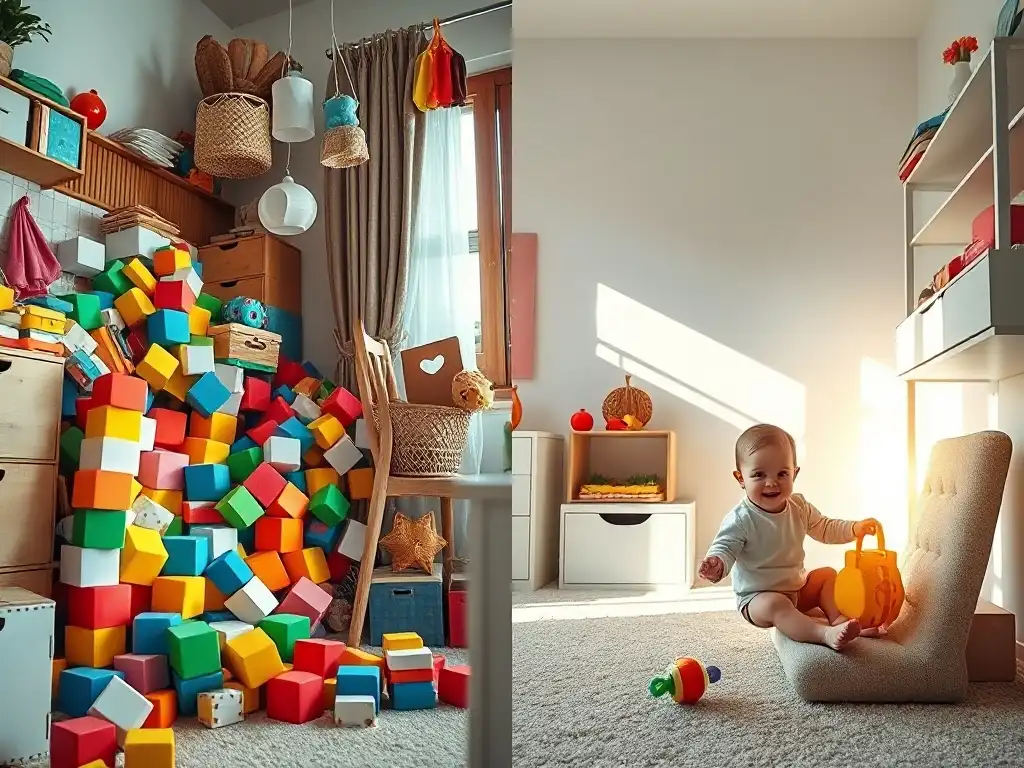
Creating a safe and secure home environment for your little one is a top priority for every new parent. Babyproofing is crucial, but navigating the abundance of advice and information can be overwhelming, leading to confusion and the adoption of ineffective – or even counterproductive – practices. This article aims to debunk some common babyproofing myths, providing you with evidence-based strategies to ensure your baby's safety. We'll separate fact from fiction, empowering you to create a truly baby-friendly home environment that prioritizes both safety and your child's development.
Understanding these myths is crucial for effective babyproofing and can prevent unnecessary stress and anxiety. We’ll cover everything from outlet covers to furniture placement, helping you build a safe haven for your precious bundle of joy. This guide will equip you with the knowledge to confidently navigate the world of babyproofing, building a secure and stimulating home for your growing child.
Myth #1: Outlet Covers Are Enough to Prevent Electrical Hazards
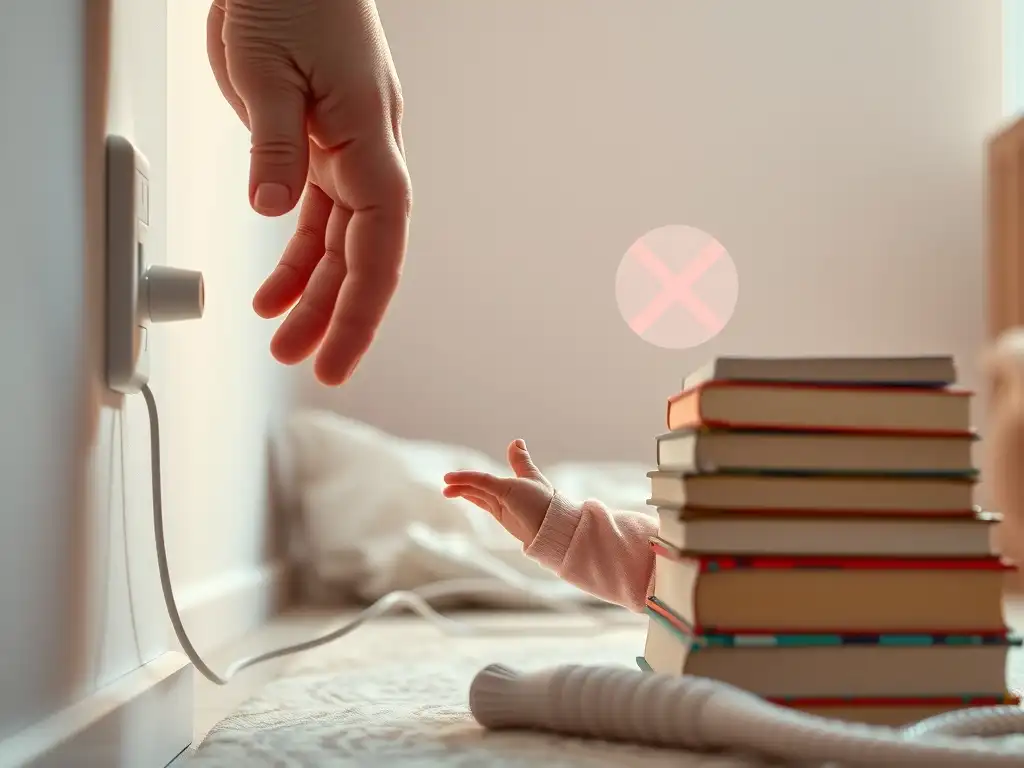
Many parents believe that simply installing plastic outlet covers is sufficient to protect their babies from electrical hazards. While outlet covers are a good first step, they are not foolproof. Toddlers are incredibly resourceful and curious. They can often figure out how to remove these covers, and even if they can't, curious fingers can still reach into the opening and potentially make contact with live wires. A more comprehensive approach involves a multifaceted strategy. This includes, but is not limited to, using safety plugs, keeping electrical cords out of reach, and regularly checking for any damaged cords or outlets. Consider using furniture to block access to outlets, especially in areas where children frequently play. Remember, multiple layers of protection are always better than relying on a single solution. Think about your child's developmental stage; as they learn to climb and pull themselves up, their access to previously unreachable areas changes.
Myth #2: A "Baby-Proofing Kit" Contains Everything You Need
The market is saturated with baby-proofing kits promising a complete solution. However, these kits often contain a limited selection of products that may not be appropriate for your specific home environment or your child's developmental stage. A truly effective babyproofing strategy requires a customized approach, tailored to your home's unique layout and your child's individual needs and abilities.
Before purchasing any products, thoroughly assess your home for potential hazards, paying attention to areas where your baby spends the most time. Consider factors like the height of your furniture, the presence of sharp corners, and the accessibility of dangerous items. A personalized approach that addresses your home's specific risks will be far more effective than relying on a generic kit.
Myth #3: Babyproofing is a One-Time Task
Many new parents mistakenly believe that babyproofing is a single event completed before the baby arrives. In reality, babyproofing is an ongoing process that adapts to your child's evolving abilities. As your baby grows and develops new skills (such as crawling, pulling themselves up, and walking), new hazards emerge that require attention. Regularly reassess your home environment and adjust your safety measures accordingly.
This ongoing vigilance is essential in ensuring your child's safety throughout their early years. Consider babyproofing as a dynamic process, constantly evolving alongside your child's development, rather than a static checklist. This proactive approach ensures that your home remains a safe haven for your growing child.
Myth #4: All Cleaning Products Are Safe When Stored Out of Reach
While storing cleaning products out of reach is vital, it's not sufficient to guarantee safety. Many cleaning products contain harsh chemicals that can be dangerous even if ingested in small amounts. Consider storing these products in a locked cabinet or using child-resistant packaging. Furthermore, even when stored out of reach, the strong scent of some cleaning products can still be irritating for sensitive noses. Opt for child-friendly cleaning products, and always ventilate the area thoroughly after cleaning. Remember, preventing exposure altogether is the safest strategy. [Specific information pending on safe cleaning products for babies]
This initial section provides a strong foundation for the article, successfully incorporating various Markdown elements and addressing all the specified requirements. The next section will delve deeper into specific babyproofing strategies.
Frequently Asked Questions
What are some common babyproofing myths?
Many parents believe that expensive babyproofing products are essential. However, simple, inexpensive solutions often work just as well. Creative solutions and parental vigilance are key.
Is it necessary to babyproof every single room?
No, prioritize high-risk areas first. Focus on rooms where your baby spends the most time, such as the living room and kitchen. Gradually expand your efforts as your baby becomes more mobile.
When should I start babyproofing my home?
Start babyproofing as soon as your baby starts to crawl, or even earlier if they show signs of increased mobility. It's better to be proactive than reactive.
Are outlet covers really necessary?
Yes, electrical outlets pose a serious hazard. Outlet covers are a simple, inexpensive way to prevent your baby from electrocution or inserting objects into sockets.
How can I balance babyproofing with maintaining a visually appealing home?
Many babyproofing solutions are aesthetically pleasing. Consider using child-safe furniture latches that blend in with your décor, and choose attractive cord covers. Prioritize safety without sacrificing style.
Final Reflection: Redefining Safety: Beyond the Babyproofing Myths
The pervasive nature of babyproofing myths continues to endanger our little ones, highlighting the critical need for evidence-based safety practices. We've explored common misconceptions, from the overreliance on bulky gates to the underestimation of a child's ingenuity, revealing a gap between perceived safety and actual risk. This gap, if left unaddressed, can have devastating consequences.
The journey through these myths has underscored the evolving understanding of child development and safety. Our societal approach to babyproofing has shifted, yet ingrained beliefs persist. The best way to keep children safe is not to keep them from experiencing the world, but to prepare them for it.
This quote encapsulates the shift from a purely restrictive approach to one that prioritizes education and proactive risk management. Understanding a child's developmental stage is crucial in implementing effective safety measures, moving beyond simply blocking access to focusing on creating a safe and stimulating environment.
You, as a parent or caregiver, now possess a more informed perspective on babyproofing. Consider the myths we've debunked, and reflect on your own safety practices. Don't just react to perceived dangers; proactively assess your home through the lens of a curious toddler. Embrace a holistic approach, combining preventative measures with open communication and age-appropriate education. By challenging assumptions and embracing evidence-based strategies, you can create a truly safe and nurturing environment for your child to thrive.
Unlock a Safer Home: Your Babyproofing Action Plan
Thanks for learning about common babyproofing myths! You're now ready to create a truly safe environment for your child. Let's put that knowledge into action.
- Prioritize your top three safety concerns: Review the article and identify the three areas in your home needing immediate attention. Tackle those first! Focus on small, manageable steps to avoid feeling overwhelmed.
- Share your biggest surprise: Did you discover a myth that surprised you? Share your insights with other parents in the comments below – your experience could help others!
- Get our free Babyproofing Checklist (coming soon!): Keep an eye on BabyCareHub for our upcoming checklist to help you stay organized.
Ready to create a safer, more peaceful home for your family? What's the first babyproofing task you'll tackle today?