
PlantBased Milks for Babies: A Deep Dive into Health and Safety


Welcome to BabyCareHub, your ultimate guide to navigating the exciting yet challenging world of parenthood. Are you a first-time parent seeking reliable information on your baby's well-being? Then you've come to the right place! We offer comprehensive, step-by-step guidance on everything from feeding and sleep to health and safety. Discover the truth behind safe plant-based baby milk and make informed choices for your little one's healthy development. Dive into our expert insights and embark on this incredible journey with confidence.
- Understanding the Nutritional Needs of Infants and Safe Plant-Based Milk Alternatives
- Choosing the Right Plant-Based Milk: A Step-by-Step Guide
- Preparing and Serving Plant-Based Milk Safely
- Health Concerns and Potential Risks Associated with Plant-Based Milk
- Long-Term Health Implications of Plant-Based Milk Consumption in Infants
-
Frequently Asked Questions Regarding Safe Plant-Based Baby Milk
- Is it safe to use plant-based milk as a primary source of nutrition for infants?
- What are the best plant-based milk options for babies with allergies?
- How can I ensure my baby is getting enough essential nutrients from plant-based milk?
- When should I consult a pediatrician about using plant-based milk for my baby?
-
Frequently Asked Questions
- Is plant-based milk safe for my baby?
- What are the nutritional deficiencies of plant milks for infants?
- When can I introduce plant-based milk to my baby's diet?
- Which plant-based milks are considered safer for babies over 12 months?
- Are there any risks associated with giving my baby plant-based milk too early?
- Final Reflection: Nurturing the Next Generation with Informed Choices
- Unlock Your Baby's Nutritional Potential: Next Steps for Plant-Based Milk Choices
Understanding the Nutritional Needs of Infants and Safe Plant-Based Milk Alternatives
Choosing the right nutrition for your baby is paramount for their healthy growth and development. For first-time parents, navigating the world of infant feeding can feel overwhelming, particularly when considering alternatives to breast milk or standard infant formula. This comprehensive guide delves into the complexities of plant-based milks for babies, focusing on safety and nutritional adequacy. We'll explore the essential nutrients required for optimal infant development and compare these nutritional profiles to what's offered in various plant-based milk options.
Understanding these crucial differences will empower you to make informed decisions about your baby's nutrition, ensuring they receive the support they need to thrive. Remember, always consult your pediatrician before making significant changes to your baby's diet. The information provided here is for educational purposes and should not be considered medical advice. Finding a "safe plantbased baby milk" requires careful consideration and professional guidance.
Essential Nutrients for Baby's Growth: Vitamins, Minerals, and Fats
Infants have unique nutritional needs during their rapid growth phase. Their diets must provide a balanced array of essential nutrients, including:
- Vitamins: Vitamin D is crucial for bone health and calcium absorption. Vitamin K is vital for blood clotting. Vitamin B12 is essential for nerve function and red blood cell formation. Many plant-based milks are naturally low in or lack these vitamins.
- Minerals: Calcium is essential for strong bones and teeth. Iron is vital for oxygen transport and preventing anemia. Zinc plays a critical role in immune function and growth. Adequate levels of these minerals are crucial, and plant-based milks may not always supply sufficient quantities.
- Fats: Healthy fats, such as omega-3 and omega-6 fatty acids, are critical for brain development and overall growth. The type and amount of fat in plant-based milks vary significantly.
The following table summarizes the essential nutrients and their importance for infants:
| Nutrient | Importance | Potential Deficiency Consequences |
|---|---|---|
| Vitamin D | Bone health, calcium absorption | Rickets, weakened bones |
| Vitamin K | Blood clotting | Bleeding disorders |
| Vitamin B12 | Nerve function, red blood cell formation | Anemia, neurological problems |
| Calcium | Bone health, teeth development | Weak bones, stunted growth |
| Iron | Oxygen transport, prevents anemia | Anemia, fatigue, developmental delays |
| Zinc | Immune function, growth | Impaired immune function, growth retardation |
| Omega-3 & Omega-6 | Brain development, overall growth | Impaired cognitive development |
Ensuring your baby receives these essential nutrients from a plant-based milk source requires careful planning and supplementation, often under the guidance of a healthcare professional.
Comparing Breast Milk/Formula to Plant-Based Milk Alternatives: Key Differences
Breast milk and standard infant formula are meticulously designed to meet the complete nutritional needs of infants. They contain a precise balance of nutrients, including proteins, carbohydrates, fats, vitamins, and minerals, in forms easily digested and absorbed by the infant's immature digestive system. Plant-based milks, while potentially part of a diverse diet later in infancy, often lack these crucial components or have them in insufficient quantities.
For example, many plant-based milks are naturally low in protein, essential for muscle building and growth. Furthermore, the bioavailability of certain nutrients (how readily the body can absorb and utilize them) may be lower in plant-based milks compared to breast milk or formula. This means that even if a plant-based milk contains a particular nutrient, the infant's body might not absorb it efficiently.
This difference highlights the critical need for thorough research and professional consultation before introducing plant-based milks into your baby's diet. A simple comparison isn't sufficient; a detailed understanding of the specific nutritional composition of the chosen plant-based milk is vital.
Identifying Suitable Plant-Based Milks for Babies: A Comprehensive Overview
Choosing a plant-based milk for your baby requires careful consideration of several factors. It's crucial to understand that no plant-based milk is a suitable replacement for breast milk or infant formula during the first year of life, according to most pediatric guidelines. However, after the introduction of solids and with appropriate medical supervision, some plant-based options might be considered as complementary foods, never as sole nutrition.
Factors to consider include:
- Nutritional content: Check the label for the levels of essential vitamins, minerals, and fats. Look for products specifically formulated for infants or toddlers, if available, and always consult a pediatrician.
- Allergens: Be mindful of potential allergens present in plant-based milks, such as soy, nuts, or oats. Introduce new foods one at a time to monitor for any allergic reactions.
- Processing methods: Choose minimally processed plant-based milks to avoid added sugars, artificial flavors, or preservatives.
- Age appropriateness: Some plant-based milks may not be suitable for infants under a certain age due to their nutritional composition or potential choking hazards.
Remember, prioritizing the health and well-being of your baby is paramount. Always consult with your pediatrician or a registered dietitian before making any significant dietary changes for your infant. They can provide personalized guidance based on your baby's individual needs and ensure that any plant-based milk introduced is safe and nutritionally appropriate.
Choosing the Right Plant-Based Milk: A Step-by-Step Guide
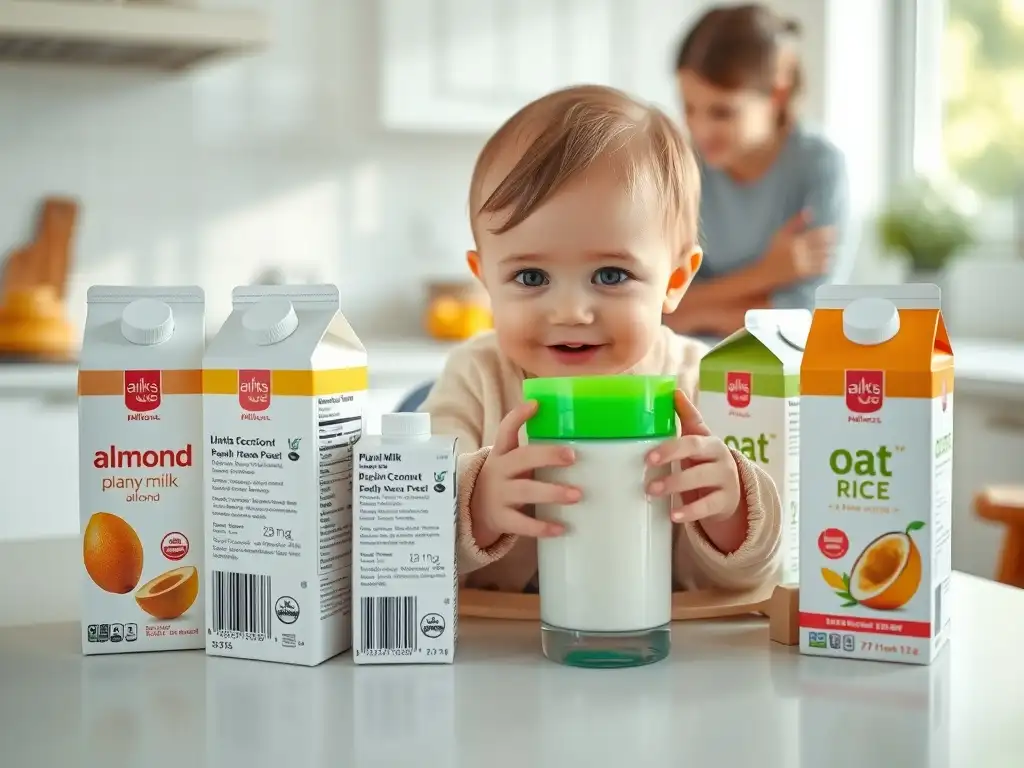
Choosing a safe plant-based baby milk requires careful consideration and a thorough understanding of your baby's nutritional needs. While breast milk or infant formula remain the gold standard for infant nutrition, plant-based milks can sometimes be a necessary or preferred alternative. This guide provides a structured approach to help you navigate the complexities of selecting the right option for your little one.
Remember, always consult your pediatrician before introducing any new food or beverage, including plant-based milks, to your baby's diet. This is crucial for ensuring your baby's health and well-being. The decision to use plant-based milk should be made in consultation with a healthcare professional who can assess your individual circumstances.
Assessing the Nutritional Profile of Different Plant-Based Milks (Soy, Oat, Almond, Rice)
Plant-based milks vary significantly in their nutritional content. It's essential to understand these differences to make an informed choice. Let's compare some popular options:
| Plant-Based Milk | Protein (g/cup) | Calcium (mg/cup) | Vitamin D (IU/cup) | Iron (mg/cup) | Other Considerations |
|---|---|---|---|---|---|
| Soy Milk | 7-8 | 300-450 | Variable, often fortified | 0-1 | Often fortified with essential vitamins and minerals. Potential for soy allergies. |
| Oat Milk | 2-4 | 300-500 | Variable, often fortified | 0-1 | Naturally creamy, but may contain added sugars. Check for added vitamins and minerals. |
| Almond Milk | 1-2 | 200-450 | Variable, often fortified | 0-1 | Low in protein and calories. Often requires fortification. May contain added sugars or thickeners. |
| Rice Milk | 0-1 | 0-100 | Often fortified, but levels vary | 0-1 | Very low in protein and other essential nutrients. Requires substantial fortification. |
The table above highlights the significant differences in nutritional profiles. Fortified options are crucial, as many plant-based milks lack sufficient amounts of essential nutrients like calcium, vitamin D, and iron, all vital for a baby's growth and development. Always check the nutrition label carefully and choose products specifically formulated for babies or toddlers, if available. Remember, even fortified options may not perfectly replicate breast milk or infant formula, emphasizing the importance of professional guidance.
Checking for Allergens and Potential Risks in Plant-Based Milk Options
Allergic reactions are a serious concern when introducing any new food, particularly plant-based milks. Soy, almond, and oat milk are common allergens. Rice milk, while generally less allergenic, may still cause adverse reactions in susceptible individuals. Introducing plant-based milks gradually and observing your baby for any signs of allergic reactions—such as rash, hives, vomiting, or difficulty breathing—is crucial. Keep a detailed food diary to track your baby's intake and any potential reactions. If you suspect an allergic reaction, immediately seek medical attention.
Furthermore, some plant-based milks may contain added sugars, thickeners, or other ingredients that aren't ideal for babies. Always opt for unsweetened varieties and check the ingredient list carefully for any potential additives. The presence of these added ingredients can impact the nutritional value and may also pose health risks. Prioritizing minimally processed, fortified options specifically designed for infant consumption is key to mitigating these risks.
Considering the Age Appropriateness of Plant-Based Milks for Infants
Plant-based milks are generally not recommended as a primary source of nutrition for infants under one year of age. Breast milk or infant formula provides the ideal balance of nutrients for optimal growth and development during this critical period. Plant-based milks often lack essential fatty acids, iron, and other vital nutrients crucial for brain development and overall health in infants. The American Academy of Pediatrics strongly advises against using plant-based milks as a primary source of nutrition for infants under 12 months.
Introducing plant-based milks after the first year should still be done cautiously and in consultation with a pediatrician. Even then, they should be considered a supplemental beverage, not a replacement for other nutritious foods in a balanced diet. The transition to plant-based milks should be gradual and closely monitored for any negative impacts on your child's health and development. Remember, the safety and well-being of your baby should always be the top priority. A proactive approach to introducing new foods, coupled with regular check-ups with your pediatrician, is vital for ensuring your baby thrives.
Preparing and Serving Plant-Based Milk Safely
Choosing a safe plant-based milk alternative for your baby requires meticulous attention to detail, from preparation to serving. This section focuses on ensuring the safety and hygiene of your baby's plant-based milk, minimizing the risk of contamination and promoting optimal health. Remember, always consult your pediatrician before introducing any new foods or drinks, including plant-based milks, to your baby's diet. This is especially crucial for babies under six months old, as breast milk or infant formula remains the recommended primary source of nutrition during this period.
Sterilization Techniques for Baby Bottles and Plant-Based Milks
Sterilizing baby bottles and ensuring the plant-based milk is free from harmful bacteria is paramount. Neglecting proper sterilization can lead to gastrointestinal issues in your infant. Several methods are available:
- Boiling: This classic method involves submerging clean bottles and nipples in boiling water for at least 5 minutes. For plant-based milks, ensure the milk is heated to a temperature that eliminates harmful bacteria, but be mindful of not destroying its nutritional value. Heating to at least 165°F (74°C) is generally recommended.
- Steam Sterilization: Steam sterilizers are convenient and effective. Follow the manufacturer's instructions carefully. This method is ideal for both bottles and the preparation of plant-based milk if done in a suitable container.
- Microwave Sterilizers: These offer a quick sterilization option, but always check the manufacturer's guidelines for specific instructions on sterilization time and liquid levels. This is less suitable for sterilizing plant-based milk directly.
- Cold-Water Sterilization: While less effective than other methods, you can use cold-water sterilization solutions. Always follow the product instructions meticulously. This method is not recommended for plant-based milk preparation.
Remember to always wash your hands thoroughly before handling baby bottles, nipples, or preparing plant-based milk. Thorough cleanliness is the first line of defense against contamination. 🧼
Safe Storage and Handling of Plant-Based Milk for Infants
Once prepared, the safe storage and handling of plant-based milk is crucial. Improper storage can lead to bacterial growth and spoilage, potentially harming your baby.
- Refrigeration: Prepared plant-based milk should be refrigerated immediately after preparation and used within 24 hours. Do not leave prepared milk at room temperature for extended periods.
- Freezing: Some plant-based milks can be frozen for longer storage. However, always check the manufacturer's instructions and ensure proper labeling with the date of freezing. Thaw frozen milk in the refrigerator and discard any unused portion after 24 hours.
- Portioning: Prepare only the amount of plant-based milk your baby is likely to consume within a single feeding session. This minimizes waste and reduces the risk of bacterial growth.
- Cleanliness: Always ensure that all utensils and containers used for preparing and storing plant-based milk are thoroughly cleaned and sanitized.
Proper storage and handling are key components of providing your baby with a safe and nutritious plant-based milk alternative. Careful attention to these details will ensure the health and well-being of your little one.
Introducing Plant-Based Milk to Your Baby's Diet: A Gradual Approach
Introducing plant-based milk to your baby's diet should be a gradual process to monitor for any allergic reactions or digestive issues. Remember to consult your pediatrician before starting.
- Start Small: Begin with a small amount of diluted plant-based milk, mixing it with breast milk or formula. Gradually increase the proportion of plant-based milk over several days or weeks, observing your baby's response closely.
- Monitor for Allergies: Keep a close eye out for any signs of allergic reactions, such as rashes, vomiting, diarrhea, or difficulty breathing. If any of these symptoms occur, discontinue use and consult your pediatrician immediately.
- Observe Digestive Response: Pay attention to your baby's bowel movements and overall digestive health. Some babies may experience changes in their bowel habits when introduced to plant-based milk. Consult your pediatrician if you have any concerns.
- Nutritional Completeness: Ensure the chosen plant-based milk is fortified with essential nutrients like calcium, vitamin D, and vitamin B12, which are vital for your baby's growth and development. Check the nutritional label carefully.
Introducing a safe plant-based milk alternative requires patience and careful observation. Prioritizing your baby's health and well-being is paramount throughout this process. Remember, a gradual introduction allows for better monitoring and reduces the risk of adverse reactions. 👶
Health Concerns and Potential Risks Associated with Plant-Based Milk
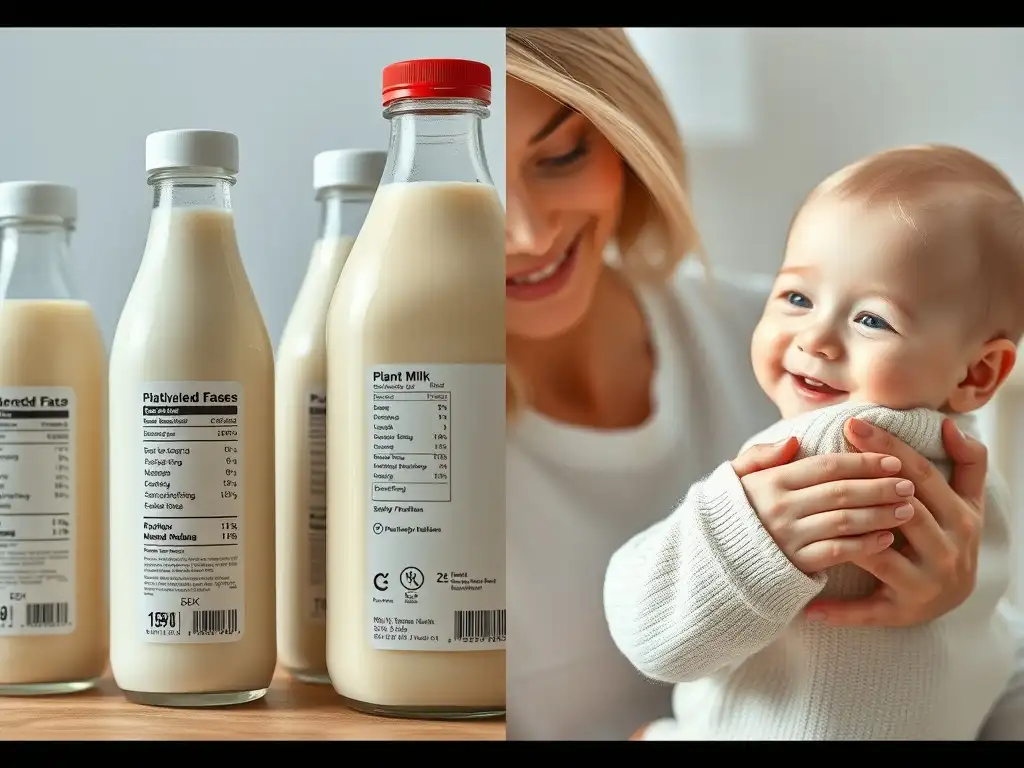
Plant-based milks, while gaining popularity as alternatives to cow's milk, present unique challenges when considering infant nutrition. The primary concern revolves around the potential for nutritional deficiencies. Unlike breast milk or formula, which are specifically formulated to meet a baby's developmental needs, plant-based milks often lack crucial nutrients vital for healthy growth and development.
This necessitates careful planning and supplementation to ensure the baby receives adequate levels of essential vitamins and minerals. Another significant risk is the potential for allergic reactions and food sensitivities. While less common than cow's milk allergies, reactions to plant-based milks can still occur, ranging from mild digestive upset to severe anaphylaxis.
Finally, the inconsistent quality and nutritional content across various brands of plant-based milks adds another layer of complexity, making it crucial for parents to carefully select products that are fortified with essential nutrients and meet stringent safety standards. Choosing a "safe plantbased baby milk" requires meticulous research and attention to detail.
Addressing Nutritional Deficiencies: Supplementation Strategies
Many plant-based milks lack sufficient levels of Vitamin B12, Vitamin D, iron, zinc, and omega-3 fatty acids, all critical for infant development. Addressing these deficiencies requires a proactive approach involving supplementation. For instance, Vitamin B12 supplements are often necessary, as this vitamin is not naturally found in plants. Similarly, Vitamin D supplementation is frequently recommended, especially for babies with limited sun exposure.
Iron deficiency is a significant concern, as plant-based iron is less bioavailable than the iron found in animal products. Therefore, iron supplementation, possibly in conjunction with foods rich in Vitamin C to enhance absorption, might be necessary. The specific supplementation strategy should be carefully determined in consultation with a pediatrician or registered dietitian who can assess the individual needs of the baby and recommend appropriate dosages and types of supplements.
Careful monitoring of the baby's growth and development is essential to ensure the effectiveness of the supplementation plan. Failure to adequately address these deficiencies can lead to developmental delays and long-term health problems. Remember, a "safe plantbased baby milk" strategy must include a comprehensive supplementation plan tailored to your baby's needs.
Monitoring for Allergic Reactions and Food Sensitivities
Introducing plant-based milks can trigger allergic reactions or food sensitivities in some infants. Common symptoms include skin rashes, digestive issues like diarrhea or vomiting, respiratory problems such as wheezing or coughing, and in severe cases, anaphylaxis. Careful monitoring for these symptoms is crucial, especially during the initial introduction of plant-based milk. Start with small amounts and observe the baby closely for any adverse reactions.
Keep a detailed food diary, noting the type of plant-based milk consumed, the quantity, and any observed symptoms. This diary will be invaluable if an allergic reaction occurs, enabling easier identification of the allergen. If any concerning symptoms arise, discontinue the plant-based milk immediately and consult a pediatrician.
Early intervention is key in managing allergic reactions and preventing serious complications. A proactive approach to monitoring and prompt medical attention are crucial components of a safe transition to plant-based milks. Knowing how to identify potential problems is a critical aspect of providing a "safe plantbased baby milk" option.
Consulting with Pediatricians: Importance of Professional Guidance on Plant-Based Milk for Babies
Before introducing any plant-based milk to your baby's diet, a thorough consultation with a pediatrician is paramount. They can assess your baby's individual health needs, developmental stage, and potential risks associated with plant-based milk consumption. Pediatricians can help determine the suitability of plant-based milk, recommend appropriate brands and types, and advise on necessary supplementation strategies to prevent nutritional deficiencies.
They can also guide you on how to monitor for allergic reactions and address any concerns that may arise. Regular check-ups are crucial to monitor the baby's growth, development, and overall health while on a plant-based milk diet. Ignoring professional advice can have significant consequences, potentially leading to long-term health issues.
Remember, a pediatrician's expertise is invaluable in ensuring your baby receives the optimal nutrition and care, making the transition to a "safe plantbased baby milk" option a successful and healthy one. Don't hesitate to seek their guidance – it's a crucial step in responsible infant care.
Long-Term Health Implications of Plant-Based Milk Consumption in Infants
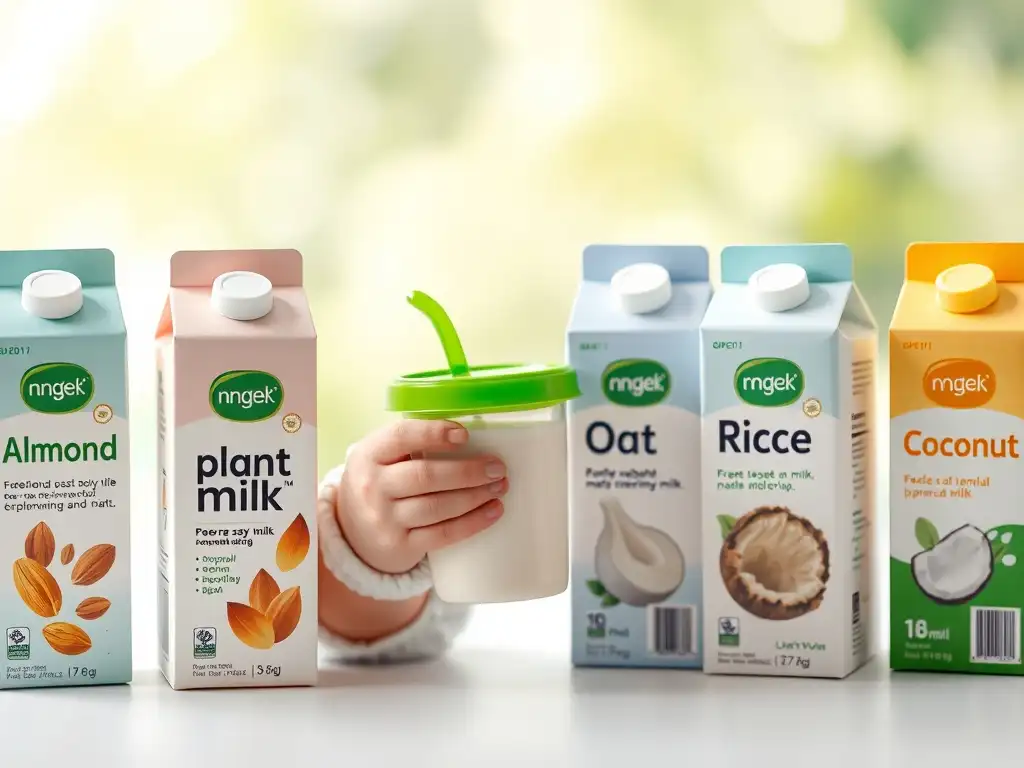
This section delves into the potential long-term health effects associated with raising infants on plant-based milks, focusing on areas where research is ongoing and highlighting the importance of careful monitoring and personalized dietary strategies. Choosing a safe plant-based baby milk requires diligent research and close collaboration with a pediatrician. While plant-based options offer a viable alternative for some families, understanding the potential long-term implications is crucial for informed decision-making. The information provided here is for educational purposes and should not replace professional medical advice.
Growth and Development Monitoring: Tracking Key Milestones
Growth and development are paramount in infancy. Infants fed plant-based milks require meticulous monitoring to ensure they meet key developmental milestones. This includes regular weight checks, height measurements, and head circumference assessments. Deviation from expected growth curves could indicate nutritional deficiencies or inadequate caloric intake. Parents should maintain a detailed growth chart, noting any concerns promptly with their pediatrician. Early intervention is key to addressing any potential issues. Specific markers to track include:
- Weight Gain: Consistent weight gain is a crucial indicator of adequate nutrition. Sudden plateaus or decreases warrant immediate medical attention.
- Height and Length: Regular measurements help assess overall growth and identify potential growth restriction.
- Head Circumference: Monitoring head circumference is essential for brain development assessment.
- Developmental Milestones: Regularly assess the infant's progress in reaching key developmental milestones, such as rolling over, sitting, crawling, and walking. Delays might signal underlying nutritional deficiencies.
It's crucial to remember that individual variations exist, and what constitutes "normal" growth can vary between infants. However, consistent monitoring provides invaluable data for early detection of potential problems. Parents should work closely with their pediatrician to establish appropriate growth parameters and address any concerns promptly. The use of growth charts provided by healthcare professionals should guide this process. Regular check-ups are essential for ensuring optimal growth and development.
Potential Long-Term Effects on Bone Health and Overall Well-being
One of the primary concerns surrounding plant-based milks for infants is the potential impact on bone health. Plant-based milks often lack sufficient levels of vitamin D and calcium, crucial for bone mineralization and development. A deficiency in these nutrients can increase the risk of rickets in infancy and potentially lead to weaker bones and increased fracture risk later in life. Furthermore, the bioavailability of calcium from plant-based sources can be lower compared to that of dairy milk. This means that even if a plant-based milk is fortified, the body might not absorb as much calcium.
Careful supplementation is crucial to mitigate these risks. Parents must ensure that their infant's diet includes adequate amounts of vitamin D and calcium through fortified plant-based milks, supplements, or other dietary sources. Regular blood tests can monitor vitamin D and calcium levels, providing valuable information for adjusting the infant's diet or supplementation as needed.
Moreover, the long-term effects on overall well-being, encompassing cognitive development and immune function, remain areas of active research. More studies are needed to fully elucidate the long-term health consequences of plant-based milk consumption in infants. The current research is evolving and requires further investigation to provide definitive conclusions.
The key is proactive monitoring and careful dietary planning in collaboration with healthcare professionals to ensure healthy growth and development. A proactive approach involving regular check-ups and blood tests is essential to ensure that the infant receives all the necessary nutrients for healthy growth and development. This includes monitoring for other potential deficiencies and addressing them promptly.
Frequently Asked Questions Regarding Safe Plant-Based Baby Milk
This section addresses common concerns and questions surrounding the use of plant-based milks for infants, focusing on safety and nutritional adequacy. Remember, always consult your pediatrician before making any significant changes to your baby's diet, especially when considering alternatives to breast milk or infant formula. The information provided here is for educational purposes only and should not be considered medical advice.
Is it safe to use plant-based milk as a primary source of nutrition for infants?
The safety of using plant-based milk as a primary source of nutrition for infants under 12 months is a complex issue. The American Academy of Pediatrics (AAP) and other leading health organizations generally do not recommend plant-based milks as a sole source of nutrition for infants during their first year of life.
This is because these milks often lack crucial nutrients vital for a baby's growth and development, such as sufficient protein, iron, vitamin B12, vitamin D, and omega-3 fatty acids. Breast milk or iron-fortified infant formula provides a perfectly balanced nutritional profile specifically designed to meet the unique needs of infants.
While some plant-based milks are fortified to contain some of these nutrients, the levels may still fall short of those found in breast milk or formula. Moreover, the bioavailability – how easily the body absorbs and utilizes these nutrients – may differ. Infants relying solely on unfortified or inadequately fortified plant-based milks are at a significantly increased risk of nutritional deficiencies, which can lead to developmental delays and health problems. Therefore, using plant-based milks as the primary source of nutrition before 12 months is generally discouraged.
What are the best plant-based milk options for babies with allergies?
For babies with cow's milk protein allergy or other allergies, finding suitable alternatives is crucial. However, it's important to understand that even plant-based milks can contain allergens. Soy milk, for instance, is a common allergen itself. Therefore, careful selection and introduction of plant-based alternatives are essential. Always consult with a pediatrician or allergist before introducing any new food, including plant-based milks, to a baby with allergies.
The best option often depends on the specific allergy. Some possibilities, after careful consultation with a medical professional, might include:
- Rice milk: Often hypoallergenic, but it's low in protein and other essential nutrients, requiring careful fortification.
- Oat milk: Can be a good source of fiber, but may contain gluten depending on processing. Choose certified gluten-free options if your child has a gluten allergy.
- Coconut milk: Should be used sparingly due to its high fat content. It also lacks many essential nutrients.
It's vital to remember that even with these options, adequate supplementation and careful monitoring by a healthcare professional are necessary to ensure the baby receives all the necessary nutrients for healthy growth and development.
Remember: Introducing any new food to a baby, especially those with allergies, should be done gradually and with close observation for any allergic reactions.
How can I ensure my baby is getting enough essential nutrients from plant-based milk?
If, after consulting with your pediatrician, you are considering supplementing your baby's diet with fortified plant-based milks after 12 months of age, it's crucial to prioritize highly fortified options and potentially consider additional supplements. However, even with fortification, it’s unlikely that plant-based milk alone will provide all necessary nutrients.
Here's a breakdown of essential considerations:
| Nutrient | Importance | How to Ensure Adequate Intake |
|---|---|---|
| Protein | Crucial for growth and development | Choose plant-based milks with high protein content; consider protein-rich solids in the diet |
| Iron | Prevents anemia; essential for oxygen transport | Opt for iron-fortified plant-based milk; include iron-rich foods like lentils and spinach |
| Vitamin B12 | Crucial for nerve function and red blood cell production | Look for B12-fortified milk; consider a B12 supplement (under doctor's supervision) |
| Vitamin D | Essential for bone health and immune function | Choose vitamin D-fortified plant-based milk; consider a vitamin D supplement (under doctor's supervision) |
| Calcium | Essential for strong bones and teeth | Select calcium-fortified plant-based milk; include calcium-rich foods like leafy greens |
| Omega-3 Fatty Acids | Crucial for brain development | Consider supplementing with algae-based omega-3s (under doctor's supervision) |
Regular check-ups with your pediatrician are vital to monitor your baby's growth and development and address any potential nutritional deficiencies. Remember, a diverse and balanced diet, incorporating a variety of fruits, vegetables, and other nutrient-rich foods, is crucial in supplementing any potential gaps left by plant-based milk. A healthy, well-rounded diet is paramount for your baby's well-being. 👶
When should I consult a pediatrician about using plant-based milk for my baby?
Consulting your pediatrician before introducing any plant-based milk into your baby's diet is crucial, especially during the first year of life. Breast milk or infant formula provides the ideal nutrition for newborns and infants, offering a perfectly balanced blend of nutrients vital for their growth and development. Plant-based milks, while potentially a supplementary option later on, often lack certain key nutrients crucial for infants, such as vitamin B12, vitamin D, iron, and arachidonic acid (ARA) and docosahexaenoic acid (DHA), essential fatty acids vital for brain development. 1
A pediatrician can assess your baby's individual needs and health status, determining if a plant-based milk is appropriate and, if so, which type might be the most suitable. They can also help you create a supplemental feeding plan that ensures your baby receives all the necessary nutrients to thrive. This is particularly important for babies with pre-existing health conditions or allergies. For example, babies with a history of allergies might require careful monitoring when introducing new foods, including plant-based milks, to avoid potential reactions. Some plant-based milks may also contain allergens like soy or nuts, requiring additional caution.
Furthermore, your pediatrician can help you monitor your baby's growth and development while on a plant-based milk diet. Regular check-ups allow them to assess your baby's weight, height, and overall health, ensuring they are meeting developmental milestones. Early detection of any deficiencies or problems can prevent long-term health issues. This proactive approach is vital for ensuring your baby's well-being.
Don't hesitate to discuss any concerns you may have; open communication with your pediatrician is essential for making informed decisions about your baby's nutrition. They can provide personalized guidance based on your baby's unique circumstances. Remember, a healthy and happy baby is the ultimate goal.
1 This statement reflects general nutritional guidelines. Specific nutrient levels vary significantly depending on the brand and type of plant-based milk. Always check the nutritional label for precise information.
Frequently Asked Questions
Is plant-based milk safe for my baby?
While some plant-based milks can be part of a baby's diet after 12 months, they are not a suitable replacement for breast milk or infant formula before then. They lack crucial nutrients. Always consult your pediatrician.
What are the nutritional deficiencies of plant milks for infants?
Plant-based milks often lack sufficient vitamin B12, vitamin D, iron, and essential fatty acids vital for a baby's development. Fortification varies widely, so careful label reading is crucial.
When can I introduce plant-based milk to my baby's diet?
After your baby is at least 12 months old and is already eating a variety of solid foods, you can consider adding small amounts of fortified plant-based milk as a supplement, not a replacement, to their diet.
Which plant-based milks are considered safer for babies over 12 months?
Soy milk and oat milk are often cited as better options than others, but always check the label for added sugars and ensure it's specifically fortified for infants. Consult your pediatrician.
Are there any risks associated with giving my baby plant-based milk too early?
Yes, introducing plant-based milks before 12 months can lead to nutritional deficiencies, affecting growth and development. It can also cause allergic reactions in some babies. Always prioritize breast milk or formula.
Final Reflection: Nurturing the Next Generation with Informed Choices
The debate surrounding plant-based milks for infants is far from settled, yet the increasing demand necessitates a thorough understanding of both the potential benefits and inherent risks. This exploration into the complexities of safe plant-based baby milk alternatives highlights the urgent need for clear guidelines and further research to ensure the well-being of our youngest members of society. The choices parents make in their children's early years have profound and lasting consequences.
The impact of this discussion extends far beyond individual dietary choices; it touches upon broader societal shifts in food production, environmental sustainability, and the evolving understanding of infant nutrition. The future belongs to those who believe in the beauty of their dreams.
- Eleanor Roosevelt. This quote resonates deeply because the dream of providing optimal nutrition for our children should be fueled by evidence-based decisions and a commitment to continuous learning and adaptation in the face of new information. We must strive for a future where informed choices are accessible to all parents, regardless of their background or beliefs.
Consider the information presented within this article. Reflect on your own understanding of infant nutrition and the implications of choosing a plant-based milk alternative. Don't hesitate to engage in further research, consult with healthcare professionals, and advocate for clearer regulations and more accessible information. The health and well-being of our children depend on our collective commitment to making informed and responsible decisions. Let us nurture the next generation with knowledge, compassion, and a dedication to their optimal development.
Unlock Your Baby's Nutritional Potential: Next Steps for Plant-Based Milk Choices
Thank you for exploring the world of plant-based milks for babies with us! We hope you gained valuable insights into making informed choices to support your little one's health and well-being. Now, let's put that knowledge into action:
- Consult your pediatrician: This is the most crucial first step. Before making any dietary changes, discuss your baby's individual needs and the suitability of plant-based milk with your doctor.
- Expand your baby's diet with nutritious plant-based recipes: Introduce a variety of age-appropriate, plant-based foods to broaden your baby's culinary horizons. Try a new recipe this week!
- Connect with other parents: Share your experiences and insights on plant-based baby feeding in our community forum. What resources have you found most helpful?
Ready to embark on this exciting journey of nutritional discovery with your baby? Do you have any questions about choosing plant-based milk for your little one?