
Understanding Your Preemie's Temperament: Individual Differences

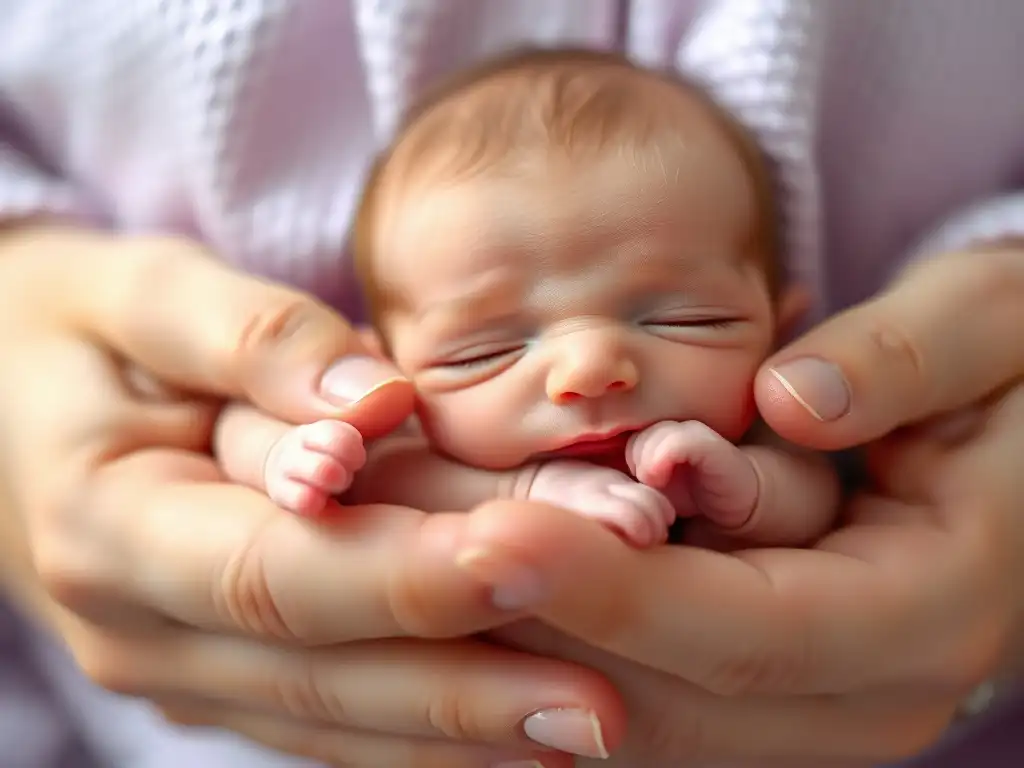
Welcome to BabyCareHub, your ultimate guide to navigating the incredible journey of parenthood! Are you a first-time parent facing the unique challenges and rewards of caring for a newborn? We understand the overwhelming amount of information out there, which is why we've created this comprehensive resource. Discover crucial insights into the fascinating world of infant development, starting with our in-depth exploration of preemie baby temperament differences. Uncover the individual nuances that shape your little one's personality and learn how to best support their unique needs. Let's embark on this adventure together!
- What is Preemie Temperament? Understanding Unique Personality Traits
- Identifying Your Preemie's Temperament: Key Characteristics
- Supporting Your Preemie's Unique Temperament: Practical Strategies
- When to Seek Professional Help for Your Preemie's Temperament
- Long-Term Outlook: Temperament and Development in Premature Infants
- Frequently Asked Questions
- Final Reflection: Embracing the Unique Symphony of Preemie Personalities
- Unlock Your Preemie's Unique Personality
What is Preemie Temperament? Understanding Unique Personality Traits
Premature birth, while a significant medical event, doesn't define the entirety of a baby's personality or temperament. Just like full-term infants, preemies possess unique individual temperaments, influencing their responses to stimuli, their sleep patterns, and their overall behavioral style. Understanding your preemie's temperament is crucial for building a strong parent-child bond and navigating the challenges of caring for a premature infant.
This article delves into the nuances of preemie temperament, exploring how premature birth might influence it, and highlighting the importance of recognizing the individual differences within this population. We'll arm you with the knowledge to better understand your little one and provide the best possible care tailored to their specific needs.
Navigating the world of preemie parenting can feel overwhelming, but recognizing and adapting to your baby's unique personality is a key step towards a smoother journey. This guide will help you decipher your preemie's cues and foster a positive and nurturing environment.
Defining Preemie Temperament: Beyond Premature Birth Factors
Preemie temperament encompasses a wide range of behavioral and emotional characteristics, including activity level, rhythmicity (predictability of biological functions like sleeping and eating), approach/withdrawal (response to new situations), adaptability, intensity of reaction, attention span/persistence, and mood. While premature birth can influence certain aspects of temperament, it's crucial to remember that these traits are not solely determined by gestational age. Genetic factors, the in-utero environment (even before premature delivery), and postnatal experiences all play significant roles. For example, a preemie might exhibit irritability due to medical interventions or pain, but this doesn't necessarily reflect their inherent temperament.
Careful observation, beyond medical factors, is key to understanding your preemie's true personality. Think of it like this: a preemie might be fussy due to discomfort from their medical tubes, not because they are inherently "fussy babies". Distinguishing between medically-induced behaviors and inherent temperament is paramount.
Recognizing Individual Differences in Premature Infants
It's essential to remember that no two preemies are alike. Even twins born prematurely will exhibit individual differences in their temperaments. Some may be calm and easygoing, while others might be more sensitive and reactive. Some might sleep for extended periods, whereas others may require more frequent feeding and comforting. These differences are perfectly normal.
For example, one preemie might readily accept new experiences, while another might exhibit withdrawal and anxiety in unfamiliar environments. Observing your baby's responses to different situations, like feeding, diaper changes, or interactions with caregivers, provides valuable insights into their individual temperament. Keep a journal to note patterns in their behavior—this can be invaluable for identifying triggers and developing strategies to better support your baby. This personalized approach is crucial for successful parenting. Remember to celebrate the unique characteristics that make your preemie special!
How Premature Birth Can Influence Temperament Development
While premature birth doesn't directly cause a specific temperament, it can influence its expression and development. The stress of intensive care, medical interventions (like frequent blood draws or medication), and the prolonged separation from parents can impact a preemie's neurological development and consequently, their temperament. For instance, preemies might exhibit increased irritability or sleep disturbances due to the sensory overload and pain associated with their hospital stay.
Furthermore, the lack of consistent parental contact can affect their ability to regulate their emotions. However, it's crucial to emphasize that with appropriate care and support, many of these challenges can be mitigated. Early intervention programs and parental involvement can significantly support the healthy development of a preemie's temperament.
Positive and nurturing interactions play a vital role in shaping their personality and fostering secure attachment. Early intervention, parental involvement, and a calm nurturing environment can greatly influence the positive development of a preemie's temperament.
Identifying Your Preemie's Temperament: Key Characteristics

Understanding your preemie's unique temperament is crucial for providing optimal care and fostering healthy development. Preemie baby temperament differences are significant, and recognizing these individual variations allows for a more tailored and responsive parenting approach. While all babies are different, preemies often present with a wider range of temperamental expressions due to their early arrival and the unique challenges they face. This section will explore key characteristics to help you better understand your little one's personality. Remember, there's no "right" or "wrong" temperament; each presents its own set of joys and challenges.
Activity Levels in Premature Babies: High vs. Low Energy
Premature infants exhibit a broad spectrum of activity levels. Some preemies are surprisingly energetic, displaying frequent movements and alertness, even in their early weeks. Others may be more lethargic, requiring more gentle stimulation and exhibiting periods of prolonged sleep. This difference isn't necessarily a reflection of health, but rather a facet of their individual temperament.
For instance, a high-energy preemie might readily engage in tummy time, showing strong muscle tone and a desire to explore their surroundings. They might also be more easily startled by sudden noises or movements. Conversely, a low-energy preemie might require more frequent breaks during activities and might appear more subdued. They might prefer quieter environments and gentle, rhythmic movements.
It's important to observe your preemie's natural energy levels and adjust your interactions accordingly. Don't force a low-energy baby into overly stimulating activities, and don't be surprised if a high-energy baby needs more frequent rest periods. Understanding their energy patterns allows you to tailor your approach to their needs and avoid overstimulation or understimulation. This personalized approach is key to nurturing their development. Consistent monitoring and careful observation will help you gauge their optimal stimulation levels, promoting both their physical and emotional well-being.
Preemie's Approach to New Experiences: Adaptability and Reaction
How your preemie responds to new situations – a new person, a new sound, a new position – is another crucial aspect of their temperament. Some preemies are remarkably adaptable, readily adjusting to changes in their environment and routine. Others may exhibit a more cautious or reactive approach, displaying signs of distress or withdrawal when faced with unfamiliar stimuli. This range in adaptability significantly influences how you interact with your preemie and structure their daily routine.
For example, a highly adaptable preemie may readily accept new caregivers or easily transition between different sleeping positions. A less adaptable preemie might require a more gradual introduction to new experiences. They might benefit from a consistent and predictable routine to minimize stress and anxiety. Recognizing their level of adaptability guides you in creating a supportive and nurturing environment that minimizes potential distress. This involves carefully introducing new experiences gradually, providing plenty of comfort and reassurance, and respecting their individual pace.
Mood Regulation in Premature Infants: Irritability and Calmness
Mood regulation in preemies varies significantly. Some display remarkable calmness and contentment, even during periods of discomfort. Others may be more prone to irritability and fussiness, showing signs of distress more readily. This difference in mood regulation impacts your daily interactions and caregiving approach.
A calm preemie might readily soothe themselves or respond well to gentle rocking or humming. An irritable preemie might require more frequent soothing techniques, such as swaddling, shushing, or skin-to-skin contact. They might also benefit from a quiet and dimly lit environment to minimize overstimulation. Understanding your preemie's mood regulation allows you to anticipate their needs and provide appropriate support.
This proactive approach can significantly reduce both their distress and your own. Remember to seek professional guidance if you observe persistent irritability or difficulty in soothing your baby, as this could indicate underlying medical concerns. Careful observation and a responsive approach are essential in nurturing your preemie's emotional well-being and promoting healthy development.
Attention Span and Focus in Premature Babies
Premature babies, due to their early arrival, often exhibit shorter attention spans and difficulty focusing compared to their full-term counterparts. Their underdeveloped nervous systems impact their ability to process sensory information and maintain concentration. This isn't a reflection of their intelligence, but rather a consequence of their premature development. You might notice your preemie becoming easily distracted by sounds, lights, or even slight movements in the room. They may only engage with a toy or activity for a few minutes before losing interest. This is perfectly normal.
Understanding this developmental aspect is crucial for parents. Instead of pushing your preemie to engage for extended periods, offer shorter, more frequent interaction sessions. Keep activities simple and stimulating, adjusting them based on your baby's cues. For example, instead of a long playtime with multiple toys, try a few minutes of gentle tummy time followed by a period of quiet cuddling. Observe your baby's reactions; if they seem overwhelmed, reduce stimulation and offer comfort.
Remember, building their attention span is a gradual process, requiring patience and understanding. Consistency in routines and predictable environments can also significantly improve their focus over time. As your preemie matures and their nervous system develops, you'll likely see improvements in their attention span and ability to concentrate. Consult your pediatrician if you have any concerns about your baby's attention and focus.
Sensory Sensitivity in Premature Infants: Light, Sound, and Touch
Premature infants often demonstrate heightened sensitivity to various sensory stimuli, including light, sound, and touch. This increased sensitivity stems from their immature nervous systems, which haven't yet fully developed the mechanisms to filter and process sensory input efficiently. This can manifest in different ways. For instance, bright lights might overwhelm your preemie, causing them to fuss or cry. Loud noises can similarly trigger distress, disrupting their sleep and overall well-being. Even gentle touch might feel intense or uncomfortable, leading to irritability.
Managing sensory overload in your preemie requires creating a calm and soothing environment. Dim lighting, soft music, or white noise can help mitigate the impact of excessive stimulation. When handling your preemie, use gentle, slow movements. Avoid sudden noises or jarring actions.
Swaddling can be beneficial in providing a sense of security and reducing sensory input. Observe your preemie's reactions closely. If they show signs of distress, such as rapid breathing, increased heart rate, or excessive fussiness, try to reduce the sensory stimulation immediately. Remember that each preemie is unique; their sensory thresholds will vary.
What might be tolerable for one preemie may be overwhelming for another. Pay close attention to your baby's cues, and adapt your approach accordingly. Working closely with your pediatrician or a developmental specialist can provide further guidance on managing your preemie's sensory sensitivities and creating a supportive environment that promotes their healthy development. Regular check-ups will help monitor their progress and address any concerns.
Supporting Your Preemie's Unique Temperament: Practical Strategies

Premature babies, or preemies, arrive into the world before their bodies and brains are fully developed. This early arrival can significantly impact their temperament, leading to variations in their responses to stimuli and their overall behavior. While some preemies might be placid and easily soothed, others can be more irritable, fussy, and sensitive to their environment.
Understanding these "Preemie baby temperament differences" is crucial for providing optimal care and fostering healthy development. This section focuses on practical strategies to support your preemie's unique temperament, acknowledging the wide spectrum of individual needs. Remember, consistency and patience are key in nurturing your little one.
Creating a Calming Environment for Your Preemie
A calming environment is paramount for a preemie, especially given their heightened sensitivity to external stimuli. Think of it as creating a "sensory haven." Minimizing noise and bright light is crucial. Consider using dim lighting, soft music (classical music is often recommended), and white noise machines to mask jarring sounds.
Gentle swaddling can provide a sense of security, mimicking the snug feeling of the womb. However, always follow safe swaddling guidelines to avoid overheating and ensure the baby's hips can move freely. Regularly assess your preemie's responses to different environmental factors – some might prefer complete darkness, while others might tolerate low levels of light better. The goal is to create a space that promotes relaxation and minimizes stress.
Remember that even small changes can make a big difference. For example, a change in room temperature, a sudden loud noise, or even a bright light can trigger distress in a preemie. Being mindful of these potential stressors and proactively mitigating them is a crucial aspect of creating a nurturing and calming environment. Observing your preemie's cues and adjusting the environment accordingly is a continuous process of learning and adaptation.
Responding to Your Preemie's Individual Needs
Every preemie is unique, exhibiting individual preferences and responses. Some preemies thrive on frequent, gentle touch and cuddling, while others might prefer less physical interaction. Some might be easily distracted by toys or mobiles, while others might find them overwhelming. Learning to read your preemie's cues is essential. Observe their body language: Are they arching their back, turning their head away, or closing their eyes? These could be signs of discomfort or overstimulation. Conversely, relaxed limbs, soft cooing, and focused attention on a stimulus might indicate contentment.
This requires a delicate balance between providing sufficient stimulation to promote development and avoiding overstimulation, which can lead to stress and exhaustion. A helpful approach is to offer a variety of stimuli, observing your preemie's reactions and adjusting accordingly. Keep sessions short and sweet, providing frequent breaks for rest and quiet time. Remember, patience and observation are key to understanding and responding effectively to your preemie's individual needs. This is a journey of learning and adaptation, requiring constant attention to your baby's unique cues and responses.
Adapting Feeding and Sleep Routines to Temperament
Feeding and sleep routines are fundamental aspects of preemie care. However, adapting these routines to your preemie's temperament is essential for success. Some preemies might be easily distracted during feeding, requiring a calm and quiet environment. Others might feed more readily when held close. Experiment with different feeding positions and techniques to find what works best for your baby. Burping frequently and providing breaks can be helpful, especially for preemies who tend to become fussy during feeding.
Sleep patterns are equally variable. Some preemies might sleep for extended periods, while others might require more frequent feedings and shorter sleep cycles. Creating a consistent and predictable sleep environment, with the elements mentioned above (dim lighting, white noise, etc. ), can promote better sleep. However, it's crucial to understand that preemies' sleep patterns are often unpredictable, and flexibility is key.
Allow your preemie to lead the way, responding to their cues rather than forcing them into a rigid schedule. Remember that a well-rested baby is a happier, healthier baby, regardless of their specific sleep patterns. Prioritize creating a safe and soothing environment that helps your preemie regulate their sleep and rest. Be patient, and remember that consistency over time will help establish a more predictable routine.
Managing Irritability and Fussiness in Premature Babies
Premature babies, due to their underdeveloped nervous systems and often challenging medical journeys, can exhibit higher levels of irritability and fussiness than full-term infants. Understanding the root causes is crucial for effective management. Often, fussiness stems from discomfort – hunger, a full diaper, or even overstimulation. Preemies, having spent less time in the womb, may have a lower tolerance for sensory input. Bright lights, loud noises, and even too much handling can trigger distress.
Careful observation is key. Keep a detailed record of your preemie's fussiness, noting the time of day, duration, and any potential triggers. This detailed log can help you identify patterns and anticipate fussy periods. For example, you might notice increased fussiness around feeding times, suggesting hunger or a need for a different feeding position. Or, perhaps fussiness peaks in the late afternoon, indicating overstimulation from daytime activities.
Gentle swaddling can provide a sense of security and reduce stimulation. A calming environment with soft lighting and quiet sounds can also significantly reduce irritability. Remember, consistency is paramount. Establishing a predictable routine for feeding, sleeping, and diaper changes can provide your preemie with a sense of security and reduce unpredictable fussiness. If fussiness persists despite these strategies, consulting your pediatrician is essential to rule out underlying medical issues. They can offer guidance and possibly suggest interventions such as medication or additional support.
Promoting Positive Interactions and Bonding with Your Preemie
Bonding with a preemie can present unique challenges, but the rewards are immense. The early weeks and months are critical for establishing a strong parent-child connection, which significantly influences your preemie's development and well-being. Skin-to-skin contact, also known as kangaroo care, is incredibly beneficial. This direct physical contact helps regulate your preemie's temperature, heart rate, and breathing, promoting a sense of calm and security. It also releases oxytocin, a hormone crucial for bonding. Even short periods of skin-to-skin contact throughout the day can make a significant difference.
Remember that your preemie may have limited energy reserves. Keep interactions short and sweet, focusing on gentle touch, soft talking, and eye contact. Sing lullabies, read softly, or simply hold your baby close. Observe your preemie's cues; if they seem overwhelmed or distressed, reduce stimulation and allow for rest. Respecting your preemie's individual needs and preferences is vital for building a positive relationship. Avoid overwhelming them with excessive stimulation or prolonged interactions.
Involving other family members in bonding activities can be helpful, especially during times when you need a break. However, ensure everyone handles your preemie gently and respects their cues. The goal is to create a supportive and loving environment where your preemie feels safe, secure, and cherished. This nurturing environment will significantly contribute to their healthy development and foster a strong, loving bond between you and your little one. Remember that patience and understanding are key; every preemie develops at their own pace. 🎉
When to Seek Professional Help for Your Preemie's Temperament

Premature babies, or preemies, face unique challenges due to their early arrival. While variations in temperament are normal, certain behaviors can signal underlying issues requiring professional intervention. Understanding these distinctions is crucial for providing your preemie with the best possible care and maximizing their developmental potential. Recognizing when to seek help is a key aspect of responsible preemie parenting.
This section will guide you through identifying potential red flags and understanding the importance of early intervention. Remember, early intervention is key for optimizing your preemie's development and well-being. Seeking professional guidance doesn't mean there's something inherently wrong; it simply means proactively ensuring your little one receives the support they need to thrive.
Recognizing Signs of Potential Developmental Delays
Recognizing potential developmental delays in a preemie requires careful observation and understanding of their individual developmental milestones. While every preemie develops at their own pace, certain signs warrant a discussion with your pediatrician. These may include:
- Persistent irritability or inconsolable crying: While some fussiness is normal, excessive, prolonged crying that's unresponsive to typical soothing techniques could indicate underlying discomfort or distress. Keep a detailed record of crying episodes, noting duration, triggers (if any), and your responses. This data can be invaluable for your healthcare provider.
- Significant feeding difficulties: Preemies often have challenges with feeding, but persistent difficulties such as poor weight gain, frequent choking, or refusal to feed despite hunger cues should be addressed immediately. This might point to underlying medical conditions or neurological issues impacting their ability to suck, swallow, and breathe coordinately.
- Lack of responsiveness to stimuli: Preemies might exhibit delayed responses to sounds, light, or touch. While this can be normal in the early stages, a persistent lack of responsiveness could indicate a neurological issue requiring investigation. Observe your baby's reactions to various stimuli and note any significant deviations from expected responses for their corrected age.
- Motor skill delays: Reaching developmental milestones, such as head control, rolling over, or sitting up, might be delayed in preemies. However, significant delays compared to their corrected age (gestational age plus chronological age) should prompt a consultation. Regular monitoring of motor skill development is crucial.
- Poor social interaction: Preemies, like all babies, need social interaction for healthy development. A consistent lack of engagement with caregivers, minimal eye contact, or absence of social smiles could indicate potential developmental delays. Document instances of social interaction, noting the frequency and quality of these interactions.
Understanding the Role of Early Intervention Programs
Early intervention programs play a vital role in supporting the development of preemies with developmental delays or other challenges. These programs offer a range of services designed to address specific needs and promote optimal development. These programs are often multidisciplinary, involving specialists such as pediatricians, therapists (physical, occupational, speech), and educators. Early intervention is crucial because the brain is most malleable during the early years of life, making early intervention highly effective.
Early intervention programs typically offer:
- Individualized therapy: Tailored treatment plans focusing on specific developmental areas needing support.
- Family support and education: Guidance and resources for parents on how to support their child’s development at home.
- Developmental monitoring: Regular assessments to track progress and adjust interventions as needed.
- Collaboration with healthcare providers: Close communication between the program and your child's pediatrician ensures coordinated care.
The effectiveness of early intervention is well-documented. Studies show that early intervention significantly improves developmental outcomes for preemies, leading to better long-term prospects. Early identification and intervention are key to maximizing your preemie’s potential.
Connecting with Pediatricians and Specialists for Support
Your pediatrician is your primary point of contact for any concerns regarding your preemie's temperament or development. Regular checkups provide opportunities to discuss your observations and address any concerns. Don't hesitate to voice your concerns, no matter how small they may seem. Your pediatrician can assess your preemie's development, order necessary tests, and refer you to specialists if needed.
Connecting with specialists might involve referrals to:
- Developmental pediatricians: Specialists in the diagnosis and treatment of developmental delays and disabilities.
- Neonatologists: Physicians specializing in the care of newborns, particularly those born prematurely.
- Physical, occupational, and speech therapists: Therapists who work with children to improve motor skills, sensory integration, and communication abilities.
- Other specialists: Depending on the specific needs of your preemie, you may need to consult other specialists, such as ophthalmologists, audiologists, or neurologists.
Remember, seeking professional help is a sign of proactive parenting, not a reflection of failure. Early intervention can make a significant difference in your preemie's life, promoting their healthy development and overall well-being. Your proactive approach is crucial in ensuring your preemie receives the support they need to thrive. Early intervention for preemies with temperament challenges is essential for optimal outcomes.
Long-Term Outlook: Temperament and Development in Premature Infants
Understanding your preemie's temperament is crucial, but it's equally important to consider the long-term implications. While a preemie's temperament at birth might offer some clues, it's not a definitive predictor of their future personality. Many factors influence a child's development, including their environment, genetics, and the quality of care they receive. However, recognizing early temperament traits can help parents and caregivers anticipate potential challenges and tailor their approach to support optimal development. This proactive approach can significantly impact a child's overall well-being and ability to thrive. Remember, preemie baby temperament differences are common and often evolve over time.
Predicting Future Behavior Based on Infant Temperament
While we cannot definitively predict future behavior based solely on infant temperament, certain patterns can emerge. For example, a preemie demonstrating high irritability might be more prone to emotional regulation challenges later in childhood. However, this doesn't mean the child is destined for behavioral problems. Early intervention, such as consistent routines, responsive parenting, and potentially therapeutic support, can significantly mitigate these potential difficulties. Conversely, a preemie exhibiting a calm and adaptable temperament might demonstrate greater resilience and easier adjustment to new situations as they grow.
It's essential to avoid labeling or stigmatizing a child based on their early temperament. Instead, focus on understanding their individual needs and providing a nurturing and supportive environment. This involves:
- Consistent routines: Establishing predictable routines for feeding, sleeping, and playtime can provide a sense of security and stability, particularly crucial for preemies.
- Responsive parenting: Paying close attention to your preemie's cues and responding promptly to their needs helps build trust and attachment.
- Sensory regulation: Preemies may have heightened sensitivity to stimuli. Creating a calm and soothing environment can help reduce overstimulation and promote relaxation.
- Early intervention: If you notice significant challenges with your preemie's temperament or development, seeking professional guidance from a pediatrician, developmental specialist, or therapist is vital. Early intervention often yields the best outcomes.
The Importance of Ongoing Support and Monitoring
The journey of raising a preemie is often characterized by unique challenges and rewards. Consistent monitoring of your preemie's development is crucial, regardless of their initial temperament. Regular check-ups with your pediatrician will allow for early detection of any potential developmental delays or concerns. Furthermore, seeking support from other parents of preemies, through support groups or online communities, can provide invaluable emotional and practical assistance. Remember, you are not alone in this journey.
The long-term effects of prematurity on temperament are complex and multifaceted. While some preemies may experience challenges related to their temperament, many thrive and develop into healthy, well-adjusted individuals. By understanding your preemie's individual needs and providing consistent support and monitoring, you can significantly contribute to their positive development and overall well-being.
The focus should always be on nurturing your child's strengths and providing the necessary support to overcome any challenges they may face, embracing the uniqueness that defines each preemie baby temperament differences. Early identification and intervention are key to fostering a positive and fulfilling life for your little one. 🎉
Frequently Asked Questions
What are some common temperament differences in preemie babies?
Preemie babies can show variations in their activity levels, irritability, and responsiveness compared to full-term infants. Some might be more fussy while others are calmer and sleepier. This is normal due to their early arrival and developmental differences.
How does prematurity affect a baby's temperament?
Prematurity can impact brain development, affecting sensory processing, regulation of emotions, and response to stimulation. This can lead to increased fussiness, difficulty self-soothing, and variations in sleep patterns. Early intervention can be beneficial.
Is it possible to predict my preemie's temperament?
No, it's not possible to accurately predict your preemie's temperament. While prematurity can influence certain traits, each baby is unique. Their personality will unfold over time, influenced by both their biological factors and environment.
How can I best support my preemie's temperament?
Create a calm and predictable environment, offering gentle handling and responsive care. Learn to recognize your baby's cues and respond appropriately. Consistent routines can help regulate their behavior and promote a sense of security.
When should I seek professional help regarding my preemie's temperament?
If you are concerned about your preemie's extreme irritability, difficulty feeding, poor sleep, or lack of responsiveness, contact your pediatrician or a specialist. Early intervention can make a significant difference in your baby's development and well-being.
Final Reflection: Embracing the Unique Symphony of Preemie Personalities
Understanding the diverse temperaments of premature babies is not merely an academic exercise; it's a crucial step towards providing truly individualized care and fostering healthy development. The unique challenges faced by preemies extend beyond their medical needs; recognizing their distinct personalities allows us to nurture their growth in a way that respects their individual needs and strengths.
The journey of parenting a preemie is a deeply personal one, filled with both immense joy and unexpected hurdles. Learning to appreciate the subtle nuances of their temperament – their responses to stimuli, their sleep patterns, their feeding preferences – profoundly shapes the parent-child bond. The most important thing is to love them unconditionally, to understand their fragility, and to celebrate their resilience.
This quote, though not directly about preemie temperament, encapsulates the essence of this journey: embracing the unique individual within the context of their prematurity.
Now, consider your own experiences, your own child's unique personality. How has this understanding of preemie temperament differences impacted your approach to parenting? Take a moment to reflect on how you can further tailor your interactions to best support your little one's blossoming personality. Remember, every preemie is a unique individual, a tiny human with a distinct voice waiting to be heard. By embracing their individuality, we empower them to thrive and reach their full potential.
Unlock Your Preemie's Unique Personality
Thank you for learning more about understanding your preemie's individual temperament. We hope this article provided valuable insights into your baby's personality! Now, let's put that knowledge to use.
- Create a personalized sleep and feeding journal: Track your preemie's cues and patterns. This will help you anticipate their needs and build a stronger bond, based on your understanding of their temperament.
- Share your experiences and tips: Join our BabyCareHub community forum – connect with other parents and share your successes and challenges in caring for your preemie. It's a great way to learn from one another!
- Observe and record your preemie's daily responses: Note their reactions to different sounds, light levels, and types of touch. This helps build a detailed picture of their preferences.
Ready to embark on this exciting journey of better understanding your preemie? What small step will you take today to strengthen your bond?