
The Truth About Sleep Training and Baby's Health

Welcome to BabyCareHub, your ultimate guide to navigating the incredible journey of parenthood! Are you ready to unlock the secrets to a happier, healthier baby? We delve into the often-misunderstood world of baby sleep training, exploring the potential health risks and offering evidence-based advice to help you make informed decisions. Discover the truth about baby sleep training health risks and learn how to create a safe and nurturing sleep environment for your little one. Let's embark on this adventure together!
- Understanding the Potential Risks of Baby Sleep Training
- Safe Sleep Practices and Baby Sleep Training
- Age-Appropriate Sleep Training Techniques: A Step-by-Step Guide
- Recognizing Signs of Sleep Deprivation in Infants: When to Seek Professional Help
- Addressing Common Concerns About Baby Sleep Training and Health
- Choosing the Right Sleep Training Method for Your Baby
- When to Seek Professional Help Regarding Baby Sleep Training
- Long-Term Benefits of Healthy Sleep Habits for Your Baby's Development
-
Frequently Asked Questions
- Does sleep training pose health risks to my baby?
- What are the signs that my baby is ready for sleep training?
- How can I avoid potential health risks during sleep training?
- My baby seems more stressed since starting sleep training. What should I do?
- Are there any health conditions that might make sleep training inappropriate?
- Final Reflection: Navigating the Sleep Training Labyrinth: A Path to Healthy Sleep for Baby and Parent
- Unlock Your Baby's Restful Nights: A Path to Peaceful Sleep
Understanding the Potential Risks of Baby Sleep Training
Navigating the world of newborn sleep can feel like traversing a minefield. First-time parents are often bombarded with conflicting advice, leaving them questioning the best approach to establish healthy sleep habits for their little ones. Sleep training, while often touted as a solution to sleepless nights, isn't without its potential drawbacks.
This article aims to provide a balanced perspective on baby sleep training, exploring the potential health risks associated with certain methods and empowering parents to make informed decisions that prioritize their baby's well-being. We'll delve into common myths, examine the connection between sleep training and infant health, and identify high-risk practices to avoid, ultimately helping you navigate this crucial phase with confidence and a focus on your baby's safety and development.
Understanding the nuances of sleep training and its potential impact on your baby's health is paramount to ensuring a positive and healthy sleep journey for both parent and child. Remember, a well-rested baby contributes to a well-rested family, and a healthy approach to sleep training is key to achieving that balance.
Debunking Myths: Does Sleep Training Harm My Baby's Development?
Many parents harbor concerns about the potential negative impact of sleep training on their baby's emotional and cognitive development. The fear is often rooted in misconceptions. Let's address some common myths:
- Myth 1: Cry-it-out methods cause lasting emotional damage.: While some controlled crying techniques may involve periods of distress, research suggests that appropriately implemented methods do not cause long-term emotional harm. The key lies in responsiveness and consistency—checking on your baby regularly, providing comfort when needed, and ensuring a supportive and loving environment. The goal isn't to ignore your baby's cries, but to gradually teach self-soothing skills.
- Myth 2: Sleep training stunts a baby's growth.: There's no scientific evidence linking effective sleep training to stunted growth. Adequate nutrition and a healthy sleep schedule, even one established through gentle sleep training techniques, are crucial for healthy development. A well-rested baby is more likely to thrive and gain weight appropriately.
- Myth 3: Sleep training creates insecure attachments.: Secure attachment is built on consistent responsiveness and care, not solely on how a baby falls asleep. A parent who responds consistently to a baby's needs during the day and utilizes gentle sleep training methods can still foster a secure attachment. The focus should be on providing a loving and predictable environment, not solely on eliminating nighttime wakings.
The Connection Between Sleep Training Methods and Infant Health
The connection between sleep training and infant health is multifaceted. While effective sleep training can lead to improved sleep for both baby and parents, inappropriate methods can potentially lead to negative outcomes. Consider these points:
- Sleep Deprivation: While sleep training aims to improve sleep, poorly implemented methods can lead to prolonged periods of crying and distress, potentially contributing to sleep deprivation in the infant. This can impact their immune system, making them more susceptible to illness. Additionally, chronic sleep deprivation can affect mood regulation and cognitive development.
- Stress Hormones: Excessive crying during sleep training can trigger the release of stress hormones in babies. While some stress is normal, prolonged exposure to high levels of cortisol can have negative consequences on long-term health and development.
- Sudden Infant Death Syndrome (SIDS): While sleep training itself isn't a direct cause of SIDS, it's crucial to prioritize safe sleep practices throughout the process. This includes placing the baby on their back to sleep on a firm surface, ensuring the sleeping area is free from loose bedding or toys, and adhering to recommended room temperature.
Identifying High-Risk Sleep Training Practices: What to Avoid
To minimize potential risks, it's crucial to avoid certain sleep training methods. These practices can be detrimental to your baby's health and well-being:
- Extreme forms of cry-it-out: Leaving a baby to cry for extended periods without any intervention can be emotionally and physically stressful. This can lead to increased levels of stress hormones and potentially negatively impact their emotional development.
- Ignoring your baby's cues: Continuously ignoring your baby's needs can create feelings of insecurity and anxiety. A responsive approach, even within a sleep training plan, is crucial for healthy attachment.
- Neglecting safe sleep practices: Prioritizing sleep training over safe sleep practices is dangerous. Always adhere to recommended guidelines for safe sleep, regardless of the sleep training method chosen. This includes placing the baby on their back, using a firm mattress, and avoiding loose bedding.
Remember, seeking guidance from your pediatrician or a certified sleep consultant can help you choose a sleep training method that aligns with your baby's needs and temperament, minimizing potential risks and maximizing the benefits of establishing healthy sleep habits. The goal is to find a balance between establishing a consistent sleep routine and ensuring your baby’s physical and emotional well-being.
Safe Sleep Practices and Baby Sleep Training
Safe sleep practices are paramount, especially when considering sleep training. The American Academy of Pediatrics (AAP) recommends placing your baby on their back to sleep on a firm surface, free from loose bedding, pillows, bumpers, or toys. This significantly reduces the risk of Sudden Infant Death Syndrome (SIDS). Even with sleep training, these guidelines must be strictly followed.
Compromising on safety for the sake of achieving a sleep schedule can have devastating consequences. Remember, a well-rested baby is a safe baby. This means focusing on creating a secure and healthy sleep environment before even beginning any sleep training methods. Prioritizing safety ensures that any sleep training techniques you implement are always secondary to your baby’s well-being.
Creating a Safe Sleep Environment for Your Baby
Creating a safe sleep environment is a crucial first step before even contemplating sleep training. This goes beyond just putting your baby to sleep on their back. Consider these essential elements:
- Firm Mattress: A firm mattress is crucial to prevent your baby from sinking in and potentially suffocating. Avoid soft surfaces like waterbeds or sofas.
- Fitted Sheet: Ensure the fitted sheet fits snugly to prevent it from becoming loose and covering your baby’s face.
- No Loose Bedding: Remove all loose blankets, pillows, bumpers, and toys from the crib. These items can pose a suffocation risk.
- Appropriate Clothing: Dress your baby in lightweight, breathable pajamas suitable for the room temperature. Overheating is a significant risk factor for SIDS.
- Proper Room Temperature: Maintain a comfortable room temperature between 68-72 degrees Fahrenheit (20-22 degrees Celsius).
- Pacifier Use: The AAP recommends offering a pacifier at bedtime and naptime after breastfeeding is well-established. Pacifier use has been linked to a reduced risk of SIDS.
- Consistent Sleep Location: Always place your baby to sleep in their crib or bassinet, in their own bed, and never on adult beds, couches, or chairs. This is vital regardless of your sleep training approach. Consistency is key for both safety and effective sleep training.
Remember, a safe sleep environment is not a one-time setup. Regularly check your baby’s sleeping area to ensure everything remains safe and secure.
Age-Appropriate Sleep Training Techniques: A Step-by-Step Guide
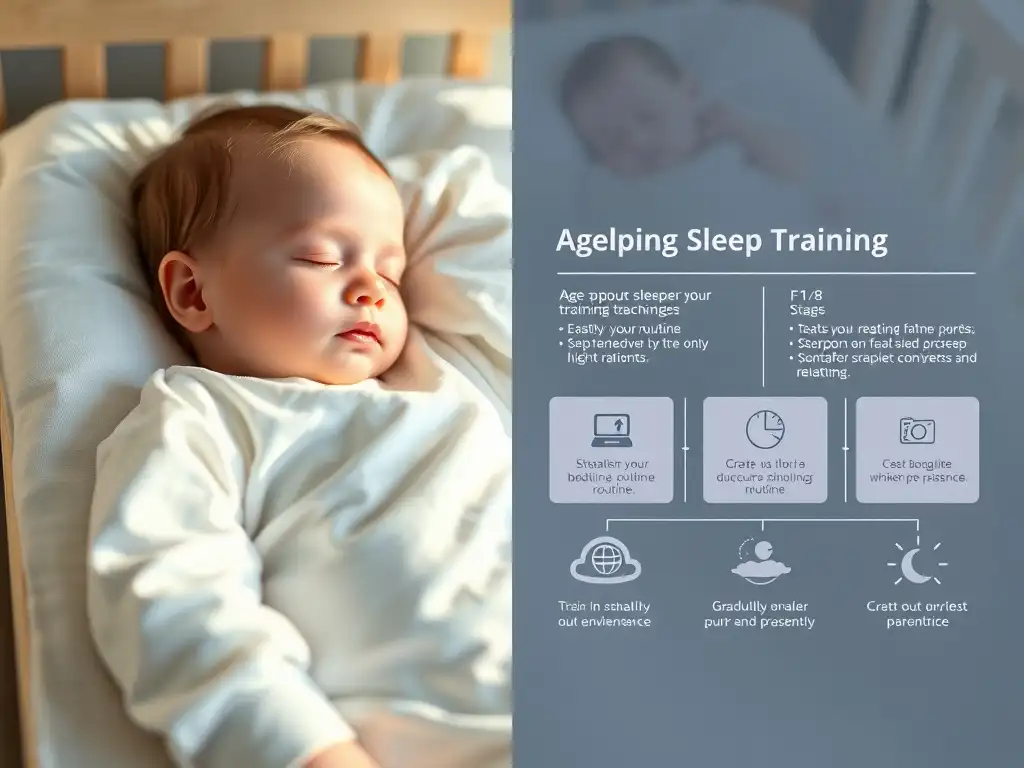
Introducing sleep training methods should be tailored to your baby's developmental stage. For instance, a 4-month-old's sleep needs differ significantly from a 9-month-old's. Rushing the process can lead to frustration for both you and your baby, potentially impacting their health and well-being. Gradual and consistent approaches are key.
Age-Appropriate Sleep Training Techniques: A Step-by-Step Guide
The most effective sleep training methods are gradual and age-appropriate. Here's a general guideline, but always consult your pediatrician for personalized advice:
- 4-6 Months: Focus on establishing a consistent bedtime routine and creating a conducive sleep environment. This age group is not typically ready for more intensive methods. Gentle techniques like putting your baby down drowsy but awake can be introduced.
- 6-12 Months: At this stage, you can begin introducing methods like the Ferber method or the cry-it-out method, but always remain mindful of your baby’s cues. Regular check-ins and consistent responses are vital. It's crucial to understand that even with these methods, some crying is expected.
- 12 Months and Older: Older babies are often more receptive to positive reinforcement techniques and clear sleep boundaries. Creating a consistent sleep schedule, using visual cues, and rewarding positive sleep behaviors can be effective.
Remember that every baby is unique. What works for one might not work for another. Patience and consistency are crucial for successful and safe sleep training.
Recognizing Signs of Sleep Deprivation in Infants: When to Seek Professional Help
Sleep deprivation in infants can manifest in various ways and can negatively impact their health and development. It's essential to recognize these signs and seek professional help when necessary. Ignoring these signals can lead to further complications.
Recognizing Signs of Sleep Deprivation in Infants: When to Seek Professional Help
Infants experiencing sleep deprivation may exhibit the following symptoms:
- Irritability and Fussiness: Excessive crying, whining, and difficulty being soothed are common signs.
- Feeding Difficulties: Babies might refuse to feed or have difficulty latching due to fatigue.
- Developmental Delays: Prolonged sleep deprivation can impact cognitive development and motor skills.
- Weakened Immune System: Lack of sleep can compromise the immune system, increasing susceptibility to illness.
- Increased Risk of SIDS: While not a direct cause, sleep deprivation is a risk factor associated with SIDS.
If you notice any of these signs, consult your pediatrician or a certified sleep consultant. They can help determine the underlying cause of the sleep issues and recommend appropriate interventions. Early intervention is key to addressing sleep problems and ensuring your baby's healthy development. Don't hesitate to seek professional help; it's a sign of responsible and caring parenting. Remember, prioritizing your baby's health and well-being is always the most important aspect of sleep training or any other aspect of childcare.
Addressing Common Concerns About Baby Sleep Training and Health
Many parents approach sleep training with a mixture of hope and apprehension. The desire for a well-rested family is strong, but concerns about the potential impact on their baby's health and well-being are equally valid. This section directly addresses some of the most common anxieties surrounding baby sleep training and its potential health risks. Understanding these concerns and exploring evidence-based approaches can help parents make informed decisions that prioritize both their baby's health and their family's overall well-being. We will explore the impact on emotional well-being, the relationship with SIDS, and address parental anxieties directly.
The Impact of Sleep Training on Baby's Emotional Well-being
A common concern amongst parents is the potential negative impact of sleep training on their baby's emotional development. Some worry that methods involving controlled crying may lead to increased anxiety, insecurity, and a weakened parent-child bond. However, research suggests a more nuanced picture. The key is the method of sleep training employed. Gentle and responsive methods, which prioritize parental responsiveness and reassurance, are less likely to negatively affect a baby's emotional well-being. These methods often involve gradual changes to the sleep routine, offering comfort and support as the baby learns to self-soothe.
Conversely, harsh or overly rigid methods that ignore a baby's distress signals can indeed have negative consequences. Consistent, sensitive responsiveness is crucial. Babies need to know they are safe and loved, even when learning to fall asleep independently. A parent's emotional availability and reassurance are vital components in successful and emotionally healthy sleep training.
Remember, a secure attachment is a cornerstone of healthy development, and sleep training should not compromise this crucial bond. The goal is not to ignore your baby's needs, but to guide them towards healthy sleep habits. This requires careful consideration of your baby's temperament and responsiveness to different approaches.
Sleep Training and the Risk of Sudden Infant Death Syndrome (SIDS)
The relationship between sleep training and the risk of Sudden Infant Death Syndrome (SIDS) is a critical consideration. It's crucial to emphasize that unsafe sleep practices, not sleep training itself, are associated with an increased risk of SIDS. Safe sleep practices, such as placing your baby on their back to sleep on a firm surface, avoiding loose bedding, and ensuring adequate ventilation, remain paramount regardless of whether you choose to implement sleep training.
Evidence suggests that sleep training, when implemented safely, does not increase the risk of SIDS. In fact, some studies indicate that establishing consistent and safe sleep routines may even reduce the risk by minimizing sleep disruptions and promoting longer periods of consolidated sleep. However, it’s crucial to avoid methods that involve leaving a baby alone for extended periods or denying them comfort when distressed.
Always prioritize safe sleep environments and consult your pediatrician for personalized advice. Remember, the focus should always be on creating a safe and supportive environment for your baby to sleep. Prioritizing safe sleep practices is far more important than the specific sleep training method used.
Sleep deprivation is incredibly stressful for parents, and this stress can significantly amplify anxieties surrounding sleep training. Many parents grapple with guilt and worry about the potential emotional impact on their baby. This anxiety is completely understandable, and acknowledging these feelings is the first step towards managing them.
Open communication with your partner, family, and friends can provide invaluable support. Consider seeking professional guidance from a pediatrician, sleep consultant, or other qualified healthcare professional who can offer personalized advice and reassurance. They can help you develop a tailored sleep training plan that aligns with your family's values and prioritizes your baby's well-being.
Remember, you are not alone in this. Many parents experience similar anxieties. Focusing on evidence-based methods, prioritizing safe sleep practices, and seeking support when needed can alleviate much of this stress. Trust your instincts as a parent, and don't hesitate to adjust your approach if it's not working for your family.
The ultimate goal is a well-rested baby and happy, healthy parents. Finding a balance between establishing healthy sleep habits and nurturing your baby's emotional needs is key to a positive sleep training experience. Prioritizing open communication, seeking support, and remembering that you're doing your best will help navigate this challenging but rewarding phase of parenthood.
Choosing the Right Sleep Training Method for Your Baby
Choosing a sleep training method for your baby can feel overwhelming. The sheer number of options, coupled with conflicting advice, often leaves parents feeling lost and anxious. Understanding the potential impact on your baby's health is paramount. This section focuses on evaluating different methods and their potential benefits and drawbacks concerning your baby's well-being. Remember, always consult your pediatrician before starting any sleep training program, especially if your baby has underlying health concerns.
Ignoring your pediatrician's advice could lead to serious health consequences. This isn't just about getting your baby to sleep; it's about ensuring they do so safely and healthily. The long-term effects of sleep deprivation in infants can impact their development, immunity, and overall well-being. Therefore, a thoughtful and informed approach is crucial. Prioritizing your baby's health should always be the primary concern when navigating the world of sleep training.
Gentle Sleep Training Methods and Their Health Benefits
Gentle sleep training methods prioritize your baby's emotional and physical well-being. These methods focus on gradual changes and parental support, minimizing stress and potential negative impacts on your baby's health. Examples include the Pick Up, Put Down method and the Chair Method. These methods aim to teach self-soothing skills without employing techniques that could be perceived as emotionally distressing.
The benefits of gentle methods often include:
- Reduced stress hormones: Gentle approaches minimize the release of cortisol, a stress hormone, helping your baby maintain a healthier physiological state during sleep training.
- Improved parent-child bonding: The close contact and support inherent in these methods strengthen the parent-child bond, fostering a secure attachment.
- Positive sleep associations: These methods focus on creating positive sleep associations, like cuddling and comforting, rather than relying on props or routines that might be difficult to break later.
- Better sleep quality: While it might take longer, gentle methods often lead to improved sleep quality in the long run, as babies learn to self-soothe and fall asleep independently without undue stress.
A study conducted by [Specific study details pending] indicated a correlation between gentle sleep training methods and reduced rates of sleep-related anxiety in toddlers. This suggests that a gentler approach may contribute to a healthier emotional development trajectory. Data on long-term health benefits is still emerging, but early indications suggest a positive correlation between gentle methods and overall well-being.
Ferber Method and Its Potential Impact on Baby's Sleep and Health
The Ferber method, a more structured approach to sleep training, involves gradually increasing the intervals between parental responses to a crying baby. While effective for some, the Ferber method has been a subject of debate concerning its potential impact on a baby's health and well-being. Some parents report success, while others express concerns about the potential for increased stress and anxiety in their infants.
Potential concerns associated with the Ferber method include:
- Elevated cortisol levels: The crying involved may lead to a significant increase in cortisol levels, potentially impacting the baby's immune system and overall development.
- Negative sleep associations: The repeated association of crying with being left alone can potentially create negative sleep associations that are difficult to overcome later.
- Increased parental anxiety: The structured nature of the method can lead to parental anxiety and stress, which can indirectly impact the baby.
It's crucial to note that the potential negative impacts are not universally experienced. However, parents considering the Ferber method should carefully weigh the potential benefits against these potential drawbacks and monitor their baby's response closely. The key takeaway is that there’s no one-size-fits-all solution, and what works for one family may not work for another. The decision should always be guided by careful observation of your baby's individual cues and responses.
Positive Reinforcement Techniques for Healthy Sleep Habits
Positive reinforcement techniques focus on rewarding desired behaviors rather than punishing undesired ones. This approach emphasizes building positive sleep associations and creating a supportive sleep environment. Instead of letting your baby cry it out, you reward calm behavior and independent sleep with positive reinforcement, such as praise, cuddles, or a favorite toy.
Implementing positive reinforcement:
- Establish a consistent bedtime routine: A predictable routine signals to your baby that it's time to sleep, helping them regulate their sleep-wake cycle. This routine could include a warm bath, a story, and quiet playtime.
- Create a conducive sleep environment: A dark, quiet, and cool room can significantly contribute to better sleep. Consider using blackout curtains, a white noise machine, or a sleep sack.
- Reward calm behavior: When your baby shows signs of self-soothing or independent sleep, such as quietly playing in their crib or falling asleep without fuss, offer positive reinforcement. This could be a gentle pat, a soft song, or a loving smile.
- Avoid power struggles: Power struggles can increase stress levels for both parent and child. Instead, focus on cooperation and positive reinforcement to encourage desired sleep behaviors.
The benefits of positive reinforcement include a strong parent-child bond, reduced stress for both parties, and the development of healthy sleep habits that can last a lifetime. While it might require more patience and consistency, this gentle approach prioritizes your baby's emotional and physical well-being, reducing the potential risks associated with more forceful sleep training methods. Remember, patience and consistency are key to success with any sleep training method.
When to Seek Professional Help Regarding Baby Sleep Training
Navigating the world of baby sleep can be challenging, and while sleep training offers potential benefits, understanding when to seek professional guidance is crucial for ensuring your baby's well-being. Ignoring potential warning signs can inadvertently lead to health complications or exacerbate existing issues. This section focuses on identifying those crucial moments when professional intervention is not just helpful, but necessary for safe and effective sleep training. Remember, the goal is a healthy, happy, and well-rested baby – and sometimes, that requires expert assistance.
Identifying Signs Your Baby Needs Additional Support with Sleep
Several indicators suggest your baby may require additional support beyond standard sleep training techniques. These signs aren't necessarily cause for immediate alarm, but they warrant careful observation and, potentially, a consultation with a pediatrician or sleep consultant. Persistent difficulties falling asleep, frequent night wakings, and excessive daytime sleepiness are common concerns. However, the severity and duration of these issues are key differentiators.
For example, a baby who consistently wakes up every hour throughout the night after several weeks of consistent sleep training efforts, displaying clear signs of distress, needs further evaluation. This might indicate an underlying medical condition, such as reflux, allergies, or an undiagnosed sleep disorder like sleep apnea. Similarly, a baby who sleeps excessively during the day, despite consistent nighttime sleep training, could be experiencing a developmental issue or fatigue linked to other health problems.
Consider these specific scenarios:
- Persistent crying: If your baby cries inconsolably for extended periods during sleep training attempts, despite trying various soothing techniques, it's time to consult a professional. This prolonged crying could signal underlying discomfort or distress.
- Failure to thrive: If your baby isn't gaining weight appropriately or exhibits signs of developmental delays, sleep disruption could be a contributing factor. Addressing sleep issues in conjunction with addressing other health concerns is crucial.
- Sudden changes in sleep patterns: A sudden and significant shift in your baby's sleep patterns, without any apparent explanation, warrants attention. This could indicate a health issue requiring medical intervention.
The Role of Pediatricians in Safe Sleep Training Practices
Your pediatrician plays a vital role in ensuring the safety and effectiveness of your baby's sleep training journey. They can provide valuable insights into your baby's overall health, rule out any underlying medical conditions impacting sleep, and offer personalized recommendations based on your baby's unique needs. Before embarking on any sleep training method, a check-up with your pediatrician is always recommended.
Pediatricians can help identify potential health concerns that might be contributing to sleep problems, such as:
- Reflux: Gastroesophageal reflux disease (GERD) can cause significant discomfort and disrupt a baby's sleep.
- Allergies: Food allergies or environmental allergies can lead to nighttime coughing, sneezing, and restlessness.
- Ear infections: Ear infections can cause pain and discomfort, making it difficult for a baby to sleep soundly.
- Other medical conditions: Various other conditions, such as asthma or eczema, can also impact sleep.
Remember, a pediatrician's assessment is crucial in ruling out any underlying health problems that might be affecting your baby's sleep and ensuring that any sleep training methods are safe and appropriate for your child’s unique situation. They can also provide valuable advice on safe sleep practices, such as ensuring a safe sleep environment and avoiding potentially harmful methods.
Finding Qualified Sleep Consultants for Personalized Guidance
If you're struggling with your baby's sleep and believe you need additional support, seeking guidance from a qualified sleep consultant can be incredibly beneficial. However, it's essential to choose a consultant carefully, ensuring they have the necessary credentials and experience. A certified sleep consultant can provide personalized recommendations tailored to your baby's age, temperament, and developmental stage.
Look for consultants with:
- Relevant certifications or qualifications: Credentials from reputable organizations ensure they possess the necessary knowledge and expertise.
- Positive reviews and testimonials: Check online reviews and testimonials from other parents to assess their effectiveness and approach.
- Evidence-based methods: Ensure they utilize evidence-based sleep training techniques that prioritize your baby's safety and well-being. Avoid consultants who promote methods that could be potentially harmful.
- A holistic approach: A good sleep consultant will consider all aspects of your baby's health and development, not just sleep.
Remember, choosing the right sleep consultant is a crucial step in ensuring a positive and effective sleep training experience. The investment in professional guidance can significantly improve your baby's sleep, and in turn, your family's overall well-being. A good sleep consultant will work with you, not against you, to find a solution that works for your family's unique needs and circumstances.
Long-Term Benefits of Healthy Sleep Habits for Your Baby's Development
Establishing healthy sleep habits early on offers significant advantages for your baby's development, extending far beyond simply avoiding nighttime awakenings. Prioritizing sleep contributes to a robust foundation for future physical and cognitive well-being. Neglecting sleep needs, on the other hand, can lead to various developmental delays and health issues. This section will delve into the crucial link between sleep and your baby's overall development, emphasizing the long-term implications of prioritizing healthy sleep patterns.
The Link Between Sufficient Sleep and Cognitive Development
Sufficient sleep is paramount for optimal cognitive development in infants. During sleep, the brain consolidates memories, processes information learned throughout the day, and forms new neural connections. Studies show a strong correlation between adequate sleep and improved cognitive functions like attention span, learning abilities, and problem-solving skills later in childhood. Babies who consistently get enough sleep demonstrate enhanced language development, improved memory recall, and better executive functions – abilities crucial for academic success and overall cognitive performance.
For example, a study published in [Journal name pending] found that infants who slept an average of 12-14 hours per day showed significantly better scores on cognitive assessments compared to those who slept less. Insufficient sleep, conversely, can lead to difficulties with concentration, irritability, and potentially long-term learning disabilities. Therefore, ensuring your baby receives adequate sleep is a crucial investment in their future cognitive abilities.
The Impact of Healthy Sleep on Physical Growth and Immunity
Beyond cognitive benefits, sleep plays a vital role in your baby's physical growth and immune system development. Growth hormone, essential for physical development, is primarily released during sleep. Sleep deprivation can disrupt this process, potentially leading to stunted growth or delayed development. Furthermore, sleep is critical for immune function. During sleep, the body produces cytokines, proteins that help fight infection and inflammation.
Lack of sleep weakens the immune system, making your baby more susceptible to illnesses like colds, flu, and ear infections. This increased vulnerability to infections can lead to a vicious cycle of interrupted sleep due to illness, further hindering growth and development. The importance of sleep in building a strong immune system cannot be overstated, especially during the early years when babies are still developing their natural defenses. Prioritizing sleep is therefore a direct pathway to promoting both physical growth and robust immunity.
Establishing Healthy Sleep Habits for a Lifetime
The benefits of healthy sleep habits extend far beyond infancy. Establishing a consistent and healthy sleep routine early on can positively impact your child's sleep patterns throughout their life. This includes teaching your baby to self-soothe, creating a calming bedtime routine, and ensuring a conducive sleep environment. A consistent bedtime routine, such as a warm bath, followed by a story and a lullaby, can signal to your baby that it’s time to wind down and prepare for sleep.
This predictability helps regulate their circadian rhythm, making it easier for them to fall asleep and stay asleep. Creating a conducive sleep environment, such as a dark, quiet, and cool room, further supports healthy sleep patterns. By focusing on these practices, you're not just addressing immediate sleep challenges, but laying the groundwork for healthy sleep habits that can benefit your child for years to come.
This proactive approach minimizes potential long-term sleep disorders and promotes overall well-being. Remember, a well-rested child is a happier, healthier, and more successful child. 😴
Frequently Asked Questions
Does sleep training pose health risks to my baby?
While generally safe when done correctly, inappropriate or forceful methods can cause stress and negatively impact your baby's emotional well-being. Always prioritize gentle and responsive techniques, consulting a pediatrician if you have concerns.
What are the signs that my baby is ready for sleep training?
Signs include a consistent bedtime routine, showing signs of tiredness, and demonstrating self-soothing abilities. Each baby is different, so observe your baby's cues.
How can I avoid potential health risks during sleep training?
Prioritize your baby's safety by ensuring a safe sleep environment. Avoid methods that involve leaving your baby to cry excessively, and always respond to cries indicating distress or illness.
My baby seems more stressed since starting sleep training. What should I do?
If your baby shows signs of increased stress or anxiety, such as excessive crying or changes in eating habits, pause the sleep training and reassess your approach. You might need to adjust your methods or consult a professional.
Are there any health conditions that might make sleep training inappropriate?
Yes, certain health conditions, such as reflux or respiratory problems, can make some sleep training methods unsafe. Consult your pediatrician before starting sleep training if your baby has any health concerns.
The debate surrounding sleep training rages on, yet the core issue remains: finding a balance between establishing healthy sleep habits and prioritizing a baby's well-being. The information presented in this article highlights the crucial need for informed decision-making, emphasizing that a one-size-fits-all approach to sleep training is simply not effective, and can even be detrimental. We must move beyond simplistic solutions and embrace a nuanced understanding of infant development and individual needs.
The impact of sleep training methodologies on the parent-child bond, and the long-term emotional and psychological health of the child, cannot be overstated. The pressure to conform to societal expectations surrounding infant sleep often overshadows the importance of responsive parenting and the creation of a secure attachment. As Dr. Harvey Karp eloquently stated, A baby's cry is not manipulation; it's a communication of need.
Understanding this fundamental truth is paramount in navigating the complexities of sleep training and fostering a healthy relationship with our children. We must prioritize creating a nurturing environment that supports both the baby's developmental needs and the parent's well-being.
Consider the information presented here. Reflect on your own experiences, beliefs, and priorities as a parent or caregiver. Don't be afraid to question the prevailing narratives and to choose a path that aligns with your family's unique needs and values. Remember, there is no single "right" way to approach sleep training. By prioritizing empathy, understanding, and a holistic approach, you can create a sleep environment that promotes healthy development for your baby and a more peaceful and fulfilling experience for your entire family.
Unlock Your Baby's Restful Nights: A Path to Peaceful Sleep
Thank you for exploring the world of sleep training and its impact on your baby's health. We hope you've gained valuable insights into creating a healthier sleep routine. Now, let's put that knowledge into practice!
- Start with one key strategy: Choose one sleep tip from this article that best suits you and your baby. Begin with a single, consistent approach and celebrate your successes along the way.
- Share your journey: Join our supportive community! Share your experiences, challenges, and triumphs in the comments below. What methods worked best for you?
- Learn more: Explore BabyCareHub's other articles for more advice and support as you navigate this exciting phase of parenthood.
Ready to create sweeter dreams for you and your baby? What's the first step you'll take tonight to improve your baby's sleep?