
Safety Tips for Twins: Creating a Secure Environment at Home


Welcome to BabyCareHub, your ultimate guide to navigating the incredible journey of parenthood! Are you ready to embrace the double dose of joy and responsibility that comes with twins? We understand that raising twins presents unique challenges, especially when it comes to ensuring their safety. Discover essential twin baby safety tips for home in our comprehensive guide, designed to help you create a secure and nurturing environment for your precious little ones. Dive in and learn how to safeguard your twins' well-being from day one!
- Securing Your Home for Twin Babies: A Comprehensive Guide
- Managing Twin Baby Safety During Daily Activities
- Twin Baby Safety: Addressing Unique Challenges
- Seeking Professional Support for Twin Baby Safety
- Frequently Asked Questions
- Final Reflection: Weaving a Safety Net for Tiny Treasures
- Unlock Your Twins' Safety: A Journey to Peace of Mind
Securing Your Home for Twin Babies: A Comprehensive Guide
Navigating the world of parenthood is a significant undertaking, and welcoming twins amplifies the challenges and joys tenfold. While the double dose of adorable bundles of joy brings immeasurable happiness, it also necessitates a heightened awareness of safety precautions. This comprehensive guide focuses on creating a secure home environment specifically tailored to the unique needs of twin babies.
We'll delve into essential baby-proofing strategies, safe sleep practices, and crucial considerations for minimizing risks associated with raising two infants simultaneously. This guide aims to equip new parents with the knowledge and tools to create a safe and nurturing space for their twins, allowing them to thrive and flourish in their early months and beyond. Remember, proactive safety measures are paramount in ensuring the well-being of your precious little ones.
This article will help you navigate the specific safety concerns of having twins, offering practical tips and advice to help you create a safe and secure home environment. Let's dive into the specifics, equipping you with the knowledge to protect your twins effectively.
Baby-Proofing Essentials for Twins: Double the Trouble, Double the Precautions
Raising twins means double the energy, double the love, and unfortunately, sometimes, double the trouble when it comes to safety. Standard baby-proofing techniques need to be amplified when caring for two infants simultaneously. The increased activity and potential for exploration necessitate a more thorough and vigilant approach. Remember, what might seem like a minor hazard for a single baby can easily become a major concern with two active infants.
Preventing Falls: Crib Safety and Floor Hazards for Twins
Preventing falls is paramount. With two babies, the chances of accidents increase exponentially. Ensure cribs meet current safety standards, including sturdy construction, proper mattress fit, and no gaps between slats. Floor hazards should be addressed comprehensively. Secure rugs and carpets, eliminate trailing cords, and install sturdy gates at the top and bottom of stairs. Consider using soft, padded floor mats in play areas to cushion potential falls. Regularly check for any potential hazards like loose furniture or sharp objects that could cause injury. Remember, constant vigilance is crucial in preventing falls for twins.
Choking Hazards: Identifying and Eliminating Risks for Twin Infants
Twin babies are notorious for exploring everything within their reach. Choking hazards represent a significant threat. Small objects, loose buttons, and anything that can easily fit in a baby's mouth must be removed from their environment. Ensure that toys are age-appropriate and made of durable, non-toxic materials.
Always supervise feeding times and avoid giving twins foods that pose a choking risk, such as whole nuts, grapes, or popcorn. Regularly check for small items that might have fallen on the floor or become lodged in furniture. A proactive approach to eliminating choking hazards is crucial for the safety of your twin babies.
Poison Prevention: Keeping Harmful Substances Out of Reach for Twin Babies
Poisoning is a serious threat to infants. With two babies, the potential for accidental ingestion increases. Store all cleaning products, medications, and other potentially harmful substances in securely locked cabinets, high up and out of reach. Consider using childproof latches on all cabinets and drawers. Keep poisonous plants out of the house. Install carbon monoxide and smoke detectors and test them regularly. Keep the phone number for poison control readily accessible. Remember, prevention is key when it comes to protecting your twins from poisonous substances.
Creating a Safe Sleep Environment for Twins
Safe sleep practices are critical for reducing the risk of Sudden Infant Death Syndrome (SIDS) and other sleep-related deaths. With twins, it's essential to establish safe sleep habits from the very beginning.
Safe Sleep Practices for Twins: Separate Cribs vs. Co-Sleeping Considerations
The American Academy of Pediatrics recommends placing each twin in their own crib, bassinet, or other safe sleep surface. While co-sleeping might seem appealing, it poses a higher risk of accidental suffocation or injury. Separate sleep spaces allow for better monitoring and reduce the risk of one baby rolling over and harming the other. However, the decision of whether to use separate cribs or co-sleep should be made carefully and based on the individual circumstances. Remember to always adhere to safe sleep guidelines provided by your pediatrician.
SIDS Reduction Strategies for Twins: Minimizing Risks
SIDS is a leading cause of infant death. Several factors can increase the risk, making it even more crucial to prioritize safe sleep practices for twins. Always place your twins on their backs to sleep. Use a firm mattress and avoid loose bedding, pillows, or blankets. Maintain a comfortable room temperature. Consider using a pacifier during sleep. Avoid letting your twins sleep in adult beds or on soft surfaces, such as sofas or armchairs. These measures can significantly reduce the risk of SIDS for your twins.
Safe Bedding and Swaddling for Twins
Choose breathable fabrics for bedding, such as cotton or muslin. Avoid using overly warm or fluffy blankets or sleep sacks. Swaddling can be beneficial for some newborns, providing a sense of security, but it should be done correctly and according to your pediatrician's recommendations. Ensure that the swaddle is not too tight and that your twins can still breathe comfortably. Remember to always supervise your twins while they are swaddled.
Managing Twin Baby Safety During Daily Activities

Parenting twins presents unique challenges, demanding meticulous attention to safety. While many safety precautions apply to all infants, the doubled workload and potential for sibling interaction require heightened vigilance. This section focuses on practical strategies to mitigate risks during everyday routines, ensuring a secure home environment for your twin babies. Effective twin baby safety at home requires proactive planning and consistent execution of safety measures.
Feeding Safety for Twins: Preventing Choking and Allergic Reactions
Feeding twins simultaneously can feel chaotic, but maintaining safety is paramount. Choking is a significant concern; therefore, always supervise feedings closely. Never leave twins unattended while eating, even for a moment. For bottle-feeding, ensure the nipples have the appropriate flow rate to prevent gulping and choking. Signs of choking include coughing, wheezing, and difficulty breathing. Knowing infant CPR is crucial in such emergencies.
Furthermore, introducing solids requires careful attention to potential allergies. Introduce new foods one at a time, waiting several days to observe for any allergic reactions. Common allergens include milk, eggs, peanuts, soy, wheat, tree nuts, fish, and shellfish. Keep a detailed food diary to track introduced foods and any subsequent reactions. Symptoms of allergic reactions can range from mild rashes to severe breathing difficulties. Be prepared to act quickly and contact emergency services if necessary.
Here's a helpful checklist for feeding safety:
| Item | Check |
|---|---|
| Proper nipple flow rate | ✅ |
| Close supervision | ✅ |
| Allergy awareness | ✅ Keep a food diary and know the signs of allergic reactions. |
| First-aid knowledge | ✅ Learn infant CPR and have emergency contact information readily available. |
Bathing Safety for Twins: Tips for Safe and Efficient Bathing
Bathing twins requires a well-planned strategy to ensure their safety and minimize stress. Never leave twins unattended in the bath, even for a brief moment. Use a non-slip bath mat to prevent slips and falls. The water temperature should be lukewarm, ideally checked with a thermometer. Aim for a temperature between 98.6°F (37°C) and 100°F (38°C). Prepare everything you need – towels, washcloths, soap, and baby shampoo – before starting the bath to avoid leaving the babies unattended.
Consider using two separate tubs or bathing one twin at a time to maintain better control and prevent accidental injuries. If using a single tub, ensure adequate space to prevent accidental bumping or splashing. Always support the baby's head and neck during bathing. After bathing, wrap the twins securely in soft towels to prevent chilling. Remember, a calm and organized approach is key to a safe and efficient bathing experience for both you and your twins.
Diapering Safety for Twins: Preventing Rashes and Infections
Diapering twins necessitates careful attention to hygiene to prevent rashes and infections. Always wash your hands thoroughly before and after changing diapers. Use gentle, fragrance-free wipes or washcloths to clean the baby's bottom. Apply diaper rash cream as needed to protect delicate skin. Ensure proper diaper fit to avoid leaks and chafing. Change diapers frequently, especially after bowel movements.
Monitor for signs of diaper rash, such as redness, irritation, and blisters. If a rash develops, consider using a barrier cream or consulting your pediatrician. Proper hygiene is crucial in preventing infections. Dispose of soiled diapers properly and ensure a clean diaper changing area. Regularly inspect the diaper area for any signs of infection, such as pus, swelling, or fever. Prompt attention to these signs is critical for preventing complications. Remember, consistent and meticulous hygiene practices are vital for the health and well-being of your twins.
Transportation Safety for Twins: Car Seat Installation and Usage
Ensuring the safe transportation of twins requires meticulous attention to detail, particularly concerning car seat installation and usage. The first and most crucial step is selecting appropriate car seats. For newborns or very young infants, two rear-facing infant car seats are generally recommended. These seats provide optimal head and neck support, crucial for their delicate spinal columns.
However, the size and type of your vehicle will influence your options; some vehicles may not comfortably accommodate two infant car seats side-by-side. Consult your vehicle's owner's manual and consider using a car seat fitting service to ensure proper installation. These services often provide expert guidance on choosing compatible car seats and securing them correctly within your vehicle.
Once you’ve chosen your car seats, proper installation is paramount. Read the car seat manuals thoroughly before attempting installation. Each car seat will have specific instructions regarding the use of the vehicle's seat belts or the lower anchors and tethers for children (LATCH) system. Incorrect installation can significantly reduce the effectiveness of the car seat in a collision.
Common mistakes include loose straps, incorrect angle, and improper use of the LATCH system. Remember, a correctly installed car seat should not move more than one inch side-to-side or front-to-back at the belt path. If you have any doubts, seek professional assistance from a certified child passenger safety technician.
Beyond installation, consistent and correct usage is vital. Always ensure both infants are securely fastened in their car seats before driving. Harness straps should be snug against the child's body, with no twisting or looseness. The chest clip should sit at armpit level. Regularly check for any wear and tear on the car seats themselves, and replace them if necessary according to the manufacturer's instructions or after a significant accident.
Remember that car seats have expiration dates; exceeding these dates compromises their safety and effectiveness. Prioritize regular inspections and replacements to maintain optimal safety for your twins. The added responsibility of two infants necessitates extra vigilance and attention to detail in every car ride. This proactive approach is your best defense against preventable accidents.
Twin Baby Safety: Addressing Unique Challenges

Parenting twins presents a unique set of joys and challenges. While the double the love is undeniable, so is the doubled workload and the increased need for vigilance regarding safety. This section focuses specifically on the safety considerations unique to raising twins at home, offering practical tips to create a secure environment for your little ones.
Successfully navigating these challenges requires careful planning, proactive measures, and a constant awareness of potential hazards. Remember, even small seemingly insignificant risks can be amplified when dealing with two infants simultaneously. Prioritizing safety from day one is crucial for ensuring your twins thrive in a safe and nurturing home.
Preventing Twin-to-Twin Accidents: Supervision and Safe Play Areas
One of the most significant safety concerns with twins is the potential for accidents involving the babies themselves. With two infants exploring their world simultaneously, the chances of one harming the other increase. Constant, vigilant supervision is paramount, especially during playtime. Creating distinct, safe play areas for each infant, even if they are close together, can minimize the risk of physical interactions that could lead to injury.
Consider using baby gates to section off designated play zones. Ensure that toys are age-appropriate and free of small parts that could pose a choking hazard. Always supervise playtime, never leaving twins unattended, even for a moment. This continuous monitoring is particularly critical during developmental milestones like crawling and pulling themselves up, where the risk of falls or collisions increases exponentially.
Remember the "rule of twos": Two babies, double the attention, double the vigilance. This proactive approach will significantly reduce the likelihood of twin-to-twin accidents. Regularly assess your home environment, removing any potential hazards before they become a problem.
Managing Twin Baby Gear: Strollers, Carriers, and Other Equipment
The sheer volume of baby gear required for twins can be overwhelming. However, careful selection and proper use of this equipment are crucial for safety. Strollers designed for twins should be sturdy, stable, and easy to maneuver. Ensure all safety straps are properly fastened and adjusted to fit each baby securely. Before each use, check for any damage or wear and tear.
Baby carriers, whether slings, wraps, or structured carriers, should be used according to the manufacturer's instructions. Always ensure proper weight distribution and support for both infants. Overloading a carrier can lead to instability and potential injury to both you and the babies. Consider using two separate carriers if you're concerned about the weight or stability of a twin carrier.
Other equipment, such as cribs, high chairs, and playpens, should meet all safety standards. Regularly inspect these items for any signs of damage or wear and tear, replacing them as needed. Remember that safety standards and regulations can vary, so ensure you are using equipment that meets the latest safety guidelines.
Emergency Preparedness for Twins: First Aid and Contact Information
Having a comprehensive emergency plan is vital when caring for twins. Knowing what to do in case of an accident or illness is crucial. Take a first aid and CPR course specifically designed for infants. This training will equip you with the knowledge and skills to handle common emergencies.
Keep a well-stocked first aid kit readily accessible, containing items specifically tailored for infants, such as infant acetaminophen, saline solution, and sterile bandages. Post emergency contact information, including the numbers for your pediatrician, local emergency services, and trusted family members or friends, in a highly visible location.
Develop a clear plan for who will take care of the babies in case of an emergency, and ensure they are aware of your plan and the location of all necessary information. Practice your emergency plan regularly, particularly with your support network, to ensure everyone is prepared and knows their roles. This proactive approach will provide peace of mind and ensure that you are ready to respond effectively in any emergency situation. Remember, preparedness is key to keeping your twins safe and secure.
Seeking Professional Support for Twin Baby Safety
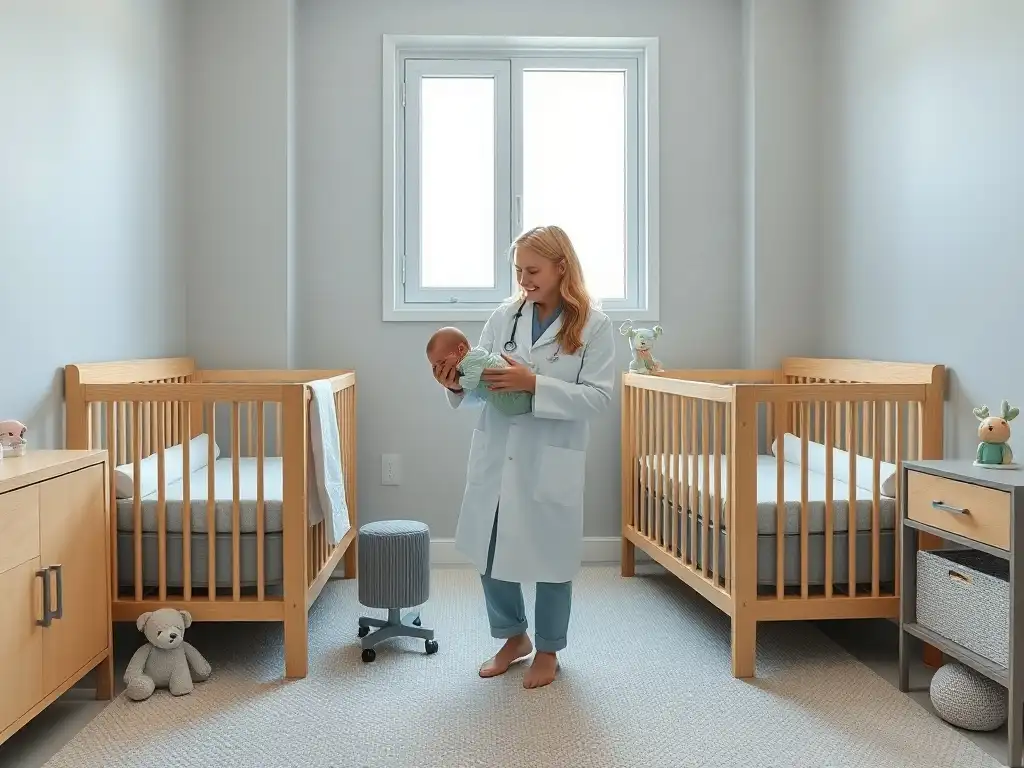
Navigating the world of twin parenting can feel overwhelming at times. While this guide offers valuable safety tips for twins at home, remember that professional guidance is invaluable in ensuring your little ones' well-being. Seeking expert advice proactively minimizes risks and enhances your confidence in handling the unique challenges of raising twins. This section focuses on utilizing available resources to bolster your twin baby safety strategies.
Consultations with Pediatricians and Healthcare Providers for Twins
Regular check-ups with your pediatrician are crucial, especially for twins. These appointments provide opportunities to address specific concerns, monitor growth and development, and receive personalized safety recommendations tailored to your twins' individual needs. Don't hesitate to ask questions – no matter how small they may seem. For example, if one twin is consistently gaining weight more slowly than the other, your pediatrician can help assess potential issues and recommend appropriate interventions.
Furthermore, discussing your concerns about sleep positioning, safe swaddling techniques for twins, or managing potential hazards in your home environment will provide you with expert-backed solutions. Remember, proactive communication with your healthcare provider is key to preventing accidents and ensuring the optimal health and safety of your twins. Scheduling more frequent check-ups during the first year, particularly during the crucial newborn phase, is highly recommended for twins.
Finding Support Groups and Resources for Parents of Twins
Raising twins presents unique challenges that require a strong support network. Connecting with other parents of twins provides invaluable emotional and practical support. Numerous online forums, social media groups, and local parent organizations offer opportunities to share experiences, exchange advice, and learn from others who understand the unique demands of twin parenting.
These communities provide a safe space to ask questions, voice concerns, and find solutions to common problems. For example, you can find advice on managing feeding schedules for two babies simultaneously, sharing tips on efficient time management, and gaining insights into creating a safe and organized home environment for twins. Many groups also offer valuable resources, such as links to relevant articles, product reviews, and information on local services that can assist you.
This peer-to-peer support system can significantly reduce stress and improve your overall ability to provide a safe and nurturing environment for your twins. The emotional support you receive can be as vital as the practical advice.
Utilizing Infant CPR Training for Parents of Twins
Knowing infant CPR is a fundamental aspect of twin baby safety. Given the increased likelihood of emergencies with two infants, equipping yourself with this life-saving skill is paramount. Consider taking a certified infant CPR and first aid course specifically designed for parents. This training will equip you with the knowledge and confidence to respond effectively to choking incidents, breathing difficulties, or other emergencies that might arise.
The course typically covers essential techniques, including chest compressions, rescue breaths, and the proper handling of infants during an emergency. It’s also beneficial to learn how to recognize the signs of potential problems and when to seek immediate professional medical help. Many hospitals, community centers, and online platforms offer these courses.
Investing in this training is an investment in your twins' safety and provides peace of mind knowing you can respond effectively in a crisis. This is particularly crucial during the vulnerable newborn stage, when risks are higher. Remember, early intervention can significantly improve the outcome in emergency situations.
Frequently Asked Questions
How can I baby-proof my home for twins?
Baby-proofing for twins requires double the vigilance. Secure all potential hazards like electrical outlets and sharp corners, and ensure ample space for crawling and playing. Consider child-proofing gates at the top and bottom of stairs.
What are some essential safety measures for twin cribs?
Ensure each twin has their own firm crib mattress that fits snugly. Keep cribs away from windows, cords, and blinds. Always follow manufacturer instructions regarding assembly and usage.
How do I manage the risks of suffocation with twins?
Avoid placing soft objects like pillows or blankets in the cribs. Dress twins in lightweight sleepwear. Always supervise closely, especially during tummy time, to minimize the risk of suffocation.
What about car seat safety for twins?
Invest in two appropriately sized car seats that are correctly installed. Ensure both seats are installed according to the manufacturer's instructions and your vehicle's manual. Regularly inspect the car seats for any damage.
How can I prevent accidents when handling two babies at once?
Never leave twins unattended, especially near water, stairs, or other hazards. Use baby carriers or slings that allow you to manage both safely. Prioritize one baby at a time when feeding or changing diapers to avoid accidents.
Final Reflection: Weaving a Safety Net for Tiny Treasures
The relentless energy and double the joy of twins demand double the vigilance when it comes to safety. Creating a secure home environment for these precious bundles isn't just about ticking boxes on a checklist; it's about proactively building a nurturing space where their boundless curiosity can flourish without compromising their well-being. This is a responsibility that extends far beyond the toddler years, shaping their development and fostering a lifelong appreciation for safety.
The journey of twin parenting is a unique and often overwhelming experience, demanding constant adaptation and a heightened awareness of potential hazards. The seemingly small adjustments detailed in this article—from securing furniture to childproofing every nook and cranny—represent a profound commitment to their safety and happiness. As the saying goes, The best things in life are worth protecting,
and for parents of twins, this rings truer than ever. The constant vigilance, the meticulous planning, and the unwavering dedication to safety are all testaments to the immeasurable love and devotion parents have for their children.
Now, consider your own home. Take a moment to walk through each room with fresh eyes, imagining the world from the perspective of a curious, rapidly developing twin. What potential hazards might you overlook?
What small adjustments can you make today to create an even safer haven for your little ones, or for the little ones in your life? This isn't a one-time task; it's an ongoing process of mindful observation and proactive adaptation. Embrace this journey of creating a secure and loving environment, knowing that every precaution taken is an investment in their future, a testament to your love, and a step towards building a safer world for all children.
Unlock Your Twins' Safety: A Journey to Peace of Mind
Thank you for learning how to create a safer home for your precious twins! We hope this article has provided valuable insights to help protect your little ones. Now, let's put that knowledge into action!
- Prioritize one immediate safety improvement: Choose one of the safety tips discussed, such as securing furniture, childproofing cabinets, or installing window guards, and implement it today. Even a small step makes a significant difference!
- Share this article with other parents of twins – a supportive community is invaluable, and sharing this knowledge helps protect more families.
- Explore our website's other resources: BabyCareHub is filled with additional tips and advice on ensuring the safety and well-being of your twins.
Ready to take that first step toward a safer and more secure home for your twins? What simple safety adjustment will you make today?