
Babyproofing: How to Stay One Step Ahead of Your Mobile Baby

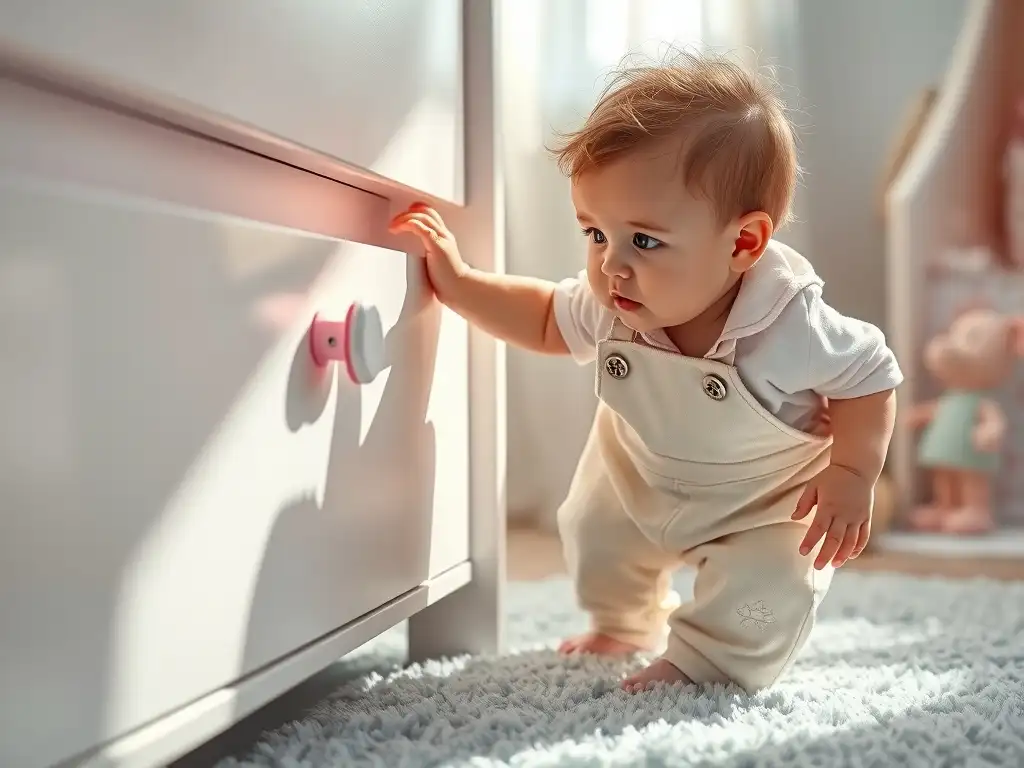
Welcome to BabyCareHub, your ultimate guide to navigating the incredible journey of parenthood! Are you ready to confidently embrace the challenges and joys of raising your little one? We understand that babyproofing is a top priority, especially as your mobile explorer starts discovering the world. Discover how to create a safe and stimulating environment with our expert advice on babyproofing and mobile baby safety, ensuring peace of mind while your baby thrives. Let's dive in and explore practical tips and strategies to keep your little one safe and happy!
- Understanding Your Mobile Baby's Developmental Stages & Babyproofing Needs
- Babyproofing Your Home: A Room-by-Room Guide for Mobile Baby Safety
-
Essential Babyproofing Tools and Products for Mobile Baby Safety
- Baby Gates and Playpens: Creating Safe Zones and Restricting Access
- Cabinet Locks and Drawer Latches: Preventing Access to Dangerous Items
- Corner and Edge Protectors: Cushioning Sharp Edges and Corners
- Outlet Covers and Cord Protectors: Preventing Electrical Shocks and Entanglement
- Window Guards and Locks: Preventing Falls from Windows
- Creating a Safe Environment for Your Mobile Baby: Beyond the Basics
- Common Babyproofing Mistakes to Avoid for Mobile Baby Safety
- Frequently Asked Questions
- Final Reflection: The Ever-Evolving Landscape of Baby Safety
- Unlock Your Peace of Mind: Babyproof with Confidence!
Understanding Your Mobile Baby's Developmental Stages & Babyproofing Needs
Navigating the exciting yet sometimes daunting journey of parenthood often involves anticipating your little one's next developmental leap. For first-time parents, the transition from a relatively stationary infant to a mobile baby—crawling, pulling themselves up, and eventually walking—can feel like a race against the clock to babyproof your home. This article provides a step-by-step guide to babyproofing for mobile babies, focusing on the key developmental stages and the specific safety measures needed at each phase.
We'll cover everything from securing furniture to preventing falls, ensuring your home is a safe haven for your adventurous explorer. Understanding your baby's developmental milestones and adapting your babyproofing strategies accordingly is crucial for maintaining a safe environment and minimizing the risk of accidents.
This comprehensive approach to babyproofing mobile baby safety will empower you to stay one step ahead of your little one's ever-increasing mobility, promoting peace of mind and fostering a happy, healthy home environment. Remember, proactive babyproofing is an investment in your child's well-being and safety.
Crawling Stage: Babyproofing Essentials for Increased Mobility
Once your baby starts crawling, a whole new world of exploration opens up—and with it, new potential hazards. This stage marks a significant shift in your babyproofing needs. No longer confined to their crib or playmat, they're now navigating your floors and reaching for previously inaccessible objects.
Here's a checklist of essential babyproofing measures for the crawling stage:
- Lowering hazards: Move cleaning supplies, medications, and other potentially dangerous items to high shelves or locked cabinets, well out of reach.
- Securing electrical cords: Use cord covers or tuck cords away to prevent electrocution or strangulation hazards.
- Padding sharp corners: Corner and edge bumpers can protect your little one from bumps and bruises.
- Blocking access to stairs: Install sturdy baby gates at the top and bottom of all staircases.
- Childproofing cabinets and drawers: Use childproof latches to prevent access to potentially hazardous items.
- Blocking access to fireplaces and stoves: Use safety gates or fire screens to prevent burns and injuries.
This stage requires a thorough review of your home's layout, identifying and addressing potential dangers before your baby encounters them. Remember, a proactive approach is key to ensuring your baby's safety during this exciting phase of development. Regularly inspect your babyproofing measures to ensure they remain effective and adapt your strategies as your baby's mobility increases.
Pulling-to-Stand Stage: Securing Furniture and Preventing Falls
As your baby progresses from crawling to pulling themselves up, furniture stability becomes a critical concern. Babies at this stage are strong enough to pull themselves up on furniture, potentially causing items to topple over and resulting in serious injuries.
Key babyproofing strategies for this phase include:
- Anchoring tall furniture: Use wall straps or anchors to secure tall furniture, such as bookshelves, dressers, and entertainment centers, to the wall. This prevents them from tipping over if your baby pulls on them.
- Preventing falls from changing tables: Always keep one hand on your baby while changing their diaper. Consider using a changing pad on the floor instead of a changing table to minimize the risk of falls.
- Clearing clutter from pathways: Remove any tripping hazards, such as rugs, toys, or electrical cords, from areas where your baby is likely to walk or crawl.
- Protecting windows: Install window guards or safety latches to prevent your baby from falling out of open windows.
This stage necessitates a focus on furniture stability and preventing falls. Regularly check the security of anchored furniture and eliminate potential tripping hazards. Remember, a safe environment is a proactive environment.
Walking Stage: Advanced Babyproofing Strategies for Independent Exploration
The walking stage represents a significant milestone in your baby's development, but it also brings new challenges in terms of babyproofing. Your little one is now exploring their environment with newfound independence, increasing the potential for accidents.
Advanced babyproofing strategies for this stage include:
- Installing outlet covers: Protect your baby from electrical shocks by installing outlet covers on all electrical outlets.
- Securing toxic substances: Store cleaning supplies, medications, and other potentially hazardous materials in locked cabinets or out of reach.
- Using corner protectors: Protect your baby from bumps and bruises by using corner protectors on sharp furniture edges.
- Ensuring proper window coverings: Use cordless blinds or shades to prevent strangulation hazards.
- Regularly checking for hazards: Conduct regular safety checks of your home to identify and address any potential hazards.
This stage calls for a comprehensive review of your existing babyproofing measures and the implementation of additional safety precautions. Remember, constant vigilance and a proactive approach are crucial to ensuring your baby's safety during this exciting and adventurous phase of development. The increased mobility demands a heightened awareness of potential hazards and a commitment to maintaining a safe and stimulating environment for your little one. Remember, a safe home is a happy home! 🎉
Babyproofing Your Home: A Room-by-Room Guide for Mobile Baby Safety

This section provides a detailed, room-by-room guide to babyproofing your home, focusing on strategies to ensure mobile baby safety. We'll cover common hazards and offer practical solutions to create a safe environment for your crawling and walking baby. Remember, proactive babyproofing is crucial for preventing accidents and ensuring peace of mind. The goal is to anticipate your baby's movements and create a space where exploration is encouraged, but safety remains paramount. This is about babyproofing mobile baby safety effectively.
Babyproofing the Living Room: Securing Hazards and Creating Safe Zones
The living room, often the heart of the home, presents a unique set of challenges for babyproofing. From entertainment centers to coffee tables, many potential hazards exist. Careful planning and execution of safety measures are essential.
Securing Entertainment Centers and Televisions
Entertainment centers and televisions are significant hazards. A falling TV can cause serious injury. To prevent this:
- Anchor to the wall: Use sturdy straps or brackets designed specifically for securing furniture to the wall. Ensure the anchors are rated for the weight of the unit. This is a critical step in babyproofing mobile baby safety.
- Avoid placing items on top: Keep the top of the entertainment center clear of items your baby could pull down.
- Consider placement: Position the TV and entertainment center away from areas where your baby plays.
Failing to secure these items can lead to potentially life-threatening situations. Regularly check the stability of the anchors to ensure continued safety.
Covering Electrical Outlets and Cords
Electrical outlets and cords pose significant risks to curious babies. They can easily get their fingers into outlets, resulting in electric shocks, or pull on cords, causing appliances to fall.
- Use outlet covers: Install safety plugs into all unused electrical outlets. These are inexpensive and readily available.
- Conceal cords: Use cord covers or ties to bundle and secure cords along walls or behind furniture. Keep cords out of reach entirely.
- Regular inspection: Regularly check all cords for damage and ensure that they are securely fastened.
This proactive approach significantly reduces the risk of electric shock and injury associated with babyproofing mobile baby safety.
Protecting Sharp Corners and Edges
Sharp corners and edges on furniture, coffee tables, and other items can cause painful bumps and cuts. Consider these solutions:
- Corner guards: Apply corner and edge protectors to sharp corners and edges of furniture. These are available in various materials and colors.
- Furniture placement: Position furniture away from high-traffic areas to minimize the risk of collisions.
- Padding: Consider using soft cushions or pads around particularly sharp edges.
These simple measures can significantly reduce the risk of injury from sharp objects, improving your babyproofing mobile baby safety strategy.
Babyproofing the Kitchen: Preventing Burns, Cuts, and Poisoning
The kitchen is arguably the most hazardous room in the house for a mobile baby. It contains numerous potential dangers, including hot surfaces, sharp objects, and cleaning supplies.
Childproofing Cabinets and Drawers
Cabinets and drawers often contain items that are dangerous for babies, such as cleaning supplies, sharp knives, and medications.
- Cabinet locks: Use childproof locks on all lower cabinets and drawers. Choose locks that are difficult for little hands to open.
- High placement: Store dangerous items on high shelves, out of reach.
- Regular checks: Regularly check the locks to ensure they are functioning correctly.
Implementing these measures is crucial for babyproofing mobile baby safety in the kitchen.
Securing Appliances and Hot Surfaces
Stoves, ovens, and other appliances present serious burn risks.
- Turn knobs inward: Turn pot and pan handles inward on the stovetop to prevent tipping.
- Back burner use: Use the back burners whenever possible.
- Oven safety: Keep oven doors closed and ensure the oven is cool before cleaning.
- Appliance guards: Consider using stovetop guards to prevent access to hot surfaces.
These precautions are vital for preventing burns, a significant aspect of babyproofing mobile baby safety.
Storing Cleaning Supplies Safely Out of Reach
Cleaning supplies are highly toxic and must be stored safely and securely.
- High shelving: Store all cleaning supplies in a high, locked cabinet.
- Separate storage: Keep cleaning supplies separate from food and other items.
- Proper labeling: Ensure all cleaning supplies are clearly labeled. Use child-resistant containers whenever possible.
- Poison control information: Keep the number for your local poison control center readily available.
This careful storage greatly reduces the risk of accidental poisoning, a vital component of babyproofing mobile baby safety.
Babyproofing the Bathroom: Preventing Drowning and Injuries
The bathroom presents unique hazards for mobile babies. Water, sharp objects, and cleaning supplies all pose significant risks. Thorough babyproofing is crucial to mitigate these dangers and ensure your little one's safety. This involves more than just simple precautions; it requires a comprehensive approach to safeguard against potential accidents.
Securing Toiletries and Medications
Keep all toiletries, medications, and cleaning products out of reach and ideally, locked away. This is paramount. A high shelf or a locked cabinet is your best bet. Consider using childproof latches on all cabinets and drawers containing potentially harmful substances. Remember, even seemingly harmless products like shampoos and lotions can be dangerous if ingested.
Always double-check that bottles are tightly sealed and stored securely to prevent spills and accidental ingestion. Regularly review the placement of these items to ensure they remain inaccessible to a curious child. A simple visual check can prevent a potential tragedy. For medications, a locked medicine cabinet is highly recommended; never leave medication within a baby's reach, even momentarily.
Installing Safety Locks on Cabinets
Installing safety locks on bathroom cabinets is not a luxury, but a necessity. These locks prevent little hands from accessing dangerous cleaning supplies, medications, and other potentially harmful items. Choose locks that are easy to use for adults but difficult for babies to manipulate. Consider using a combination of different lock types to enhance security.
For example, some cabinets might benefit from magnetic locks while others might require twist-locks. Regularly check the locks to ensure they are functioning correctly and haven't been tampered with. A broken lock is as dangerous as no lock at all. Remember, prevention is always better than cure.
Preventing Scalding Water Injuries
Scalding water is a major hazard in the bathroom. Lower your water heater thermostat to 120°F (49°C) or lower to minimize the risk of burns. Always check the water temperature before bathing your baby. Use a thermometer to ensure the water is at a safe temperature. Never leave your baby unattended in the bathtub, even for a moment.
Install anti-scald devices on your faucets to prevent sudden temperature changes. These devices help regulate water temperature and prevent accidental burns. Regularly inspect these devices to ensure they function correctly and are properly maintained. Consider installing grab bars near the bathtub or shower to enhance safety for both you and your child.
Babyproofing the Bedroom: Creating a Safe Sleeping and Playing Environment
The bedroom, while seemingly a safe haven, can also present hazards for a mobile baby. From furniture to window blinds, several potential dangers require attention to ensure a safe sleeping and playing environment. A proactive approach to babyproofing this space is essential for your child's well-being.
Securing Window Blinds and Cords
Window blinds and cords pose a strangulation risk to babies and toddlers. Consider cordless blinds or use cord cleats or safety devices to secure cords out of reach. Regularly check the condition of the blinds and cords to ensure they are securely fastened. Loose cords or damaged blinds should be replaced immediately.
Remember, even a seemingly insignificant loose cord can present a serious risk. It's better to be overly cautious than to risk your child's safety. Always keep an eye on your child while they are in the room, even if they are playing on the floor and not near the window.
Securing Dressers and Furniture
Heavy furniture, like dressers and bookshelves, can tip over and injure your baby. Secure these items to the wall using wall straps or anchors. This simple step significantly reduces the risk of tipping accidents. Regularly check the stability of furniture, paying particular attention to items that are top-heavy or less sturdy. Consider removing any items that are not securely fastened or are at risk of tipping. Ensure drawers are not overloaded and close smoothly to avoid pinching little fingers. Remember, prevention is key to a safe environment for your baby.
Choosing Safe Bedding and Toys
Choose a firm crib mattress that fits snugly to prevent suffocation. Avoid loose bedding, pillows, bumpers, and stuffed animals in the crib. Opt for soft, lightweight toys that are age-appropriate and free from small parts that could pose a choking hazard. Regularly inspect toys for any damage or loose parts. Discard any toys that are broken or show signs of wear and tear. Remember, a safe sleeping environment is crucial for your baby's healthy development and well-being. Prioritize safety when selecting bedding and toys for your little one.
Essential Babyproofing Tools and Products for Mobile Baby Safety
Once your little one starts crawling and cruising, the need for comprehensive babyproofing becomes paramount. This isn't just about preventing minor bumps and bruises; it's about creating a safe environment where your mobile baby can explore and learn without facing significant hazards. This section details essential tools and products that will dramatically improve your babyproofing efforts and contribute significantly to your baby's safety. Remember, proactive babyproofing for a mobile baby is crucial for "Babyproofing mobile baby safety".
Baby Gates and Playpens: Creating Safe Zones and Restricting Access
Baby gates and playpens are fundamental babyproofing tools. They offer defined safe zones, preventing your curious explorer from accessing dangerous areas like stairs, kitchens, or bathrooms. Choosing the right gate depends on your home's layout and the age of your child. Pressure-mounted gates are convenient for temporary use in doorways, while hardware-mounted gates offer more robust security for permanent installation at the top and bottom of staircases.
Consider these factors when selecting baby gates:
- Height: Ensure the gate is tall enough to prevent climbing. Gates should be significantly taller than your baby's current height, anticipating their growth.
- Width: Measure your doorways and hallways accurately to ensure a proper fit. Some gates are adjustable to fit various widths.
- Material: Look for sturdy materials like wood or metal, and avoid flimsy plastic gates.
- Easy Opening and Closing: Select a gate that's easy for you to operate but difficult for your baby to open.
- Safety Features: Check for features like automatic closing mechanisms and double-locking systems.
Playpens provide a contained space for playtime, especially when you need to step away for a moment. They can be useful for supervised playtime in various areas of the house. Look for playpens with strong frames and breathable mesh sides. Always supervise your baby within the playpen. Remember that a playpen is a supplement to babyproofing, not a replacement for securing hazardous areas.
Cabinet Locks and Drawer Latches: Preventing Access to Dangerous Items
Curious fingers and cabinets are a recipe for disaster. Prevent access to cleaning supplies, medications, sharp objects, and other dangerous items by installing cabinet locks and drawer latches. These inexpensive yet invaluable tools provide a crucial layer of protection.
Different types of locks and latches cater to various needs:
- Magnetic Locks: These are relatively easy to install and use, often requiring a simple push or turn to open.
- Childproof Latches: These typically involve a small button or lever mechanism that requires coordination beyond a young child's capabilities.
- Slide Locks: These locks slide across the cabinet opening, securing it firmly.
- Strap Locks: These locks use a strap that wraps around the cabinet or drawer handle, securing it closed.
Consider the following when choosing locks and latches:
- Ease of Installation: Some locks require drilling, while others simply adhere to the surface.
- Ease of Use for Adults: You need to be able to open the locks quickly and easily.
- Durability: Choose durable locks and latches that can withstand repeated use and potential tampering.
- Type of Cabinet/Drawer: Select locks and latches appropriate for the type of cabinets and drawers you have.
Regularly check that these locks and latches are functioning correctly. A well-secured cabinet is a significant step towards "Babyproofing mobile baby safety".
Corner and Edge Protectors: Cushioning Sharp Edges and Corners
Sharp corners and edges are a common source of bumps and bruises for mobile babies. Corner and edge protectors offer a simple yet effective solution to mitigate these hazards. These soft, flexible protectors adhere to corners and edges, cushioning the impact of any collisions.
Several types of corner and edge protectors exist:
- Foam Protectors: These are soft, pliable protectors, often made of foam or rubber, that adhere easily to corners and edges.
- Silicone Protectors: Similar to foam protectors, but often more durable and heat-resistant.
- Plastic Corner Guards: These are hard plastic guards that offer more robust protection, but can be less aesthetically pleasing.
When selecting corner and edge protectors:
- Material: Choose a soft, durable material that won't easily tear or come loose.
- Adhesive: Ensure the adhesive is strong and long-lasting, capable of withstanding constant bumps and pulls.
- Visibility: Consider the visibility of the protectors; some are designed to blend in with the furniture's color.
- Number Needed: Carefully assess the number of sharp corners and edges in your home that require protection.
By implementing these babyproofing tools and strategies, you'll create a safer, more secure home environment for your mobile baby, contributing significantly to their overall well-being and peace of mind for you. Remember, proactive babyproofing is key to "Babyproofing mobile baby safety".
Outlet Covers and Cord Protectors: Preventing Electrical Shocks and Entanglement
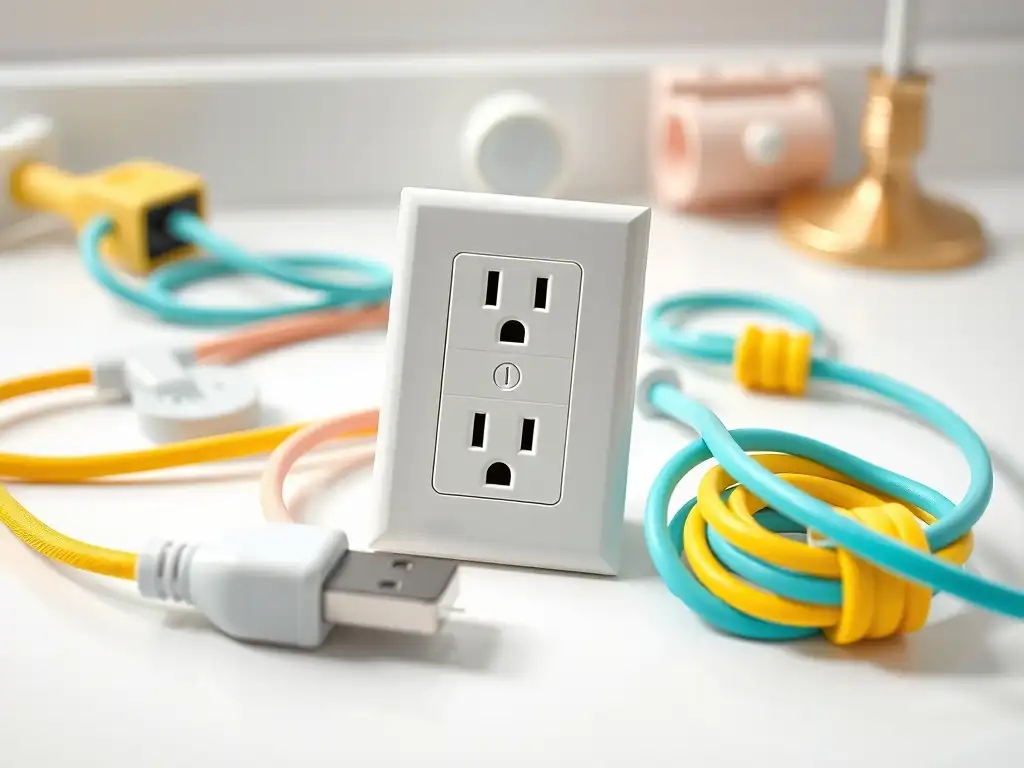
Electrical outlets and cords pose significant hazards to mobile babies. Curious little ones might stick fingers or objects into outlets, risking severe electrical shocks. Similarly, dangling cords present a strangulation risk or the possibility of pulling heavy objects down. Effective babyproofing requires addressing both these dangers.
Outlet covers are inexpensive and readily available safety devices. They are simple to install, typically snapping securely over existing outlets, and effectively block access to the electrical contacts. Choose covers with a robust design, ensuring they can withstand the pulling and tugging of a determined toddler. Look for covers that meet safety standards and are designed to be difficult for small children to remove.
Consider purchasing a sufficient quantity to cover all accessible outlets in your home, including those in lower rooms and even bathrooms. Regularly check the covers to ensure they are securely in place and show no signs of damage. Replacing damaged covers is crucial to maintaining their protective function.
Cord protectors are equally vital in preventing entanglement and tripping hazards. These devices, usually made of flexible plastic or fabric, conceal and protect electrical cords, preventing little ones from pulling on them or chewing on them. They are particularly useful for cords running along baseboards or under furniture where they might be easily accessible to a crawling or walking baby.
Consider using cord management solutions such as cord ties or wraps in conjunction with cord protectors for a layered approach to safety. Remember that even seemingly innocuous cords from lamps, chargers, or appliances can pose a significant danger. Thoroughly assess your home's cord situation and implement appropriate protection measures for each one.
Window Guards and Locks: Preventing Falls from Windows
Windows present a serious fall risk, especially for babies and toddlers who are increasingly mobile and curious. A seemingly harmless open window can lead to devastating consequences. Preventing falls requires a multifaceted approach incorporating window guards and locks.
Window guards are sturdy barriers that are installed on windows to prevent them from being opened beyond a safe distance. These guards are designed to withstand significant force, ensuring that a child cannot simply push or pull them open. Various types of window guards are available, including those that attach directly to the window frame and those that are designed to fit specific window types.
When selecting window guards, ensure they meet safety standards and are properly installed according to the manufacturer's instructions. Regularly inspect the guards to confirm they remain securely fastened and in good working condition. Remember that the effectiveness of window guards depends heavily on correct installation; a poorly installed guard might offer little protection.
Window locks, while not as robust as window guards, provide an additional layer of protection. These locks restrict the opening of the window to a limited range, preventing complete opening. They are particularly useful for windows that are not frequently opened or for windows that are not easily accessible to a child.
However, it’s crucial to remember that window locks alone are insufficient to prevent falls; they should always be used in conjunction with window guards for maximum safety. Consider combining different types of locks and guards to create a highly secure window safety system tailored to your home's specific needs and vulnerabilities. Regularly test the locks to ensure they are functioning correctly and are not easily bypassed by a curious child.
Creating a Safe Environment for Your Mobile Baby: Beyond the Basics

Once your baby starts crawling and then cruising, your home transforms from a relatively static environment to a dynamic adventure playground. Babyproofing for this stage requires a proactive and multifaceted approach, going beyond the typical outlet covers and cabinet locks. This section focuses on strategies to ensure your mobile baby's safety as they explore their world with newfound mobility. Effective "babyproofing mobile baby safety" requires vigilance and a multi-layered strategy.
Supervision: The Most Important Babyproofing Tool
No amount of childproofing can replace vigilant supervision. This is arguably the most crucial aspect of babyproofing for a mobile baby. While you can't constantly have eyes on your baby 24/7, establishing consistent periods of focused attention is vital. Consider these strategies:
- Designated Play Areas: Create safe zones where your baby can explore independently under your watchful eye. These areas should be free from hazards and equipped with age-appropriate toys.
- Babywearing: Babywearing allows you to keep your baby close while performing household tasks. This provides both physical closeness and a means of monitoring their actions.
- Rotating Toys: To maintain engagement and prevent boredom (which can lead to risk-taking behavior), rotate toys regularly. This keeps your baby stimulated and less likely to explore potentially dangerous areas.
- Visual Monitoring: Install baby monitors with cameras in strategic locations to keep an eye on your child even when you're in another room. This is particularly helpful during naptime or when your baby is playing independently in a designated area.
- Understanding Developmental Stages: Recognize that your baby's mobility and curiosity will evolve rapidly. Regularly reassess your babyproofing measures to stay ahead of their developing skills. For example, what was out of reach at six months might be easily accessible at nine months.
Childproofing on the Go: Safety Tips for Traveling with Your Baby
Babyproofing doesn't end at your doorstep. When traveling with your mobile baby, remember that unfamiliar environments present new hazards. Prioritize safety measures such as:
- Travel Crib: Always use a sturdy travel crib that meets safety standards, especially in hotels or unfamiliar accommodations. Avoid makeshift sleeping arrangements.
- Car Seat Safety: Ensure the car seat is properly installed and your baby is securely fastened. Regularly check the car seat for any damage or wear and tear.
- Hotel Room Check: Upon arrival at a hotel, thoroughly inspect the room for potential hazards. Look for loose electrical cords, sharp corners, and anything within your baby's reach that could be dangerous. Consider bringing portable outlet covers for added protection.
- Stroller Safety: Use a stroller that is appropriate for your baby's age and size. Always secure your baby with the safety straps. Be mindful of uneven surfaces and potential hazards while strolling.
- Supervision Remains Key: Even in familiar settings, never leave your baby unattended, even for a short period. Their curiosity and mobility make them prone to accidents in unfamiliar environments.
Regular Safety Checks: Maintaining a Safe Home Environment for Your Growing Baby
Babyproofing isn't a one-time event; it's an ongoing process. Regular safety checks are crucial to identify and address new hazards as your baby develops. Consider these practices:
- Monthly Inspections: Conduct a thorough safety check of your home at least once a month. Pay particular attention to areas your baby frequents, such as the living room, kitchen, and bedrooms.
- Developmental Milestones: As your baby achieves new milestones (crawling, pulling to stand, walking), reassess your babyproofing strategies. What was safe before might now pose a risk.
- Childproofing Checklist: Utilize a checklist to ensure you haven't missed any potential hazards. This can help maintain consistency and thoroughness in your safety checks. Consider including items like checking for loose furniture, securing heavy objects, and inspecting cords and wires.
- Family Involvement: Involve other family members in the babyproofing process. Shared responsibility ensures everyone is aware of potential hazards and contributes to maintaining a safe environment.
- Documenting Hazards: Keep a record of any potential hazards you've identified and the steps you've taken to mitigate them. This will prove invaluable for future safety checks and for sharing information with caregivers. This proactive approach to "babyproofing mobile baby safety" ensures a secure and stimulating environment for your growing child.
Common Babyproofing Mistakes to Avoid for Mobile Baby Safety
Once your baby becomes mobile, whether crawling, cruising, or walking, your home safety game needs a serious upgrade. Babyproofing for a mobile baby requires vigilance and a proactive approach. Many new parents make common mistakes that can compromise their little one's safety. Let's explore some of these pitfalls and how to avoid them to ensure optimal "babyproofing mobile baby safety."
Underestimating Your Baby's Abilities
Many parents underestimate their baby's surprising agility and problem-solving skills. A baby who seems content to crawl in one area today might be scaling furniture tomorrow. Think of them as tiny, determined ninjas! They're much more capable than you might initially assume. For example, a seemingly harmless low shelf might become a climbing frame, and a seemingly secure cabinet might be opened with surprising ease.
This often leads to inadequate babyproofing measures. A parent might install outlet covers but forget about the low-hanging cords; they might secure a heavy bookcase but neglect the smaller, easily-toppled items on top. Remember, babyproofing isn't a one-time event; it's an ongoing process of observation and adaptation. Regularly reassess your efforts as your child develops new skills. Consider your baby's developmental stage and anticipate their next move. This proactive approach is key to "babyproofing mobile baby safety".
For instance, a six-month-old crawling baby might only be interested in reaching for the baseboards, while a ten-month-old might attempt to pull themselves up on those very same baseboards, potentially pulling the entire thing off the wall. Always consider the potential for escalation in your baby's abilities.
Focusing on Only One Area of the House
Another critical mistake is concentrating babyproofing efforts on only one area, usually the living room or play area. However, your mobile baby will explore every nook and cranny of your home. Babyproofing should be a whole-house project, not a room-by-room undertaking. Kitchen cabinets, bathrooms, bedrooms – all need attention. Remember, even seemingly safe areas can present hidden dangers.
Consider these statistics (hypothetical, as precise data on this specific topic is difficult to obtain): [Specific data on the percentage of baby accidents occurring outside the designated play area pending]. However, anecdotal evidence strongly suggests that a significant portion of accidents happen in areas not initially considered high-risk. This emphasizes the importance of a comprehensive approach to babyproofing. A holistic strategy that considers the entire home is essential for effective "babyproofing mobile baby safety".
Not Regularly Checking for New Hazards
Your home is a dynamic environment. New hazards can appear unexpectedly. A seemingly innocuous object might become dangerous due to a change in your baby's abilities or a shift in your home's layout. Regularly checking for new hazards is crucial to maintaining a safe environment.
This includes checking for things like:
- Loose electrical cords
- Unsecured furniture
- Toxic cleaning products within reach
- Small objects that could be choking hazards
- Sharp corners or edges
- Potential pinch points (like doors and drawers)
Ideally, you should conduct a thorough safety check at least once a month, or more frequently as your baby's mobility increases. Think of it as a routine maintenance task, like changing the smoke detector batteries. This consistent vigilance is the cornerstone of effective "babyproofing mobile baby safety". Don't let complacency compromise your baby's well-being. Make regular safety checks a non-negotiable part of your parenting routine. The peace of mind it provides is invaluable.
Frequently Asked Questions
What is the most important aspect of babyproofing for a mobile baby?
The most important aspect is creating a safe environment that anticipates your baby's developing mobility. This means removing hazards from their reach and blocking access to dangerous areas before they can crawl, climb, or pull themselves up.
How can I babyproof for different stages of mobility?
Babyproofing should be a continuous process. Start with basic safety measures when your baby is stationary, then adapt as they begin to crawl, pull themselves up, and walk. Regularly reassess your home's safety as their abilities advance.
What are some essential babyproofing products for mobile babies?
Outlet covers, cabinet locks, corner guards, stair gates, and door knob covers are essential. Consider window guards and furniture straps to prevent tipping. Choose products that are easy to install and durable.
How can I make my home safe for a crawling baby?
Remove small objects that could be choking hazards. Use soft cushions to protect against falls. Pad sharp corners and edges. Secure heavy furniture to the walls to prevent tipping. Keep cleaning supplies out of reach.
What are some common babyproofing mistakes to avoid?
Don't rely solely on baby gates. Ensure all hazards are addressed, not just those in high-traffic areas. Don't underestimate your baby's curiosity and ingenuity. Regularly inspect your babyproofing measures for wear and tear or damage.
Final Reflection: The Ever-Evolving Landscape of Baby Safety
The relentless energy of a mobile baby is a force of nature, and babyproofing is the art of harnessing that energy for safety. Failing to adequately prepare your home for this whirlwind of exploration can lead to unnecessary accidents and anxieties. This article has highlighted the crucial steps in creating a safe haven for your little adventurer, emphasizing proactive measures over reactive solutions.
The journey of babyproofing isn't just about installing gates and covering outlets; it's about fundamentally shifting your perspective on your home environment. It's about seeing the world through the eyes of a curious, ever-exploring infant. This process profoundly changes how you interact with your space, fostering a deeper appreciation for the potential hazards lurking in plain sight. The best way to find yourself is to lose yourself in the service of others.
– Mahatma Gandhi. While not directly about babyproofing, this quote speaks to the selflessness and proactive nature required to ensure the safety and well-being of your child. This act of creating a safe space is a powerful act of love and dedication.
Now, consider your own home. Take a moment to walk through each room, not as an adult, but as a tiny human on the move. What catches your eye? What might be tempting to touch, taste, or pull down? Use the strategies outlined in this article as a springboard for your own babyproofing journey. Don't just react to accidents; anticipate them. Embrace the challenge of creating a safe and stimulating environment where your little one can thrive, explore, and grow, knowing that you've taken every precaution to ensure their safety and happiness.
Unlock Your Peace of Mind: Babyproof with Confidence!
Thank you for taking the time to learn how to babyproof your home! We hope you feel more confident in creating a safe and secure environment for your little one. Ready to get started?
- Prioritize the most significant hazards: Systematically assess each room, identifying the three biggest risks in each area. Focus your efforts on addressing these first for immediate peace of mind.
- Share your experiences: Join our BabyCareHub community forum – let's support each other and share solutions!
- Consider professional help: Many areas offer home safety consultations. A professional's perspective can identify hazards you might have overlooked.
What's one babyproofing tip you're excited to implement today? Let us know in the comments below!