
Baby Eczema and Heat Rash: Telling the Difference and Treating Both

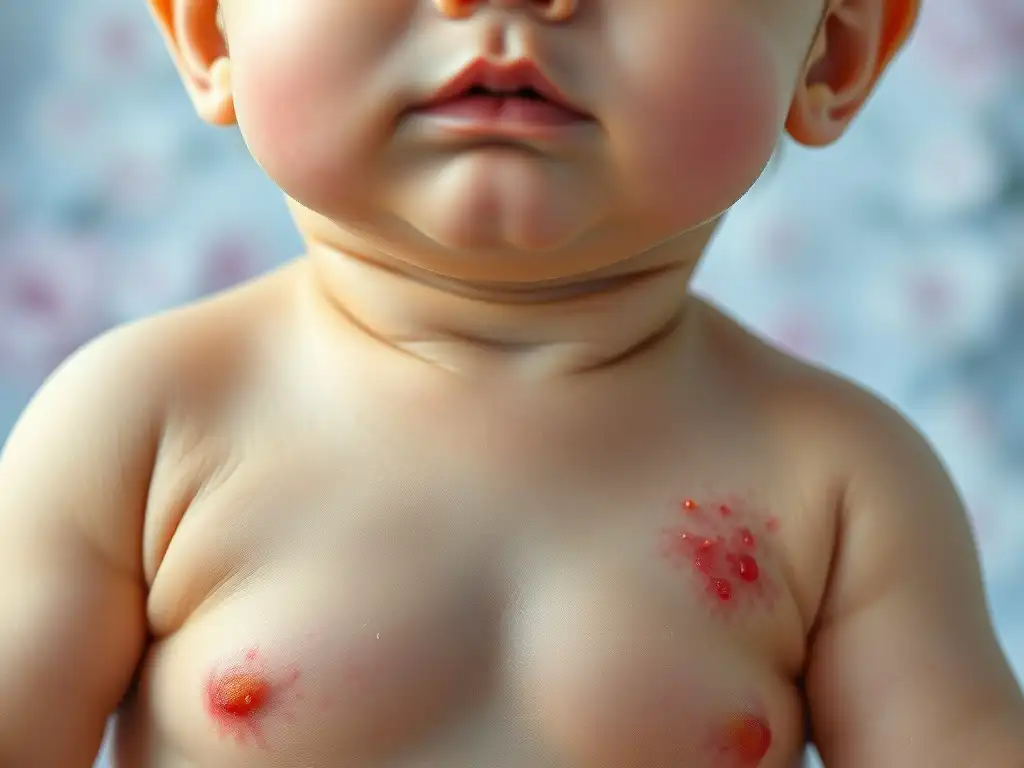
Welcome to BabyCareHub, your ultimate guide to navigating the exciting yet challenging world of parenthood! Are you overwhelmed by the complexities of newborn care? We understand. That's why we've created this comprehensive resource, packed with practical advice and expert insights. This crucial guide on baby rash eczema heat rash will help you differentiate between these common skin irritations and learn how to effectively treat them, giving you peace of mind and a confident approach to your baby's health. Dive in and discover the support you need to confidently embrace this incredible journey!
- Understanding Baby Rashes: Eczema vs. Heat Rash
- Diagnosing Baby Rash: When to See a Pediatrician
- Home Treatments for Baby Eczema and Heat Rash
- Preventing Baby Eczema and Heat Rash
- Long-Term Management of Baby Skin Conditions
- When to Seek Professional Medical Advice for Baby Rash
- Frequently Asked Questions
- Final Reflection: Understanding Your Baby's Skin: A Journey Towards Soothed Skin
- Unlock Your Baby's Comfort: Soothe Skin Irritation Now!
Understanding Baby Rashes: Eczema vs. Heat Rash
New parenthood is a joyous journey filled with wonder and… a fair share of worries. One common concern for many first-time parents revolves around baby skin conditions, particularly rashes. Distinguishing between different types of rashes, such as eczema and heat rash, is crucial for providing the right care and ensuring your little one's comfort.
This article will guide you through identifying the key differences between baby eczema and heat rash, helping you understand their symptoms, characteristics, and appropriate treatments. We'll equip you with the knowledge to confidently address these common skin irritations and provide your baby with the best possible care. Learning to differentiate between eczema and heat rash is a vital step in navigating the world of baby skin conditions, allowing you to proactively address any concerns and promote your baby's overall well-being.
This comprehensive guide will cover everything from recognizing the tell-tale signs of each condition to understanding effective treatment strategies. Let's dive in and demystify these common baby skin issues!
Identifying Baby Eczema: Symptoms and Characteristics
Baby eczema, also known as atopic dermatitis, is a chronic inflammatory skin condition characterized by dry, itchy, and inflamed skin. It often presents as red, scaly patches, particularly on the face, scalp, elbows, and knees. The severity of eczema can vary greatly, ranging from mild dryness to severe, widespread inflammation.
Some key characteristics of baby eczema include:
- Dry, cracked skin: The skin may appear very dry and prone to cracking, especially in areas like the elbows and knees.
- Intense itching: The itching can be severe, leading to scratching and potentially secondary skin infections.
- Red, inflamed patches: The rash typically appears as red, inflamed patches that may weep or crust over.
- Chronic nature: Eczema is a long-term condition with periods of flare-ups and remission.
- Location: Commonly found on the face, scalp, elbows, knees, and creases of the body.
It's important to note that the appearance of eczema can change depending on the severity of the flare-up. During milder periods, it may simply present as dry, flaky skin. However, during severe flare-ups, the rash can be widespread and very uncomfortable for the baby. If you suspect your baby has eczema, consulting a pediatrician is crucial for proper diagnosis and treatment.
Recognizing Heat Rash in Infants: Key Signs and Locations
Heat rash, also known as prickly heat, is a common skin irritation caused by blocked sweat ducts. It typically appears as small, red bumps or blisters on the skin, often accompanied by intense itching. Unlike eczema, heat rash is usually a temporary condition that resolves once the underlying cause – excessive heat and humidity – is addressed.
Key signs of heat rash in infants include:
- Small, red bumps: The rash usually appears as tiny, red bumps or blisters, often clustered together.
- Itching: The rash can be itchy, causing discomfort for the baby.
- Location: Heat rash commonly appears in areas where sweat glands are concentrated, such as the neck, chest, back, and groin.
- No scaling or cracking: Unlike eczema, heat rash generally doesn't involve scaling or cracking of the skin.
- Temporary Nature: Heat rash typically clears up within a few days once the trigger is removed.
The appearance of heat rash can vary depending on the severity. Mild cases may present as a few scattered bumps, while more severe cases can involve widespread redness and discomfort. Proper hydration and keeping the baby cool are crucial in managing and preventing heat rash.
Comparing Eczema and Heat Rash: A Side-by-Side Comparison
To help you differentiate between these two common baby skin conditions, let's summarize the key differences in a table:
| Feature | Baby Eczema (Atopic Dermatitis) | Heat Rash (Prickly Heat) |
|---|---|---|
| Cause | Genetic predisposition, immune system dysfunction | Blocked sweat ducts due to heat and humidity |
| Appearance | Red, scaly patches, dry, cracked skin, intense itching | Small, red bumps or blisters, often itchy |
| Location | Face, scalp, elbows, knees, creases | Neck, chest, back, groin, areas with concentrated sweat glands |
| Duration | Chronic, with periods of flare-ups and remission | Temporary, resolves with cooling and reduced humidity |
| Treatment | Moisturizers, topical corticosteroids, emollients | Keeping the baby cool, loose clothing, gentle cleansing |
Remember, this information is for educational purposes only and should not replace professional medical advice. If you are concerned about your baby's skin, always consult a pediatrician or dermatologist for an accurate diagnosis and personalized treatment plan. Early intervention is key to managing both eczema and heat rash effectively and ensuring your baby's comfort and well-being. 👶
Diagnosing Baby Rash: When to See a Pediatrician
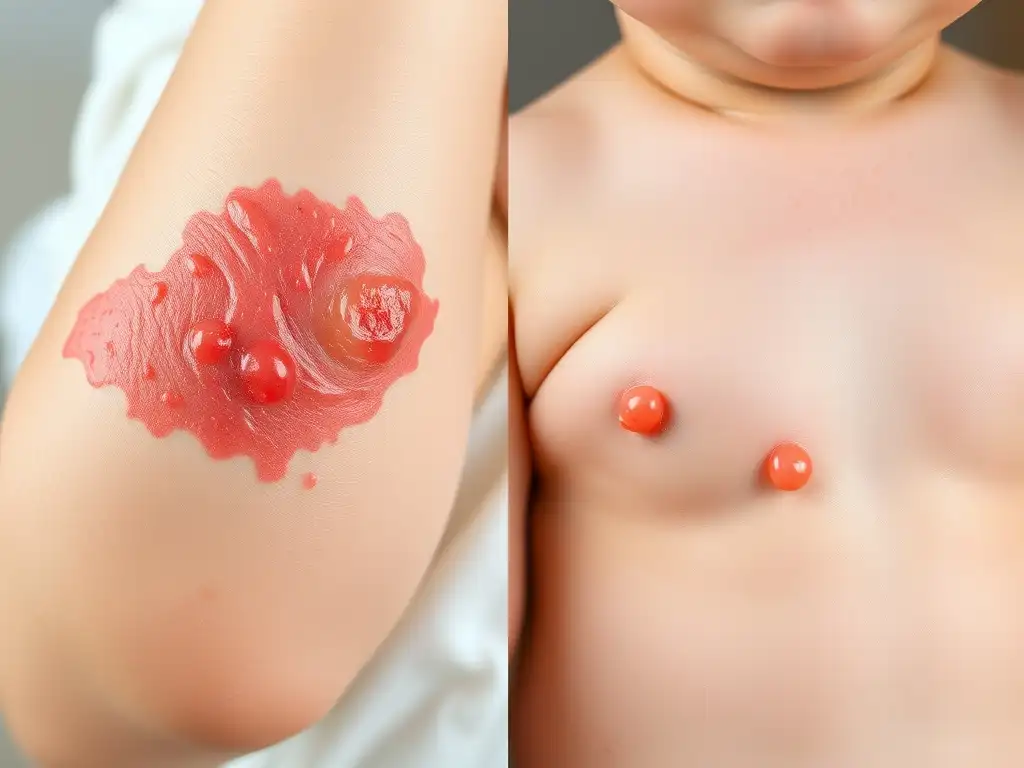
Diagnosing a baby rash can be challenging for even the most experienced parents. While many rashes are harmless and resolve on their own, some require medical attention. Knowing when to seek professional help is crucial for your baby's well-being. This section will help you understand the signs indicating a need to consult a pediatrician regarding your baby's rash. Successfully navigating the world of baby skin issues, including differentiating between conditions like baby rash eczema and heat rash, requires vigilance and a proactive approach to healthcare.
Distinguishing Between Eczema, Heat Rash, and Other Skin Conditions
Differentiating between eczema, heat rash, and other skin conditions in babies can be tricky, as symptoms can overlap. However, some key differences can help guide your assessment.
Eczema, or atopic dermatitis, typically presents as dry, itchy patches of skin that may be red, inflamed, and sometimes weepy. These patches often appear on the face, scalp, and creases of the elbows and knees. The rash may worsen with scratching and exposure to irritants. Eczema is often chronic and requires ongoing management.
Heat rash, also known as prickly heat, appears as small, red bumps or blisters, often clustered together. It's typically found in areas covered by clothing, like the neck, chest, and groin. Heat rash is caused by blocked sweat glands and is usually relieved by cooling the skin. Unlike eczema, it generally doesn't cause intense itching.
Other skin conditions, such as diaper rash, fungal infections, or allergic reactions, can mimic eczema or heat rash. Diaper rash is localized to the diaper area and is often caused by prolonged exposure to moisture and urine. Fungal infections might present as scaly, red patches with well-defined borders. Allergic reactions can manifest as hives or widespread redness, often accompanied by other symptoms like swelling or difficulty breathing.
Here's a table summarizing key differences:
| Condition | Appearance | Location | Itchiness | Other Symptoms |
|---|---|---|---|---|
| Eczema | Dry, red, itchy patches; may weep | Face, scalp, elbows, knees | High | Chronic, worsens with irritants |
| Heat Rash | Small, red bumps or blisters | Areas covered by clothing | Low | Relief with cooling |
| Diaper Rash | Red, inflamed skin in diaper area | Diaper area | Variable | May be painful |
| Fungal Infection | Scaly, red patches with defined borders | Varies | Variable | May be accompanied by scaling |
| Allergic Reaction | Hives, widespread redness | Varies | Variable | Swelling, breathing difficulties |
Remember, this table is for informational purposes only and should not be used for self-diagnosis. Always consult a pediatrician for accurate diagnosis and treatment. Early and accurate diagnosis is key to managing baby rash eczema and heat rash effectively.
Seeking Professional Medical Advice for Persistent or Severe Rashes
Several situations warrant immediate consultation with a pediatrician regarding your baby's rash:
- Persistent rash: A rash that lasts more than a week or doesn't improve with home remedies requires professional evaluation. This is particularly important if the rash spreads or worsens.
- Severe rash: A rash accompanied by fever, irritability, difficulty feeding, or signs of infection (pus, swelling, increased warmth) needs immediate medical attention. These symptoms could indicate a more serious underlying condition.
- Widespread rash: If the rash covers a large area of your baby's body, seek medical advice promptly.
- Unusual rash: Rashes with unusual characteristics, such as blistering, unusual coloring, or unusual texture, should be examined by a healthcare professional.
- Baby's overall health: If your baby seems unwell or lethargic alongside a rash, it is crucial to consult a doctor immediately. This could indicate a systemic issue.
Don't hesitate to contact your pediatrician if you have any concerns about your baby's rash, even if it seems minor. Early intervention can prevent complications and ensure your baby's comfort and well-being. Remember, when in doubt, it's always best to err on the side of caution and seek professional medical advice. Your pediatrician is your best resource for managing your baby's health, including skin conditions. Early intervention is key to managing baby rash eczema and heat rash effectively.
Home Treatments for Baby Eczema and Heat Rash
This section focuses on safe and effective home management strategies for both baby eczema and heat rash. Remember, while these home remedies can provide significant relief, always consult your pediatrician if your baby's rash worsens, persists, or shows signs of infection (increased redness, swelling, pus, fever). Early intervention is key in managing baby skin conditions. This information is for educational purposes and does not replace professional medical advice.
Soothing Eczema: Gentle Cleansing and Moisturizing Techniques
Baby eczema, or atopic dermatitis, is a chronic inflammatory skin condition characterized by dry, itchy, and inflamed skin. Effective home management centers around gentle cleansing and consistent moisturizing. The goal is to minimize irritation and prevent flare-ups.
Several key strategies can make a significant difference:
- Lukewarm Baths: Avoid hot water, which can strip the skin of its natural oils, exacerbating dryness. Limit bath time to 5-10 minutes.
- Gentle Cleansers: Opt for fragrance-free, hypoallergenic baby cleansers specifically designed for sensitive skin. Avoid harsh soaps and detergents. Look for terms like "hypoallergenic," "fragrance-free," and "pH-balanced" on the label. Consider using a non-soap cleanser.
- Moisturizing Immediately: After bathing, while the skin is still damp, apply a thick, fragrance-free moisturizer. This traps moisture, preventing dryness and itching. Look for moisturizers containing ceramides, shea butter, or colloidal oatmeal. These ingredients help restore the skin barrier.
- Humidifier Use: Dry air can worsen eczema. Using a humidifier, especially during winter months, can help add moisture to the air and alleviate dryness.
- Soft Fabrics: Dress your baby in soft, breathable fabrics like cotton. Avoid wool, synthetic materials, and rough textures that can irritate the skin. Loose-fitting clothing allows for better air circulation.
Remember, consistency is key. Regular moisturizing throughout the day, even when there's no visible rash, can help prevent flare-ups. Keep a detailed record of what products and techniques seem to be most effective for your baby. This information can be invaluable for discussions with your pediatrician.
Managing Heat Rash: Cooling Measures and Clothing Choices
Heat rash, also known as prickly heat, is a common skin condition caused by blocked sweat ducts. It typically appears as small, red bumps, often accompanied by itching or prickling sensations. Effective home management focuses on cooling the skin and preventing further sweat duct blockage.
Here are several effective strategies:
- Cool Baths or Sponges: Lukewarm baths or gentle sponging with cool water can provide immediate relief. Avoid using harsh soaps.
- Loose, Breathable Clothing: Dress your baby in lightweight, loose-fitting clothing made of breathable fabrics like cotton. Avoid clothing that traps heat and moisture.
- Air Circulation: Maximize air circulation around your baby's skin. Consider using a fan in a safe manner.
- Avoid Overheating: Avoid overdressing your baby, especially in warm or humid weather. Ensure the baby's room is well-ventilated.
- Cool Compresses: Applying cool, damp compresses to affected areas can provide soothing relief. Change the compress frequently.
Identifying triggers is crucial. Heat rash is often exacerbated by excessive heat and humidity. Keeping your baby cool and dry is the most effective preventative measure. Observe your baby's reactions to different clothing, room temperatures, and activities to identify potential triggers.
Safe and Effective Home Remedies for Baby Rashes
While medical advice should always be sought for persistent or worsening rashes, some gentle home remedies can offer additional relief for both eczema and heat rash. Always conduct a patch test on a small area of skin before applying any new remedy to your baby's entire body.
Here are a few options:
- Colloidal Oatmeal Baths: Adding colloidal oatmeal to bathwater can help soothe irritated skin and reduce itching. Look for products specifically formulated for baby use.
- Aloe Vera: The gel from an aloe vera plant can be applied topically to soothe inflamed skin. Ensure the aloe vera is pure and free of additives.
- Coconut Oil: Many parents find that applying a small amount of extra virgin coconut oil helps moisturize dry skin. However, some babies may have an allergic reaction. Monitor for any signs of irritation.
| Remedy | Benefits | Precautions |
|---|---|---|
| Colloidal Oatmeal | Soothes irritation, reduces itching | Use only products formulated for baby use. |
| Aloe Vera | Soothes inflammation, promotes healing | Perform a patch test; avoid contact with eyes. |
| Coconut Oil | Moisturizes dry skin | Monitor for allergic reactions; use sparingly. |
Remember, these home remedies are supplementary and should not replace medical attention. If your baby's rash doesn't improve or worsens, consult a pediatrician immediately. Early diagnosis and treatment are essential for managing baby rashes effectively. Always prioritize your baby’s safety and well-being.
Avoiding Irritants: Protecting Your Baby's Skin
Protecting your baby's delicate skin from irritants is crucial in managing both eczema and heat rash. This involves a multi-pronged approach focusing on clothing, bathing practices, and the environment. Many seemingly innocuous items can trigger flare-ups, so careful consideration is key.
One of the most significant steps is choosing the right clothing. Opt for soft, breathable fabrics like 100% cotton. Avoid synthetic materials like polyester or nylon, as these can trap heat and moisture, worsening both eczema and heat rash. Similarly, steer clear of rough textures or seams that might rub against the skin and cause irritation. Loose-fitting clothing allows for better air circulation, preventing overheating and reducing friction. Remember to wash all new clothing before dressing your baby in it to remove any potential residue from manufacturing processes. Consider using fragrance-free detergents specifically designed for sensitive skin.
Bathing your baby plays a vital role in skin health. While daily baths might seem necessary, for babies with eczema or heat rash, less frequent bathing (every other day or even less) is often better. Prolonged exposure to water can strip the skin of its natural oils, leading to dryness and exacerbating eczema. When bathing, use lukewarm water – avoid hot water, which can further irritate sensitive skin. Use a mild, fragrance-free cleanser specifically formulated for babies. Pat the skin dry gently rather than rubbing, as rubbing can cause further irritation.
The environment also plays a significant role. Keep your baby's room at a comfortable temperature, avoiding both extreme heat and cold. High humidity can worsen heat rash, while extremely dry air can exacerbate eczema. A humidifier might be beneficial in dry climates to add moisture to the air. Regular cleaning of your baby's surroundings is also important to minimize exposure to dust mites, pet dander, and other allergens that can trigger skin reactions.
Consider using hypoallergenic cleaning products to avoid introducing further irritants. Finally, be mindful of any potential allergens in your baby's environment, such as certain fabrics, soaps, or lotions. Keeping a detailed diary of your baby's exposure to potential irritants and subsequent reactions can be helpful in identifying triggers. This meticulous attention to detail will significantly contribute to managing your baby's skin condition and improving their overall comfort.
Preventing Baby Eczema and Heat Rash
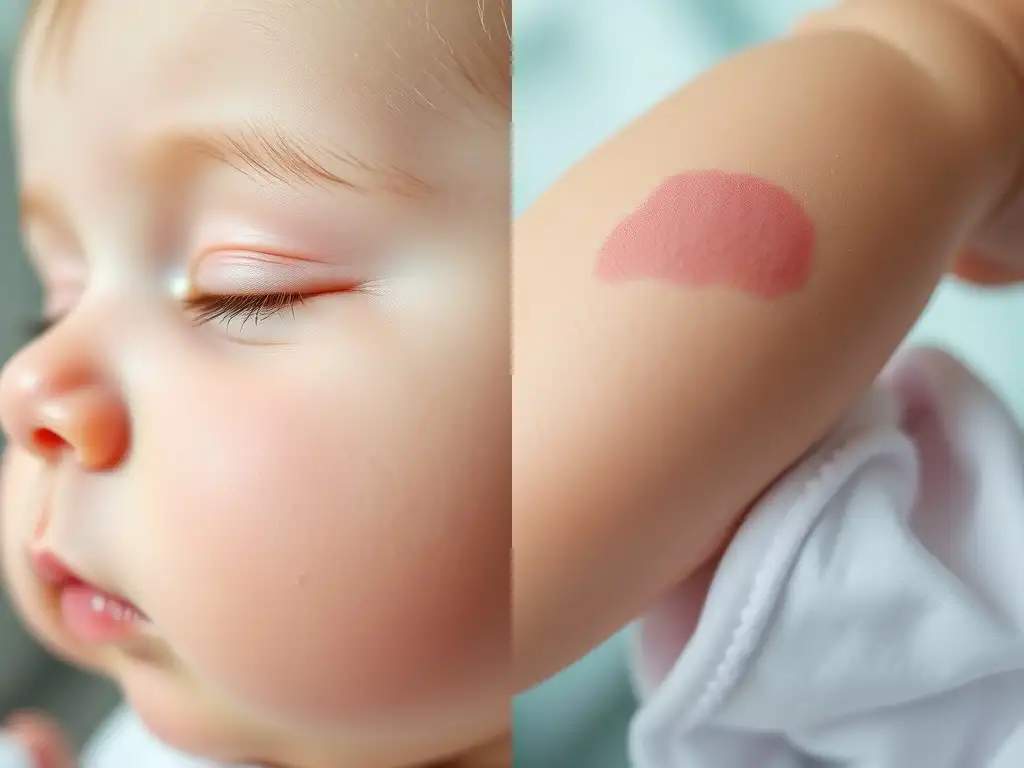
This section focuses on proactive measures to minimize the risk of both eczema and heat rash in your baby. Understanding the triggers and implementing preventative strategies can significantly reduce the frequency and severity of these common skin conditions. Remember, preventing these rashes is often easier than treating them, offering your little one more comfort and you, peace of mind. This information is crucial for managing your baby's skin health and contributes to their overall well-being.
Minimizing Eczema Triggers: Environmental and Dietary Considerations
Eczema, or atopic dermatitis, is a chronic inflammatory skin condition often triggered by environmental factors and, in some cases, dietary choices. Minimizing exposure to these triggers is key to preventing flare-ups.
Several environmental factors can exacerbate eczema symptoms. These include:
- Irritants: Harsh soaps, detergents, and fabrics (like wool or synthetic materials) can irritate sensitive skin. Opt for fragrance-free, hypoallergenic detergents and soft, breathable cotton clothing.
- Allergies: Exposure to allergens like dust mites, pet dander, and pollen can trigger eczema. Regular cleaning, using allergen-proof covers for bedding, and keeping pets out of the baby's room can help.
- Dry air: Low humidity can dry out the skin, worsening eczema. Using a humidifier, especially during colder months, can maintain adequate moisture levels in the air.
- Temperature extremes: Both hot and cold temperatures can irritate the skin. Dress your baby appropriately for the weather, avoiding overheating.
- Stress: Believe it or not, even babies experience stress! A calm and soothing environment can help minimize stress levels, potentially impacting eczema severity.
Dietary considerations play a role for some babies. While not all babies with eczema experience food-related triggers, some common culprits include:
- Dairy: Cow's milk protein is a frequent trigger. If you're breastfeeding, your diet might need modification. If formula-feeding, consider hypoallergenic formulas.
- Eggs: Egg whites can sometimes trigger allergic reactions in sensitive babies.
- Soy: Soy products are another potential allergen to watch out for.
- Wheat: Although less common than dairy or eggs, wheat can also be a trigger for some babies.
It's crucial to keep a detailed diary noting any potential triggers and their correlation with eczema flare-ups. This information will be invaluable for your pediatrician. Remember, always consult with your pediatrician before making significant dietary changes for your baby.
Preventing Heat Rash: Dressing Your Baby Appropriately
Heat rash, also known as prickly heat, is a common skin condition caused by blocked sweat glands. Keeping your baby cool and dry is paramount in preventing heat rash.
Overdressing is a major contributor to heat rash. Babies don't need as many layers as adults; they regulate their temperature differently. Dress your baby in lightweight, breathable clothing made from natural fibers like cotton. Avoid synthetic fabrics that trap heat and moisture.
Here are some additional tips for preventing heat rash:
- Room temperature: Maintain a comfortable room temperature (around 68-72°F or 20-22°C).
- Air circulation: Ensure good air circulation in the baby's room. A fan can help, but keep it pointed away from the baby.
- Bathing: Frequent bathing with lukewarm water can help cool the skin. Avoid harsh soaps, and pat the baby dry gently.
- Avoid overheating: Don't over-bundle your baby, especially during warmer months or when indoors. Observe your baby for signs of overheating, such as sweating, flushed skin, or fussiness.
By following these simple guidelines, you can significantly reduce the risk of heat rash. Remember, prevention is far better than cure when it comes to your baby's skin comfort.
Maintaining a Healthy Skin Barrier for Your Baby
A healthy skin barrier is crucial for preventing both eczema and heat rash. The skin's outermost layer acts as a protective shield against irritants and allergens. Maintaining its integrity is essential for overall skin health.
Several strategies can help maintain a healthy skin barrier:
- Gentle cleansing: Use mild, fragrance-free cleansers designed for babies' sensitive skin. Avoid harsh scrubbing.
- Moisturizing: Regularly moisturize your baby's skin with a fragrance-free, hypoallergenic lotion or cream, even if there are no visible signs of dryness. This helps prevent dryness and maintains the skin's natural barrier function. Apply moisturizer immediately after bathing while the skin is still damp to seal in moisture.
- Short bath times: Keep bath times short (5-10 minutes) to avoid drying out the skin. Use lukewarm water, not hot.
- Avoid harsh chemicals: Be mindful of the products you use on your baby's skin. Avoid products containing fragrances, dyes, or other harsh chemicals.
Regularly assessing your baby's skin for dryness, redness, or irritation will help you catch potential problems early. Early intervention is key to managing skin conditions and preventing them from becoming severe. Remember, consistent care and attention to detail will pay off in healthier, happier skin for your baby.
Long-Term Management of Baby Skin Conditions
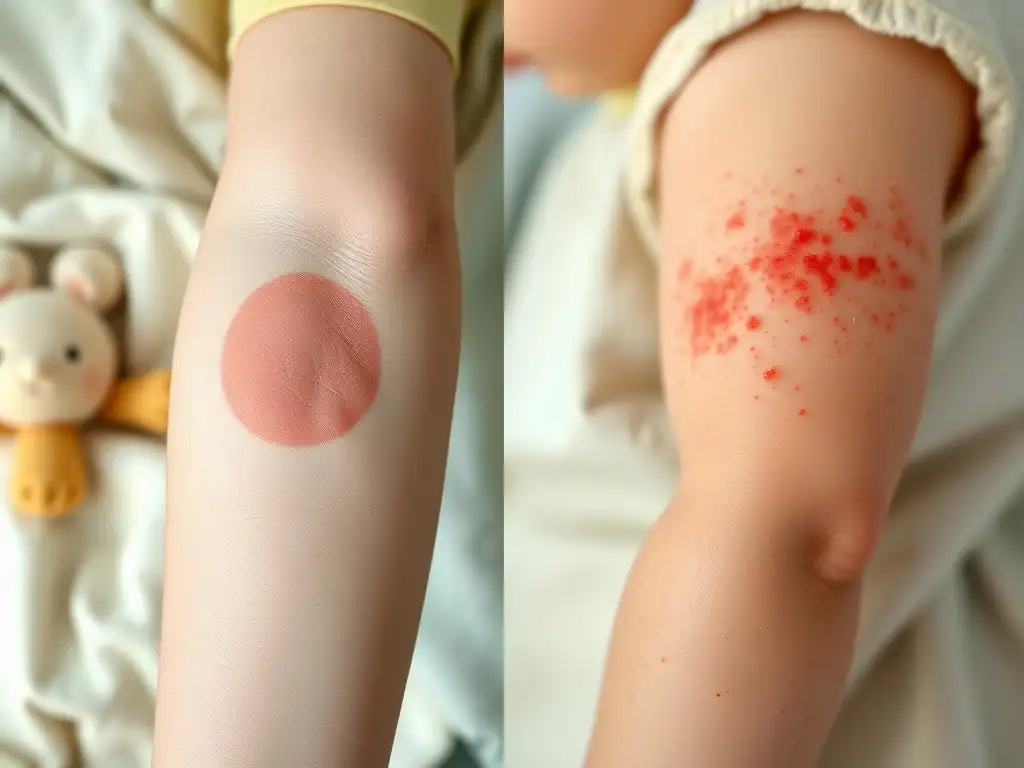
This section focuses on the long-term strategies for managing common baby skin conditions, specifically eczema and heat rash, to minimize discomfort and promote healthy skin development. Understanding the nuances of each condition is crucial for effective, ongoing care. Remember, consistent application of preventative measures and proactive treatment are key to improving your baby's quality of life.
Living with Eczema: Ongoing Care and Maintenance
Atopic dermatitis, commonly known as eczema, is a chronic condition. While flare-ups can be managed effectively, complete eradication is often unrealistic. The goal of long-term eczema management is to minimize the frequency and severity of these flare-ups, improving your baby's comfort and preventing complications.
This involves a multi-pronged approach:
- Daily Moisturizing: This is arguably the most important aspect. Apply a fragrance-free, hypoallergenic moisturizer liberally twice daily, even when your baby's skin appears clear. This helps maintain the skin barrier and prevents dryness, a major eczema trigger. Consider using thicker creams or ointments, especially during colder months. Look for ingredients like ceramides and hyaluronic acid, which are known for their hydrating properties.
- Identifying and Avoiding Triggers: Keep a detailed diary noting potential triggers, such as specific foods, detergents, fabrics, or environmental factors. Common culprits include wool, certain soaps, and even dust mites. Eliminating these triggers can significantly reduce the frequency of eczema flare-ups.
- Regular Bathing: Bathe your baby regularly, but avoid over-bathing, which can strip the skin of its natural oils. Use lukewarm water and gentle, fragrance-free cleansers. Pat your baby's skin dry instead of rubbing, minimizing irritation.
- Medication Management: Your pediatrician may prescribe topical corticosteroids or other medications to manage severe flare-ups. Follow their instructions carefully, ensuring consistent application as directed. Remember, these medications are most effective when used proactively during the early stages of a flare-up.
- Environmental Control: Maintain a humidified environment, especially during dry seasons. This helps to prevent excessive dryness, which can exacerbate eczema. Regularly wash bedding and clothing in fragrance-free detergents.
Preventing Recurrences of Heat Rash
Heat rash, or prickly heat, is usually easily managed, but recurring episodes can be frustrating. Preventing future occurrences involves addressing the underlying cause: excessive heat and moisture.
- Appropriate Clothing: Dress your baby in lightweight, breathable clothing made from natural fibers like cotton. Avoid overdressing, especially in warm weather. Opt for loose-fitting clothes that allow for good air circulation.
- Temperature Regulation: Maintain a comfortable room temperature. Avoid over-heating your baby, especially during sleep. Use fans or air conditioning if necessary.
- Hydration: Ensure your baby is adequately hydrated, especially during warm weather. Breast milk or formula provides sufficient hydration for most infants.
- Frequent Bathing: Gentle bathing with lukewarm water can help cool the skin and remove sweat. However, avoid harsh soaps and scrubbing.
- Air Exposure: Allow your baby's skin to air out regularly, especially in areas prone to heat rash, such as the neck, groin, and armpits.
Supporting Your Baby's Skin Health
Supporting your baby's overall skin health is vital in managing both eczema and heat rash. This involves a holistic approach:
- Balanced Diet: A healthy, balanced diet, whether through breastfeeding or formula, plays a critical role in skin health. While specific dietary interventions for eczema are still under research, a nutritious diet supports overall well-being.
- Stress Reduction: While difficult to quantify directly, stress can influence the severity of skin conditions in some babies. Creating a calm and nurturing environment can indirectly contribute to improved skin health.
- Regular Checkups: Schedule regular checkups with your pediatrician to monitor your baby's skin condition and address any concerns promptly. Early intervention is key in managing chronic conditions like eczema.
- Communication: Open communication with your pediatrician is essential for effective management of your baby's skin conditions. Don't hesitate to ask questions and discuss any concerns you may have. Remember, you are your baby's best advocate. Early and consistent management can make a significant difference in improving your little one’s comfort and overall well-being. 👶
When to Seek Professional Medical Advice for Baby Rash
Knowing when a baby rash warrants a doctor's visit can be tricky for new parents. While many rashes are mild and resolve on their own, some require professional medical attention. This section clarifies when to seek help, focusing on recognizing symptoms that indicate the need for medical intervention for baby rash, eczema, and heat rash.
Understanding the difference between a simple, treatable rash and a more serious condition is crucial for your baby's well-being. This guide helps parents assess the severity of their baby's rash and make informed decisions about seeking medical care. Timely intervention can prevent complications and ensure your baby receives the appropriate treatment.
Emergency Situations Requiring Immediate Medical Attention
Certain baby rash symptoms require immediate medical attention. These are situations where the rash may indicate a serious underlying condition, posing a risk to your baby's health. Do not delay seeking medical help if you observe any of the following:
- Difficulty breathing: Wheezing, rapid breathing, or labored breathing accompanied by a rash could signal a severe allergic reaction or other life-threatening condition.
- High fever: A high fever (above 100.4°F or 38°C) combined with a rash warrants immediate medical evaluation. This could indicate a serious infection.
- Lethargy or unusual drowsiness: If your baby is unusually lethargic, unresponsive, or difficult to rouse, even with a seemingly minor rash, seek immediate medical attention.
- Significant swelling: Facial swelling, swelling of the lips, tongue, or throat, or widespread swelling associated with a rash could indicate a severe allergic reaction (anaphylaxis) requiring immediate emergency care.
- Widespread rash with blisters: A widespread rash accompanied by blisters, especially if the blisters are filled with pus, could indicate a serious infection like staphylococcal scalded skin syndrome (SSSS) or bullous impetigo, requiring prompt medical evaluation.
- Rash accompanied by seizures or convulsions: This is a serious medical emergency requiring immediate hospitalization.
Severe Cases of Eczema and Heat Rash Requiring Medical Intervention
Even without immediate life-threatening symptoms, some cases of eczema and heat rash require professional medical intervention. These scenarios often involve persistent or worsening symptoms that don't respond to home care. Consider seeking medical advice if:
- Eczema is widespread and intensely itchy: If your baby's eczema covers a large area of their body and causes extreme itching leading to scratching, bleeding, or infection, medical intervention is needed. This might require prescription-strength topical steroids or other treatments to manage the inflammation and prevent complications.
- Heat rash persists despite cooling measures: If your baby's heat rash continues for more than a few days despite implementing cooling measures like loose clothing, cool baths, and air conditioning, it's advisable to consult a doctor. Persistent heat rash could indicate an underlying issue requiring medical attention.
- Eczema is causing secondary infections: If your baby's eczema is infected, indicated by pus-filled blisters, increased redness, warmth, or swelling around the affected area, it's crucial to seek medical help. Bacterial infections are common complications of eczema and require antibiotic treatment.
- Heat rash is accompanied by fever or other symptoms: If your baby's heat rash is accompanied by a fever, lethargy, or other concerning symptoms, seek medical attention immediately. This could suggest a more serious underlying infection.
- Home remedies are ineffective: If you've tried over-the-counter treatments for several days without improvement, it's time to seek professional advice. A doctor can accurately diagnose the condition and recommend appropriate treatment. Remember, early intervention often leads to better outcomes.
Remember, this information is for guidance only. Always consult a pediatrician or healthcare professional for any concerns about your baby's health. They can provide a proper diagnosis and recommend the best course of action based on your baby's specific needs. Early detection and treatment are key to effectively managing baby rash, eczema, and heat rash. 👶
Frequently Asked Questions
What is the difference between baby eczema and heat rash?
Baby eczema, or atopic dermatitis, is a chronic inflammatory skin condition characterized by dry, itchy patches. Heat rash, or prickly heat, is caused by blocked sweat ducts, resulting in small, red bumps. They have different causes and treatments.
How can I tell if my baby has heat rash or eczema?
Heat rash typically appears in warm, moist areas like the neck and folds of skin, presenting as tiny red bumps. Eczema often appears on the face, scalp, and creases of the elbows and knees, with dry, scaly patches and intense itching.
What are the best treatments for baby eczema?
Treatment for eczema involves moisturizing the skin regularly, using gentle, fragrance-free cleansers, and potentially applying corticosteroid creams as prescribed by a doctor. Avoid harsh soaps and irritants.
How do I treat my baby's heat rash?
Heat rash usually clears up on its own once the irritant (heat and humidity) is removed. Keeping your baby cool and dry, and using gentle, lukewarm baths can help soothe the irritation.
When should I see a doctor about my baby's rash?
If the rash is severe, spreading rapidly, or accompanied by fever or other symptoms, consult a doctor immediately. Also seek medical advice if home treatments aren't effective after a few days.
Final Reflection: Understanding Your Baby's Skin: A Journey Towards Soothed Skin
The delicate skin of a newborn is a constant source of worry for parents, and differentiating between baby eczema and heat rash is a crucial first step in providing effective relief. Misdiagnosis can lead to prolonged discomfort for your little one, highlighting the urgent need for accurate identification and appropriate treatment.
The impact of skin conditions on a baby's well-being, and consequently on the family's peace of mind, is immeasurable. The constant itching, the disrupted sleep, the emotional toll on parents – it all contributes to a challenging experience. A mother's love is a powerful force, and nothing tests that love more than seeing your child in discomfort.
This sentiment resonates deeply, emphasizing the importance of equipping parents with the knowledge to navigate these challenges effectively. Understanding the nuances between eczema and heat rash empowers parents to advocate for their child's health and comfort.
Now, consider what you've learned. Take a moment to reflect on the information presented. Are there any changes you can make in your baby's care routine to better prevent or manage these skin conditions? Remember, proactive care and early intervention are key. Empower yourself with knowledge, and together, let's create a world where every baby's skin can thrive, healthy and happy.
Unlock Your Baby's Comfort: Soothe Skin Irritation Now!
Thank you for learning about baby eczema and heat rash! We hope this guide has helped you understand these common skin conditions and how to manage them. Now, let's put that knowledge into practice!
- Prioritize proactive skincare: Start using the recommended skincare routine from this article today. Even small changes can make a big difference!
- Share your experiences: Connect with other parents in our online community forum. Sharing your experiences can help others and provide valuable support.
- Track your baby's progress: Keep a simple journal to note any improvements or changes you observe after implementing new skincare habits. This will be invaluable for future reference.
What simple step will you take today to soothe your baby's skin and improve their comfort?