
Managing Pet Hair: A Guide to Reducing Allergens for Babies


Welcome to BabyCareHub, your ultimate guide to navigating the incredible journey of parenthood! Are you a first-time parent worried about your furry friend's impact on your little one's health? Then you've come to the right place. Discover our expert-backed strategies for reducing pet allergens and ensuring a healthy and happy home environment in our comprehensive baby pet allergy reduction guide. Learn how to minimize risks and create a safe space for your precious baby – and your beloved pet! Let's dive in and explore the path to peaceful co-existence.
- Understanding Pet Allergies and Babies
- Minimizing Pet Hair Exposure for Your Baby
- Creating a Pet-Friendly, Baby-Safe Environment
- Baby-Safe Pet Products for Allergy Reduction
- Long-Term Strategies for Managing Pet Allergies
-
Frequently Asked Questions
- How can I reduce pet dander in my home if I have a baby with pet allergies?
- Are there specific pet breeds that are less likely to cause allergies in babies?
- My baby has a pet allergy, but I don't want to give up my pet. What should I do?
- What are some common symptoms of a pet allergy in babies?
- How can I create a pet-friendly but baby-safe environment?
- Final Reflection: A Furry Friend, a Healthy Baby: Navigating Pet Allergies
- Unleash a Hair-Free Haven for Your Little One!
Understanding Pet Allergies and Babies
Bringing a new baby home is an incredibly joyous occasion, filled with love, laughter, and… a potential for pet-related allergies. For many families, pets are cherished members of the household, offering unconditional love and companionship. However, the presence of pets can pose certain health risks for newborns and infants, particularly if they suffer from allergies.
This comprehensive guide will equip first-time parents with the knowledge and strategies needed to minimize the risk of pet allergies in their babies, focusing on practical steps to reduce allergens and ensure a safe and healthy environment for both baby and pet. We'll explore common pet allergens, identify telltale symptoms of pet allergies in babies, and outline when professional medical intervention becomes necessary. This guide aims to provide a detailed, actionable plan for navigating the complexities of pet allergies and baby safety, empowering parents to make informed decisions to protect their little ones.
Successfully managing pet hair and allergens is crucial for creating a healthy home environment for your baby, and this guide will serve as your roadmap to achieving that goal. Remember, proactive measures are key to preventing and mitigating potential allergy issues.
Common Pet Allergens and Their Impact on Infants
Pet allergies are primarily triggered by proteins found in pet dander (tiny flakes of skin), saliva, and urine. These allergens are incredibly small and can easily become airborne, settling on surfaces throughout the home. For babies, whose immune systems are still developing, exposure to these allergens can lead to a range of symptoms, from mild discomfort to severe respiratory problems.
The most common pet allergens include:
- Cat allergens: Fel d 1 is the primary allergen found in cat saliva and dander. Even cats considered "hypoallergenic" still produce allergens, though often in smaller quantities.
- Dog allergens: Can f 1 is a major dog allergen, prevalent in dog saliva and dander. Breed size doesn't necessarily correlate with allergen production; smaller breeds can be just as allergenic as larger ones.
- Other pets: Allergies can also develop from other pets, including birds, rabbits, hamsters, and even fish (due to allergens in their scales and waste).
The impact of these allergens on infants can vary significantly. Mild symptoms might include sneezing, runny nose, and itchy eyes. More severe reactions can involve wheezing, coughing, skin rashes (eczema), and in some cases, anaphylaxis – a life-threatening allergic reaction requiring immediate medical attention. Early identification and management of these allergies are therefore crucial to prevent further complications.
Identifying Symptoms of Pet Allergies in Babies
Recognizing the symptoms of pet allergies in babies can be challenging, as many symptoms overlap with other common childhood illnesses. However, certain signs should raise your concerns and prompt a visit to your pediatrician. These include:
- Persistent sneezing and coughing: If your baby frequently sneezes or coughs, especially after being near pets, it could be a sign of an allergic reaction.
- Runny nose and itchy eyes: A persistent runny nose with clear mucus and itchy, watery eyes are common allergy symptoms.
- Skin rashes and eczema: Allergic reactions can manifest as itchy, red rashes or a worsening of existing eczema.
- Wheezing and difficulty breathing: This is a more serious symptom and requires immediate medical attention.
- Gastrointestinal issues: In some cases, babies may experience vomiting, diarrhea, or abdominal pain related to pet allergies.
It's important to note that the severity of symptoms can vary widely. Some babies may only experience mild discomfort, while others may have more severe reactions. Keeping a detailed record of your baby's symptoms, including when they occur and any potential triggers (like proximity to pets), is helpful for your pediatrician in making a diagnosis. Remember, a proper diagnosis can only be made by a medical professional.
When to Seek Professional Medical Advice for Baby Pet Allergies
While many mild allergy symptoms can be managed at home, it's crucial to seek professional medical advice under certain circumstances:
- Severe respiratory symptoms: If your baby experiences wheezing, difficulty breathing, or persistent coughing, seek immediate medical attention. These symptoms could indicate a severe allergic reaction.
- Anaphylaxis: Anaphylaxis is a life-threatening allergic reaction characterized by difficulty breathing, swelling of the face and throat, and a rapid drop in blood pressure. This requires immediate emergency medical care.
- Persistent or worsening symptoms: If your baby's allergy symptoms persist despite home management strategies or worsen over time, consult your pediatrician.
- Uncertainty about symptoms: If you're unsure whether your baby's symptoms are related to pet allergies, it's always best to err on the side of caution and seek professional advice.
Early diagnosis and management of pet allergies in babies are essential to prevent complications and ensure their well-being. Don't hesitate to contact your pediatrician if you have any concerns about your baby's health. Your pediatrician will be able to perform a thorough examination, discuss your concerns, and recommend appropriate treatment options, potentially including allergy testing and management plans.
Minimizing Pet Hair Exposure for Your Baby
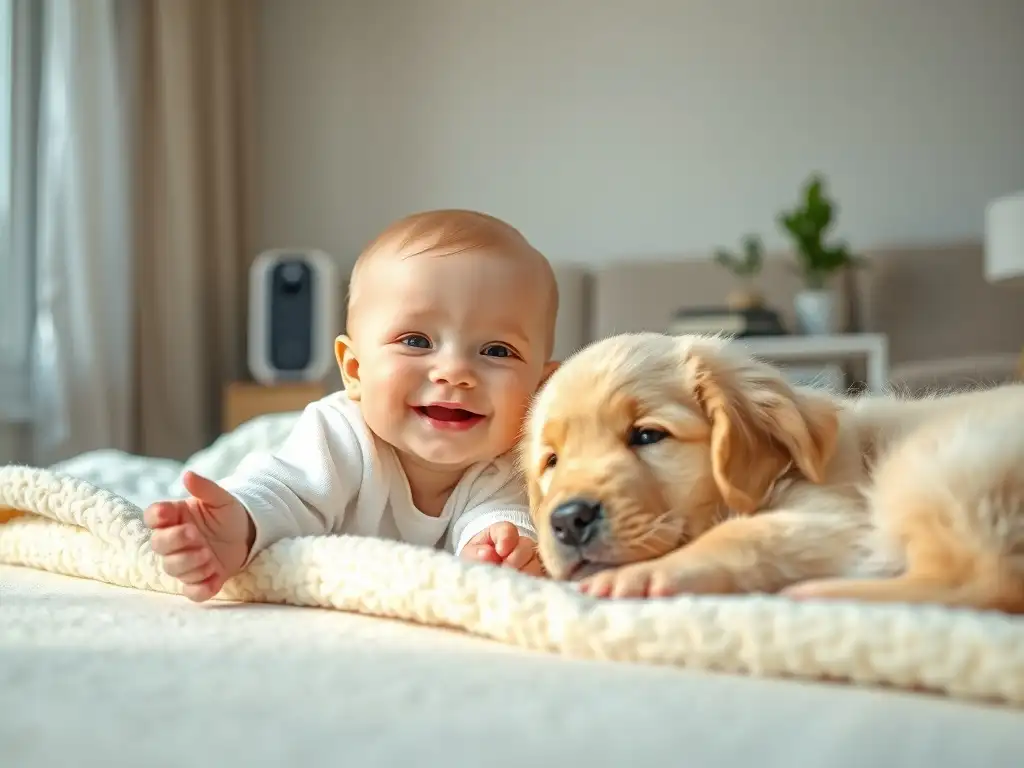
This section focuses on practical strategies to significantly reduce pet hair in your home, thereby minimizing the risk of allergies for your baby. Remember, even with diligent cleaning, complete elimination of pet hair is unlikely, but substantial reduction is achievable. This improved environment can contribute significantly to a healthier home for your little one. This guide focuses on proactive measures for "baby pet allergy reduction".
Effective Pet Hair Removal Strategies in the Home
Effective pet hair removal requires a multi-pronged approach, combining various techniques for optimal results. Regular vacuuming is crucial, but specific strategies can enhance its effectiveness. Consider these points:
- Vacuuming Techniques: Use a vacuum cleaner with a HEPA filter to trap the smallest particles, including pet dander which often triggers allergies more than hair itself. Vacuum frequently, ideally daily, paying special attention to areas where your baby spends the most time, such as the living room, play area, and bedroom. Use different attachments for different surfaces; the upholstery tool is essential for sofas and chairs.
- Specialized Tools: Consider using lint rollers on fabrics like blankets and clothing. Microfiber cloths are highly effective for trapping pet hair from furniture and other surfaces. Specialized pet hair removal tools are also available and can be very effective. Experiment to find what works best in your home.
- Strategic Placement: Designate pet-free zones within your home. This could be your baby's nursery or a specific area where your baby plays. Restrict pet access to these zones, even if it means using baby gates. This creates a haven of reduced allergen exposure.
- Regular Laundry: Wash your baby's bedding, clothing, and blankets frequently, using hot water and a detergent designed for sensitive skin. This removes pet hair and dander that may have accumulated.
Choosing the Right Cleaning Supplies for Pet Hair and Baby Safety
Selecting safe and effective cleaning supplies is paramount when you have a baby and pets. The wrong choices can exacerbate allergies or even pose a direct health risk to your child.
| Cleaning Product Type | Considerations for Baby Safety | Considerations for Pet Hair Removal |
|---|---|---|
| Vacuum Cleaners | Opt for models with HEPA filters to capture fine particles. Regularly empty the dustbin to avoid dust mite build-up. | Choose a vacuum with strong suction and various attachments suitable for different surfaces. |
| Laundry Detergents | Choose fragrance-free, hypoallergenic detergents designed for sensitive skin. | Ensure the detergent effectively removes pet hair and dander. |
| All-Purpose Cleaners | Avoid harsh chemicals and opt for plant-based or naturally derived cleaners. Always test a small area first to check for any reactions on surfaces. | Look for cleaners that effectively remove pet stains and odors without leaving behind a strong scent. |
| Disinfectants | Use only when necessary and always follow the manufacturer's instructions carefully. Ensure proper ventilation after use. | Disinfectants are not usually necessary for pet hair removal, focusing instead on cleaning. |
Remember to always store cleaning supplies safely, out of reach of both your baby and your pets. Proper ventilation after cleaning is also crucial to minimize the inhalation of cleaning product fumes. This holistic approach to cleaning is essential for a "baby pet allergy reduction guide".
Regular Cleaning Schedule for Allergy Reduction
Consistency is key to effective pet hair management and allergy reduction. Establishing a regular cleaning schedule and sticking to it will yield the best results. Here's a suggested schedule, but remember to adjust it based on your specific needs and the level of pet shedding in your home:
- Daily: Vacuum high-traffic areas, wipe down surfaces, change baby's bedding if soiled.
- Weekly: Thorough vacuuming of the entire house, including upholstery. Wash all bedding, including pet bedding. Mop hard floors.
- Monthly: Deep clean carpets and rugs (professional cleaning is recommended). Wash curtains and drapes.
- Quarterly: Professional cleaning of upholstery and carpets, if needed. Clean air vents and filters.
This consistent approach, combined with the strategies outlined above, will contribute significantly to minimizing pet allergens and creating a healthier environment for your baby. A proactive and regular cleaning routine is an essential component of any effective "baby pet allergy reduction guide". Remember, consistent effort is paramount to significantly reducing pet allergens in your home.
Cleaning Instructions for Different Surfaces
Keeping your home clean is paramount in minimizing pet hair exposure for your baby. Different surfaces require different cleaning techniques for optimal results. Regular and thorough cleaning is key to reducing allergens and creating a healthier environment. Let's explore effective cleaning methods for various areas in your home.
Regular vacuuming is crucial, especially in high-traffic areas and places where your pet spends the most time. Opt for a vacuum cleaner with a HEPA filter, which is designed to capture smaller particles, including pet dander and allergens, more effectively than standard vacuums. Remember to empty the dustbin frequently to prevent the allergens from recirculating. For carpeted areas, consider using a vacuum with a rotating brush to agitate the carpet fibers and lift embedded pet hair. For hard-to-reach places, use the vacuum's crevice tool to thoroughly clean along baseboards and in corners.
Hard surfaces like hardwood floors, tile, and laminate are relatively easy to clean. Sweeping or using a microfiber mop regularly removes loose pet hair. For a deeper clean, use a damp mop with a pet-friendly cleaning solution. Avoid using harsh chemicals as these can irritate your baby's skin and respiratory system. A simple solution of warm water and a mild dish soap is often sufficient. After mopping, ensure the floor is completely dry to prevent the growth of mold and mildew.
Upholstery, including sofas, chairs, and cushions, can trap a significant amount of pet hair and allergens. Regular vacuuming with an upholstery attachment is essential. For a more thorough clean, consider using a steam cleaner, which effectively removes embedded pet hair and kills dust mites. Always check the manufacturer's instructions before using a steam cleaner on delicate fabrics. Alternatively, you can use a lint roller to remove surface hair before vacuuming. For washable upholstery, machine wash according to the care instructions, using a hypoallergenic detergent.
Remember to clean frequently touched surfaces such as doorknobs, light switches, and countertops daily with a damp cloth and a gentle cleaning solution. These surfaces accumulate pet hair and dander easily. The consistent cleaning of these high-touch areas will reduce the chances of your baby coming into contact with allergens.
Regular cleaning of these surfaces, in conjunction with other preventative measures, will greatly improve the air quality within your home. Don't forget to wash bedding regularly using hot water and a hypoallergenic detergent to eliminate pet allergens from your baby's sleep space. This helps ensure the environment is as safe as possible for your little one.
Creating a Pet-Friendly, Baby-Safe Environment
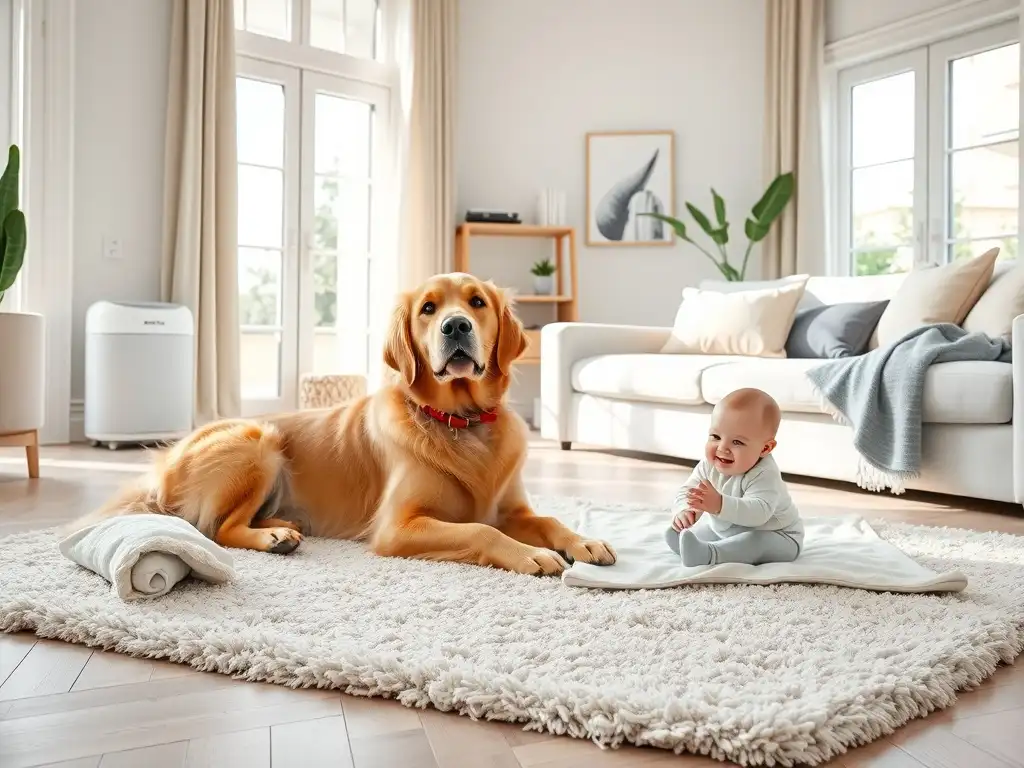
This section focuses on establishing a harmonious home environment where both your baby and your beloved pet can thrive, minimizing the risk of pet allergies. A proactive approach to managing pet hair and dander is crucial for reducing allergens and creating a safer space for your little one. This involves more than just cleaning; it's about creating designated areas and implementing consistent routines. Remember, the goal is not to eliminate pets entirely, but to mitigate potential allergy triggers.
This guide emphasizes practical strategies to achieve this balance. We’ll explore specific techniques to minimize exposure and keep your baby healthy and happy. The key is consistent effort and a commitment to both your pet's well-being and your baby's health.
Designated Pet-Free Zones in Your Home
Creating pet-free zones is a cornerstone of effective allergy reduction. These spaces should be havens for your baby, free from pet hair, dander, and saliva. Ideally, your baby's nursery should be a completely pet-free zone. However, even if your pet is well-behaved, consider restricting access to areas where your baby spends significant time, such as their crib area, changing table, and play areas. This helps control exposure to allergens.
Think strategically about your home layout. Perhaps the baby's room is upstairs, and the pet primarily stays downstairs. This natural separation can significantly reduce exposure. If this isn't feasible, consider using baby gates to create physical barriers to keep pets out of designated areas. Clean these zones thoroughly and frequently—more on this later.
Consider also creating designated pet areas. This could be a comfortable pet bed in a specific room, or a designated area with their toys. This gives your pet their own space and helps reinforce the boundaries of pet-free zones. Remember, consistency is key to success.
It's important to note that even with designated pet-free zones, thorough cleaning remains essential. Allergens can travel easily throughout the home.
Strategies for Managing Pet Access to Baby's Room
While a completely pet-free nursery is ideal, some families find it challenging to completely exclude pets. If your pet is incredibly well-trained and you're comfortable with a more lenient approach, consider these strategies:
- Supervised Visits: Allow your pet into the baby's room only when you are present and can actively monitor their interactions. This ensures your baby is never left unsupervised with your pet.
- Pet-Friendly Bedding: Invest in high-quality, hypoallergenic bedding for your pet. Regular washing of their bedding helps reduce the spread of allergens.
- Regular Cleaning: Vacuum and mop the baby's room frequently, paying particular attention to areas where your pet spends time. Consider using a HEPA filter vacuum cleaner to remove fine particles more effectively.
- Air Purifiers: Place a HEPA air purifier in the baby's room to filter out airborne allergens. This is especially beneficial if you cannot completely exclude your pet.
Remember, even with careful management, regular monitoring is essential. Observe your baby for any signs of allergic reactions, such as sneezing, coughing, or skin rashes. If you notice any concerning symptoms, consult your pediatrician immediately. This proactive approach ensures your baby's safety and well-being.
Pet Grooming Habits for Reducing Allergens
Regular grooming of your pet is a crucial step in minimizing allergens. This involves more than just occasional brushing; it's about establishing a consistent routine to remove loose hair and dander before they become airborne.
The frequency of grooming depends on your pet's breed and coat. Long-haired pets typically require more frequent brushing than short-haired pets. Aim for at least once a week, ideally more often. Consider these additional tips:
| Grooming Task | Frequency | Benefits |
|---|---|---|
| Brushing | Daily/Weekly | Removes loose hair and dander |
| Bathing | Monthly/Bimonthly | Reduces dander and removes allergens from fur |
| Professional Grooming | Every 2-3 Months | Deep cleaning and specialized treatments |
Regular bathing helps remove dander and other allergens from your pet's coat. Use a pet-specific hypoallergenic shampoo to avoid irritating your pet's skin. After bathing, thoroughly dry your pet to prevent dampness, which can encourage the growth of mold and mildew. Remember to always consult with your veterinarian before introducing new grooming products or routines. This proactive approach to pet grooming significantly reduces the amount of allergens your baby is exposed to. Regular, thorough grooming is a critical component of a comprehensive allergy reduction strategy. 🐶
Advice on Pet Bathing and Brushing Techniques
Regular grooming is crucial in minimizing pet dander, a significant allergen for babies. Bathing your pet too frequently can dry out their skin, leading to increased shedding and potentially worsening allergies. Aim for a balance; most pets benefit from a bath every 4-6 weeks, adjusting based on their breed and coat type.
For instance, a long-haired dog like a Golden Retriever will require more frequent baths than a short-haired cat. Always use a pet-specific shampoo formulated to be gentle on their skin and avoid human shampoos, which can disrupt their skin's natural pH balance. After bathing, thoroughly dry your pet's coat to prevent lingering moisture which can also contribute to skin irritation and increased shedding.
Brushing is equally important. Daily brushing, or at least several times a week depending on the pet's coat, helps remove loose hair and dander before it can become airborne. Choose brushes appropriate for your pet's coat type – a slicker brush for long-haired pets, a bristle brush for short-haired pets, and a de-shedding tool for breeds that shed heavily. Regular brushing not only reduces allergens but also promotes healthy skin and a shiny coat.
Remember to brush your pet outdoors or in a well-ventilated area to minimize allergen dispersal within the house. Pay special attention to areas where they shed most, such as their belly and flanks. After brushing, thoroughly clean the brush itself to prevent allergen build-up.
For cats, regular combing is also beneficial. Cats groom themselves, but a good combing session removes loose fur and prevents matting, further reducing the amount of dander released into the environment. Use a comb designed for cats, being mindful of their delicate skin. Remember to always handle your pets gently during brushing and bathing to avoid causing them stress, which could lead to increased shedding.
A relaxed pet is a less shedding pet! Consider using a pet-safe leave-in conditioner after bathing to help keep their coat healthy and reduce shedding. This is especially helpful for pets with dry skin. The reduction in shedding directly translates to a reduction in airborne allergens in your home, creating a healthier environment for your baby.
Baby-Safe Pet Products for Allergy Reduction
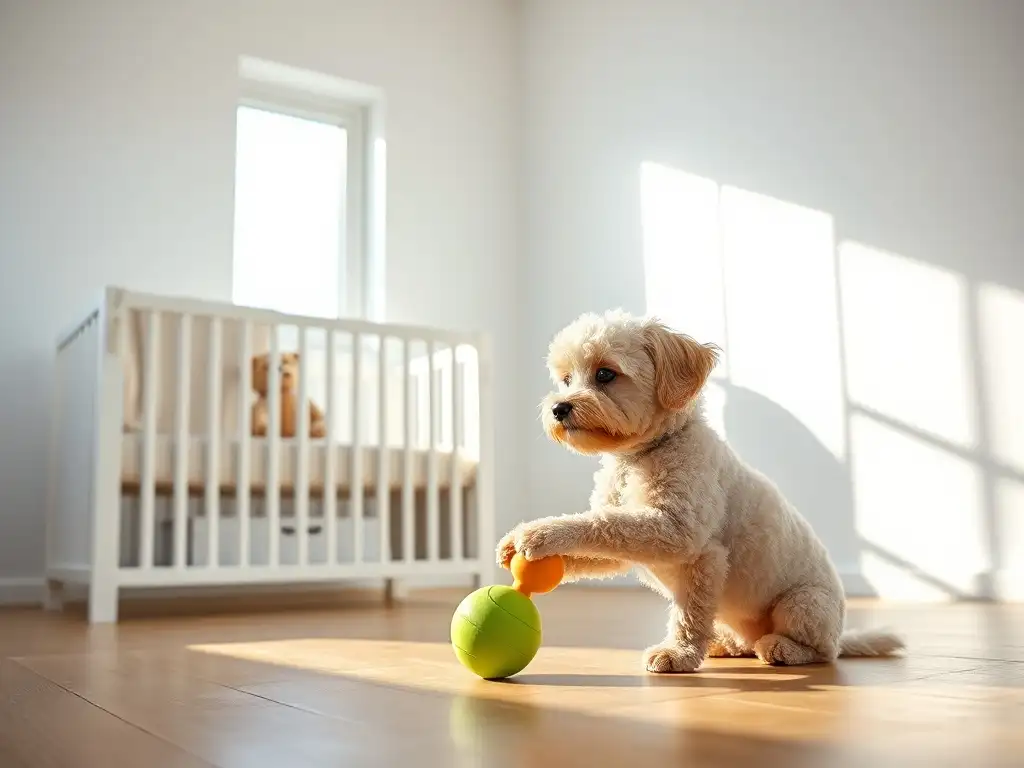
This section focuses on proactive strategies to minimize pet allergens in your home, creating a healthier environment for your baby. We'll explore specific products designed to trap and reduce pet dander, a major culprit in baby pet allergies. Remember, even with these precautions, regular cleaning and veterinary checkups for your pet remain crucial for overall allergy management. This guide aims to complement, not replace, professional medical advice.
Hypoallergenic Pet Bedding and Toys
Choosing the right bedding and toys for your pet can significantly impact allergen levels. Traditional fabrics can trap dander, exacerbating allergies. Opting for hypoallergenic alternatives minimizes this risk. Look for bedding made from materials like microfiber or washable synthetic fabrics. These materials are less likely to harbor allergens compared to natural fibers like wool or cotton. Regular washing in hot water is key; aim for at least once a week.
Furthermore, consider the toys your pet uses. Plush toys, while adorable, are notorious for trapping dander. Choose durable, easily washable toys made of rubber or hard plastic. Avoid stuffed toys or those with intricate designs that are hard to clean thoroughly. Regularly inspect and replace any damaged or excessively soiled toys. A proactive approach to pet toy hygiene contributes significantly to reducing the allergen load in your home and creating a safer environment for your little one. Consider rotating toys to allow for thorough cleaning. This simple practice can make a big difference in minimizing allergens.
Air Purifiers and Their Effectiveness in Reducing Allergens
Air purifiers equipped with HEPA (High-Efficiency Particulate Air) filters are effective tools in reducing airborne pet allergens. HEPA filters are designed to trap particles as small as 0.3 microns, capturing a significant portion of pet dander, pollen, and other irritants. The effectiveness of an air purifier depends on several factors, including the size of the room, the filter's quality, and the air purifier's Clean Air Delivery Rate (CADR).
A higher CADR indicates a faster rate of air purification. Regular filter changes are paramount; manufacturers typically recommend replacements every 3-6 months, depending on usage and air quality. Failing to replace filters regularly diminishes the purifier's effectiveness and might even spread allergens due to filter clogging.
Recommended Air Purifiers and Filters
While specific product recommendations are beyond the scope of this guide, [specific information pending] to help parents select suitable air purifiers and filters for their needs. When choosing an air purifier, look for models with a high CADR rating specifically designed for allergen removal. Consider the size of the rooms where your baby spends the most time and select a purifier with a sufficient coverage area. Furthermore, check for features like automatic filter replacement indicators and quiet operation, as these can enhance convenience and ensure consistent use.
Remember to always follow the manufacturer's instructions for filter replacement and maintenance to maximize the air purifier's effectiveness and lifespan. A properly maintained air purifier is a valuable asset in reducing pet allergens and promoting a healthier environment for your baby. Regular cleaning of the purifier itself is also important to prevent the buildup of dust and other contaminants.
Long-Term Strategies for Managing Pet Allergies
This section focuses on long-term strategies for managing pet allergies in babies, offering a proactive approach to minimize exposure and alleviate symptoms. Remember, always consult your pediatrician before implementing any allergy management strategy for your baby. This information is for educational purposes and should not replace professional medical advice.
Allergy Shots or Medications for Babies
Allergy shots (immunotherapy) are a common treatment for allergies in older children and adults, but their use in babies is generally not recommended. The process involves gradually introducing increasing amounts of the allergen (in this case, pet dander) to build up the body's tolerance. However, the risks and benefits need careful consideration, especially for infants whose immune systems are still developing. Current medical consensus leans towards avoiding immunotherapy for babies due to potential side effects and the complexities of administering injections to such young patients. Instead, the focus is usually on environmental controls and symptom management.
While allergy shots aren't an option for babies, certain medications might be prescribed by a pediatrician to manage symptoms like skin rashes or congestion. These might include antihistamines (always in the appropriate dosage for infants) or topical corticosteroids for skin irritations. However, medication should only be given under strict medical supervision and according to the pediatrician's instructions. Never self-medicate your baby.
Monitoring Your Baby's Allergy Symptoms Over Time
Regularly monitoring your baby's symptoms is crucial for effective allergy management. Keep a detailed allergy diary, noting the severity and frequency of symptoms like sneezing, coughing, wheezing, skin rashes, and eye irritation. Note the time of day symptoms occur, and if there are any apparent triggers (e.g., increased pet contact, changes in the environment). This detailed record will help your pediatrician or allergist understand the patterns of your baby's allergies and determine the best course of action.
Consider using a simple symptom tracking app or a dedicated notebook to record this information consistently. This meticulous record-keeping is invaluable in identifying trends and helping healthcare professionals make informed decisions about your baby's care. The more data you provide, the better equipped they will be to help. This proactive approach to monitoring is essential for the "baby pet allergy reduction guide".
| Date | Time | Symptom(s) | Severity (1-5) | Notes |
|---|---|---|---|---|
| 2024-10-27 | 9:00 AM | Sneezing, runny nose | 3 | After playing with the dog |
| 2024-10-27 | 6:00 PM | Mild cough | 2 | No apparent trigger |
| 2024-10-28 | 11:00 AM | Skin rash on cheek | 4 | Possible contact with pet fur |
This table helps illustrate how to track your baby's symptoms. Remember to adapt it to your specific needs.
Working with Your Pediatrician and Allergist
Collaboration with your pediatrician and potentially an allergist is paramount. Regular check-ups are essential to monitor your baby's health and adjust the management plan as needed. Don't hesitate to discuss any concerns or changes in your baby's symptoms. Early intervention is key, and a proactive approach, guided by medical professionals, significantly improves the chances of successful allergy management.
Your pediatrician will assess your baby's overall health and allergy symptoms. They might recommend allergy testing at an appropriate age to confirm the specific allergens causing the reactions. An allergist specializes in diagnosing and managing allergies, providing expert guidance on long-term strategies, including environmental control measures and medication options (if needed) as your baby grows. Open communication with your healthcare team is crucial for effectively navigating your baby's pet allergies and ensuring their well-being. This collaborative approach is integral to a comprehensive "baby pet allergy reduction guide".
Maintaining a Clean and Allergy-Free Home
Maintaining a consistently clean home is paramount in minimizing pet allergen exposure for your baby. This isn't just about a quick tidy-up; it's about implementing a rigorous cleaning routine that targets pet dander, saliva, and urine – the primary culprits behind allergic reactions. Regular vacuuming is crucial, but the type of vacuum matters.
Opt for a vacuum cleaner with a HEPA filter; these filters are specifically designed to trap microscopic allergens, preventing them from being recirculated back into the air. Consider vacuuming high-traffic areas daily, and at least twice a week in other rooms. Pay particular attention to areas where your pet spends the most time, such as their bedding and favorite sleeping spots.
Beyond vacuuming, regular washing of pet bedding, blankets, and toys is essential. Wash these items in hot water (at least 130°F) to effectively kill dust mites and remove allergens. Air-drying is preferable to using a dryer, as dryer sheets can leave behind residues that may irritate your baby's sensitive skin. Similarly, frequently wash any soft furnishings, such as curtains and upholstered furniture, that may harbor pet dander. Consider using allergen-reducing covers for mattresses and pillows, providing an additional layer of protection.
Regular cleaning of hard surfaces is also vital. Use damp cloths or microfiber mops to wipe down floors, countertops, and other surfaces, removing pet hair and dander that vacuuming might miss. For particularly stubborn stains, use pet-safe enzymatic cleaners, which are designed to break down pet allergens and eliminate odors.
Remember to always thoroughly rinse surfaces after cleaning to avoid leaving behind any cleaning product residue that could irritate your baby. Regular dusting, using a damp cloth or a microfiber duster, will also help minimize the spread of dust and allergens throughout the home. Don't forget to regularly clean air vents and filters in your heating and air conditioning system to prevent the recirculation of allergens.
A consistent and thorough cleaning regimen is a key component of a comprehensive strategy for reducing pet allergies in your baby's environment. The effort you put into maintaining cleanliness will significantly contribute to a healthier environment for your little one.
Frequently Asked Questions
How can I reduce pet dander in my home if I have a baby with pet allergies?
Regularly clean your home, focusing on pet-prone areas. Use a HEPA filter vacuum and wash bedding frequently in hot water. Consider using air purifiers with HEPA filters.
Are there specific pet breeds that are less likely to cause allergies in babies?
While no breed is completely hypoallergenic, some produce less dander than others. Consider breeds like Poodles or Portuguese Water Dogs, but remember that even these can trigger reactions. Always consult with an allergist.
My baby has a pet allergy, but I don't want to give up my pet. What should I do?
Regular grooming of your pet is crucial to minimize dander. Keep pets out of your baby's room and wash your hands thoroughly after handling them. Consult your pediatrician and an allergist for advice.
What are some common symptoms of a pet allergy in babies?
Symptoms can include sneezing, coughing, itchy eyes, rash, or wheezing. If you notice any of these, consult a doctor immediately for proper diagnosis and treatment. Don't self-diagnose.
How can I create a pet-friendly but baby-safe environment?
Designate pet-free zones, especially your baby's bedroom and play areas. Invest in allergy-proof covers for furniture and regularly clean surfaces. Consistent cleaning and grooming are key to minimizing allergens.
The presence of pets in our homes is a source of immense joy, but for families with babies, navigating potential allergies presents a significant challenge. The rising prevalence of pet allergies underscores the urgent need for proactive strategies, making the information presented in this guide more vital than ever. We must remember that a loving home doesn't have to mean compromising a baby's health.
This journey of researching and compiling practical advice on reducing pet allergens has profoundly impacted my understanding of the delicate balance between pet ownership and infant well-being. It's a balance that requires constant vigilance and a commitment to creating a safe and healthy environment. The best thing for a child is a happy parent,
and this includes finding ways to maintain the joy of pet companionship while prioritizing the health of our little ones. This isn't about sacrificing our furry friends, but about finding innovative and effective solutions for harmonious co-existence.
Now, I invite you to reflect on your own home environment. Consider the practical steps outlined in this guide – from regular cleaning and air purification to strategic pet grooming and allergen-reducing products. Take the time to assess your situation and implement changes that will create a healthier, safer space for your baby, while preserving the love and companionship of your beloved pets. The journey towards a healthier home is a continuous process, but with dedication and the right information, it's a journey filled with both love and peace of mind.
Unleash a Hair-Free Haven for Your Little One!
Thank you for learning how to minimize pet allergens for your baby! We hope this guide offered valuable advice and practical solutions. Now, let's put that knowledge into action.
- Prioritize a Deep Clean: Schedule a thorough cleaning of your home, focusing on areas where your baby spends the most time, such as the nursery and play areas. Pay special attention to upholstery and carpets, using a HEPA filter vacuum cleaner to remove dust mites and pet dander.
- Groom Your Furry Friend Regularly: Regular brushing and bathing will significantly reduce loose pet hair and dander. A deshedding tool can also be very effective.
- Share Your Success (or Questions!): Tell us about your experiences managing pet allergens in the comments below. What strategies have worked best for you and your family?
What steps will you take to ensure a healthy and allergy-friendly environment for your little one?