
Baby Sleep and Travel: Practical Solutions for Common Problems


Welcome to BabyCareHub, your ultimate guide to navigating the exciting yet challenging world of parenthood! Are you preparing for your first family vacation with your little one? Then our expert advice on Baby sleep travel tips is exactly what you need. Discover practical solutions to common sleep disruptions on the go and ensure a smoother, more restful journey for both you and your baby. Learn how to maintain healthy sleep routines even while traveling – read on to unlock the secrets to happy, well-rested travels!
- Preparing Your Baby for Travel: Sleep Strategies for Smooth Journeys
-
In-Flight Sleep Solutions: Mastering Baby Sleep on Planes and Trains
- Creating a Calming In-Flight Environment: Minimizing Distractions and Promoting Relaxation
- Utilizing White Noise and Soothing Sounds: Drowning Out Unfamiliar Noises During Travel
- Adjusting Feeding Schedules During Flights: Maintaining a Regular Feeding Routine While Traveling
- Baby Sleep Products for Air Travel: Choosing the Right Travel Crib, Swaddle, or Sleep Sack
-
Navigating Car Trips and Road Travel with Your Baby
- Planning Rest Stops and Breaks: Strategically Scheduling Stops to Accommodate Baby's Sleep Needs
- Optimizing Car Seat Safety and Sleep: Ensuring Baby's Comfort and Safety During Long Drives
- Utilizing Car Seat Accessories for Sleep: Harnessing Car Seat Accessories for Enhanced Comfort and Sleep
- Road Trip Sleep Strategies: Maximizing Sleep Opportunities During Car Journeys
- Accommodating Baby's Sleep in Hotels and Other Accommodations
- Post-Travel Sleep Recovery: Helping Your Baby Readjust to Their Regular Routine
- Tips for Traveling with a Baby Who Doesn't Sleep Well
-
Frequently Asked Questions
- How can I prepare my baby for travel to minimize sleep disruption?
- What are some tips for getting my baby to sleep on the plane or in the car?
- My baby sleeps poorly in unfamiliar environments. What can I do?
- Are there any special considerations for baby sleep during long-distance travel?
- How can I prevent jet lag from affecting my baby's sleep?
- Final Reflection: The Sweet Sleep of Journeys Yet to Come
- Unlock Your Family's Travel Freedom: Sweet Dreams on the Go
Preparing Your Baby for Travel: Sleep Strategies for Smooth Journeys
Traveling with a baby can be daunting, especially when considering their sleep patterns. This comprehensive guide offers practical solutions and expert advice to help first-time parents navigate the challenges of maintaining baby's sleep routine while on the go. We'll explore strategies to minimize sleep disruption during travel, focusing on pre-trip preparation, in-transit sleep management, and adapting to new environments.
Successfully managing your baby's sleep during travel is key to a more enjoyable and less stressful experience for both you and your little one. We'll cover essential packing tips, pre-trip sleep training adjustments, and how to manage time zone changes to ensure your baby gets the rest they need, wherever your adventures take you.
This guide is designed to equip you with the knowledge and tools needed to make travel with your baby a smoother, more restful experience, addressing the common concerns parents face when planning trips with infants. Let's dive into how to make "baby sleep travel tips" a reality!
Packing for Peaceful Sleep: Essential Items for Baby's Travel Sleep Kit
A well-organized sleep kit is crucial for maintaining your baby's sleep routine while traveling. This isn't just about bringing your baby's favorite blanket or stuffed animal; it's about creating a familiar and comforting sleep environment in unfamiliar surroundings. Consider packing the following essential items:
- Familiar bedding: A familiar blanket, sheet, or sleep sack can provide comfort and security.
- White noise machine: The consistent sound can help block out disruptive noises and promote relaxation. Consider a portable battery-operated version.
- Sleep sack or swaddle: These provide a sense of security and can help regulate your baby's temperature.
- Pacifiers (if used): Pack several, in case one gets lost or damaged.
- Baby monitor: A portable video monitor can provide peace of mind, especially in unfamiliar accommodations.
- Darkening curtains or shades: These can help create a dark and quiet sleep environment, even in brightly lit rooms.
- Favorite toys or comfort objects: Familiar items can help soothe your baby and promote feelings of security.
Remember to prioritize lightweight and easy-to-pack items. A well-stocked travel sleep kit can make all the difference in ensuring your baby gets the rest they need, no matter where you are. Don't forget to check airline regulations regarding liquids and size restrictions before packing.
Establishing a Consistent Sleep Schedule Before Departure: Preparing Your Baby for Time Zone Changes
Maintaining a consistent sleep schedule in the days leading up to your trip is vital, especially for long-distance travel involving significant time zone changes. A consistent routine helps regulate your baby's circadian rhythm, making it easier for them to adjust to a new time zone. Aim for predictable bedtimes and wake-up times for several days prior to departure.
This will significantly reduce the impact of jet lag and help your baby transition more smoothly. For example, if your trip involves a significant time change, you might gradually adjust your baby's bedtime a few hours earlier each day in the week before your departure, helping to prepare them for the new schedule.
The key here is gradual adjustment. Avoid making drastic changes to your baby's sleep schedule right before the trip. A smoother transition will benefit both you and your baby. Remember to consult your pediatrician for personalized advice, especially if your baby has pre-existing sleep challenges. They can offer tailored strategies based on your baby's age and developmental stage.
Pre-Trip Sleep Training: Refining Bedtime Routines for Easier Transitions
If your baby isn't already sleeping well, consider refining their bedtime routine before your trip. A consistent and calming bedtime routine is crucial for establishing healthy sleep habits and making transitions easier. This routine should include calming activities like a warm bath, a quiet story, or a gentle massage. Avoid stimulating activities right before bedtime.
A predictable routine helps signal to your baby that it's time to sleep. Consistency is key, both at home and during travel. If your baby is used to falling asleep independently, this will be much easier to maintain while traveling. If your baby relies on being rocked or held to sleep, consider gradually working towards independent sleep before your departure. This will minimize the disruption caused by traveling. Remember, consistent sleep training efforts prior to your trip will pay off significantly during your travels. A well-rested baby makes for a happier family vacation!
In-Flight Sleep Solutions: Mastering Baby Sleep on Planes and Trains
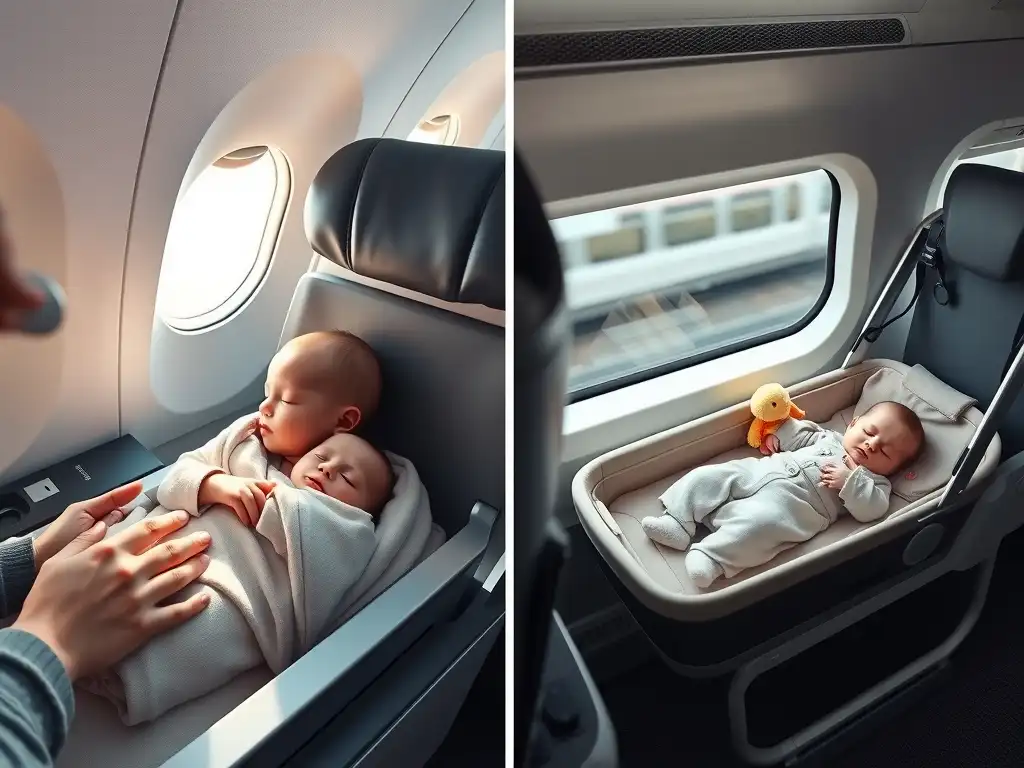
Traveling with a baby can be challenging, especially when it comes to sleep. The unfamiliar environment, changes in air pressure, and the constant hum of the plane or train can disrupt even the most well-established sleep routines. However, with careful planning and the right strategies, you can significantly improve your baby's chances of getting some rest during your journey.
This section focuses on practical solutions to optimize your baby's sleep while airborne or on a train, helping you navigate the unique challenges of infant sleep during travel. We'll explore ways to create a calming atmosphere, utilize soothing sounds, and adapt feeding schedules to minimize sleep disruptions. Remember, consistency and preparation are key to successful baby sleep travel.
Creating a Calming In-Flight Environment: Minimizing Distractions and Promoting Relaxation
Creating a soothing environment is paramount for promoting sleep in an unfamiliar setting. Think of it as creating a mini- "sleep sanctuary" within your limited space. Start by minimizing distractions. Dim the cabin lights if possible, or use a portable blackout shade to block out any bright lights. Bring along a favorite blanket or lovey—familiar comforts can work wonders in reducing anxiety and promoting relaxation. Consider bringing along a small, lightweight toy or pacifier for comfort.
The temperature also plays a significant role. A slightly cooler environment is often more conducive to sleep. Dress your baby in layers so you can adjust as needed. Airplanes and trains can be surprisingly drafty, so be prepared to add or remove layers to maintain a comfortable temperature. Remember to prioritize safety; ensure the baby is securely fastened in their car seat or bassinet during take-off and landing.
Utilizing White Noise and Soothing Sounds: Drowning Out Unfamiliar Noises During Travel
The constant hum of airplane engines or the clatter of a train can be incredibly disruptive to a baby's sleep. White noise machines or apps are invaluable tools for masking these unsettling sounds and creating a more peaceful atmosphere. The consistent, low-level noise can help block out distracting noises and create a calming auditory environment. Many apps offer a variety of white noise options, including ocean waves, rain sounds, or fan noise. Experiment to find what works best for your baby.
Alternatively, you could consider bringing a small, battery-operated fan. The gentle whirring of the fan can provide a similar soothing effect to white noise and may be less jarring to some babies than electronic sounds. Remember to choose a fan with a safety guard to prevent any accidents. Prioritize safety and always ensure the device is placed safely and securely away from the baby.
Adjusting Feeding Schedules During Flights: Maintaining a Regular Feeding Routine While Traveling
Maintaining a regular feeding schedule as much as possible is crucial for promoting healthy sleep patterns, even when traveling. While it might not always be perfectly feasible, try to stick to your baby's usual feeding times. However, be mindful of air pressure changes during take-off and landing; it's often recommended to feed your baby during these times to help equalize pressure in their ears.
If your baby is breastfeeding, continue as usual. If your baby is formula-fed, prepare bottles ahead of time and keep them in a safe, accessible location. Bringing a thermos of hot water can simplify the process of preparing bottles in-flight. Remember to pack extra bottles and formula to account for potential delays or unexpected changes. Always prioritize safety and follow airline regulations regarding bringing liquids on board. Adapting to the travel environment requires flexibility but maintaining a consistent routine as much as possible will benefit your baby's sleep.
Baby Sleep Products for Air Travel: Choosing the Right Travel Crib, Swaddle, or Sleep Sack
Choosing the right sleep aids for your baby during air travel can significantly impact their comfort and, consequently, yours. The key is selecting lightweight, portable options that offer familiar comfort without taking up excessive space in your luggage. Let's explore some essential travel-friendly sleep products.
One crucial decision is whether to bring a travel crib. While some airlines provide bassinets for infants, availability is limited and often requires advance booking. A portable travel crib offers a dedicated sleep space, mimicking your baby's familiar bed at home. Consider cribs that fold compactly and are lightweight for easy transport.
Look for features like breathable mesh sides for ventilation and a sturdy, easy-to-assemble frame. Remember to check airline baggage allowances before purchasing, as size and weight restrictions vary. Some parents opt for smaller, lightweight alternatives, such as a foldable playard that can also function as a crib, offering additional space for play time during layovers.
Swaddles and sleep sacks are indispensable for travel, especially for younger babies. These provide a sense of security and warmth, replicating the feeling of being held. However, for air travel, prioritize lightweight and breathable materials. Avoid bulky, thick swaddles that can overheat your baby in the potentially warm cabin environment.
Look for fabrics like cotton muslin or lightweight fleece. Consider a travel-sized swaddle or sleep sack that is easily packed and doesn't wrinkle excessively. Remember to check the safety guidelines regarding swaddling for your baby's age and development stage, ensuring they are not swaddled too tightly and can still move their hips freely.
Beyond the crib, swaddle, and sleep sack, consider additional sleep-promoting items. A familiar stuffed animal or small blanket can offer comfort and a sense of security. A white noise machine (consider a small battery-operated one) can help block out disruptive airplane noises and promote sleep. A pacifier, if your baby uses one, can also be a valuable tool for soothing them during takeoff and landing.
However, remember to always follow safe sleep guidelines even when traveling, ensuring your baby sleeps on their back on a firm surface. Remember that even with these aids, your baby may still be affected by the change in air pressure and unfamiliar environment. Patience and flexibility are crucial during travel.
Traveling with a baby can be daunting, especially concerning their sleep. Successfully navigating car trips requires careful planning and a proactive approach to managing your baby's sleep needs while ensuring their safety. This section focuses on practical strategies for making road trips smoother and more restful for both you and your little one. We'll delve into planning rest stops, optimizing car seat safety and comfort, and utilizing helpful car seat accessories. Mastering these aspects will significantly improve your travel experience and help you avoid sleep-deprived meltdowns.
Planning Rest Stops and Breaks: Strategically Scheduling Stops to Accommodate Baby's Sleep Needs
Planning your route meticulously is key to successful baby sleep during car travel. Avoid overly ambitious driving schedules. Instead, incorporate frequent, strategically timed stops. Consider your baby's usual sleep patterns. If your baby typically naps every two hours, plan stops around those intervals. These stops don't need to be lengthy; even a 20-30 minute break for a quick feed, diaper change, and some gentle rocking can make a significant difference.
Remember to factor in potential delays. Unexpected traffic or unforeseen circumstances can disrupt your schedule. Building in buffer time can prevent stressful situations and allow you to adapt to your baby's changing needs.
It's also important to choose your rest stops wisely. Opt for locations with safe, clean, and well-lit areas for diaper changes and baby care. Rest areas with picnic tables provide a convenient place to lay down a blanket for a quick nap if needed. Consider downloading a reliable app that provides information on rest areas and amenities along your route. This proactive planning will enhance your chances of successful car travel with your baby.
Optimizing Car Seat Safety and Sleep: Ensuring Baby's Comfort and Safety During Long Drives
Prioritizing safety is paramount. Never compromise your baby's safety for sleep. Ensure the car seat is correctly installed and your baby is securely fastened according to the manufacturer's instructions and relevant safety guidelines. A properly fitted car seat minimizes the risk of injury in case of an accident.
However, a safe and secure car seat doesn't automatically guarantee sleep. Consider these comfort-enhancing strategies:
- Proper Positioning: Adjust the car seat's recline to a more comfortable angle for sleeping. Many car seats offer adjustable recline positions. Experiment to find the optimal angle that supports your baby's head and neck while keeping them secure.
- Supportive Cushioning: A rolled-up towel or a dedicated infant car seat head support can provide extra neck support, preventing the head from flopping forward during sleep. Again, ensure these additions do not compromise the safety of the car seat's harness system.
- Temperature Regulation: Maintaining a comfortable temperature within the car is crucial. Avoid overheating by using appropriate air conditioning and ensuring proper ventilation. A light blanket can be used for warmth, but never cover your baby's face or head.
Utilizing Car Seat Accessories for Sleep: Harnessing Car Seat Accessories for Enhanced Comfort and Sleep
Several car seat accessories can significantly enhance your baby's comfort and sleep during travel. These accessories are designed to improve the car seat environment, making it more conducive to sleep. Always prioritize safety and ensure any accessory used does not interfere with the car seat's safety features or the proper functioning of the harness.
Here are a few examples:
| Accessory | Benefits | Considerations |
|---|---|---|
| Car Seat Head Support | Provides extra neck support and prevents head flopping. | Ensure it doesn't interfere with the harness or obstruct airflow. |
| Car Seat Mirror | Allows you to check on your baby without turning around. | Check for secure mounting and clear visibility. |
| Car Seat Canopy/Shade | Blocks out sunlight and provides privacy. | Ensure proper ventilation to prevent overheating. |
| Infant Car Seat Insert/Padding | Adds extra cushioning and support for newborns and smaller infants. | Check compatibility with your specific car seat model. |
Remember, every baby is different, and what works for one might not work for another. Experiment with different strategies and accessories to find the optimal combination that promotes safe and comfortable sleep during your travels. Patience and flexibility are key to successful baby sleep during travel.
Road Trip Sleep Strategies: Maximizing Sleep Opportunities During Car Journeys
Traveling with a baby can be challenging, especially when it comes to sleep. Maintaining a consistent sleep schedule during a road trip is nearly impossible, but you can significantly improve your baby's rest by strategically planning your journey and creating a comfortable car environment. Understanding your baby's sleep cues is paramount. Does your baby rub their eyes, become unusually quiet, or yawn excessively?
These are all signs of impending sleepiness. Capitalize on these cues by pulling over to a safe location as soon as possible. Even a short 20-30 minute nap can make a world of difference in their mood and yours.
A crucial aspect of maximizing sleep during car journeys is creating a soothing atmosphere inside the vehicle. Consider using blackout curtains for the car windows to block out sunlight and reduce stimulation. Playing white noise or calming lullabies can also help mask external noises and create a more peaceful environment. A consistent car seat routine can also aid in sleep. Always place your baby in their car seat in the same manner, perhaps with a favorite comfort item like a small, soft blanket or plush toy. Consistency helps create a sense of familiarity and security.
Timing is everything. Try to plan your driving schedule to coincide with your baby's usual nap times. If your baby typically sleeps for two hours in the afternoon, aim to be on the road during that time. This can significantly increase the chances of them sleeping in the car. However, be flexible. Babies are unpredictable, and adjusting to their cues is vital. Don't force sleep; instead, create the conditions that are most conducive to it.
Remember that frequent stops are essential, even if your baby doesn't appear tired. Regular breaks allow you to stretch, change diapers, feed your baby, and give them a chance to move around and relieve any stiffness. These breaks prevent discomfort and crankiness, which can disrupt sleep. These stops also give you a chance to assess your baby's needs and address them before they escalate into a major disruption to the journey. A well-rested, well-cared-for baby is much more likely to sleep soundly in the car. Prioritizing regular breaks is a crucial component of successful baby sleep travel tips.
Accommodating Baby's Sleep in Hotels and Other Accommodations
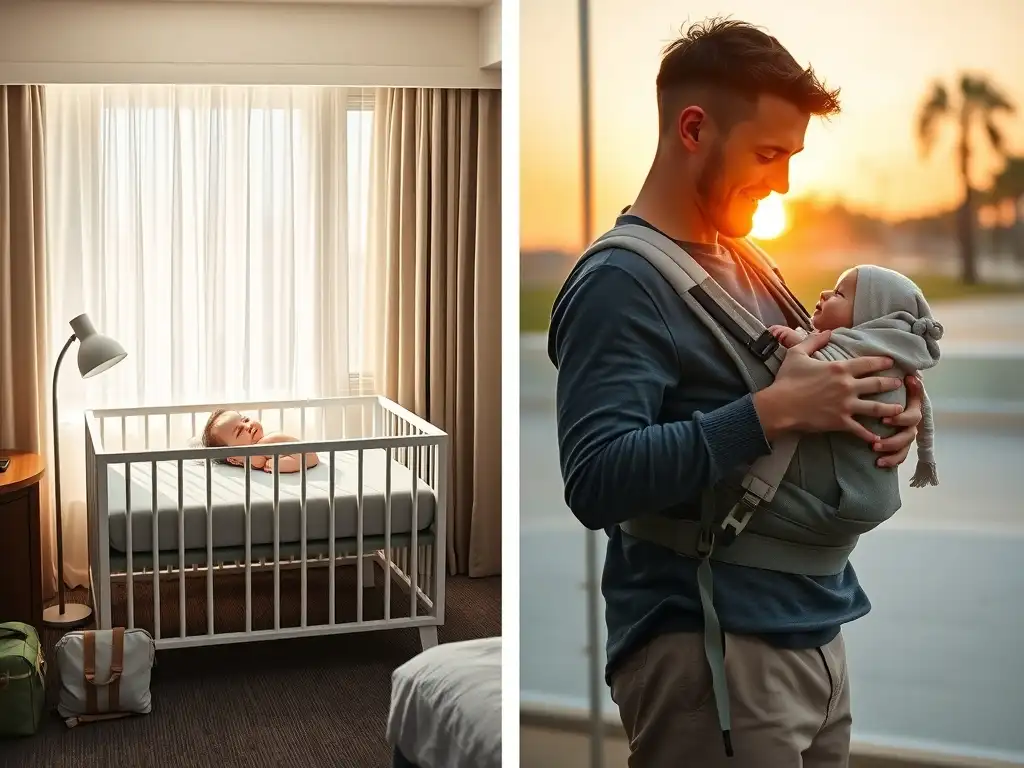
This section focuses on practical strategies for ensuring your baby sleeps well during travel, specifically addressing the challenges of hotel rooms and alternative accommodations. Successfully navigating this aspect of travel significantly reduces parental stress and improves the overall family experience. Remember, consistency is key, even when away from home.
Choosing Baby-Friendly Accommodations: Selecting Hotels or Rentals with Suitable Sleep Arrangements
Finding the right accommodation is paramount for successful baby sleep during travel. Consider these factors when booking:
- Space: A larger room offers more flexibility for creating a dedicated sleep area for your baby. Consider suites or rooms with separate sleeping areas if possible. A crib or travel cot will require ample space.
- Amenities: Look for hotels or rentals offering cribs, baby monitors, or even blackout curtains – features that significantly improve sleep quality. Some hotels even advertise "baby-friendly" packages. Checking reviews for mentions of these amenities can prove very helpful.
- Location: Consider proximity to amenities that might be needed during the night, such as a 24-hour convenience store or pharmacy, in case of unforeseen circumstances. A quiet location away from busy streets or noisy entertainment venues is also crucial.
- Reviews: Thoroughly read online reviews. Look for mentions of noise levels, room cleanliness, and the responsiveness of hotel staff to guest needs. This is particularly important when travelling with a baby, whose sleep can be easily disrupted.
Choosing wisely before you leave home minimizes stress and maximizes the chances of a restful night's sleep for both you and your baby. Prioritizing these factors ensures a more pleasant travel experience.
Adapting Baby's Sleep Environment: Recreating a Familiar Sleep Space in an Unfamiliar Setting
Even with the best accommodations, adapting your baby to a new sleep environment requires careful planning. The goal is to recreate, as much as possible, the familiar cues associated with sleep at home.
- Familiar Sounds: Pack a white noise machine or download white noise apps onto your phone. Consistent sounds can soothe your baby and help them fall asleep easier in a new environment. The hum of a fan can also work effectively.
- Consistent Routine: Maintain your baby's usual bedtime routine as closely as possible. This consistency provides predictability and comfort, mitigating the effects of the unfamiliar setting. Bath time, feeding, and story time are all important elements to maintain.
- Scent: Consider bringing a familiar blanket or stuffed animal that carries your baby's scent. These familiar smells can provide comfort and security, easing the transition to a new sleep space.
- Temperature: Pay attention to the room temperature. Babies are sensitive to temperature changes. Adjust the thermostat or use blankets appropriately to maintain a comfortable sleeping environment.
Managing Jet Lag and Sleep Disruptions: Addressing Time Zone Changes and Sleep Regression After Travel
Traveling across time zones can significantly disrupt your baby's sleep patterns, leading to jet lag and potential sleep regression. Here's how to manage these challenges:
- Gradual Adjustment: Start adjusting your baby's sleep schedule a few days before your trip, shifting bedtimes incrementally to better align with the destination's time zone. This gradual approach helps minimize the impact of the time change.
- Exposure to Sunlight: Sunlight helps regulate your baby's circadian rhythm. Exposure to natural light upon arrival at your destination can help reset their internal clock.
- Consistent Sleep/Wake Times: Despite the disruptions, try to maintain a consistent sleep/wake schedule as much as possible. This provides structure and helps your baby adjust more quickly.
- Patience: Remember that it takes time for babies to adjust to new time zones. Be patient and understanding. Sleep regression after travel is common and temporary. Stick to your routine and your baby will eventually find their rhythm again. It's important to remember that this process can take several days or even a week. This is normal and should not cause unnecessary alarm. 😴
The key to successful baby sleep during travel is preparation and consistency. By carefully considering your accommodations, recreating a familiar sleep environment, and managing the effects of jet lag, you can significantly improve your baby's sleep quality and your own travel experience.
Post-Travel Sleep Recovery: Helping Your Baby Readjust to Their Regular Routine
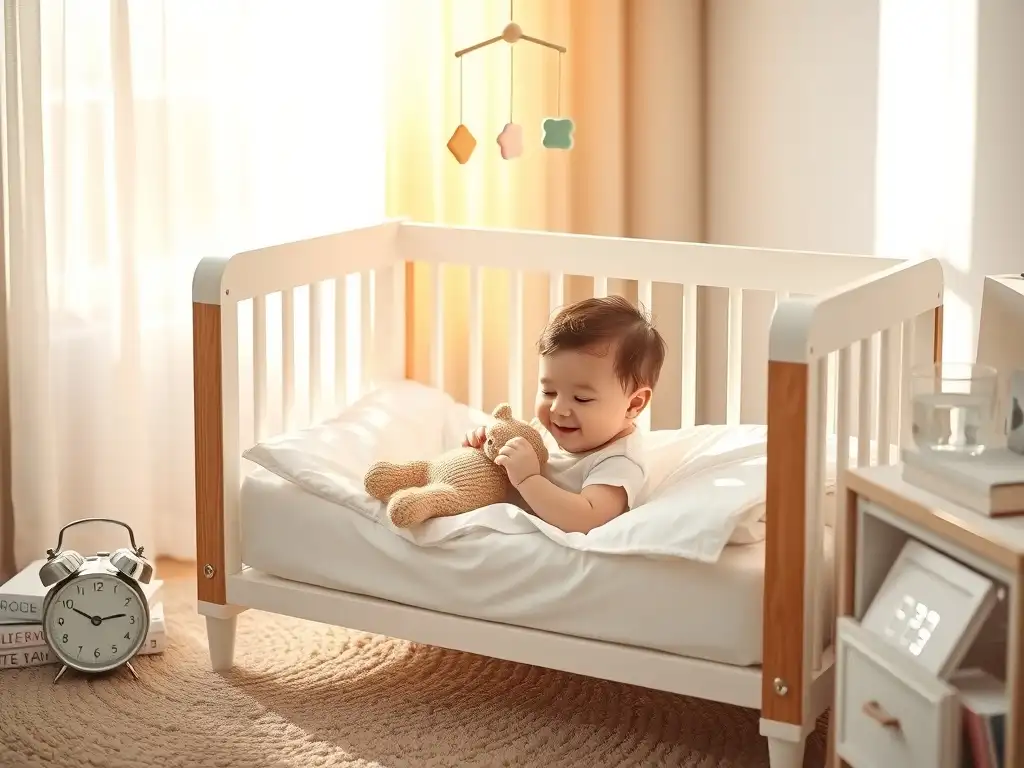
Traveling with a baby can disrupt even the most well-established sleep schedule. The change in environment, time zones (if applicable), and routines can lead to temporary sleep disturbances. Successfully navigating post-travel sleep recovery requires patience, consistency, and a gradual return to your pre-trip habits. This process is crucial for both your baby's well-being and your own sanity! Remember, consistency is key when it comes to baby sleep travel tips.
Re-Establishing a Consistent Sleep Schedule: Gradually Returning to Pre-Trip Sleep Habits
The key to successful post-travel sleep recovery is a gradual return to your baby's normal sleep schedule. Avoid drastic changes; instead, make incremental adjustments over several days. For instance, if your baby usually naps at 10:00 am and 2:00 pm, try to maintain those nap times as closely as possible, even if your baby is slightly off schedule after the trip.
Here's a sample plan to help re-establish a consistent sleep schedule:
- Day 1-2: Focus on maintaining a regular wake-up and bedtime routine. Stick to familiar bedtime rituals, such as a bath, story time, and lullaby. Don't worry too much about perfect nap times; just try to keep them within a reasonable window.
- Day 3-4: Begin to gently nudge your baby’s sleep schedule closer to their pre-trip routine. If their bedtime was 7:00 pm, and it's drifted to 8:00 pm, try moving bedtime back by 15 minutes each night.
- Day 5-7: Your baby should be mostly back on track. Continue to monitor their sleep patterns and make minor adjustments as needed. If you notice any significant setbacks, don't hesitate to revert to the previous day's schedule and try again.
Remember to be flexible and patient. Some babies adjust more quickly than others. Don't be discouraged if it takes a little longer than expected. The most important thing is to create a calm and predictable environment to promote healthy sleep. This is crucial for implementing successful baby sleep travel tips.
Addressing Sleep Regression After Travel: Identifying and Addressing Potential Sleep Disturbances
Travel-related sleep disturbances often manifest as a temporary sleep regression. This means your baby might exhibit behaviors like increased night wakings, shorter sleep periods, or difficulty falling asleep. These are normal responses to the disruption of their routine. However, understanding the potential causes can help you address them effectively.
Some common sleep disturbances after travel include:
- Jet lag: If you traveled across time zones, jet lag can significantly impact your baby's sleep. Their internal clock needs time to readjust.
- Environmental changes: A new bed, unfamiliar sounds, or different levels of light can all contribute to disrupted sleep.
- Overtiredness or understimulation: Trying to force your baby to stick to a rigid schedule too quickly can backfire, leading to overtiredness and sleep problems. Conversely, a lack of stimulation can also disrupt sleep patterns.
To address these disturbances, prioritize creating a calm and consistent environment, maintaining familiar bedtime routines, and being flexible with your baby's sleep schedule. Consider using white noise or a sleep sack to create a sense of familiarity. If your baby seems overtired, try adjusting their schedule to allow for more frequent, shorter naps.
| Disturbance | Possible Cause | Solution |
|---|---|---|
| Increased wakings | Jet lag, unfamiliar environment, teething | Gradual schedule adjustment, white noise, familiar objects |
| Shorter sleep | Overtiredness, inconsistent bedtime routine | Adjust nap times, consistent bedtime routine |
| Difficulty falling asleep | Overtiredness, anxiety related to travel | Calming bedtime routine, consistent sleep environment |
Seeking Professional Help: When to Consult a Pediatrician or Sleep Consultant
While temporary sleep disturbances after travel are common, persistent sleep problems warrant professional attention. If your baby's sleep issues persist for more than a week or two after your return, or if you notice other concerning symptoms (such as excessive crying, changes in appetite, or other behavioral changes), it's essential to consult a pediatrician or a certified sleep consultant. They can help rule out any underlying medical conditions and provide personalized guidance on addressing your baby's sleep challenges. They can also provide more specific baby sleep travel tips tailored to your child's needs.
Don't hesitate to seek help; it's a sign of proactive parenting, not a failure. Remember, prioritizing your baby's well-being and your own mental health is crucial. Early intervention can make a significant difference in resolving sleep problems and ensuring a peaceful night's sleep for everyone involved. 😴
Tips for Traveling with a Baby Who Doesn't Sleep Well
Traveling with a baby, especially one with established sleep problems, can feel daunting. However, with careful planning and adaptable strategies, you can significantly improve your chances of a smoother journey. This section focuses on practical solutions to common sleep challenges encountered while traveling with infants and young children, providing actionable advice for parents seeking to navigate this often-stressful experience. Remember, flexibility is key!
Managing Sleep Challenges During Travel: Strategies for Babies with Existing Sleep Issues
Many babies have pre-existing sleep issues, such as difficulty falling asleep, frequent night wakings, or short sleep cycles. These challenges are often exacerbated by travel disruptions. To mitigate these problems, consider these strategies:
- Maintain a Consistent Routine (as much as possible): While complete consistency is difficult during travel, strive to maintain familiar sleep cues. This might include a consistent bedtime routine (bath, book, song), using a familiar sleep sack or swaddle, and sticking to a relatively similar sleep schedule, even if it's slightly off. The goal is to provide predictability within the chaos.
- Travel-Friendly Sleep Aids: Pack familiar comfort items like a favorite stuffed animal, blanket, or pacifier. White noise machines (portable ones are available) can block out distracting travel sounds. A dimmer switch or blackout curtains for the hotel room can also help recreate a darker, sleep-promoting environment.
- Strategic Scheduling: If possible, schedule travel around your baby's typical sleep times. A long car ride during their usual nap time can be a godsend. Consider overnight flights if your baby sleeps better at night.
- Address Underlying Sleep Issues: If your baby has significant sleep problems, consulting a pediatrician or sleep consultant before traveling is highly recommended. They can offer personalized strategies and address any underlying medical or behavioral issues contributing to sleep difficulties. This proactive approach can greatly improve your travel experience.
- Lower Your Expectations: This is crucial. Sleep patterns will likely be disrupted. Accept that your baby might not sleep as well as they do at home, and focus on managing the situation rather than striving for perfection.
Prioritizing Sleep During Travel: Focusing on Rest and Relaxation for Both Parent and Child
The importance of prioritizing sleep for both parent and child cannot be overstated. Exhausted parents are less equipped to handle a fussy baby, creating a vicious cycle. Therefore, consider these approaches:
- Parent-Child Naps: If your baby naps, try to nap alongside them. Even a short rest can significantly boost your energy levels.
- Shared Sleep (with safety precautions): In some situations, co-sleeping might be a viable option to ensure both you and your baby get some rest. However, always prioritize safe co-sleeping practices to reduce the risk of Sudden Infant Death Syndrome (SIDS). This includes a firm, flat surface, no loose bedding, and ensuring your baby is sleeping on their back.
- Realistic Expectations: Remember that you are traveling with a baby, not without one. Embrace the slower pace and allow time for rest and relaxation. It's okay to adjust your itinerary to accommodate your baby's needs.
- Teamwork: If traveling with a partner, split the childcare responsibilities, ensuring each parent gets adequate rest.
Emergency Sleep Solutions: Handling Unexpected Sleep Disruptions During Travel
Even with careful planning, unexpected sleep disruptions can occur. Having a plan for these situations is essential.
- Calming Techniques: Have a repertoire of calming techniques ready, such as gentle rocking, singing lullabies, or offering a pacifier. Knowing what works best for your baby will alleviate stress during challenging moments.
- Familiar Sounds and Scents: Using familiar scents (like a favorite lotion) or sounds (recorded white noise) can help soothe your baby if they wake up distressed in an unfamiliar environment.
- Comfort Items: Always have readily accessible comfort items, such as a favorite toy or blanket.
- Acceptance and Flexibility: Sometimes, despite your best efforts, your baby will not sleep. Accepting this reality and focusing on managing the situation rather than fighting it is crucial. Remember, this phase is temporary.
| Strategy | Description | Effectiveness (Subjective) | Notes |
|---|---|---|---|
| Consistent Routine | Maintaining familiar bedtime routines | High | Adapt as much as possible to the travel environment. |
| Travel-Friendly Sleep Aids | Using familiar comfort items and white noise machines | Moderate to High | Choose portable and lightweight options. |
| Strategic Scheduling | Planning travel around baby's sleep schedule | High | Requires flexibility and may not always be possible. |
| Calming Techniques | Using soothing methods like rocking or singing | Moderate to High | Identify what works best for your baby in advance. |
| Acceptance and Flexibility | Accepting that sleep may be disrupted and adapting to the situation | Varies | Crucial for reducing parental stress. |
Remember, navigating baby sleep during travel requires patience, understanding, and a healthy dose of flexibility. Prioritize rest for both you and your baby, and remember that this challenging phase is temporary. With the right strategies, you can make your travel experience much more enjoyable.
Frequently Asked Questions
How can I prepare my baby for travel to minimize sleep disruption?
Start by establishing a consistent sleep schedule before your trip. Pack familiar sleep aids like a favorite blanket or stuffed animal. Maintain a similar bedtime routine as much as possible while traveling.
What are some tips for getting my baby to sleep on the plane or in the car?
Try to time your travel around your baby's usual nap times. Use white noise or a soothing sound machine to block out external noises. Consider a baby carrier or car seat for secure and comfortable sleep during transit.
My baby sleeps poorly in unfamiliar environments. What can I do?
Bring familiar comfort items from home. Dim the lights and create a calming atmosphere in your hotel room or temporary accommodation. Be patient and allow extra time for your baby to adjust to the new surroundings.
Are there any special considerations for baby sleep during long-distance travel?
Plan for frequent breaks to allow for feeding, diaper changes, and movement. Consider using a portable crib or bassinet to provide a familiar sleeping space. Prioritize consistent routines as much as possible despite the disruption of travel.
How can I prevent jet lag from affecting my baby's sleep?
Gradually adjust your baby's sleep schedule in the days leading up to your trip. Expose your baby to natural sunlight at appropriate times to help regulate their circadian rhythm. Be flexible and allow your baby to sleep when they need to upon arrival at your destination.
Final Reflection: The Sweet Sleep of Journeys Yet to Come
The challenges of maintaining a baby's sleep routine while traveling are far from trivial; they represent a significant hurdle for many families, impacting not only the quality of their vacation but also their overall well-being. Successfully navigating this delicate balance requires proactive planning, adaptability, and a healthy dose of patience – qualities that are rewarded tenfold with precious family moments.
The impact of consistent sleep on a baby's development is undeniable, and the disruption caused by travel can be profoundly felt by both parent and child. This delicate dance between routine and adventure underscores the importance of prioritizing sleep, even amidst the excitement of new experiences. Sleep is the golden chain that binds health and our bodies together.
– Thomas Dekker. This quote, though not specifically about travel, perfectly encapsulates the vital role sleep plays in our overall well-being, especially for our little ones whose development hinges on adequate rest.
Now, consider the lessons learned within this article. You've explored practical strategies, from packing essentials to adapting routines. Take this knowledge and apply it to your next adventure. Don't let the fear of disrupted sleep deter you from creating unforgettable memories with your child. Embrace the journey, adapt as needed, and remember that even amidst the chaos, the sweet sound of your baby sleeping peacefully in a new environment is a reward in itself. The journey is as important as the destination, and with a little preparation, both can be filled with peaceful slumber and happy memories.
Unlock Your Family's Travel Freedom: Sweet Dreams on the Go
Thank you for exploring practical solutions for smoother travel with your little one! We hope you found valuable advice on overcoming sleep challenges while traveling. Now let's put that knowledge into action.
Here's how to transform your next family trip into a relaxing adventure for everyone:
- Prioritize consistent sleep routines: Incorporate at least one sleep strategy from this article during your next trip – even small adjustments can significantly improve sleep. Consider using a familiar sleep sack or playing white noise.
- Share your experiences: Join the BabyCareHub community and share your successes and challenges in the comments below. Let's support each other in creating restful travel experiences for our babies.
- Explore more resources: Discover even more solutions for your baby's sleep needs in our comprehensive sleep guides on BabyCareHub.org.
Ready to turn your next trip into a relaxing family getaway? What's one small change you'll make to improve your baby's sleep on your next journey?