
Sleep Logs Reimagined: How Tech Simplifies Tracking Baby's Rest

Welcome to BabyCareHub, your ultimate guide to navigating the incredible journey of parenthood! We understand that the first year is filled with challenges and triumphs, and we're here to support you every step of the way. Are you struggling to understand your little one's sleep patterns? Discover how baby sleep tracker app benefits can revolutionize your approach to nighttime routines and unlock a world of improved rest for both you and your baby. Let's dive in and explore how technology can simplify this crucial aspect of newborn care!
- Understanding the Benefits of Baby Sleep Tracker Apps
- Choosing the Right Baby Sleep Tracker App: Key Features to Consider
- Top Baby Sleep Tracker Apps and Devices: A Comparative Review
- Maximizing the Benefits of Baby Sleep Tracker Apps: Best Practices
- Beyond Sleep Tracking: Additional Benefits of Baby Monitoring Technology
- The Future of Baby Sleep Tracking: Emerging Technologies and Trends
- Frequently Asked Questions
- Final Reflection: The Sweet Science of Sleep: Empowering Parents Through Technology
- Unlock Your Baby's Sleep Secrets!
Understanding the Benefits of Baby Sleep Tracker Apps
Navigating the world of newborn care can feel overwhelming, especially when it comes to sleep. First-time parents often grapple with inconsistent sleep schedules, frequent night wakings, and the constant worry about whether their baby is getting enough rest. This is where baby sleep tracker apps step in, offering a technological solution to simplify the process of monitoring your little one's slumber and providing valuable insights into their sleep patterns.
This article will explore the numerous benefits of utilizing these apps, focusing on how they improve sleep tracking accuracy, offer data-driven insights, and help identify potential sleep-related issues. Understanding these benefits will empower you to make informed decisions about your baby's sleep, leading to a more restful and harmonious experience for both parent and child.
The increased accuracy and data-driven approach offered by these apps is a significant step towards better understanding and managing your baby's sleep needs, a crucial aspect of overall health and development. We'll delve into specific examples and demonstrate how these apps can transform your approach to baby sleep tracking.
Improved Sleep Tracking Accuracy for New Parents
The initial weeks and months with a newborn are characterized by sleep deprivation and a constant cycle of feeding, changing diapers, and soothing. During this period, accurately tracking sleep can be incredibly challenging. Parents often rely on memory, which is notoriously unreliable, especially when sleep-deprived.
Traditional methods of note-taking are prone to errors and inconsistencies. Baby sleep tracker apps provide a more objective and accurate way to monitor sleep duration and patterns. Many apps utilize features like automatic sleep detection through sound or movement sensors, eliminating the need for manual input and reducing the risk of human error.
This improved accuracy allows parents to gain a clearer picture of their baby's sleep habits, which is crucial for identifying potential issues and making informed decisions about interventions. For example, an app might accurately log a short sleep cycle that you might have otherwise missed, highlighting a potential feeding pattern or underlying sleep disorder. The increased accuracy translates directly into better sleep management for both the baby and the parents.
Data-Driven Insights into Baby's Sleep Patterns
Beyond simply recording sleep duration, many baby sleep tracker apps offer valuable data-driven insights into your baby's sleep patterns. These insights go beyond simple numbers, providing a detailed analysis of sleep cycles, wake windows, and the timing of naps and nighttime sleep. This data can help parents identify trends and patterns they might not notice otherwise.
For instance, an app might reveal a correlation between a late afternoon nap and difficulty falling asleep at night, or show a clear pattern of shorter sleep cycles in the early morning hours. This information is invaluable in establishing a consistent sleep routine and addressing any potential sleep problems. The visualization tools, often presented as graphs or charts, make these complex patterns easy to understand and interpret, even for parents with limited experience in sleep science.
This data-driven approach transforms sleep tracking from a simple record-keeping exercise into a powerful tool for understanding and optimizing your baby's sleep. This allows for proactive adjustments to your baby’s routine, leading to better sleep for everyone.
Identifying Sleep Trends and Potential Issues
One of the most significant benefits of using a baby sleep tracker app is its ability to help identify potential sleep problems early on. By continuously monitoring sleep patterns, the app can highlight inconsistencies or irregularities that might indicate underlying issues. For example, prolonged periods of wakefulness during the night, consistently short sleep cycles, or difficulty falling asleep could signal a problem such as colic, reflux, or even a sleep disorder.
Early identification of these issues is crucial, as it allows parents to seek professional help promptly. The app can also help track the effectiveness of any interventions, such as changes to the sleep routine or the introduction of sleep training techniques. The ability to monitor progress visually and quantitatively empowers parents to make data-informed decisions, leading to a more effective and less stressful approach to resolving sleep problems.
The peace of mind provided by knowing your baby's sleep is being carefully monitored is a significant benefit in itself. 😴
Reducing Parental Anxiety Through Objective Sleep Data
New parenthood is often accompanied by a whirlwind of emotions, and sleep deprivation significantly exacerbates parental anxiety. The constant worry about whether your baby is getting enough sleep, whether their sleep patterns are "normal," and the sheer exhaustion can take a toll. Baby sleep tracker apps offer a powerful antidote to this anxiety by providing objective data. Instead of relying on hazy memories and subjective estimations, parents can review concrete information on their baby's sleep duration, sleep cycles, and wake-up times.
This data-driven approach offers reassurance. Seeing a clear picture of their baby's sleep patterns, even if those patterns aren't perfect, can help parents feel more in control and less overwhelmed by the uncertainty inherent in early infancy. The ability to identify trends, such as longer sleep stretches over time or the correlation between bedtime routines and sleep quality, provides a sense of accomplishment and reduces the feeling of helplessness. This objective data empowers parents to make informed decisions about their baby's sleep, reducing the anxiety associated with guesswork and uncertainty.
For example, if a parent notices a consistent pattern of short sleep cycles followed by frequent night wakings, they can adjust their bedtime routine or seek advice from a pediatrician with concrete data to support their concerns. This approach is far more effective than relying on intuition alone. The peace of mind offered by objective sleep data is invaluable in the often-stressful world of new parenthood. The quantified data shifts the focus from subjective worry to a proactive, data-informed approach to baby’s sleep, leading to decreased parental anxiety and increased confidence in their parenting abilities.
Choosing the Right Baby Sleep Tracker App: Key Features to Consider
Choosing the right baby sleep tracker app can significantly impact your ability to understand your baby's sleep patterns and address any potential issues. The market is flooded with options, so it's crucial to prioritize features that align with your needs and lifestyle. This section focuses on key features to consider when evaluating different baby sleep tracker apps, ensuring you find the perfect tool to support your parenting journey.
Understanding these aspects will help you navigate the selection process and choose an app that provides the most benefit in tracking your baby's sleep. The benefits of using a quality baby sleep tracker app extend far beyond simple data logging; they can contribute significantly to improved sleep for both baby and parent.
Ease of Use and Intuitive Interface
A user-friendly interface is paramount, especially during the often sleep-deprived early months of parenthood. The best baby sleep tracker apps prioritize simplicity. Look for apps with clean layouts, large, easily tappable buttons, and clear instructions. Avoid apps with cluttered dashboards or complex navigation. The goal is quick and effortless data entry, even when you're tired.
Consider these aspects:
- Intuitive Data Entry: Can you easily log sleep start and end times, naps, and wake-ups with minimal effort? Does the app offer one-tap shortcuts for common actions?
- Clear Visualization: Does the app present sleep data in a clear and understandable format? Are graphs and charts easy to interpret? Does it offer different display options to suit your preferences?
- Night Mode: A crucial feature for nighttime use, a dedicated night mode minimizes screen brightness, protecting your eyes and preventing disruption to your baby's sleep.
A truly intuitive app should feel almost effortless to use, even in the middle of the night. This ease of use directly translates into more accurate data collection and ultimately a better understanding of your baby's sleep patterns. Remember, the easier the app is to use, the more likely you are to consistently track your baby's sleep, maximizing the benefits of using a sleep tracker.
Comprehensive Data Recording Capabilities
Beyond simply recording sleep and wake times, a comprehensive baby sleep tracker app should offer a range of data recording capabilities. This detailed information allows for a more nuanced understanding of your baby's sleep, helping you identify patterns and potential problems.
The following features are important to consider:
- Nap Tracking: Accurate tracking of naps is crucial, as they contribute significantly to a baby's overall sleep. The app should allow you to easily log both short and long naps, differentiating between them for a clearer picture.
- Feeding and Diapering Logs: Many apps integrate feeding and diaper-changing logs. This correlation of data can help identify relationships between feeding times, diaper changes, and sleep patterns.
- Note-Taking Functionality: The ability to add notes about each sleep period (e.g., "fussy before sleep," "woke up crying," or "fed before bed") provides valuable context that enriches the data analysis. This allows for a more complete picture of the circumstances surrounding your baby's sleep.
- Sleep Cycle Tracking (if available): Some advanced apps attempt to track sleep cycles, though the accuracy of this feature can vary. If this is important to you, research the app's methodology and user reviews carefully.
The more comprehensive the data recording, the more valuable the insights you'll gain into your baby's sleep habits. This detailed information can be invaluable in identifying potential sleep problems and making informed decisions about your baby's sleep routine. Think of it as a digital sleep diary that goes beyond simple timestamps.
Integration with Other Baby Care Apps and Devices
The best baby sleep tracker apps often integrate with other baby care apps and devices. This integration streamlines your workflow and provides a more holistic view of your baby's well-being. Consider these possibilities:
- Smart Baby Monitors: Some apps connect with smart baby monitors, automatically detecting wake-ups and feeding times, reducing manual data entry.
- Smart Scales: Integration with smart scales can track weight gain, providing additional data points that might correlate with sleep patterns.
- Other Baby Care Apps: Integration with apps that track feeding, diaper changes, or milestones can create a comprehensive picture of your baby's daily routine.
Seamless integration prevents data silos and allows for a more complete understanding of your baby's overall health and development. This interconnectedness provides valuable insights that can only be achieved by combining data from various sources. This unified view can be instrumental in addressing sleep issues proactively and making informed decisions about your baby's care. The benefits of this integration are significant, providing a smoother, more efficient, and informative parenting experience.
Data Security and Privacy Considerations
Choosing a baby sleep tracker app involves carefully considering the security and privacy of your child's sensitive data. Many apps collect extensive information, including sleep patterns, feeding schedules, and potentially even room temperature and humidity. It's crucial to understand how this data is stored, protected, and used. Look for apps that explicitly state their data security policies and adhere to relevant privacy regulations like GDPR or CCPA. Transparency is key – a reputable app will clearly outline what data is collected, how it's used, and with whom it might be shared.
Avoid apps that are vague or lack a clear privacy policy. Consider the app's encryption methods; strong encryption ensures that even if data is breached, it remains unreadable. Furthermore, investigate whether the app offers features like data anonymization or allows you to delete your data at any time. Remember, you are entrusting sensitive information about your child, so thorough due diligence is paramount.
Protecting your baby's data should be a top priority when selecting a sleep tracker. Think about the long-term implications of storing this data; some apps might offer data retention options, allowing you to control how long your information is stored on their servers. Choosing an app with robust security measures safeguards your family's privacy and peace of mind. A responsible app developer will prioritize data security and provide clear and accessible information about their practices.
User Reviews and Ratings
Before committing to a specific baby sleep tracker app, thoroughly examine user reviews and ratings on app stores like Google Play and the Apple App Store. These reviews often provide invaluable insights into the app's real-world performance, highlighting both its strengths and weaknesses. Pay close attention to comments regarding the app's accuracy, ease of use, and customer support responsiveness. Look for patterns in the feedback; several users reporting similar issues suggest a potential problem with the app's functionality or reliability.
Don't just focus on the overall star rating; read individual reviews to gain a nuanced understanding of user experiences. Consider the number of reviews as well; a high number of reviews generally indicates a more established and widely used app. However, even with many reviews, pay attention to the consistency of feedback, especially regarding negative experiences. Apps with a consistently high number of positive reviews, addressing concerns promptly, tend to be more reliable and trustworthy.
Remember, user reviews offer a valuable perspective that supplements the app's marketing materials, providing a more realistic picture of the app's capabilities and potential drawbacks. Using user feedback effectively can significantly improve your chances of finding a sleep tracker app that truly meets your needs. Analyzing user reviews is a critical step in the process of choosing the right baby sleep tracker app, contributing significantly to the benefits you will receive from using such an app.
Top Baby Sleep Tracker Apps and Devices: A Comparative Review
This section dives deep into the features, advantages, and disadvantages of three popular baby sleep tracker apps, helping you decide which best suits your needs. We'll analyze their functionalities, ease of use, and overall value proposition to aid in your selection process. Remember, choosing the right baby sleep tracker app can significantly improve your understanding of your baby's sleep patterns and contribute to better sleep for both you and your little one. This directly addresses the benefits of using a baby sleep tracker app, improving parental well-being and infant sleep quality.
Huckleberry: Features, Pros, and Cons
Huckleberry is known for its sophisticated algorithms and detailed sleep analysis. It goes beyond simply logging sleep times; it offers insights into sleep cycles, wake windows, and even suggests adjustments to your baby's routine based on its data analysis.
- Features: Detailed sleep cycle tracking, personalized sleep recommendations, growth chart integration, feeding and diaper change logging, multiple caregiver support, customizable notifications. The app boasts a visually appealing interface and intuitive navigation, making it user-friendly even during those sleep-deprived moments. It also utilizes advanced algorithms to detect sleep patterns and offer tailored advice.
- Pros: Comprehensive data analysis, personalized recommendations, user-friendly interface, excellent customer support, integration with other baby tracking apps. Many users praise its ability to identify potential sleep problems early on.
- Cons: Some users find the subscription cost high compared to other apps. The extensive feature set might feel overwhelming for parents who prefer a simpler approach. The reliance on algorithms may not always accurately reflect individual baby's nuances. The app's accuracy depends heavily on consistent and accurate data input.
BabyTracker: Features, Pros, and Cons
BabyTracker offers a more straightforward approach to sleep tracking, focusing on simplicity and ease of use. It's a good option for parents who want a no-frills app that provides essential sleep information without overwhelming them with complex features.
- Features: Basic sleep log, customizable sleep categories (nap, nighttime sleep), feeding and diaper change logging, simple charting and graphing of sleep data, multiple profile support. This app prioritizes ease of use and clear data presentation.
- Pros: Intuitive and easy to use, free version available (with limited features), quick data entry, clean and uncluttered interface. Its simplicity is a major advantage for busy parents.
- Cons: Limited analytical capabilities compared to Huckleberry, lacks advanced features like sleep cycle tracking and personalized recommendations. The free version's limitations might make it less useful for long-term tracking. The lack of sophisticated features might not provide the in-depth insights some parents seek.
SleepSmart: Features, Pros, and Cons
SleepSmart strikes a balance between comprehensive features and user-friendliness. It offers detailed sleep tracking along with helpful insights, but maintains a relatively easy-to-navigate interface.
- Features: Sleep cycle tracking (though perhaps not as sophisticated as Huckleberry), customizable alerts and reminders, integration with smart baby monitors (where applicable), detailed reports, sleep trend analysis. It presents data in a user-friendly format, making it easy to understand your baby's sleep patterns.
- Pros: Good balance between features and ease of use, provides actionable insights, reasonable pricing, reliable data tracking. The app offers a good combination of features and user-friendliness, making it a solid choice for many parents.
- Cons: Some users report occasional glitches or bugs. The level of personalization may not be as advanced as other premium apps. The availability of smart monitor integration may depend on the specific device you are using.
Choosing the right baby sleep tracker app is a very personal decision. Consider your needs and preferences when making your choice. Understanding the "baby sleep tracker app benefits" of each app will help you make an informed decision that best supports you and your baby's sleep journey. 😴
Owlet Smart Sock: Features, Pros, and Cons

The Owlet Smart Sock is a popular choice among parents seeking a convenient and reliable way to monitor their baby's sleep and heart rate. This wearable device gently attaches to the baby's foot and uses pulse oximetry to track oxygen levels and heart rate. Data is then transmitted wirelessly to a base station and a connected smartphone app. The app provides real-time updates, historical data, and alerts if any abnormalities are detected. This constant monitoring offers peace of mind, especially for parents of premature babies or those with health concerns.
One of the significant advantages of the Owlet Smart Sock is its ease of use. The sock is comfortable for babies to wear, and the app is intuitive and easy to navigate. Parents appreciate the visual representation of their baby's vitals and the ability to set custom alerts for specific thresholds. The historical data allows parents to track sleep patterns over time, identifying potential trends and contributing factors to disrupted sleep. Furthermore, the Owlet app offers insights and educational resources to help parents understand their baby's sleep patterns and address any concerns.
However, the Owlet Smart Sock also has some drawbacks. The price point is considerably higher than many other baby monitors. Some parents find the alerts, while helpful, can be overly sensitive, leading to unnecessary interruptions. Battery life can also be a concern, requiring regular charging.
Finally, it's important to remember that the Owlet Smart Sock is a monitoring device, not a diagnostic tool. Any concerning readings should always be verified by a healthcare professional. Despite these limitations, many parents find the benefits of continuous monitoring outweigh the drawbacks, especially when considering the peace of mind it provides. The Owlet Smart Sock's ability to provide early warnings of potential issues significantly contributes to its popularity as a baby sleep tracker app benefit.
Nanit Pro Smart Baby Monitor: Features, Pros, and Cons
The Nanit Pro is a comprehensive smart baby monitor that utilizes a camera, software, and wall-mounted base station to track sleep and provide insights into a baby’s sleeping patterns. Unlike wearable trackers, the Nanit Pro uses computer vision technology to analyze the baby's sleep without any contact. This means no sensors or wearable devices are attached to the baby, offering a contact-free monitoring solution. The camera captures video, and the Nanit app analyzes the footage to determine sleep stages, wake times, and even feeding patterns. This non-contact approach eliminates concerns about discomfort or interference with the baby's sleep.
The Nanit Pro's strengths lie in its detailed sleep analysis and insightful reporting. The app provides comprehensive sleep reports, including sleep duration, wake-ups, and sleep cycles. This data can be incredibly valuable for parents who are trying to establish a consistent sleep schedule for their baby.
The system also offers features such as breathing wear monitoring (though not as precise as dedicated pulse oximeters), sound monitoring, and room temperature and humidity tracking—all contributing to a holistic view of the baby's sleep environment. The ability to access these features remotely adds to the convenience and peace of mind it offers, highlighting another key benefit of this baby sleep tracker app.
However, the Nanit Pro is not without its limitations. The initial cost of the system is significant, including the camera and the base station. While the video quality is generally good, it’s not suitable for use in low-light conditions. The system's reliance on a reliable internet connection is also a potential drawback.
Furthermore, while the app offers insights, it's crucial to remember that it's an interpretation of video data and may not be perfectly accurate in all situations. Privacy concerns regarding the constant video recording should also be carefully considered before purchasing. Despite these limitations, the Nanit Pro’s comprehensive features and insightful sleep analytics make it a strong contender in the market for parents seeking detailed sleep tracking and analysis as a benefit of a baby sleep tracker app.
Maximizing the Benefits of Baby Sleep Tracker Apps: Best Practices
This section delves into maximizing the utility of baby sleep tracker apps, focusing on best practices to ensure accurate data collection and insightful interpretation. Understanding how to effectively use these tools is key to unlocking their full potential in improving your baby's sleep and your own peace of mind. The benefits extend beyond simply recording sleep times; they offer a powerful tool for understanding your baby's sleep patterns and making informed decisions about their sleep hygiene. Let's explore how to get the most out of your chosen baby sleep tracker app.
Accurate Data Entry for Reliable Sleep Analysis
Accurate data entry is paramount for obtaining meaningful insights from your baby sleep tracker app. Inaccurate data leads to skewed analysis and potentially flawed conclusions about your baby's sleep patterns. Think of it like this: garbage in, garbage out. Here's how to ensure accuracy:
- Timely Entries: Record sleep start and wake times promptly. Delaying entries can lead to inaccuracies, especially if you're relying on memory. Aim for immediate recording whenever possible. The immediacy ensures that you don't miss crucial details.
- Detailed Notes: Don't just record sleep durations. Include details like feeding times (both before and after sleep), diaper changes, and any notable events that may have affected your baby's sleep, such as crying spells, fussiness, or environmental factors (noisy neighbours, unusually warm room). These annotations are crucial for correlating sleep patterns with other activities.
- Consistency is Key: Maintain a consistent routine of data entry. Regular and consistent data allows for a clearer picture of sleep patterns over time. Missing entries create gaps in the data, hindering accurate analysis.
- Understanding App Features: Familiarize yourself fully with your app's features. Many apps offer options for categorizing sleep (e.g., light sleep, deep sleep, active sleep), feeding type (breast milk, formula), and other relevant information. Utilize these features to enrich your data.
- Regular App Updates: Ensure your app is updated to the latest version. Updates often include bug fixes and improved features that enhance accuracy and reliability. This minimizes the chance of errors impacting your data analysis.
Interpreting Sleep Data to Understand Your Baby's Needs
Once you have a consistent record of your baby's sleep, the real work begins: interpreting the data. Your baby sleep tracker app likely provides visualizations (graphs, charts) of sleep patterns. These visuals help you identify trends and patterns which might otherwise be missed. For example:
- Identifying Sleep Cycles: Many apps will show distinct sleep cycles, indicating periods of lighter and deeper sleep. Understanding these cycles can help you time feedings or diaper changes to minimize disruptions.
- Recognizing Sleep Regressions: Apps can help you identify sleep regressions, periods where your baby's sleep patterns change significantly. This allows you to adjust your strategies proactively, rather than reacting after the fact.
- Correlating Sleep with Other Factors: By noting feeding times, diaper changes, and other events, you can begin to see correlations between these activities and your baby's sleep. For instance, you might discover that a later evening feeding leads to shorter sleep cycles.
- Tracking Total Sleep: The app provides a clear overview of your baby's total sleep duration over a given period. This helps you assess whether your baby is getting enough sleep for their age. Compare this to recommended sleep guidelines.
- Detecting Patterns: Look for recurring patterns in your baby's sleep. Do they wake up at the same time each night? Does a particular activity consistently lead to better sleep? Identifying these patterns is essential for developing effective sleep strategies.
Using Sleep Tracker Data to Improve Baby's Sleep Hygiene
The ultimate goal of using a baby sleep tracker app is to improve your baby's sleep hygiene. By analyzing the data, you can make informed decisions to optimize their sleep environment and routine. This might involve:
- Establishing a Consistent Bedtime Routine: Data might reveal a correlation between a consistent bedtime routine and longer sleep durations. This reinforces the importance of predictability for your baby.
- Optimizing the Sleep Environment: Is your baby's room too warm or too cold? Too bright or too dark? The data might highlight sensitivities to environmental factors, allowing you to make adjustments for a more conducive sleep environment.
- Adjusting Feeding Schedules: Are your baby's night wakings related to hunger? Data can help you adjust feeding schedules to minimize nighttime feedings.
- Addressing Underlying Issues: If the data consistently shows disrupted sleep, it might indicate an underlying issue such as colic, teething, or illness. This data can prompt you to seek professional medical advice.
- Monitoring Progress: Track your efforts over time to see if your strategies are effective. The app provides a visual record of your baby's sleep progress, allowing you to make adjustments as needed. This iterative approach is key to finding what works best for your baby.
The benefits of using a baby sleep tracker app extend far beyond simply recording sleep times. By accurately recording data, understanding the information presented, and using that knowledge to improve your baby's sleep hygiene, you can create a more restful experience for both your baby and yourself. Remember, consistency and attention to detail are key to maximizing the benefits of these valuable tools. 😴
Addressing Sleep Problems with the Help of Sleep Tracker Data and Pediatrician Consultation
Tracking your baby's sleep patterns using a dedicated app provides invaluable data, but it's crucial to understand that the app itself isn't a diagnostic tool. The information gleaned from the tracker should be used to inform discussions with your pediatrician, not to self-diagnose or treat potential sleep issues. Consistent, detailed sleep logs – easily created and maintained through the app – offer a clear picture of your baby's sleep habits, including sleep duration, wake windows, and sleep cycles.
This detailed record allows your pediatrician to quickly identify potential problems. For example, if the app consistently shows short sleep cycles punctuated by frequent night wakings, your doctor can assess whether this is indicative of a developmental phase, a medical condition, or simply a need for adjustments in your baby's sleep routine.
A key benefit of using a baby sleep tracker app is the ability to pinpoint trends and patterns that might be missed by casual observation. Imagine this scenario: You might notice your baby is waking up more frequently at night, but you might not realize it's consistently happening around the same time every night, or only after a particularly long wake window.
A sleep tracker app meticulously records this data, enabling your pediatrician to determine if there's a correlation between specific events (like a late afternoon nap or a later bedtime) and the increased nighttime wakings. This level of detail facilitates a more precise and effective diagnosis.
Furthermore, the app's data can help you and your pediatrician collaboratively develop a tailored sleep plan. By analyzing the data together, you can identify areas for improvement, such as optimizing wake windows, adjusting bedtime routines, or addressing potential environmental factors affecting your baby's sleep. This collaborative approach leverages the objective data provided by the app with the expert knowledge and guidance of your pediatrician, ensuring the best possible outcome for your baby's sleep health. Remember, the data from the app is a tool to enhance communication and facilitate informed decisions, not a replacement for professional medical advice.
Always consult your pediatrician for any concerns regarding your baby's sleep or health. The successful use of baby sleep tracker apps hinges on this collaborative approach, maximizing the benefits for both parents and their little ones. It’s about using technology to empower informed decision-making, not to replace expert medical care. 😴
Beyond Sleep Tracking: Additional Benefits of Baby Monitoring Technology
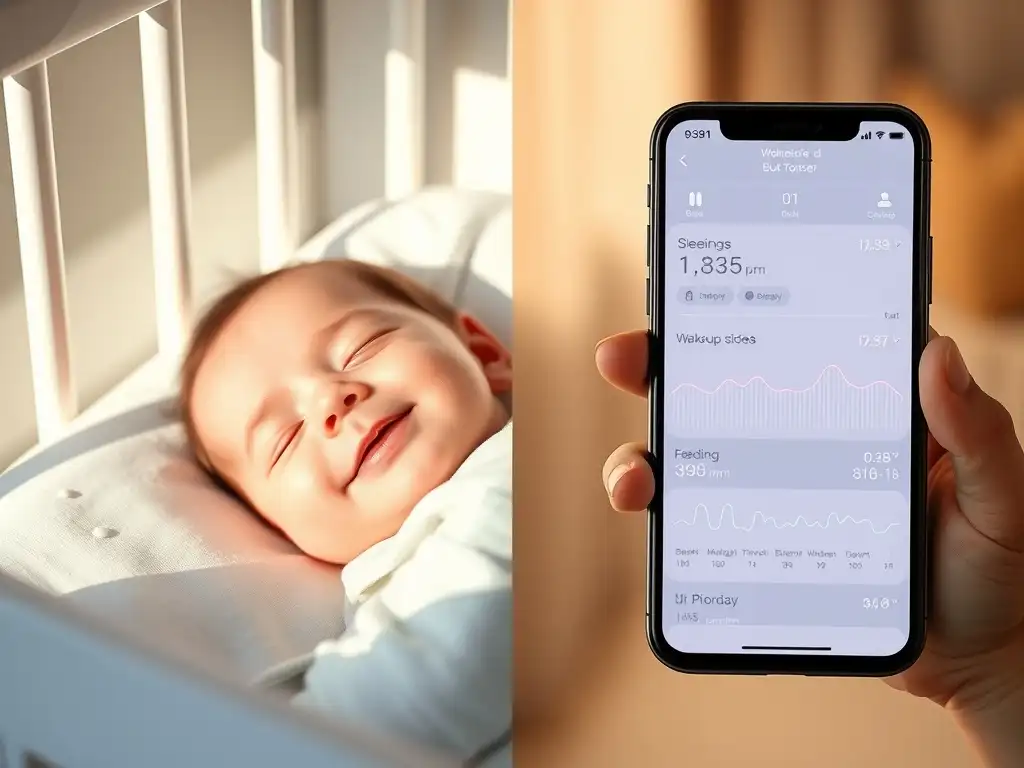
This section explores the advantages of baby monitoring technology that extend beyond simply tracking sleep patterns. While accurately logging sleep duration and quality is a crucial benefit – directly impacting parental decision-making regarding baby's routine and addressing potential sleep issues – many modern devices offer a wealth of additional features enhancing parental well-being and baby's safety.
These features contribute significantly to the overall value proposition of using a baby sleep tracker app, far exceeding the simple recording of sleep data. Understanding these added benefits is key for parents seeking to optimize their baby's care and their own peace of mind.
Improved Parental Communication and Collaboration
Effective communication is paramount in newborn care, especially for couples or families with multiple caregivers. Baby sleep tracker apps often include features designed to facilitate this communication and collaboration. Many apps allow multiple users to access and view the same sleep data simultaneously, eliminating the need for constant updates or phone calls. This shared access ensures everyone is on the same page regarding the baby's sleep patterns, feeding schedule, and overall well-being.
For instance, one can easily see when the baby last woke up, how long they slept, and any notes added by the other parent or caregiver. This eliminates the guesswork and ensures consistency in caregiving. Features like shared calendars for appointments and medication reminders further strengthen this collaborative approach.
The seamless sharing of information fosters a more unified and supportive parenting experience, reducing stress and improving overall efficiency. Imagine the relief of knowing both parents can instantly access the baby's sleep data, regardless of their location. This is a significant improvement over traditional methods of sleep tracking, which often rely on fragmented information and handwritten notes.
Furthermore, some apps provide insights and summaries of the baby's sleep data, making it easy for parents to discuss and analyze trends together. This collaborative analysis can be particularly helpful in identifying patterns, making informed decisions about sleep training strategies, and proactively addressing any potential sleep problems. The improved communication and coordination facilitated by these apps are invaluable assets for parents navigating the challenges of newborn care.
Enhanced Baby Safety and Security Features
Beyond sleep tracking, many baby monitoring systems integrate safety and security features designed to provide parents with an added layer of protection and peace of mind. These features can range from basic alerts to more advanced functionalities. For example, some apps offer real-time notifications if the baby's room temperature falls outside a pre-defined safe range. Others integrate with smart baby monitors that include features like motion detection and sound alerts, notifying parents instantly if the baby stirs or cries.
The integration of these safety features significantly reduces parental anxiety, especially during the night. The ability to remotely check on the baby using a smartphone app provides a constant reassurance. Furthermore, some advanced systems even incorporate features like two-way audio, allowing parents to soothe the baby from another room without physically entering the nursery. This can be particularly helpful in preventing unnecessary disruptions to the baby's sleep.
Specific examples of safety features could include: a built-in camera with night vision for clear visibility, an alert system triggered by unusual movements or sounds, and the ability to set up geofencing notifications to alert if the baby monitor is moved from its designated location. These features contribute to a safer environment for the baby and provide parents with a greater sense of security. The potential for improved safety and security offered by these advanced features significantly enhances the overall value of a baby sleep tracker app, offering far more than just sleep data.
Integration with Smart Home Systems for Seamless Baby Care
The integration of baby sleep trackers with smart home ecosystems is transforming the way parents manage their baby's care. This integration allows for seamless coordination of various smart devices within the home, simplifying routines and enhancing efficiency. For example, an app might integrate with smart lighting systems to automatically dim the lights in the baby's room at bedtime or with a smart thermostat to maintain an optimal room temperature throughout the night.
This interconnectedness offers several advantages. It streamlines nighttime routines, reducing the number of steps required to prepare for bedtime. The automation provided by smart home integration can also contribute to improved sleep consistency for both the baby and the parents. Imagine the convenience of having the lights dim automatically at 8 pm, the thermostat adjust to the ideal temperature, and a soothing lullaby start playing – all triggered by a single tap on your smartphone app.
Furthermore, some advanced systems allow for the integration of other baby care devices, such as smart humidifiers or white noise machines. This holistic approach to baby care fosters a more comfortable and secure environment for the baby, while simultaneously simplifying the daily routines for busy parents.
The synergy between the sleep tracker app and other smart home devices creates a more intuitive and efficient baby care experience, highlighting another significant benefit beyond simple sleep tracking. This level of integration is a testament to the evolving nature of baby monitoring technology and its potential to significantly improve the lives of parents.
The Future of Baby Sleep Tracking: Emerging Technologies and Trends
The landscape of baby sleep tracking is rapidly evolving, moving beyond simple sleep logs and embracing sophisticated technologies that offer unparalleled insights into infant sleep patterns. This evolution directly addresses the core concerns of parents: understanding their baby's sleep needs and improving sleep quality for both the baby and themselves. The benefits of these advancements extend to improved parental well-being and potentially even early detection of potential health issues. This section will explore some of the key technological advancements shaping the future of baby sleep tracking and how they contribute to the overall "Baby sleep tracker app benefits".
AI-Powered Sleep Analysis and Personalized Recommendations
Artificial intelligence (AI) is revolutionizing baby sleep tracking. Gone are the days of manually interpreting sleep patterns from basic sleep logs. Modern AI-powered apps analyze data from various sources – including wearable sensors, audio recordings, and even smart cribs – to provide detailed sleep cycle breakdowns, identify sleep disruptions, and even predict future sleep patterns. This level of analysis goes beyond simply noting the total hours slept; it identifies specific sleep phases (light, deep, REM), detects wake-ups, and pinpoints potential causes of disrupted sleep, such as hunger, discomfort, or environmental factors.
Furthermore, AI algorithms can generate personalized recommendations tailored to the individual baby's sleep patterns and needs. This personalized approach is a significant step forward, moving away from generic sleep advice to a more targeted and effective strategy. For example, an AI-powered app might suggest adjusting feeding times based on observed sleep patterns, or recommend creating a more consistent bedtime routine to improve sleep consistency.
The resulting data-driven insights empower parents to make informed decisions, leading to improved sleep quality and reduced parental stress. The ability to receive personalized recommendations based on a baby’s unique sleep profile is a key benefit often cited in reviews of "Baby sleep tracker app benefits".
The accuracy of AI-powered sleep analysis is constantly improving, with ongoing research focusing on enhancing algorithms and integrating more diverse data sources. This continuous improvement promises even more precise and useful insights in the years to come.
Wearable Sensors and Advanced Data Collection Methods
The accuracy and detail of sleep data are directly tied to the sophistication of data collection methods. Early sleep trackers relied heavily on manual input, prone to inaccuracies and biases. Modern approaches utilize a variety of wearable sensors and advanced technologies to capture more comprehensive and objective data.
These advancements include:
- Smart socks and sleep suits: These garments embed sensors that track movement, heart rate, and even body temperature throughout the night, providing a detailed picture of the baby's sleep stages and activity levels. This data is far more reliable than manual observations, offering a more accurate assessment of sleep quality.
- Smart cribs and mattresses: Equipped with pressure sensors, these devices monitor the baby's position and movements in the crib, providing insights into sleep posture and potential sleep disturbances. This technology can detect subtle changes that might be missed by other methods.
- Audio analysis: Sophisticated algorithms analyze audio recordings to identify various sleep sounds, such as crying, whimpering, or snoring, providing additional context to the sleep data collected by other sensors. This multi-modal approach offers a more holistic view of the baby's sleep patterns.
The integration of multiple sensor types offers a more robust and accurate data set, minimizing the potential for errors associated with relying on a single data source. This comprehensive data collection is crucial for developing personalized sleep recommendations and accurately identifying potential sleep problems. This enhancement to data collection significantly contributes to the overall "Baby sleep tracker app benefits".
Integration with Healthcare Professionals for Remote Monitoring
The potential of baby sleep trackers extends beyond parental use. Increasingly, these technologies are being integrated into healthcare systems, enabling remote monitoring of infants by pediatricians and other healthcare professionals. This integration offers several significant advantages:
- Early detection of potential health issues: Changes in sleep patterns can be an early indicator of various health problems in infants. Remote monitoring allows healthcare professionals to identify these changes quickly and intervene early, potentially preventing serious complications.
- Improved communication and collaboration: Data shared through a sleep tracker app can facilitate better communication between parents and healthcare providers, leading to more informed decision-making and improved care coordination.
- Reduced hospital readmissions: By monitoring infants remotely, healthcare professionals can detect and address potential issues before they escalate, reducing the need for hospital readmissions.
The integration of baby sleep trackers into healthcare systems is still in its early stages, but it holds immense potential for improving infant health outcomes. The ability to remotely monitor a baby's sleep and identify potential problems early is a significant benefit that adds to the overall "Baby sleep tracker app benefits" and enhances the value proposition for parents and healthcare providers alike. The future of baby sleep tracking is bright, promising more accurate, personalized, and integrated solutions that will benefit both parents and their little ones.
Frequently Asked Questions
What are the benefits of using a baby sleep tracker app?
Using a baby sleep tracker app offers several benefits. It helps track sleep patterns to identify sleep issues and improve sleep routines. This provides valuable data for pediatricians and allows parents to better understand their baby's needs.
How accurate are baby sleep tracker apps?
Accuracy varies depending on the app and method used (e.g., sound vs. movement detection). While not perfectly precise, they provide a good estimation of sleep duration and sleep cycles, offering valuable insights into a baby's sleep habits. Consistency in usage improves accuracy.
Are there privacy concerns with using a baby sleep tracker app?
Yes, consider the app's privacy policy carefully. Look for apps that encrypt data and offer transparency about data collection and usage. Choose reputable developers with a strong privacy record.
What features should I look for in a baby sleep tracker app?
Essential features include sleep log functionality, detailed sleep pattern analysis, easy-to-use interface, and data export options. Consider features like feeding and diaper change logging, growth chart integration, and multiple user access.
How can a sleep tracker app help improve my baby's sleep?
By tracking sleep patterns, you can identify sleep disruptions and establish consistent routines. The data helps you understand sleep triggers and optimize bedtime routines, potentially leading to improved sleep quality for both baby and parents.
Final Reflection: The Sweet Science of Sleep: Empowering Parents Through Technology
The relentless pursuit of a good night's sleep for our little ones is a universal parental experience, and technology is increasingly offering innovative solutions. The benefits of accurately tracking baby's sleep extend far beyond simple convenience; they empower parents with data-driven insights to understand their child's sleep patterns, identify potential issues, and ultimately, foster healthier sleep habits for the whole family.
The impact of sleep trackers on the modern parenting landscape is undeniable. They've moved beyond simple time-keeping, offering sophisticated analysis and personalized recommendations. Sleep is the golden chain that binds health and our bodies together.
This quote, while not specifically about baby sleep, speaks to the fundamental importance of rest, and how tools that help us understand and improve it are invaluable. The shift towards data-driven parenting, facilitated by these apps, is reshaping how we approach this crucial aspect of child development, fostering a more informed and supportive environment for both parent and child.
Consider the power you now hold in your hands. You have the ability to understand your baby's sleep rhythms, to identify patterns, and to make informed decisions about their sleep environment and routines. Don't just passively observe your baby's sleep; actively engage with it, using the tools at your disposal to create a healthier, happier, and more restful experience for both of you. Embrace the technology, learn from the data, and embark on a journey towards better sleep, one insightful night at a time.
Unlock Your Baby's Sleep Secrets!
Thank you for exploring tech-powered sleep tracking for your little one! We hope you found valuable insights into simplifying this crucial aspect of parenthood. Ready to move forward?
- Start a personalized sleep log: Choose a method—digital or pen and paper—and begin tracking your baby's sleep patterns. Look for emerging trends.
- Share your experiences: Connect with other parents online to exchange tips and support. Many online parenting forums offer dedicated spaces for discussing sleep challenges and successes.
- Experiment with different approaches: Combining a sleep diary with a baby monitor app might provide the most comprehensive view of your baby's sleep.
What small adjustment to your sleep tracking routine could best reveal your baby's sleep needs?